心想事成 (xīn xiǎng shì chéng) — May Your Heart's Wishes Come True
A 4-character phrase, not a single character.
心想事成 is the most intimate of the major Chinese blessings — the one that starts inside. It does not name an external outcome like wealth, safety, or smooth travel. It begins with 心 (the heart, the mind) and 想 (to think, to imagine), then crosses the threshold into reality with 事成 (the matter is accomplished). The four characters trace a complete arc from private wish to public fact. To say 心想事成 to someone is to acknowledge that they carry hopes they may not have spoken aloud — and to bless those hopes without asking what they are. It is a blessing built on trust.
In Chinese households, 心想事成 is the phrase spoken at the moment of birthday candle-blowing — the functional equivalent of “make a wish,” but with a built-in promise that the wish will work. Children grow up hearing it every birthday, which means the phrase carries a specific emotional texture: it sounds like family gathered around a table, like a room about to go dark, like the moment before a breath is blown. That childhood association never fully fades. Even when 心想事成 appears on a formal New Year scroll or a graduation gift, it still carries a whisper of birthday cake.
A hand-brushed “心想事成” by FuBlessings is the gift for someone whose private hopes you want to honor — a graduate stepping into an unmapped future, a friend at a turning point, a son or daughter whose ambitions are still forming. It says, in four characters: I do not need to know what you want. I trust it, and I want it for you.
- the heart's wish crossing into reality
- private hope becoming public fact
- the unspoken thing, fulfilled
- dreams come true Too vague. 心想事成 is precise about the arc — from interior thought to accomplished matter, not from fantasy to magic.
- wish fulfillment Missing the structure. The phrase is a small philosophy: consciousness precedes reality. What you hold in mind shapes what arrives.
The short arms are the point: these readings don’t reach it.
- 心想 the heart thinks, the heart imagines心 names both the physical heart and the mind — Chinese philosophy never separated them. 想 is to think, to dwell on, to picture. Together: the private, interior wish, before it has been spoken.
- 事成 the matter is accomplished事 is the matter, the specific concern. 成 carries the sense of completion, fruition, coming fully into being. The threshold: from private thought to public fact.
characters
- 心想 xīn xiǎng the heart thinks — the interior wish, the private hope
- 事成 shì chéng the matter is accomplished — the threshold into reality
- 如意 rú yì as you wish — the broader concept, less specific about the arc
- 心愿 xīn yuàn heart's wish — what 心想 names before it crosses into 事成
Cinnabar marks the characters 心想事成 actually contains. The dark row is a relative by meaning or by sound, not one shared stroke.
The Story Behind the Character
心想事成 is built from two mirrored halves that together describe a complete arc from thought to reality. 心想 (xīn xiǎng) means "the heart thinks" or "the heart imagines" — 心 being the Chinese character for both the physical heart and the mind, a conflation that Chinese philosophy never bothered to separate. 事成 (shì chéng) means "the matter is accomplished" — 成 carrying the sense of completion, fruition, something that has come fully into being. The four characters together describe a small miracle: something that existed only as a private thought crosses the threshold into the real world.
The phrase gained wide currency during the Ming and Qing dynasties as part of the standard repertoire of New Year blessings, but its philosophical roots reach into Buddhist thought. The concept that intention shapes reality — that what the mind dwells on has a way of manifesting — appears throughout Chan Buddhism and in the popular understanding of karma. 心想事成 secularized that idea into a four-character wish: your inner life and your outer circumstances will converge.
What makes 心想事成 distinct among Chinese blessings is its intimacy. 万事如意 covers everything; 一帆风顺 covers a journey; 招财进宝 covers wealth. But 心想事成 starts inside — with the private, unspoken wishes that a person may not have shared with anyone. To say it to someone is a small act of faith: you are trusting that whatever they most quietly want is worth wanting, and you are blessing it without asking what it is.
Classical lines
- roughly 800 years
- c. 300 BCE 《孟子·公孙丑上》
- c. 550 CE 《大乘起信论》
One further source is quoted below without a date printed, so it stays off the rail.
夫志,气之帅也;气,体之充也。 The will is the commander of one's vital energy; that energy is what fills the body.
Mencius's account of how an inner intention becomes an outward force. It is the mechanism behind 心想事成: what the heart fixes on first leads, and the rest of the person follows.
心生种种法生,心灭种种法灭。 When mind arises, all phenomena arise; when mind ceases, all phenomena cease.
The Buddhist root of the idea behind 心想事成: consciousness precedes reality. What you hold in your heart shapes what appears in your world.
有志者事竟成。 For those with resolve, the matter will eventually be accomplished.
Emperor Guangwu's words to his general Geng Yan, after a campaign everyone else had given up on. The earliest classical echo of 事成 — things coming to fruition through sheer will.
Why This Character Matters
心想事成 is the blessing most often spoken aloud at the moment of birthday candle-blowing in Chinese households — the equivalent of "make a wish" in English, but with a built-in promise that the wish will work. The connection is not accidental. The phrase specifically blesses the private, unspoken wish — the one you think but do not say — and the birthday candle ritual is the one moment in the year when that kind of silent wishing is formalized. Children in Chinese families grow up hearing 心想事成 at every birthday, which means the phrase carries a specific emotional resonance: it sounds like childhood, like family gathered around a cake, like the moment before the room goes dark.
In gift culture, 心想事成 occupies a uniquely personal lane. Because it addresses the heart's own wishes rather than naming a specific outcome, it works as a blessing for people whose ambitions you respect but whose specifics you may not know. It is the phrase you give to a friend starting something new, a graduate whose plans are still forming, or a colleague whose private hopes you want to honor without prying. It says, in four characters: I do not need to know what you want. I trust it.
A few characters live near "心想事成" but mean something quieter, sharper, or more specific. Here's how to tell them apart.
traces the full arc — interior wish crossing into accomplished fact
names fulfillment in the abstract — things conforming to intention, without naming the inner origin
starts inside, with the private wish that you may not have spoken aloud
covers the entire outer field — ten thousand specific matters going your way
addresses the heart's specific hope — intimate, personal, trusting
addresses cosmic conditions plus personal fulfillment — wider, less interior
心想事成 is among the most spoken of the four-character New Year greetings — direct, personal, and one of the few specific enough to feel personal even at scale.
- 心想事成 is among the most spoken of the four-character New Year greetings — direct, personal, and one of the few specific enough to feel personal even at scale.
- For a friend at a turning point, 心想事成 acknowledges that they have wishes — and blesses those wishes by name without asking what they are.
- For the graduate stepping into a future they alone can map, 心想事成 is a precise blessing: I trust what you are hoping for, and I hope it comes.
- Just BecauseSometimes the most meaningful gift is the one that simply trusts the other person's hopes. 心想事成 says: whatever you most quietly want, I want it for you too.
Friend · Best Friend · Family · Coworker · Son · Daughter · Self · or yourself
Looking for a name? See Western names written in Chinese →
-
What does 心想事成 (xīn xiǎng shì chéng) mean?
心想事成 (xīn xiǎng shì chéng) is a 4-character Chinese phrase for may your heart's wishes come true. 心想事成 is the most intimate of the major Chinese blessings — the one that starts inside. It does not name an external outcome like wealth, safety, or smooth travel. It begins with 心 (the heart, the mind) and 想 (to think, to imagine), then crosses the threshold into reality with 事成 (the matter is accomplished). The four characters trace a complete arc from private wish to public fact. To say 心想事成 to someone is to acknowledge that they carry hopes they may not have spoken aloud — and to bless those hopes without asking what they are. It is a blessing built on trust. 心想事成 is the blessing most often spoken aloud at the moment of birthday candle-blowing in Chinese households — the equivalent of "make a wish" in English, but with a built-in promise that the wish will work. The connection is not accidental. The phrase specifically blesses the private, unspoken wish — the one you think but do not say — and the birthday candle ritual is the one moment in the year when that kind of silent wishing is formalized. Children in Chinese families grow up hearing 心想事成 at every birthday, which means the phrase carries a specific emotional resonance: it sounds like childhood, like family gathered around a cake, like the moment before the room goes dark.
-
What occasions is 心想事成 given for?
心想事成 is traditionally given for Chinese New Year, Birthday, Graduation, Just Because. 心想事成 is among the most spoken of the four-character New Year greetings — direct, personal, and one of the few specific enough to feel personal even at scale. For a friend at a turning point, 心想事成 acknowledges that they have wishes — and blesses those wishes by name without asking what they are.
-
Who brushes the 心想事成 calligraphy?
FuBlessings hand-brushes each 心想事成 (Xīn Xiǎng Shì Chéng) to order, in ink on rice paper — never printed, never repeated.
Bring 心想事成 home — choose how you'd like it brushed.
-
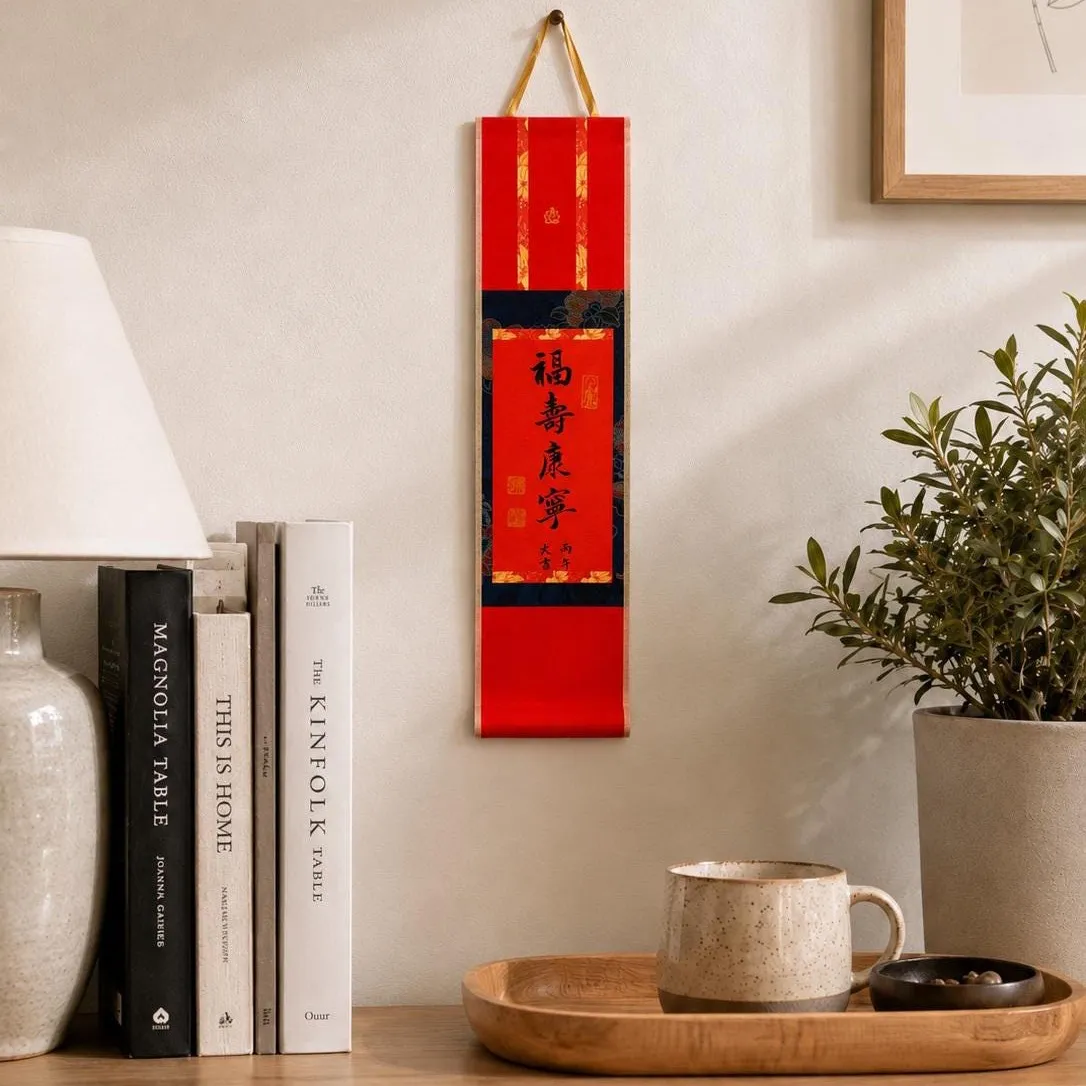
Photo shows a sample — yours will be brushed with 心想事成, or any character you choose.
Wall Scroll — for walls & housewarmingsfrom $38→ -
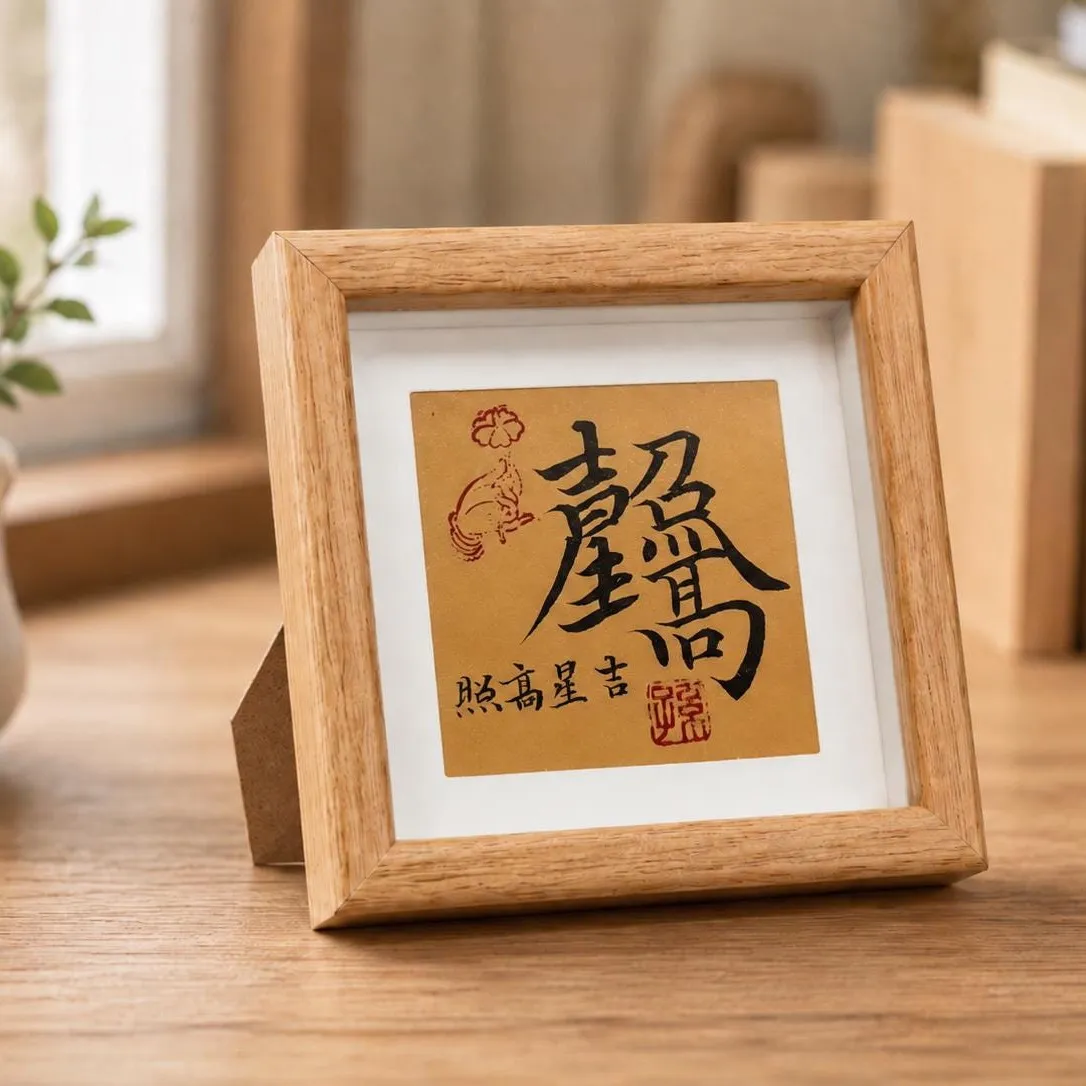
Photo shows a sample — yours will be brushed with 心想事成, or any character you choose.
Desk Frame — for desks, studies & studiosfrom $44→ -
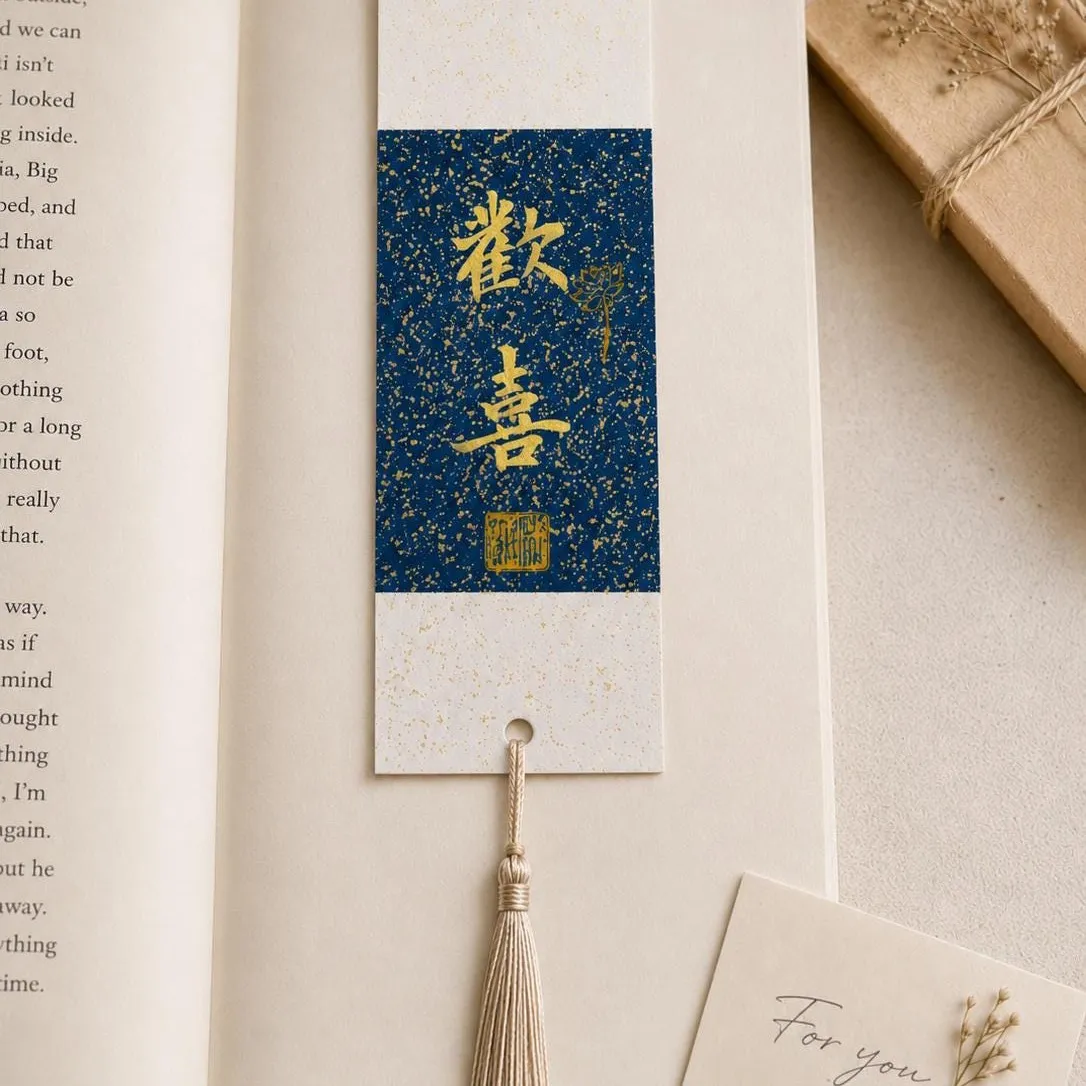
Photo shows a sample — yours will be brushed with 心想事成, or any character you choose.
Bookmark — for readers & small thank-yousfrom $14→
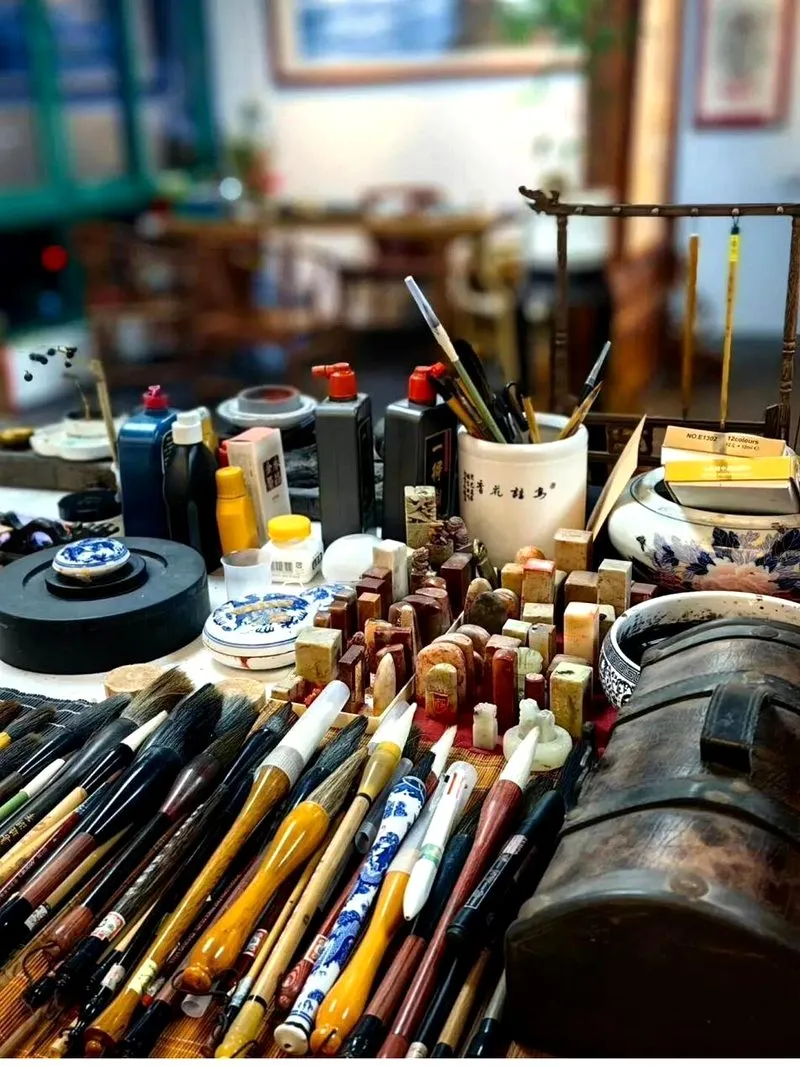
What people said after it arrived.
-
The item is fantastic. The customer service was genuine. Thanks!
— M.Verified purchase · from our Etsy shop reviews · -
They were great they gave me exactly what I asked for and then some. Thank you!!
— G.Verified purchase · from our Etsy shop reviews · -
It is well designed and customized. My daughter loves it. Amazing gift for family’s d friends
— S.Verified purchase · from our Etsy shop reviews ·
Each "心想事成" is hand-brushed by FuBlessings on rice paper.
See 心想事成 (Xīn Xiǎng Shì Chéng) on Etsy →