伟 (wěi) — Greatness · Genuine Magnitude · Consequential Presence
A single character.
The character most commonly chosen for Father’s Day might be 德 — what the father has built in moral character — or 刚, the interior position that didn’t bend under pressure. 伟 occupies a different register entirely. Where 德 names a quality and 刚 names an interior condition, 伟 names what can be seen from the outside: the stature that has accumulated to the scale where it becomes legible in the lives it shaped. Mencius gave it the shortest possible definition — 充实而有光辉之谓大, genuine substance that has become radiant — and the critical word is the second one. The radiance arrives after the substance, and confirms it. 伟 cannot be given as a wish for what someone might become; it only names what can already be observed.
In Chinese name-giving — which is deliberate, often agonized over, specific in its aspirations — 伟 is the single character chosen more often for male children than any other, surpassing 明 (clarity), 国 (nation), and 华 (China’s cultural essence). Parents did not wish primarily for their sons to be powerful or prosperous; they wished for them to become genuinely significant to the people whose lives they touched. The character shows up at the same register in honorifics: 功伟 (merit of great magnitude) and 伟业 (an undertaking that changed things) both name actions at the scale history records. 伟人 — the great person — is the formal term for someone whose life reorganized what surrounded it.
A hand-brushed 伟 by FuBlessings is not a prospective wish — it names something already in evidence. Most appropriate for a father, grandfather, or long-partnered husband whose years have produced something observable: not a title or a public record but the shape of lives different from what they would have been without him. At Father’s Day or a milestone birthday, it names the one thing most filial recognition leaves unspoken — that the influence was real, and that it shows.
- genuine magnitude
- consequential presence
- stature that shows
- a person who has genuinely mattered
- famous Fame is recognition by strangers. 伟 is about real consequence in the lives a person touched — visible in their effects, not in any public record.
- big Mere size. 大 (dà) names size or quantity; 伟 names human significance. A thing can be big; only a person can be 伟.
- powerful Power is force over others. 伟 is closer to weight than force — the kind of stature that reorganizes what is around it without needing to dominate it.
The short arms are the point: these readings don’t reach it.
- 亻 personThe person radical (a compressed form of 人). It anchors the character firmly in the human: 伟 is not size in the abstract but the specifically human quality of mattering — a person who counts for something at scale.
- 韦 cured leather (phonetic)The traditional form 偉 uses 韋, cured leather — material that has been worked over time into something both durable and supple. It supplies the sound (wéi) and lends an apt image: stature produced through sustained treatment, not handed over ready-made.
character
- 伟大 wěi dà great — magnitude that is both substantial and undeniable
- 伟人 wěi rén a great person — someone whose life reorganized what surrounded it
- 宏伟 hóng wěi grand and imposing — used of works and undertakings on a large scale
- 伟业 wěi yè a great undertaking — an achievement that changed things
The Story Behind the Character
The traditional character 偉 places the person radical (亻) beside 韋 (wéi) — the character for cured leather. 韋 appears in one of the most famous phrases in classical scholarship: 韋編三絕, describing how Confucius wore through three sets of leather bindings while studying the Yi Jing so intensively that the physical object gave way before his attention did. In the compound 偉, the same component carries the image of something transformed through sustained treatment: raw material worked, over time, into both durability and flexibility. The person joined to this radical names someone whose magnitude has been produced, not simply inherited.
China's first dictionary, the Shuowen Jiezi (c. 100 CE), gives the core sense as 奇也 — conspicuous and of great scale, standing out from what surrounds it. But the character has always been used most precisely for human consequence: the person who occupies their years at a scale that becomes visible in its effects on others. This distinguishes 伟 from 大 (dà), which names size or quantity in general, and from 雄 (xióng), which names more martial or dominant power. 伟 is neither scale alone nor force alone — it is the specifically human quality of genuinely mattering, in the measure that only years of accumulation can produce.
The name-giving record makes the aspiration explicit. 张伟, 王伟, and 李伟 are consistently among the most common full names registered in China — an index of how central this quality has been to what parents most wanted to name in a son. Not 张大 or 王富, but 伟: the word for genuine human stature. Parents choosing this character were not wishing for fame or prominence; they were naming the kind of person they hoped their child would become — consequential in the lives he touched, recognized not by title but by the shape of what he left behind.
Classical lines
- roughly 500 years
- c. 300 BCE 《孟子·告子下》
- c. 300 BCE 《孟子·尽心下》
- c. 207 CE 曹操《龟虽寿》
天将降大任于是人也,必先苦其心志,劳其筋骨,饿其体肤,空乏其身,行拂乱其所为。 When Heaven is about to entrust someone with a great task, it first tests his will, works his bones and sinews, starves his body, strips him bare, and thwarts everything he attempts.
Mencius's account of how genuine greatness is made rather than given. The passage does not promise that the great person will be comfortable; it promises they will be tested. 伟 as a gift names what has already been produced by that testing.
充实而有光辉之谓大。 To be full and radiant
that is what is called greatness. — Mencius's most compressed definition: genuine greatness is not mere accumulation but accumulation that shows. First 充实 (genuine substance all the way through), then 光辉 (the radiance that substance produces). The second cannot be wished for; it follows from the first.
老骥伏枥,志在千里;烈士暮年,壮心不已。 The old stallion at the stable still aims for a thousand miles; the man of resolve, even in his final years, does not let his grand ambitions rest.
Cao Cao wrote this in his fifties. He was describing the kind of person for whom genuine stature is structural rather than situational — not limited by age because it was never a function of youth.
Why This Character Matters
张伟 is estimated to be among the most common full names in China, registered for hundreds of thousands of people — a record that makes the aspiration legible in aggregate. That parents have chosen 伟 more than any other single character in male naming is not coincidence. Chinese name-giving is a deliberate act; parents hold onto character choices through pregnancy. The choice of 伟 names not ambition for recognition but the hope that the life lived will matter at depth — to the people whose lives it directly touched, not to any wider public.
The compound 伟大 (wěi dà) carries considerable political weight in 20th-century Chinese, where 伟大领袖 (great leader) became one of the era's most charged phrases. This elevated register lends 伟 a weight it carries into ordinary use: to give someone this character is not casual. But in the gift context, removed from political inflection, it returns to its foundational meaning — the person whose presence in the world has produced effects larger than themselves, visible not in public recognition but in the shape of other lives.
A few characters live near "伟" but mean something quieter, sharper, or more specific. Here's how to tell them apart.
the scale of consequence those qualities finally produced
the moral character built up inside the person
the magnitude visible from the outside, in the lives it shaped
the interior firmness that did not bend under pressure
stature that has already accumulated and now shows
the strength and capacity that made that stature possible
For Father's Day when what the occasion calls for is not a description of qualities but an acknowledgment of scale.
- For Father's Day when what the occasion calls for is not a description of qualities but an acknowledgment of scale. 伟 names the magnitude that accumulates over a life actively shaped: the father who has been a genuine organizing force in the family — not just a provider of virtues but someone whose presence has made the shape of things around him different. More elevated than 德 (which names what he has built in moral character) or 刚 (which names the interior firmness that didn't bend), 伟 names the consequence those qualities have produced at the scale where it becomes undeniable.
- For a milestone birthday when the right gift is recognition rather than a wish. 伟 does not ask for anything going forward; it names what the years have already made visible — the combination of character and consequence that becomes fully legible at 60, 70, or 80. For the grandfather, father, or husband whose life has been genuinely formative to the people in it, and whose birthday is the occasion to name that scale directly.
Dad · Grandparent · Husband · or yourself
伟 is one of the characters we use to write Western names in Chinese. See it at work:
-
What does 伟 (wěi) mean?
伟 (wěi) is the Chinese character for greatness, genuine magnitude, consequential presence. The character most commonly chosen for Father's Day might be 德 — what the father has built in moral character — or 刚, the interior position that didn't bend under pressure. 伟 occupies a different register entirely. Where 德 names a quality and 刚 names an interior condition, 伟 names what can be seen from the outside: the stature that has accumulated to the scale where it becomes legible in the lives it shaped. Mencius gave it the shortest possible definition — 充实而有光辉之谓大, genuine substance that has become radiant — and the critical word is the second one. The radiance arrives after the substance, and confirms it. 伟 cannot be given as a wish for what someone might become; it only names what can already be observed. 张伟 is estimated to be among the most common full names in China, registered for hundreds of thousands of people — a record that makes the aspiration legible in aggregate. That parents have chosen 伟 more than any other single character in male naming is not coincidence. Chinese name-giving is a deliberate act; parents hold onto character choices through pregnancy. The choice of 伟 names not ambition for recognition but the hope that the life lived will matter at depth — to the people whose lives it directly touched, not to any wider public.
-
What occasions is 伟 given for?
伟 is traditionally given for Father's Day, Birthday. For Father's Day when what the occasion calls for is not a description of qualities but an acknowledgment of scale. 伟 names the magnitude that accumulates over a life actively shaped: the father who has been a genuine organizing force in the family — not just a provider of virtues but someone whose presence has made the shape of things around him different. More elevated than 德 (which names what he has built in moral character) or 刚 (which names the interior firmness that didn't bend), 伟 names the consequence those qualities have produced at the scale where it becomes undeniable. For a milestone birthday when the right gift is recognition rather than a wish. 伟 does not ask for anything going forward; it names what the years have already made visible — the combination of character and consequence that becomes fully legible at 60, 70, or 80. For the grandfather, father, or husband whose life has been genuinely formative to the people in it, and whose birthday is the occasion to name that scale directly.
-
Who brushes the 伟 calligraphy?
FuBlessings hand-brushes each 伟 (Wěi) to order, in ink on rice paper — never printed, never repeated.
Bring 伟 home — choose how you'd like it brushed.
-
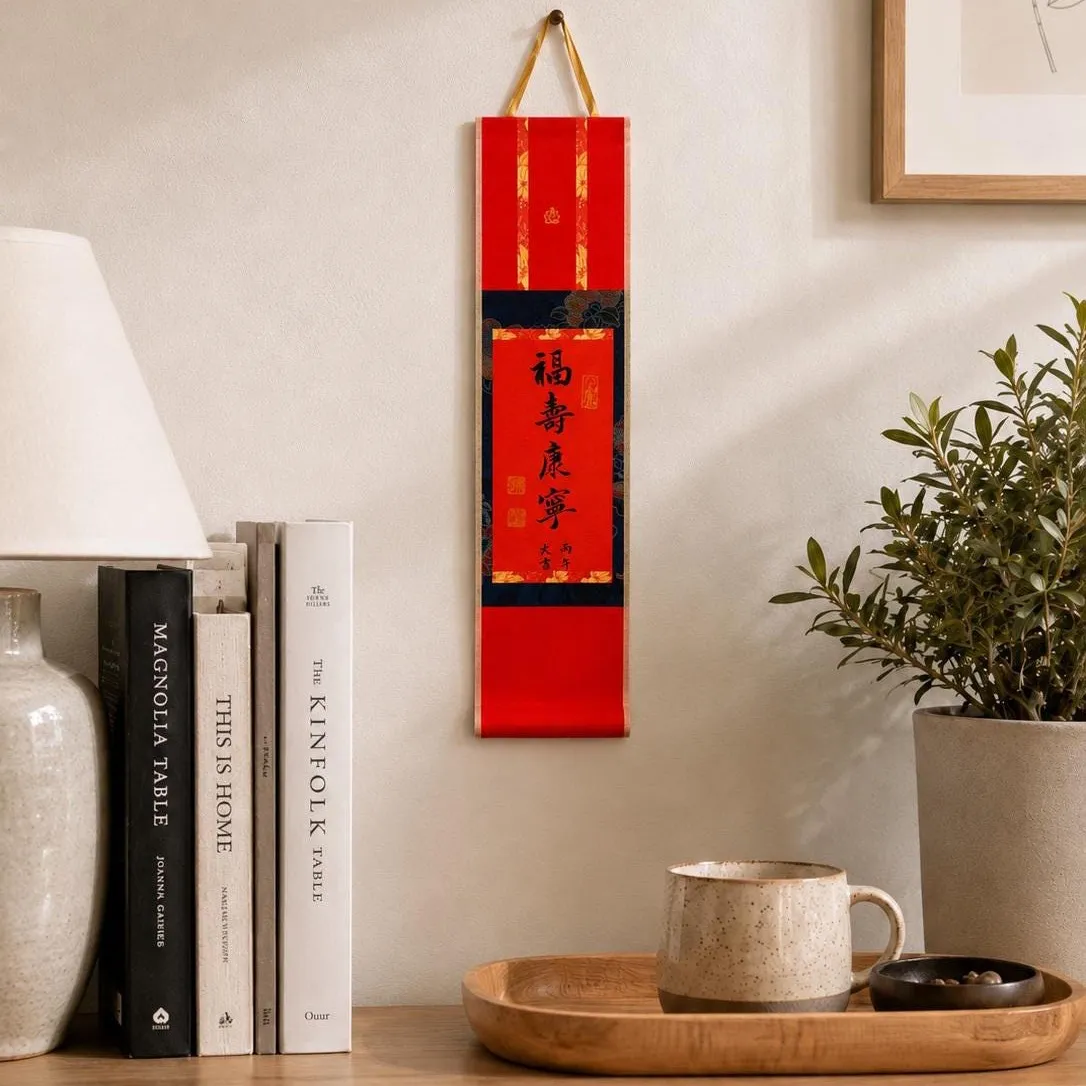
Photo shows a sample — yours will be brushed with 伟, or any character you choose.
Wall Scroll — for walls & housewarmingsfrom $38→ -
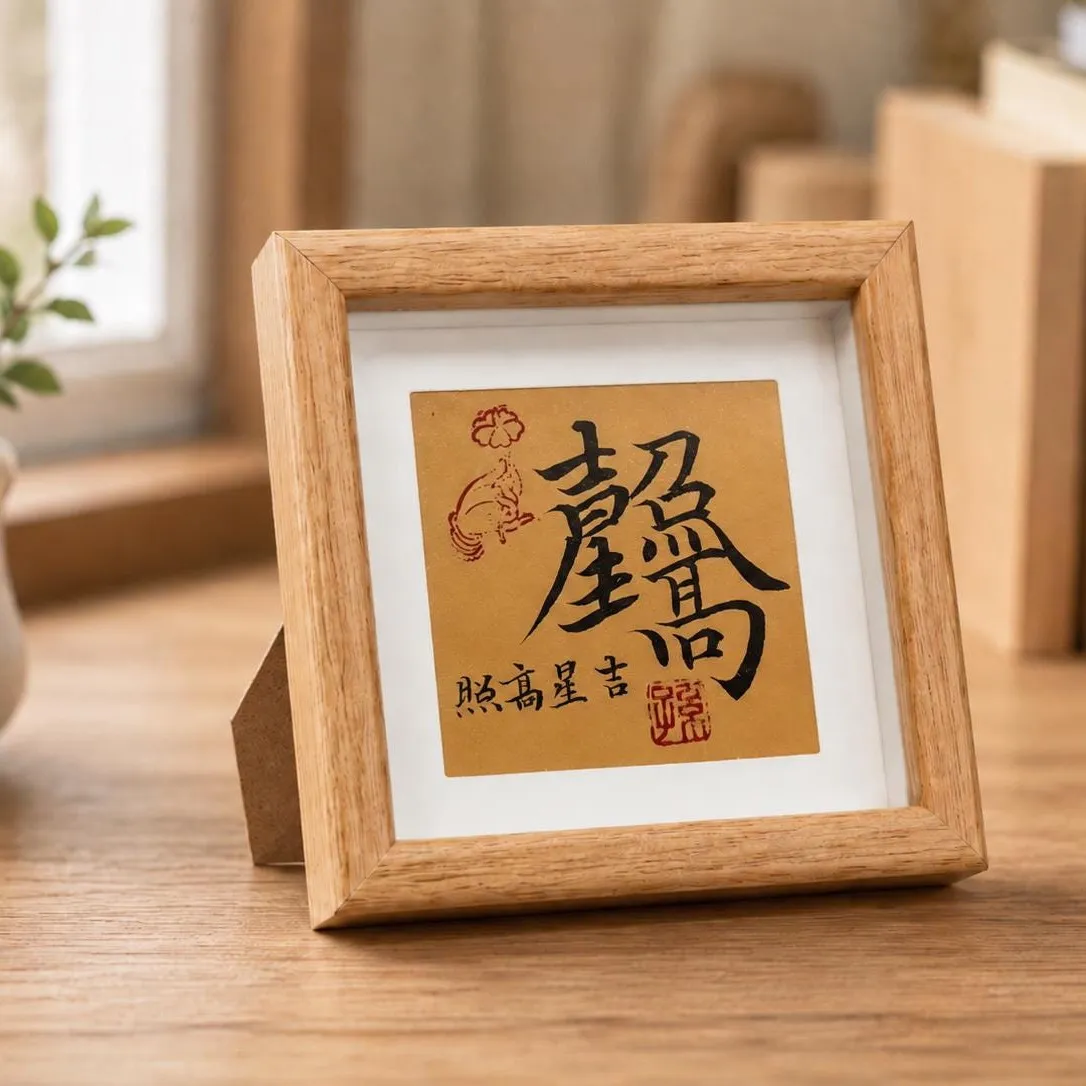
Photo shows a sample — yours will be brushed with 伟, or any character you choose.
Desk Frame — for desks, studies & studiosfrom $44→ -
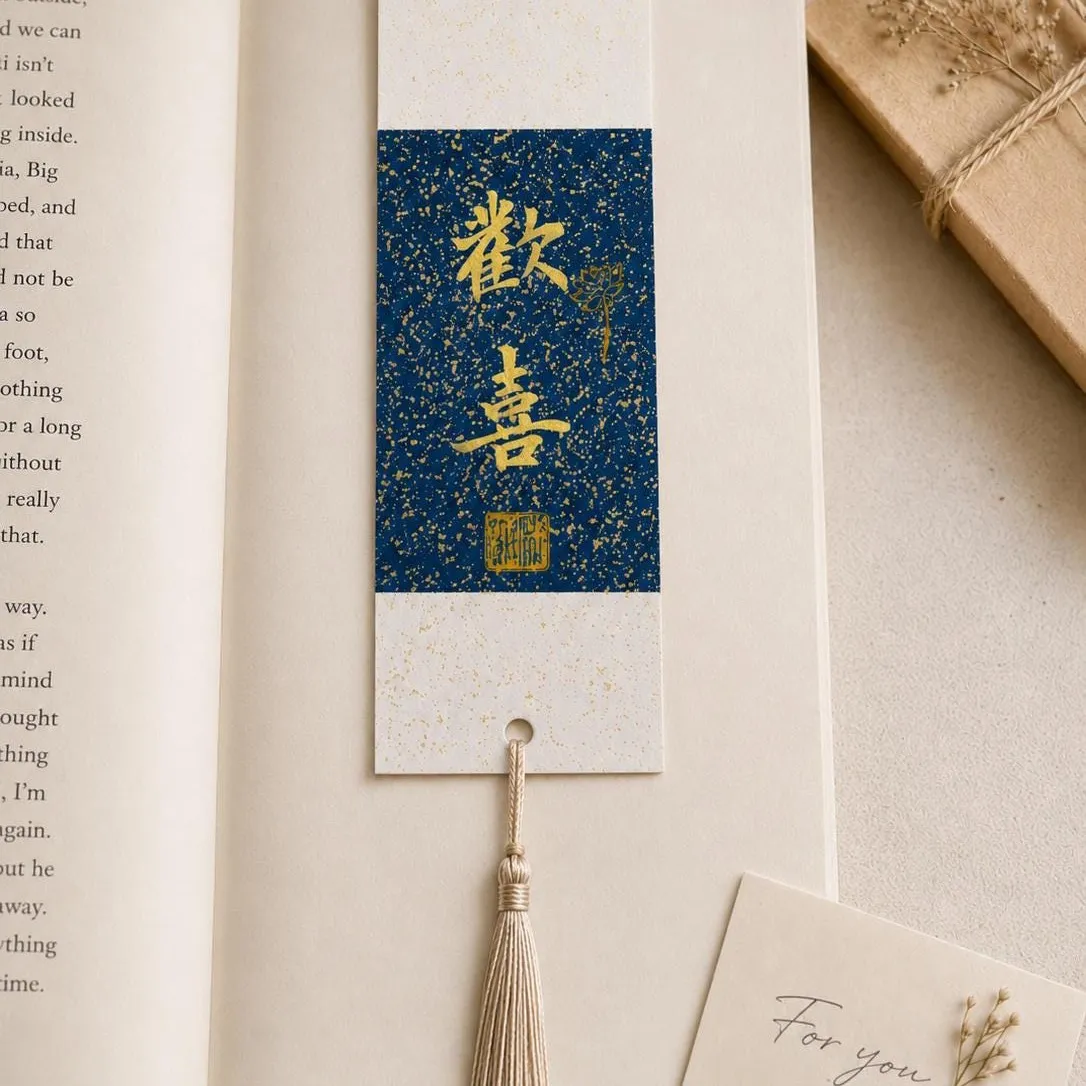
Photo shows a sample — yours will be brushed with 伟, or any character you choose.
Bookmark — for readers & small thank-yousfrom $14→
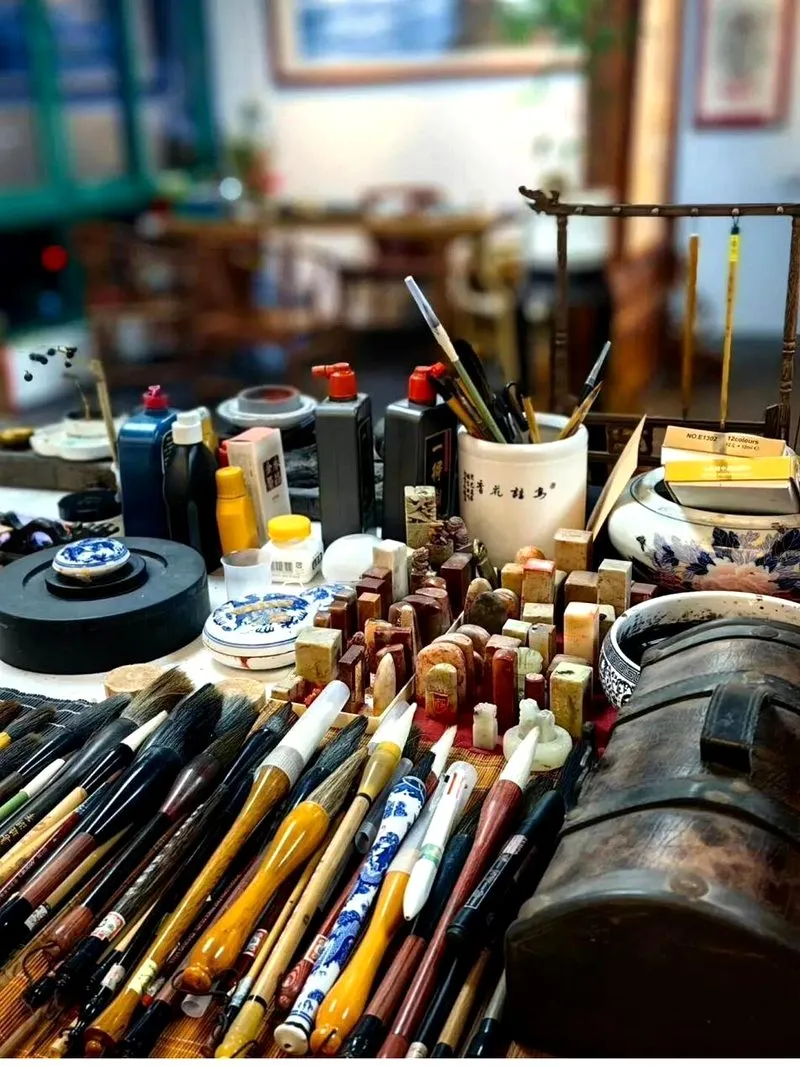
What people said after it arrived.
-
The item is fantastic. The customer service was genuine. Thanks!
— M.Verified purchase · from our Etsy shop reviews · -
They were great they gave me exactly what I asked for and then some. Thank you!!
— G.Verified purchase · from our Etsy shop reviews · -
It is well designed and customized. My daughter loves it. Amazing gift for family’s d friends
— S.Verified purchase · from our Etsy shop reviews ·
Each "伟" is hand-brushed by FuBlessings on rice paper.
See 伟 (Wěi) on Etsy →