慎 (shèn) — Prudence · Careful · Watchful Care
A single character.
Some people you trust with the things that matter because they never act rashly — they weigh a decision, check it twice, and are as careful at the finish of a task as they were at the start. That quality of considered care is 慎. It is not 智, the wisdom to see what is right; not 谦, the modesty to keep learning; not 敬, the seriousness you bring toward people and duties. 慎 is the discipline in between all of those: the care to think a thing through before committing to it, and to carry that care all the way through.
The character wears its meaning openly. Its left side is 忄, the heart radical, which Chinese writing reserves for what happens inside a person before it becomes an act; its right side is 真, true. So 慎 is care held in the heart — an inward posture, not a performance. Confucian teaching built its highest form of this into one phrase, 慎独: to be watchful over yourself even when you are completely alone, when no one is watching and there is nothing to perform for. The Great Learning states it plainly — the person of character must be careful in solitude. Care that only shows up for an audience is not 慎 at all. And Laozi gave the character its most practical line — 慎终如始,则无败事: stay as careful at the end as at the beginning, and nothing you undertake need fail.
A hand-brushed 慎 by Artist Lina Sun is the gift for the person whose careful judgment you have leaned on — the boss who weighs before deciding, the colleague who checks the thing you would have missed, the father whose steadiness taught you not to rush. It does not wish them fortune or long life; those are other characters. It names the rarer quality: the discipline to do a thing right, and to be trusted with what matters precisely because they take that care.
- prudence — weighing a thing before you act on it
- watchful care — 慎独, careful even when no one is watching
- conscientiousness — taking a matter seriously enough to do it right
- deliberateness — considered, not rash, not careless
- timidity 慎 is not fear of acting. To be 慎 is to act — but after weighing, with care to do the thing well. A timid person avoids the decision; a 慎 person makes it, and makes it trustworthy.
- caution Close, but plain caution is mostly about avoiding danger. 慎 is broader: care in judgment, in words, in conduct — the discipline of doing a thing right, not only of staying safe.
- suspicion 慎 is not distrust of other people. It is a discipline turned on oneself — watching your own words and steps, 慎言慎行 — not a wariness aimed outward at everyone else.
The short arms are the point: these readings don’t reach it.
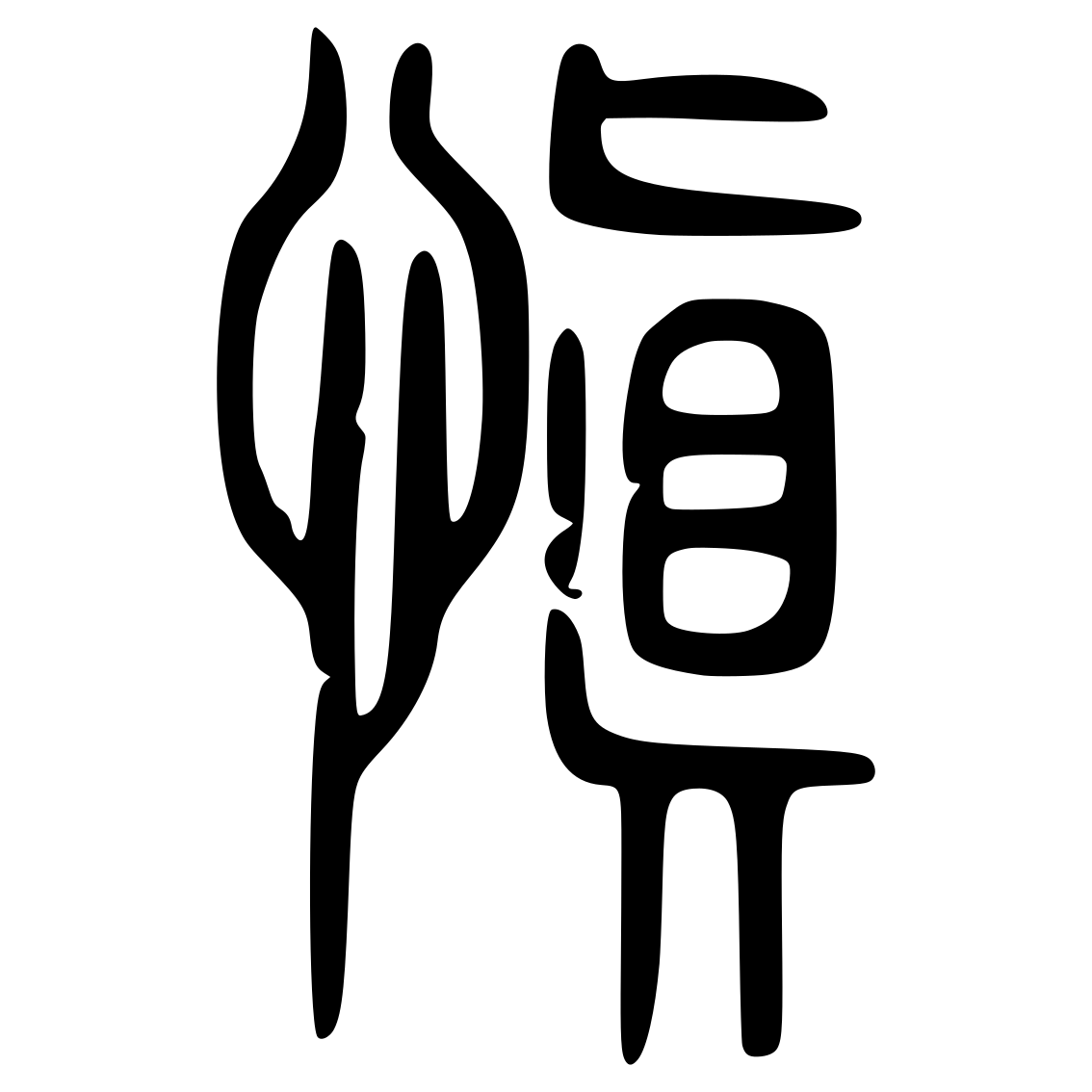
- 忄 heart / mindThe compressed form of 心 (heart), the radical reserved for inner states — feeling and attitude before they become action. Its presence marks 慎 as care that happens inside a person first, a posture of mind rather than an outward act.
- 真 phonetic (zhēn, true / genuine)Carries the sound of the character. Its own meaning — true, genuine — invites a fitting reading of the pair: 慎 as the heart kept honest and watchful, careful even toward what already seems certain.
character
- 谨慎 jǐn shèn careful and prudent — the everyday word for a cautious, considered manner
- 慎重 shèn zhòng deliberate and careful — to treat a matter with the weight it deserves
- 慎独 shèn dú watchful over oneself even when alone — the Confucian test of real character
- 谨言慎行 jǐn yán shèn xíng careful in word and deed — to watch both your speech and your conduct
- 慎终如始 shèn zhōng rú shǐ as careful at the end as at the beginning — to keep your care from slackening
The Story Behind the Character
慎 is care made visible on the page. Its left side is 忄, the compressed form of 心 (heart) — the radical that Chinese writing reserves for what happens inside a person, in feeling and attitude, before it becomes an act. Its right side is 真 (zhēn), true or genuine, which carries the sound. Shuowen Jiezi settles the meaning in a single word: "慎,謹也" — to be careful, to be conscientious. From its earliest use the character named not an action but a posture of mind: the heart kept watchful.
What makes 慎 more than plain caution is the company it keeps. Confucian teaching built one of its highest ideals out of this character: 慎独 (shèn dú), to be watchful over yourself even when you are entirely alone. The Great Learning states it flatly — 故君子必慎其独也: the person of character must be careful in solitude, when no one is watching and there is nothing to perform for. Care that only appears in front of others is not 慎 at all. The real thing is an inward discipline, turned on oneself, that does not switch off when the room empties.
That inward turn is the whole of the character. 谨慎 (jǐn shèn) is careful and prudent; 慎重 (shèn zhòng) is to treat a thing with due weight; 谨言慎行 (jǐn yán shèn xíng) is to watch your words and steps alike. What all of them keep is the heart radical's original claim: 慎 is not first about avoiding danger in the world outside. It is about holding the mind steady and honest before it moves — care exercised from the inside out.
Classical lines
- roughly 300 years
- c. 500 BCE 《论语·为政》
- c. 200 BCE 《礼记·中庸》
- c. 200 BCE 《礼记·大学》
君子戒慎乎其所不睹,恐惧乎其所不闻。 The person of character is watchful over what they cannot see, and wary of what they cannot hear.
The Doctrine of the Mean grounds 慎 in vigilance toward the unseen: care is not only for the obvious dangers in front of you but for what has not yet surfaced. It is the same discipline that, a few lines later, becomes 慎独 — a watchfulness that needs no occasion to switch on.
此谓诚于中,形于外,故君子必慎其独也。 What is true within shows itself without; and so the person of character is watchful even when alone.
This is the origin of 慎独, the Confucian ideal that character is measured by how you act when no one is watching. Care that only appears for an audience is not 慎; the real thing is a discipline turned inward, on oneself.
多闻阙疑,慎言其余,则寡尤。 Hear much, set aside what you doubt, and be careful in speaking the rest
then you will have few regrets. — Confucius's recipe for a mouth that gets you into little trouble: take in a great deal, admit what you are unsure of, and speak the remainder with care. 慎言 — careful speech — is one of the oldest applications of the character.
Why This Character Matters
慎 sits at the center of a phrase that Chinese speakers still reach for when the stakes are real: 慎独 — watchful over oneself when alone. For two thousand years it has been the test of genuine character, because it removes the audience entirely. Anyone can behave well when watched; 慎独 asks what you do when no one would ever know. A person praised as capable of 慎独 is being paid one of the quieter but higher compliments in the moral vocabulary — that their integrity does not depend on being seen.
The character also draws a line Chinese keeps carefully: 慎 is not 怯 (timidity). To be 慎 is to act — but to act after weighing, with the care to do a thing right rather than the fear of doing it at all. A timid person avoids the decision; a 慎 person makes it, and makes it well. That is why 慎 belongs among the virtues rather than among the cautions: it names not a reluctance to move but the discipline that makes movement trustworthy — the reason people hand the careful person the things that matter most.
慎 is an uncommon, serious tattoo choice — it lives in 谨慎 (careful, prudent) and 慎独 (watchful even when alone). A Chinese reader would see a principle about self-discipline and careful conduct: a value someone holds, closer to a quiet motto about how to carry yourself than a bold statement.
Calligraphy Styles for Tattoos
- Regular script (楷书 kǎishū) Best for tattoos
慎 has 13 strokes in a left-right build — the slim three-stroke 忄 beside a dense, upright 真. Regular script keeps the heart radical and the stacked right side legible. Minimum recommended size: 2 inches.
- Running script (行书 xíngshū) Good for larger pieces
A running hand suits the character's inward, considered sense, but the horizontal strokes packed inside 真 can crowd at small sizes. Works best at 2.5+ inches so the right side keeps its structure.
- Cursive script (草书 cǎoshū) Only with an expert calligrapher
Cursive can collapse the several horizontals of 真 into an indistinct sweep and blur the 忄. Legible only in skilled hands — attempt only with a calligrapher experienced in cursive.
Common Mistakes to Avoid
- Miscounting the horizontal strokes inside 真Intended: 慎 with a correctly built 真 on the right
The right side 真 has three enclosed horizontal strokes above 八. Dropping or adding one is the most common error, and it turns the character into a malformed shape a Chinese reader will catch instantly. Work from a careful reference for the right side.
- Writing the heart radical 忄 too wideIntended: 慎 with a narrow 忄 beside a full 真
慎 is a balanced left-right character with a slim heart radical. Letting 忄 grow as wide as the right side crowds the two halves together. Keep 忄 narrow so 真 has room for its stacked strokes.
Notes for Your Tattoo Artist
13 strokes, left-right structure: 忄 (3 strokes) beside 真 (10 strokes). Keep the heart radical narrow and evenly spaced, and give 真 its full upright height with all three inner horizontals clear. Minimum 2 inches to hold the right side's detail.
A few characters live near "慎" but mean something quieter, sharper, or more specific. Here's how to tell them apart.
the care taken in how you act — weighing, checking, not rushing the move
the insight to see what is true or wise in the first place
watchfulness in action — care about how a thing is done and its consequences
modesty about yourself — not overrating your own standing or knowledge
the careful weighing of the mind before it commits to acting
the respectful seriousness you bring toward people, duties, and occasions
For the graduate walking into a world that will finally let them act on their own judgment.
- For the graduate walking into a world that will finally let them act on their own judgment. 慎 is the counsel that matters most at exactly this threshold: weigh before you move, and be as careful at the end of a thing as you were at the start. Where 智 names the wisdom to see what is right and 谦 names the modesty to keep learning, 慎 names the discipline in between — the care to act on good judgment without rushing it. Laozi's line 慎终如始,则无败事 is close to a graduation blessing on its own: stay careful all the way through, and nothing you undertake need fail.
- For the boss, colleague, or father whose steadiness you have quietly leaned on — the one who weighs things, checks twice, and is trusted precisely because they never act rashly. 慎 is not a wish for more of anything; it is the naming of a quality you already admire. Where 敬 honors the seriousness they bring to people and duties, 慎 honors the careful judgment underneath it: the habit of thinking a thing through before committing to it. A fitting way to tell someone that the care they take has not gone unnoticed.
Looking for a name? See Western names written in Chinese →
-
What does 慎 (shèn) mean?
慎 (shèn) is the Chinese character for prudence, careful, watchful care. Some people you trust with the things that matter because they never act rashly — they weigh a decision, check it twice, and are as careful at the finish of a task as they were at the start. That quality of considered care is 慎. It is not 智, the wisdom to see what is right; not 谦, the modesty to keep learning; not 敬, the seriousness you bring toward people and duties. 慎 is the discipline in between all of those: the care to think a thing through before committing to it, and to carry that care all the way through. 慎 sits at the center of a phrase that Chinese speakers still reach for when the stakes are real: 慎独 — watchful over oneself when alone. For two thousand years it has been the test of genuine character, because it removes the audience entirely. Anyone can behave well when watched; 慎独 asks what you do when no one would ever know. A person praised as capable of 慎独 is being paid one of the quieter but higher compliments in the moral vocabulary — that their integrity does not depend on being seen.
-
What occasions is 慎 given for?
慎 is traditionally given for Graduation, Birthday. For the graduate walking into a world that will finally let them act on their own judgment. 慎 is the counsel that matters most at exactly this threshold: weigh before you move, and be as careful at the end of a thing as you were at the start. Where 智 names the wisdom to see what is right and 谦 names the modesty to keep learning, 慎 names the discipline in between — the care to act on good judgment without rushing it. Laozi's line 慎终如始,则无败事 is close to a graduation blessing on its own: stay careful all the way through, and nothing you undertake need fail. For the boss, colleague, or father whose steadiness you have quietly leaned on — the one who weighs things, checks twice, and is trusted precisely because they never act rashly. 慎 is not a wish for more of anything; it is the naming of a quality you already admire. Where 敬 honors the seriousness they bring to people and duties, 慎 honors the careful judgment underneath it: the habit of thinking a thing through before committing to it. A fitting way to tell someone that the care they take has not gone unnoticed.
-
Is 慎 a good Chinese tattoo?
慎 is an uncommon, serious tattoo choice — it lives in 谨慎 (careful, prudent) and 慎独 (watchful even when alone). A Chinese reader would see a principle about self-discipline and careful conduct: a value someone holds, closer to a quiet motto about how to carry yourself than a bold statement.
-
Who brushes the 慎 calligraphy?
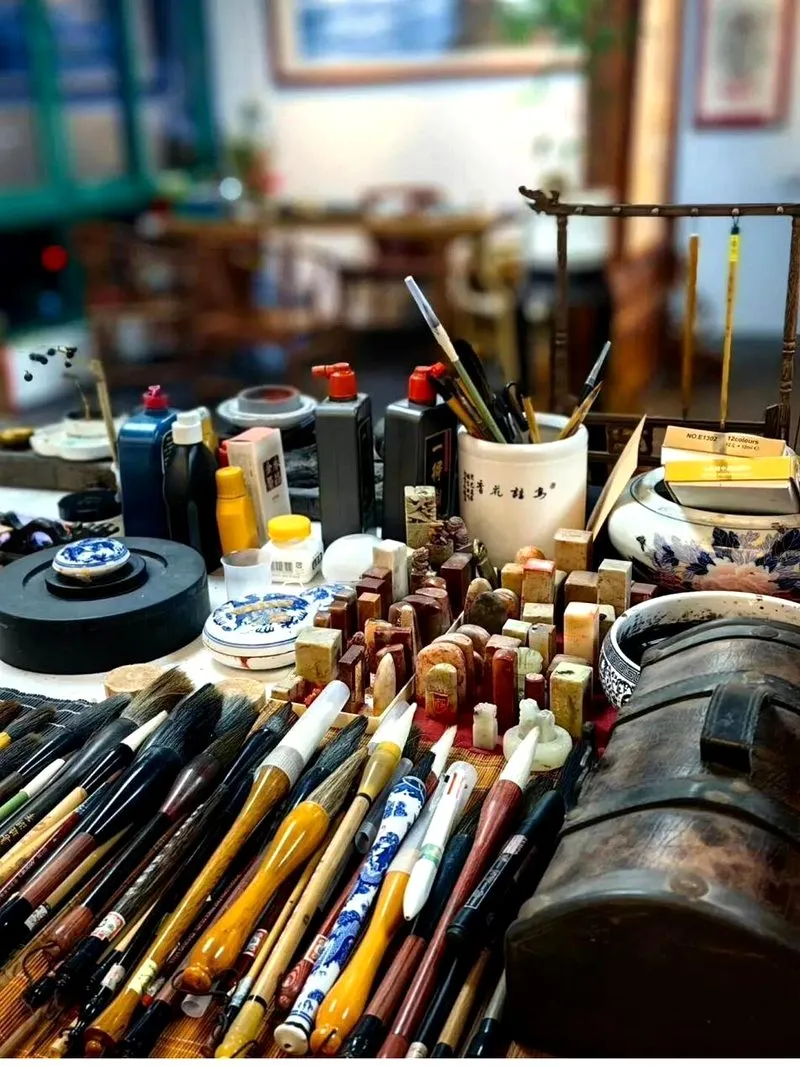
Each 慎 (Shèn) is hand-brushed to order by Artist Lina Sun in ink on rice paper — never printed, never repeated.
Bring 慎 home — choose how you'd like it brushed.
-
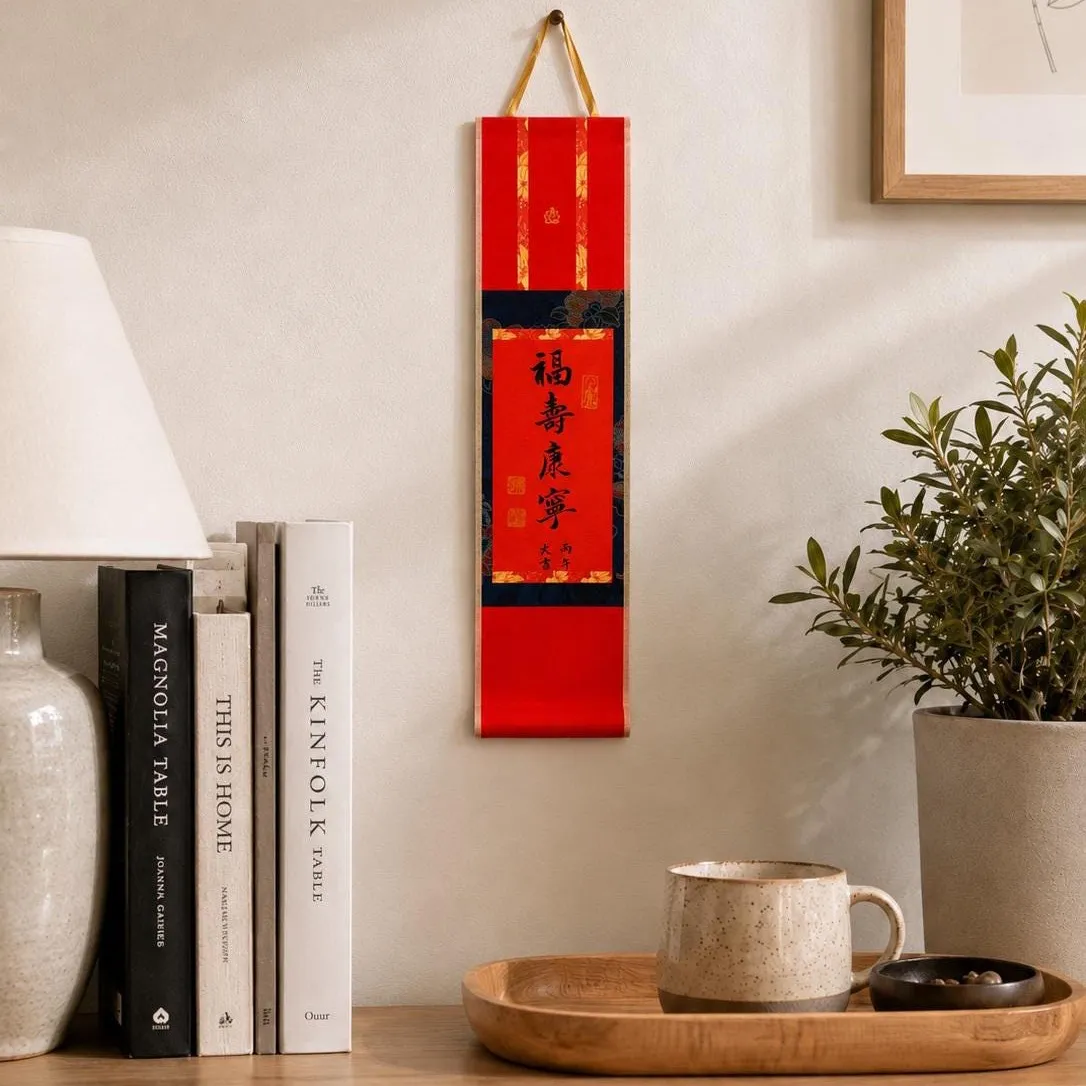
Photo shows a sample — yours will be brushed with 慎, or any character you choose.
Wall Scroll — for walls & housewarmingsfrom $38→ -
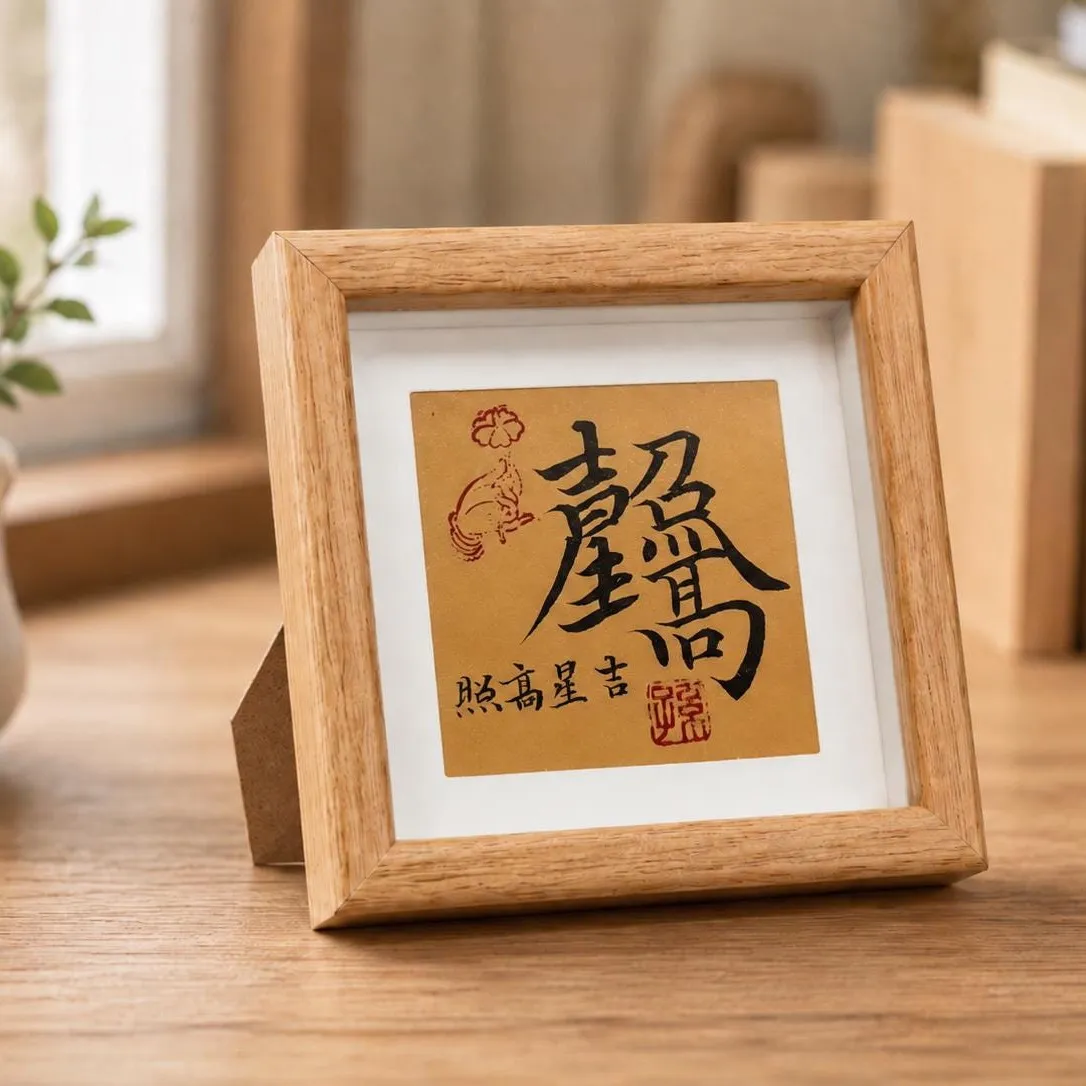
Photo shows a sample — yours will be brushed with 慎, or any character you choose.
Desk Frame — for desks, studies & studiosfrom $44→ -
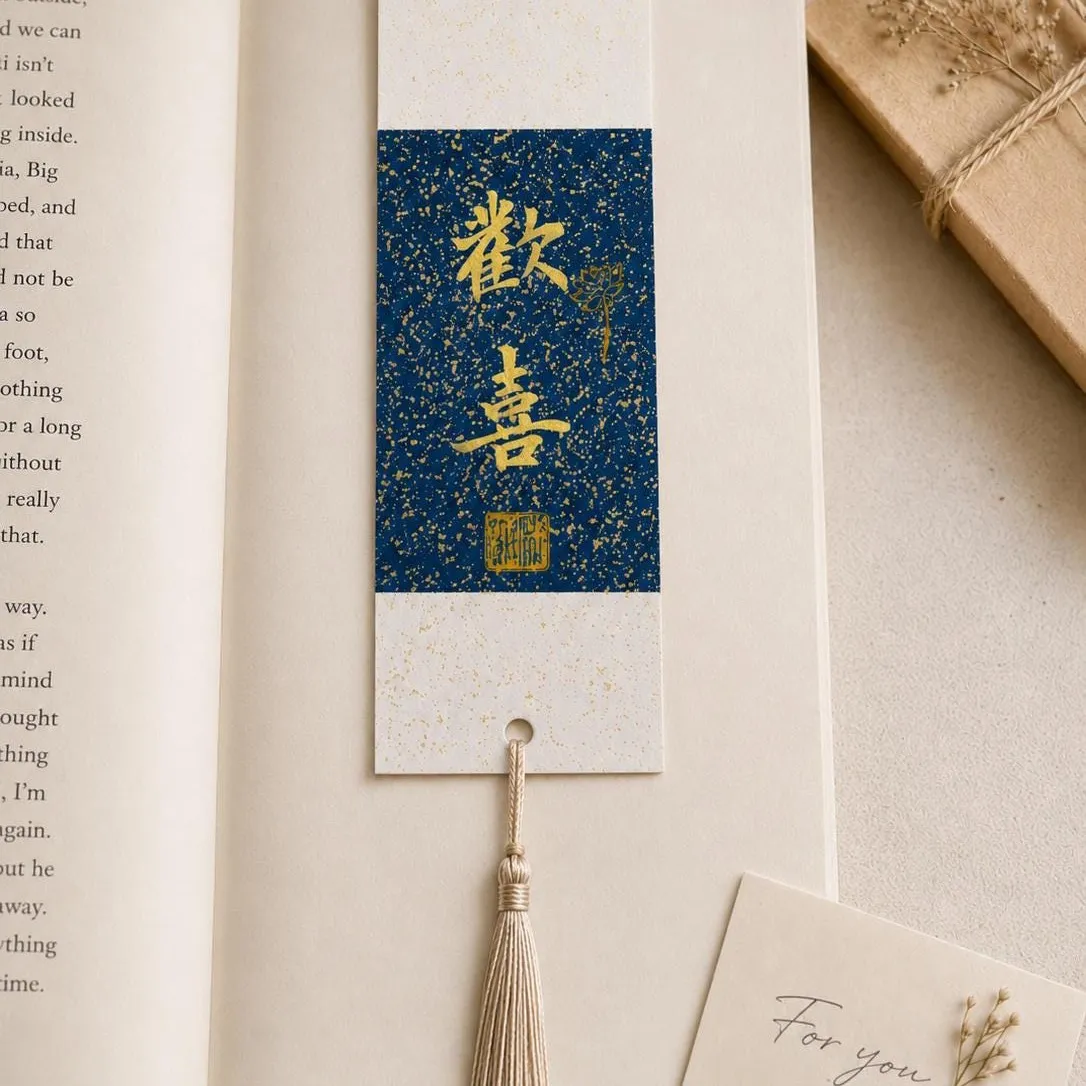
Photo shows a sample — yours will be brushed with 慎, or any character you choose.
Bookmark — for readers & small thank-yousfrom $17→
What people said after it arrived.
-
The item is fantastic. The customer service was genuine. Thanks!
— M.Verified purchase · from our Etsy shop reviews · -
They were great they gave me exactly what I asked for and then some. Thank you!!
— G.Verified purchase · from our Etsy shop reviews · -
It is well designed and customized. My daughter loves it. Amazing gift for family’s d friends
— S.Verified purchase · from our Etsy shop reviews ·
Each "慎" is hand-brushed by Artist Lina Sun on rice paper.
See 慎 (Shèn) on Etsy →