智 (zhì) — Intelligence · Wisdom · Practical Judgment
A single character.
Stack the character and it reads like an instruction: 知 (to know) sitting on top of 日 (the sun). Knowledge brought into daylight — not understanding kept private, but understanding put to work where it can be seen to land. That image is the whole distinction. 聪 is quickness and 慧 is perception, but 智 is the person who knows what to do — the intelligence that looks at an unclear situation, reads it accurately, and makes the right call. Confucius placed it among his five essential virtues for a reason: without 智, the other four don’t know where to go.
In the martial arts novels that shaped Chinese popular culture for centuries, the most respected heroes are never the strongest — they are the most strategically intelligent. In Chinese chess, the game tests 智. In business, calling someone 有智慧 means they see moves ahead that everyone else will only recognize in hindsight. The common thread: 智 is intelligence with consequences, the kind that changes outcomes.
A hand-brushed 智 by FuBlessings is the gift for the person whose judgment you have relied on when the situation was genuinely unclear — the colleague who knows what to do when no one else does, the mentor whose strategic clarity you want to honor, the graduate whose sharpness is about to be tested by the real world.
- wisdom in action
- practical judgment
- applied intelligence
- knowing what to do
- intelligence Too general. Intelligence describes raw cognitive horsepower; 智 names the specific application of it — the call you make when the situation is unclear and a decision is required.
- knowledge Too static. Knowledge is what you have; 智 is what you do with it. Confucius treated them as different stages — knowledge first, then 智 puts it to work.
- cleverness Too tactical. Cleverness solves the immediate puzzle; 智 sees the larger pattern. Cleverness wins a single round; 智 wins the long game.
The short arms are the point: these readings don’t reach it.
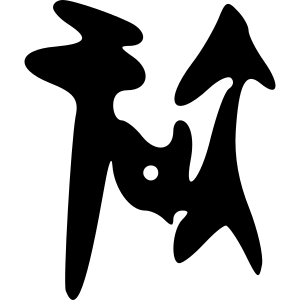
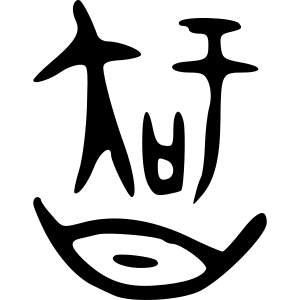
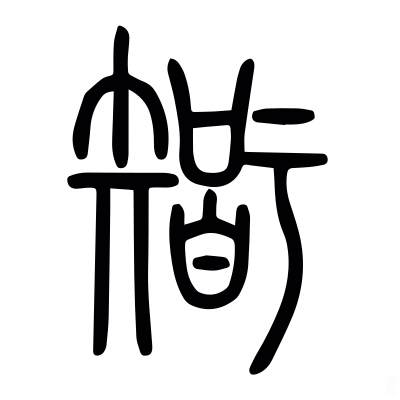
- 知 to knowItself a compound of 矢 (an arrow) and 口 (a mouth) — words that hit their target. 知 is knowledge that lands. It sits on top of 智 as its foundation: judgment begins with seeing accurately.
- 日 the sun, daylightThe character for sun, placed beneath 知. Knowledge brought into the open — not understanding held privately, but understanding deployed where everyone can see it work. 智 is 知 in daylight, knowledge put to use.
character
- 智慧 zhì huì wisdom — applied judgment combined with perceptive insight
- 智者 zhì zhě a wise person — someone whose judgment has been proven
- 明智 míng zhì clear-headed, sensible — judgment unclouded by emotion or haste
- 智谋 zhì móu strategic intelligence — the planning side of 智
- 理智 lǐ zhì reason, rationality — judgment governed by clear thinking
The Story Behind the Character
The character 智 is built from two parts: 知 (zhī, to know) on top and 日 (rì, sun) below. The image is knowledge brought into daylight — not understanding kept private, but understanding put to use. Early bronze inscriptions show a mouth (口) beside an arrow (矢) — words that hit their target — combined with the sun: clear knowledge, accurately applied.
China's first dictionary (说文解字, c. 100 CE) recorded an older form, 知, and treated 智 as its extended meaning. But by the time Confucian philosophy codified the Five Constant Virtues (五常 — benevolence, righteousness, propriety, wisdom, trust), 智 had earned its own seat at the table. It was the cognitive virtue: the one that told you how to use the other four.
What sets 智 apart from other Chinese words for intelligence is its insistence on application. 慧 (huì) is perception — seeing clearly. 聪 (cōng) is quickness — processing fast. But 智 is the judgment that decides what to do. It's the difference between the person who understands the problem and the person who solves it.
Classical lines
- roughly 400 years
- c. 500 BCE 《论语·子罕》
- c. 300 BCE 《孟子·公孙丑上》
- c. 90 BCE 《史记·淮阴侯列传》
知者不惑。 The wise are free from doubt.
Confucius, distilling wisdom into three words. Not that the wise never face uncertainty — but that they know how to navigate it without being paralyzed.
智者千虑,必有一失;愚者千虑,必有一得。 Even the wise, thinking a thousand times, will get one thing wrong; even the foolish, thinking a thousand times, will get one thing right.
The counsel a strategist gave Han Xin in Sima Qian's history. The mark of real 智 is not infallibility but knowing judgment can fail — which is exactly why the wise keep listening.
是非之心,智之端也。 The sense of right and wrong is the beginning of wisdom.
Mencius arguing that moral judgment isn't learned — it's the seed that 智 grows from.
Why This Character Matters
In Chinese chess (象棋), the game is called a test of 智. In business, calling someone 有智慧 (yǒu zhìhuì) is saying they see three moves ahead. In the martial arts novel tradition — stories that have shaped Chinese popular culture for centuries — the most respected heroes are not the strongest fighters but the ones with 智谋 (zhìmóu, strategic intelligence). Brute force loses to good judgment in nearly every story arc.
智 holds a specific position in the Confucian system: it is the virtue that makes the other virtues practical. Benevolence without wisdom becomes naive generosity. Righteousness without wisdom becomes rigid stubbornness. Confucius valued 智 because it was the bridge between knowing what is right and knowing what to do about it. When Chinese families give this character, they are recognizing someone whose judgment they have personally relied on — the person who sees the situation clearly and knows the right move.
智 is one of Confucius's Five Constant Virtues, so it carries real intellectual prestige. A Chinese person seeing this tattoo would think the wearer is either genuinely thoughtful or somewhat overconfident — the character is a bold claim about yourself. It works best when given by someone else rather than chosen for yourself, but as a tattoo it signals ambition and respect for the mind.
Calligraphy Styles for Tattoos
- Regular script (楷书 kǎishū) Best for tattoos
智 has 12 strokes with a top-bottom split: 知 (to know) above and 日 (sun) below. Regular script keeps the arrow 矢, mouth 口, and sun 日 components all distinct and readable.
- Running script (行书 xíngshū) Good for larger pieces
Running script gives 智 a confident, decisive quality. The upper 知 flows naturally and the lower 日 provides a solid base. At 2.5+ inches, the character gains energy without losing clarity.
Common Mistakes to Avoid
- Writing 知 (to know) instead of 智 (wisdom) — omitting the bottom 日 componentIntended: 智 with 日 (sun) beneath 知 (to know)
知 and 智 are related but different characters. 知 means 'to know' and is the top half of 智. Forgetting the 日 (sun) underneath gives you knowledge without wisdom — which is ironically the exact distinction Chinese philosophy draws between the two.
- Making the bottom 日 too small relative to the upper 知Intended: 智 with a substantial, stable base
The 日 component is the foundation of the character — knowledge brought into daylight. If it's drawn too small, the character looks top-heavy and the metaphor is literally undermined. Give 日 about one-third of the total height.
Notes for Your Tattoo Artist
12 strokes. Top-bottom structure: 知 above (矢 + 口) and 日 below. The upper half is denser and wider than the lower 日, creating a natural visual weight. Minimum size 2 inches. Key challenge: the 口 in the upper right of 知 and the 日 below are both rectangular — they must be clearly different sizes to avoid visual confusion.
A few characters live near "智" but mean something quieter, sharper, or more specific. Here's how to tell them apart.
applied judgment — the call made under uncertainty
perceptive insight — the clarity that sees the situation accurately to begin with
the right move at the right moment — intelligence translated into decision
the steady effort over time — diligence translated into outcome
智 is a specific graduation wish: not for the knowledge the degree certifies, but for the judgment that applies it when conditions are unclear.
- 智 is a specific graduation wish: not for the knowledge the degree certifies, but for the judgment that applies it when conditions are unclear. A pointed alternative to 慧 for the graduate whose sharpness you have seen translate into action, not just analysis.
- For the person whose reads on situations you have trusted. 智 on a birthday is recognition before it is a wish — naming the applied intelligence that has made them reliable in genuinely difficult moments, and hoping that quality stays sharp in the year ahead.
智 is one of the characters we use to write Western names in Chinese. See it at work:
-
What does 智 (zhì) mean?
智 (zhì) is the Chinese character for intelligence, wisdom, practical judgment. Stack the character and it reads like an instruction: 知 (to know) sitting on top of 日 (the sun). Knowledge brought into daylight — not understanding kept private, but understanding put to work where it can be seen to land. That image is the whole distinction. 聪 is quickness and 慧 is perception, but 智 is the person who knows what to do — the intelligence that looks at an unclear situation, reads it accurately, and makes the right call. Confucius placed it among his five essential virtues for a reason: without 智, the other four don't know where to go. In Chinese chess (象棋), the game is called a test of 智. In business, calling someone 有智慧 (yǒu zhìhuì) is saying they see three moves ahead. In the martial arts novel tradition — stories that have shaped Chinese popular culture for centuries — the most respected heroes are not the strongest fighters but the ones with 智谋 (zhìmóu, strategic intelligence). Brute force loses to good judgment in nearly every story arc.
-
What occasions is 智 given for?
智 is traditionally given for Graduation, Birthday. 智 is a specific graduation wish: not for the knowledge the degree certifies, but for the judgment that applies it when conditions are unclear. A pointed alternative to 慧 for the graduate whose sharpness you have seen translate into action, not just analysis. For the person whose reads on situations you have trusted. 智 on a birthday is recognition before it is a wish — naming the applied intelligence that has made them reliable in genuinely difficult moments, and hoping that quality stays sharp in the year ahead.
-
Is 智 a good Chinese tattoo?
智 is one of Confucius's Five Constant Virtues, so it carries real intellectual prestige. A Chinese person seeing this tattoo would think the wearer is either genuinely thoughtful or somewhat overconfident — the character is a bold claim about yourself. It works best when given by someone else rather than chosen for yourself, but as a tattoo it signals ambition and respect for the mind.
-
Who brushes the 智 calligraphy?
FuBlessings hand-brushes each 智 (Zhì) to order, in ink on rice paper — never printed, never repeated.
Bring 智 home — choose how you'd like it brushed.
-
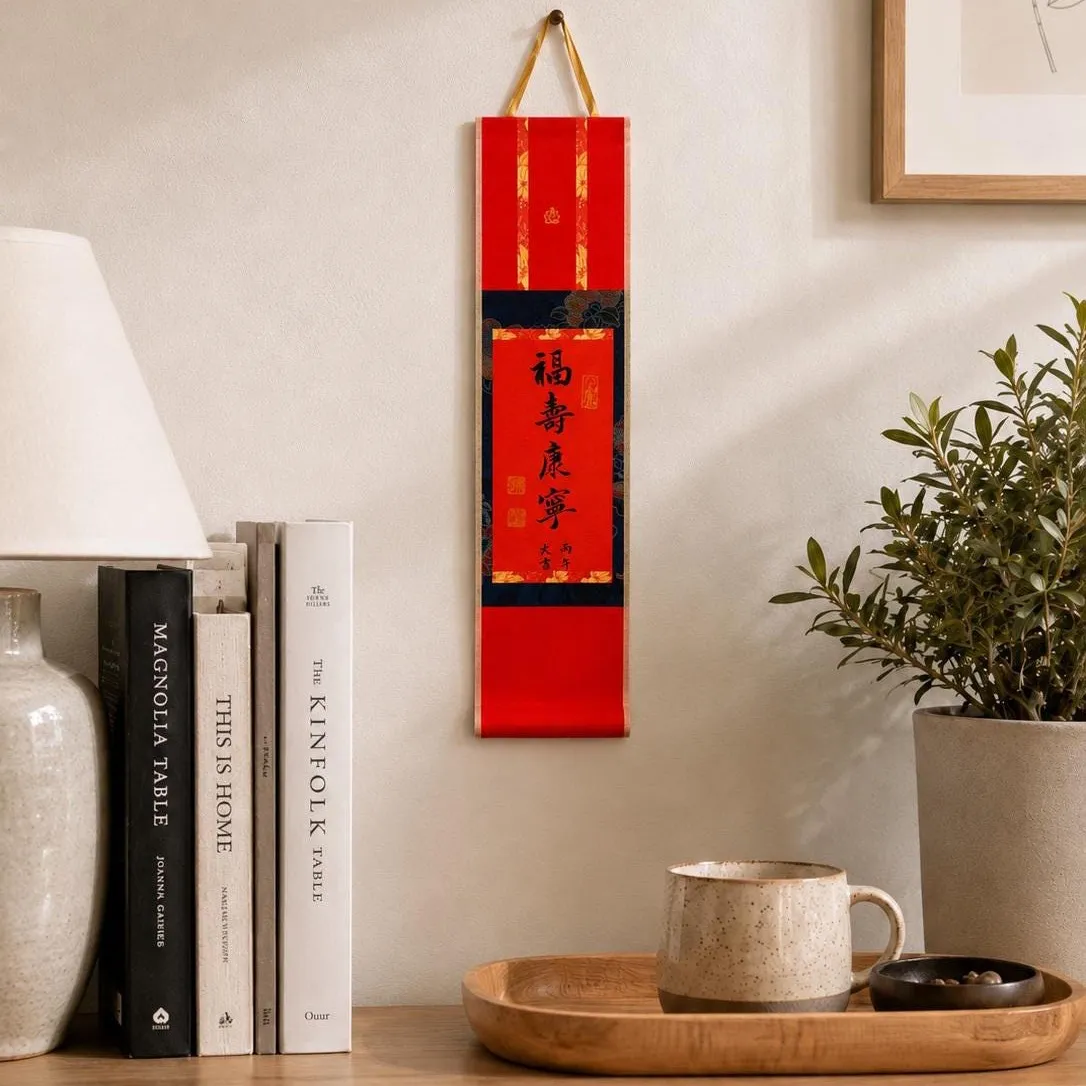
Photo shows a sample — yours will be brushed with 智, or any character you choose.
Wall Scroll — for walls & housewarmingsfrom $38→ -
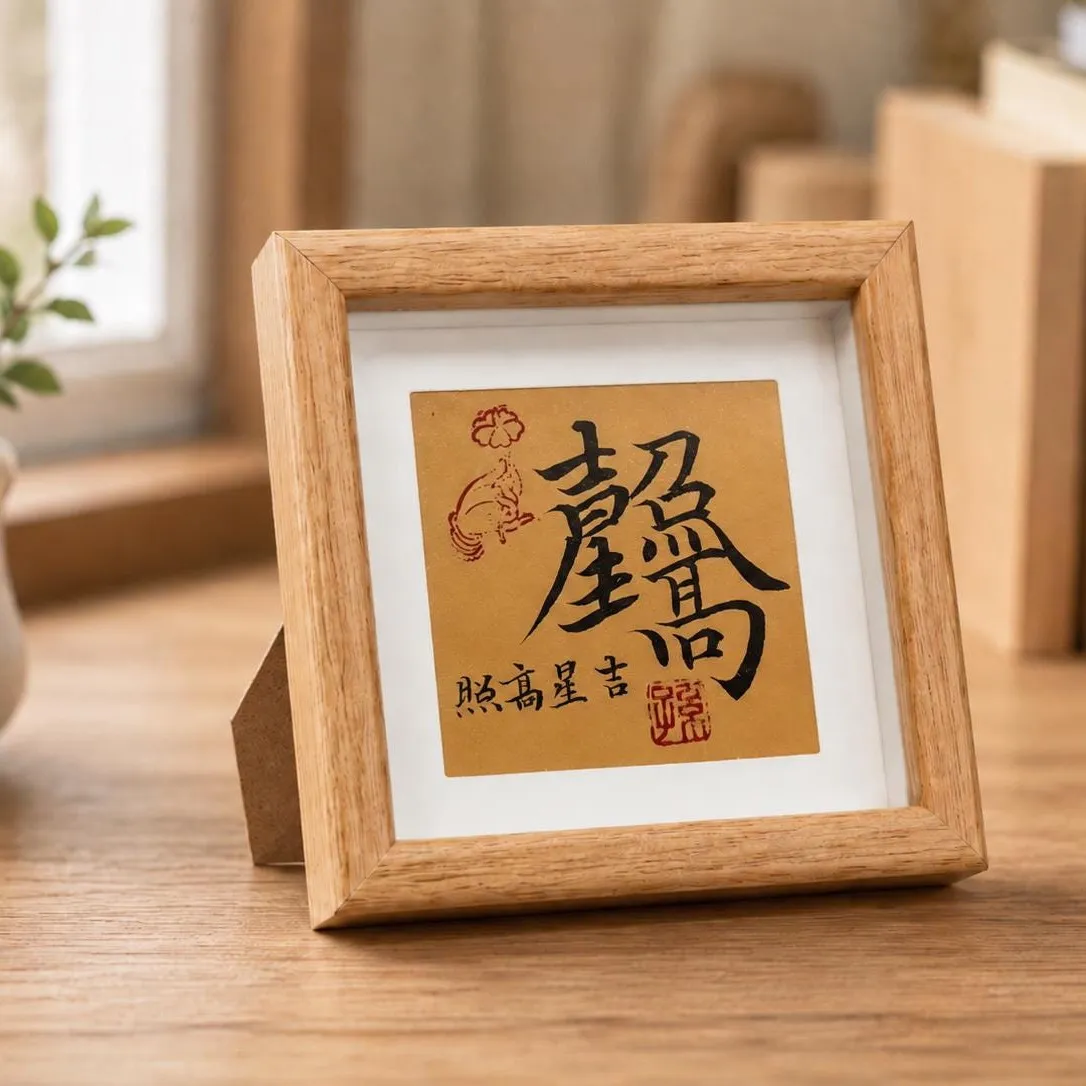
Photo shows a sample — yours will be brushed with 智, or any character you choose.
Desk Frame — for desks, studies & studiosfrom $44→ -
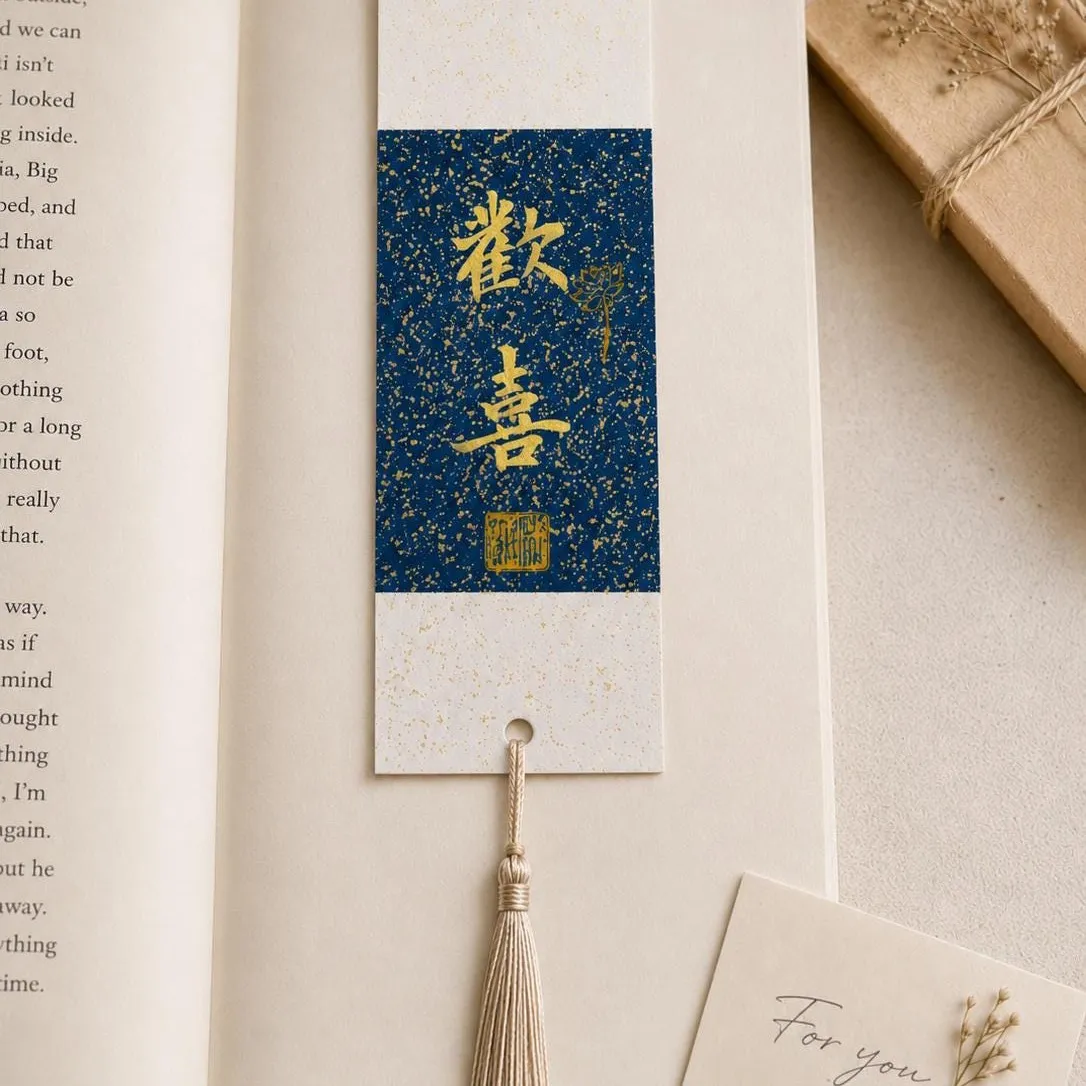
Photo shows a sample — yours will be brushed with 智, or any character you choose.
Bookmark — for readers & small thank-yousfrom $14→
What people said after it arrived.
-
The item is fantastic. The customer service was genuine. Thanks!
— M.Verified purchase · from our Etsy shop reviews · -
They were great they gave me exactly what I asked for and then some. Thank you!!
— G.Verified purchase · from our Etsy shop reviews · -
It is well designed and customized. My daughter loves it. Amazing gift for family’s d friends
— S.Verified purchase · from our Etsy shop reviews ·
Each "智" is hand-brushed by FuBlessings on rice paper.
See 智 (Zhì) on Etsy →