明德 (míng dé) — Manifest Virtue · Illuminated Character · Virtue Made Visible
A two-character word, not a single character.
What separates 明德 from 德 alone is the active structure of the pair. 明 is not only an adjective meaning “bright” — it is a verb: to illuminate, to bring forward, to make manifest. 明德 names the virtue that has come into action, that is legible in how authority is exercised and the standard maintained. Where 德 names a quality that accumulates in a person and may be absorbed by others without anyone registering it, 明德 names the deliberate act of bringing that quality forward — the virtue that has entered the room because its bearer carried it there. See 明 → See 德 →
The phrase entered Chinese institutional life through the schools. From 1313, when the Yuan dynasty mandated Zhu Xi’s Four Books canon for the civil service examinations, every student preparing for the imperial examinations began by memorizing its three goals — and 明明德 was the first. By the Qing dynasty, 明德 had become standard in school mottos, family scrolls, and institutional inscriptions: a compressed instruction rather than a wish. Today it appears in the names of schools, hospitals, and companies from Beijing to Singapore — a phrase that has not left the room it was written into two and a half thousand years ago.
A hand-brushed “明德” by FuBlessings gives the pair a form that holds both the brightness and the grounding — 明 opening outward, 德 accumulating weight. For a graduate carrying good formation into professional life, or a father whose example has been the household’s visible curriculum, it is a gift that names what the years have produced: the virtue that did not stay private.
The Story Behind the Character
The Great Learning (《大学》) opens with three goals. The first is 明明德 — the verb 明 (illuminate) applied to the noun 明德 (bright virtue). In a text that shaped Chinese education for two and a half millennia, this is the first principle because the authors understood something the character system makes concrete: 明, in its oldest form, is sun and moon combined — the two largest light sources placed side by side. To 明 one's virtue is not to acquire it — in the dominant Neo-Confucian reading, virtue is already present in the person, waiting to be cleared rather than constructed — but to let it illuminate the space around it.
德 alone names the virtue that exists in a person. 明德 names the virtue that has become visible in their conduct — visible enough to light something beyond themselves. The distinction mattered to the text's authors: a person can have fine character and keep it private. The person of 明德 has let it into the room. The Great Learning makes this structural: 欲明明德于天下者,先治其国 — to manifest bright virtue throughout the world, begin by governing one's state. The pair names a direction, not just a condition.
In bronze inscriptions from the Western Zhou, 明德 appears in royal investiture texts as the quality the Zhou kings claimed to embody and wished their officials to carry outward. By the Han dynasty it had become one of the standard phrases in institutional and pedagogical writing — the virtue that has not remained theoretical but extended into conduct, household, and then the world beyond.
Classical lines
- roughly 500 years
- c. 800–600 BCE 《诗经·大雅·烝民》
- c. 4th–3rd c. BCE 《尚书·尧典》
- c. 230 BCE 《荀子·劝学》
克明俊德,以亲九族。 Able to illuminate his great virtue, he brought the nine clans into harmony.
From the opening description of Emperor Yao, one of the earliest canonical texts to frame 明 as a verb applied to virtue. Not a quality Yao possessed privately but one he manifested — and its effect was organizational: nine clans came into accord because one person's virtue was visible enough to serve as a shared standard.
君子博学而日参省乎己,则知明而行无过矣。 The noble person studies broadly and examines themselves daily; then their understanding is clear and their conduct without fault.
Xunzi draws illuminated understanding and correct conduct into a single sequence. This is the 明德 argument made practical: clarity that has been cleared of distortion produces action that does not err. The two characters in 明德 arrive together here as consequence, not coincidence.
民之秉彝,好是懿德。 People, holding to their constant nature, love excellent virtue.
Quoted by Confucius as one of the most important lines in the Odes: the argument that virtue-orientation is natural, not installed. 明德 addresses what follows — if the disposition is already present, the work is illuminating it, making what is inherent legible in actual conduct.
Why This Character Matters
Dozens of schools across China carry 明德 in their name — 明德中学 appears in city after city, from Changsha to Guangzhou, and the name is common enough in elementary and secondary education that a Chinese parent hearing it immediately understands what the school is claiming. The prevalence in educational contexts is not coincidental: 明德 names exactly what schools claim to do, derived from the text that defined classical Chinese pedagogy.
The Great Learning was one of the Four Books required for the imperial civil service examinations from 1313 (Yuan dynasty, early 14th century) until 1905. Generations of officials memorized its opening lines, and 明德 — the first goal stated in the first text they were required to know — became one of the most cited phrases in Chinese ethical writing. For a graduate entering professional life, it names not a quality to aspire to but a task already embedded in the tradition they have entered: let good formation show in what you actually do.
At graduation, 明德 names the task in front of the graduate rather than simply celebrating what lies behind.
- At graduation, 明德 names the task in front of the graduate rather than simply celebrating what lies behind. The Great Learning opens with 明明德 as its first obligation: not acquiring virtue but manifesting it — letting good formation become visible in what you do. A graduate who has completed an education has accumulated capacity; 明德 names the work of bringing that capacity into the room. More directed than 德 (which names accumulated character) and more grounded than 明 (which names perceptual clarity): the pair for the graduate leaving an institution whose stated purpose was, in the classical account, exactly this.
- For Father's Day, 明德 names the specific form a father's virtue takes when it becomes genuinely instructive — not the accumulated character that children absorb without registering (that is 德) but the virtue actively made visible: conduct that has entered the household as a legible standard because it has been consistently, deliberately forward-facing. Where 德 is something the observer receives, 明德 is something the bearer illuminates. The gift for the father whose example has been an active demonstration across years, not simply a character trait his children happened to inherit.
Looking for a name? See Western names written in Chinese →
-
What does 明德 (míng dé) mean?
明德 (míng dé) is a two-character Chinese word for manifest virtue, illuminated character, virtue made visible. What separates 明德 from 德 alone is the active structure of the pair. 明 is not only an adjective meaning "bright" — it is a verb: to illuminate, to bring forward, to make manifest. 明德 names the virtue that has come into action, that is legible in how authority is exercised and the standard maintained. Where 德 names a quality that accumulates in a person and may be absorbed by others without anyone registering it, 明德 names the deliberate act of bringing that quality forward — the virtue that has entered the room because its bearer carried it there. See 明 → See 德 → Dozens of schools across China carry 明德 in their name — 明德中学 appears in city after city, from Changsha to Guangzhou, and the name is common enough in elementary and secondary education that a Chinese parent hearing it immediately understands what the school is claiming. The prevalence in educational contexts is not coincidental: 明德 names exactly what schools claim to do, derived from the text that defined classical Chinese pedagogy.
-
What occasions is 明德 given for?
明德 is traditionally given for Graduation, Father's Day. At graduation, 明德 names the task in front of the graduate rather than simply celebrating what lies behind. The Great Learning opens with 明明德 as its first obligation: not acquiring virtue but manifesting it — letting good formation become visible in what you do. A graduate who has completed an education has accumulated capacity; 明德 names the work of bringing that capacity into the room. More directed than 德 (which names accumulated character) and more grounded than 明 (which names perceptual clarity): the pair for the graduate leaving an institution whose stated purpose was, in the classical account, exactly this. For Father's Day, 明德 names the specific form a father's virtue takes when it becomes genuinely instructive — not the accumulated character that children absorb without registering (that is 德) but the virtue actively made visible: conduct that has entered the household as a legible standard because it has been consistently, deliberately forward-facing. Where 德 is something the observer receives, 明德 is something the bearer illuminates. The gift for the father whose example has been an active demonstration across years, not simply a character trait his children happened to inherit.
-
Who brushes the 明德 calligraphy?
FuBlessings hand-brushes each 明德 (Míng Dé) to order, in ink on rice paper — never printed, never repeated.
Bring 明德 home — choose how you'd like it brushed.
-
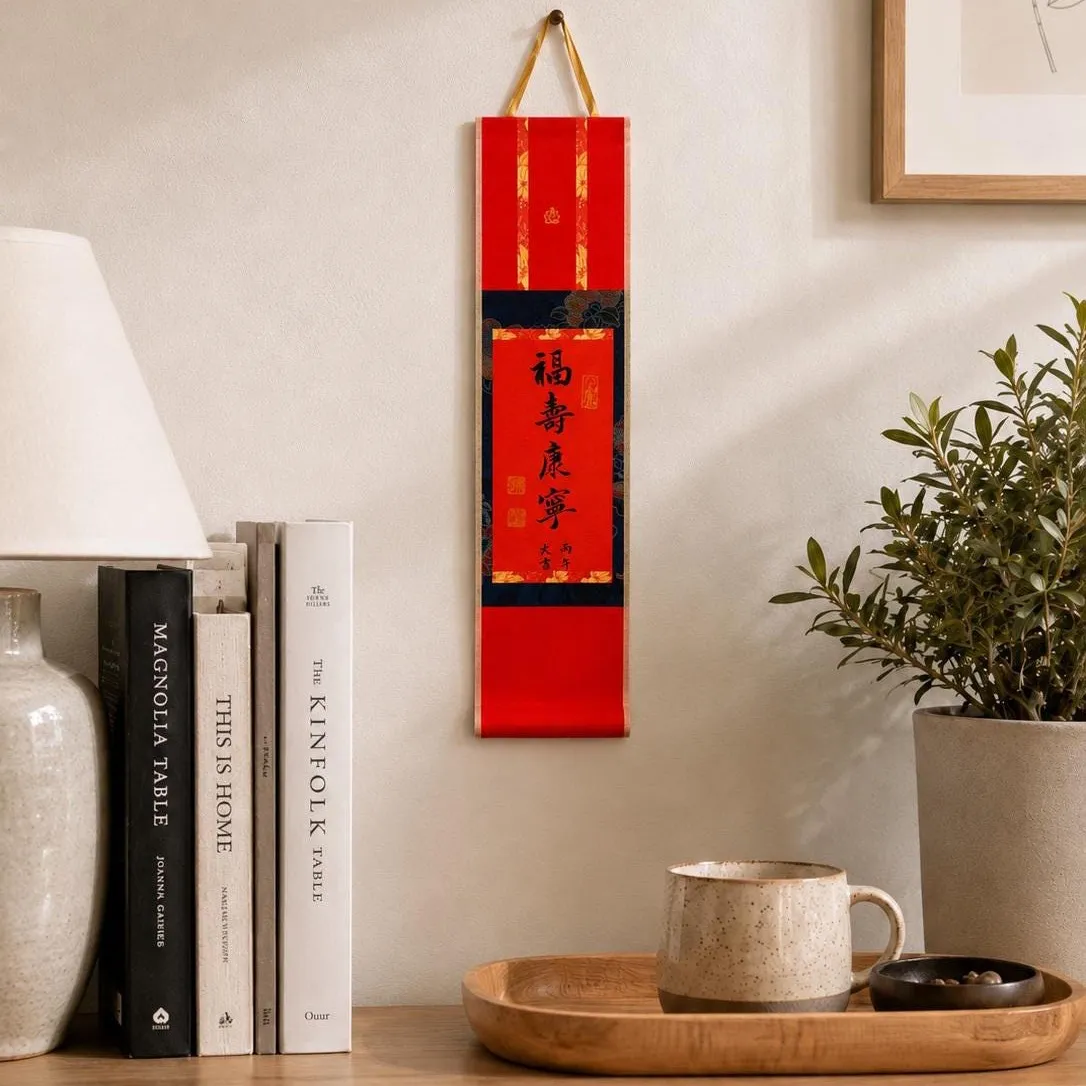
Photo shows a sample — yours will be brushed with 明德, or any character you choose.
Wall Scroll — for walls & housewarmingsfrom $38→ -
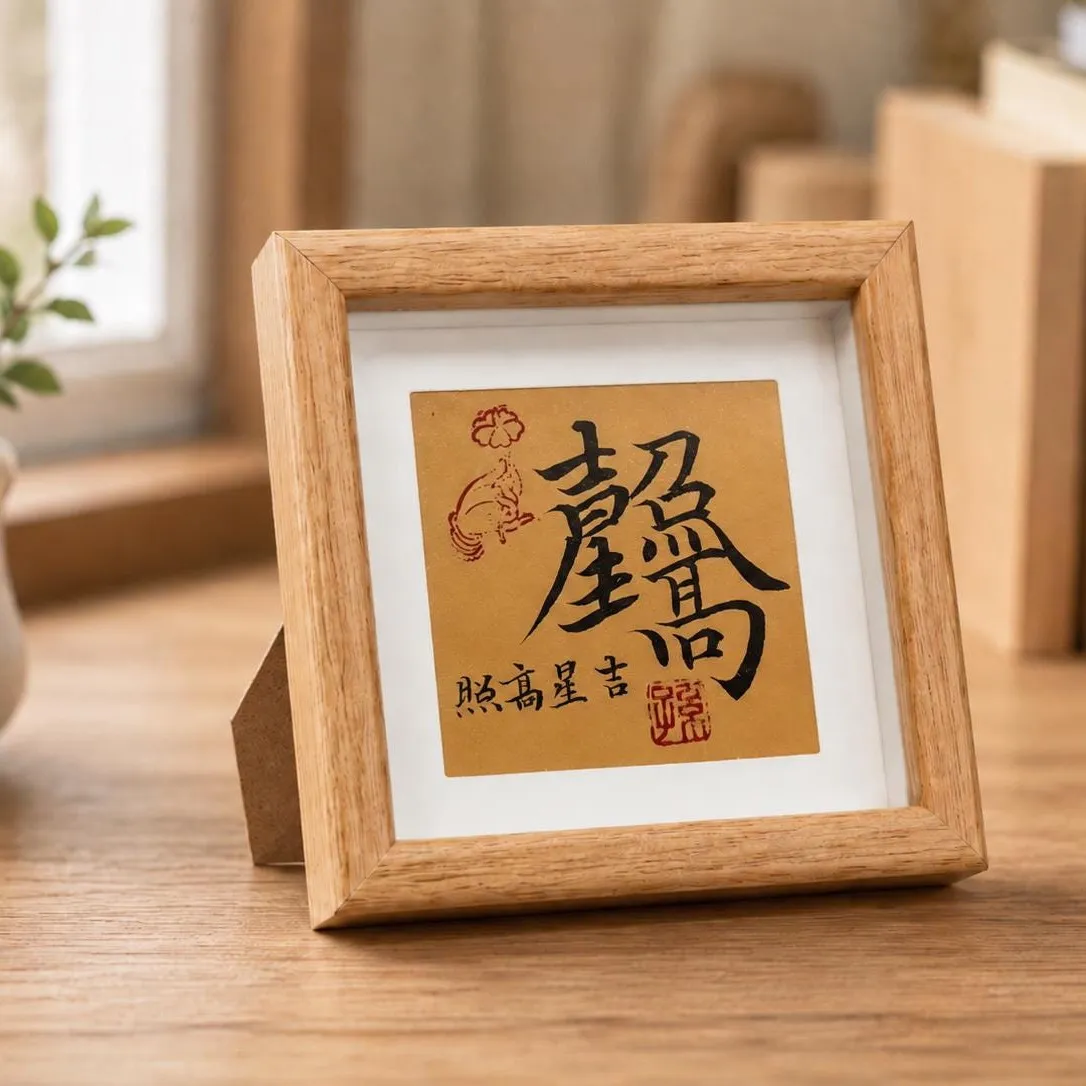
Photo shows a sample — yours will be brushed with 明德, or any character you choose.
Desk Frame — for desks, studies & studiosfrom $44→ -
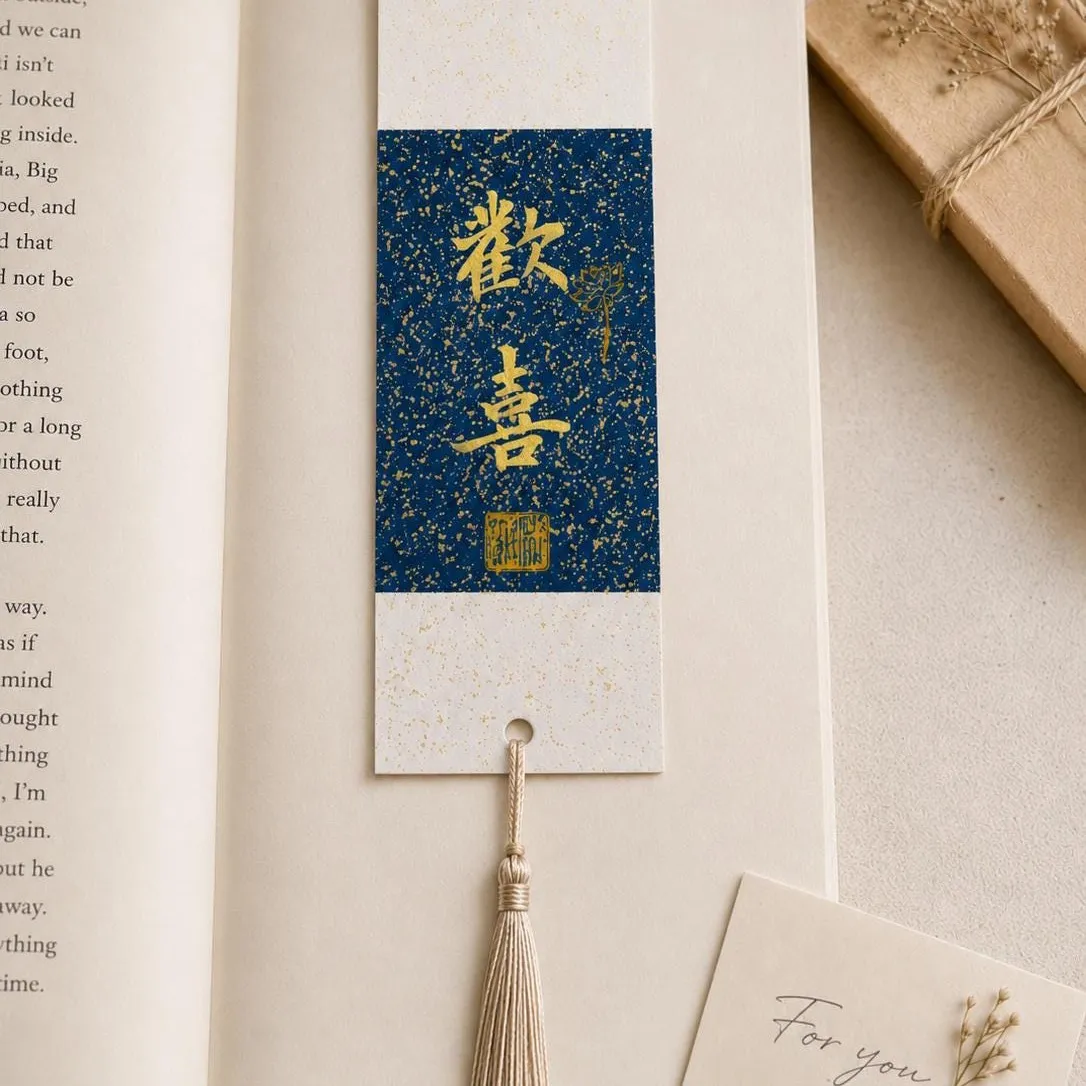
Photo shows a sample — yours will be brushed with 明德, or any character you choose.
Bookmark — for readers & small thank-yousfrom $14→

What people said after it arrived.
-
The item is fantastic. The customer service was genuine. Thanks!
— M.Verified purchase · from our Etsy shop reviews · -
They were great they gave me exactly what I asked for and then some. Thank you!!
— G.Verified purchase · from our Etsy shop reviews · -
It is well designed and customized. My daughter loves it. Amazing gift for family’s d friends
— S.Verified purchase · from our Etsy shop reviews ·
Each "明德" is hand-brushed by FuBlessings on rice paper.
See 明德 (Míng Dé) on Etsy →