敏 (mǐn) — Quick to Respond · Nimble · Keen
A single character.
The whole of what 敏 (mǐn) measures is an interval — how long between understanding something and moving on it. Not how much someone knows, not how hard they work, not how well they judge. That narrowness is why Confucius could use the word so freely: he attached it to conduct rather than to intelligence, and every time he did he put a brake on the other end — 敏于事而慎于言, fast at the work and slow at the mouth. 慧 (huì) is the discernment that decides what the right move is; 勤 (qín) is the hours that come after it. 敏 is only the first move, and the gift of it is that a fast one can be recognized without anyone claiming it was also the right one. See 慧 → · See 勤 →
In daily Chinese the word has gone everywhere a response time can be measured. 敏锐 is judgment that arrives early — what a Chinese review says about someone who read the situation before the data did. 灵敏 is the sensitivity rating on an instrument. 敏感 is a topic that reacts badly to being touched. 过敏 — over-responsive — is the word for an allergy. 敏捷 is a gymnast, and also 敏捷开发, the standard Chinese term for Agile software development, which puts a phrase from the Analects into sprint planning without anyone noticing. And 敏而好学 — quick and still fond of learning — remains the compliment Chinese teachers reach for, because it credits the speed while quietly insisting the questions continue.
A hand-brushed “敏” by Artist Lina Sun goes to the person whose contribution is hard to point at in a performance review. The colleague whose answer arrives while everyone else is still restating the question. The friend who acted on the half-sentence rather than waiting for the whole one. The graduate walking out of a place that rewarded being right into one that rewards responding. It is a working character rather than a ceremonial one, which makes it a good desk-height gift — hung where the thing it names actually happens, rather than over a mantelpiece. What to put on the card is covered below, and it matters more here than for most characters.
- quick to respond
- nimble, agile
- keen, sharp-eyed
- sensitive — responsive to a small signal
- prompt to act on what you have understood
- clever 聪明 is a claim about capacity — how much the mind can hold and handle. 敏 says nothing about capacity. It measures the interval between the signal arriving and the first move, and a very clever person can have a very slow one.
- efficient 效率 is output measured against input, judged after the work is done. 敏 is judged at the start, in the gap before anything has been produced at all.
- impulsive The nearest failure mode, and Chinese fenced it off early. Confucius licensed the speed in one direction only — 讷于言而敏于行, slow of tongue, quick of deed. A fast mouth is precisely what 敏 was defined against.
The short arms are the point: these readings don’t reach it.
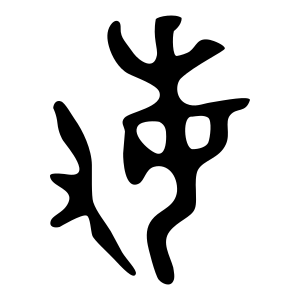
- 攵 a hand in action — the meaningThe written form of 攴, a hand holding a stick. It is the radical Chinese puts on verbs of doing something to something, which is why 《说文解字》 assigns the character's sense to it rather than to the larger left-hand element. Same radical: 教 (to teach), 政 (governance), 改 (to change), 效 (to take effect).
- 每 soundClassically parsed as the phonetic — 每 (měi) and 敏 (mǐn) were closer in Old Chinese than they are now. Its own graph is a kneeling figure with an ornament pinned through the hair, and the coincidence of a hand beside a head of hair producing a word for deftness has been remarked on for centuries without ever being settled. It survives elsewhere as 海 (sea), 悔 (regret), 梅 (plum).
character
- 敏捷 mǐn jié agile, nimble — of a body, a team, or a piece of software process
- 敏锐 mǐn ruì keen — judgment or perception that arrives ahead of the evidence
- 灵敏 líng mǐn responsive, sensitive — the standard word for an instrument's response to a small input
- 聪敏 cōng mǐn bright and quick — said of someone who picks things up at speed
- 敏而好学 mǐn ér hào xué quick and still eager to learn — from the Analects, and still the compliment teachers reach for
The Story Behind the Character
On a Western Zhou bronze the character is two things pressed together: a kneeling figure with a pin driven through piled-up hair, and beside it a bare hand. The figure is 每, the older graph. By the time the form standardized the hand had picked up a stick and become 攴, the element Chinese attaches to anything being done to something, and that is the version 《说文解字》 (Shuowen Jiezi, c. 100 CE) parses. It disposes of the character in two words — 敏,疾也, quick — then gives the structure as 从攴,每聲: the hand carries the meaning, 每 supplies only the sound. Paleographers have long noticed that the picture works better than a phonetic has any right to. A hand at a head of hair, dressing it, and the word that comes out means deftness. Xu Shen does not endorse that reading and neither should anyone insist on it. What both accounts leave standing is the same: 敏 was never a quality of a mind sitting still. It is a hand already moving.
One early appearance is odd enough that commentators have never agreed on it. 《诗经·大雅·生民》 tells how 姜嫄 conceived Hou Ji, the ancestor Chinese tradition credits with agriculture, by treading in a footprint left by God — 履帝武敏歆 — and 郑玄's gloss on the line, written around 200 CE, reads 敏 there not as quickness but as 拇, the big toe. Others read it as 疾 in the ordinary sense. Whether the toe is a separate word wearing the same graph, an older layer of the same one, or a commentator's guess at a difficult line has never been settled, and nothing rests on the answer. It is worth knowing only because it shows how loose the word once was. By the fifth century BCE the looseness was gone and the sense had narrowed to one thing: how little time passes between understanding something and doing something about it.
What fixed it there was Confucius, who used the word constantly and never once let it run loose. 敏于事而慎于言 — quick in action, careful in speech. 君子欲讷于言而敏于行 — halting of tongue, quick of deed. 敏则有功, quickness gets results, one of the five he listed when asked what 仁 requires in practice. The pattern is unmissable. Every time 敏 appears in the Analects it is licensed in one direction and fenced off in the other, and the thing being fenced off is always the mouth. That is the character's whole argument, and it survived intact into the modern vocabulary, where 敏 still measures response time — of a person, an instrument, a judgment, or an immune system — and never measures how much of anything there is.
Classical lines
- roughly 200 years
- c. 500 BCE 《论语·公冶长》
- c. 500 BCE 《论语·里仁》
- c. 300 BCE 《礼记·中庸》
敏而好学,不耻下问,是以谓之文也。 Quick, and fond of learning; not ashamed to ask those below him
that is why he was called Wén. — Zigong had asked why a Wei minister received 文, one of the most prestigious of the civil posthumous names, when his conduct had not obviously earned it. The answer puts 敏 first and then immediately guards it: the speed only counted because the man kept asking questions he could have been embarrassed to ask.
君子欲讷于言而敏于行。 The junzi wants to be halting in speech and quick in action.
Nine characters that split speed in two and license only half of it. 讷 means a tongue that does not come easily; Confucius treats that as an asset, provided the hands make up the difference. It is still the standard rebuke in Chinese to someone whose response time is all talk.
人道敏政,地道敏树。 Human affairs respond quickly to governance as ground responds quickly to planting.
Confucius answering Duke Ai's question about how to govern. Commentators divide over whether 敏 here is the ruler's own diligence or the speed of the return he gets. Read the second way, as Legge does, the line becomes the argument for why the quality matters at all: put the right thing in and the ground answers fast.
Why This Character Matters
Asked by his student 子张 what benevolence required in practice, Confucius gave a list of five — 恭、宽、信、敏、惠, recorded in 《论语·阳货》 — and 敏 is the one that does not belong. The other four name dispositions: how you carry yourself, how much you can tolerate, whether your word holds, what you are willing to give away. 敏 names none of that. It names tempo. The outcomes attached to each make the split plainer still. 恭则不侮, deference is not insulted. 宽则得众, breadth wins people over. 信则人任焉, the trustworthy get entrusted with things. 惠则足以使人, generosity is enough to direct people. Four results about how others treat you — and then 敏则有功, quickness gets results, which is not about other people at all. It is the only item on the list you could measure with a stopwatch, and that is precisely why the word later slipped out of moral vocabulary and into technical Chinese without losing anything. A disposition belongs to a person. A latency belongs to anything that responds to anything.
The other thing worth knowing is what happened to the character in the twentieth century, when it became one of the workhorse given-name characters of modern China — used for both men and women, more often women, and common enough that most people who grew up there can name two or three 敏 without pausing. That popularity did something specific: it pushed the word toward the person and away from the quality. Hung alone, a single 敏 will often be read as a name first. Whatever goes on the card should therefore do a little work, and the Confucian caution is the natural thing to put there, because it is the half everyone forgets. 敏 was never praise for a fast talker. Every classical use of it comes with the tongue held still — 讷于言而敏于行 — and giving the character with that line attached hands over the whole of what it meant rather than the fast half.
A few characters live near "敏" but mean something quieter, sharper, or more specific. Here's how to tell them apart.
how fast the response comes
the discernment that decides what the response should be
the first move, and how little time passed before it
the hours that come after it, repeated until the thing is finished
response time, which is true of a person alone in a room
the point that shows past the others, which needs a crowd to be measured at all
A degree certifies what someone knows.
- A degree certifies what someone knows. It says nothing about how long they take to do anything with it, which is the whole of what the next few years will test. 敏 is the character for that gap, and the Analects never lets it run unaccompanied. 敏于事而慎于言 — quick in what you do, careful in what you say — is the standard Confucius sets for the 君子. 敏而好学,不耻下问 — quick, and still not too proud to ask someone junior — is what earned a Wei minister the posthumous name 文. Both describe the position of someone who has just left a place where being right was the measure and entered one where responding is. It is a more useful thing to hand a graduate than praise for the four years behind them.
- 敏锐 is the word for picking up a signal while it is still too faint to be evidence — the friend who caught the thing you did not quite say, the colleague who felt the plan going wrong while it was still being described well. It is rarely said to anyone's face, because from outside it looks like luck and from inside it feels like nothing at all. A birthday is one of the few occasions with room to say it plainly. And it is worth saying because responsiveness leaves no trace behind it: once the decision exists, nobody remembers how small the thing was that set it off — least of all the person who acted on it.
Looking for a name? See Western names written in Chinese →
-
What does 敏 (mǐn) mean?
敏 (mǐn) is the Chinese character for quick to respond, nimble, keen. The whole of what 敏 (mǐn) measures is an interval — how long between understanding something and moving on it. Not how much someone knows, not how hard they work, not how well they judge. That narrowness is why Confucius could use the word so freely: he attached it to conduct rather than to intelligence, and every time he did he put a brake on the other end — 敏于事而慎于言, fast at the work and slow at the mouth. 慧 (huì) is the discernment that decides what the right move is; 勤 (qín) is the hours that come after it. 敏 is only the first move, and the gift of it is that a fast one can be recognized without anyone claiming it was also the right one. See 慧 → · See 勤 → Asked by his student 子张 what benevolence required in practice, Confucius gave a list of five — 恭、宽、信、敏、惠, recorded in 《论语·阳货》 — and 敏 is the one that does not belong. The other four name dispositions: how you carry yourself, how much you can tolerate, whether your word holds, what you are willing to give away. 敏 names none of that. It names tempo. The outcomes attached to each make the split plainer still. 恭则不侮, deference is not insulted. 宽则得众, breadth wins people over. 信则人任焉, the trustworthy get entrusted with things. 惠则足以使人, generosity is enough to direct people. Four results about how others treat you — and then 敏则有功, quickness gets results, which is not about other people at all. It is the only item on the list you could measure with a stopwatch, and that is precisely why the word later slipped out of moral vocabulary and into technical Chinese without losing anything. A disposition belongs to a person. A latency belongs to anything that responds to anything.
-
What occasions is 敏 given for?
敏 is traditionally given for Graduation, Birthday. A degree certifies what someone knows. It says nothing about how long they take to do anything with it, which is the whole of what the next few years will test. 敏 is the character for that gap, and the Analects never lets it run unaccompanied. 敏于事而慎于言 — quick in what you do, careful in what you say — is the standard Confucius sets for the 君子. 敏而好学,不耻下问 — quick, and still not too proud to ask someone junior — is what earned a Wei minister the posthumous name 文. Both describe the position of someone who has just left a place where being right was the measure and entered one where responding is. It is a more useful thing to hand a graduate than praise for the four years behind them. 敏锐 is the word for picking up a signal while it is still too faint to be evidence — the friend who caught the thing you did not quite say, the colleague who felt the plan going wrong while it was still being described well. It is rarely said to anyone's face, because from outside it looks like luck and from inside it feels like nothing at all. A birthday is one of the few occasions with room to say it plainly. And it is worth saying because responsiveness leaves no trace behind it: once the decision exists, nobody remembers how small the thing was that set it off — least of all the person who acted on it.
-
Who brushes the 敏 calligraphy?
Each 敏 (Mǐn) is hand-brushed to order by Artist Lina Sun in ink on rice paper — never printed, never repeated.
Bring 敏 home — choose how you'd like it brushed.
-
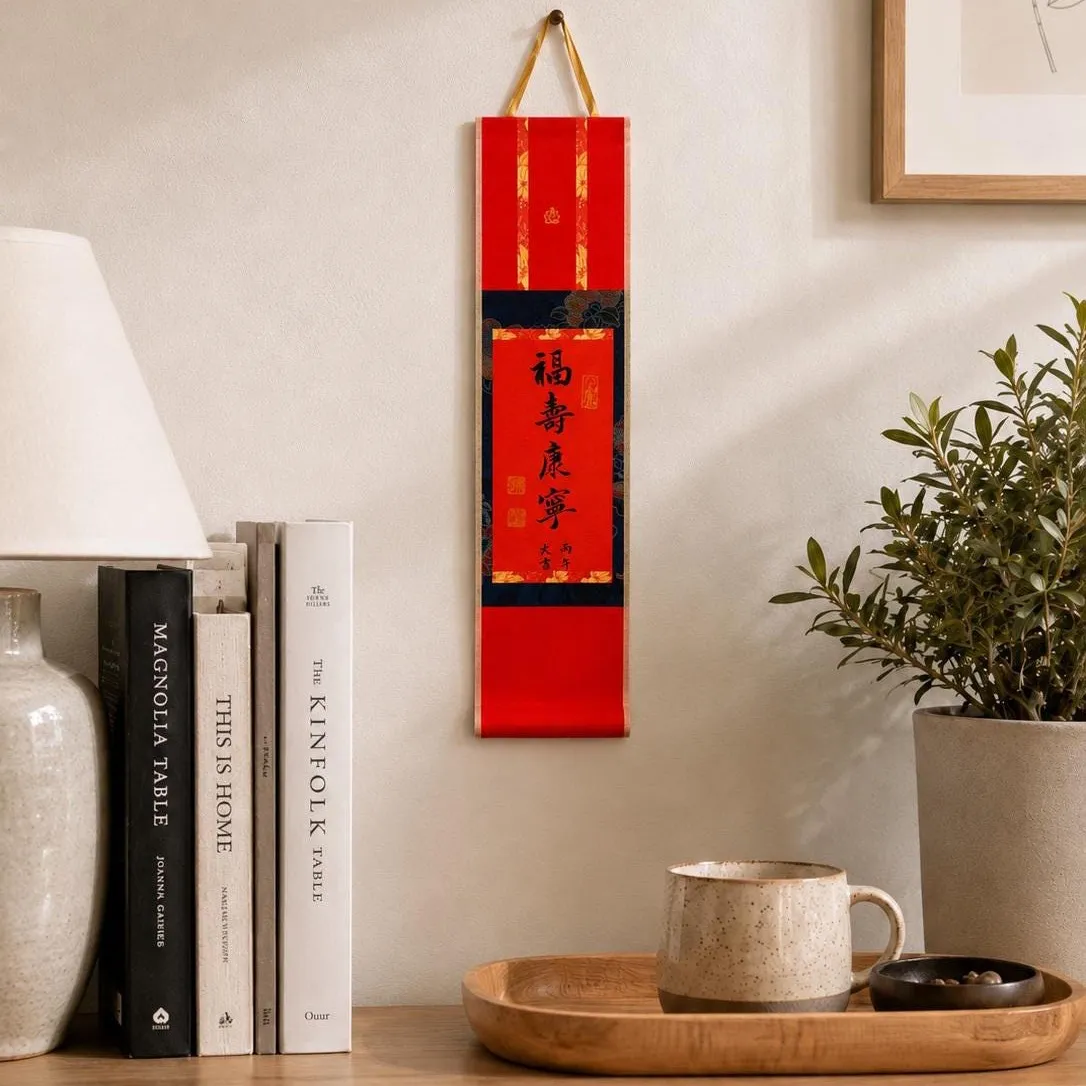
Photo shows a sample — yours will be brushed with 敏, or any character you choose.
Wall Scroll — for walls & housewarmingsfrom $38→ -
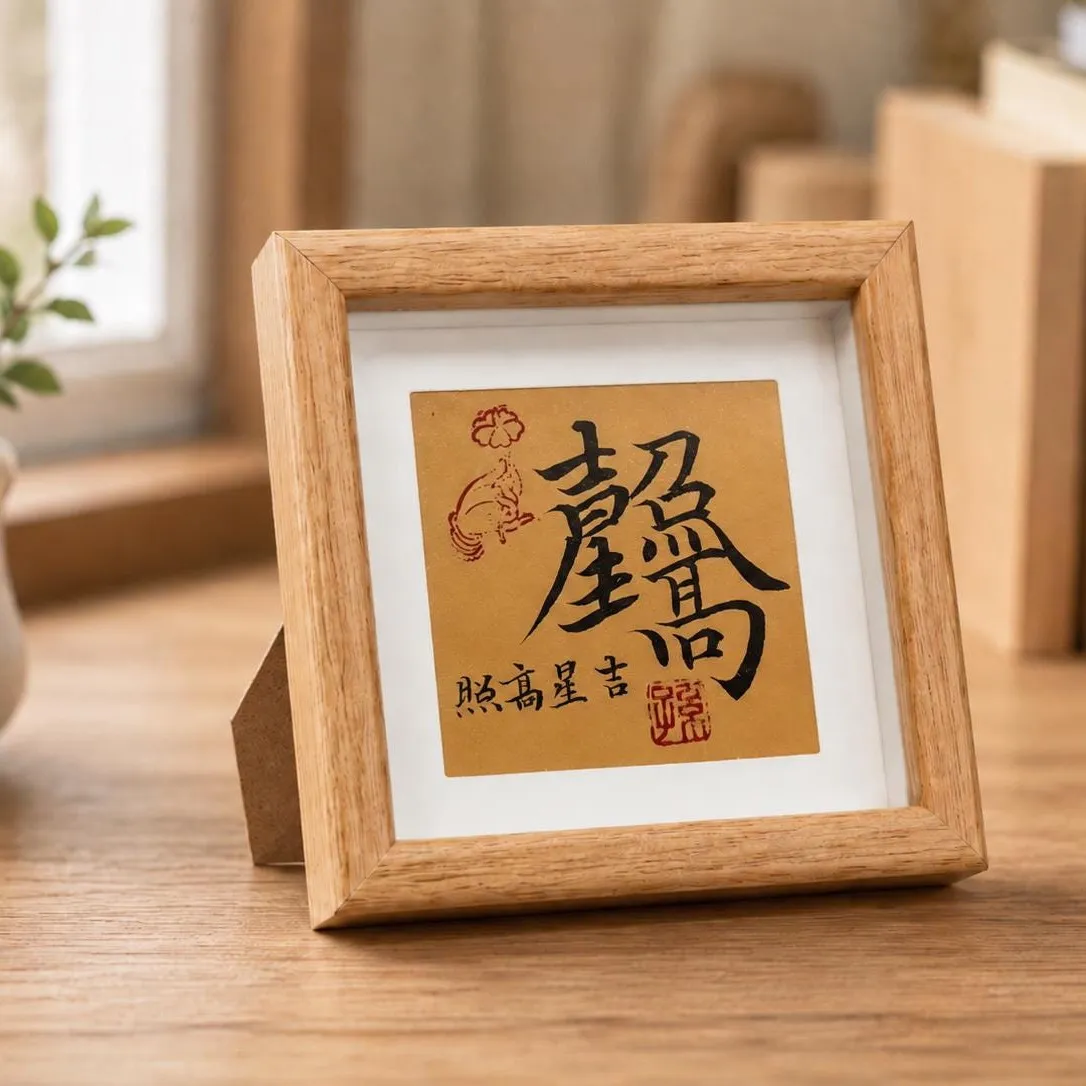
Photo shows a sample — yours will be brushed with 敏, or any character you choose.
Desk Frame — for desks, studies & studiosfrom $44→ -
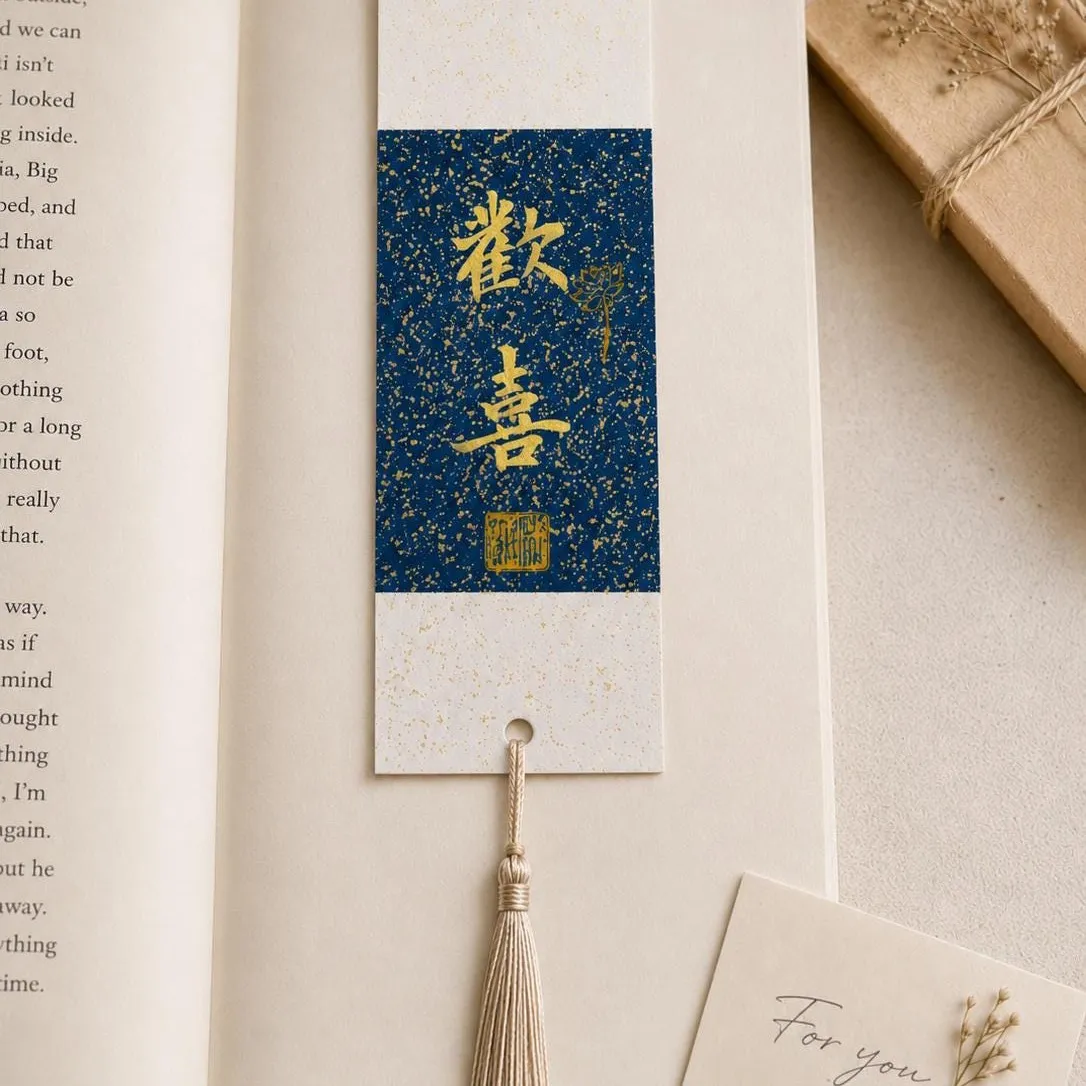
Photo shows a sample — yours will be brushed with 敏, or any character you choose.
Bookmark — for readers & small thank-yousfrom $17→

What people said after it arrived.
-
The item is fantastic. The customer service was genuine. Thanks!
— M.Verified purchase · from our Etsy shop reviews · -
They were great they gave me exactly what I asked for and then some. Thank you!!
— G.Verified purchase · from our Etsy shop reviews · -
It is well designed and customized. My daughter loves it. Amazing gift for family’s d friends
— S.Verified purchase · from our Etsy shop reviews ·
Each "敏" is hand-brushed by Artist Lina Sun on rice paper.
See 敏 (Mǐn) on Etsy →