恭 (gōng) — Respectful Bearing · Composure Toward People · Courtesy in Conduct
A single character.
郑玄 put the difference in four characters: 恭在貌,敬在心. Bearing on the outside; seriousness on the inside. 《礼记·少仪》 had already sorted the jobs — guests take 恭, sacrifice takes 敬 — and the Analects keeps the same split when it says 居处恭,执事敬: how you dwell is one ledger, how you handle a task is another. English “respect” often collapses the two. This character keeps the one you can watch walk into a room.
Living Chinese still spends the word on that visible ledger. 谦恭 praises manners that stay measured. 恭敬 is the ordinary compound for respectful conduct. 玩世不恭 names someone who has decided the room is not worth the bearing. See 敬 → is the inward twin this page is not. See 礼 → is the shared form 恭 is supposed to stay near — 恭近于礼,远耻辱也. See 谦 → lowers the self; 恭 turns the face toward other people. The New Year verbs 恭喜 and 恭贺 borrow the character as politeness before a wish; they are not what a lone 恭 on the wall is saying.
A hand-brushed 恭 by FuBlessings is for someone whose composure you have actually seen. For a friend it names courtesy that does not need announcing. For a father it is the bearing guests felt at the door, not another speech about sacrifice. For a coworker it is the manner that keeps a meeting from becoming a contest. At Chinese New Year it marks the visit itself, distinct from a wealth greeting on a red envelope. On Father’s Day or a birthday it credits years of visible composure. It does not congratulate. It does not promise next year’s luck. It names how they show up.
- respectful bearing you can see
- composure toward people in the room
- courtesy as conduct — 谦恭, 恭敬
- the polite seriousness of a greeting or a visit
- reverence That is closer to 敬 — the inward seriousness turned toward someone or a task. 恭 is the bearing; 郑玄's note keeps them on different sides of the skin.
- congratulations 恭喜 and 恭贺 use 恭 as a polite verb of congratulation. The gift character is the noun of bearing, not a New Year wealth wish.
- humility That is 谦 — lowering your own claims. 恭 can sit beside 谦 in 谦恭, but it names how you face others, not how small you make yourself.
The short arms are the point: these readings don’t reach it.
- 共 sound — and the older 'offering' hands共 is the sound component (俱容切) and, in the older graphs, part of the picture of two hands presenting. In regular script it is the upper half; if it goes illegible, the character fails.
- 心 heart — the inward markThe heart radical marks that composure is not only a gesture. Written under 共 in the modern form; the four dots must stay distinct at tattoo size.
character
- 恭敬 gōng jìng respectful manners — the everyday compound that joins bearing and inward regard
- 谦恭 qiān gōng modest and respectful in bearing — humility that shows
- 恭喜 gōng xǐ congratulations — the polite verb lane, especially at New Year; not the gift noun
- 玩世不恭 wán shì bù gōng to treat the world without respectful bearing — the refusal of 恭
- 端庄 duān zhuāng composed and upright in manner — near in sense, shares no character with 恭
Cinnabar marks the characters 恭 actually contains. The dark row is a relative by meaning or by sound, not one shared stroke.
The Story Behind the Character
《说文解字》 files the character under the heart radical and keeps the gloss short: 恭,肃也 — it is composure, the bearing that takes a matter seriously. The analysis is 从心,共声: the heart marks an inward state, and 共 carries the sound (俱容切). 段玉裁, commenting on the same entry, reaches for the 《尚书·洪范》 line 恭作肃 and for the Analects habit of splitting 恭 from 敬 — 居处恭,执事敬; 貌思恭,事思敬 — so that 恭 leans toward how you look and hold yourself, and 敬 toward the seriousness you bring to a task or a person.
The Multi-function Chinese Character Database at the Chinese University of Hong Kong reads the older writings through 龏 and 共: two hands offering, a graph for respectful presentation, later specified with 心 underneath. Classical texts often still write 共 where later editions print 恭. The heart was added to mark that the composure is not only a gesture.
From that bearing the word widened into compounds Chinese still uses without ceremony: 恭敬 for respectful conduct, 谦恭 for modesty that shows, 恭贺 and 恭喜 when the polite verb is to congratulate. The toilet euphemism 出恭 is a separate, later lane and does not govern the gift reading.
Classical lines
- roughly 1,600 years
- c. 3rd c. CE 《孔子家语·弟子行》
- c. 1590 CE 《菜根谭》
- c. 1855 CE 《围炉夜话》
恭老恤幼,不忘宾旅。 Respect the old, care for the young, and do not forget the guest who is traveling through.
Spoken of 冉求's conduct in the disciples' portraits. The three clauses are outward bearing toward people in different positions — elders, children, and visitors.
待君子不难于恭,而难于有礼。 With a 君子, respectful bearing is not the hard part
keeping 礼 is. — From the Ming miscellany 《菜根谭》. The line separates this page's character from 礼: 恭 can be offered readily; the shared form is what costs.
富贵易生祸端,必忠厚谦恭,才无大患。 Wealth and rank easily breed trouble; only with loyalty, generosity, and respectful composure is there no great disaster.
From the Qing household miscellany 《围炉夜话》. 谦恭 is the living compound: humility joined to the bearing this page names.
Why This Character Matters
The classical split is older than any of the three lines on the rail. 《礼记·少仪》 sorts the jobs — 宾客主恭,祭祀主敬 — and 郑玄's note keeps it plain: 恭在貌,敬在心. 《论语·学而》 ties the bearing to propriety: 恭近于礼,远耻辱也. 《左传·宣公二年》 shows it when nobody was meant to be watching: 鉏麑 finds 赵盾 already dressed for court before dawn. Modern Chinese still sorts 恭 and 敬 the same way. 恭敬 as a compound is ordinary speech for respectful manners; when speakers pull them apart, 恭 is what shows in posture and tone, and 敬 is the attention underneath. 玩世不恭 names the refusal of that bearing.
As a gift the single character is less common than 敬 or 礼, which is why it reads as a choice. It does not wish wealth, and it does not congratulate. It names how someone shows up: the friend whose courtesy does not need announcing, the father whose composure guests could feel at the door, the colleague whose manner keeps a meeting from becoming a contest. Hang it when the accurate praise is the visible bearing, not the wish for next year.
恭 is everyday moral vocabulary — 谦恭, 恭敬, 玩世不恭 — and also the polite verb in 恭喜 and 恭贺. On skin it will be read as a claim about bearing, not as a New Year greeting. Expect the question whether you meant 敬.
Calligraphy Styles for Tattoos
- Regular script (楷书 kǎishū) Best for tattoos
恭 is 10 strokes: 共 above, 心 below. Regular script keeps the four dots of 心 distinct and the upper 共 from collapsing into a generic top — both must stay readable or the graph looks like a different heart-radical character.
- Running script (行书 xíngshū) Good for larger pieces
Running script can soften the stacked form, which suits a bearing that is warm rather than stiff. Below about 2 inches the lower 心 blurs first. Ask for a sample at the intended size.
- Cursive script (草书 cǎoshū) Only with an expert calligrapher
Cursive 恭 often reduces 心 to a linked flick. Without a calligrapher who knows this character's cursive forms, readers may recover 共 and miss the heart.
Common Mistakes to Avoid
- Writing 心 so the dots merge into a single blob under 共Intended: 心 with the dots still countable as the heart radical
The heart radical is what separates 恭 from a bare 共. If it is not readable, the tattoo is only the sound component.
- Confusing 恭 with 龚 (龔) or with 供Intended: 恭 with 共 over 心 — no dragon, no person radical
龚 keeps an older dragon-related writing; 供 is to offer or supply. A missed stroke moves the character into a different word.
Notes for Your Tattoo Artist
10 strokes in the modern count. Stacked structure: upper 共 is wider; lower 心 is compact. Minimum comfortable size about 1.75–2 inches; below that the heart dots go first. Do not invent an oracle-bone form for the client — early writings often use 共 or 龏, and a fake bone graph is worse than none.
A few characters live near "恭" but mean something quieter, sharper, or more specific. Here's how to tell them apart.
the bearing others can see — posture, tone, how you enter a room
the inward seriousness and sustained regard turned toward a person or a task
the composure you bring into a shared form
the shared form itself — how a room is supposed to be entered and answered
how you face other people — respectful bearing outward
how you hold yourself — claims kept quiet on purpose
New Year visits are guest work.
- New Year visits are guest work. 《礼记·少仪》 puts 恭 with guests and 敬 with sacrifice — bearing for the door you enter, seriousness for the altar. A brushed 恭 names the composure of the visit itself. It is not 恭喜发财, which wishes wealth, and not 恭贺新禧, which is the printed card; those keep 恭 as a polite verb. This character keeps the noun: how you show up at someone else's threshold.
- 敬 on the Father's Day shelf is often the child's regard directed upward. 恭 points the other way: it names the bearing the father kept — composure in a hard room, a greeting that did not need raising, the way he sat when guests arrived. 郑玄's short split still holds: 恭在貌, respect you can see. Father's Day gifts reach for load and sacrifice; this one names the visible manner that made the house easier to enter.
- A birthday with years behind it can support a claim about how someone has carried themselves, not only a wish for the year ahead. 恭近于礼,远耻辱也 — bearing kept near propriety keeps shame at a distance. The character suits a friend or a father whose composure you have watched across ordinary rooms, not only at ceremonies.
Looking for a name? See Western names written in Chinese →
-
What does 恭 (gōng) mean?
恭 (gōng) is the Chinese character for respectful bearing, composure toward people, courtesy in conduct. 郑玄 put the difference in four characters: 恭在貌,敬在心. Bearing on the outside; seriousness on the inside. 《礼记·少仪》 had already sorted the jobs — guests take 恭, sacrifice takes 敬 — and the Analects keeps the same split when it says 居处恭,执事敬: how you dwell is one ledger, how you handle a task is another. English "respect" often collapses the two. This character keeps the one you can watch walk into a room. The classical split is older than any of the three lines on the rail. 《礼记·少仪》 sorts the jobs — 宾客主恭,祭祀主敬 — and 郑玄's note keeps it plain: 恭在貌,敬在心. 《论语·学而》 ties the bearing to propriety: 恭近于礼,远耻辱也. 《左传·宣公二年》 shows it when nobody was meant to be watching: 鉏麑 finds 赵盾 already dressed for court before dawn. Modern Chinese still sorts 恭 and 敬 the same way. 恭敬 as a compound is ordinary speech for respectful manners; when speakers pull them apart, 恭 is what shows in posture and tone, and 敬 is the attention underneath. 玩世不恭 names the refusal of that bearing.
-
What occasions is 恭 given for?
恭 is traditionally given for Chinese New Year, Father's Day, Birthday. New Year visits are guest work. 《礼记·少仪》 puts 恭 with guests and 敬 with sacrifice — bearing for the door you enter, seriousness for the altar. A brushed 恭 names the composure of the visit itself. It is not 恭喜发财, which wishes wealth, and not 恭贺新禧, which is the printed card; those keep 恭 as a polite verb. This character keeps the noun: how you show up at someone else's threshold. 敬 on the Father's Day shelf is often the child's regard directed upward. 恭 points the other way: it names the bearing the father kept — composure in a hard room, a greeting that did not need raising, the way he sat when guests arrived. 郑玄's short split still holds: 恭在貌, respect you can see. Father's Day gifts reach for load and sacrifice; this one names the visible manner that made the house easier to enter.
-
Is 恭 a good Chinese tattoo?
恭 is everyday moral vocabulary — 谦恭, 恭敬, 玩世不恭 — and also the polite verb in 恭喜 and 恭贺. On skin it will be read as a claim about bearing, not as a New Year greeting. Expect the question whether you meant 敬.
-
Who brushes the 恭 calligraphy?
FuBlessings hand-brushes each 恭 (Gōng) to order, in ink on rice paper — never printed, never repeated.
Bring 恭 home — choose how you'd like it brushed.
-
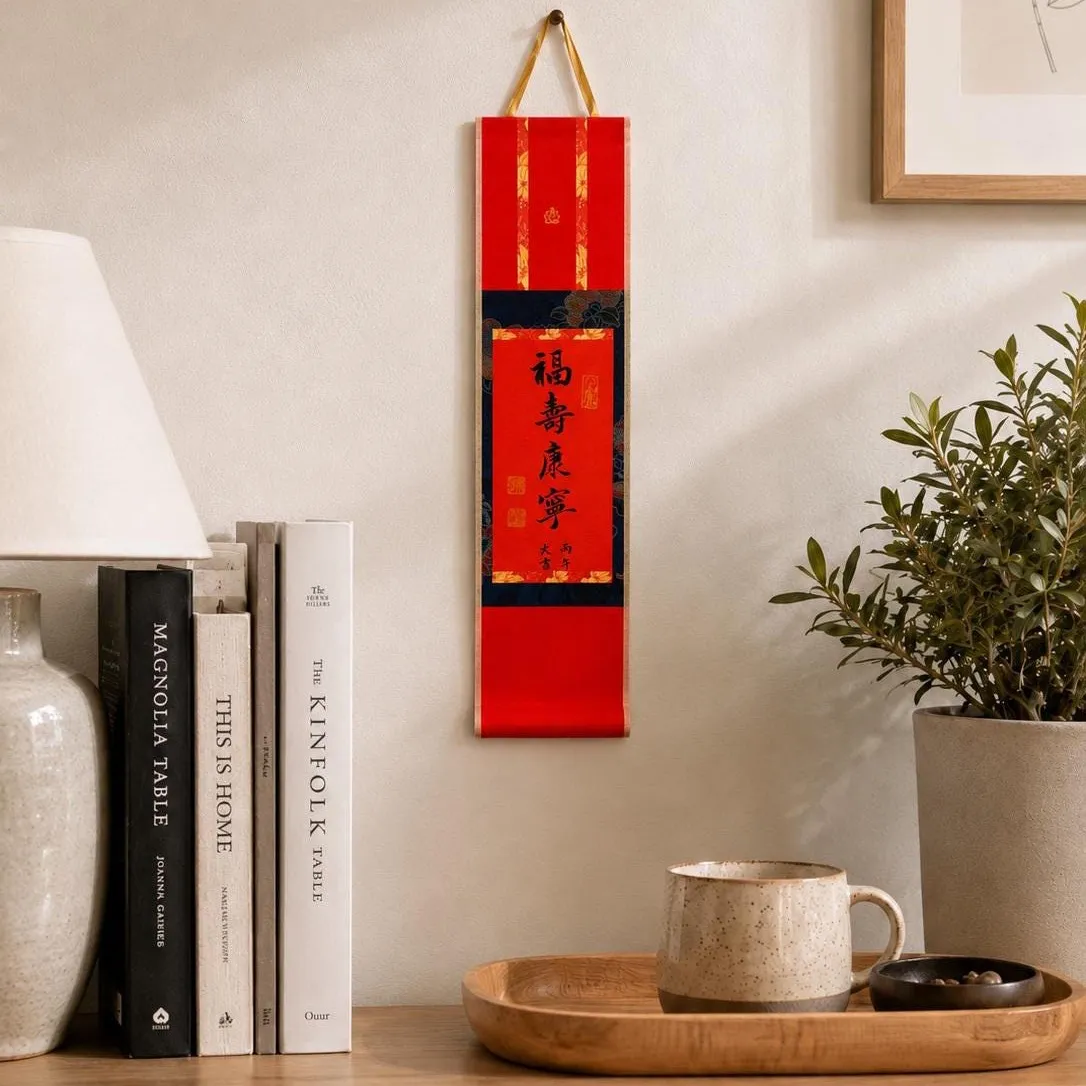
Photo shows a sample — yours will be brushed with 恭, or any character you choose.
Wall Scroll — for walls & housewarmingsfrom $38→ -
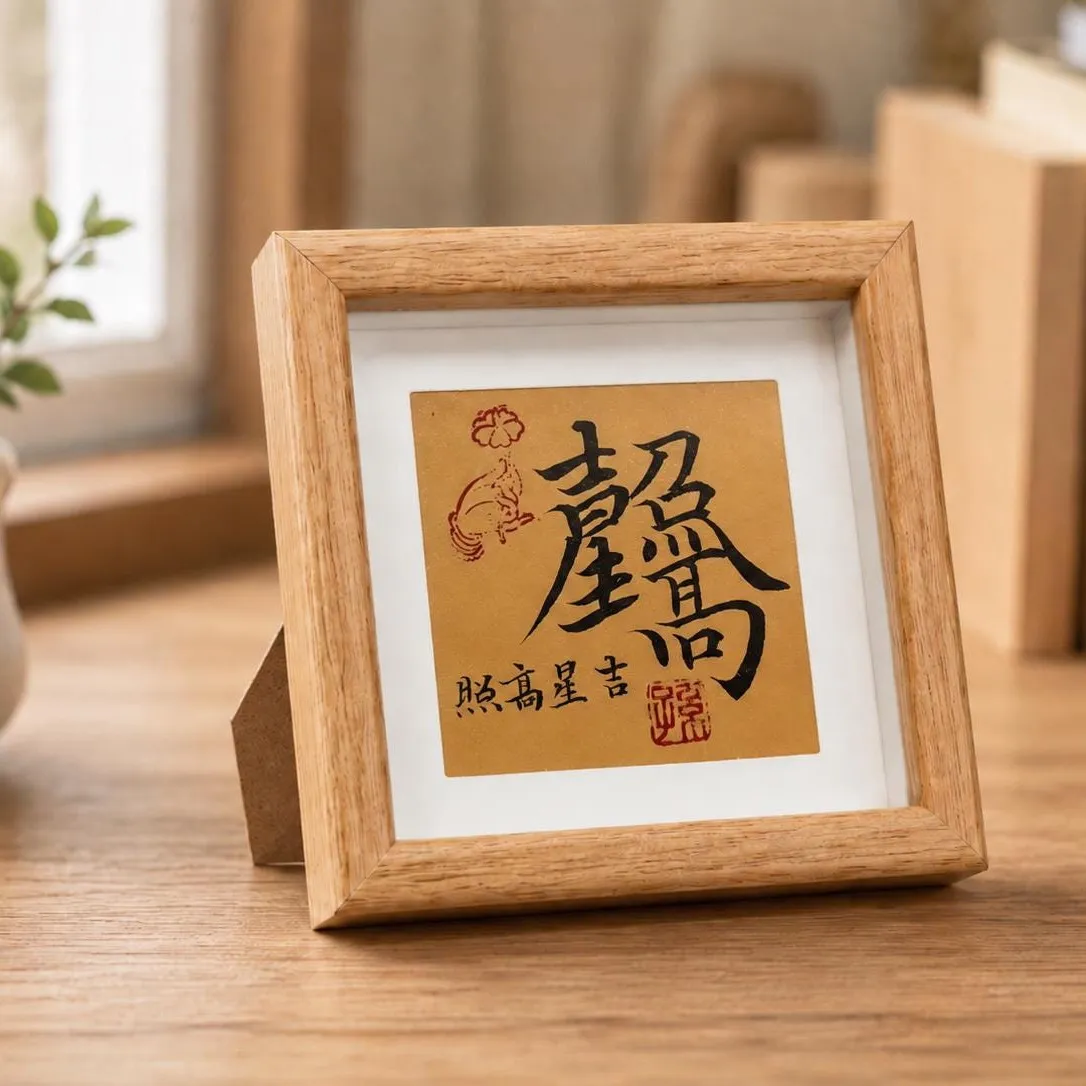
Photo shows a sample — yours will be brushed with 恭, or any character you choose.
Desk Frame — for desks, studies & studiosfrom $44→ -
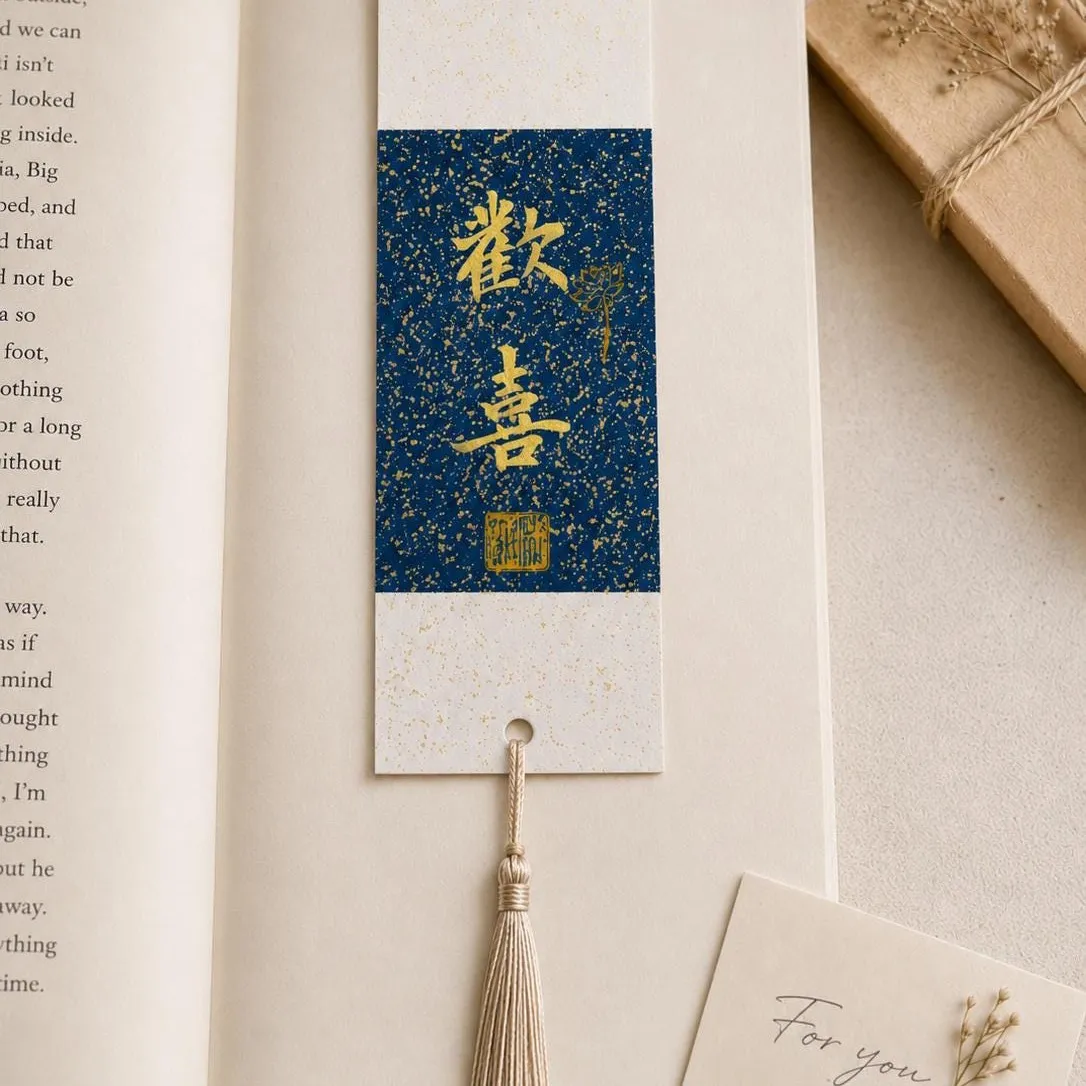
Photo shows a sample — yours will be brushed with 恭, or any character you choose.
Bookmark — for readers & small thank-yousfrom $14→
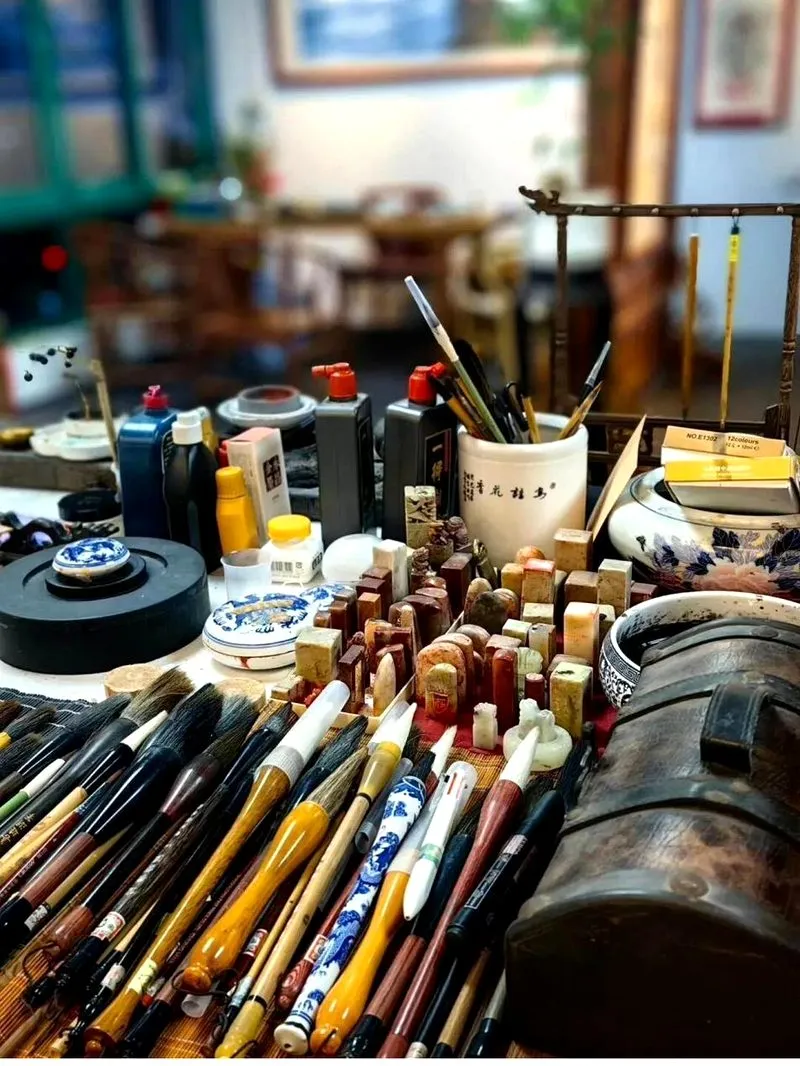
What people said after it arrived.
-
The item is fantastic. The customer service was genuine. Thanks!
— M.Verified purchase · from our Etsy shop reviews · -
They were great they gave me exactly what I asked for and then some. Thank you!!
— G.Verified purchase · from our Etsy shop reviews · -
It is well designed and customized. My daughter loves it. Amazing gift for family’s d friends
— S.Verified purchase · from our Etsy shop reviews ·
Each "恭" is hand-brushed by FuBlessings on rice paper.
See 恭 (Gōng) on Etsy →