慧 (huì) — Wisdom · Clarity · Discernment
A single character.
慧 is wisdom with a broom in its hand. Its early structure shows it plainly — a hand sweeping above the radical for heart — and the metaphor has not aged in three thousand years. This is not the wisdom of libraries and long study. It is the wisdom that clears the room: the ability to see what is actually in front of you once you stop piling on assumptions, opinions, and noise.
Chinese culture draws a clean line between 智 (learned intelligence) and 慧 (native clarity), and prizes them differently. 智 can be taught; 慧 cannot. 智 fills a room; 慧 empties one. The person with 慧 is the one who speaks last at the meeting and says the thing everyone needed to hear. In Buddhist tradition, 慧 was chosen to translate prajña — the insight that sees through illusion — because the translators recognized exactly what the broom metaphor meant: enlightenment is not adding more. It is taking away what is in the way.
A hand-brushed 慧 by FuBlessings is for the person whose thinking you trust when yours gets cloudy. For a graduate, it names the quality that will matter more than any credential — the judgment to read a situation and respond to what it actually is. For a friend or colleague, it says something more specific than admiration: I rely on the way you see things, and I hope you never stop.
- wisdom
- clarity
- discernment
- the quick insight that cuts through noise
- intelligence Too general. Intelligence covers raw processing power; 慧 is specifically the seeing-clearly kind, not the calculating kind.
- knowledge Wrong direction. Knowledge is what you have accumulated; 慧 is what is left after you stop accumulating.
- cleverness Too shallow. Cleverness solves puzzles; 慧 reads situations and people, often without needing to say much.
The short arms are the point: these readings don’t reach it.
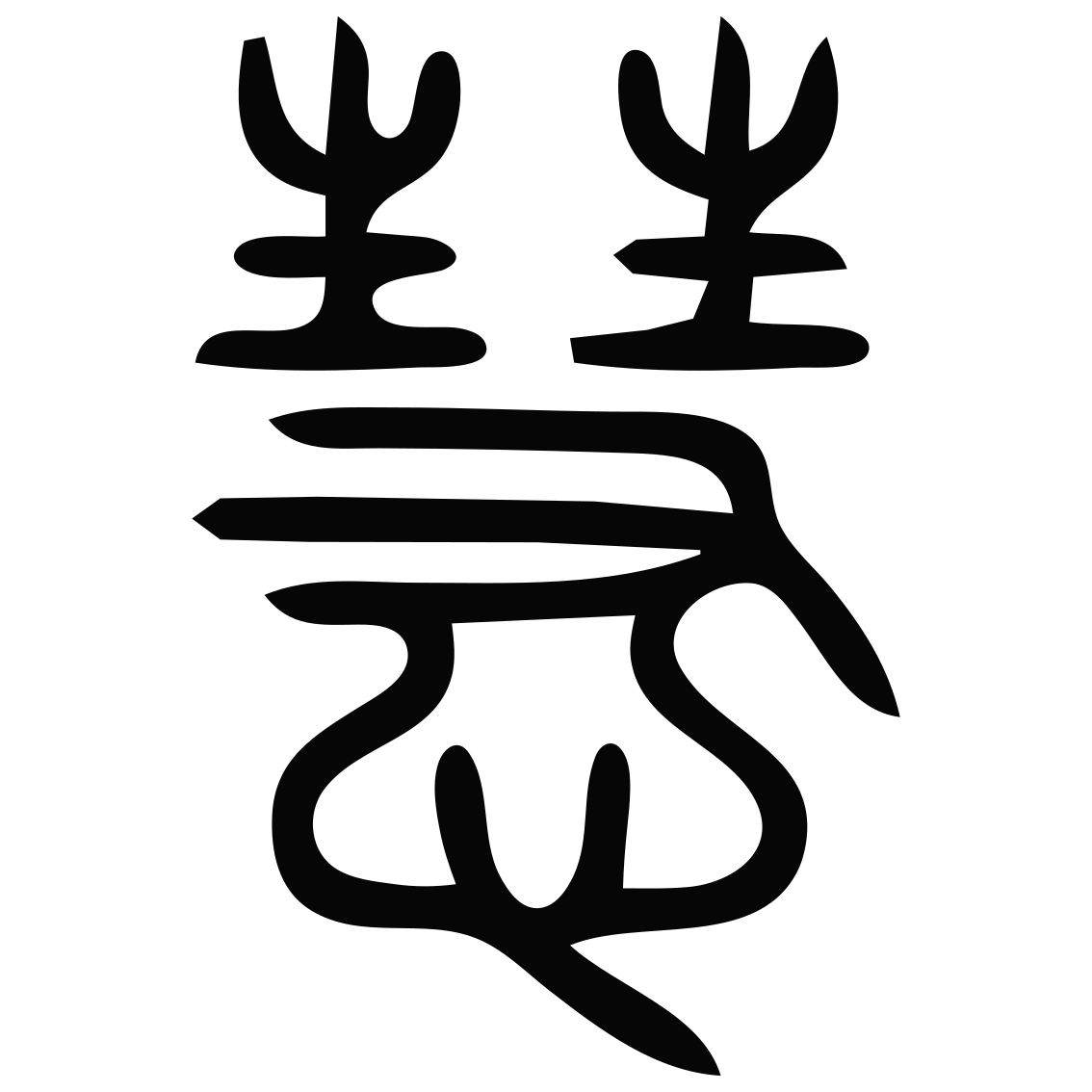
- 彗 a hand holding a broomThe upper element is a picture of sweeping — a hand gripping the bristles of a broom. The metaphor is the whole point: clarity comes from clearing away, not piling on.
- 心 heart / mindWhat gets swept is not a floor but a mind. 慧 places the broom directly over the heart radical: insight is a clean inner room, not a full library.
character
- 智慧 zhì huì wisdom — the standard compound pairing learned knowledge with native clarity
- 慧眼 huì yǎn a wise eye — the perception that spots talent or truth others miss
- 聪慧 cōng huì bright and quick — used most often of a sharp young mind
- 慧根 huì gēn the root of wisdom — the Buddhist term for an innate capacity for insight
- 贤慧 xián huì virtuous and wise — a traditional compliment for a thoughtful, capable woman
The Story Behind the Character
The character 慧 is a picture of housekeeping. Its upper portion, 彗, depicts a hand holding a broom — the act of sweeping. Below sits 心 (xīn, heart or mind). Stack them together and the metaphor writes itself: wisdom is a clean room. Not the accumulation of more furniture, but the clearing away of everything that does not belong. The broom came first; the insight followed.
In Shuowen Jiezi (c. 100 CE), 慧 was defined as 儇也 — "quick-witted, mentally agile." This was wisdom as speed, not storage. Where 智 (zhì) described the steady, learned intelligence of the scholar, 慧 described the flash — the person who grasps a situation in the time it takes others to frame the question. The two characters often appear together as 智慧, but they are not synonyms. 智 is the library. 慧 is the insight that tells you which book to pull.
Buddhism gave 慧 its deepest resonance. When Buddhist scriptures were translated into Chinese, translators chose 慧 to render the Sanskrit word prajña — the penetrating insight that sees through illusion to the nature of reality. The compound 般若智慧 (prajña wisdom) became central to Zen practice: not knowledge gained through study, but clarity that emerges when the mind stops adding and starts subtracting. The broom in the character turned out to be the perfect metaphor for a tradition that valued emptiness over accumulation.
Classical lines
- roughly 1,100 years
- c. 400 BCE 《墨子·修身》
- c. 700 CE 神秀偈
- c. 700 CE 六祖慧能偈,《六祖坛经》
身是菩提树,心如明镜台。时时勤拂拭,勿使惹尘埃。 The body is a bodhi tree, the mind a bright mirror stand. Polish it constantly
do not let dust collect. — The losing poem in Chinese Buddhism's most famous contest. Shenxiu said wisdom requires constant effort. His rival Huineng said there was never a mirror to begin with.
慧者心辨而不繁说。 The wise person's mind discerns clearly but does not waste words explaining.
Mozi defining wisdom as the ability to see without needing to lecture about it.
菩提本无树,明镜亦非台。本来无一物,何处惹尘埃。 There is no bodhi tree, nor any stand for a bright mirror. From the first there is not one thing
so where would dust collect? — The winning poem in Chinese Buddhism's most famous contest. Where Shenxiu said wisdom needs constant polishing, Huineng (慧能, whose name carries 慧) answered that there was never a mirror to begin with. 慧 is not what you accumulate; it is what is left when you stop.
Why This Character Matters
Chinese has a phrase that turns 慧 into a superpower: 慧眼识珠 — "a wise eye that recognizes the pearl." It describes the person who spots talent, value, or truth before anyone else does. The boss who hires the candidate everyone else passed over. The collector who sees the masterpiece at the flea market. The friend who knew your relationship was wrong before you did. In Chinese culture, this kind of perception is considered rarer and more valuable than raw intelligence — and 慧 is the character that names it.
The distinction between 慧 and 智 matters in Chinese gift-giving. 智 is a compliment to someone's education, their diligence, their accumulated expertise. 慧 is a compliment to something you cannot teach — the native sharpness that lets a person cut through noise and land on what matters. When you give someone 慧, you are not acknowledging their degrees or their study habits. You are acknowledging a quality in how they think: fast, clean, and undeceived by surfaces.
慧 is a name character more than a motto character — millions of Chinese women are named 慧. A Chinese person seeing it as a tattoo might first wonder if it's someone's name. As a standalone concept, it's a refined choice that shows the wearer understands the difference between mere intelligence (智) and genuine insight (慧). Not cliché at all.
Calligraphy Styles for Tattoos
- Regular script (楷书 kǎishū) Best for tattoos
慧 is 15 strokes with a top-heavy structure — the broom component 彗 on top and 心 at the bottom. Regular script is the only safe choice for keeping the upper portion readable, since the broom element has fine details.
- Running script (行书 xíngshū) Good for larger pieces
Running script can make the sweeping motion of the broom element feel dynamic, but at smaller sizes the upper portion easily becomes a blob. The 心 at the bottom must stay distinct. Minimum 3 inches in running script.
- Cursive script (草书 cǎoshū) Only with an expert calligrapher
Cursive 慧 is risky — the elaborate upper structure collapses quickly. The broom component has multiple fine strokes that cursive abbreviates into ambiguity. Only for very large pieces with a skilled calligrapher.
Common Mistakes to Avoid
- Confusing 慧 (wisdom/insight) with 惠 (kindness/favor)Intended: 慧 with the broom element 彗 on top
慧 and 惠 share the same pronunciation huì and both have 心 at the bottom, but their upper halves are completely different. 惠 has 叀 on top. Getting the wrong one changes your tattoo from 'wisdom' to 'benevolence' — not terrible, but not what you meant.
- Simplifying the upper broom component by dropping strokesIntended: Complete 彗 with all its constituent strokes
The upper portion of 慧 contains multiple horizontal strokes that look redundant but are structurally necessary. Dropping any of them makes the character look like an error rather than a simplification.
Notes for Your Tattoo Artist
15 strokes. Top-heavy composition — about 65% of the vertical space goes to the upper broom element 彗, and the heart 心 sits at the bottom like a foundation. The critical challenge is keeping the upper portion from becoming a dark mass. Minimum size: 2.5 inches. The three horizontal strokes in the middle section must all be visible.
A few characters live near "慧" but mean something quieter, sharper, or more specific. Here's how to tell them apart.
the flash — the native clarity that reads a situation in seconds
the library — accumulated learning, training, and expertise
the faculty that sees through to what is real
the realness itself — the thing 慧 is trying to see
慧 is a pointed graduation wish: not a general blessing, but a specific hope for the judgment that turns a degree into a career.
- 慧 is a pointed graduation wish: not a general blessing, but a specific hope for the judgment that turns a degree into a career. What carries a person through the working years is less what they know than how clearly they can read a situation and respond to what it actually is.
- For the person whose clarity of thinking you depend on. 慧 on a birthday is recognition as much as a wish — naming what you already see in them and hoping it stays sharp in the year ahead.
慧 is one of the characters we use to write Western names in Chinese. See it at work:
-
What does 慧 (huì) mean?
慧 (huì) is the Chinese character for wisdom, clarity, discernment. 慧 is wisdom with a broom in its hand. Its early structure shows it plainly — a hand sweeping above the radical for heart — and the metaphor has not aged in three thousand years. This is not the wisdom of libraries and long study. It is the wisdom that clears the room: the ability to see what is actually in front of you once you stop piling on assumptions, opinions, and noise. Chinese has a phrase that turns 慧 into a superpower: 慧眼识珠 — "a wise eye that recognizes the pearl." It describes the person who spots talent, value, or truth before anyone else does. The boss who hires the candidate everyone else passed over. The collector who sees the masterpiece at the flea market. The friend who knew your relationship was wrong before you did. In Chinese culture, this kind of perception is considered rarer and more valuable than raw intelligence — and 慧 is the character that names it.
-
What occasions is 慧 given for?
慧 is traditionally given for Graduation, Birthday. 慧 is a pointed graduation wish: not a general blessing, but a specific hope for the judgment that turns a degree into a career. What carries a person through the working years is less what they know than how clearly they can read a situation and respond to what it actually is. For the person whose clarity of thinking you depend on. 慧 on a birthday is recognition as much as a wish — naming what you already see in them and hoping it stays sharp in the year ahead.
-
Is 慧 a good Chinese tattoo?
慧 is a name character more than a motto character — millions of Chinese women are named 慧. A Chinese person seeing it as a tattoo might first wonder if it's someone's name. As a standalone concept, it's a refined choice that shows the wearer understands the difference between mere intelligence (智) and genuine insight (慧). Not cliché at all.
-
Who brushes the 慧 calligraphy?
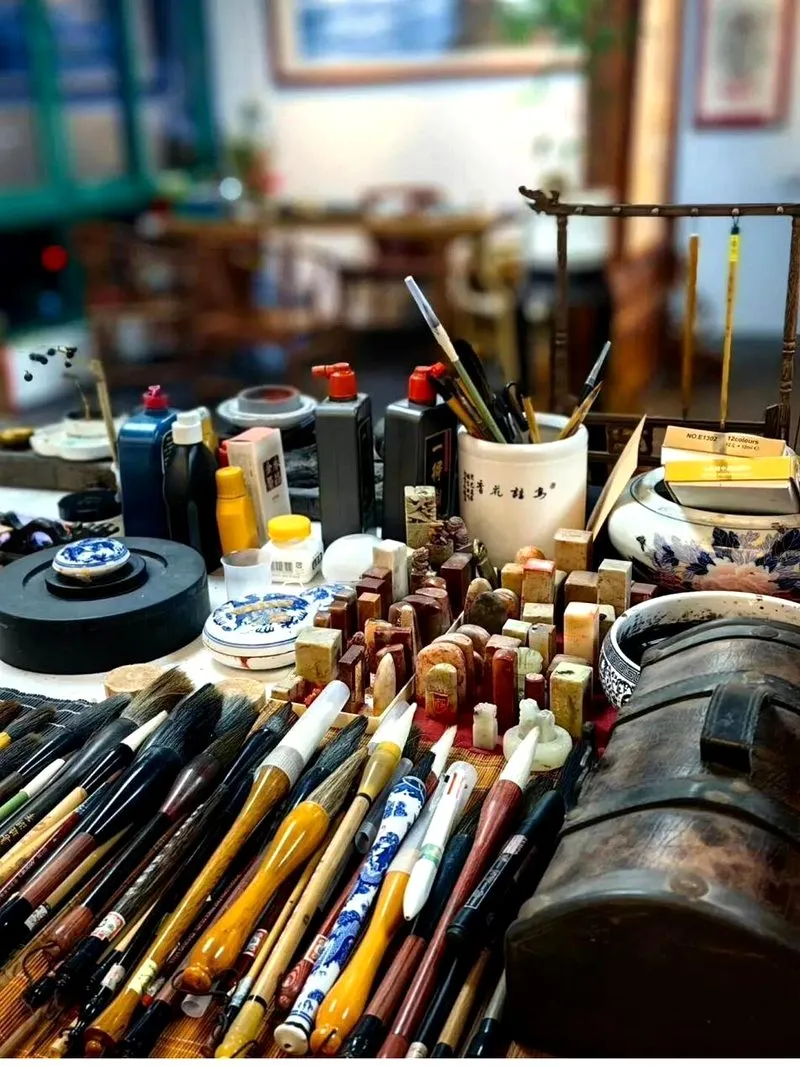
FuBlessings hand-brushes each 慧 (Huì) to order, in ink on rice paper — never printed, never repeated.
Bring 慧 home — choose how you'd like it brushed.
-
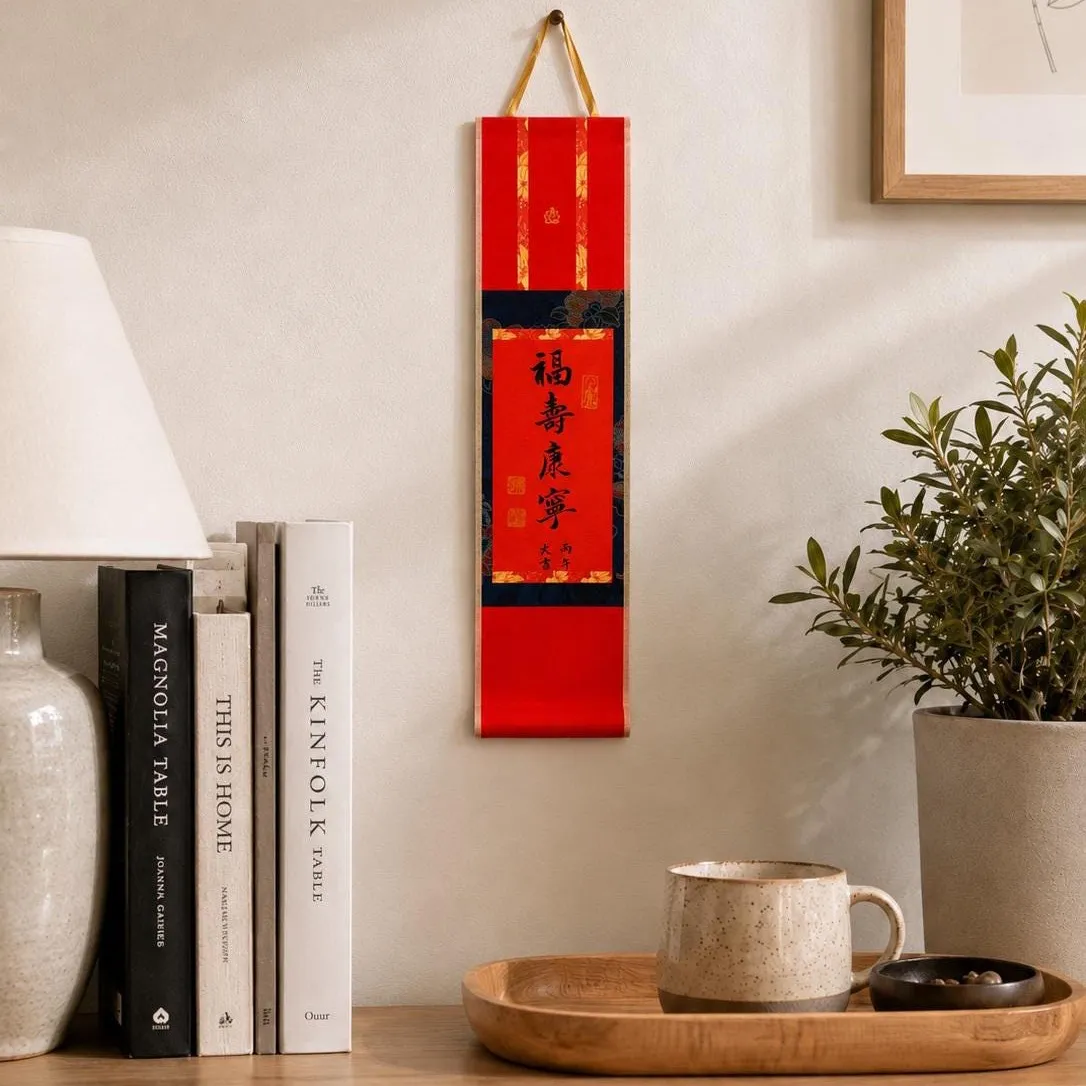
Photo shows a sample — yours will be brushed with 慧, or any character you choose.
Wall Scroll — for walls & housewarmingsfrom $38→ -
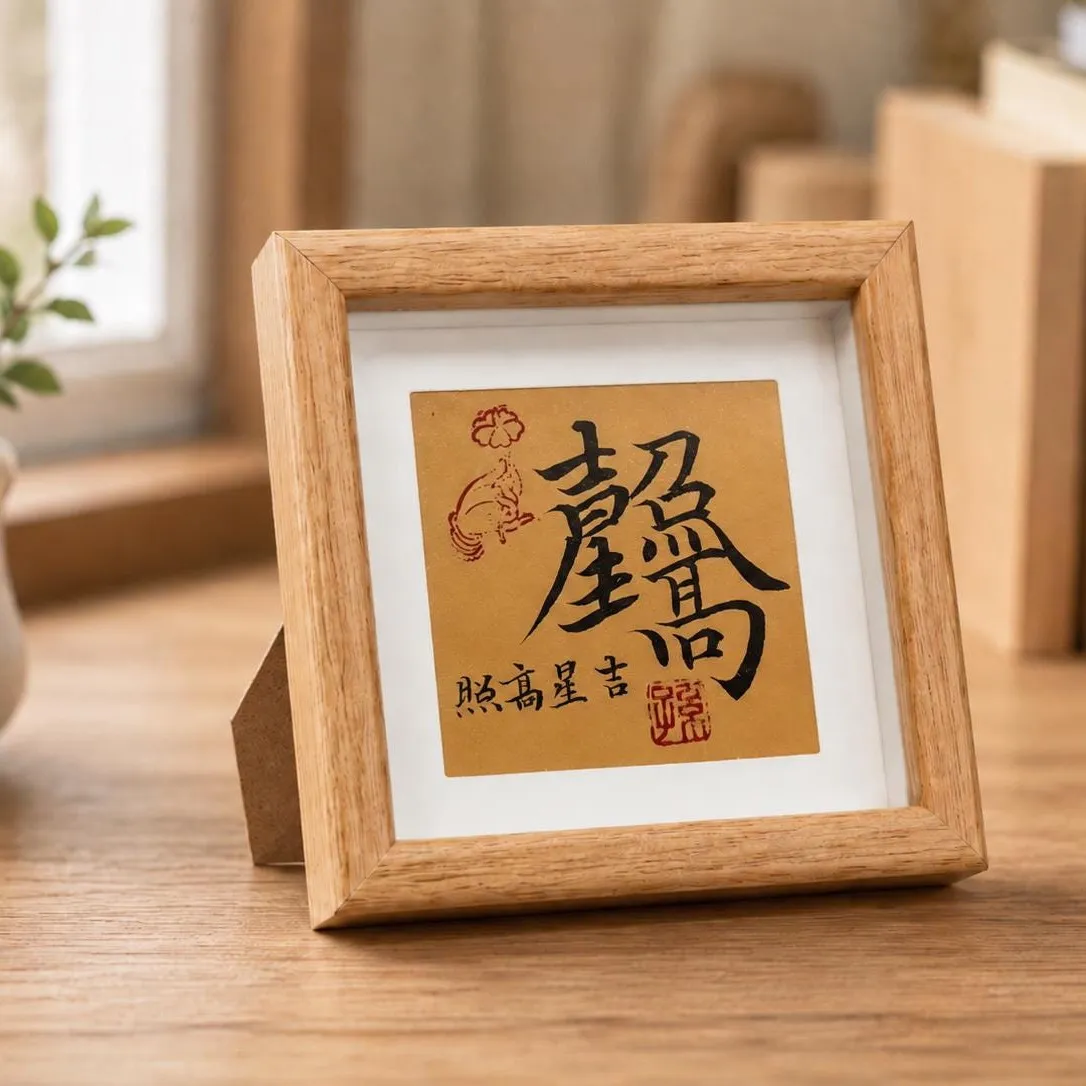
Photo shows a sample — yours will be brushed with 慧, or any character you choose.
Desk Frame — for desks, studies & studiosfrom $44→ -
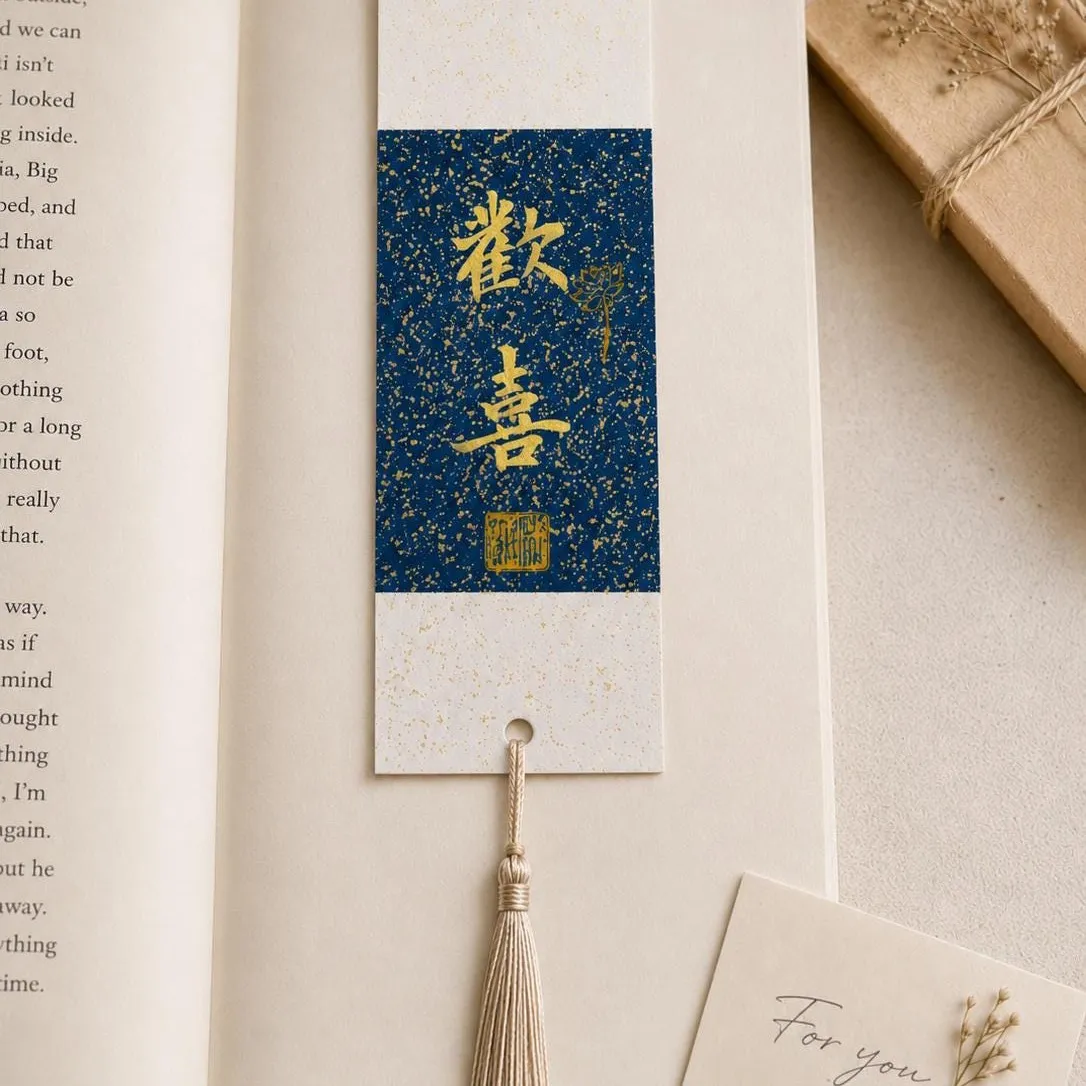
Photo shows a sample — yours will be brushed with 慧, or any character you choose.
Bookmark — for readers & small thank-yousfrom $14→
What people said after it arrived.
-
The item is fantastic. The customer service was genuine. Thanks!
— M.Verified purchase · from our Etsy shop reviews · -
They were great they gave me exactly what I asked for and then some. Thank you!!
— G.Verified purchase · from our Etsy shop reviews · -
It is well designed and customized. My daughter loves it. Amazing gift for family’s d friends
— S.Verified purchase · from our Etsy shop reviews ·
Each "慧" is hand-brushed by FuBlessings on rice paper.
See 慧 (Huì) on Etsy →