宽厚 (kuān hòu) — Broad and Substantial · Tolerant Without Being Thin
Two measurements, not one. 宽 is what he let pass; 厚 is what he handed over. The word for having only the first is 薄, thin.
为人宽厚 — broad and substantial in how he deals with people — is one of the plainest compliments Chinese pays an adult, and it is two claims wearing one coat. Both characters spent their first centuries measuring objects, and Xu Shen still defines them that way: 宽 on a house, 屋宽大也, and 厚 on a hillside, 山陵之厚也. The physical sense has never quite gone; 宽厚的肩膀, broad thick shoulders, is still a fair picture of the man a family stands behind. Turned on conduct the two axes stay independent. 宽 is what comes in and does not come back out — the room left for other people’s mistakes. See 宽 → 厚 is what goes out when nothing required it to. A man can be endlessly patient and never once out of pocket, and Chinese has a one-syllable word for him: 薄, thin.
The everyday forms of the word are all about small amounts. 不厚道 is what you say when someone took an advantage that was there for the taking and would never have been contested; 他待我不薄 is what people say about an old employer, and it stays a double negative because the direct version would embarrass everyone. The pair was already being used of rulers by the Warring States — 《管子》 pairs 温良宽厚 against 整齐严庄, love against fear, and keeps both — and 贾谊 fixed it in circulation early in the Han, describing the four great patrons of the age as 宽厚而爱人: men who kept thousands of retainers, most of whom produced nothing, and did not turn out the ones who failed. The opposite assembled itself along the same two axes and is still the sharpest thing you can say about a person’s character: 刻薄, cutting and thin.
A hand-brushed “宽厚” by Artist Lina Sun suits the father, grandfather, or old boss whose record on this was settled long ago by people much younger than he was. It is not a wish for a good year and not a verdict on a career. It names two quantities at once — what he let pass, and what he handed over — and it has a floor, which is what keeps it from flattery: the man with no line at all is 老好人, and that is a different word entirely. Hung where he works, it says the thing his family would find hard to say to his face, which is that the arithmetic was noticed.
- tolerant of what other people get wrong
- generous with what is yours when nothing requires it
- decent in the transactions nobody itemizes
- the two together — neither narrow nor thin
- tolerance That is 宽 by itself, one axis of the two. The language keeps a separate word for the person who has it and nothing else — 薄 — which is the whole reason the compound was needed.
- generosity 慷慨 is how freely money leaves the hand, and it can be performed in a single evening. 厚 is a margin never shaved, checkable only over years, and mostly visible in what a person declined to take rather than in what they gave.
- 厚德 The same 厚 measured on a different object. 厚德 asks how deep a person's own ground runs and how much it can bear — 厚德载物 is the earth holding what is set on it. 宽厚 never looks inward: both of its measurements are taken on the traffic between this person and everyone else.
- being a soft touch Chinese keeps these apart and is not polite about it. 老好人 is the man with no line anywhere, and the term carries a hint of contempt. 宽厚 requires a standard first; the latitude is what sits around it.
The short arms are the point: these readings don’t reach it.
- 宽 breadth — the axis measured acrossThe roof radical 宀 over open space. Xu Shen glosses it 屋宽大也, a house wide and large — width, before the character goes anywhere near a person.
- 厚 thickness — the axis measured through厂, a cliff face, over an element usually read as 亯 (a tall building) written upside down, so that height inverts into depth. Xu Shen glosses it 山陵之厚也, the thickness of hills. Its opposite is 薄.
characters
- 厚道 hòu dào decent — declining the advantage that was quietly available to you
- 忠厚 zhōng hòu faithful and substantial — the phrase 忠厚长者 is what an elder earns rather than claims
- 敦厚 dūn hòu solid and unadorned — from 温柔敦厚,诗教也, what 《礼记》 says poetry teaches
- 厚待 hòu dài to treat someone better than the situation required
- 刻薄 kè bó cutting and thin — the exact negative of both halves at once
Cinnabar marks the characters 宽厚 actually contains. The dark row is a relative by meaning or by sound, not one shared stroke.
The Story Behind the Character
Both halves started out as things you could measure with a rule. Xu Shen's dictionary (Shuowen Jiezi, c. 100 CE) defines 宽 as 屋宽大也 — a house wide and large — and 厚 as 山陵之厚也, the thickness of hills and mountains. The 厂 sitting over the top of 厚 is a cliff face, which is the one place that thickness ever becomes visible: you cannot see how deep a hill runs until something cuts it open. So the pair began as two different axes on two different objects. 宽 measures across. 厚 measures through.
Keep both axes and apply them to a person and you get a description with two independent readings, which is exactly what the compound does. 宽 is inbound: how much of what other people get wrong fits inside you without coming back out as retaliation. 厚 is outbound: how much of what is yours ends up with them when nothing obliged you to hand it over. The two come apart easily. A person can be entirely unbothered and entirely closed-fisted — patient with every mistake, never once out of pocket — and Chinese has a flat word for that, 薄, thin. It is the reason the language pays its highest ordinary compliment as a double negative: 他待我不薄, he never treated me thin.
The pair is doing moral work by the Warring States: the 形势解 chapter of 《管子》 already applies it to a ruler — 人主者,温良宽厚则民爱之,整齐严庄则民畏之, warm and broad and the people love him, exact and severe and they fear him — and puts the two side by side rather than choosing, which is where the word's floor comes from. What fixed it in circulation was 贾谊, writing 《过秦论》 in the first decades of the Han. Listing the four great patrons of the preceding age — 孟尝, 平原, 春申, 信陵 — he says of them 宽厚而爱人,尊贤而重士. Each kept a household of thousands of retainers, most of whom never produced anything, and both halves are doing work in that sentence: the retainer who failed was not turned out, and the retainer who had done nothing yet still ate. The opposite word assembled itself along the same two axes and is still the sharpest insult in this register — 刻薄, from 刻, to cut or carve, and 薄, thin. A cutting edge is the smallest possible quantity of both.
Classical lines
- roughly 1,500 years
- c. 400 BCE 《论语·学而》
- 1057 苏轼《刑赏忠厚之至论》
One further source is quoted below without a date printed, so it stays off the rail.
此四君者,皆明智而忠信,宽厚而爱人,尊贤而重士。 These four lords were all clear-sighted and faithful, broad and substantial toward others, deferring to the worthy and holding scholars in regard.
The line that fixed the pair in the language, and it is written about patrons, not saints. Jia Yi's argument is political: these four held enough power to be arbitrary and were not, which is why men came to them and why the states that had them lasted.
慎终追远,民德归厚矣。 Attend carefully to the last rites, keep the distant dead in mind, and the character of a people returns to thickness.
Zengzi's line, and the verb is the striking part. Virtue does not rise or improve in this sentence; it goes back to being thick, as though thinness were the drift and depth the resting state. It is the clearest evidence that Chinese has always measured decency as a quantity of material.
可以赏,可以无赏,赏之过乎仁;可以罚,可以无罚,罚之过乎义。 Where you may reward and may equally not, rewarding overshoots benevolence; where you may punish and may equally not, punishing overshoots justice.
Su Shi, aged twenty, borrowing a sentence-frame from Mencius to turn 厚 from a temperament into a rule for close cases: when the evidence will support either answer, the mistake you can afford is the generous one. His reason follows immediately — overshoot benevolence and you are still a decent man, overshoot severity and you become 忍人, someone able to do the hard thing without flinching.
Why This Character Matters
The everyday rebuke in Chinese is not that someone was cruel or unfair. It is 你这么做不厚道 — what you did was not thick. There is no clean English equivalent for 厚道, and the gap is instructive: it does not mean kind, and it does not mean honest, it means declining to take the advantage that was quietly available to you. Shortchanging a subordinate by an amount they would never contest, holding a friend to the letter of something said in passing, pricing a favor at what the other person's difficulty is worth — none of these are dishonest, and every one of them is 不厚道. The praise runs the same way and stays negative: 他待我不薄, said about an old employer or an in-law, is close to the warmest thing many Chinese speakers will say out loud.
What the two halves look like in practice survives in one well-told story about the first of 贾谊's four lords. A retainer named 冯谖 arrived at 孟尝君's household with no skills to offer, then sat drumming his sword and singing that there was no fish at dinner. He was given fish. He sang that he had no carriage. He was given a carriage. He sang that he had nothing to keep his mother on, and his mother was provided for. Every one of those complaints was unreasonable and each was met — 宽 absorbing the effrontery, 厚 covering the cost. Sent later to collect debts in the fief of 薛, 冯谖 burned the notes instead and came home saying he had bought the household the thing it was short of. A year later 孟尝君 lost his post and withdrew to 薛, and the townspeople came out to meet him on the road, old and young together, a hundred li before he arrived.
A few characters live near "宽厚" but mean something quieter, sharper, or more specific. Here's how to tell them apart.
both measurements — the room to absorb, and the margin handed over
the first measurement alone — how much of other people's wrongness fits inside
one checkable dimension of conduct: how someone treats people with less standing
the whole accumulated moral ground of a life, no single test for it
measured in what a person let pass and what they handed over
measured in how they feel to be near — warmth as a temperature
Verified only from below — by the people who could not have complained if the answer had gone the other way.
- 为人宽厚 — broad and substantial in his dealings — is one of the plainest things a Chinese family says about a good father, and it is two claims wearing one coat. 宽 alone, elsewhere in this catalog, credits the room he left you to be wrong in. 宽厚 keeps that and adds a second measurement, because the opposite of 厚 is 薄, thin: what of his ended up with someone who had no claim on it, in amounts nobody wrote down. The physical sense of the word has never quite left — 宽厚的肩膀, broad thick shoulders — and it is a fair picture of what the pair asks of a man. Most apt for the dad whose decency was attested by people with no leverage over him: a supplier, a tenant, a younger brother, the man who fixed his car.
- For the elder or the boss at a milestone, when what deserves naming is not the career but the conduct underneath it. 宽厚 is one of the few virtues in Chinese whose evidence comes exclusively from below: it is verified by juniors, dependents, and people who could not have complained if the answer had gone the other way, which is why 忠厚长者 is a description an elder earns rather than claims. It also has a strict floor. The word for someone with no line at all is 老好人, and it is faintly contemptuous — 宽厚 requires a standard first, then latitude around it. Given upward it reads as a report from the people who would know, not as an appraisal of anyone's performance.
Dad · Grandparent · Boss · or yourself
Looking for a name? See Western names written in Chinese →
-
What does 宽厚 (kuān hòu) mean?
宽厚 (kuān hòu) is a two-character Chinese word for broad and substantial, tolerant without being thin. 为人宽厚 — broad and substantial in how he deals with people — is one of the plainest compliments Chinese pays an adult, and it is two claims wearing one coat. Both characters spent their first centuries measuring objects, and Xu Shen still defines them that way: 宽 on a house, 屋宽大也, and 厚 on a hillside, 山陵之厚也. The physical sense has never quite gone; 宽厚的肩膀, broad thick shoulders, is still a fair picture of the man a family stands behind. Turned on conduct the two axes stay independent. 宽 is what comes in and does not come back out — the room left for other people's mistakes. See 宽 → 厚 is what goes out when nothing required it to. A man can be endlessly patient and never once out of pocket, and Chinese has a one-syllable word for him: 薄, thin. The everyday rebuke in Chinese is not that someone was cruel or unfair. It is 你这么做不厚道 — what you did was not thick. There is no clean English equivalent for 厚道, and the gap is instructive: it does not mean kind, and it does not mean honest, it means declining to take the advantage that was quietly available to you. Shortchanging a subordinate by an amount they would never contest, holding a friend to the letter of something said in passing, pricing a favor at what the other person's difficulty is worth — none of these are dishonest, and every one of them is 不厚道. The praise runs the same way and stays negative: 他待我不薄, said about an old employer or an in-law, is close to the warmest thing many Chinese speakers will say out loud.
-
What occasions is 宽厚 given for?
宽厚 is traditionally given for Father's Day, Birthday. 为人宽厚 — broad and substantial in his dealings — is one of the plainest things a Chinese family says about a good father, and it is two claims wearing one coat. 宽 alone, elsewhere in this catalog, credits the room he left you to be wrong in. 宽厚 keeps that and adds a second measurement, because the opposite of 厚 is 薄, thin: what of his ended up with someone who had no claim on it, in amounts nobody wrote down. The physical sense of the word has never quite left — 宽厚的肩膀, broad thick shoulders — and it is a fair picture of what the pair asks of a man. Most apt for the dad whose decency was attested by people with no leverage over him: a supplier, a tenant, a younger brother, the man who fixed his car. For the elder or the boss at a milestone, when what deserves naming is not the career but the conduct underneath it. 宽厚 is one of the few virtues in Chinese whose evidence comes exclusively from below: it is verified by juniors, dependents, and people who could not have complained if the answer had gone the other way, which is why 忠厚长者 is a description an elder earns rather than claims. It also has a strict floor. The word for someone with no line at all is 老好人, and it is faintly contemptuous — 宽厚 requires a standard first, then latitude around it. Given upward it reads as a report from the people who would know, not as an appraisal of anyone's performance.
-
Who brushes the 宽厚 calligraphy?
Each 宽厚 (Kuān Hòu) is hand-brushed to order by Artist Lina Sun in ink on rice paper — never printed, never repeated.
Bring 宽厚 home — choose how you'd like it brushed.
-
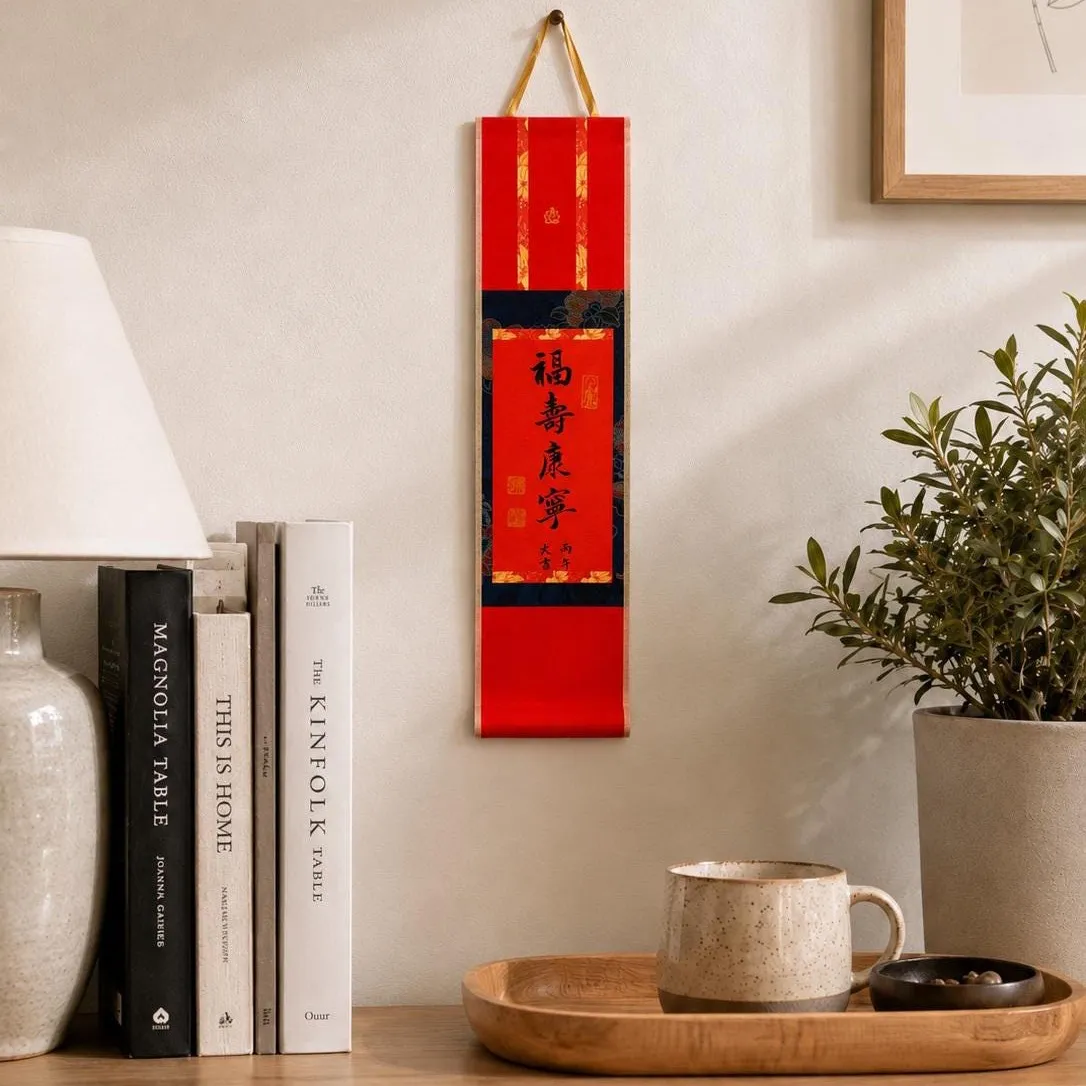
Photo shows a sample — yours will be brushed with 宽厚, or any character you choose.
Wall Scroll — for walls & housewarmingsfrom $38→ -
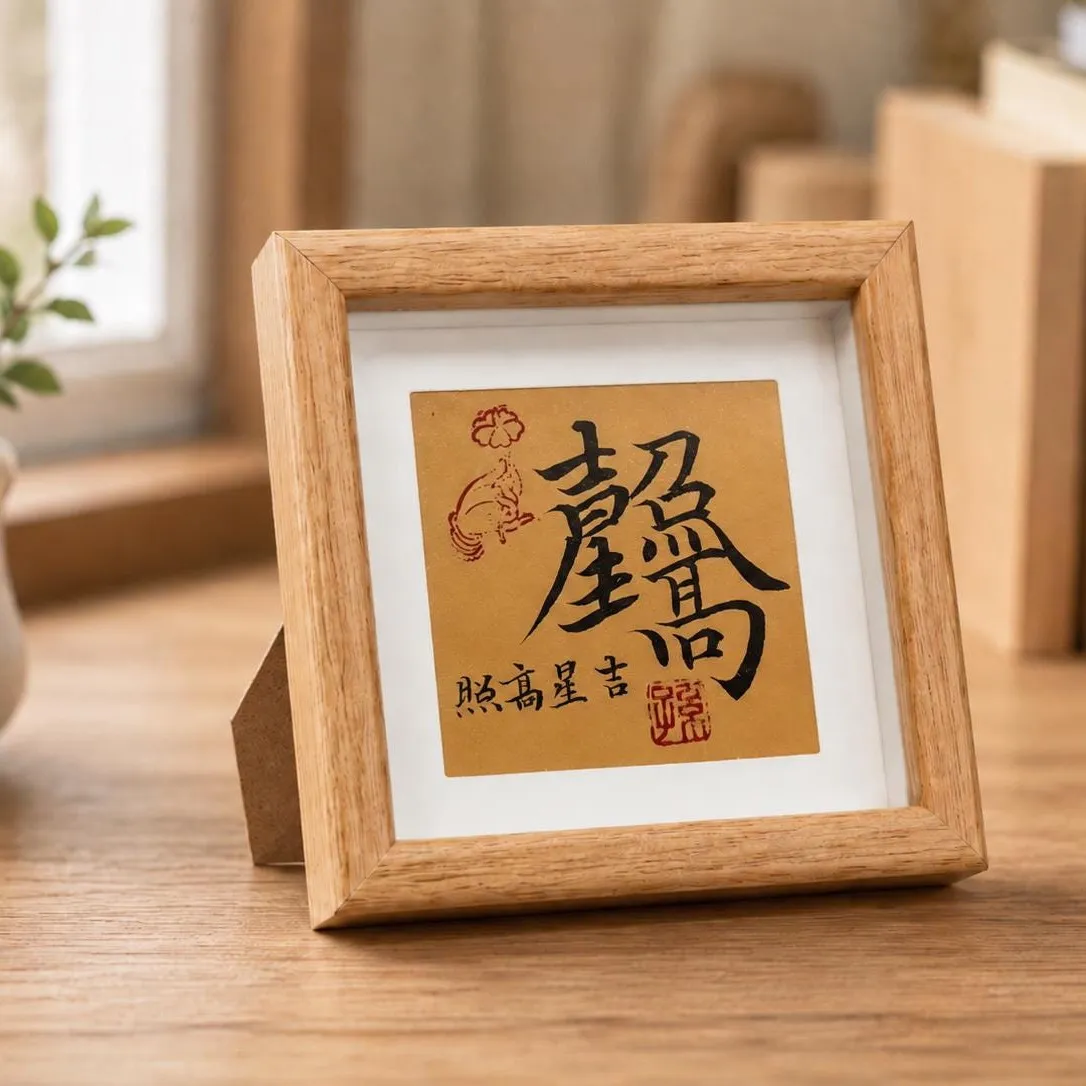
Photo shows a sample — yours will be brushed with 宽厚, or any character you choose.
Desk Frame — for desks, studies & studiosfrom $44→ -
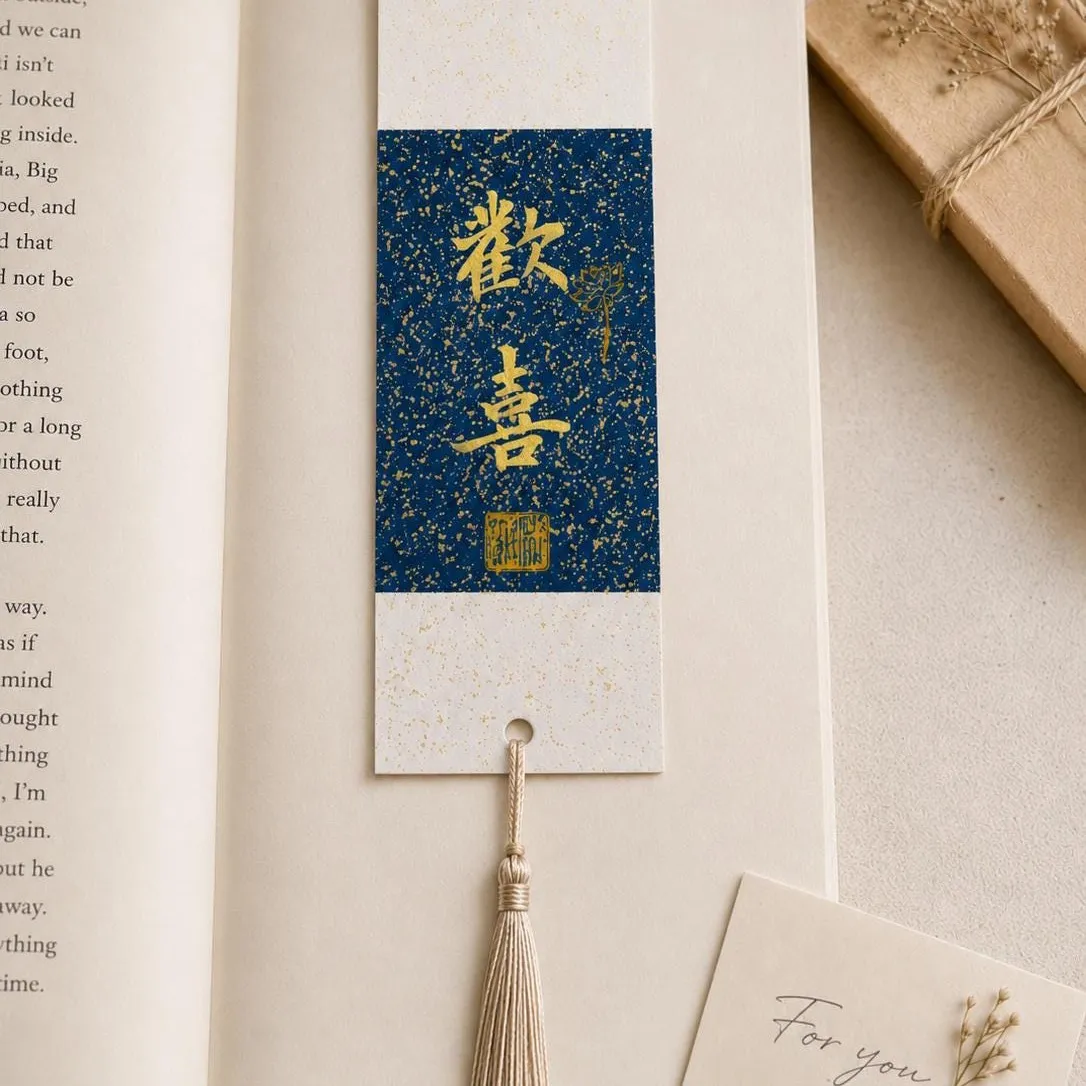
Photo shows a sample — yours will be brushed with 宽厚, or any character you choose.
Bookmark — for readers & small thank-yousfrom $17→

What people said after it arrived.
-
The item is fantastic. The customer service was genuine. Thanks!
— M.Verified purchase · from our Etsy shop reviews · -
They were great they gave me exactly what I asked for and then some. Thank you!!
— G.Verified purchase · from our Etsy shop reviews · -
It is well designed and customized. My daughter loves it. Amazing gift for family’s d friends
— S.Verified purchase · from our Etsy shop reviews ·
Each "宽厚" is hand-brushed by Artist Lina Sun on rice paper.
See 宽厚 (Kuān Hòu) on Etsy →