康泰 (kāng tài) — Health and Free Passage · Well, and Nothing Held Up
Two characters, and the base of the second is 水 written as 氺 — four marks, not the 小 they resemble. Put 禾 there instead and the pair reads 秦, the dynasty, which is the one slip this word cannot survive.
A Chinese letter does not end on its last sentence. Below it, on its own line, sits a closing chosen for who is receiving it — and when the recipient is older than the writer, the closing asks after the body: 敬祝康泰. That is where this word lives. It is written far more often than it is spoken, and the register explains its shape. See 康 → See 泰 → 康 is the storehouse end of health — enough in reserve, a body not running short. 泰 beside it gives up the grandeur it carries in 国泰民安 and keeps only what the Shuowen gave it, 滑, slippery: nothing catching, nothing held up. Between them they ask one careful question about one body, and it is the question you ask when you cannot see the answer for yourself.
The same sentence runs the New Year doorway. 拜年 begins with a health wish aimed at whoever in the household is oldest, before the year is mentioned and long before the red envelopes — 身体康泰 in its written form, 身体健康 in its spoken one. Hanging the two characters in an elder’s room leaves that first sentence standing for the eleven months when nobody is at the door saying it. It also stays truthful in a way the larger blessings cannot: 康泰 names no outcome, promises no year, and can be wished to someone who is already unwell without becoming a lie, because what it asks for is clearance rather than a cure. The third line of the 泰 hexagram says as much from inside the hexagram of peace — 无平不陂, no level ground without a slope.
A hand-brushed “康泰” by Artist Lina Sun is the birthday or New Year gift for a grandparent, a mother, a father — the people a family’s health sentences are aimed at every year. It gives them the wording the tradition reserves for them, not the general blessing everyone gets, and it says it in the register the tradition chose for saying it: written down, kept up, and asked with care.
- health and free passage
- the body sound and nothing held up in it
- well, and still running clear
- the health wish written to an elder
- healthy 康 alone reaches that, and 健康 is what a Chinese speaker actually says out loud. 康泰 adds 泰, which is not more health but the absence of anything obstructing it.
- prosperous 泰 carries flourishing in 国泰民安, at the scale of a country. Governed by 康 it stays on the body and reports nothing about anyone's circumstances.
- comfortable Comfort is a fact about the conditions around a person. 康泰 is a fact about the person — what is in reserve and whether it can still move.
The short arms are the point: these readings don’t reach it.
- 康 health / enough in reserveGrain husks scattered around a central frame in bronze inscriptions — a storehouse full enough to be throwing off chaff. The Shuowen glossed it 穅, husk. By the Zhou it had moved from the granary to the person: sufficiency, a body not running short.
- 泰 free passage / nothing held upThe Shuowen gave it one word, 滑 — slippery. Water poured through cupped hands and not caught by them. Beside 康 the character drops the grandeur it carries in 泰山 and keeps only the clearance: nothing in the way.
characters
- 身体康泰 shēn tǐ kāng tài the body well and running clear — the full form, and what a New Year card to an elder says
- 敬祝康泰 jìng zhù kāng tài respectfully wishing you 康泰 — the letter closing keyed to a recipient older than the writer
- 健康 jiàn kāng health, in the plain spoken sense — 康 with the vigor character instead of the clearance one
- 否极泰来 pǐ jí tài lái when blockage reaches its limit, 泰 arrives — 泰 as the turn rather than the state
- 无恙 wú yàng no ailment — related by sense and not by character, sharing nothing with 康泰 on the page. The Warring States texts asked it this way (岁亦无恙耶,民亦无恙耶); 别来无恙, "no ailment since we parted," is the form the phrase later settled into
Cinnabar marks the characters 康泰 actually contains. The dark row is a relative by meaning or by sound, not one shared stroke.
The Story Behind the Character
The working test of a well body in the Chinese medical tradition is not how much it can lift but whether anything in it is held up — 气血通畅, breath and blood moving without obstruction. 康泰 puts that test into two characters and asks it twice.
康 arrives from the storehouse, on the reading most scholars accept. Bronze inscriptions scatter small marks around a central frame — read by the tradition as grain husks around a granary, though the graph has been argued over for centuries — and China's first dictionary (Shuowen Jiezi, c. 100 CE) glossed the character flatly as 穅 — chaff, the husk thrown off when there is enough grain to be threshing. By the Zhou the word had moved from the granary to the person standing in front of it: ease, sufficiency, a body not running short. 泰 came from the opposite kind of picture. The same dictionary gave it a single word: 滑, slippery — water poured through a pair of cupped hands and not caught by them. Out of that image grew both of 泰's large senses, the grandeur of 泰山 and the composure of 泰然自若, and underneath both sits the plain one: nothing catching.
Put beside 康, 泰 gives up its grandeur. It is not adding scale to health; it is adding clearance. 康 is the reserve — what the body has to spend. 泰 is whether it can spend it: the joints, the breath, the appetite, the sleep, all running without something in the way. A body with 康 and no 泰 has plenty and cannot move it. A body with 泰 and no 康 moves freely and has nothing left to move. This is why the compound settled where it did — not in conversation, where 健康 does the work, but in writing, at the bottom of letters to people older than the writer, where the question being asked is the careful one.
Classical lines
- roughly 800 years
- c. 9th c. BCE 《周易·泰卦·九三》
- c. 1st c. BCE 《礼记·曲礼上》
- c. 1st c. BCE 《黄帝内经·素问·四气调神大论》
无平不陂,无往不复,艰贞无咎。 No level ground without a slope, no going out without a return; steadfast through the hard stretch, and no blame follows.
The third line of the 泰 hexagram itself, warning from inside the hexagram of peace that the ground tilts. 泰 was never a possession in the classical reading; it is a passage, and the line's counsel is what to do when it narrows. A health wish built on this character is not a forecast of uninterrupted good years.
凡为人子之礼,冬温而夏凊,昏定而晨省。 The rule for a child: warm them in winter and cool them in summer, settle them at night and look in on them at dawn.
The oldest description of what caring for a parent concretely consists of, and it is entirely physical and entirely daily. 康泰 is that whole schedule folded into two characters, for the decades when the child lives too far away to look in at dawn.
是故圣人不治已病治未病,不治已乱治未乱。 So the sage treats what has not yet sickened, and governs what has not yet fallen into disorder.
The Inner Canon's most quoted line, and the reason 康泰 is worded as a state rather than a recovery. You do not wish someone 康泰 once something has gone wrong; it is the condition you hope is being maintained, which is also the only kind a letter can usefully ask after.
Why This Character Matters
Chinese letter etiquette keeps a graded set of closings, and the grade is set by the recipient rather than by the writer's mood. The verb carries as much of it as the noun does: 顺颂时祺 goes to a peer, 敬请钧安 to someone in authority, and the deferential-verb closings — 恭请福安, 敬颂崇祺, 敬祝康泰 — point upward. Picking the wrong register in a Chinese letter is closer to addressing a stranger by their given name than to a difference in tone. 康泰 itself can be addressed sideways, and business correspondence does exactly that; what only ever points up is the 敬祝 in front of it, and that is the row this word is being given in.
The physical letter enforced the grade before any of the words did. The recipient's name was lifted onto a line of its own (抬头), the writer's own name sat lower on the page, and the closing took a line nothing else was allowed to share. 敬祝康泰 was written into that layout, not merely into the vocabulary — which is why the compound reads as considered rather than warm, and why it survives being hung on a wall instead of sealed in an envelope.
A few characters live near "康泰" but mean something quieter, sharper, or more specific. Here's how to tell them apart.
the body sound and nothing obstructed in it — both halves stay physical
the body sound and the mind settled — the second half moves indoors
health paired with clearance — 泰 narrowed to one body
a settled person paired with a world in right order — 泰 at its full atmospheric scale
health with the second character asking whether anything is in the way
health alone — the storehouse full, the body unencumbered
Not how many years are left, but whether anything is in the way of the ones that are.
- 康泰 is the birthday wish that stays on the body and refuses to flatter. It does not name the years, and it does not name what the person achieved inside them — it asks after the body itself, and asks the plainest version: is anything held up, and can it still be cleared. For a milestone birthday it reads as the wish of someone paying attention rather than someone making a speech.
- The first words a child says at an elder's door on New Year morning are a health wish, before the greeting about the year and long before anything about money. 康泰 is the written form of that doorway sentence — 身体康泰 is what the card says when the person delivering it cannot be at the door.
Grandparent · Mom · Dad · or yourself
Looking for a name? See Western names written in Chinese →
-
What does 康泰 (kāng tài) mean?
康泰 (kāng tài) is a two-character Chinese word for health and free passage, well, and nothing held up. A Chinese letter does not end on its last sentence. Below it, on its own line, sits a closing chosen for who is receiving it — and when the recipient is older than the writer, the closing asks after the body: 敬祝康泰. That is where this word lives. It is written far more often than it is spoken, and the register explains its shape. See 康 → See 泰 → 康 is the storehouse end of health — enough in reserve, a body not running short. 泰 beside it gives up the grandeur it carries in 国泰民安 and keeps only what the Shuowen gave it, 滑, slippery: nothing catching, nothing held up. Between them they ask one careful question about one body, and it is the question you ask when you cannot see the answer for yourself. Chinese letter etiquette keeps a graded set of closings, and the grade is set by the recipient rather than by the writer's mood. The verb carries as much of it as the noun does: 顺颂时祺 goes to a peer, 敬请钧安 to someone in authority, and the deferential-verb closings — 恭请福安, 敬颂崇祺, 敬祝康泰 — point upward. Picking the wrong register in a Chinese letter is closer to addressing a stranger by their given name than to a difference in tone. 康泰 itself can be addressed sideways, and business correspondence does exactly that; what only ever points up is the 敬祝 in front of it, and that is the row this word is being given in.
-
What occasions is 康泰 given for?
康泰 is traditionally given for Birthday, Chinese New Year. 康泰 is the birthday wish that stays on the body and refuses to flatter. It does not name the years, and it does not name what the person achieved inside them — it asks after the body itself, and asks the plainest version: is anything held up, and can it still be cleared. For a milestone birthday it reads as the wish of someone paying attention rather than someone making a speech. The first words a child says at an elder's door on New Year morning are a health wish, before the greeting about the year and long before anything about money. 康泰 is the written form of that doorway sentence — 身体康泰 is what the card says when the person delivering it cannot be at the door.
-
Who brushes the 康泰 calligraphy?
Each 康泰 (Kāng Tài) is hand-brushed to order by Artist Lina Sun in ink on rice paper — never printed, never repeated.
Bring 康泰 home — choose how you'd like it brushed.
-
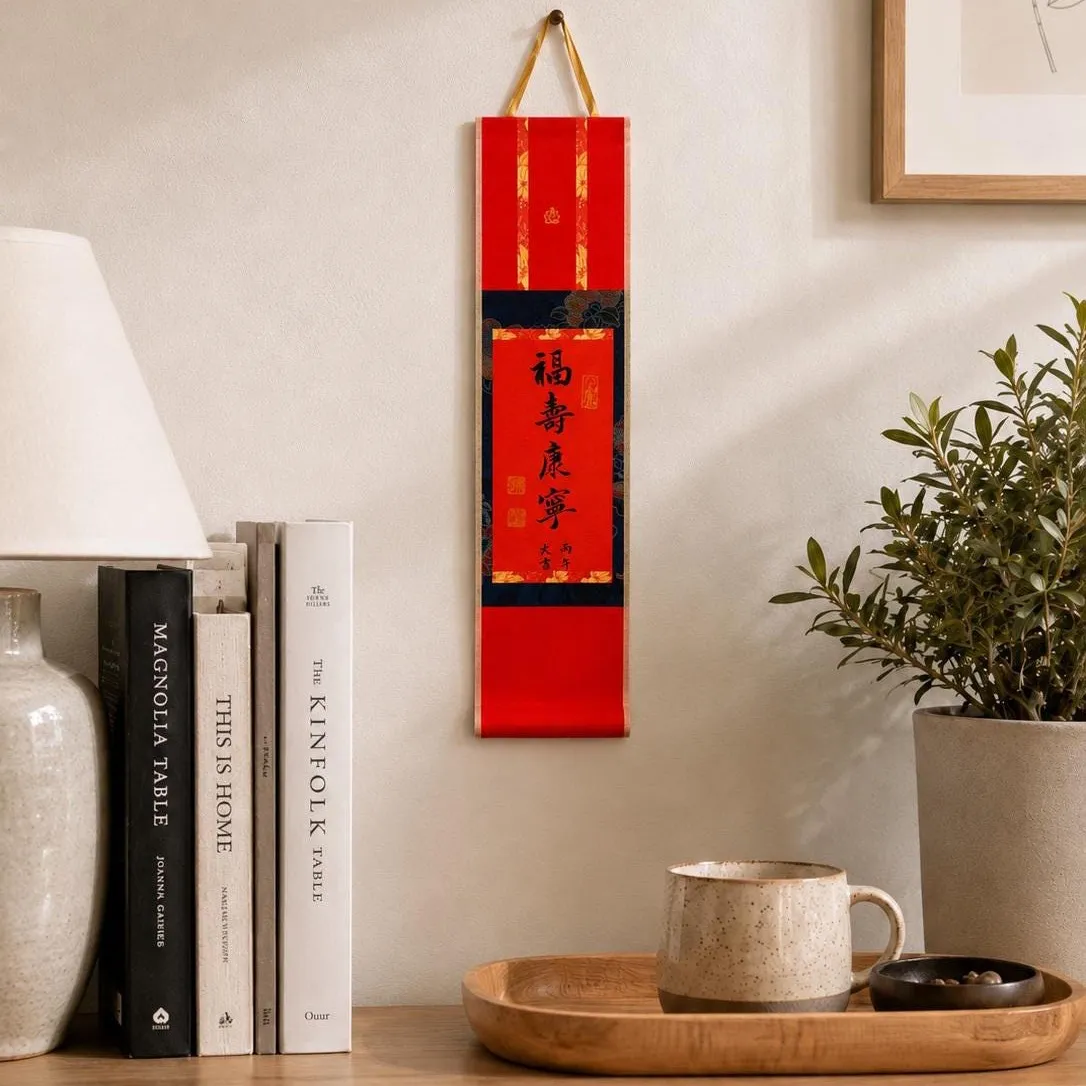
Photo shows a sample — yours will be brushed with 康泰, or any character you choose.
Wall Scroll — for walls & housewarmingsfrom $38→ -
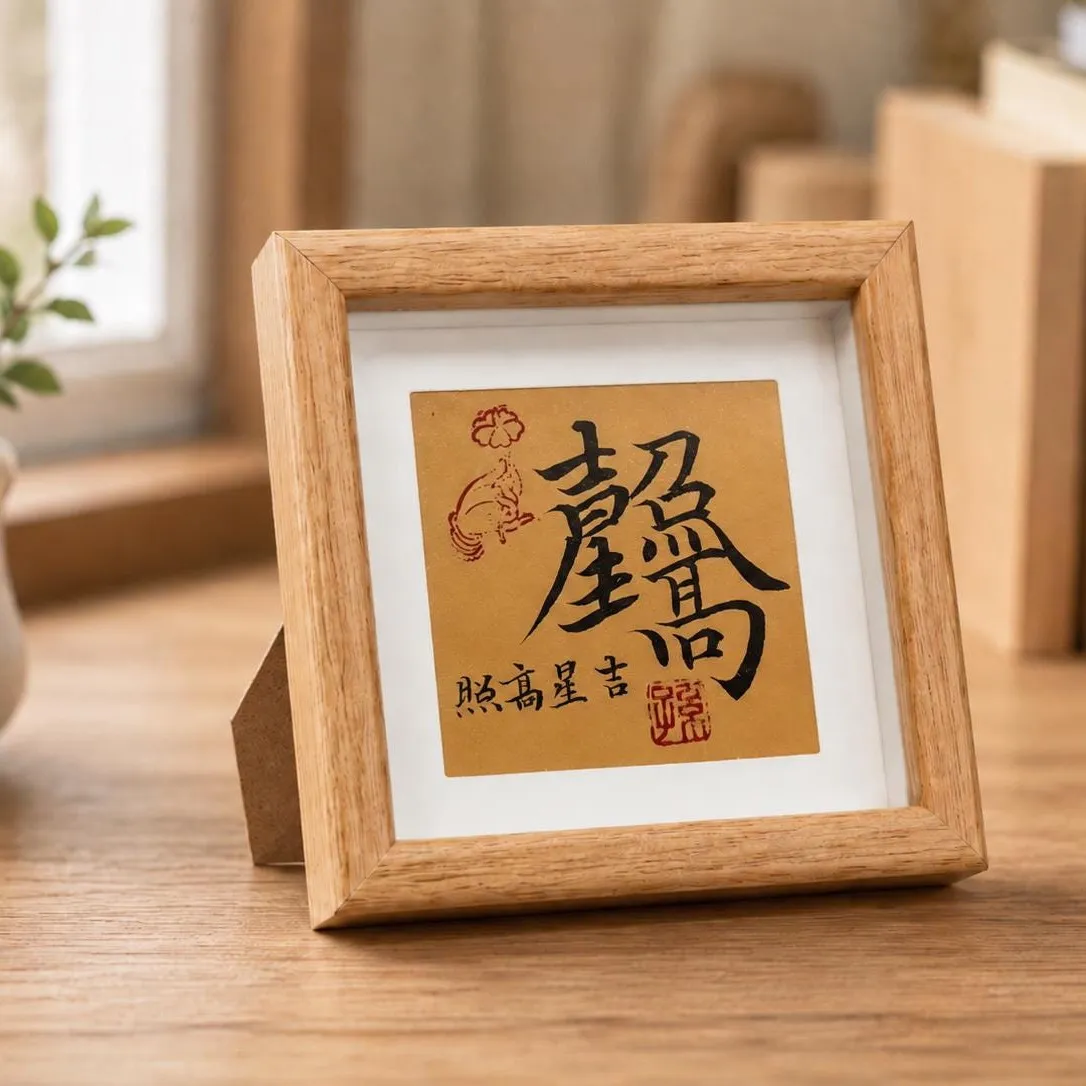
Photo shows a sample — yours will be brushed with 康泰, or any character you choose.
Desk Frame — for desks, studies & studiosfrom $44→ -
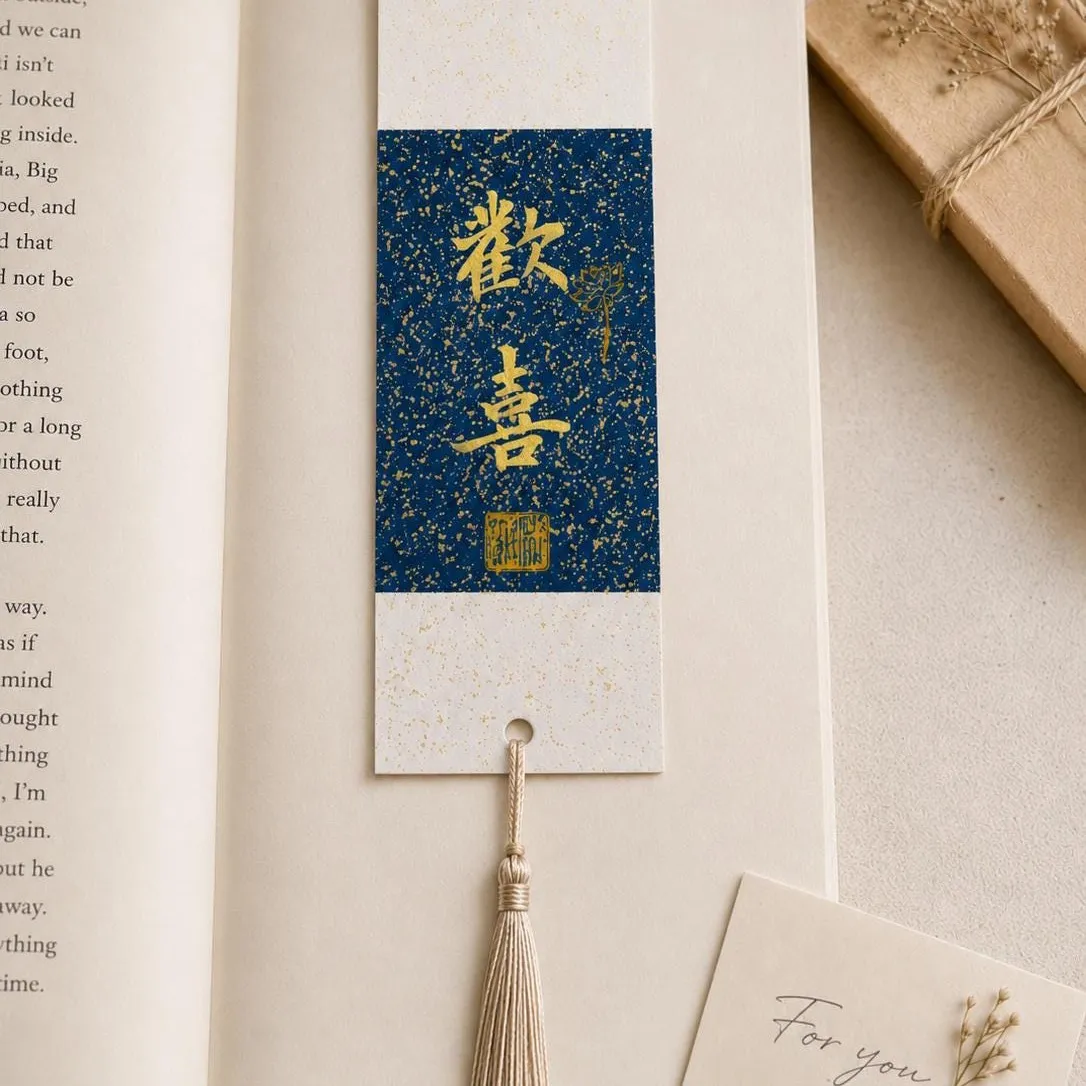
Photo shows a sample — yours will be brushed with 康泰, or any character you choose.
Bookmark — for readers & small thank-yousfrom $17→

What people said after it arrived.
-
The item is fantastic. The customer service was genuine. Thanks!
— M.Verified purchase · from our Etsy shop reviews · -
They were great they gave me exactly what I asked for and then some. Thank you!!
— G.Verified purchase · from our Etsy shop reviews · -
It is well designed and customized. My daughter loves it. Amazing gift for family’s d friends
— S.Verified purchase · from our Etsy shop reviews ·
Each "康泰" is hand-brushed by Artist Lina Sun on rice paper.
See 康泰 (Kāng Tài) on Etsy →