泰 (tài) — Grand Peace · Security · Untroubled Ease
A single character.
There is a difference between being safe and being at peace at scale. 安 is the first — quiet, unharmed, nothing to fear. 泰 is the second — flourishing, settled, everything moving freely the way water runs through open hands. It is the peace the Book of Changes named its hexagram of harmony after: heaven and earth in free exchange, all things flowing. Bigger than calm, 泰 is the grand, unforced order of a life — or a country — running well.
You meet it in the largest blessings Chinese offers. 国泰民安 — the nation at peace, the people secure — is the wish carved over gateways and printed on New Year couplets. 否极泰来 is what you tell someone in a hard season: when the worst reaches its limit, 泰 comes back around. And 泰然自若 names the composure of a person nothing can rattle — at ease, sure of themselves, with nothing to prove. Confucius set the standard: 君子泰而不骄, the noble person is at ease without arrogance.
A hand-brushed 泰 by Artist Lina Sun is for the elder, the father, or the friend you wish a wide, settled peace — not the absence of trouble but the grand calm that outlasts it. Where 安 → wishes someone safe, 泰 wishes them flourishing and unshakable, the way the Book of Changes meant peace: everything in free, easy flow.
- grand peace
- untroubled ease / composure
- security and stability
- free, flourishing abundance
- safety 安 is peace as safety — the absence of danger or worry. 泰 is larger: not just unharmed but flourishing, settled at scale, everything moving freely.
- smooth-going 顺 is things going your way, the current carrying you along. 泰 is the settled stability that smoothness arrives at — not favorable motion but the calm at the end of it.
- blessing 福 is the whole good life, every blessing gathered. 泰 is one of its faces — the peace-and-security face, the grand calm of things running well at scale.
The short arms are the point: these readings don’t reach it.
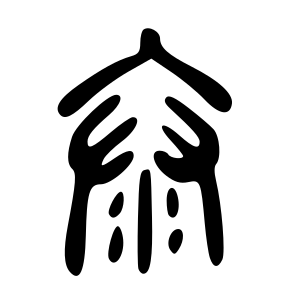
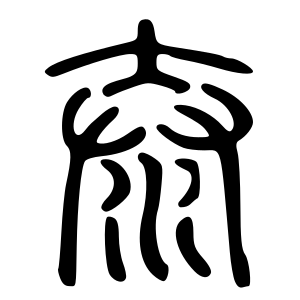
- 大 the figure (and sound)A person standing with arms spread. In 泰 it lends the sound, and later readers also heard in it the bigness of the character's grand sense.
- 廾 two handsA pair of cupped hands, shown holding and then releasing what passes through them.
- 水 (氺) waterWater running down between the hands. The Shuowen glossed the whole character as 滑 — smooth, slippery — water that slips through without catching, the root image behind 泰's senses of free ease and flowing abundance.
character
- 国泰民安 guó tài mín ān the nation at peace and the people secure — the classic civic blessing
- 否极泰来 pǐ jí tài lái when hardship reaches its limit, peace returns
- 泰然 tài rán composed, unruffled — at ease in the face of trouble
- 安泰 ān tài peaceful and secure — well-being and stability joined
- 三阳开泰 sān yáng kāi tài the turn toward spring — a New Year wish for renewed flourishing
The Story Behind the Character
In seal script, 泰 is a small drama in three parts: a figure with arms spread (大) above a pair of cupped hands (廾), and water (水) running down between them. The hands are letting the water slip through — and that slipperiness is the whole point. China's first dictionary (Shuowen Jiezi, c. 100 CE) glossed 泰 with a single word: 滑, smooth, slippery. Water that runs without catching on anything.
From that image of unobstructed flow came the character's two great senses. One is ease — a person so untroubled that nothing snags them, the 泰 of 泰然自若, perfectly composed. The other is grandeur and free abundance — 泰 as vast and supreme, the quality the foremost mountain 泰山 lends to anything towering. The Book of Changes made the link explicit by naming its hexagram of peace 泰: when heaven and earth freely interchange, all things flow, and that free flow is what the text calls peace.
Confucius drew the sharpest line of all. 君子泰而不骄 — the noble person is at ease without being arrogant. 泰 is the security that needs no display; 骄, arrogance, is its puffed-up imitation. To have 泰 is to be settled enough that there is nothing left to prove.
Classical lines
- roughly 500 years
- c. 800 BCE 《周易·泰卦》
- c. 400 BCE 《论语·子路》
- c. 300 BCE 《孟子·公孙丑上》
君子泰而不骄,小人骄而不泰。 The noble person is at ease without arrogance; the petty person is arrogant without ease.
Confucius pins 泰 to a quiet inner security: the composure that has nothing to prove. Arrogance, he suggests, is what people reach for when they lack the real thing.
泰,小往大来,吉亨。 Peace: the small departs and the great arrives
auspicious, and flowing freely. — The judgment on the hexagram 泰, the Book of Changes' image of harmony, when heaven and earth interchange and all things move without obstruction. This is the oldest place 泰 means the largest kind of peace.
泰山之于丘垤,河海之于行潦,类也。 Mount Tai is to an anthill, the rivers and seas are to a roadside puddle, as alike in kind as they are apart in scale.
Mencius reaches for 泰山, the foremost of mountains, as the byword for the grand and the immovable. It is the sense of 泰 that means towering, supreme, beyond comparison.
Why This Character Matters
For most of imperial history, the four words a Chinese person most wanted to see carved over a gateway were 国泰民安 — "the nation at peace, the people secure." 泰 is the word doing the heavy lifting: not merely safe (安) but flourishing, stable, everything running freely. The phrase still appears on temple plaques and New Year couplets, a wish for the largest peace there is — the kind that holds a whole country.
The Book of Changes set 泰 against its opposite hexagram, 否 (pǐ), blockage — and from that pairing came one of the most consoling phrases in the language: 否极泰来, when blockage reaches its limit, 泰 returns. It is what you say to someone in a hard stretch: the worst passes, and peace comes back around. At New Year, the related 三阳开泰 — "three yang lines open into 泰" — marks winter turning toward spring, the year's own return to flourishing.
泰 reads as dignified and a little classical — it lives in formal blessings like 国泰民安 and in the name of 泰山 (Mount Tai), the foremost of China's revered peaks. As a tattoo it comes across as calm and weighty, a wish for stability and composure rather than excitement. Less common than 安 or 福, so it feels considered and personal.
Calligraphy Styles for Tattoos
- Regular script (楷书 kǎishū) Best for tattoos
泰 is 10 strokes: a broad 大-top with two short flanking strokes, settling onto the four spread marks of 水 below. Regular script keeps the top and the water base distinct and balanced. Minimum recommended size: 2 inches.
- Running script (行书 xíngshū) Good for larger pieces
The flowing strokes suit 泰's meaning of free, unforced ease, but the four marks at the base can blur at small sizes. Best at 2.5+ inches where the base has room.
- Clerical script (隶书 lìshū) A graceful alternative
The broad, level strokes of clerical script give 泰 a calm, grounded weight that fits its sense of settled peace. The wide base sits especially well in this style.
Common Mistakes to Avoid
- Confusing 泰 (tài) with 秦 (Qín)Intended: Grand peace / tranquility
Both share a similar top, but 秦 (the Qin dynasty) has 禾 (grain) at the base while 泰 has 水 (water), written as the four-mark form 氺. Swap the base and you have written a dynasty's name, not 'peace.'
- Cramping the water base 氺Intended: 泰 with a broad, balanced base
The four marks of 水 at the bottom carry the character's original image and need to spread to support the wide top. A pinched base leaves 泰 looking top-heavy and unbalanced.
Notes for Your Tattoo Artist
10 strokes. Balance is everything: a wide 大-top with two short flanking strokes, sitting on the four spread marks of 水. The base should be at least as wide as the top to keep the character from tipping forward. Plan for a minimum of 2 inches.
A few characters live near "泰" but mean something quieter, sharper, or more specific. Here's how to tell them apart.
grand peace — flourishing and settled at scale
peace as safety — quiet, unharmed, free of worry
the settled stability that smoothness arrives at
things going smoothly, the current in your favor
the peace-and-security face of a good life
the whole good life — every blessing gathered at once
For an elder whose life has settled into something steady and sure — a grandparent, a father.
- For an elder whose life has settled into something steady and sure — a grandparent, a father. 泰 on a birthday is a wish for grand peace: not just more years but years lived in 泰然, composed and unruffled. It carries the dignity of 国泰民安 — the nation at peace — scaled down to one life well lived.
- 泰 is woven into the New Year itself through 三阳开泰 — winter turning toward spring, the year reopening into flourishing. Paired with the hope of 否极泰来, a hard year giving way to a peaceful one, it is among the most fitting characters to hang as the calendar turns.
Grandparent · Dad · Friend · or yourself
Looking for a name? See Western names written in Chinese →
-
What does 泰 (tài) mean?
泰 (tài) is the Chinese character for grand peace, security, untroubled ease. There is a difference between being safe and being at peace at scale. 安 is the first — quiet, unharmed, nothing to fear. 泰 is the second — flourishing, settled, everything moving freely the way water runs through open hands. It is the peace the Book of Changes named its hexagram of harmony after: heaven and earth in free exchange, all things flowing. Bigger than calm, 泰 is the grand, unforced order of a life — or a country — running well. For most of imperial history, the four words a Chinese person most wanted to see carved over a gateway were 国泰民安 — "the nation at peace, the people secure." 泰 is the word doing the heavy lifting: not merely safe (安) but flourishing, stable, everything running freely. The phrase still appears on temple plaques and New Year couplets, a wish for the largest peace there is — the kind that holds a whole country.
-
What occasions is 泰 given for?
泰 is traditionally given for Birthday, Chinese New Year. For an elder whose life has settled into something steady and sure — a grandparent, a father. 泰 on a birthday is a wish for grand peace: not just more years but years lived in 泰然, composed and unruffled. It carries the dignity of 国泰民安 — the nation at peace — scaled down to one life well lived. 泰 is woven into the New Year itself through 三阳开泰 — winter turning toward spring, the year reopening into flourishing. Paired with the hope of 否极泰来, a hard year giving way to a peaceful one, it is among the most fitting characters to hang as the calendar turns.
-
Is 泰 a good Chinese tattoo?
泰 reads as dignified and a little classical — it lives in formal blessings like 国泰民安 and in the name of 泰山 (Mount Tai), the foremost of China's revered peaks. As a tattoo it comes across as calm and weighty, a wish for stability and composure rather than excitement. Less common than 安 or 福, so it feels considered and personal.
-
Who brushes the 泰 calligraphy?
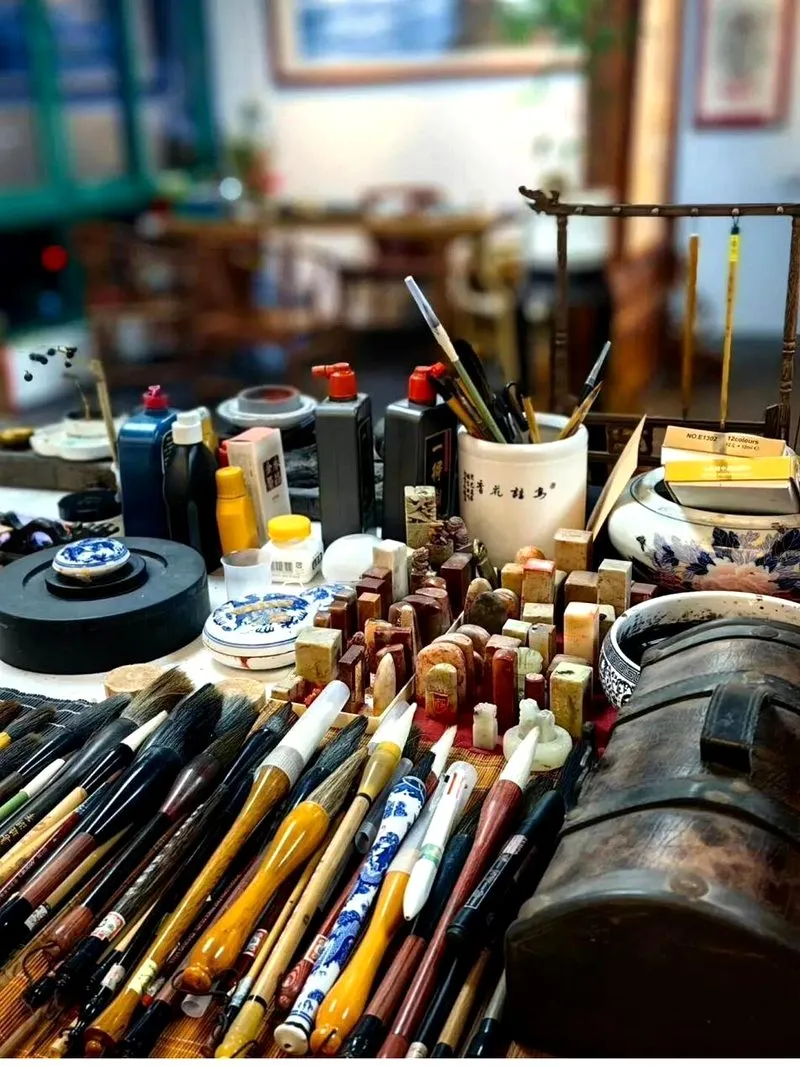
Each 泰 (Tài) is hand-brushed to order by Artist Lina Sun in ink on rice paper — never printed, never repeated.
Bring 泰 home — choose how you'd like it brushed.
-
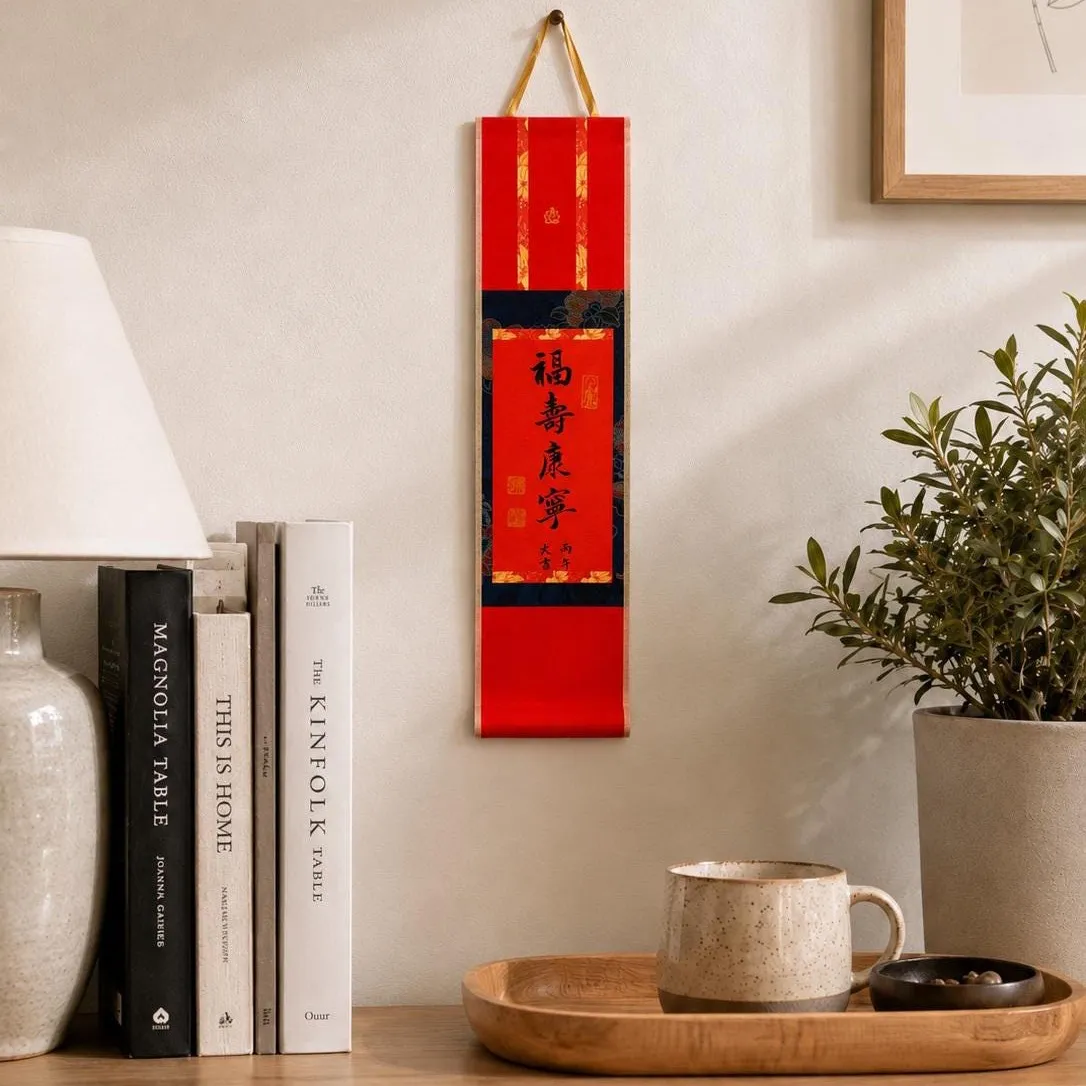
Photo shows a sample — yours will be brushed with 泰, or any character you choose.
Wall Scroll — for walls & housewarmingsfrom $38→ -
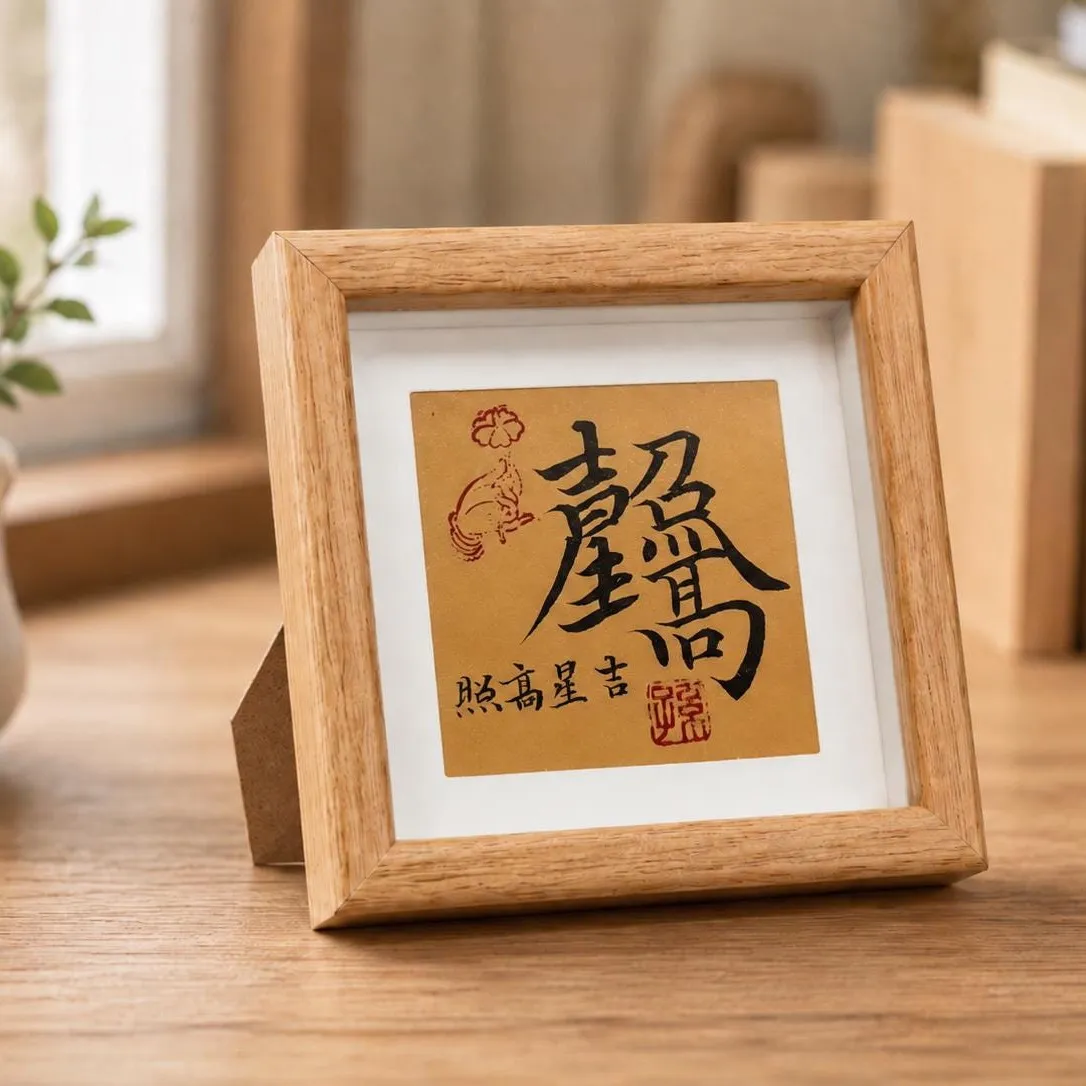
Photo shows a sample — yours will be brushed with 泰, or any character you choose.
Desk Frame — for desks, studies & studiosfrom $44→ -
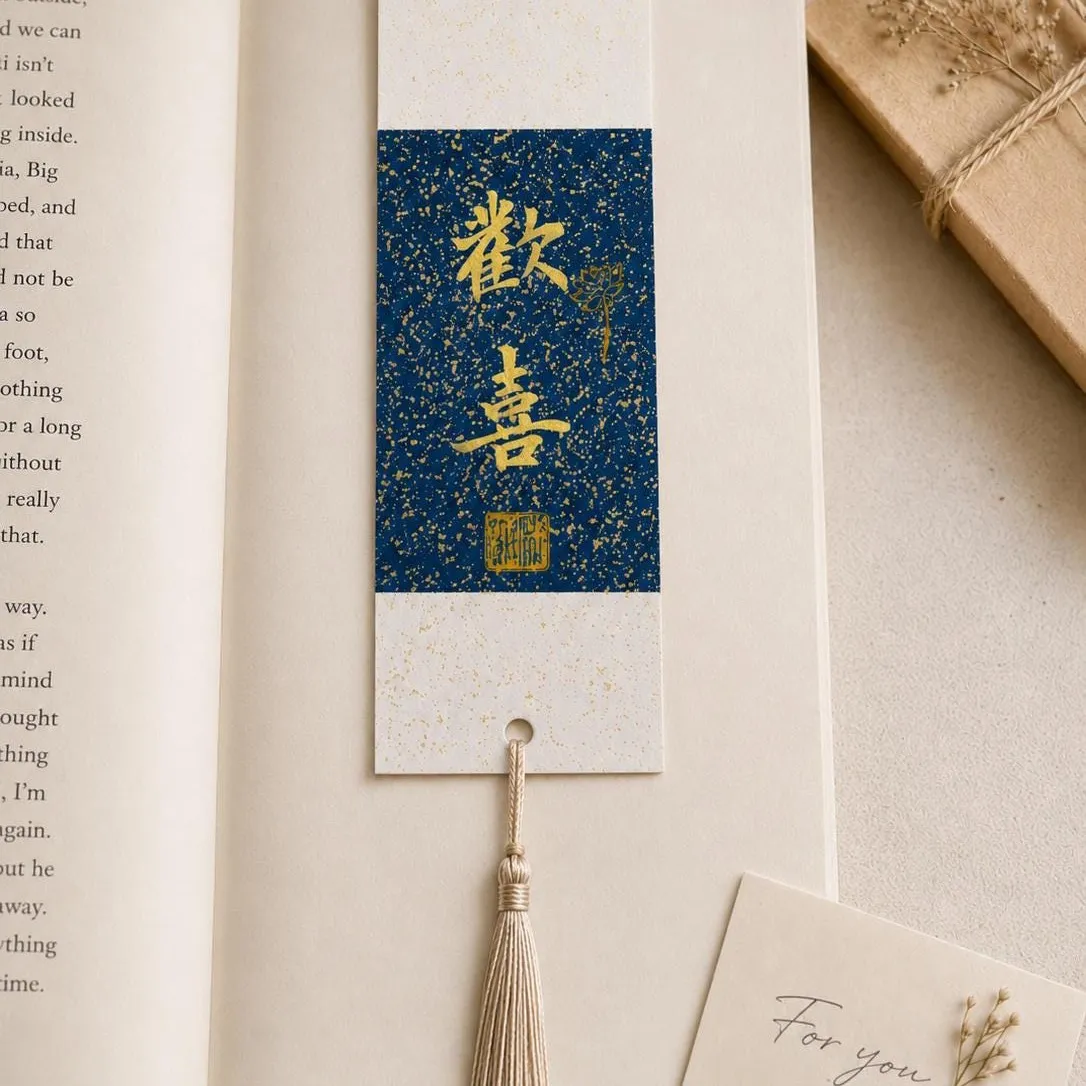
Photo shows a sample — yours will be brushed with 泰, or any character you choose.
Bookmark — for readers & small thank-yousfrom $17→
What people said after it arrived.
-
The item is fantastic. The customer service was genuine. Thanks!
— M.Verified purchase · from our Etsy shop reviews · -
They were great they gave me exactly what I asked for and then some. Thank you!!
— G.Verified purchase · from our Etsy shop reviews · -
It is well designed and customized. My daughter loves it. Amazing gift for family’s d friends
— S.Verified purchase · from our Etsy shop reviews ·
Each "泰" is hand-brushed by Artist Lina Sun on rice paper.
See 泰 (Tài) on Etsy →