安泰 (ān tài) — Peace and Prosperity · Settled Within, Flourishing Without
A two-character word, not a single character.
平安 names safe passage. 安康 names health alongside peace. 安泰 steps back to the larger frame: not the body alone, not this journey alone, but the person settled within themselves (安) and the world in its right order around them (泰). The distinction matters for elders and milestone occasions, when what is worth naming is not any single condition but the complete atmospheric state — a self that has found its ground and a world that has been, in its large movements, well-disposed. See 安 → See 泰 →
The political phrase 国泰民安 has carried this logic for over a thousand years: “the country at peace, the people safe” — two scales, both named, neither sufficient without the other. 安泰 is the same formula at the scale of one person and one household. At New Year, it names the hoped-for quality of the coming year: not luck, not wealth, but the complete double condition — the year well-ordered, the family settled enough to receive it. At an elder’s milestone birthday, it becomes retrospective: a recognition that the long life behind them has held at both scales — a world that was, in its way, navigable, and a self that built genuine peace within it.
A hand-brushed “安泰” by FuBlessings is the birthday or New Year gift for the elder who has earned the complete blessing — not the years alone, not the health alone, but the compound condition that Chinese families have reached for when they wanted to name, in the fewest possible characters, what a good long life actually looks like from both inside and out.
- peace at every scale — self, household, world
- the settled person in a favorable world
- a life that has held at both the personal and the cosmic level
- flourishing without and ease within
- peaceful Too interior. 安 names personal peace; 安泰 adds 泰 — the world also in its right configuration. Peaceful is only half the compound.
- safe Too defensive. 安泰 is not about keeping danger out — it is about the positive condition in which everything communicates and flows.
- healthy Health (康) is a component of a good life, but not what 泰 names. 安泰 is about the world-order and self-order that makes flourishing possible — larger than health alone.
The short arms are the point: these readings don’t reach it.
- 安 personal peace / the settled selfA woman (女) beneath a roof (宀): the person who has arrived somewhere and is wholly present within it. Not withdrawal but functioning — the self at ease in its own household.
- 泰 cosmic peace / the world in right orderHeaven and earth communicating, nothing blocked: the atmospheric state in which everything flows through. The world's version of what 安 achieves at the personal scale.
characters
- 平安 píng ān safe and sound — the universal wish for safe passage, this year, this journey
- 安康 ān kāng peace and health — the personal-scale pairing, common for New Year greetings
- 国泰民安 guó tài mín ān the country peaceful, the people safe — the political version of 安泰 at the scale of the kingdom
- 否极泰来 pǐ jí tài lái after blockage reaches its limit, 泰 arrives — the proverbial reassurance that the cycle will turn
The Story Behind the Character
The hexagram 泰 (number 11 in the Book of Changes) shows, at first glance, an unusual arrangement: earth stacked above heaven. In almost every other context, heaven belongs on top. But the Book of Changes is not a system of positions — it is a system of movements. When earth is above and heaven below, each is moving toward the other. Heaven rises; earth descends. They meet in the middle. Everything communicates. This is the state 泰 names: not a fixed hierarchy but an active passage, the world in the condition in which nothing is blocked, everything flows through. The hexagram's commentary says it plainly: "天地交而万物通也" — heaven and earth communicate, and all things reach their full development.
安 contributed what 泰 alone cannot describe: the scale of one person, in one household, on one day. The image at the root of 安 is a woman (女) seated beneath a roof (宀) — not hiding but presiding, the person who has arrived somewhere and is wholly present within it. [See 安 →](/library/an/) 泰 is atmospheric: the state of the world in its right configuration. 安 is personal: the state of someone who has found where they belong. When the two pair, they make a claim about sufficiency — that neither scale alone is the full condition. A household at peace in a chaotic world runs out of what it needs from the world. A world in order containing a person who cannot rest is a world whose gift is wasted. 安泰 names what is required from both directions.
The political phrase 国泰民安 ("the country at peace, the people safe") makes the same argument at the scale of the kingdom. 安泰 is its personal equivalent — most apt for the elder who, across a long life, has achieved both: the self settled, the world met with grace. As an elder blessing, the phrase appears in milestone toasts, temple inscriptions, and New Year greetings throughout Chinese history. What makes it worth giving is its precision: it does not name wealth, or years, or honor, but the double condition from which all of those can follow.
Classical lines
- about a century
- c. 400 BCE 《论语·为政》
- c. 300 BCE 《周易·泰·彖》
- c. 300 BCE 《孟子·尽心上》
天地交而万物通也,上下交而其志同也。 Heaven and earth communicate
all things reach their full development; above and below communicate — their intentions align. — The 彖传 commentary on Hexagram 11 of the Book of Changes, naming the condition 泰 describes: not a moment of luck, but the structural state in which everything can flow. The 泰 in 安泰 carries this full weight.
七十而从心所欲,不逾矩。 At seventy, I could follow my heart's desire without transgressing what was right.
Confucius describing the final stage of a life of cultivation: the point at which 安 has become so complete that desire and right conduct are no longer in tension. They have become one. This is the 安 in 安泰 at its fullest expression — the settled person who no longer has to choose between ease and virtue.
穷则独善其身,达则兼善天下。 In adversity, tend only to yourself; in success, extend that cultivation to all under heaven.
Mencius on the cultivated person navigating two world-states: the unfavorable (穷) and the favorable (达). What remains constant between them is the quality of inner settlement — the 安 in 安泰. When the world turns favorable (泰), that settled self is positioned to extend its work outward rather than simply receive what the world offers. For the elder at a milestone birthday, both conditions have been navigated across the full arc of a long life.
Why This Character Matters
The phrase 国泰民安 — "the country peaceful, the people safe" — is one of the most durable political formulas in Chinese history, appearing in imperial edicts, New Year proclamations, and official inscriptions from the Song dynasty onward. 安泰 is the same formula folded to the scale of one person: the elder whose long life has, in its way, achieved what the well-governed kingdom aims for. A Chinese speaker hearing 安泰 as a birthday blessing for an elder will recognize it immediately as naming something more complete than any single wish for health, wealth, or years.
In the hexagram system of the Book of Changes, 泰 (number 11) is paired with 否 (number 12), its exact inverse. 否 — earth below, heaven above, each retreating into itself — names the blocked state: the world in which nothing communicates, everything stagnant. 否极泰来 ("after 否 reaches its limit, 泰 arrives") is one of the most widely known Chinese proverbial phrases, used to reassure someone in difficulty that the cycle will turn. The 泰 in 安泰 is that turning point — the world re-opening after a period of blockage. As a New Year greeting, 安泰 invokes the hexagram's logic directly: the year is a threshold, the old blocked state is ending, the new communicating state is beginning.
A few characters live near "安泰" but mean something quieter, sharper, or more specific. Here's how to tell them apart.
the person settled in themselves, the world in its right order — both scales at once
safe passage through the day or year — the universal protective wish, focused on not being harmed
peace paired with cosmic right-order — 泰 adds the world's configuration to the personal
peace paired with health — 康 keeps the focus on the body and its condition
For an elder's milestone birthday, 安泰 names both what the long years have given and what the person has built: a world that has been, in its large movements, favorable (泰) and a self that has arrived at genuine peace within it (安).
- For an elder's milestone birthday, 安泰 names both what the long years have given and what the person has built: a world that has been, in its large movements, favorable (泰) and a self that has arrived at genuine peace within it (安). Where 长寿 names the years and 安康 names the health, 安泰 names the total quality of a life that has held at both scales.
- At New Year, 安泰 names the hoped-for atmospheric condition of the coming year in its fullest form — not any specific outcome but the complete double state: the world in its right order (泰) and the household settled within it (安). The personal version of what the political phrase 国泰民安 names at the scale of the kingdom.
Grandparent · Dad · Mom · or yourself
Looking for a name? See Western names written in Chinese →
-
What does 安泰 (ān tài) mean?
安泰 (ān tài) is a two-character Chinese word for peace and prosperity, settled within, flourishing without. 平安 names safe passage. 安康 names health alongside peace. 安泰 steps back to the larger frame: not the body alone, not this journey alone, but the person settled within themselves (安) and the world in its right order around them (泰). The distinction matters for elders and milestone occasions, when what is worth naming is not any single condition but the complete atmospheric state — a self that has found its ground and a world that has been, in its large movements, well-disposed. See 安 → See 泰 → The phrase 国泰民安 — "the country peaceful, the people safe" — is one of the most durable political formulas in Chinese history, appearing in imperial edicts, New Year proclamations, and official inscriptions from the Song dynasty onward. 安泰 is the same formula folded to the scale of one person: the elder whose long life has, in its way, achieved what the well-governed kingdom aims for. A Chinese speaker hearing 安泰 as a birthday blessing for an elder will recognize it immediately as naming something more complete than any single wish for health, wealth, or years.
-
What occasions is 安泰 given for?
安泰 is traditionally given for Birthday, Chinese New Year. For an elder's milestone birthday, 安泰 names both what the long years have given and what the person has built: a world that has been, in its large movements, favorable (泰) and a self that has arrived at genuine peace within it (安). Where 长寿 names the years and 安康 names the health, 安泰 names the total quality of a life that has held at both scales. At New Year, 安泰 names the hoped-for atmospheric condition of the coming year in its fullest form — not any specific outcome but the complete double state: the world in its right order (泰) and the household settled within it (安). The personal version of what the political phrase 国泰民安 names at the scale of the kingdom.
-
Who brushes the 安泰 calligraphy?
FuBlessings hand-brushes each 安泰 (Ān Tài) to order, in ink on rice paper — never printed, never repeated.
Bring 安泰 home — choose how you'd like it brushed.
-
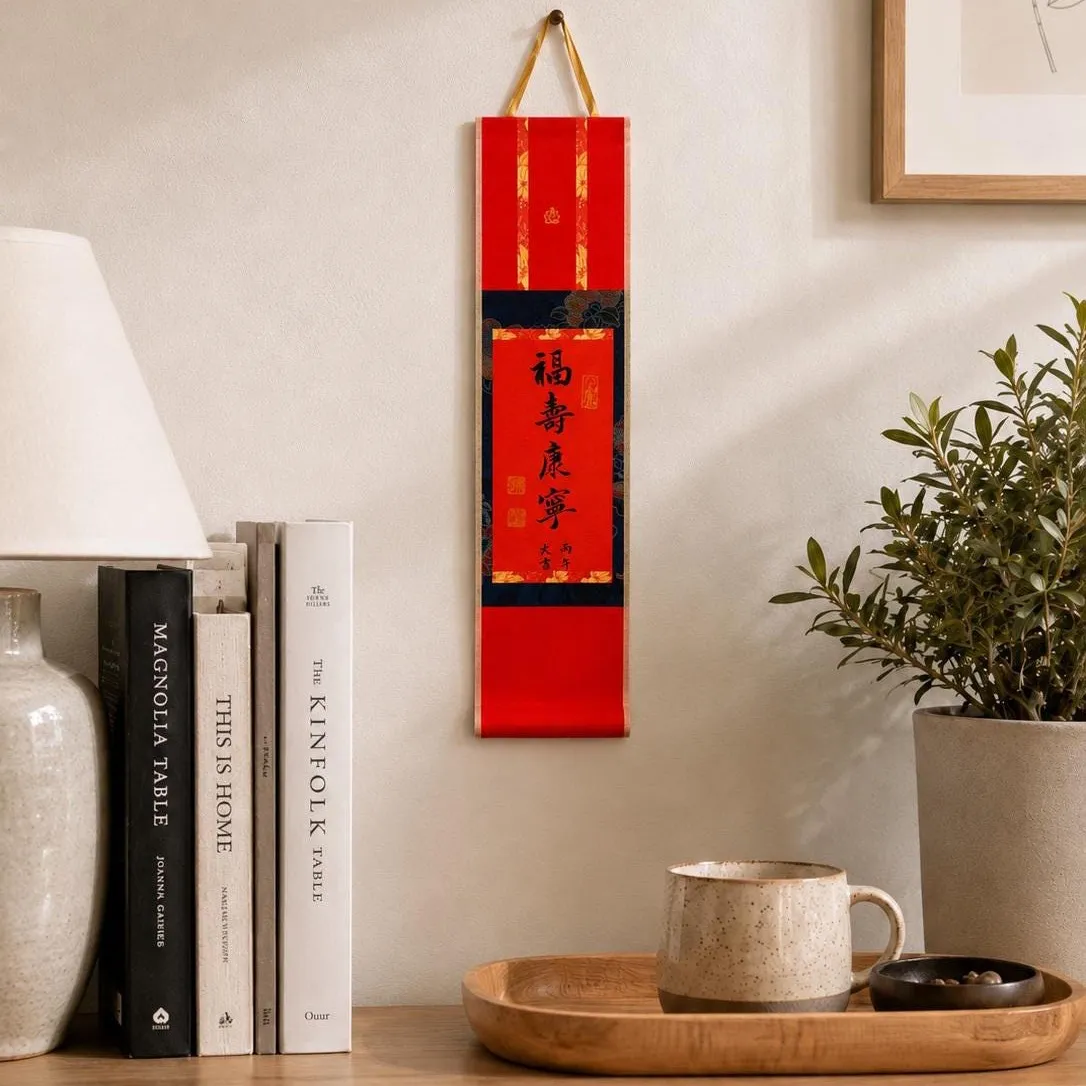
Photo shows a sample — yours will be brushed with 安泰, or any character you choose.
Wall Scroll — for walls & housewarmingsfrom $38→ -
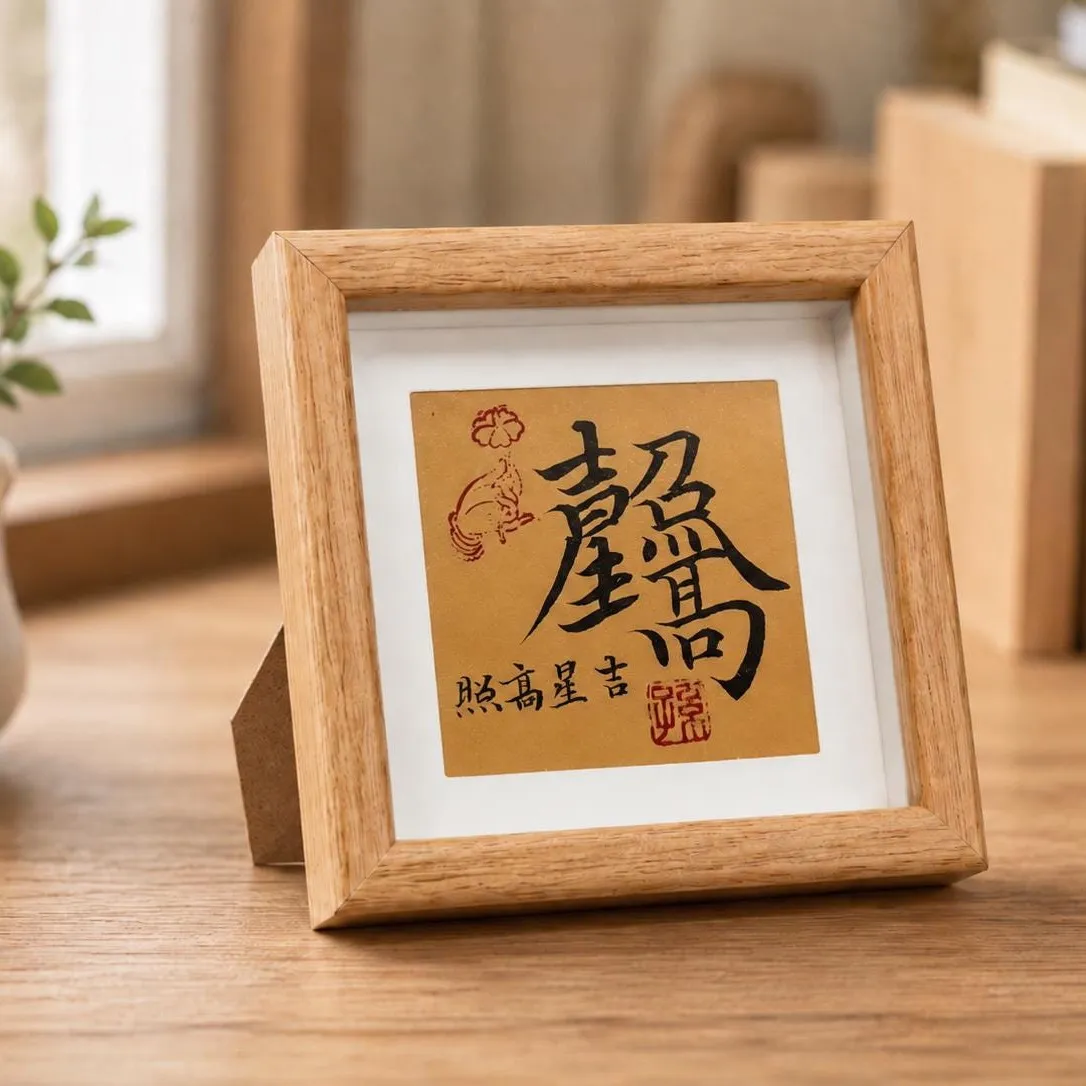
Photo shows a sample — yours will be brushed with 安泰, or any character you choose.
Desk Frame — for desks, studies & studiosfrom $44→ -
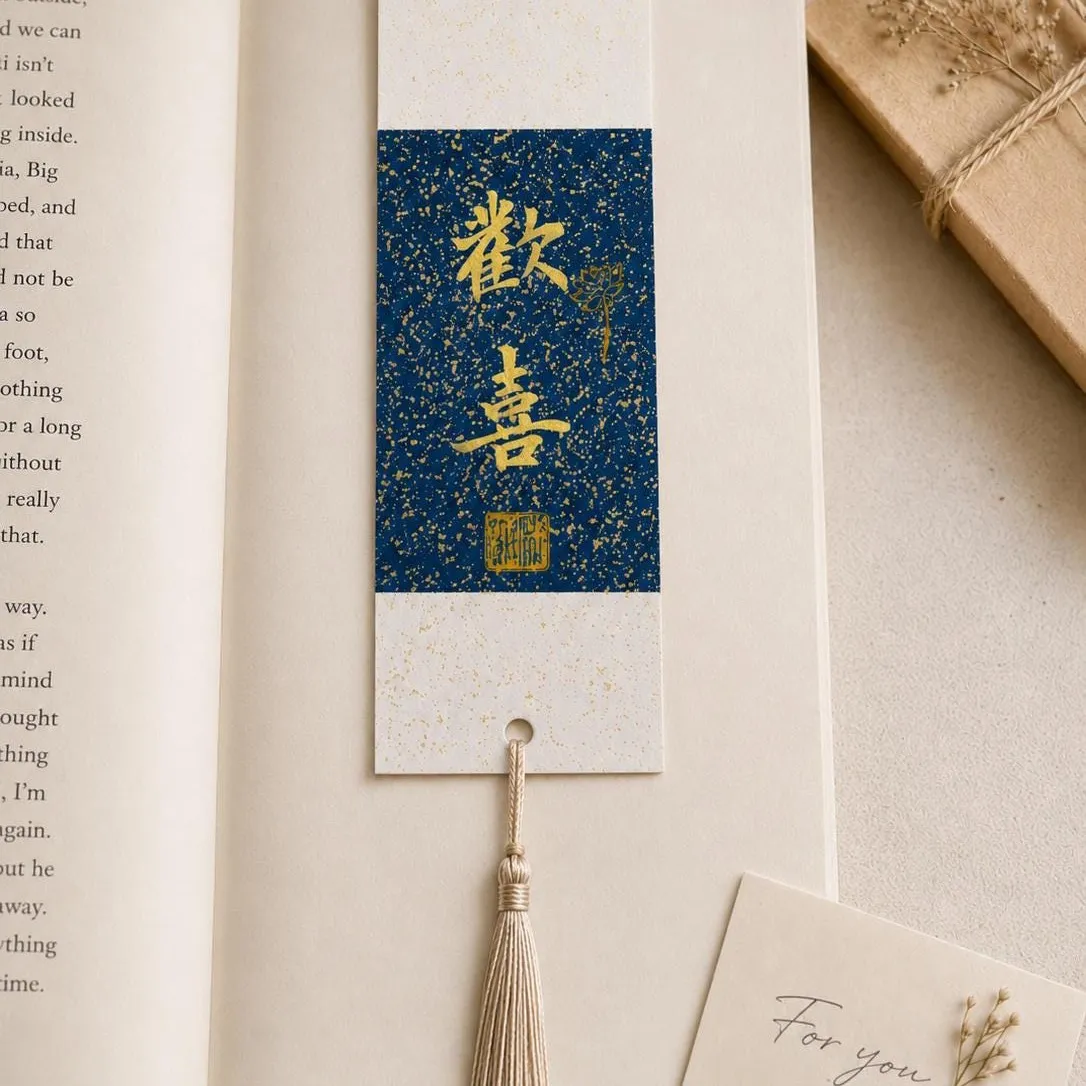
Photo shows a sample — yours will be brushed with 安泰, or any character you choose.
Bookmark — for readers & small thank-yousfrom $14→

What people said after it arrived.
-
The item is fantastic. The customer service was genuine. Thanks!
— M.Verified purchase · from our Etsy shop reviews · -
They were great they gave me exactly what I asked for and then some. Thank you!!
— G.Verified purchase · from our Etsy shop reviews · -
It is well designed and customized. My daughter loves it. Amazing gift for family’s d friends
— S.Verified purchase · from our Etsy shop reviews ·
Each "安泰" is hand-brushed by FuBlessings on rice paper.
See 安泰 (Ān Tài) on Etsy →