厚德 (hòu dé) — Deep Virtue · Generous Character · A Ground That Holds
A two-character word, not a single character.
厚德 is the blessing you do not give casually. It comes from the Book of Changes, where the earth — not the heavens, not the mountains, but the ground beneath everything — is held up as the image of moral character: 地势坤,君子以厚德载物. Deep virtue, like deep soil, does not announce itself. It simply holds whatever is placed on it without collapsing. The phrase is now carved in stone at the entrance of Tsinghua University, one of China’s two most elite institutions, where it has served as half the school’s motto for over a century. That a line about moral depth anchors an engineering university tells you everything about where Chinese culture ranks character relative to talent. See 德 →
In practice, 厚德 occupies a register that most Chinese blessings do not touch. 福 wishes for fortune arriving from outside. 安 wishes for safety from threats. 寿 wishes for more years. 厚德 does none of these. It names what the person has already built within themselves — the accumulated weight of years of consistent conduct, the reliability that colleagues and family have learned to lean on without quite noticing when it started. It is the inscription found in private studies and lecture halls, given at graduations and retirements, offered to the mentor whose influence runs deeper than any specific piece of advice they gave. To receive 厚德 is to be told: I have watched you carry weight, quietly, over a long time, and I want you to know that someone noticed.
A hand-brushed “厚德” by FuBlessings is a fitting tribute for the person whose character is the ground other people stand on — a mentor, a parent, an elder colleague whose steadiness you have come to depend on. It says the thing that is hardest to say in person: your depth is visible, and it matters.
- deep character
- moral ground that holds
- the reliability of a settled person
- virtue with weight
- kindness Too gentle. 厚德 includes kindness but goes further — it is the depth that allows a person to bear weight, including the weight of doing what is hard.
- morality Too abstract. 厚德 is not a code or a rule. It is the accumulated ground of years of consistent conduct.
The short arms are the point: these readings don’t reach it.
- 厚 deep / thick / generousOriginally described the physical depth of soil — ground deep enough to support weight without collapsing. Modifies 德 with the geological image: virtue not as a peak but as terrain, measured in depth.
- 德 virtue / moral characterAn eye gazing straight ahead at a crossroads — character as alignment, the consistent inner orientation that produces consistent outer conduct. The Confucian foundation of self-cultivation.
characters
- 厚德载物 hòu dé zài wù deep virtue bears all things — the Book of Changes line, half of the Tsinghua University motto
- 厚德流光 hòu dé liú guāng deep virtue radiates outward — that character extends its influence across generations
- 积德 jī dé accumulating virtue — the daily practice that builds 厚德
- 德高望重 dé gāo wàng zhòng virtue high, respect heavy — the elder whose character earned standing
- 明德 míng dé illuminating virtue — the opening line of the Great Learning
The Story Behind the Character
厚德 owes its authority to a single line from the Book of Changes (周易), one of the oldest texts in Chinese civilization: 地势坤,君子以厚德载物 — "The earth's condition is receptive; the noble person, through deep virtue, bears all things." The image is geological, not moral: 厚 (thick, deep, generous) originally described the physical depth of soil — the kind of ground that can support weight without collapsing. 德 (virtue, moral character) is the character whose oracle-bone form showed an eye gazing straight ahead at a crossroads. Together they describe moral character as terrain: ground deep enough to hold whatever is placed on it.
The phrase entered elite Chinese culture through a specific institution. In 1914, Tsinghua University — then a preparatory school for students heading to American universities — adopted 厚德载物 as half of its motto (paired with 自强不息, "ceaseless self-strengthening"). The choice was deliberate: the school was training China's future leaders, and it wanted to name what intelligence alone could not provide. A century later, the phrase is carved in stone at the campus entrance, visible to every student who walks through.
What makes 厚德 distinctive among Chinese blessings is its direction. Most blessings wish for what arrives from outside — luck, health, prosperity, peace. 厚德 names what the person has already built within, and it carries an implicit claim: that this inner ground is the precondition for everything else. The person of 厚德 does not need luck to be sturdy. Their depth is its own foundation.
Classical lines
- roughly 500 years
- c. 800 BCE 《周易·坤卦·象传》
- c. 400 BCE 《大学》
- c. 300 BCE 《礼记·中庸》
地势坤,君子以厚德载物。 The earth's condition is receptive; the noble person, through deep virtue, bears all things.
The line that gave Chinese culture its most enduring image of character: not a peak to climb, but ground deep enough to hold everything placed upon it.
大学之道,在明明德。 The way of the Great Learning lies in illuminating luminous virtue.
The opening line of the Confucian classic that defined education as moral formation, not skill acquisition. 德 is not a side benefit of learning. It is the point.
大德必得其位,必得其禄,必得其名,必得其寿。 Great virtue is sure to receive its place, its reward, its name, and its years.
The Doctrine of the Mean's claim that deep character is not its own quiet reward but the ground everything else rests on — the same logic as 厚德载物: virtue deep enough to bear, and hold, all that is placed on it.
Why This Character Matters
厚德载物 is not merely a proverb — it is half of the official motto of Tsinghua University, carved in stone at the campus gate alongside 自强不息 ("ceaseless self-strengthening"). The pairing was chosen in 1914 by Liang Qichao, the reformist intellectual, in a lecture to Tsinghua students. His argument was precise: self-strengthening without moral depth produces ruthless ambition; moral depth without self-strengthening produces passive goodness. You need both. A century later, Tsinghua graduates — who include Xi Jinping and some of China's most prominent engineers and scientists — still recite the motto at commencement. For a two-character phrase to anchor the identity of one of the world's most competitive universities tells you where Chinese culture ranks moral character: not as a supplement to achievement, but as its foundation.
In Chinese gift culture, 厚德 occupies a specific register. It is not given casually, not exchanged between acquaintances, and not appropriate for light occasions. It is the inscription for the mentor who shaped your judgment, the elder whose composure under pressure taught you something no book could, the colleague whose reliability over years became the ground you stood on. To give someone 厚德 is to say: I have watched you carry weight — yours and other people's — and I have noticed that you did not break.
A few characters live near "厚德" but mean something quieter, sharper, or more specific. Here's how to tell them apart.
depth of virtue — ground that holds, accumulated over years
virtue itself — the inner orientation, before the depth has accumulated
the structural depth of character — what allows goodness to last under pressure
goodness as quality — kind in disposition, generous in action
the weight and depth of character — moral ground
sincerity / integrity — the alignment of word and inner truth
厚德 is a serious graduation wish: not luck or success, but the quality of character that allows a person to carry whatever comes.
- 厚德 is a serious graduation wish: not luck or success, but the quality of character that allows a person to carry whatever comes. The full I Ching line — 厚德载物 — names what the next chapters will ask of them.
- RetirementFor a mentor or senior whose career has been defined less by titles than by the steadiness of their character, 厚德 is a precise tribute — what they actually built, named clearly.
- Just BecauseFor the colleague or friend whose moral ground you have come to lean on. 厚德 acknowledges the quality you have noticed and wishes it kept.
- A Milestone BirthdayA pointed birthday gift for the elder whose life is itself the proof of what 厚德载物 means.
Mentor · Boss · Coworker · Friend · Best Friend · Parent · or yourself
Looking for a name? See Western names written in Chinese →
-
What does 厚德 (hòu dé) mean?
厚德 (hòu dé) is a two-character Chinese word for deep virtue, generous character, a ground that holds. 厚德 is the blessing you do not give casually. It comes from the Book of Changes, where the earth — not the heavens, not the mountains, but the ground beneath everything — is held up as the image of moral character: 地势坤,君子以厚德载物. Deep virtue, like deep soil, does not announce itself. It simply holds whatever is placed on it without collapsing. The phrase is now carved in stone at the entrance of Tsinghua University, one of China's two most elite institutions, where it has served as half the school's motto for over a century. That a line about moral depth anchors an engineering university tells you everything about where Chinese culture ranks character relative to talent. See 德 → 厚德载物 is not merely a proverb — it is half of the official motto of Tsinghua University, carved in stone at the campus gate alongside 自强不息 ("ceaseless self-strengthening"). The pairing was chosen in 1914 by Liang Qichao, the reformist intellectual, in a lecture to Tsinghua students. His argument was precise: self-strengthening without moral depth produces ruthless ambition; moral depth without self-strengthening produces passive goodness. You need both. A century later, Tsinghua graduates — who include Xi Jinping and some of China's most prominent engineers and scientists — still recite the motto at commencement. For a two-character phrase to anchor the identity of one of the world's most competitive universities tells you where Chinese culture ranks moral character: not as a supplement to achievement, but as its foundation.
-
What occasions is 厚德 given for?
厚德 is traditionally given for Graduation, Retirement, Just Because, A Milestone Birthday. 厚德 is a serious graduation wish: not luck or success, but the quality of character that allows a person to carry whatever comes. The full I Ching line — 厚德载物 — names what the next chapters will ask of them. For a mentor or senior whose career has been defined less by titles than by the steadiness of their character, 厚德 is a precise tribute — what they actually built, named clearly.
-
Who brushes the 厚德 calligraphy?
FuBlessings hand-brushes each 厚德 (Hòu Dé) to order, in ink on rice paper — never printed, never repeated.
Bring 厚德 home — choose how you'd like it brushed.
-
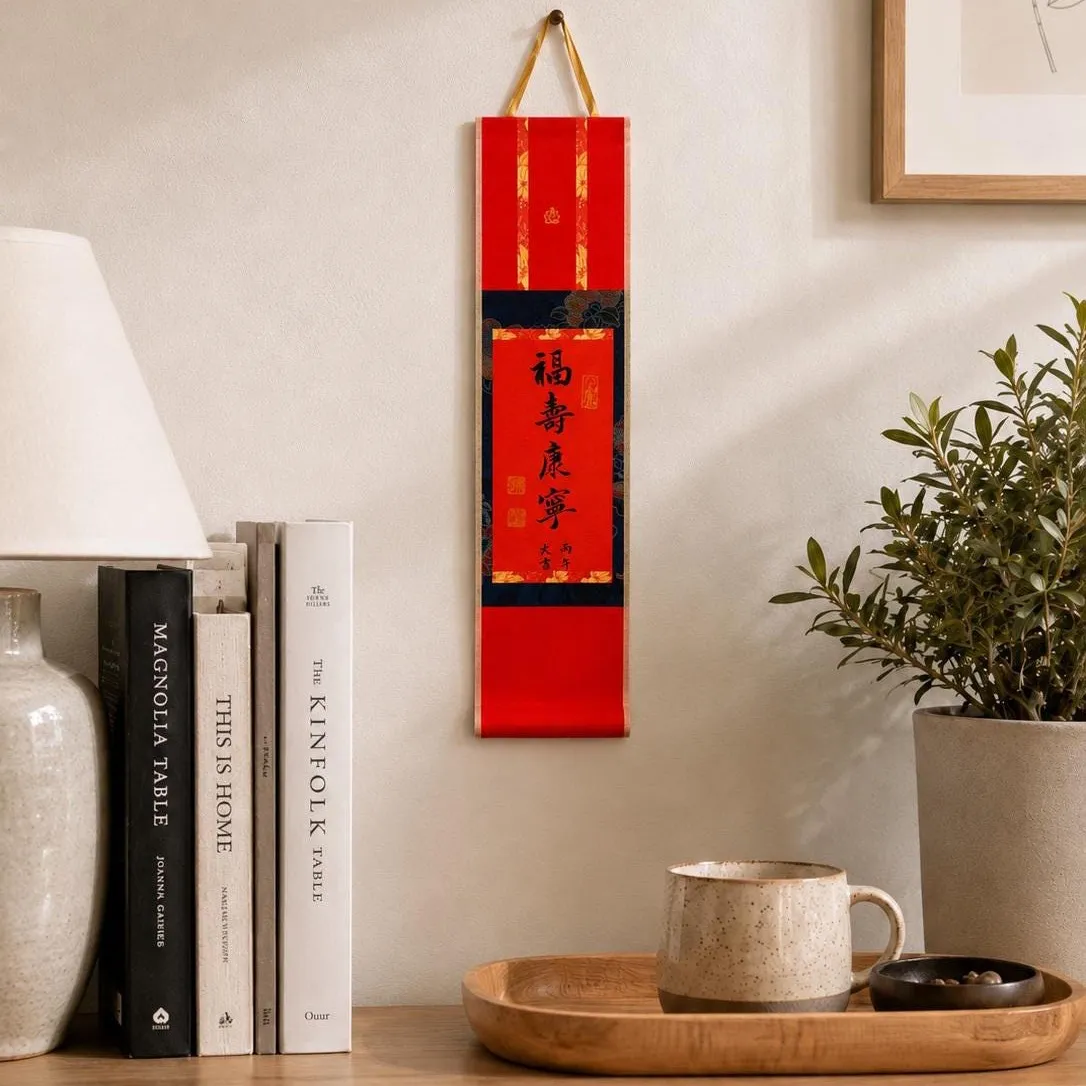
Photo shows a sample — yours will be brushed with 厚德, or any character you choose.
Wall Scroll — for walls & housewarmingsfrom $38→ -
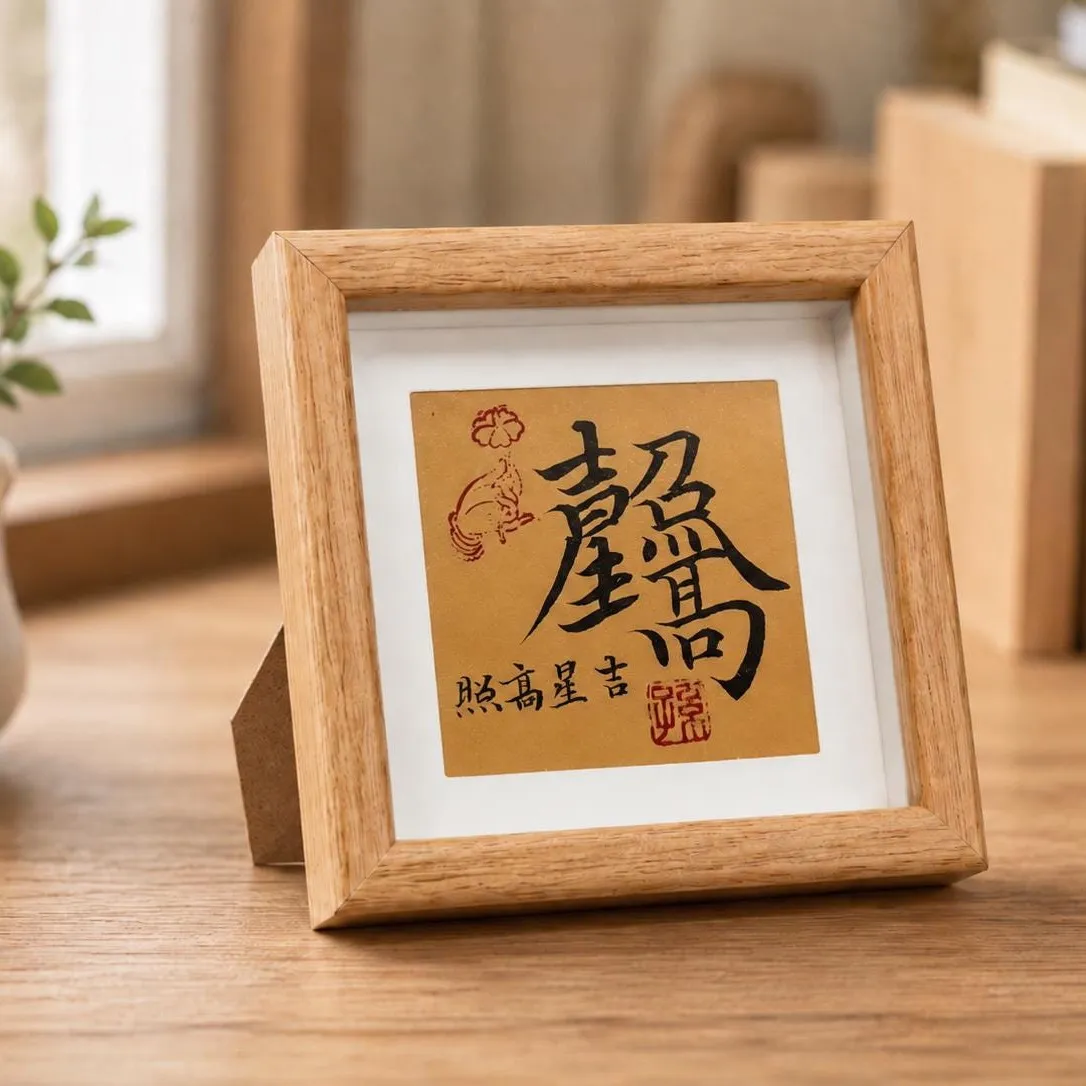
Photo shows a sample — yours will be brushed with 厚德, or any character you choose.
Desk Frame — for desks, studies & studiosfrom $44→ -
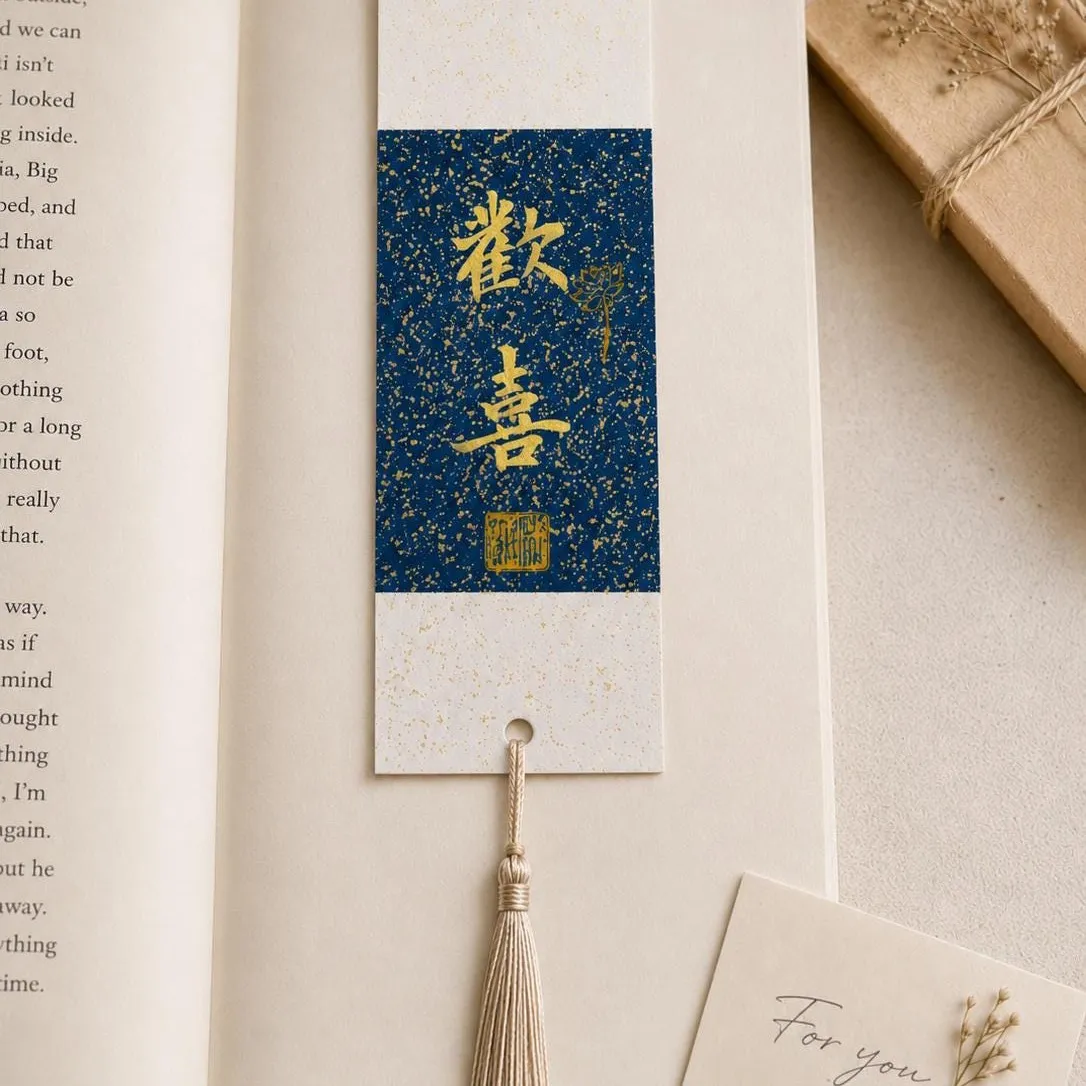
Photo shows a sample — yours will be brushed with 厚德, or any character you choose.
Bookmark — for readers & small thank-yousfrom $14→

What people said after it arrived.
-
The item is fantastic. The customer service was genuine. Thanks!
— M.Verified purchase · from our Etsy shop reviews · -
They were great they gave me exactly what I asked for and then some. Thank you!!
— G.Verified purchase · from our Etsy shop reviews · -
It is well designed and customized. My daughter loves it. Amazing gift for family’s d friends
— S.Verified purchase · from our Etsy shop reviews ·
Each "厚德" is hand-brushed by FuBlessings on rice paper.
See 厚德 (Hòu Dé) on Etsy →