宏 (hóng) — Grand Scale · Vast Vision · Largeness of Mind
A single character.
Most of the characters given to fathers and elders measure what was withstood. 宏 measures what was intended. It is the word for scale — a plan drawn wider than the year it was made in, a mind with more room in it than the situation requires — and it points outward rather than inward, at reach rather than resilience. Where 伟 (wěi) declares a greatness already established and 宽 (kuān) names the room a person leaves for others, 宏 stays with the dimension of the thing itself: how far it extends, how much it was built to hold. That is why the same character does double duty as ambition and as magnanimity. 宏图 is a design spread wide; 宽宏大量 is a person spread wide. See 伟 → · See 宽 →
You meet the word wherever Chinese is talking about scale on purpose. 宏伟 is what a guide calls a hall or a dam. 宏观 is how an economist says macro — the whole system, as against 微观, its parts. 宏愿 is a vow sized past a single lifetime. And 宽宏大量 is what gets said about the person who was owed an apology and let it go: the same word turned inward, measuring not how far a plan reaches but how much a person can hold. One character covers the dam and the forgiveness, and Chinese has never felt the need to split it.
A hand-brushed “宏” by FuBlessings is the gift for the father, grandfather, or husband whose thinking was always larger than the room he was in. For Father’s Day it says the thing families rarely say to the person who made the plans: that the size of them was noticed. For a birthday it recognizes the man still drawing, and the elder whose drawings the family is still standing in.
- grand
- vast in scope
- on a large scale
- magnificent
- large-minded
- macro
- big Plain size is 大. 宏 is a judgment about scope and consequence, applied to plans, visions, and minds. You can call a stone 大; calling a stone 宏 makes no sense.
- ambitious Ambition names a want. 宏 names a dimension — how wide the design actually reaches, whether or not anyone is hungry for it.
- grandiose Grandiose is scale that has outrun its substance. 宏 carries none of that irony in Chinese; the language keeps a separate reproach, 好高骛远, for exactly that failure.
The short arms are the point: these readings don’t reach it.
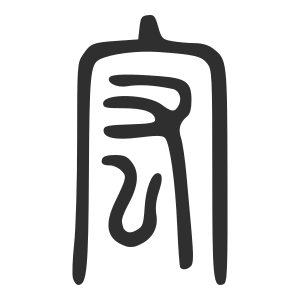
- 宀 roof / a buildingThe roof radical, drawn as a covering over open span. It places the character inside architecture — the first thing 宏 described was a room, not an idea.
- 厷 upper arm + sound厷 (gōng), the old graph for the upper arm, later written 肱. It supplies the character's sound, and its own image of the thick, load-bearing limb sits well under a roof built to hold volume.
character
- 宏大 hóng dà grand — large in scale and scope
- 宏伟 hóng wěi magnificent — grand in scale and impressive in execution
- 宏图 hóng tú a grand design; 大展宏图, to spread one's grand design wide
- 宽宏 kuān hóng broad and large — the largeness that will not shrink to the size of a grievance
- 宏观 hóng guān the macro view — the whole system rather than its parts
The Story Behind the Character
Speak in an empty hall and the sound comes back deeper than you sent it. The received text of 《说文解字》 (Shuowen Jiezi, c. 100 CE) glosses 宏 in four characters that hold exactly that — 宏,屋深響也, a house both deep and resounding — and 《周礼·考工记》 uses the word the same way, prescribing that a bell-stand be carved with beasts 大声而宏, loud and resonant. The Qing philologist Duan Yucai was unconvinced: he read the 響 as a copyist's slip borrowed from the neighbouring entry 宖 (屋響也) and struck it out, leaving the plainer 屋深也 — a house with depth in it. Either reading starts the character indoors. Under the roof radical 宀 sits 厷 (gōng, the upper arm), supplying the sound.
Depth and its echo make the same claim anyway — only a large interior answers you like that — and the word soon stopped needing the building at all. 宏大, grand in scale; 宏伟, magnificent; 宏图, a design drawn wide. What the character never became is a measurement. Nothing is ever "three 宏 across" — it stayed a judgment about scope, applied to plans, visions, undertakings, and ideas, with the acoustics of that first deep room still faintly inside it.
A third turn takes the word into people. A person can be built on that scale too: 宽宏, broad and large, and 宽宏大量, the magnanimity that will not shrink to the size of an insult. Here 宏 measures capacity rather than reach — not how far someone's plans extend but how much they can hold without becoming small. Its near-twin 弘 (hóng) shares that vastness and was often written in its place in classical texts; modern usage leans 弘 toward the act of widening (弘扬) and 宏 toward the fact of scale, though 弘 keeps its own adjectival life in 恢弘 and 弘愿.
Classical lines
- about a century
- c. 300 BCE 《庄子·秋水》
- c. 200 BCE 《礼记·中庸》
One further source is quoted below without a date printed, so it stays off the rail.
致广大而尽精微,极高明而道中庸。 Reach the broad and vast and exhaust the fine and minute; attain the high and bright and walk the middle way.
The text refuses to let scale stand by itself: breadth is named in the same breath as precision. It is the oldest correction to 宏 read as mere bigness — a grand design that cannot survive close inspection was never grand.
井蛙不可以语于海者,拘于虚也;夏虫不可以语于冰者,笃于时也。 You cannot speak of the ocean to a well frog
it is confined to the patch of ground it lives on; you cannot speak of ice to a summer insect — it is fixed in its season. — Zhuangzi defines vastness by what is unable to perceive it. 宏 in a person is the opposite condition: a mind not walled in by the size of wherever it happens to sit.
为天地立心,为生民立命,为往圣继绝学,为万世开太平。 To set a heart for heaven and earth, to establish a destiny for the living, to carry on the broken learning of the sages, to open peace for ten thousand generations.
Four lines a Song-dynasty scholar set down as his own job description, preserved in his recorded sayings and carried into wide circulation by the Song-Yuan case histories. They remain the sentence Chinese reaches for to describe a 宏愿: a vow too large for one lifetime, taken anyway.
Why This Character Matters
A character whose oldest gloss describes the inside of a building is now the standard Chinese word for "macro." 宏观经济学 is macroeconomics; 宏观 and its partner 微观 are how a Chinese economist, planner, or engineer says whole-system versus component. The migration is not a coincidence so much as the same claim made twice — that what is being described is the largest scale available, whether that is a hall or a national economy.
Elsewhere the word keeps more ordinary company. 宏 is among the most common characters in men's given names — 宏伟, 志宏, 家宏 — where a parent is wishing a child scope rather than fortune, and 大展宏图, "spread your grand design wide," is standard banner text at graduations and shop openings. What keeps all of this from tipping into pure boosterism is a counterweight the language keeps close by: 好高骛远, aiming high and chasing far, the reproach for scale untethered from work. Chinese prizes 宏 and has a separate word ready for its counterfeit, which is a fair description of how the culture treats large plans generally — welcome, and watched.
宏 reads as forward-leaning and slightly formal — the register of banners, company names, and men's given names rather than of everyday speech. A Chinese person seeing it would read scope and ambition, and would likely assume the wearer thinks in long horizons. It is a far less common tattoo choice than 福 or 力, which works in its favor: it looks chosen rather than picked off a chart.
Calligraphy Styles for Tattoos
- Regular script (楷书 kǎishū) Best for tattoos
Only 7 strokes, with a wide 宀 roof over a compact 厷. Regular script holds that roof-over-body proportion, which is the whole look of the character. Minimum recommended size: 1.5 inches.
- Running script (行书 xíngshū) Very good
The low stroke count gives running script room to move without crowding. The roof sweeps in a single gesture and the 厷 beneath it stays readable — one of the better characters for this style at 2+ inches.
- Cursive script (草书 cǎoshū) Only with an expert calligrapher
In cursive the roof and the 厶 below can collapse into one loop, at which point 宏 is easily read as 宕 or 宛. Attempt only with a calligrapher who specializes in cursive.
Common Mistakes to Avoid
- Getting 弘 tattooed when 宏 was intendedIntended: 宏 — grand in scale
弘 is also hóng and also means vast, which is why the two get swapped. They are different characters: 弘 is 弓 (bow) plus 厶, and modern usage gives it the sense of widening or promoting something (弘扬). 宏 has the roof. There is a real reason they have been written for each other for centuries — 《说文解字》 analyses 弘 as taking 厶 for its sound and identifies that 厶 as the old form of 肱, which is also what 宏's 厷 is. The two characters share one phonetic. That is an explanation, not a licence: 大展宏图 takes 宏, 弘扬 takes 弘, and you should confirm which one your design uses before it is permanent.
- Writing the lower right element as 又 instead of 厶Intended: 宏 with 厷 written correctly
The component under the roof is 厷 — a left-falling hand shape over 厶. Substitute 又 and the result is not a character at all. It is a two-stroke difference that a native reader registers immediately as wrong rather than as stylized.
Notes for Your Tattoo Artist
7 strokes. The 宀 must be wide enough to cover 厷 completely — an undersized roof is the most common error, and it makes the character read cramped, which is precisely the wrong impression for its meaning. Keep the interior compact and centered, with 厶 tucked under the left-falling stroke, and leave visible air between the roof's underside and the body.
A few characters live near "宏" but mean something quieter, sharper, or more specific. Here's how to tell them apart.
the scale of what is undertaken — how wide the design is drawn
the magnitude of the person or the deed — greatness already established
largeness as reach — how far a plan or a mind extends outward
largeness as room — the latitude that absorbs others' faults
grand in scale — the size of the thing attempted
broad in coverage — the range of what has been learned
For the father who thought in decades.
- For the father who thought in decades. 宏 is not a compliment about what he built but about the size of the drawing it came from — the plan that was always larger than the year it was made in. Endurance is the usual register for a father — what he held up under, what he outlasted. 宏 measures the other direction: how far out he was looking the whole time. Most apt for the father whose ambitions were never modest and, more often than the family says, were never for himself.
- On a birthday, 宏 names a person's scale rather than their years. For a grandparent it names the horizon they were working on all along — the household, the line, the decades they were plainly planning for before anyone now at the table existed. For a husband it lands on the other sense, 宏图 — the long design still being drawn, recognized on the one day a year it is fair to say out loud that you have been watching it. Where 伟 declares the greatness already achieved, 宏 stays with the dimension of the thing attempted, which is why it fits a birthday that is not a summing-up.
Dad · Grandparent · Husband · or yourself
Looking for a name? See Western names written in Chinese →
-
What does 宏 (hóng) mean?
宏 (hóng) is the Chinese character for grand scale, vast vision, largeness of mind. Most of the characters given to fathers and elders measure what was withstood. 宏 measures what was intended. It is the word for scale — a plan drawn wider than the year it was made in, a mind with more room in it than the situation requires — and it points outward rather than inward, at reach rather than resilience. Where 伟 (wěi) declares a greatness already established and 宽 (kuān) names the room a person leaves for others, 宏 stays with the dimension of the thing itself: how far it extends, how much it was built to hold. That is why the same character does double duty as ambition and as magnanimity. 宏图 is a design spread wide; 宽宏大量 is a person spread wide. See 伟 → · See 宽 → A character whose oldest gloss describes the inside of a building is now the standard Chinese word for "macro." 宏观经济学 is macroeconomics; 宏观 and its partner 微观 are how a Chinese economist, planner, or engineer says whole-system versus component. The migration is not a coincidence so much as the same claim made twice — that what is being described is the largest scale available, whether that is a hall or a national economy.
-
What occasions is 宏 given for?
宏 is traditionally given for Father's Day, Birthday. For the father who thought in decades. 宏 is not a compliment about what he built but about the size of the drawing it came from — the plan that was always larger than the year it was made in. Endurance is the usual register for a father — what he held up under, what he outlasted. 宏 measures the other direction: how far out he was looking the whole time. Most apt for the father whose ambitions were never modest and, more often than the family says, were never for himself. On a birthday, 宏 names a person's scale rather than their years. For a grandparent it names the horizon they were working on all along — the household, the line, the decades they were plainly planning for before anyone now at the table existed. For a husband it lands on the other sense, 宏图 — the long design still being drawn, recognized on the one day a year it is fair to say out loud that you have been watching it. Where 伟 declares the greatness already achieved, 宏 stays with the dimension of the thing attempted, which is why it fits a birthday that is not a summing-up.
-
Is 宏 a good Chinese tattoo?
宏 reads as forward-leaning and slightly formal — the register of banners, company names, and men's given names rather than of everyday speech. A Chinese person seeing it would read scope and ambition, and would likely assume the wearer thinks in long horizons. It is a far less common tattoo choice than 福 or 力, which works in its favor: it looks chosen rather than picked off a chart.
-
Who brushes the 宏 calligraphy?
FuBlessings hand-brushes each 宏 (Hóng) to order, in ink on rice paper — never printed, never repeated.
Bring 宏 home — choose how you'd like it brushed.
-
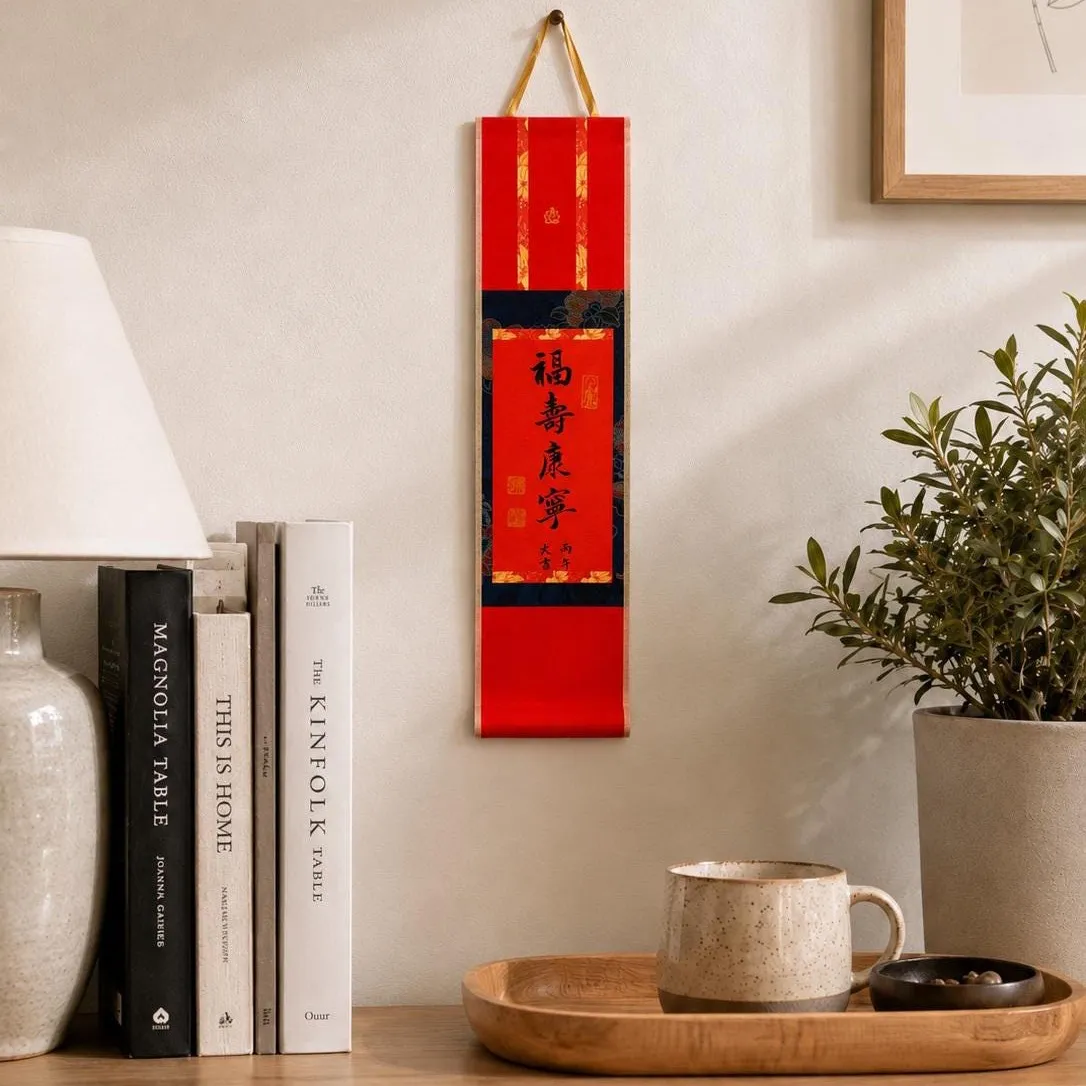
Photo shows a sample — yours will be brushed with 宏, or any character you choose.
Wall Scroll — for walls & housewarmingsfrom $38→ -
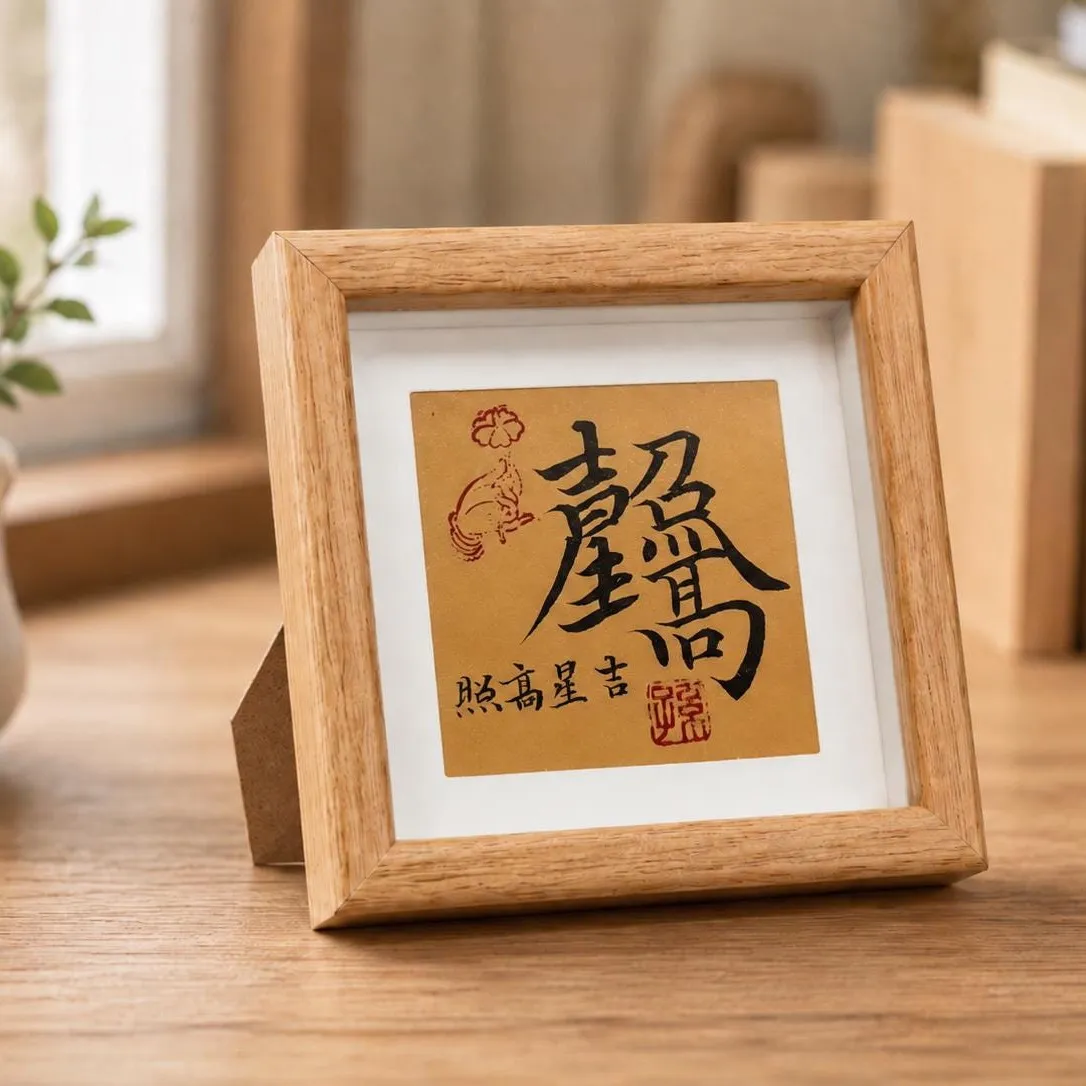
Photo shows a sample — yours will be brushed with 宏, or any character you choose.
Desk Frame — for desks, studies & studiosfrom $44→ -
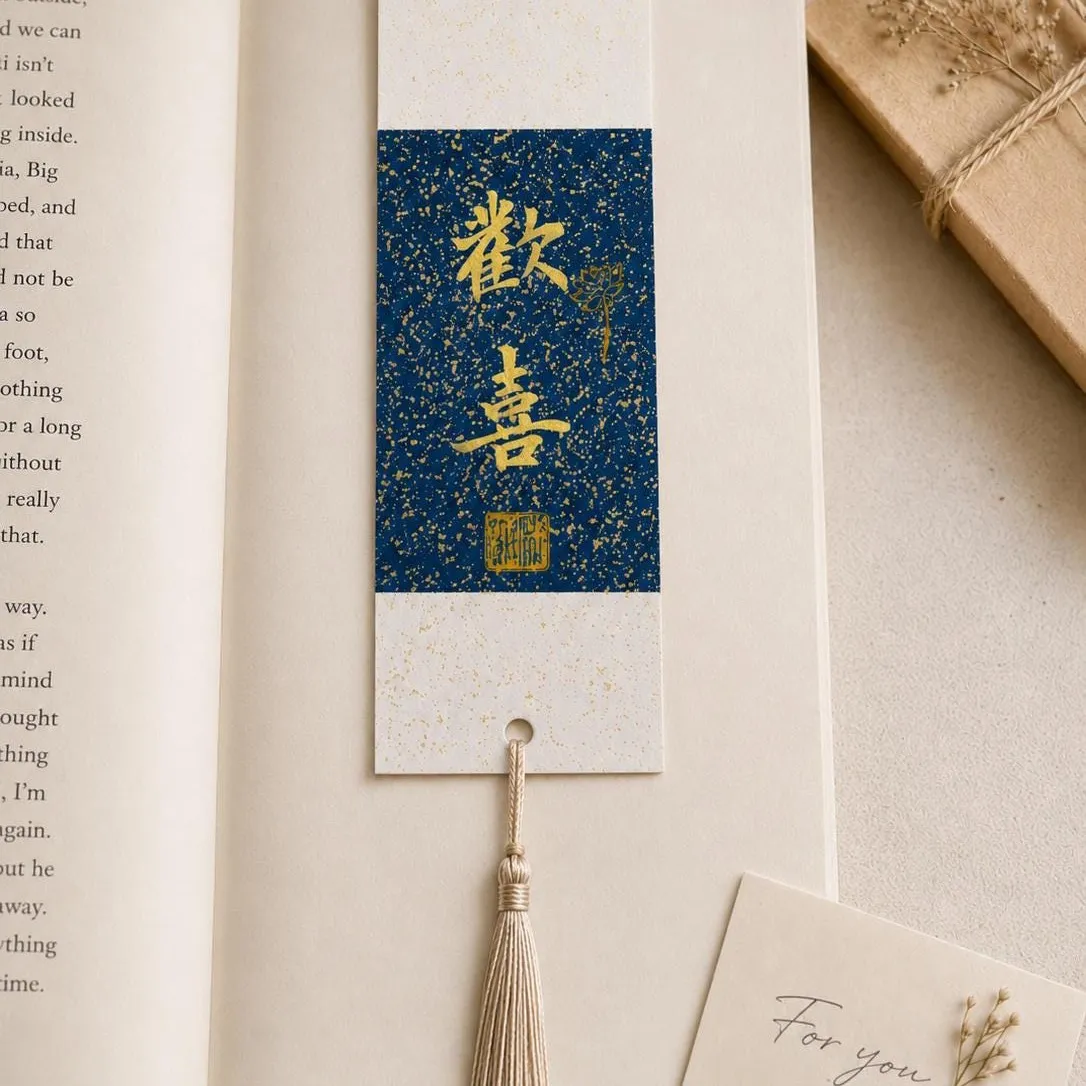
Photo shows a sample — yours will be brushed with 宏, or any character you choose.
Bookmark — for readers & small thank-yousfrom $14→
What people said after it arrived.
-
The item is fantastic. The customer service was genuine. Thanks!
— M.Verified purchase · from our Etsy shop reviews · -
They were great they gave me exactly what I asked for and then some. Thank you!!
— G.Verified purchase · from our Etsy shop reviews · -
It is well designed and customized. My daughter loves it. Amazing gift for family’s d friends
— S.Verified purchase · from our Etsy shop reviews ·
Each "宏" is hand-brushed by FuBlessings on rice paper.
See 宏 (Hóng) on Etsy →