博 (bó) — Breadth · Broad Learning · Erudition
A single character.
Some people seem to know a little about everything — they read across fields, connect things the rest of us keep in separate boxes, and can hold a real conversation on far more than their own line of work. That quality of range is 博. It is not 智, the insight to judge what is right, and not 慧, the quick native cleverness you are born with. 博 is the breadth underneath both: the wide, well-stocked mind, built by taking a great deal in over time and carrying it lightly.
The character wears its meaning in its parts. On the left is 十, the number ten — read in Chinese writing as the sign of the complete set, one stroke reaching east–west and another north–south, the four directions and the center all present. On the right is 尃, to spread out. So 博 is reach spread in every direction, which Shuowen sums up as 大通, greatly comprehensive. The tradition prized it but never left it loose: Confucius paired it instantly with restraint — 博学于文,约之以礼, study broadly, then rein it in with form — and 中庸 made 博学 the first rung of its ladder of learning, the ground the questioning and judging and acting all stand on. Even the word for a modern PhD, 博士, is literally a “broadly-learned one,” a title China has used for its resident experts since the Qin.
A hand-brushed 博 by Artist Lina Sun is the gift for the wide-ranging mind — the graduate stepping into a world that will ask them to know many things, the colleague or friend whose curiosity crosses every fence. It does not wish them fortune or long life; those are other characters. It names the rarer thing: a mind broad enough to leave nothing out, and generous enough to keep reaching.
- breadth — knowledge or reach that extends wide across many things
- erudition — 博学, broad and well-grounded learning
- comprehensiveness — 大通, taking in the whole rather than one corner
- generosity of mind — 博大, a capacity wide enough to hold a great deal
- depth 博 is reach across, not reach down. Depth — 精, mastery of one thing — is its complement, not its meaning. The Chinese ideal joins them: 博 in range, 精 in the thing you make your own.
- cleverness 博 is not quickness of wit. It names accumulated breadth — a great deal taken in over time — rather than the native sharpness that 慧 describes.
- showing off 博学 is broad learning held usefully, not knowledge paraded. Confucius paired 博 with 约 — restraint by ritual — precisely so that breadth would not curdle into display.
The short arms are the point: these readings don’t reach it.
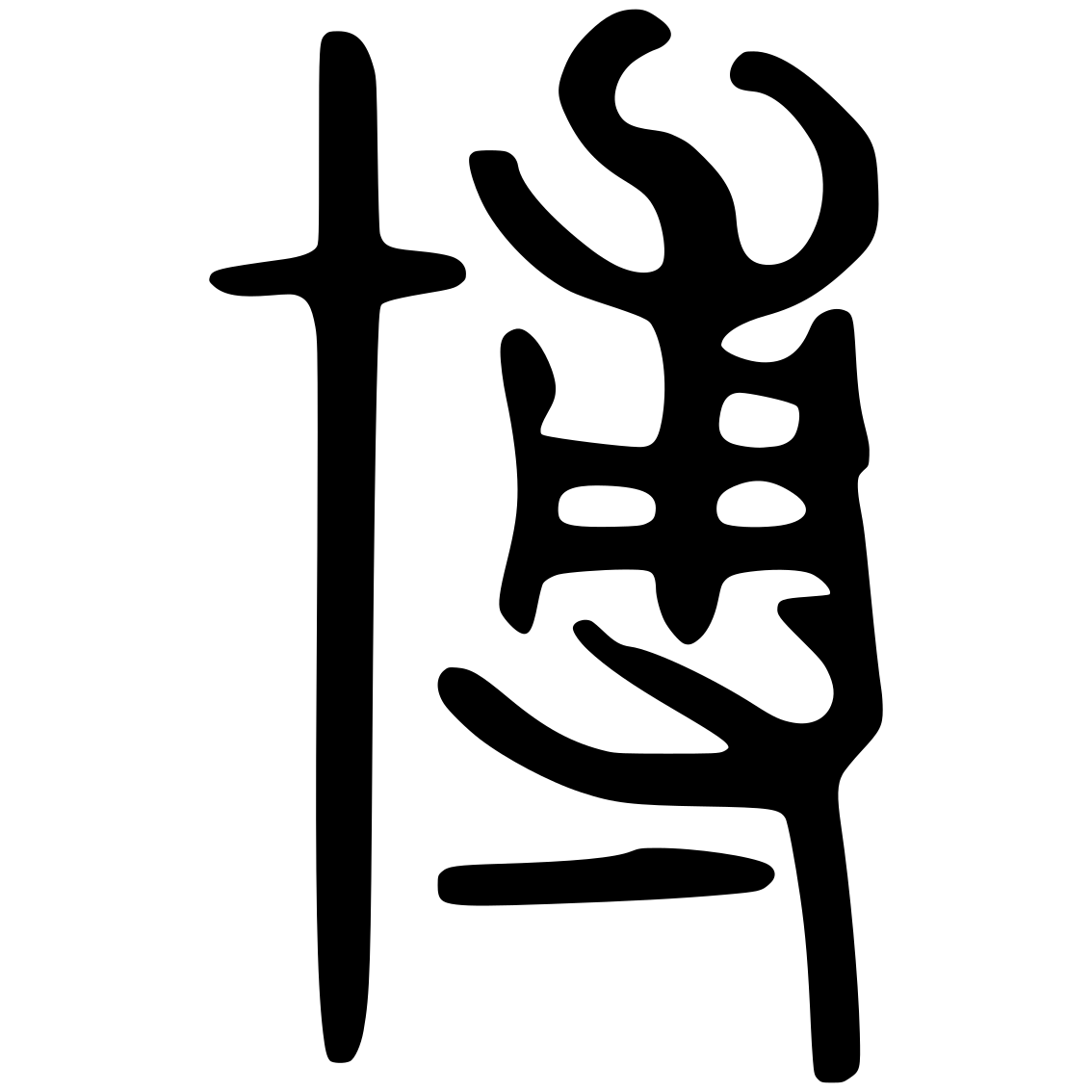
- 十 completeness / all directionsThe number ten, read in Chinese writing as the sign of the complete set — its horizontal reaching east–west, its vertical north–south, so that the four directions and the center are all present. In 博 it marks reach that leaves nothing out.
- 尃 phonetic (fū) · to spread outCarries the sound of the character; its own sense is 布 — to spread, to distribute. Shuowen glosses 博 as 大通, greatly comprehensive: knowledge or reach spread out in every direction at once.
character
- 博学 bó xué broad learning, erudition — a mind that has read and taken in widely
- 博大 bó dà vast and broad — of mind, spirit, or capacity
- 渊博 yuān bó deep and wide — knowledge that is both profound and extensive
- 广博 guǎng bó wide-ranging, extensive — covering much ground
- 博爱 bó ài broad love — care extended widely, to all
- 触类旁通 chù lèi páng tōng to grasp one thing and extend it to its neighbors — the reach a broad mind gives you
Cinnabar marks the characters 博 actually contains. The dark row is a relative by meaning or by sound, not one shared stroke.
The Story Behind the Character
The character begins with the number ten. Not the quantity — the shape: 十, a single horizontal stroke crossed by a single vertical, reaching east–west and north–south at once. To the people who built Chinese writing, 十 was the sign of the complete set; the old commentators read its crossed strokes as "the four directions and the center, all present." Set that sign of totality beside 尃 (fū), which means to spread out or distribute, and you have 博 — reach spread in every direction. Shuowen Jiezi glosses it in two words: 大通, greatly comprehensive.
For most of its life 博 has traveled in the company of learning. 博学 — broad study — became the word for a mind that had read widely and taken much in, and 博学 is the quality the classics return to again and again. But the tradition was wary of breadth for its own sake. Confucius paired it at once with restraint: 博学于文,约之以礼 — study broadly, then rein it in with form and ritual. Breadth left to sprawl was not the goal; breadth held usefully, disciplined into judgment, was.
What 博 is not is depth. Chinese keeps the two as a matched pair of ideals rather than rivals: 博 is how wide you reach, 精 is how deep you go into the one thing you make your own. The 博 person is the one whose knowledge crosses fields — who can 触类旁通, extend from one thing to grasp its neighbors. From a picture of totality to the word for erudition, the character kept a single claim intact: to have 博 is to leave nothing out.
Classical lines
- roughly 300 years
- c. 500 BCE 《论语·子张》
- c. 500 BCE 《论语·子罕》
- c. 200 BCE 《礼记·中庸》
博学而笃志,切问而近思,仁在其中矣。 Learn widely and hold firmly to your purpose, question closely and reflect on what lies near
humaneness is found within this. — Zixia's formula pairs 博 (breadth) with 笃 (steadfastness): wide learning is not scattering yourself but gathering much toward a purpose you keep. It reads almost as a blessing for anyone setting out on a life of study.
博学之,审问之,慎思之,明辨之,笃行之。 Study it broadly, question it thoroughly, reflect on it carefully, judge it clearly, and act on it earnestly.
The classic five-rung ladder of learning. 博学 comes first because breadth is the ground the rest stands on — but it is only the first rung, the foundation a serious education starts from rather than stops at.
夫子循循然善诱人,博我以文,约我以礼。 Step by step the Master skillfully draws others on: he broadens me with culture, and reins me in with ritual.
Yan Hui's description of how Confucius taught. It holds the two halves of 博 in one breath: first 博 (broaden, open the mind wide), then 约 (rein in, give the breadth shape). Breadth and discipline were never opposites here — they were the two moves of a single education.
Why This Character Matters
The full name of one of imperial China's highest scholarly ranks was built from this character. 博士 (bó shì) — literally a "broadly-learned one" — was an official court post as early as the Qin and Han dynasties, the throne's resident experts charged with mastering the classics. Two thousand years later the same two characters are the modern Chinese word for a PhD. The through-line is exact: 博士 has always meant the person whose learning is wide enough to be trusted with the whole of a subject, not merely a corner of it.
The character also anchors the most famous description of how to learn in the Chinese tradition — 中庸's ladder: 博学之,审问之,慎思之,明辨之,笃行之. Study broadly, question thoroughly, reflect carefully, judge clearly, act earnestly. Breadth comes first, but deliberately as the first of five steps, not the last. That ordering is the Chinese view of 博 in miniature: a wide foundation is where a real education begins. What you do with it — the questioning, the judging, the acting — is what makes the breadth worth having.
博 is an uncommon, thoughtful tattoo choice. On its own a Chinese reader connects it to 博学 (broad learning) and 博大 (broad-minded) — it reads as a value about a wide, generous mind rather than a bold slogan. It is the kind of character a lifelong learner or teacher might choose.
Calligraphy Styles for Tattoos
- Regular script (楷书 kǎishū) Best for tattoos
博 has 12 strokes in a left-right build — the slim two-stroke 十 beside a busy 尃. Regular script keeps the right side's stacked detail legible. Minimum recommended size: 2 inches.
- Running script (行书 xíngshū) Good for larger pieces
A running hand suits the character's open, wide-reaching sense, but the crowded right side 尃 can blur at small sizes. Works best at 2.5+ inches so the strokes keep their structure.
- Cursive script (草书 cǎoshū) Only with an expert calligrapher
Cursive can collapse the 甫-over-寸 stack of 尃 into an indistinct sweep. Legible only in skilled hands — attempt only with a calligrapher experienced in cursive.
Common Mistakes to Avoid
- Leaving off the small dot (丶) at the top rightIntended: 博 with its full 尃 element
博 carries a short dot near the top of its right side that is easy to miss. Dropping it is one of the most common errors and leaves the character looking incomplete to a Chinese reader. Work from a careful reference for the right half.
- Writing the left 十 too largeIntended: 博 with a slim 十 and a full right side
The left element is only the two-stroke 十 and should stay narrow, giving the denser right side 尃 room to sit. Letting 十 grow as wide as the right half throws the whole character off balance.
Notes for Your Tattoo Artist
12 strokes, left-right structure: the two-stroke 十 beside 尃 (甫 over 寸). Keep 十 narrow and vertically centered; give 尃 its full width and don't drop the small dot at the top right. Minimum 2 inches to hold the right side's detail.
A few characters live near "博" but mean something quieter, sharper, or more specific. Here's how to tell them apart.
the breadth of what you have taken in — knowledge that reaches wide
the insight to judge well and act rightly on what you know
accumulated breadth — a great deal gathered in over time
quick native cleverness — the sharpness you are born with
how wide you reach across many things
the modesty that keeps wide learning from turning into display
For the graduate leaving a place that taught them one field and stepping into a world that will ask them to know many.
- For the graduate leaving a place that taught them one field and stepping into a world that will ask them to know many. 博 is the counsel for exactly that widening: reach broadly, take much in, let your knowledge cross the fences between subjects. Zixia's line in the Analects is nearly a graduation blessing on its own — 博学而笃志,切问而近思: learn widely and hold to your purpose, question closely and reflect on what is near. Where 智 names the insight to judge rightly and 慧 the quick native cleverness, 博 names the breadth underneath both — the wide foundation a serious education is meant to lay.
- For the colleague, boss, or friend whose mind ranges wide — who reads across fields, connects things others keep separate, and can talk knowledgeably about far more than their job. 博 is not a wish for more of anything; it names a quality you already admire in them. Where 慧 honors quickness of wit, 博 honors range: the generous, well-stocked mind that has taken a great deal in over the years and carries it lightly. A fitting way to tell someone that the breadth of what they know has not gone unnoticed.
Looking for a name? See Western names written in Chinese →
-
What does 博 (bó) mean?
博 (bó) is the Chinese character for breadth, broad learning, erudition. Some people seem to know a little about everything — they read across fields, connect things the rest of us keep in separate boxes, and can hold a real conversation on far more than their own line of work. That quality of range is 博. It is not 智, the insight to judge what is right, and not 慧, the quick native cleverness you are born with. 博 is the breadth underneath both: the wide, well-stocked mind, built by taking a great deal in over time and carrying it lightly. The full name of one of imperial China's highest scholarly ranks was built from this character. 博士 (bó shì) — literally a "broadly-learned one" — was an official court post as early as the Qin and Han dynasties, the throne's resident experts charged with mastering the classics. Two thousand years later the same two characters are the modern Chinese word for a PhD. The through-line is exact: 博士 has always meant the person whose learning is wide enough to be trusted with the whole of a subject, not merely a corner of it.
-
What occasions is 博 given for?
博 is traditionally given for Graduation, Birthday. For the graduate leaving a place that taught them one field and stepping into a world that will ask them to know many. 博 is the counsel for exactly that widening: reach broadly, take much in, let your knowledge cross the fences between subjects. Zixia's line in the Analects is nearly a graduation blessing on its own — 博学而笃志,切问而近思: learn widely and hold to your purpose, question closely and reflect on what is near. Where 智 names the insight to judge rightly and 慧 the quick native cleverness, 博 names the breadth underneath both — the wide foundation a serious education is meant to lay. For the colleague, boss, or friend whose mind ranges wide — who reads across fields, connects things others keep separate, and can talk knowledgeably about far more than their job. 博 is not a wish for more of anything; it names a quality you already admire in them. Where 慧 honors quickness of wit, 博 honors range: the generous, well-stocked mind that has taken a great deal in over the years and carries it lightly. A fitting way to tell someone that the breadth of what they know has not gone unnoticed.
-
Is 博 a good Chinese tattoo?
博 is an uncommon, thoughtful tattoo choice. On its own a Chinese reader connects it to 博学 (broad learning) and 博大 (broad-minded) — it reads as a value about a wide, generous mind rather than a bold slogan. It is the kind of character a lifelong learner or teacher might choose.
-
Who brushes the 博 calligraphy?
Each 博 (Bó) is hand-brushed to order by Artist Lina Sun in ink on rice paper — never printed, never repeated.
Bring 博 home — choose how you'd like it brushed.
-
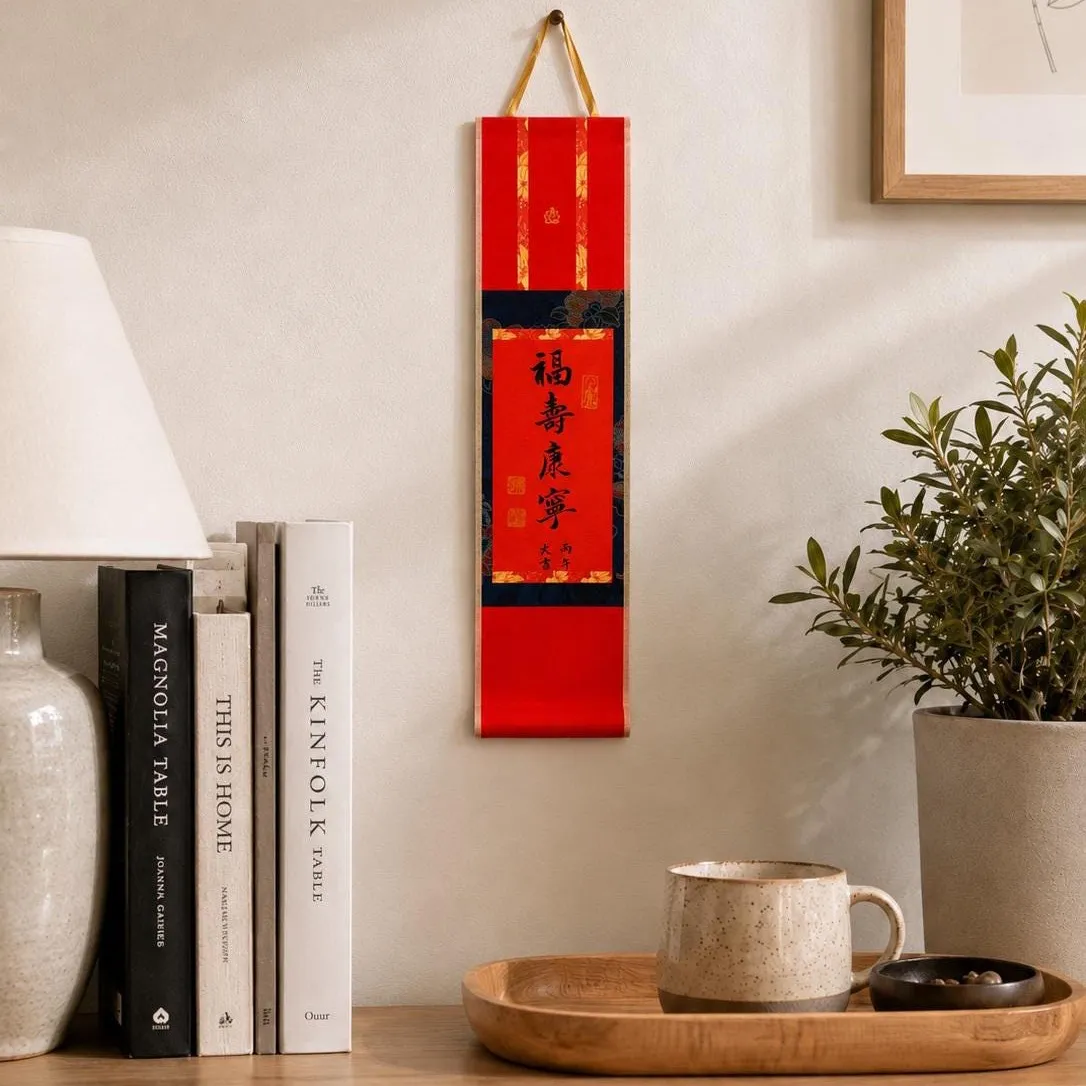
Photo shows a sample — yours will be brushed with 博, or any character you choose.
Wall Scroll — for walls & housewarmingsfrom $38→ -
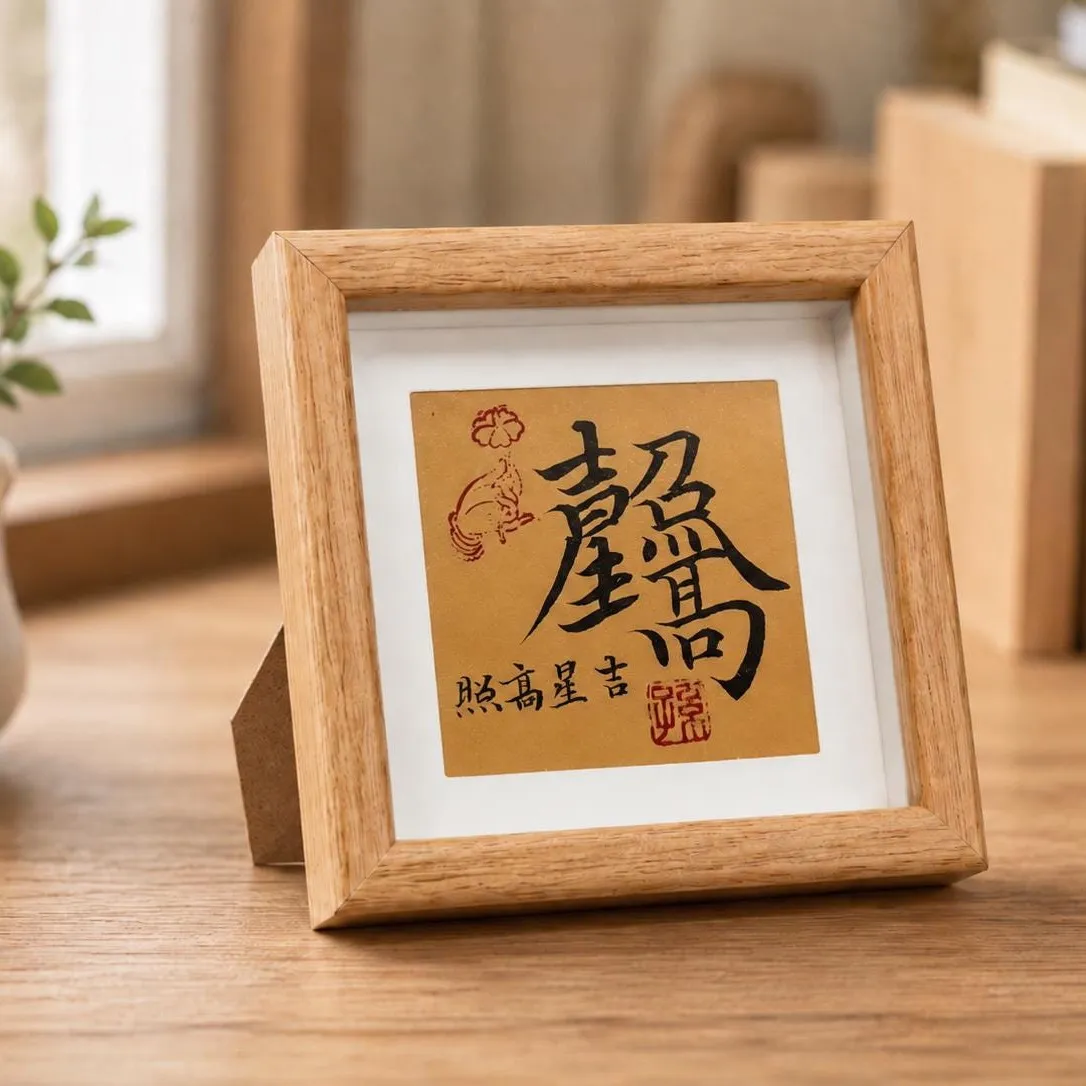
Photo shows a sample — yours will be brushed with 博, or any character you choose.
Desk Frame — for desks, studies & studiosfrom $44→ -
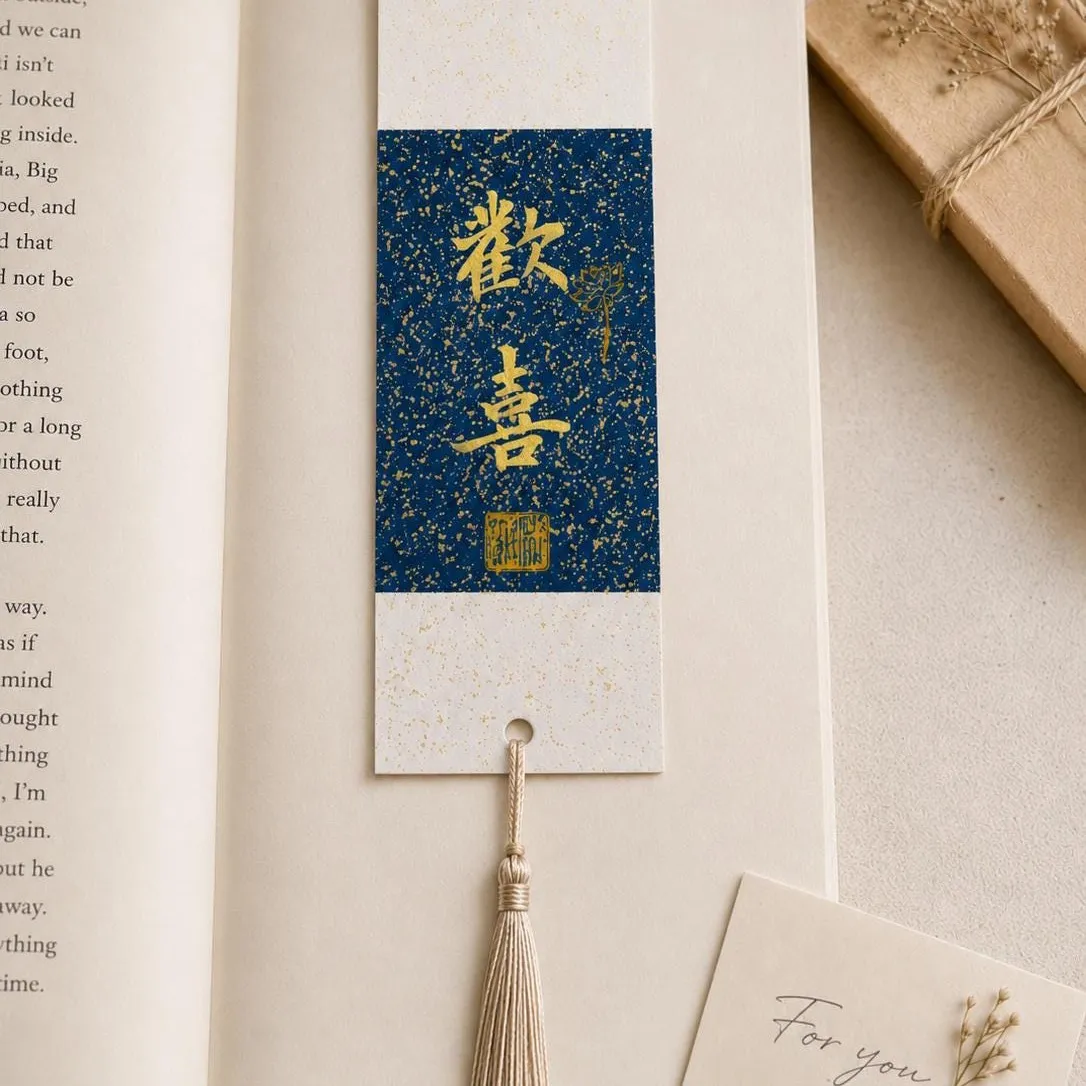
Photo shows a sample — yours will be brushed with 博, or any character you choose.
Bookmark — for readers & small thank-yousfrom $17→

What people said after it arrived.
-
The item is fantastic. The customer service was genuine. Thanks!
— M.Verified purchase · from our Etsy shop reviews · -
They were great they gave me exactly what I asked for and then some. Thank you!!
— G.Verified purchase · from our Etsy shop reviews · -
It is well designed and customized. My daughter loves it. Amazing gift for family’s d friends
— S.Verified purchase · from our Etsy shop reviews ·
Each "博" is hand-brushed by Artist Lina Sun on rice paper.
See 博 (Bó) on Etsy →