家和 (jiā hé) — Family Harmony · Household at Peace
A two-character word, not a single character.
家和 names the condition of the household as a unit — not the quality of individual relationships or the flow of daily operations, but whether the people inside are in accord with each other. Where 和顺 names the combination of warmth and smooth running that a marriage specifically needs, 家和 names the more fundamental state: a household oriented toward itself rather than against itself. See 和 → The distinction matters in Chinese gift culture because 家和 is the appropriate blessing for any household — new couple, established family, parents whose children have moved back in — where the wish is for the underlying accord, not for any particular outcome it might produce.
家和 shows up at every threshold in Chinese domestic life. At New Year, 家和万事兴 goes up in kitchens and living rooms across the Chinese-speaking world — the proverb’s first two characters name the condition that makes the rest of the year’s wishes possible. At housewarmings, 家和 is the blessing for the space before it becomes a home; at weddings, it is the wish for the household the couple is founding rather than for the romance they are celebrating. Older guests and family members tend to reach for 家和 over more elaborate blessings precisely because it addresses the institution rather than the moment — a longer view, and in Chinese gift tradition, a more serious compliment.
A hand-brushed “家和” by FuBlessings is the housewarming, New Year, or wedding gift that names the foundational condition of a good household — not luck, not prosperity, but the accord from which everything else follows. It belongs above a threshold.
- household in accord
- family at peace with itself
- the institution holding together
- the foundational condition
- happy family Too emotional. 家和 names the structural condition — whether the people inside are oriented toward each other — not the felt happiness.
- family love Too sentimental. 家和 is not about affection but about whether the household functions as a unit. Love is a separate matter.
The short arms are the point: these readings don’t reach it.
- 家 household / family as institutionA pig under a roof — sufficiency and shelter together. Names the bounded social unit: not a feeling but an institution, where people share meals, obligations, and proximity over time.
- 和 accord / harmonyVoices agreeing over shared grain. Names the relational quality the household needs to function: not agreement, but the productive accord of different parts oriented toward each other.
characters
- 家和万事兴 jiā hé wàn shì xīng when the family is in harmony, everything prospers — the most displayed Chinese domestic proverb
- 家庭和睦 jiā tíng hé mù family harmonious and close — the modern formal version
- 阖家欢乐 hé jiā huān lè the whole family joyful together — the New Year greeting
- 齐家 qí jiā ordering the household — the third step in the Great Learning's sequence of self-cultivation
- 兴家 xīng jiā making the household flourish — what 家和 makes possible
The Story Behind the Character
家和 opens the most displayed Chinese proverb about domestic life — 家和万事兴, "when the family is in harmony, everything prospers" — yet the pair carries its own weight before the consequence is attached. The combination entered literary circulation in Chinese moral philosophy as a premise: before governance, before achievement, before any outward prosperity, you must account for the condition of the household. 家 (jiā) names a specific social unit — not a feeling, but a bounded space where people share meals, obligations, and proximity over time. 和 (hé) names the quality that unit requires to function. Together, 家和 names not warmth in general but a particular condition: whether the relationships inside a household are oriented toward each other rather than against.
家 entered the writing system as a picture: a pig (豕, shǐ) sheltered under a roof (宀, mián). This is not ornamental. In early agricultural China, a household with a pig under its roof had enough — food security made visible in a single glyph. By the Zhou dynasty, 家 had broadened to name the entire social institution: the extended household with its property, obligations, and genealogical claims. The 《大学》(Great Learning) positioned 齐家 — bringing the household into order — as the third step in the Confucian self-cultivation sequence, placed between personal cultivation and governance of the state. The ordering was not arbitrary. Classical commentators read it as causation: a person who cannot hold a household together cannot be trusted with anything larger.
家和 has persisted across centuries of Chinese literary and vernacular tradition precisely because it refuses the easier blessings. Unlike 幸福 (happiness) or 美满 (fulfillment), it names only the precondition — the household in accord — without specifying what that accord produces. The proverb tradition added 万事兴 to argue the consequence, but the two-character form stands alone: a household at peace, before anything else.
Classical lines
- about a century
- c. 400 BCE 《论语·学而》
- c. 300 BCE 《孟子·离娄上》
One further source is quoted below without a date printed, so it stays off the rail.
礼之用,和为贵。先王之道,斯为美,小大由之。 In the application of rites, harmony is the most valuable thing. This was the excellent method of the former kings
both small and great matters followed it. — Confucius placing 和 at the center of Chinese social ethics: not agreement or peace, but the productive accord between different things — which is exactly what a household requires.
天下之本在国,国之本在家,家之本在身。 The root of all under heaven is the state; the root of the state is the family; the root of the family is the self.
Mencius establishing 家 as the irreducible social unit — the institution that makes both personal cultivation and public governance possible.
家和万事兴。 When the family is in harmony, everything prospers.
The proverb that made 家和 into a household phrase. It hung in Chinese kitchens before it was written down, and it is still there.
Why This Character Matters
The proverb 家和万事兴 is among the most widely displayed inscriptions in the Chinese-speaking world — found in kitchens, living rooms, and above restaurant counters across China and in overseas Chinese communities. What is less remarked is that 家和 as a standalone pair strips away the consequence. 万事兴 (everything prospers) turns the blessing into an argument; 家和 alone names only the condition, without promising what it produces. The gift of 家和 is therefore more austere than the proverb: it says only that the household should be at peace, and leaves the rest implied.
The traditional character 家 — a pig under a roof — encodes a particular understanding of what makes a household: not sentiment, but sufficiency and shelter. The Confucian tradition built on this. 《大学》placed 齐家 (ordering the family) third in a sequence that began with personal cultivation and ended with governing the world. The classical commentators were explicit: the household is not a private matter. It is the first test of whether a person can manage something beyond themselves. 家和, written above a doorway, is not a decoration. It is a standard.
A few characters live near "家和" but mean something quieter, sharper, or more specific. Here's how to tell them apart.
the household as a unit in accord — the foundational state, applies to any family
warmth plus smooth running — the marriage-specific compound, two qualities together
accord applied to the household — the family as the unit
the principle of harmony itself — applicable to music, society, philosophy
the family oriented toward itself — the structural precondition
smooth unobstructed flow — the operational quality, things moving without friction
家和 names the one condition a new home actually requires before anything else: the household in accord with itself.
- 家和 names the one condition a new home actually requires before anything else: the household in accord with itself. Where 和顺 asks for warmth and smooth running, 家和 asks only for the foundational state — the people inside oriented toward each other. A housewarming gift that looks inward rather than outward.
- Giving 家和 at New Year is giving the first half of the proverb — the condition needed before the year's prosperity takes root. 家和万事兴 is the most widely displayed New Year inscription in Chinese homes precisely because it identifies 家和 not as a wish for a feeling but as a prerequisite: settle the household, and the rest follows.
- For the couple whose household is just beginning. 家和 addresses the household as a unit — the accord between the people who will share it — rather than the romance between two individuals. An older, more structural blessing than 幸福, and one that speaks to what marriages are built on over decades rather than years.
Mom · Dad · New Couple · or yourself
Looking for a name? See Western names written in Chinese →
-
What does 家和 (jiā hé) mean?
家和 (jiā hé) is a two-character Chinese word for family harmony, household at peace. 家和 names the condition of the household as a unit — not the quality of individual relationships or the flow of daily operations, but whether the people inside are in accord with each other. Where 和顺 names the combination of warmth and smooth running that a marriage specifically needs, 家和 names the more fundamental state: a household oriented toward itself rather than against itself. See 和 → The distinction matters in Chinese gift culture because 家和 is the appropriate blessing for any household — new couple, established family, parents whose children have moved back in — where the wish is for the underlying accord, not for any particular outcome it might produce. The proverb 家和万事兴 is among the most widely displayed inscriptions in the Chinese-speaking world — found in kitchens, living rooms, and above restaurant counters across China and in overseas Chinese communities. What is less remarked is that 家和 as a standalone pair strips away the consequence. 万事兴 (everything prospers) turns the blessing into an argument; 家和 alone names only the condition, without promising what it produces. The gift of 家和 is therefore more austere than the proverb: it says only that the household should be at peace, and leaves the rest implied.
-
What occasions is 家和 given for?
家和 is traditionally given for Housewarming, Chinese New Year, Wedding. 家和 names the one condition a new home actually requires before anything else: the household in accord with itself. Where 和顺 asks for warmth and smooth running, 家和 asks only for the foundational state — the people inside oriented toward each other. A housewarming gift that looks inward rather than outward. Giving 家和 at New Year is giving the first half of the proverb — the condition needed before the year's prosperity takes root. 家和万事兴 is the most widely displayed New Year inscription in Chinese homes precisely because it identifies 家和 not as a wish for a feeling but as a prerequisite: settle the household, and the rest follows.
-
Who brushes the 家和 calligraphy?
FuBlessings hand-brushes each 家和 (Jiā Hé) to order, in ink on rice paper — never printed, never repeated.
Bring 家和 home — choose how you'd like it brushed.
-
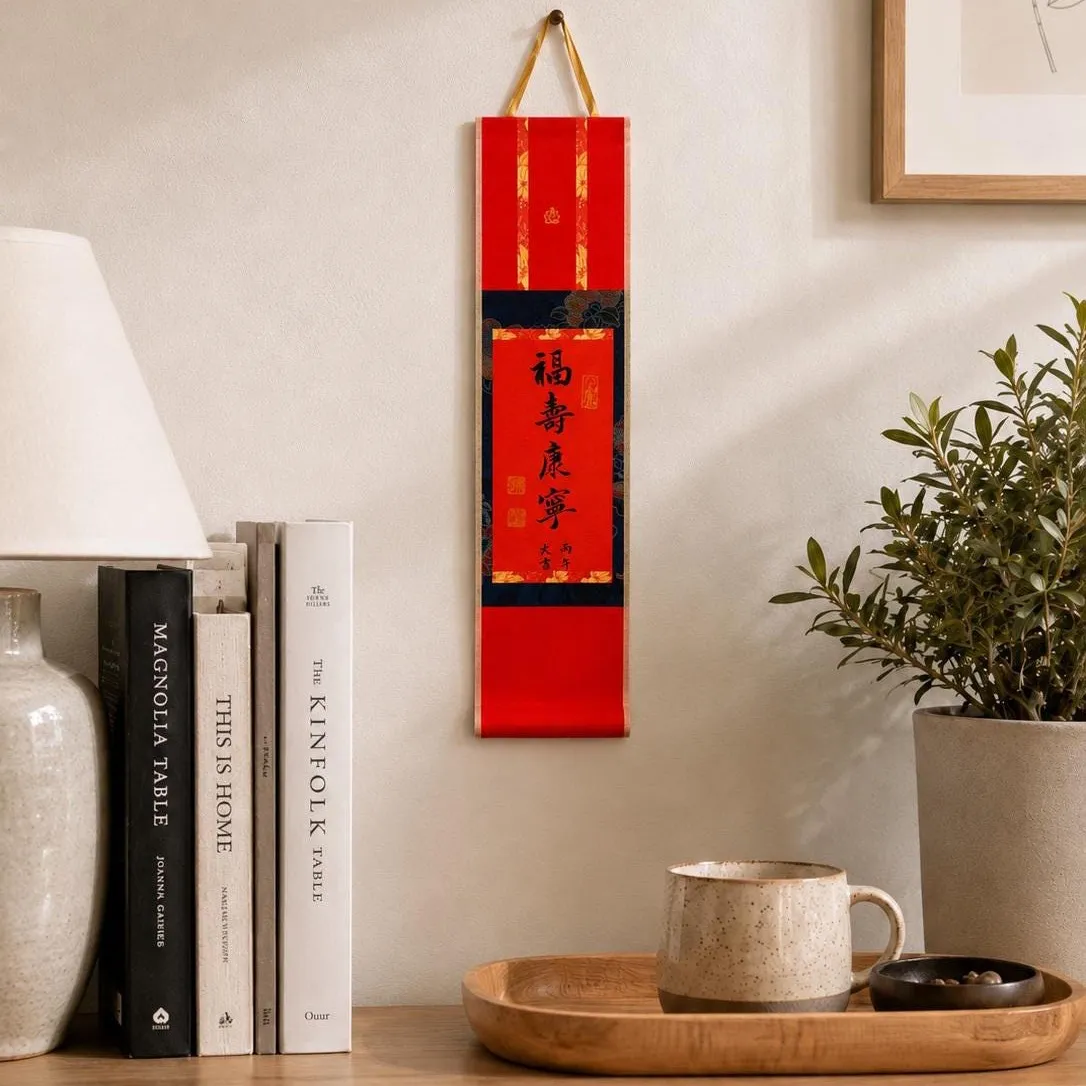
Photo shows a sample — yours will be brushed with 家和, or any character you choose.
Wall Scroll — for walls & housewarmingsfrom $38→ -
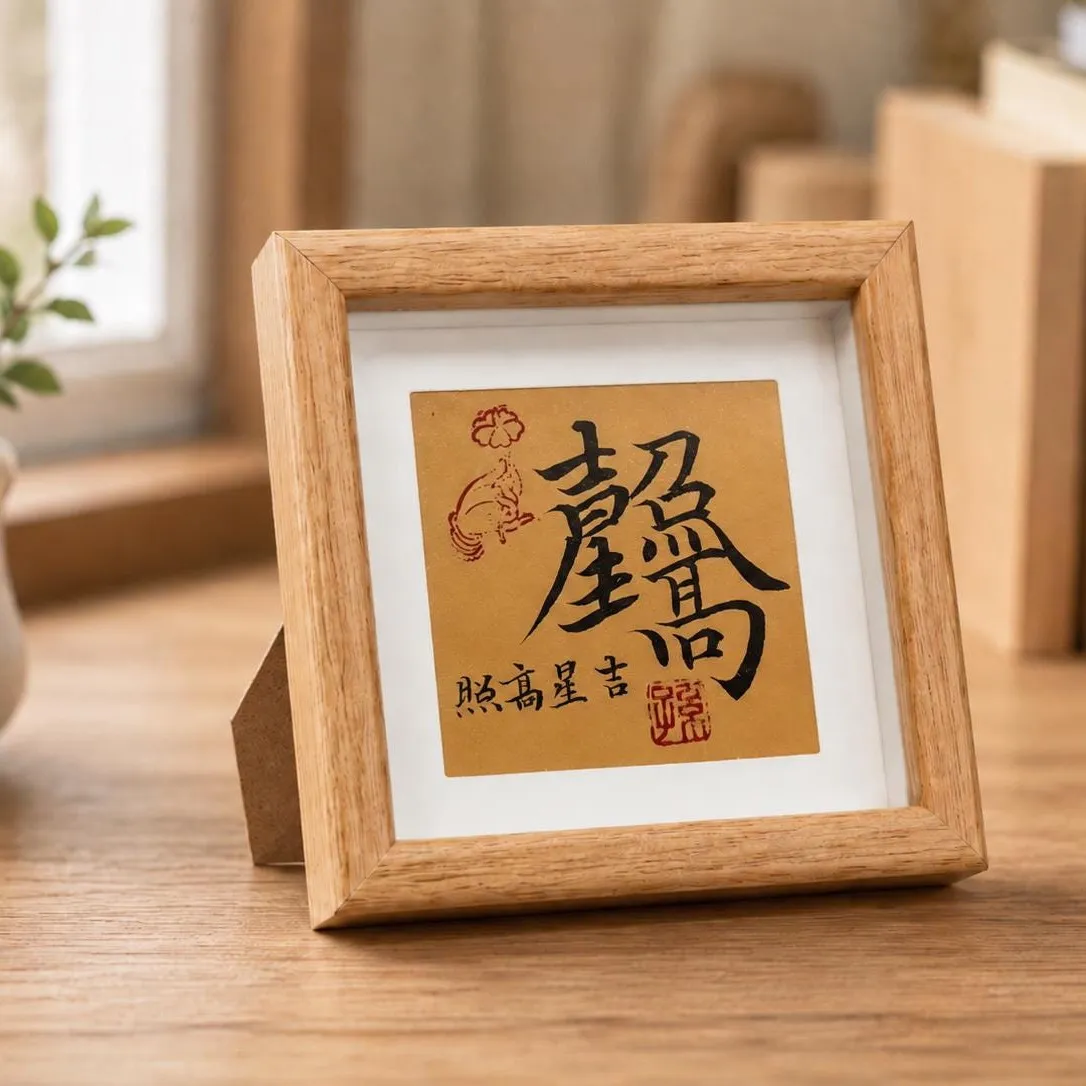
Photo shows a sample — yours will be brushed with 家和, or any character you choose.
Desk Frame — for desks, studies & studiosfrom $44→ -
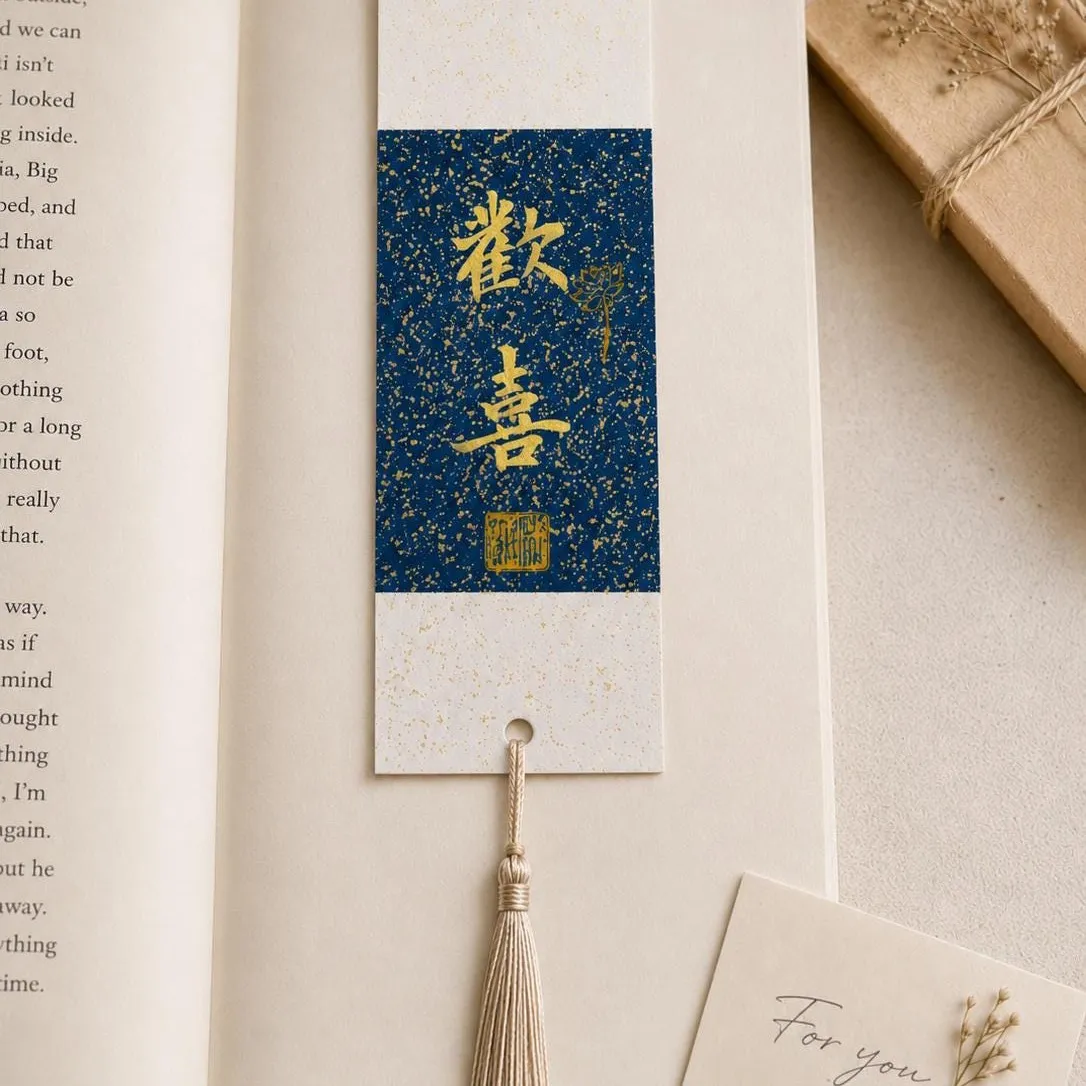
Photo shows a sample — yours will be brushed with 家和, or any character you choose.
Bookmark — for readers & small thank-yousfrom $14→

What people said after it arrived.
-
The item is fantastic. The customer service was genuine. Thanks!
— M.Verified purchase · from our Etsy shop reviews · -
They were great they gave me exactly what I asked for and then some. Thank you!!
— G.Verified purchase · from our Etsy shop reviews · -
It is well designed and customized. My daughter loves it. Amazing gift for family’s d friends
— S.Verified purchase · from our Etsy shop reviews ·
Each "家和" is hand-brushed by FuBlessings on rice paper.
See 家和 (Jiā Hé) on Etsy →