恩 (ēn) — Kindness Bestowed · A Favor That Landed
A single character.
An ox was being led through the court of King Xuan of Qi to blood a new bell, and the king could not bear the way it shook. He sent a sheep in its place. 孟子 does not put this character on that flinch. The flinch is 不忍. When he does use the character, he measures it by arrival. The kindness was enough to reach the animals, and the achievement had not reached the people. He sets it beside strength and eyesight: failing to lift a feather is not using force, failing to see a cartload of firewood is not using one’s eyes, and the people going unprotected is 不用恩, not putting the kindness to use. The verb he offers the king is 推恩, to extend it. The character names a favor that can land on someone. It does not name the pang, and it does not name what the king had accomplished.
Chinese kept the arrival and built a small vocabulary on it. 恩情 (ēn qíng) is the bond the favor left behind. 报恩 (bào ēn) is a different verb, the return, and the return can be refused. Under the wall at Huaiyin, a woman washing floss fed 韩信 through the whole job, and when he promised a heavy repayment she asked whether she had been hoping for one. 《史记·淮阴侯列传》 tells that scene with 饭 and 报. The later name 一饭之恩 (yī fàn zhī ēn) still means the meals, not the thanks. 知遇之恩 (zhī yù zhī ēn) is the same word when the favor was being recognized and given a place. 恩重如山 (ēn zhòng rú shān) borrows a mountain for the quantity. See 感恩 → is what you get by adding 感, the heart moved, and the pair exists because the addition is optional. See 德 → is the ground of a life. See 慈 → is warmth pointed downward from an elder. See 孝 → is the duty practiced back. A reader can point to a delivery and call it this character. The other three do not work that way.
A hand-brushed 恩 by Artist Lina Sun is for a ledger that already has one side filled in. For a mother it is the care that arrived, held apart from her warmth and from thanks a child may not have managed yet. For a father it is the provision and the chance, including a recognition someone will later describe as being seen. For a grandparent it is 恩情 across a generation, what they bestowed that a birthday cannot increase by wishing. In a house that already knows which favor is meant, the one character is enough.
- a favor that has already landed on a person — 恩情 is the bond it left
- kindness measured by who it reached — 及 in the Mencius line, and 推恩 for extending it
- the private kindness that opens a ledger — 报恩 assumes there was something to answer
- a benefit someone can hold and still not feel — the half that 感恩 has to complete with 感
- gratitude That is 感恩. 感 is the heart moved, which 《说文》 defines separately as 动人心也. This character is the favor. The feeling can arrive late, or never, and the favor has still landed.
- repayment 报恩 and the 寸草心 of 游子吟 are the answer. The answer can fail, be refused, or be out of scale, as the woman at Huaiyin refused it. The favor does not depend on the answer existing.
- a parent's tenderness 慈 is a warm disposition flowing downward from an elder, and a child is not called 慈 toward a parent. This word can name a stranger's meals, a ruler's reach, or a patron's recognition. It does not take the giver's temperature.
- virtue at large 德 is the moral ground of a life. 《礼记·曲礼上》 ranks it above the traffic of giving and returning. This character is one delivery inside that traffic, checkable by who received it, not the ground itself.
- a public benefit 许慎 defines this character as 惠, and 惠 is also written with 心, so the radical is not the split. Living speech still uses 惠 for a policy or a small benefit handed out in public. 《广韵》 keeps 隐 among this character's glosses: the kindness stored between people.
The short arms are the point: these readings don’t reach it.
- 因 the phonetic — and, after 段玉裁, a share of the senseSix strokes, written first. The enclosure is 竖, then 横折 down the top and the right side. Inside, 大 is 横, 撇, 捺. The bottom horizontal of the box is stroke 6, after the person, not before. 许慎 files this component as 因声. 段玉裁, following 《韵会》, prints 因亦声 and stops. His note does not define the box as a cause, a mat, or a debt.
- 心 heart — the classifier, not a claim that anyone was movedFour strokes under the box, written last: left dot, 卧钩, then two dots. 《说文》 places the character in the heart section and defines it as 惠, favor. The feeling of being moved is the neighboring entry 感, 动人心也. This heart records where the word was filed. It does not, by itself, say that the favor was felt.
character
- 恩情 ēn qíng the bond a bestowed kindness leaves behind, still in force after the original act
- 恩德 ēn dé this favor counted as moral weight — a delivery joined to 德, not virtue with nothing to point to
- 报恩 bào ēn to repay a kindness — the return, which is a different verb from the favor itself
- 知遇之恩 zhī yù zhī ēn the favor of being recognized and given a place
- 一饭之恩 yī fàn zhī ēn a stretch of meals that outlived the meals — the later name for the 漂母 scene in 《史记》
- 恩重如山 ēn zhòng rú shān the favor as heavy as a mountain — living speech for the quantity, not a dated classical locus
- 感恩 gǎn ēn the pair that adds 感, the heart moved. This character alone does not require the feeling.
- 施报 shī bào a dark row by sense. 《礼记·曲礼上》 pairs giving with returning and ranks both under 德. Neither graph is 恩. The favor that landed is this character; 报 is the return.
Cinnabar marks the characters 恩 actually contains. The dark row is a relative by meaning or by sound, not one shared stroke.
The Story Behind the Character
The heart is written last, and it sits under a box. Inside the box is 大, a person. 许慎's entry, in the heart section of 《说文解字》, is one word long: 恩,惠也. He analyzes the graph as 从心,因声 — the heart for the sense, 因 for the sound. The fanqie 乌痕切 belongs to 徐铉's Song edition, taken from the Tang rhyme book, and is not part of the Han definition. 许慎's own entry for 因 is 就也, to go by or to rely on, 从囗、大: the enclosure 囗 over 大, not the mouth 口. He does not mention a mat. In Mandarin the top is read yīn and the whole character ēn. Filing 因 as the phonetic is a claim about how the graph was built, not a claim that the two syllables still match.
段玉裁 will not leave the top as sound only. Following 《韵会》, he prints 从心因,因亦声, and adds 依韵会订. The note ends there. He does not derive a debt from the box. The texts are less shy, and they do not all agree. 《诗经·豳风·鸱鸮》 has 恩斯勤斯,鬻子之闵斯, a bird speaking about its young. 毛传 reads 恩 as 爱. The 正义 explains that gloss in one step: 有恩必相爱,故以恩为爱, and in the same 正义 says 恩之言殷也, taking the syllable as earnest toil. The 笺 itself says 鸱鸮之意,殷勤於此. The Lu text of the poem writes 殷 in that place. The line is not a settled definition of this character. 孟子, in front of King Xuan of Qi, uses the word with no such quarrel. The kindness was enough to reach the animals. Leaving the people unprotected is 不用恩, not putting it to use.
The heart in the graph keeps being asked to do a job the word often refuses. 《说文》 defines 感 as 动人心也, to move the human heart. This character does not say that. A favor can be in someone's hands while that person feels nothing. The compound that requires the movement is 感恩, and it has to add a second graph. 报 is a further step, and it can fail or be refused. 《广韵》 glosses the single character as 恩泽, as 惠, as 爱, and as 隐. The last of those keeps the kindness private. 许慎 had defined the word with 惠, and 惠 is also written with 心 — 从心,从叀, glossed 仁也. The radical is not the difference. A policy, or a small benefit handed out in public, can still be called 惠. The kindness that opens a ledger between two people, and that someone may later be ashamed not to have felt, stayed with this one.
Classical lines
- roughly 1,100 years
- c. 300 BCE 《孟子·梁惠王上》
- c. 2nd–1st c. BCE 《礼记·曲礼上》
- c. 800 CE 孟郊《游子吟》
今恩足以及禽兽,而功不至于百姓者,独何与? Now your kindness is enough to reach the animals, and yet the achievement does not reach the common people
why is that the one gap? — 孟子 has just heard King Xuan of Qi spare an ox that was shaking on its way to blood a bell, and send a sheep instead. He sets this character beside strength and eyesight. Not lifting a feather is not using force. Not seeing a cartload of firewood is not using one's eyes. The people going unprotected is 不用恩. The pang was 不忍. This word is the favor that can be extended, and the verb he gives the king for extending it is 推恩.
太上贵德,其次务施报。 The highest prized virtue; next came attending to giving and to returning.
The line never uses this character, and that is the useful part. 德 is ranked first, as the ground. 施 is the giving. 报 is the return. The kindness that landed sits inside the giving when what was given was a favor and not a contract. It is not the virtue, and it is not the repayment.
谁言寸草心,报得三春晖。 Who says the heart of an inch of grass can repay the sunlight of three springs?
The closing couplet of the poem. 《唐诗三百首》 prints his note as 自注,迎母漂上作, with 漂 rather than 溧. He brought his mother to Liyang after taking the county post in 800. His verb for the child is 报, to repay. He never writes this character. The spring light is the kindness that landed. The blade of grass is the return that cannot match it.
Why This Character Matters
The meal outlived the meal by a number. 《史记·淮阴侯列传》 has 韩信 fishing under the wall at Huaiyin while women washed floss. One of them saw that he was hungry and fed him, 竟漂数十日, through the whole stretch of the washing. He promised a heavy repayment. She got angry: 大丈夫不能自食,吾哀王孙而进食,岂望报乎. 王孙 here is a courteous way to address a young man, not a royal title. The chapter's words for the event are 饭 and 报. The living name 一饭之恩 is later. It still means those meals, not the thanks, and not the rank he eventually held. One person's rice became a ledger entry that refused to stay the size of a meal.
What families brush when they want to confess a feeling is usually the pair. 感恩 adds the heart moved, so the favor can sit in someone's life while the feeling is still absent. 报恩 names the attempt to answer. 孟郊's couplet already treats that attempt as unequal to three months of spring light. 恩情 is the bond the favor left. 恩重如山 is ordinary speech for the quantity, a mountain borrowed as a measure, and it is not pinned here to one classical line. 知遇之恩 is the same word when the favor was being seen and given a place. 《广韵》 also lists the graph as a surname and names 恩茂, a libationer in the eastern academy under 慕容皝 of Former Yan. A household that already shares the story will read a single character as the favor they mean. A stranger guesses among a surname, a feeling, and a repayment. The tattoo notes are for that guess.
No bad-luck reading attaches to the graph. 《广韵》 lists it as a surname and names 恩茂, so one reader in a crowd may try it as a family name before trying 恩情. The more common guess is that a second character was left off. 感恩 is the guess when the wearer seems to mean a feeling. 报恩 is the guess when they seem to mean paying something back. Adding 爱 produces 恩爱, a lover's bond, which is a different word and not what a bare 恩 says. The single character is legible: it names a favor that landed. It does not name the thanks, the repayment, or a romance. Two characters close the question. One character belongs on paper in a house that already knows which favor is meant, more safely than it belongs on an arm in a queue.
Calligraphy Styles for Tattoos
- Regular script (楷书 kǎishū) Best for tattoos
Ten strokes, top and bottom. 因 is the box with 大 inside; the bottom horizontal of the box closes after 大, not before. 心 is four strokes underneath. The interior of 大 and the two small dots on the 卧钩 are what close up when the piece is too small. Regular script keeps them open. Minimum recommended size: 1.5 inches.
- Clerical script (隶书 lìshū) Worth considering
The Han clerical hand is wide, which gives the box and the 卧钩 room to stay separate. The 捺 of 大 can take a slow flare. Work from a calligrapher's original. A font will even the box into a square and park the heart under it like a stamp.
Common Mistakes to Avoid
- Writing 思, with 田 crossed inside the boxIntended: 恩 — 因 over 心, a person (大) inside the enclosure, not a field
思 (sī) is 田 over 心 and means to think or to long for. The cross inside 田 is the whole difference at a glance, and at wearable size a filled-in box starts to look like that cross. A design read as longing or thought has changed the word.
- A lone 恩 where 感恩 was intendedIntended: 感恩 — this favor, plus the heart moved
On a wall the household often supplies the second character. On skin it does not. A Chinese reader meeting one character is looking at the favor that landed, not at gratitude. If the tattoo has to say that someone was moved, brush both characters. The pair is the one that means the feeling.
- Taking the top as the English word cause, and designing a caused heartIntended: 恩 — favor bestowed; 因 is the phonetic 许慎 names, not a diagram of causation
因 (yīn) does mean cause or reliance in other compounds. 许慎 files it here as 因声. 段玉裁, following 《韵会》, allows 因亦声 and does not define the character as cause and effect. A tattoo built on causation is reading a dictionary neighbor. 惠 is a different graph, 叀 over 心, and writing that shaft has changed the character into the word 许慎 used as the gloss.
Notes for Your Tattoo Artist
Ten strokes, and the balance is the box against the hook. The enclosure should govern the width. Stroke 6, the bottom horizontal, sits on top of the 心 and should be a little wider than 大 so the person is clearly inside a room, not a cross. Stroke 8, the 卧钩, carries the last two dots; if it is drawn short, the right side of 心 falls out of the character, and if it is drawn as a flat horizontal the heart becomes a second bar under the box. Keep the fork of 大 actually open. The commonest failure is a box so heavy, and a heart so small, that the piece reads as 因 with a smudge, which at wearable size is how it turns into 思 or into nothing. Vary the dots. Three identical specks under a rigid square will look printed. Minimum 1.5 inches.
A few characters live near "恩" but mean something quieter, sharper, or more specific. Here's how to tell them apart.
one favor, checkable by who it reached
the moral ground of a life, with no single delivery to point to
a kindness that landed, from a parent or from a stranger
an elder's warm disposition, flowing downward
what was given, with or without an answer
the duty a child practices in return
The kindness this character names is already in the coats, the fees, and the meals.
- The kindness this character names is already in the coats, the fees, and the meals. Mother's Day is when a grown child can list them. 慈 is her disposition, warmth pointed downward. 感恩 is the pair that adds a moved heart, and that pair already has its own gift. This character stays with the favor that landed, including in the years before the child felt its size. 孝 would name the duty owed back. A card that says 恩 says the thing was given.
- A father's kindness in this sense is a set of arrivals: the wage, the school place, the introduction a later life still calls 知遇之恩. 德 would name the man he became across all of that. 感恩 would name the feeling that showed up once a child could see it. The character 厚 measures whether a dealing ran past the minimum. This one measures a favor that opened a ledger, and the ledger can be heavy even when that margin was everything the household had. Father's Day is a date for writing the arrivals down.
- A birthday already adds up years, and this character adds up favors bestowed. For a parent or a grandparent the usual name of the total is 恩情, what they gave that is still in the people at the table. The small picture Chinese keeps for the same word is a single stretch of meals. The large one is 恩重如山. 感恩 would be the feeling about that total. A birthday card in this character does not ask the next year for anything. It records what landed.
Mom · Dad · Grandparent · or yourself
Looking for a name? See Western names written in Chinese →
-
What does 恩 (ēn) mean?
恩 (ēn) is the Chinese character for kindness bestowed, a favor that landed. An ox was being led through the court of King Xuan of Qi to blood a new bell, and the king could not bear the way it shook. He sent a sheep in its place. 孟子 does not put this character on that flinch. The flinch is 不忍. When he does use the character, he measures it by arrival. The kindness was enough to reach the animals, and the achievement had not reached the people. He sets it beside strength and eyesight: failing to lift a feather is not using force, failing to see a cartload of firewood is not using one's eyes, and the people going unprotected is 不用恩, not putting the kindness to use. The verb he offers the king is 推恩, to extend it. The character names a favor that can land on someone. It does not name the pang, and it does not name what the king had accomplished. The meal outlived the meal by a number. 《史记·淮阴侯列传》 has 韩信 fishing under the wall at Huaiyin while women washed floss. One of them saw that he was hungry and fed him, 竟漂数十日, through the whole stretch of the washing. He promised a heavy repayment. She got angry: 大丈夫不能自食,吾哀王孙而进食,岂望报乎. 王孙 here is a courteous way to address a young man, not a royal title. The chapter's words for the event are 饭 and 报. The living name 一饭之恩 is later. It still means those meals, not the thanks, and not the rank he eventually held. One person's rice became a ledger entry that refused to stay the size of a meal.
-
What occasions is 恩 given for?
恩 is traditionally given for Mother's Day, Father's Day, Birthday. The kindness this character names is already in the coats, the fees, and the meals. Mother's Day is when a grown child can list them. 慈 is her disposition, warmth pointed downward. 感恩 is the pair that adds a moved heart, and that pair already has its own gift. This character stays with the favor that landed, including in the years before the child felt its size. 孝 would name the duty owed back. A card that says 恩 says the thing was given. A father's kindness in this sense is a set of arrivals: the wage, the school place, the introduction a later life still calls 知遇之恩. 德 would name the man he became across all of that. 感恩 would name the feeling that showed up once a child could see it. The character 厚 measures whether a dealing ran past the minimum. This one measures a favor that opened a ledger, and the ledger can be heavy even when that margin was everything the household had. Father's Day is a date for writing the arrivals down.
-
Is 恩 a good Chinese tattoo?
No bad-luck reading attaches to the graph. 《广韵》 lists it as a surname and names 恩茂, so one reader in a crowd may try it as a family name before trying 恩情. The more common guess is that a second character was left off. 感恩 is the guess when the wearer seems to mean a feeling. 报恩 is the guess when they seem to mean paying something back. Adding 爱 produces 恩爱, a lover's bond, which is a different word and not what a bare 恩 says. The single character is legible: it names a favor that landed. It does not name the thanks, the repayment, or a romance. Two characters close the question. One character belongs on paper in a house that already knows which favor is meant, more safely than it belongs on an arm in a queue.
-
Who brushes the 恩 calligraphy?
Each 恩 (Ēn) is hand-brushed to order by Artist Lina Sun in ink on rice paper — never printed, never repeated.
Bring 恩 home — choose how you'd like it brushed.
-
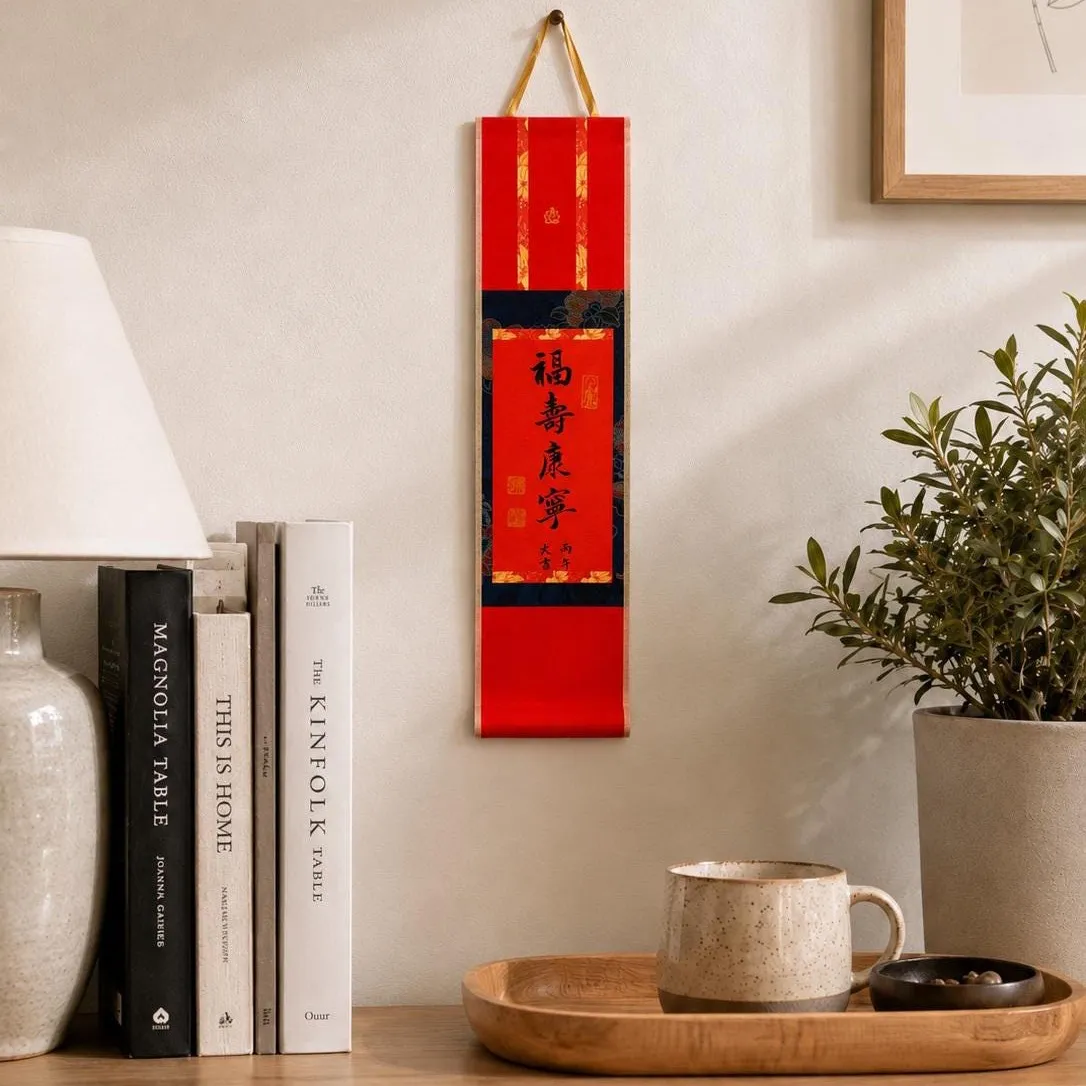
Photo shows a sample — yours will be brushed with 恩, or any character you choose.
Wall Scroll — for walls & housewarmingsfrom $38→ -
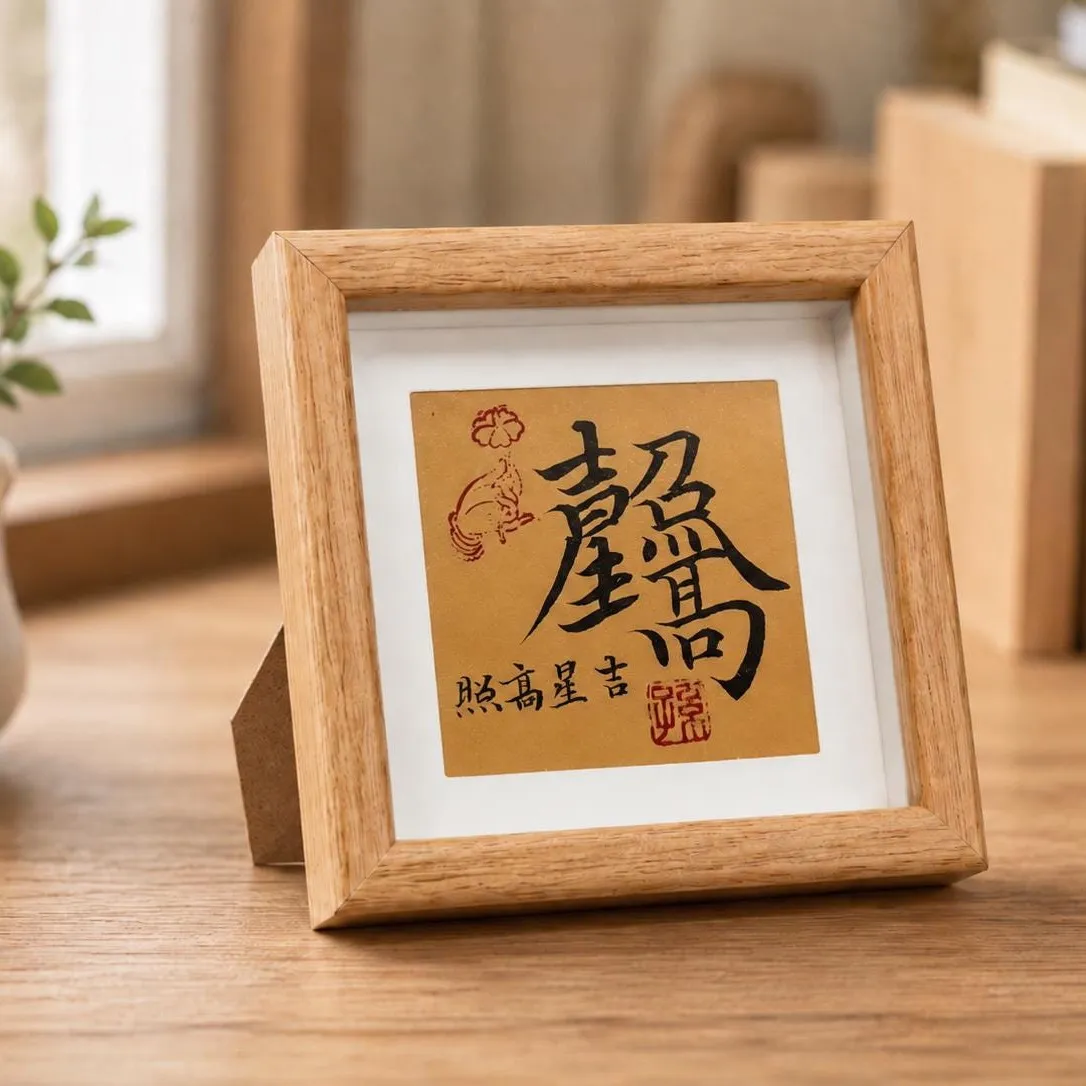
Photo shows a sample — yours will be brushed with 恩, or any character you choose.
Desk Frame — for desks, studies & studiosfrom $44→ -
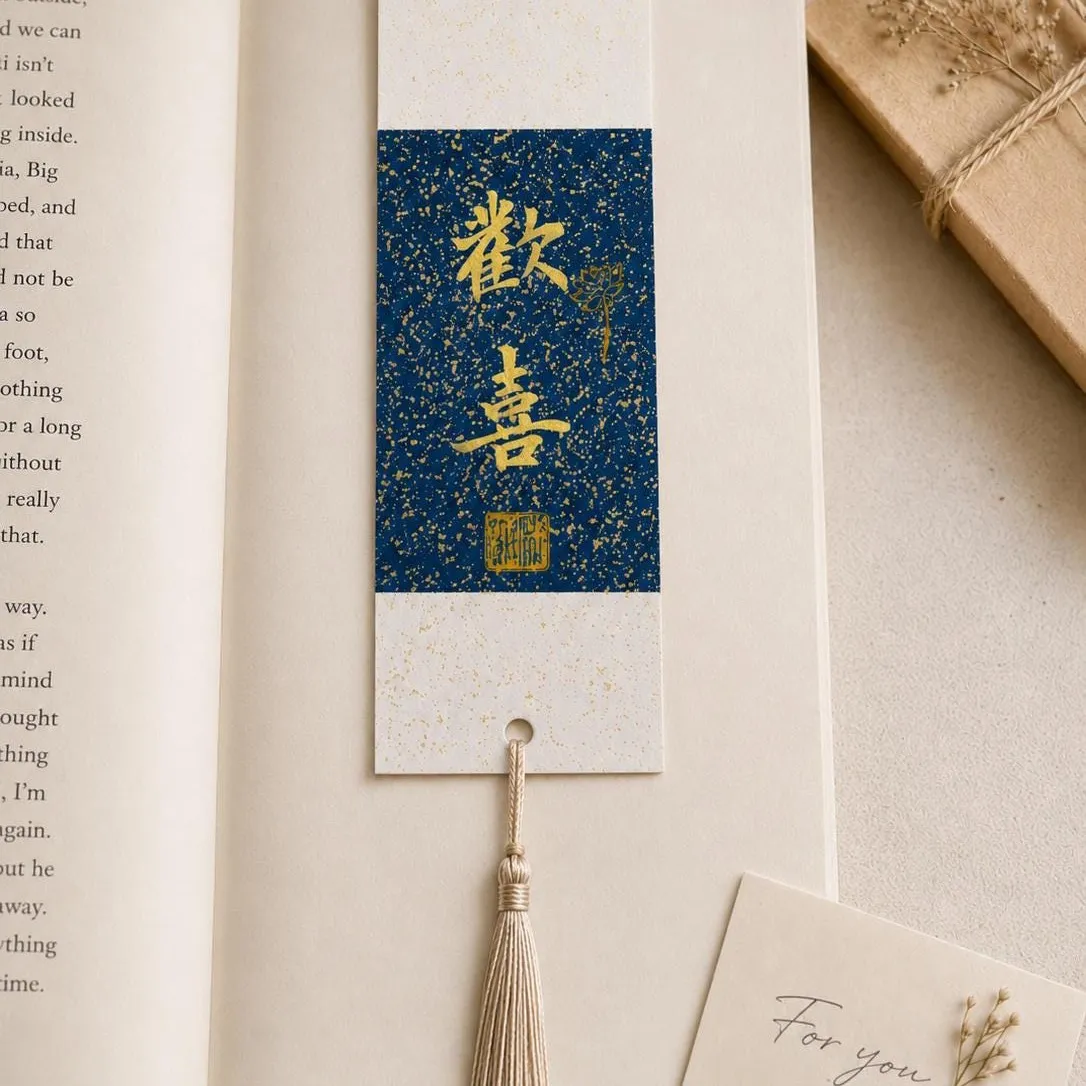
Photo shows a sample — yours will be brushed with 恩, or any character you choose.
Bookmark — for readers & small thank-yousfrom $17→
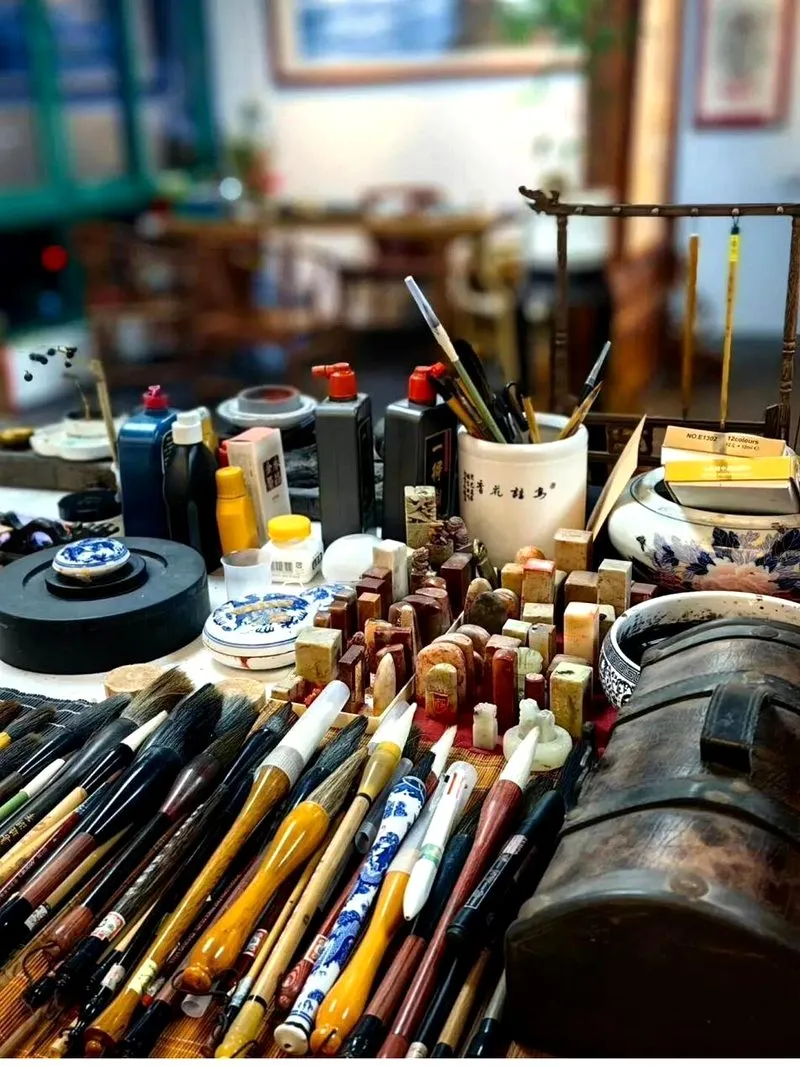
What people said after it arrived.
-
The item is fantastic. The customer service was genuine. Thanks!
— M.Verified purchase · from our Etsy shop reviews · -
They were great they gave me exactly what I asked for and then some. Thank you!!
— G.Verified purchase · from our Etsy shop reviews · -
It is well designed and customized. My daughter loves it. Amazing gift for family’s d friends
— S.Verified purchase · from our Etsy shop reviews ·
Each "恩" is hand-brushed by Artist Lina Sun on rice paper.
See 恩 (Ēn) on Etsy →