孝 (xiào) — Filial Piety · Devotion to Parents · Respect for Elders
A single character.
孝 is the most foundational virtue in Chinese family ethics — not one virtue among equals, but, in the Analects, the root from which all others grow. The oracle bone form is unambiguous: a small figure beneath the form of an elder, a child supporting their parent. Filial piety begins there, in that specific posture, before philosophy arrives to name it. Where 仁 names the orientation toward others in general, 孝 names the specific, prior case: this parent, this relationship, this debt.
In Chinese culture, 孝 has not remained abstract. The Classic of Filial Piety codified it into a comprehensive ethic; the proverb 百善孝为先 (“of the hundred virtues, 孝 comes first”) worked its way into everyday speech across dynasties. On Mother’s Day and Father’s Day, 孝 is the character that names the specific form of love the occasion calls for — not a general blessing but the recognition that a particular debt is owed to particular people, who gave something that cannot be fully returned. A 2013 Chinese law requiring adult children to visit elderly parents gives the word a contemporary institutional form that the Shuowen Jiezi author would have understood immediately.
A hand-brushed 孝 by FuBlessings is the gift for a parent or grandparent whose years of care have not been taken for granted. At Mother’s Day or Father’s Day, it names what the occasion is actually for — not a commercial occasion but the older practice: turning back toward the people who carried you, and saying so.
- filial piety
- devotion to parents
- respect for elders
- honoring one's parents
- obedience Obedience is just following orders. 孝 is the active carrying-forward of a parent — 子承老, the child bearing the elder — which includes care and gratitude, not mere compliance.
- respect Respect can be owed to anyone. 孝 is specific to the parent-child bond and the debt of having been raised — a directed, relational duty rather than a general regard.
- loyalty Loyalty (忠) faces outward to ruler, country, or cause. 孝 faces toward the family first — the prior relationship from which all the others are said to grow.
The short arms are the point: these readings don’t reach it.
- 耂 elderThe abbreviated form of 老 (old person, elder) sitting on top. The Shuowen wrote 孝 as 从老省 — the shortened 老 — placing the parent's generation above.
- 子 childThe character for child, beneath the elder. The Shuowen reading is 子承老也 — the child carries the elder. The structure is the meaning: the younger generation underneath, holding up the older.
character
- 孝顺 xiào shùn filial and obedient — devoted, attentive care for one's parents
- 孝心 xiào xīn a filial heart — the inner devotion an adult child feels toward parents
- 孝敬 xiào jìng to honor and provide for — filial care expressed through respect and support
- 孝道 xiào dào the way of filial piety — 孝 as a guiding principle of conduct
- 忠孝 zhōng xiào loyalty and filial piety — the two paired duties, to country and to family
The Story Behind the Character
The oracle bone form of 孝 is one of the most legible pictures in the entire script: a bent elder figure with a small child beneath, supporting them. The image made the argument before the philosophy arrived to articulate it. Filial piety began not with a doctrine but with a posture — the child underneath the weight of the elder, holding them up.
The Shuowen Jiezi confirms the visual reading: 孝,善事父母者。从老省,从子,子承老也 — "孝 is one who serves parents well. It is written with the abbreviated form of 老 (elder) over 子 (child): the child bearing the elder." The dictionary's language is worth pausing on: 承 means to receive, to carry, to succeed. The child does not merely obey the parent — they receive the parent's weight, carry it forward.
Confucius understood 孝 as foundational rather than subsidiary. In the Analects, his disciple Youzi says: 孝弟也者,其为仁之本与 — "Are not filial piety and fraternal care the root of all benevolence?" The argument is structural: 仁 (the orientation toward others that underlies all virtue) cannot be trained in the abstract. It is trained first at home, in the specific relationship between child and parent, before it extends outward into society. 孝 is where practice begins.
Classical lines
- roughly 200 years
- c. 600 BCE 《诗经·小雅·蓼莪》
- c. 400 BCE 《论语·学而》
- c. 400 BCE 《论语·里仁》
孝弟也者,其为仁之本与。 Are not filial piety and fraternal care the root of all benevolence?
Confucius's disciple Youzi, placing 孝 not alongside the other virtues but beneath them. The claim is structural: the orientation toward others that all virtue requires is first learned in this relationship.
父母在,不远游,游必有方。 While your parents are alive, do not travel far; when you must travel, have a fixed destination.
Among Confucius's most practical instructions, and the most easily dismissed. His point was not about geography but presence: the person who has not mastered being reliably there for their parents is not yet ready to be reliably there for anyone else.
哀哀父母,生我劬劳。 My grieving parents
with such toil you gave me life. — From 蓼莪, the Book of Songs' most sustained lament for a parent lost before the child could repay the debt of care. It has been the verse Chinese people reach for when the chance to practice 孝 has passed.
Why This Character Matters
百善孝为先 — "Of the hundred virtues, 孝 comes first" — is one of the most quoted moral aphorisms in Chinese history. The Classic of Filial Piety (《孝经》), a text built around dialogues between Confucius and his disciple Zengzi, opens with the statement: 身体发肤,受之父母,不敢毁伤,孝之始也 — "Our bodies, hair, and skin are received from our parents; to preserve them without damage is the beginning of filial piety." The institution of 孝 ran from the body outward to the household and then to the state: a ruler who could not practice 孝 at home could not be trusted to govern well.
In 2013, China's Amendment to the Law on Protection of Rights and Interests of the Elderly added a provision requiring adult children who do not live with their parents to visit them "often" — a legal expression of 孝 that drew international attention for enshrining a moral norm in statute. The law was widely discussed and gently mocked, but it also pointed to something real: 孝 in Chinese culture has never been only a sentiment. It is an obligation, and the culture has always treated it as one.
孝 is one of the most morally weighted characters in Chinese culture — the virtue summed up in 百善孝为先 (of the hundred virtues, filial piety comes first). A Chinese viewer reads it as deeply sincere and family-centered, and it is a meaningful, respectful choice for a tattoo honoring one's parents. It carries genuine emotional weight rather than reading as decorative; on a young person it signals devotion to family in a way elders particularly appreciate.
Calligraphy Styles for Tattoos
- Regular script (楷书 kǎishū) Best for tattoos
孝 is 7 strokes, stacked top-to-bottom — the abbreviated elder 耂 over the child 子. Regular script keeps the long central stroke clean and the two halves sharing one vertical axis. A clear, tattoo-friendly structure; minimum 1.5 inches.
- Running script (行书 xíngshū) Good for tattoos
Running script gives 孝 a flowing connection between the elder above and the child below, which suits its meaning of one generation supporting the next. The moderate stroke count keeps it legible at 2+ inches.
- Cursive script (草书 cǎoshū) Only with an expert calligrapher
Cursive 孝 can blur the boundary between the 耂 top and the 子 below into a single gesture. Only attempt with a calligrapher who can keep the stacked, two-generation structure readable.
Common Mistakes to Avoid
- Writing the top as the full 老 instead of the abbreviated 耂Intended: 孝 with the shortened elder form 耂 on top, not the complete 老
The top of 孝 is 老 with its lower part removed (耂) so the child 子 can sit beneath it. Drawing the complete 老 and then adding 子 produces a crowded, incorrect character — the abbreviation is what makes room for the child.
- Misaligning the vertical axis so 耂 and 子 do not share a center lineIntended: 孝 with the top and bottom stacked on one shared vertical
孝 is a top-bottom character, and the long downward stroke of 耂 should flow into the center of 子 below. If the two halves drift off-axis, the character looks like two unrelated pieces rather than one figure holding up another.
Notes for Your Tattoo Artist
7 strokes. A top-bottom character: the abbreviated elder 耂 sits above the child 子, the two sharing one vertical center line. The key is the long sweeping stroke of 耂 and the hook of 子 below it — they should read as continuous, one generation supporting the next. The most common error is letting the top spread too wide so 子 looks pinched beneath it. Plan for at least 1.5 inches to keep both halves balanced.
A few characters live near "孝" but mean something quieter, sharper, or more specific. Here's how to tell them apart.
the specific, prior case: this parent, this debt, this relationship
the general orientation toward all people — benevolence at large
the love that faces toward one's parents and family first
the loyalty that faces outward — to ruler, country, or cause
the relational debt to parents — care owed for having been raised
the respect and reverence one offers in any relationship of regard
孝 at Mother's Day names the specific form of recognition the occasion calls for: not a wish for health or longevity — those are 康宁 and 长寿 — but a direct acknowledgment of the relational debt.
- 孝 at Mother's Day names the specific form of recognition the occasion calls for: not a wish for health or longevity — those are 康宁 and 长寿 — but a direct acknowledgment of the relational debt. The years of care cannot be fully repaid, but 孝 names them. The most specifically filial choice in the Mother's Day catalog.
- 孝 at Father's Day does what most Father's Day gifts do not: name the direction of love explicitly and without sentiment. Where 德 recognizes what a father has become and 仁 names his orientation toward the family, 孝 names the reciprocal — the adult child's recognition that this relationship is foundational and that the recognition is owed.
Mom · Dad · Grandparent · or yourself
Looking for a name? See Western names written in Chinese →
-
What does 孝 (xiào) mean?
孝 (xiào) is the Chinese character for filial piety, devotion to parents, respect for elders. 孝 is the most foundational virtue in Chinese family ethics — not one virtue among equals, but, in the Analects, the root from which all others grow. The oracle bone form is unambiguous: a small figure beneath the form of an elder, a child supporting their parent. Filial piety begins there, in that specific posture, before philosophy arrives to name it. Where 仁 names the orientation toward others in general, 孝 names the specific, prior case: this parent, this relationship, this debt. 百善孝为先 — "Of the hundred virtues, 孝 comes first" — is one of the most quoted moral aphorisms in Chinese history. The Classic of Filial Piety (《孝经》), a text built around dialogues between Confucius and his disciple Zengzi, opens with the statement: 身体发肤,受之父母,不敢毁伤,孝之始也 — "Our bodies, hair, and skin are received from our parents; to preserve them without damage is the beginning of filial piety." The institution of 孝 ran from the body outward to the household and then to the state: a ruler who could not practice 孝 at home could not be trusted to govern well.
-
What occasions is 孝 given for?
孝 is traditionally given for Mother's Day, Father's Day. 孝 at Mother's Day names the specific form of recognition the occasion calls for: not a wish for health or longevity — those are 康宁 and 长寿 — but a direct acknowledgment of the relational debt. The years of care cannot be fully repaid, but 孝 names them. The most specifically filial choice in the Mother's Day catalog. 孝 at Father's Day does what most Father's Day gifts do not: name the direction of love explicitly and without sentiment. Where 德 recognizes what a father has become and 仁 names his orientation toward the family, 孝 names the reciprocal — the adult child's recognition that this relationship is foundational and that the recognition is owed.
-
Is 孝 a good Chinese tattoo?
孝 is one of the most morally weighted characters in Chinese culture — the virtue summed up in 百善孝为先 (of the hundred virtues, filial piety comes first). A Chinese viewer reads it as deeply sincere and family-centered, and it is a meaningful, respectful choice for a tattoo honoring one's parents. It carries genuine emotional weight rather than reading as decorative; on a young person it signals devotion to family in a way elders particularly appreciate.
-
Who brushes the 孝 calligraphy?
FuBlessings hand-brushes each 孝 (Xiào) to order, in ink on rice paper — never printed, never repeated.
Bring 孝 home — choose how you'd like it brushed.
-
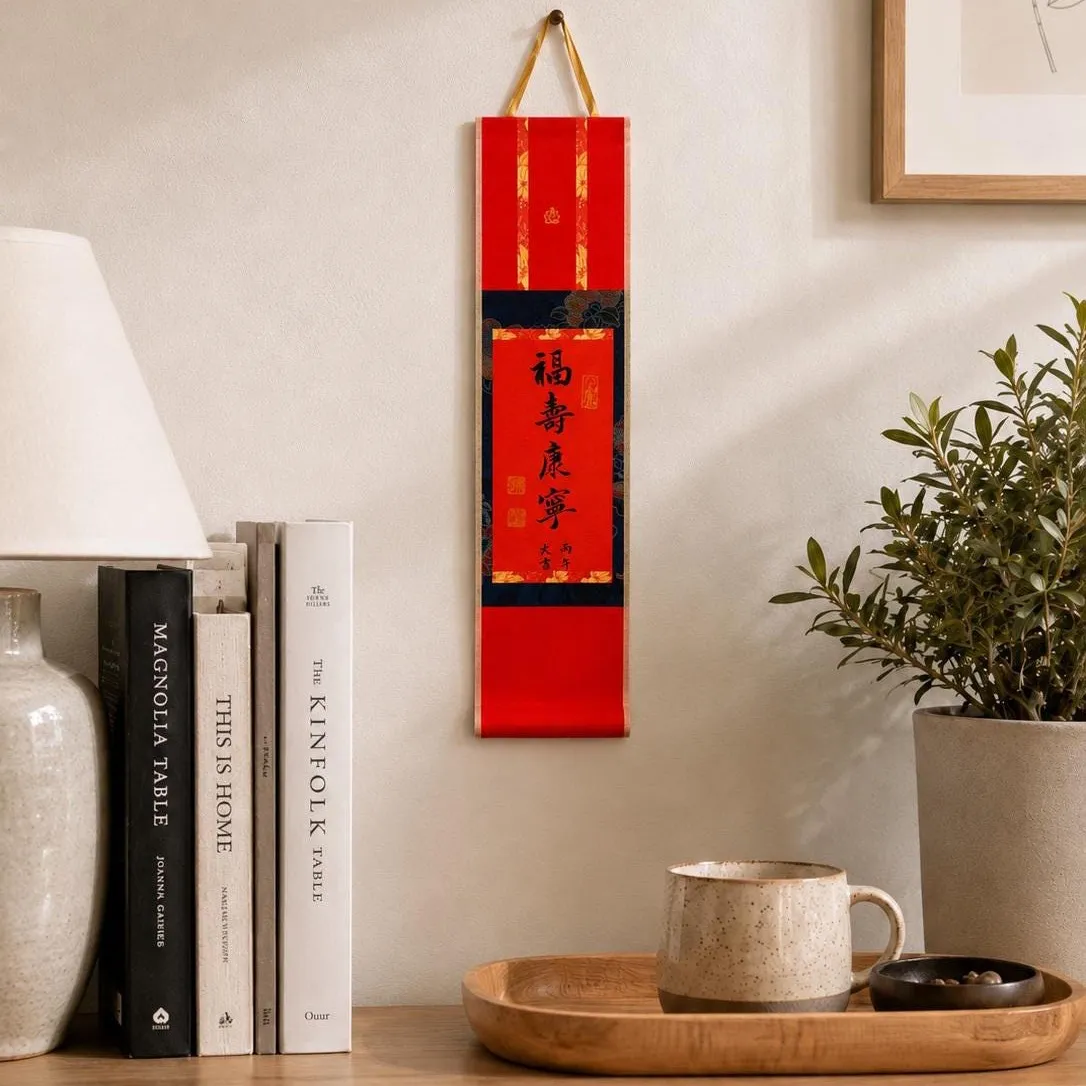
Photo shows a sample — yours will be brushed with 孝, or any character you choose.
Wall Scroll — for walls & housewarmingsfrom $38→ -
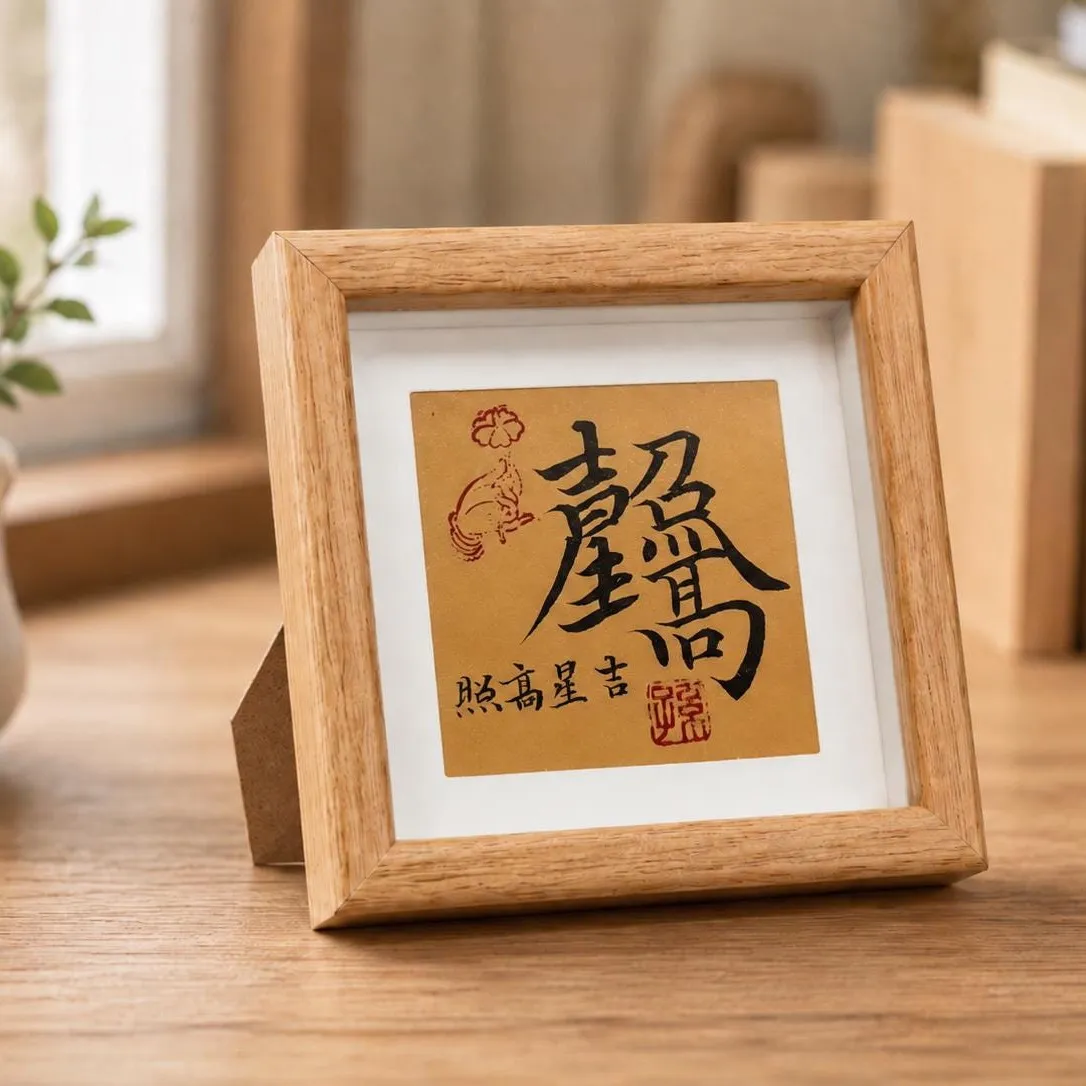
Photo shows a sample — yours will be brushed with 孝, or any character you choose.
Desk Frame — for desks, studies & studiosfrom $44→ -
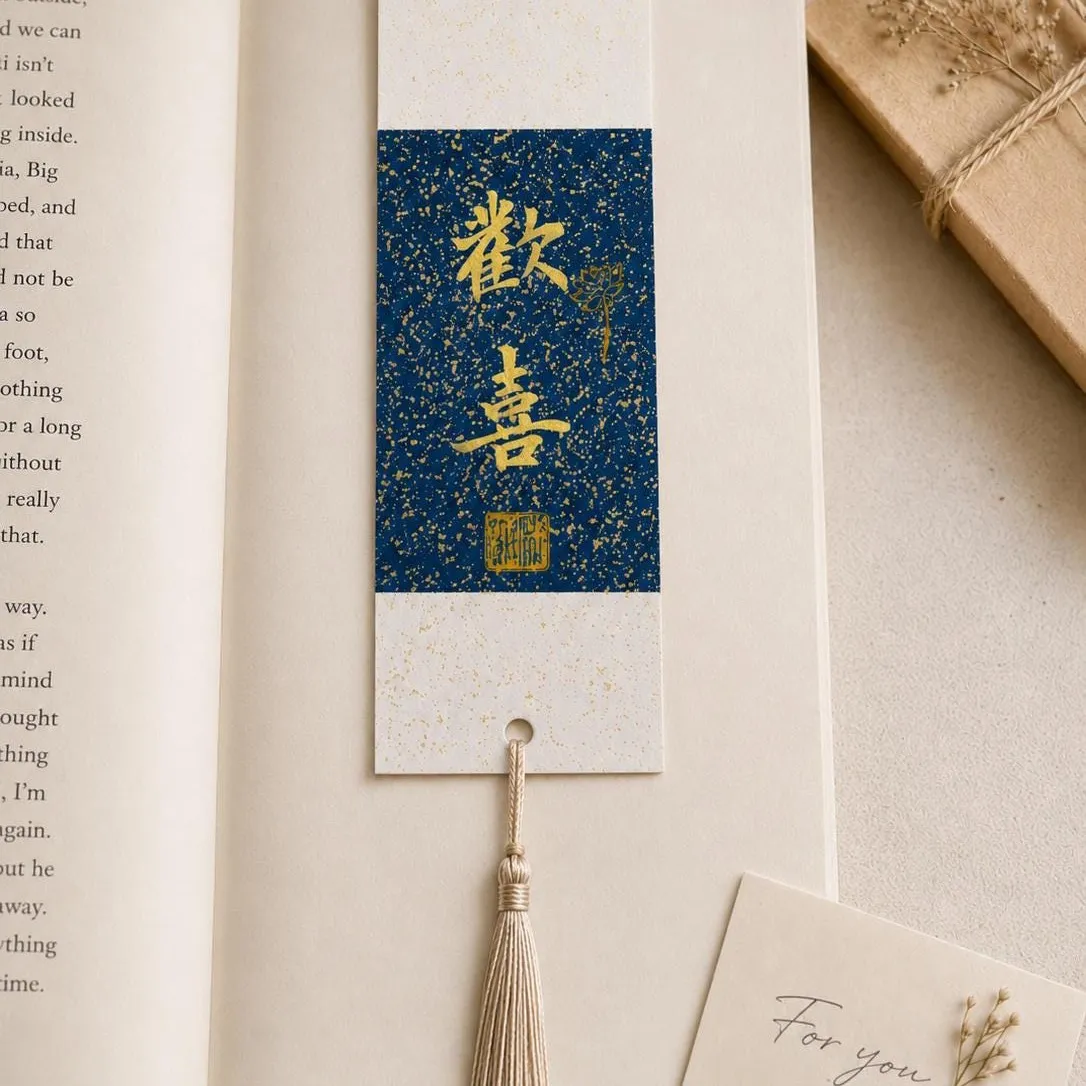
Photo shows a sample — yours will be brushed with 孝, or any character you choose.
Bookmark — for readers & small thank-yousfrom $14→
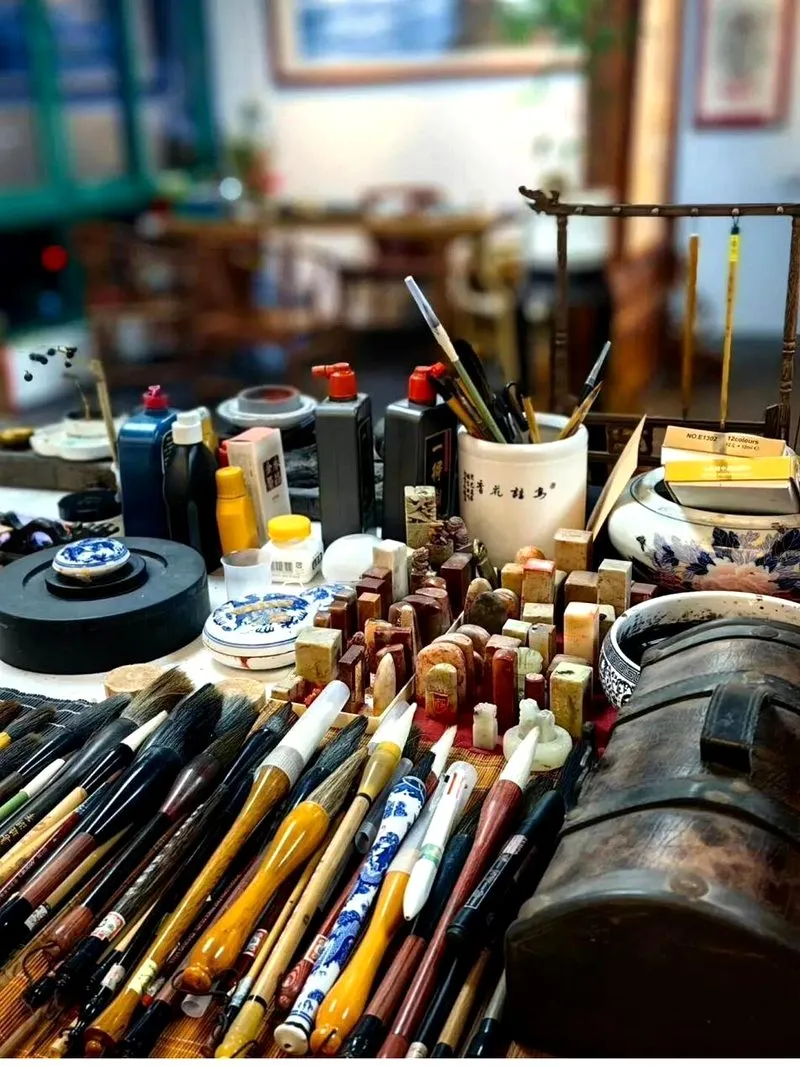
What people said after it arrived.
-
The item is fantastic. The customer service was genuine. Thanks!
— M.Verified purchase · from our Etsy shop reviews · -
They were great they gave me exactly what I asked for and then some. Thank you!!
— G.Verified purchase · from our Etsy shop reviews · -
It is well designed and customized. My daughter loves it. Amazing gift for family’s d friends
— S.Verified purchase · from our Etsy shop reviews ·
Each "孝" is hand-brushed by FuBlessings on rice paper.
See 孝 (Xiào) on Etsy →