感恩 (gǎn ēn) — Gratitude · Grace Received · Thankfulness
A two-character word, not a single character.
感恩 is the word for gratitude that has understood its own size. It joins 恩 — a kindness bestowed from above, the grace a parent or benefactor gives — with 感, the heart moved in answer to it. The two are not the same: a person can be given 恩 and feel nothing, and it is the 感 that completes it. This is why 感恩 sits apart from its neighbors. It is not 孝, the practiced duty of filial care, and it is not 报恩, the act of repaying; it names the inner turn that comes before both — the moment the weight of what you were given finally lands.
The word carries a long train of emblems behind it. 感恩戴德 and 感恩图报 both describe a gratitude that will not stay still but moves toward return; the crow feeding its aged parents (反哺) and the lamb kneeling to nurse (跪乳) are the folk images a Chinese child is taught for the debt owed to those who raised them. Li Mi built the most famous plea in the language, 陈情表, out of exactly this feeling — turning down an emperor to nurse his grandmother, and calling it 乌鸟私情, the private feeling of the crow. In modern Chinese the word has only widened: 感恩节 for Thanksgiving, and 学会感恩, to learn gratitude, as a value in its own right.
A hand-brushed “感恩” by FuBlessings is the gift for the person at the origin of your life — the mother, the father, the grandparent whose years of care cannot be itemized or repaid. It does not wish them fortune or long life; those are other characters. It says the rarer and harder thing: that the debt is felt, that what they gave has been weighed and understood, and that the child who received it has grown up enough to be moved by its size.
The Story Behind the Character
Both characters carry a heart at the foot of them. 感 sets 心 beneath 咸 — a graph that in the oracle bones showed an axe beside a mouth and came to mean "all, entirely, to the full." A heart moved wholly, then: the Shuowen Jiezi (c. 100 CE) defines 感 in three words, 动人心也, "to move the human heart." 恩 sets 心 beneath 因, which pictured a person stretched out on a mat — the thing one rests and relies upon. Kindness you can lean on, grace that arrives from a source above you: the same dictionary glosses 恩 in a single word, 惠, favor freely given.
Set together, the two divide the work of gratitude between them. 恩 is the kindness itself — the objective thing that was given, the favor a parent or benefactor bestows from above. 感 is the response to it — the heart stirred, moved, turned back toward the giver. A person can receive 恩 and feel nothing; 感恩 is the received kindness completed by the felt answer to it. This is what separates it from 报恩, to repay a kindness, and from 孝, the practiced duty of filial care: 感恩 names the inner turn that comes first — the moment the weight of what you were given lands, before any question of what you owe.
The compound gathered a family of set phrases around it. 感恩戴德 — to feel the kindness and carry the virtue of it — and 感恩图报, to feel gratitude and set about repaying, both name a gratitude that does not stay still but moves toward return. The classics supplied the emblems: Li Mi's memorial 陈情表, begging leave to nurse the grandmother who raised him; the crow that feeds its aged parents (反哺) and the lamb that kneels to nurse (跪乳), the folk images a child is taught for the debt owed to those who gave them care. In modern Chinese 感恩 has only widened — it names Thanksgiving, 感恩节, and stands on its own as a value: 学会感恩, to learn gratitude.
Classical lines
- roughly 900 years
- c. 600 BCE 《诗经·卫风·木瓜》
- c. 267 CE 《陈情表》李密
One further source is quoted below without a date printed, so it stays off the rail.
臣无祖母,无以至今日;祖母无臣,无以终余年。 Without my grandmother I would not have reached this day; without me, she would have no one to see out her remaining years.
Li Mi's plea to the emperor, declining a court appointment to care for the grandmother who had raised him from infancy. It is the classic Chinese statement of 感恩: a debt of care felt so exactly that repaying it comes before rank and before duty.
投我以木桃,报之以琼瑶。匪报也,永以为好也。 You gave me a peach; I answer with fine jade
not as repayment, but so our bond will last forever. — One of the oldest lines about meeting a small kindness with a far greater gift. The closing turn is the whole point of 感恩: the jade is not a transaction that clears a debt but the wish to keep the goodwill alive.
滴水之恩,当涌泉相报。 A kindness received in a single drop should be repaid with a gushing spring.
The proverb every Chinese child learns for gratitude: the scale of the return should dwarf the size of the favor. It fixes 感恩 as more than a feeling — a kindness truly felt carries the impulse to repay it many times over.
Why This Character Matters
Chinese fixes gratitude in two animals. 羊有跪乳之恩,鸦有反哺之义 — the lamb kneels to take its mother's milk, the crow feeds its aged parents in return — a folk couplet that turns 感恩 into something even beasts are said to practice, so that a person who forgets a kindness is held to have fallen below them. The crow's 反哺 became the standard emblem: Li Mi reached for it in 陈情表, calling his wish to nurse his grandmother 乌鸟私情, "the private feeling of the crow," and won the emperor's leave to stay with it.
The word draws a line worth keeping. 感恩 is not 报恩: 报恩 is the act of repaying, while 感恩 is the feeling that makes repayment want to happen — the softer, prior thing. It is also more than politeness; 谢 (to thank) closes a small exchange, but 感恩 is reserved for kindness large enough to have shaped you — the years of a parent's care, the grandparent who raised you. That scale is why it sits so naturally as a gift to the people at the origin of your life: not a thank-you for a thing done, but a naming of the debt that cannot be itemized.
For the Mother's Day gift that names not a wish for her but a feeling toward her — gratitude for years of care that cannot be itemized or repaid.
- For the Mother's Day gift that names not a wish for her but a feeling toward her — gratitude for years of care that cannot be itemized or repaid. Where 孝 names the duty of filial care and 慈 names the tenderness she gave, 感恩 names the child's side of it: the heart finally turning to weigh what she gave and being moved by the size of it. Most apt for the mother to whom you want to say, plainly, that the debt is felt — 感恩 is the character for gratitude that has grown up enough to understand how large it is.
- For the Father's Day gift from a grown child who has come to see what the father quietly carried. 感恩 is gratitude that arrives late and lands hard — the recognition of years of provision and steadiness that were never announced and never asked to be thanked. Where 父爱如山 names the father's love as silent, immovable weight and 孝 names the duty owed back, 感恩 names the feeling in between: the son or daughter, now old enough, moved by what they were given. The gift for the father whose sacrifices you understood only after you had to make your own.
- For the birthday when the gift should look backward with thanks rather than forward with a wish — most often a parent's or grandparent's, marked by the child who owes them their start. 感恩 names that gratitude: the felt weight of a life made possible by someone else's care. Where 长寿 wishes more years and 福 wishes good fortune, 感恩 says the thing the giver rarely hears aloud — that the years already given are seen, and held with thanks.
Mom · Dad · Grandparent · or yourself
Looking for a name? See Western names written in Chinese →
-
What does 感恩 (gǎn ēn) mean?
感恩 (gǎn ēn) is a two-character Chinese word for gratitude, grace received, thankfulness. 感恩 is the word for gratitude that has understood its own size. It joins 恩 — a kindness bestowed from above, the grace a parent or benefactor gives — with 感, the heart moved in answer to it. The two are not the same: a person can be given 恩 and feel nothing, and it is the 感 that completes it. This is why 感恩 sits apart from its neighbors. It is not 孝, the practiced duty of filial care, and it is not 报恩, the act of repaying; it names the inner turn that comes before both — the moment the weight of what you were given finally lands. Chinese fixes gratitude in two animals. 羊有跪乳之恩,鸦有反哺之义 — the lamb kneels to take its mother's milk, the crow feeds its aged parents in return — a folk couplet that turns 感恩 into something even beasts are said to practice, so that a person who forgets a kindness is held to have fallen below them. The crow's 反哺 became the standard emblem: Li Mi reached for it in 陈情表, calling his wish to nurse his grandmother 乌鸟私情, "the private feeling of the crow," and won the emperor's leave to stay with it.
-
What occasions is 感恩 given for?
感恩 is traditionally given for Mother's Day, Father's Day, Birthday. For the Mother's Day gift that names not a wish for her but a feeling toward her — gratitude for years of care that cannot be itemized or repaid. Where 孝 names the duty of filial care and 慈 names the tenderness she gave, 感恩 names the child's side of it: the heart finally turning to weigh what she gave and being moved by the size of it. Most apt for the mother to whom you want to say, plainly, that the debt is felt — 感恩 is the character for gratitude that has grown up enough to understand how large it is. For the Father's Day gift from a grown child who has come to see what the father quietly carried. 感恩 is gratitude that arrives late and lands hard — the recognition of years of provision and steadiness that were never announced and never asked to be thanked. Where 父爱如山 names the father's love as silent, immovable weight and 孝 names the duty owed back, 感恩 names the feeling in between: the son or daughter, now old enough, moved by what they were given. The gift for the father whose sacrifices you understood only after you had to make your own.
-
Who brushes the 感恩 calligraphy?
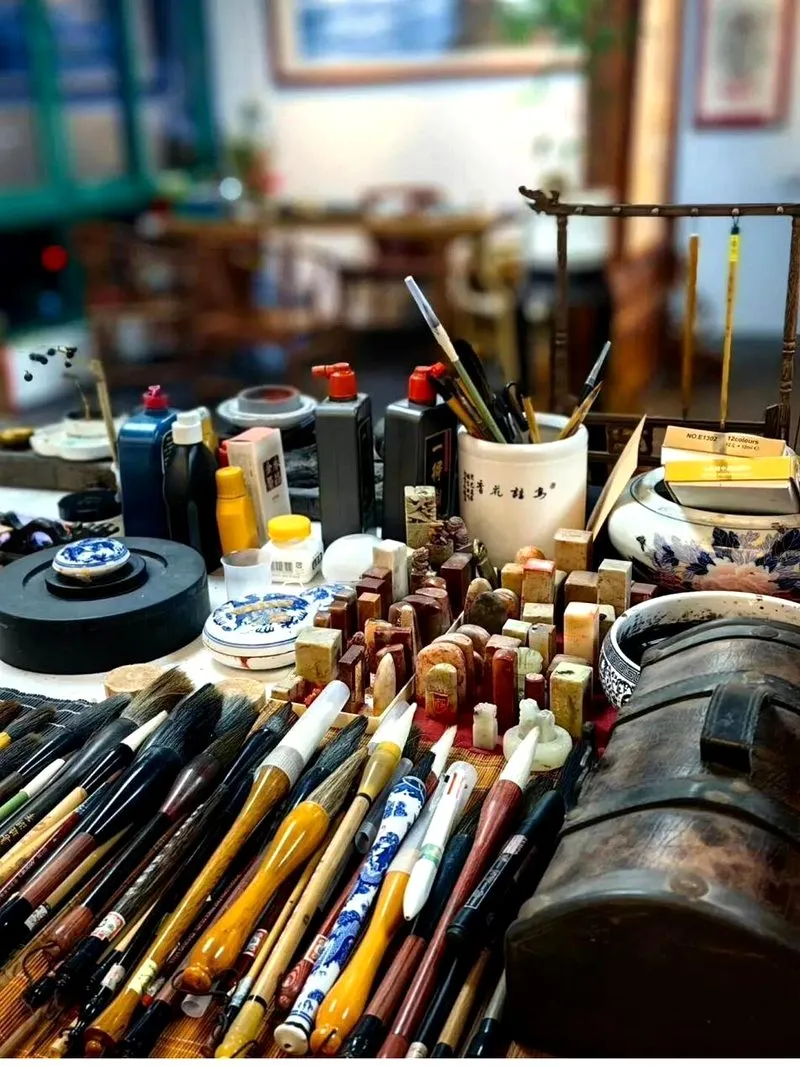
FuBlessings hand-brushes each 感恩 (Gǎn Ēn) to order, in ink on rice paper — never printed, never repeated.
Bring 感恩 home — choose how you'd like it brushed.
-
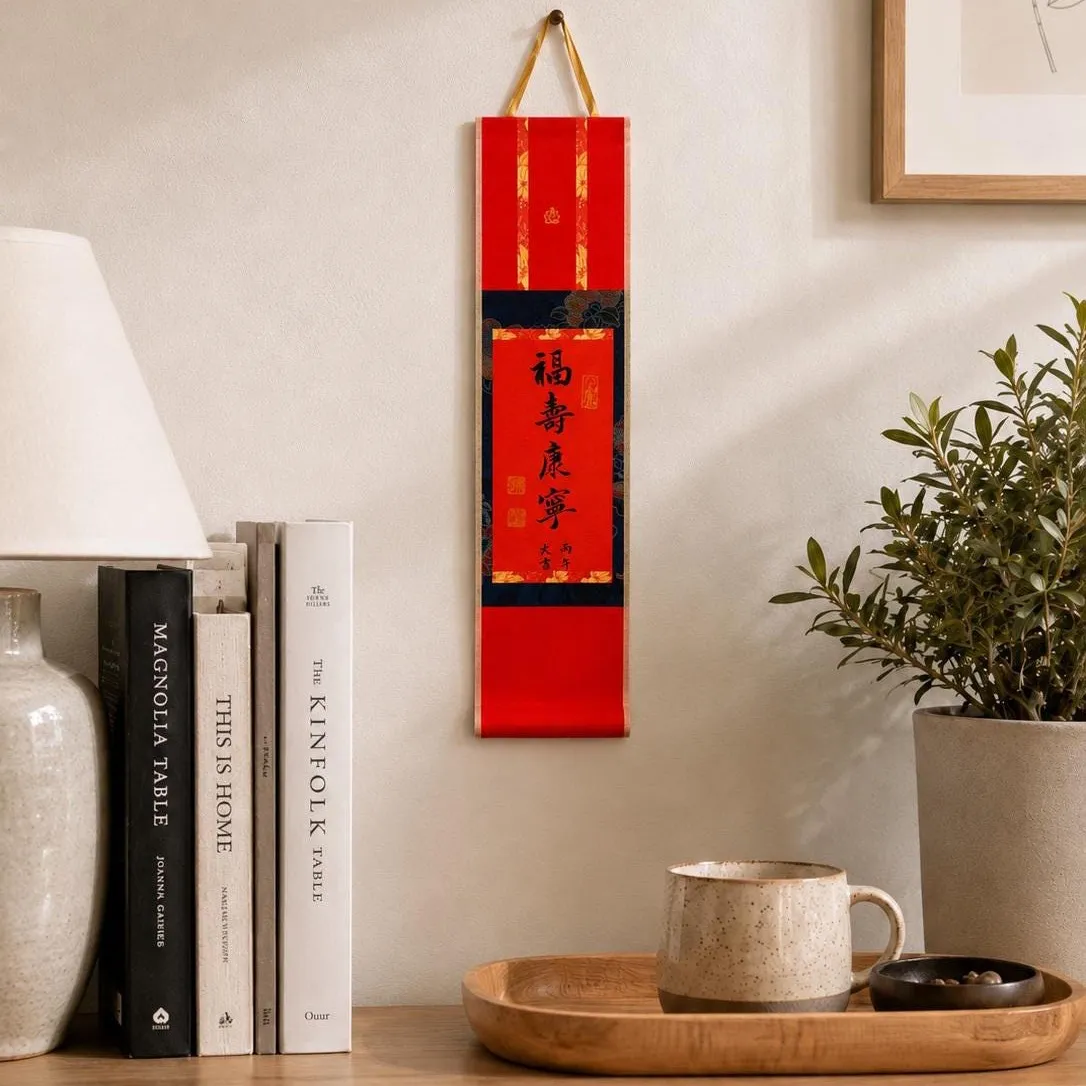
Photo shows a sample — yours will be brushed with 感恩, or any character you choose.
Wall Scroll — for walls & housewarmingsfrom $38→ -
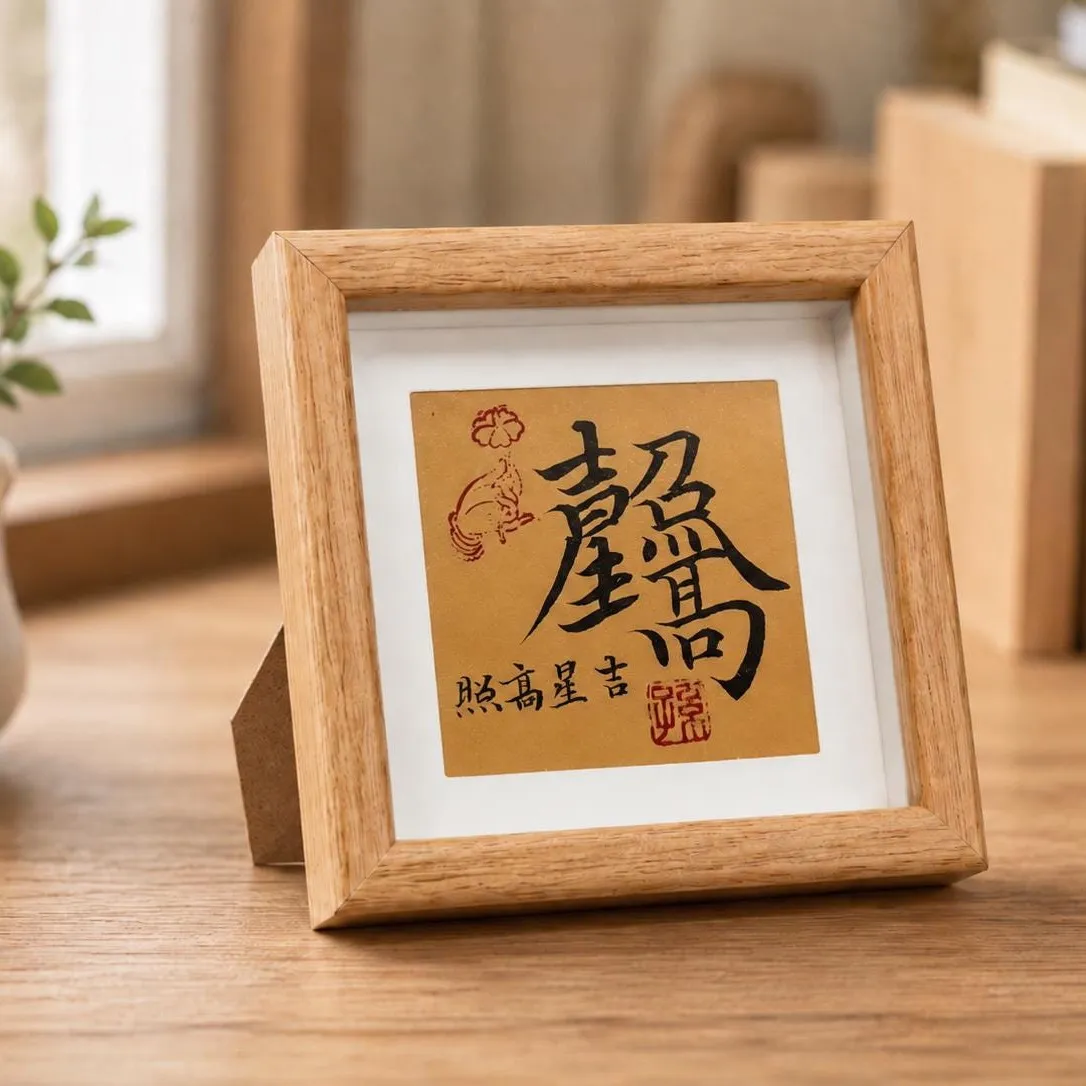
Photo shows a sample — yours will be brushed with 感恩, or any character you choose.
Desk Frame — for desks, studies & studiosfrom $44→ -
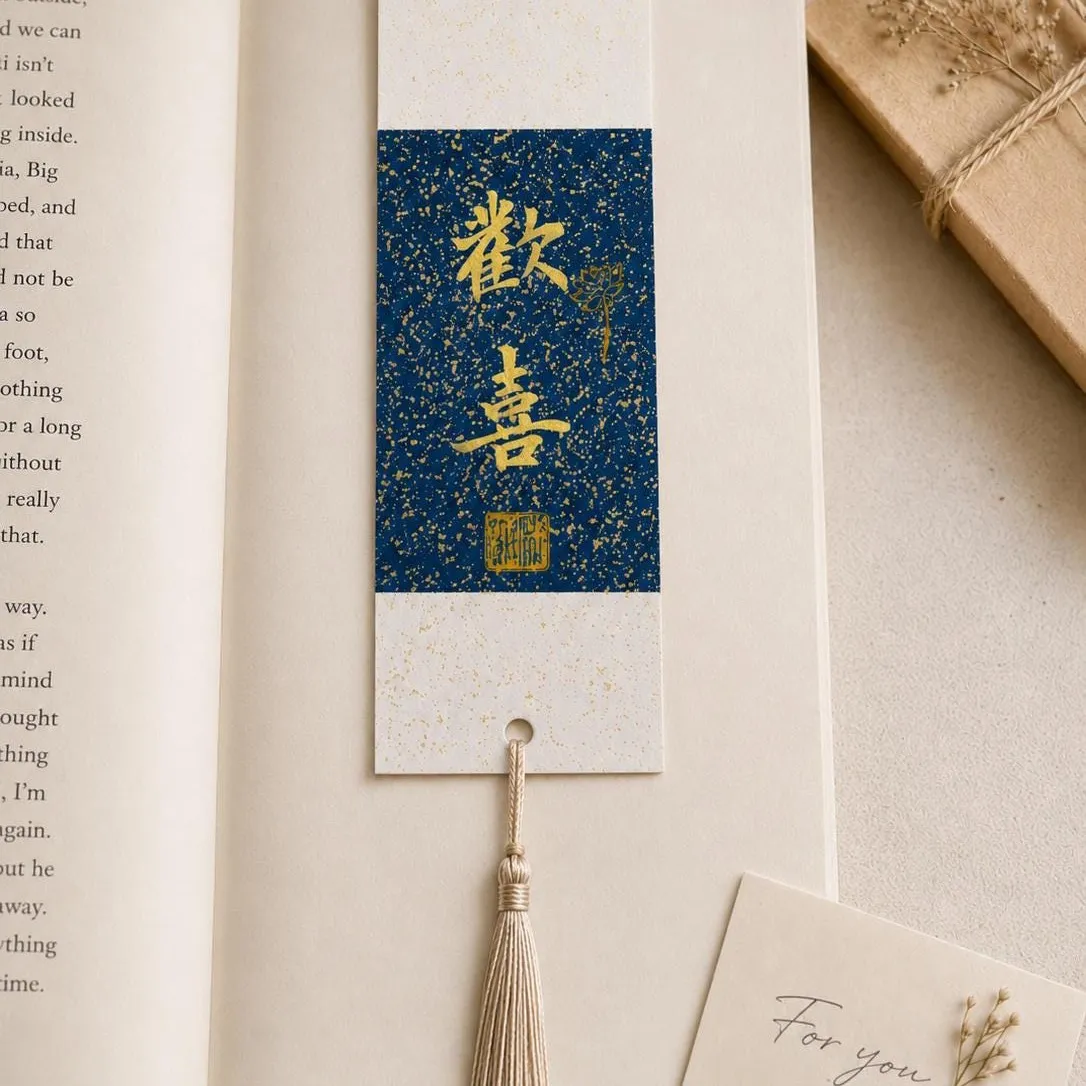
Photo shows a sample — yours will be brushed with 感恩, or any character you choose.
Bookmark — for readers & small thank-yousfrom $14→
What people said after it arrived.
-
The item is fantastic. The customer service was genuine. Thanks!
— M.Verified purchase · from our Etsy shop reviews · -
They were great they gave me exactly what I asked for and then some. Thank you!!
— G.Verified purchase · from our Etsy shop reviews · -
It is well designed and customized. My daughter loves it. Amazing gift for family’s d friends
— S.Verified purchase · from our Etsy shop reviews ·
Each "感恩" is hand-brushed by FuBlessings on rice paper.
See 感恩 (Gǎn Ēn) on Etsy →