慈 (cí) — Compassion · Tender Love · Loving-Kindness
A single character.
Not all love points in the same direction. 爱 can run between any two people; 慈 only runs downward — from a parent to a child, an elder to the young, the strong to the fragile. It is the love that protects rather than the love that longs, the care that helps something smaller grow rather than the affection that seeks something in return. A child is never described as 慈 toward a parent — that devotion is 孝. 慈 is the half of the bond held by whoever is doing the sheltering.
You meet the word wherever Chinese describes tenderness toward the vulnerable. A kind-faced grandmother is 慈祥; a mother’s love is 慈爱; the affectionate, classical way to name one’s own mother in writing is 家慈, “the loving one of my house.” When Buddhism needed a word for boundless compassion, it chose 慈 — pairing it with 悲 to make 慈悲, the wish to give others joy and lift their suffering away. And the most famous poem about a mother in the language opens on 慈母手中线, the thread in a loving mother’s hands, sewing warmth into a coat her son will wear far from home.
A hand-brushed 慈 by Artist Lina Sun is for the person whose love has always flowed toward you — the mother, the grandparent, the one who sheltered something smaller and asked for nothing back. Where 爱 → names love between equals, 慈 names the love that bends down to hold you. It is, quietly, the most parental character in the language.
- tender, protective love
- the love an elder gives the young
- compassion / loving-kindness
- kindness that flows downward
- love 爱 runs in any direction — between lovers, friends, equals. 慈 only flows downward, from the one who protects to the one protected.
- benevolence 仁 is a moral principle, the virtue of treating all people well. 慈 is warmer and more particular — the felt tenderness of a parent, not an ethical stance.
- kindness 善 is goodness as a general trait of character. 慈 is kindness with a direction and a softness to it — care bent toward someone fragile.
The short arms are the point: these readings don’t reach it.
- 兹 growth / abundance (and sound)A doubled skein of silk threads; in the oldest dictionaries it meant luxuriant, multiplying growth — 'grass and trees increasing.' It lends 慈 both its sound and the sense of nurturing something into flourishing.
- 心 heartThe heart radical at the base. 慈 is a quality of the heart rather than an action of the hands — the inner disposition to care for what is smaller and weaker.
character
- 慈悲 cí bēi compassion — the bodhisattva's wish to give joy (慈) and remove suffering (悲)
- 慈母 cí mǔ a loving mother — the classical pairing of 慈 with motherhood
- 慈祥 cí xiáng kindly and gentle — said of the warm face of an elder
- 慈爱 cí ài loving care — the tenderness of a parent or elder toward the young
- 仁慈 rén cí benevolent and kind — mercy joined to moral goodness
The Story Behind the Character
Beneath the heart that forms its base, 慈 carries an older picture of growing things. The top element, 兹, began as a doubled skein of silk threads, and in the earliest dictionaries it meant rank, multiplying growth — "草木多益," grass and trees increasing. Set that abundance over 心, the heart, and you have the character's literal architecture: the heart that makes things grow. Not love as a feeling that washes back and forth between equals, but love as cultivation — the care that bends downward to help something smaller flourish.
China's first dictionary (Shuowen Jiezi, c. 100 CE) glossed it plainly: "慈,爱也" — 慈 is love. But the classics had already specified which love. In the Book of Rites, 慈 names the duty that runs the opposite direction from 孝 (filial devotion): "父慈,子孝" — the parent is loving, the child is filial. 慈 always flows from the elder to the younger, from the strong to the weak, from the one who has to the one who needs. A child is never described as 慈 toward a parent; that devotion is 孝. The direction is built into the meaning.
Buddhism, arriving from India, found the character waiting for its purpose. Translators paired 慈 with 悲 to render the two faces of compassion — 慈 the wish to give others happiness, 悲 the wish to lift their suffering away. 慈悲 became the word for the boundless kindness of a bodhisattva. From a mother's care to a buddha's mercy, 慈 kept its single shape: love that reaches down to hold what is fragile.
Classical lines
- roughly 1,000 years
- c. 200 BCE 《礼记·礼运》
- c. 809 CE 白居易《慈乌夜啼》
One further source is quoted below without a date printed, so it stays off the rail.
我有三宝,持而保之:一曰慈,二曰俭,三曰不敢为天下先。 I hold three treasures and guard them: the first is compassion, the second restraint, the third is daring not to be first in the world.
Laozi names 慈 the first of his three treasures, then adds that 'from compassion comes courage' (慈故能勇). The tenderness is not weakness; it is what makes a person brave enough to protect.
父慈,子孝,兄良,弟弟。 The parent is loving, the child is filial, the elder sibling is kind, the younger is respectful.
From the Book of Rites' list of human duties. 慈 is the parent's half of the bond — the love that flows downward — answered by 孝, the devotion that flows back up. The two are a single relationship seen from both ends.
慈乌失其母,哑哑吐哀音。 The loving crow has lost its mother, and caws out a grieving cry.
Bai Juyi opens his poem on the bird Chinese tradition holds as the model of devotion: the crow that, having been fed by its mother, refuses to leave the old forest after she dies. The poem measures a mother's 慈 by the grief it leaves behind.
Why This Character Matters
The most tender way to refer to your own mother in classical Chinese is not 母 but 家慈 — "the 慈 of my house." There is a matching term for one's father, 家严, "the strict one of my house." The pair encodes a whole theory of parenting in two words: the mother is the 慈, the source of warmth; the father is the 严, the source of discipline. 慈母严父 — "loving mother, strict father" — is still the phrase Chinese speakers reach for to describe the two poles a child grows up between.
That association is strong enough that 慈 alone can stand for motherhood. 慈母手中线 — "the thread in a loving mother's hands" — opens the best-known poem about maternal love in the language. And the word travels upward in age as easily as it flows down through a family: an elderly woman of great kindness is 慈祥, her face a 慈颜, and the compassion of the bodhisattva Guanyin is 大慈大悲. Wherever the love is protective and bends toward someone smaller or weaker, 慈 is the character that names it.
慈 reads as gentle and a little classical to a Chinese eye — it is strongly tied to mothers (慈母) and to Buddhist compassion (慈悲). As a tattoo it comes across as warm and sincere, often understood as a tribute to a mother or a vow of kindness. It is far less common than 福 or 爱, so it feels more personal and considered.
Calligraphy Styles for Tattoos
- Regular script (楷书 kǎishū) Best for tattoos
慈 stacks tall — 兹 on top, 心 spread beneath, 13 strokes in all. Regular script keeps the two halves cleanly separated so the heart radical stays legible. Minimum recommended size: 2 inches.
- Running script (行书 xíngshū) Good for larger pieces
Softens the stacked structure into something more flowing, which suits the character's warmth — but the four marks of 心 can blur at small sizes. Best at 2.5+ inches.
- Clerical script (隶书 lìshū) A graceful alternative
The broad, settled strokes of clerical script give 慈 a calm, grounded feel that fits its meaning. The wide 心 at the base sits especially well in this style.
Common Mistakes to Avoid
- Confusing 慈 (cí) with 滋 (zī)Intended: Compassion / loving-kindness
Both share the 兹 element, but 滋 has the water radical 氵 on the left and means 'to moisten or multiply.' 慈 has 心 (heart) at the base. Swap the radical and you have written 'to nourish with water,' not 'tender love.'
- Cramping the 心 radical at the baseIntended: 慈 with a broad, open heart radical
The heart radical 心 carries the meaning of the character and needs room to spread beneath 兹. A pinched or narrow 心 is the most common proportion error and leaves the character looking top-heavy.
Notes for Your Tattoo Artist
13 strokes in a tall stack: 兹 on top, 心 at the base. The key to good proportion is letting 心 spread wide enough to anchor the character — it should be at least as wide as the element above it, and its marks kept distinct. Plan for a minimum of 2 inches.
A few characters live near "慈" but mean something quieter, sharper, or more specific. Here's how to tell them apart.
love that flows downward — from parent to child, elder to young
love in any direction — between partners, friends, equals
the felt, particular tenderness of a parent, warm and close
benevolence as a moral principle — treating all people well
kindness bent toward someone fragile, with a parent's softness
goodness as a general trait of character
For the mother whose love only ever pointed one direction — toward you.
- For the mother whose love only ever pointed one direction — toward you. 慈 names exactly that: not love between equals (爱) but the protective, downward-flowing care a parent gives a child. It is the half of the parent-child bond the mother holds, answered by 孝 from the child. The most precise character there is for a mother's tenderness — the classical word for one's own mother, 家慈, is built from it.
- For the parents about to learn what 慈 feels like from the inside. The character names the love that bends down to shelter something small and fragile — the exact disposition a new child calls out of a parent. A quiet wish that the home about to grow will be one where that tenderness comes easily.
- For an elder — a mother, a grandparent — whose kindness has been the steady warmth others grew up inside. 慈 on a birthday is recognition rather than wish: it names the gentle, protective love a Chinese speaker hears in 慈祥, the word for a kind elder's face. Best for the person whose care has always flowed toward those smaller and younger than themselves.
Mom · Grandparent · New Parent · or yourself
Looking for a name? See Western names written in Chinese →
-
What does 慈 (cí) mean?
慈 (cí) is the Chinese character for compassion, tender love, loving-kindness. Not all love points in the same direction. 爱 can run between any two people; 慈 only runs downward — from a parent to a child, an elder to the young, the strong to the fragile. It is the love that protects rather than the love that longs, the care that helps something smaller grow rather than the affection that seeks something in return. A child is never described as 慈 toward a parent — that devotion is 孝. 慈 is the half of the bond held by whoever is doing the sheltering. The most tender way to refer to your own mother in classical Chinese is not 母 but 家慈 — "the 慈 of my house." There is a matching term for one's father, 家严, "the strict one of my house." The pair encodes a whole theory of parenting in two words: the mother is the 慈, the source of warmth; the father is the 严, the source of discipline. 慈母严父 — "loving mother, strict father" — is still the phrase Chinese speakers reach for to describe the two poles a child grows up between.
-
What occasions is 慈 given for?
慈 is traditionally given for Mother's Day, Baby Shower, Birthday. For the mother whose love only ever pointed one direction — toward you. 慈 names exactly that: not love between equals (爱) but the protective, downward-flowing care a parent gives a child. It is the half of the parent-child bond the mother holds, answered by 孝 from the child. The most precise character there is for a mother's tenderness — the classical word for one's own mother, 家慈, is built from it. For the parents about to learn what 慈 feels like from the inside. The character names the love that bends down to shelter something small and fragile — the exact disposition a new child calls out of a parent. A quiet wish that the home about to grow will be one where that tenderness comes easily.
-
Is 慈 a good Chinese tattoo?
慈 reads as gentle and a little classical to a Chinese eye — it is strongly tied to mothers (慈母) and to Buddhist compassion (慈悲). As a tattoo it comes across as warm and sincere, often understood as a tribute to a mother or a vow of kindness. It is far less common than 福 or 爱, so it feels more personal and considered.
-
Who brushes the 慈 calligraphy?
Each 慈 (Cí) is hand-brushed to order by Artist Lina Sun in ink on rice paper — never printed, never repeated.
Bring 慈 home — choose how you'd like it brushed.
-
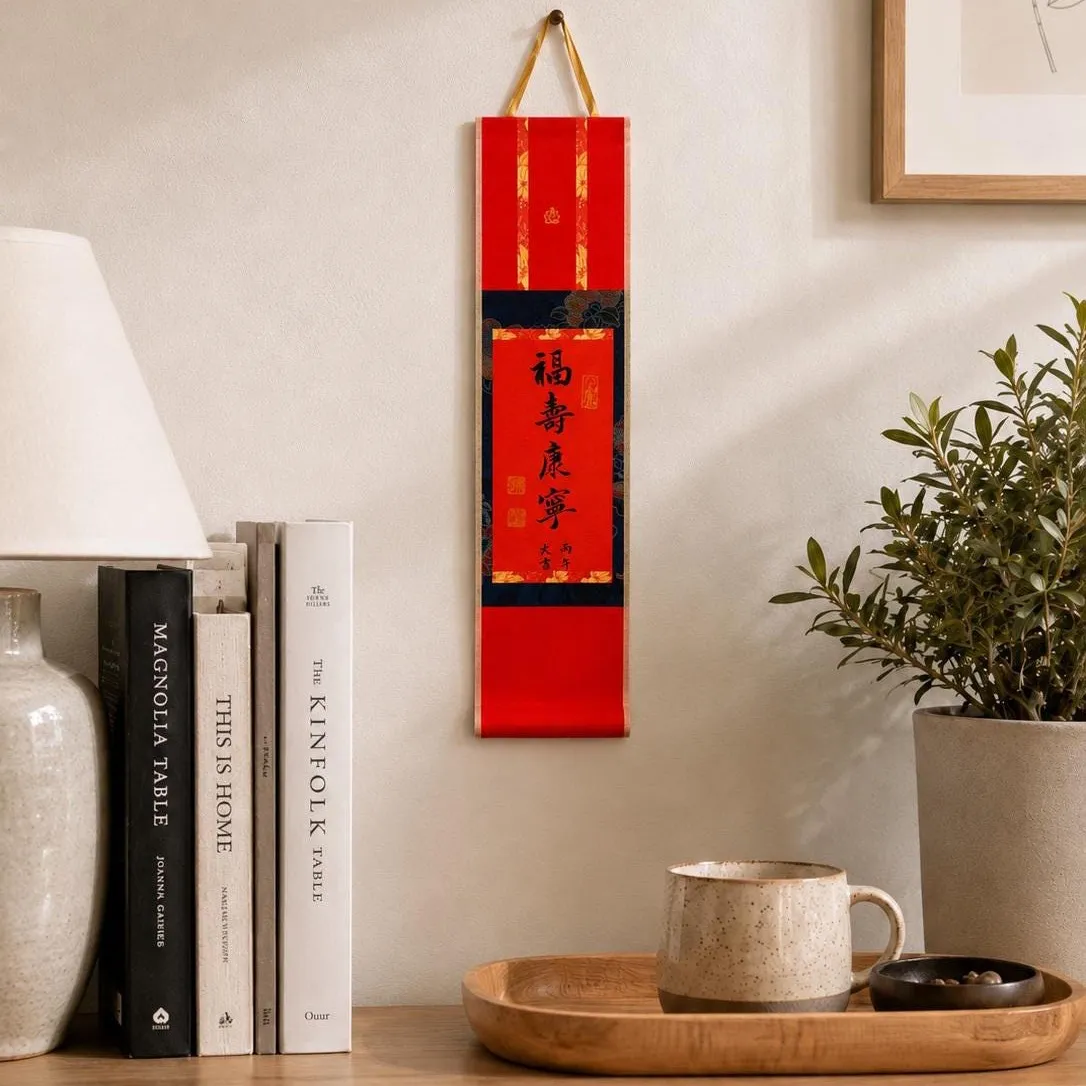
Photo shows a sample — yours will be brushed with 慈, or any character you choose.
Wall Scroll — for walls & housewarmingsfrom $38→ -
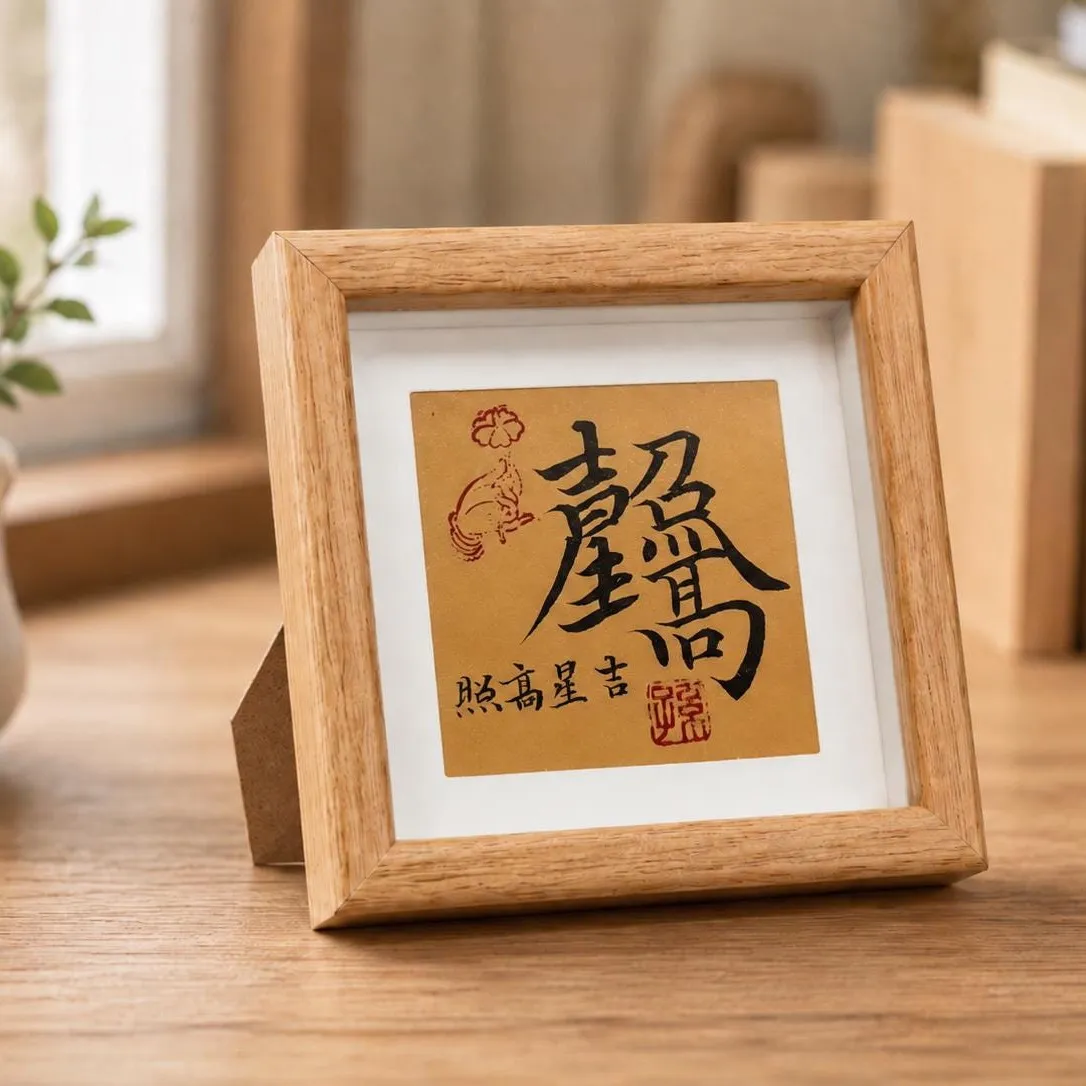
Photo shows a sample — yours will be brushed with 慈, or any character you choose.
Desk Frame — for desks, studies & studiosfrom $44→ -
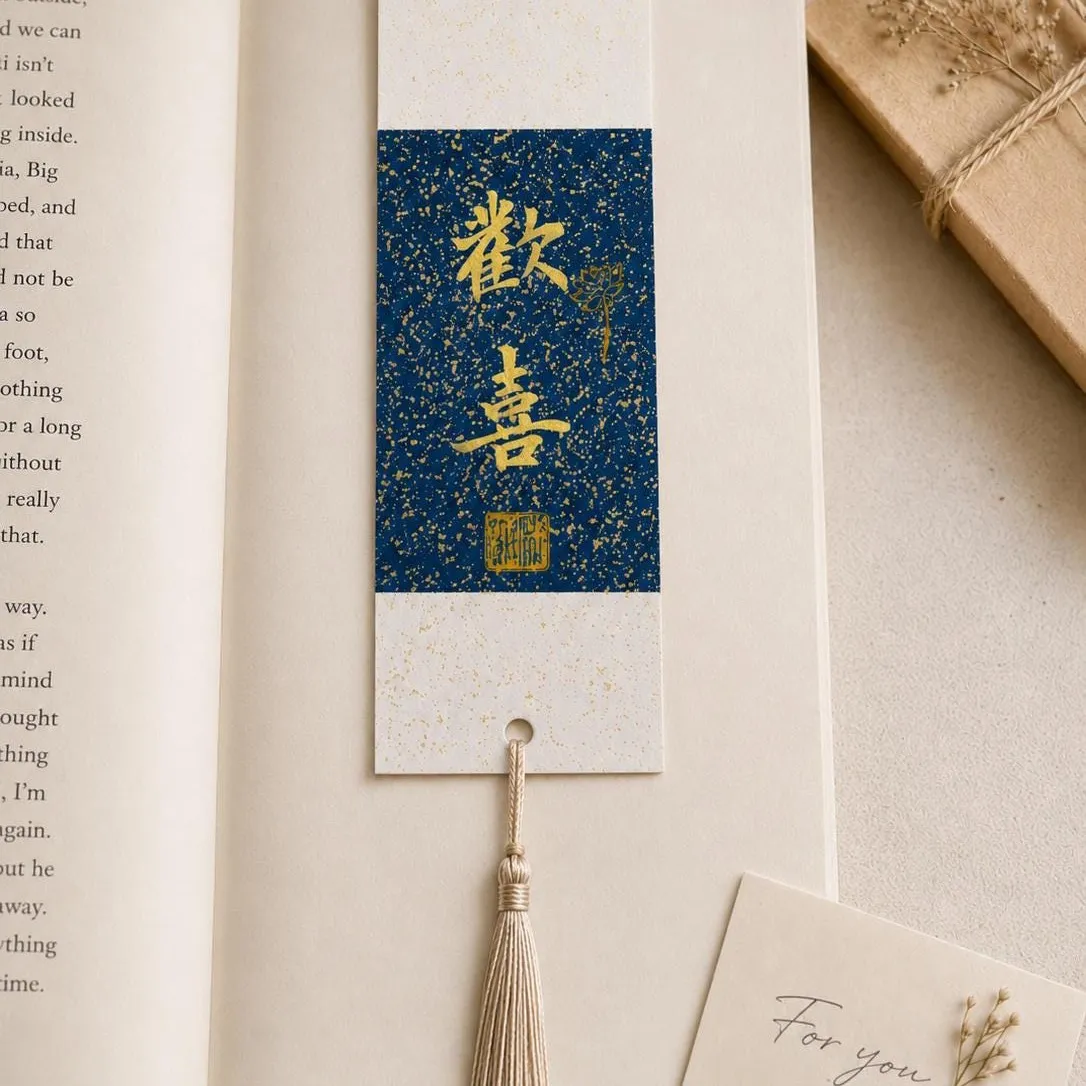
Photo shows a sample — yours will be brushed with 慈, or any character you choose.
Bookmark — for readers & small thank-yousfrom $17→

What people said after it arrived.
-
The item is fantastic. The customer service was genuine. Thanks!
— M.Verified purchase · from our Etsy shop reviews · -
They were great they gave me exactly what I asked for and then some. Thank you!!
— G.Verified purchase · from our Etsy shop reviews · -
It is well designed and customized. My daughter loves it. Amazing gift for family’s d friends
— S.Verified purchase · from our Etsy shop reviews ·
Each "慈" is hand-brushed by Artist Lina Sun on rice paper.
See 慈 (Cí) on Etsy →