道 (dào) — The Road Underfoot · A Method · A Teaching Kept
A single character.
On the bronze map of a land dispute, the surveyors did not draw a symbol for “principle.” They wrote 道 where a road was, and stacked earth beside it so nobody could pretend the line was undecided. 许慎 later defined the same graph as 所行道也 — the road that is walked — and borrowed the old road-glossary line 一达谓之道: a single thoroughfare, not a junction of four or nine. The Multi-function Chinese Character Database still reads the early picture as a person on a road (foot, head, and the crossroads sign). Everything philosophical in the character starts from that pavement sense, which is why a railway is 铁道 and a country without rightful rule is 无道 in the same vocabulary.
Living Chinese keeps the extensions close to the ground. 道理 is how a matter works. 头头是道 praises a method that hangs together. 吾道一以贯之 is a teacher naming the one thread of a school. 志同道合 is what you say of partners whose aims and roads match — already the like-minded reading used for friends and colleagues elsewhere in this library. See 德 → is what you become by walking; See 天道酬勤 → borrows heaven’s road to talk about effort repaid. The single character is prior to both: the route underfoot, and the teaching you refuse to treat as optional.
A hand-brushed 道 by FuBlessings is for someone whose direction you have actually watched. For a friend it can mean the road you share, or the frank 道不同 that explains why some plans never joined. For a father it is less a trophy than a route the household learned by following — the quiet curriculum named from the other side by See 德 →. For a coworker it is method and shared heading, not an occult slogan on a mug. At graduation it names the road after the assigned one ends; on a birthday it asks what teaching the years were kept to. It does not promise the scenery. It asks which road you mean.
- a road people actually travel — 铁道, 国道, 所行道也
- a method that gets you there — 头头是道, 以其道
- a teaching or school kept over time — 吾道, 老庄之道
- the public test 有道 / 无道 applied to a state or a reign
- an occult cosmic force English 'the Tao' often floats free of pavement. Chinese keeps the road sense alive in ordinary nouns; philosophical 道 is an extension of that, not a replacement, and this page does not treat it as occult energy.
- virtue That is 德. 道德 joins the two; this character alone is the road or teaching, not the moral weight walked with.
- diligence repaid by heaven That is the phrase 天道酬勤, which borrows 天道 and adds a payroll verb. The single character does not promise repayment.
- success on arrival 马到成功 uses 道 only inside a different word for 'arrival.' This character is not a victory slogan.
- a destination already glowing 前程似锦 describes the terrain ahead as brocade. 道 names the road and the method; it does not paint the scenery.
The short arms are the point: these readings don’t reach it.
- 辶 walk / road — the motion halfThe modern walk radical, descended from 辵 (彳 + 止). In the early forms the road side could appear as 行, a crossroads seen from above. It is written first and stays open under the right side.
- 首 head — sound, and the person on the road首 is the sound component (徒皓切 in the received fanqie) and, in the CUHK reading, part of the picture: head and foot together stand for the person moving. In regular script it is the dense right side; if it goes illegible, the character fails.
character
- 道路 dào lù road and path — the concrete pair that still means pavement and route
- 道理 dào lǐ the way a thing works; the principle you can explain
- 道德 dào dé this road joined to 德 — moral character as a path walked
- 志同道合 zhì tóng dào hé same aim, matching roads — the live compound for like-minded partners
- 途径 tú jìng a route or channel for getting something done — near in sense, shares no character with 道
Cinnabar marks the characters 道 actually contains. The dark row is a relative by meaning or by sound, not one shared stroke.
The Story Behind the Character
Surveyors on the bronze vessel known as the 散盘 stacked earth to mark a boundary and wrote where they did it: 封于原道,封于周道 — at the road of Yuan, at the road of Zhou. The graph already meant a road you could point at. The Multi-function Chinese Character Database at the Chinese University of Hong Kong reads the early forms as 行 (a crossroads) plus 止 (a foot) plus 首 (a head, also the sound): a person on a road, not an abstract emblem.
许慎, without the bronzes in front of him, still kept the concrete definition: 道,所行道也 — the road that is walked. He took the graph as 从辵从首 and added the classifier from the Erya glossary of roads: 一达谓之道, a single thoroughfare with no fork is called 道, the way 四达谓之衢 and 九达谓之馗 name denser junctions. An older graph he records, 𡬹, writes 首 beside 寸 — 段玉裁 reads the 寸 as the measured width of a road (nine tracks, seven, five).
From the road underfoot the word extended the way Chinese usually extends road words: to the method for getting somewhere (头头是道), to the teaching a school keeps (吾道一以贯之), and to the large order thinkers named 天道. The Appended Statements of the Book of Changes put the pattern in six characters — 一阴一阳之谓道 — one yin, one yang: that is called 道 — so the word names how change runs, not a separate substance behind it. The Guodian bamboo Laozi even writes a form that makes the person-in-the-path reading unmistakable. The received opening — 道可道,非常道 — refuses to let a finished sentence be the whole of the word. The abstract senses never cancelled the first one. A railway is still 铁道, a national expressway 国道, and a bad government still 无道.
Classical lines
- roughly 1,500 years
- c. 400 BCE 《论语·里仁》
- c. 800 CE 《原道》
- c. 1080 CE 《偶成》
朝闻道,夕死可矣。 Hear the Way in the morning, and you may die that evening.
Confucius staking everything on recognition: once the teaching is truly heard, even a short remainder of life is enough. The Ministry of Education dictionary still cites this line under 道 as 真理, a truth worth having.
由是而之焉之谓道。 Going from there toward it
that is what is called 道. — Han Yu defining the word as motion along a line of conduct, right after naming 仁 and 义. The road metaphor is still doing the work: 道 is how you proceed, not a finished label.
道通天地有形外,思入风云变态中。 The Way runs through what lies beyond the shapes of heaven and earth; thought enters the shifting forms of wind and cloud.
Cheng Hao (later called 明道), writing the graph into a landscape couplet collected in 千家诗. The road sense has become a compass for how far the mind can travel.
Why This Character Matters
Chinese still sorts governments and eras with a two-character verdict that keeps this noun: 有道 or 无道 — in possession of the Way, or without it. Bronze inscriptions already use the pair that way; the Analects makes 邦有道 / 邦无道 a recurring test for whether a person should serve. The judgment is public and checkable in conduct, not a private inward state you cannot check.
In gift language the single character is less common than compounds, which is exactly why it reads as a choice. 道路 keeps the pavement sense. 道理 keeps the "how it works" sense. 道德 joins this road to 德 and names moral character as a path walked. 志同道合 — headings the same, roads matching — is what Chinese says where English says like-minded, and it is already used on coworker and friend pages in this library for the shared-direction reading. Schoolchildren still memorize Zhuge Liang asking a young emperor 以咨诹善道 — to take counsel on good ways — before a campaign. A brushed 道 on its own asks which of those ledgers the room means, and trusts the relationship to answer.
道 is one of the heaviest single characters a Chinese reader can meet on skin — road, method, teaching, and the Daoist/Confucian keyword in one graph. It will be read as a philosophical claim, not decoration. The calligraphy has to be excellent, and the wearer should be ready for the question 'which 道?'
Calligraphy Styles for Tattoos
- Regular script (楷书 kǎishū) Best for tattoos
道 is usually counted at 12 strokes in modern form (辶 + 首). Regular script keeps the walk radical 辶 open at the bottom left and the head component 首 legible on the right — both must stay distinct or the graph collapses into a generic 辶-character.
- Running script (行书 xíngshū) Good for larger pieces
Running script can echo the walking sense built into 辶, but the three dots of the radical and the eye-and-hair of 首 blur easily below about 2.5 inches. Ask for a sample at the intended size.
- Cursive script (草书 cǎoshū) Only with an expert calligrapher
Cursive 道 often reduces 首 to a few linked strokes. Without a calligrapher who knows this character's cursive forms, readers may not recover 道 from the result.
Common Mistakes to Avoid
- Writing 首 so the top 'hair' strokes and the eye fuse into one blobIntended: 首 with the upper strokes and 目 still readable as head-plus-eye
The head component is what separates 道 from other 辶 characters. If 首 is not readable, the tattoo is only a walk radical with noise.
- Closing the 辶 into a box or writing it as 廴Intended: Open 辶 with the characteristic long final stroke under the right side
辶 and 廴 are different radicals. Closing the walk radical changes the character's family and confuses anyone who reads Chinese.
Notes for Your Tattoo Artist
12 strokes in the modern count. Left 辶 is narrow; right 首 carries most of the ink. Minimum comfortable size about 2 inches; below that the eye inside 首 goes first. Do not invent an 'oracle' form for the client — early bronze and seal forms differ, and a fake bone graph is worse than none.
A few characters live near "道" but mean something quieter, sharper, or more specific. Here's how to tell them apart.
the road or teaching a life is kept to
the moral weight of the person walking — character as conduct over years
the route and the method, which may still bend with the land
alignment to a fixed mark — the stance before the shot
the path and the teaching you mean to follow
practical judgment applied case by case — intelligence at work
A diploma ends the assigned road and leaves the graduate to name the next one.
- A diploma ends the assigned road and leaves the graduate to name the next one. 志于道 is the Analects line for aiming a life at a teaching worth keeping, and 志愿 is still the form where a Chinese student writes where they are going. 前程似锦 paints the terrain ahead; this character names the road itself — and the method you mean to walk it by — without promising how the scenery looks.
- A birthday counts the years already walked. This character keeps the road sense 许慎 defined — 所行道也, the road people actually travel — and asks what teaching those years were kept to. It suits a friend at a round number, or a father whose example was less a speech than a route the household learned by following.
Looking for a name? See Western names written in Chinese →
-
What does 道 (dào) mean?
道 (dào) is the Chinese character for the road underfoot, a method, a teaching kept. On the bronze map of a land dispute, the surveyors did not draw a symbol for "principle." They wrote 道 where a road was, and stacked earth beside it so nobody could pretend the line was undecided. 许慎 later defined the same graph as 所行道也 — the road that is walked — and borrowed the old road-glossary line 一达谓之道: a single thoroughfare, not a junction of four or nine. The Multi-function Chinese Character Database still reads the early picture as a person on a road (foot, head, and the crossroads sign). Everything philosophical in the character starts from that pavement sense, which is why a railway is 铁道 and a country without rightful rule is 无道 in the same vocabulary. Chinese still sorts governments and eras with a two-character verdict that keeps this noun: 有道 or 无道 — in possession of the Way, or without it. Bronze inscriptions already use the pair that way; the Analects makes 邦有道 / 邦无道 a recurring test for whether a person should serve. The judgment is public and checkable in conduct, not a private inward state you cannot check.
-
What occasions is 道 given for?
道 is traditionally given for Graduation, Birthday. A diploma ends the assigned road and leaves the graduate to name the next one. 志于道 is the Analects line for aiming a life at a teaching worth keeping, and 志愿 is still the form where a Chinese student writes where they are going. 前程似锦 paints the terrain ahead; this character names the road itself — and the method you mean to walk it by — without promising how the scenery looks. A birthday counts the years already walked. This character keeps the road sense 许慎 defined — 所行道也, the road people actually travel — and asks what teaching those years were kept to. It suits a friend at a round number, or a father whose example was less a speech than a route the household learned by following.
-
Is 道 a good Chinese tattoo?
道 is one of the heaviest single characters a Chinese reader can meet on skin — road, method, teaching, and the Daoist/Confucian keyword in one graph. It will be read as a philosophical claim, not decoration. The calligraphy has to be excellent, and the wearer should be ready for the question 'which 道?'
-
Who brushes the 道 calligraphy?
FuBlessings hand-brushes each 道 (Dào) to order, in ink on rice paper — never printed, never repeated.
Bring 道 home — choose how you'd like it brushed.
-
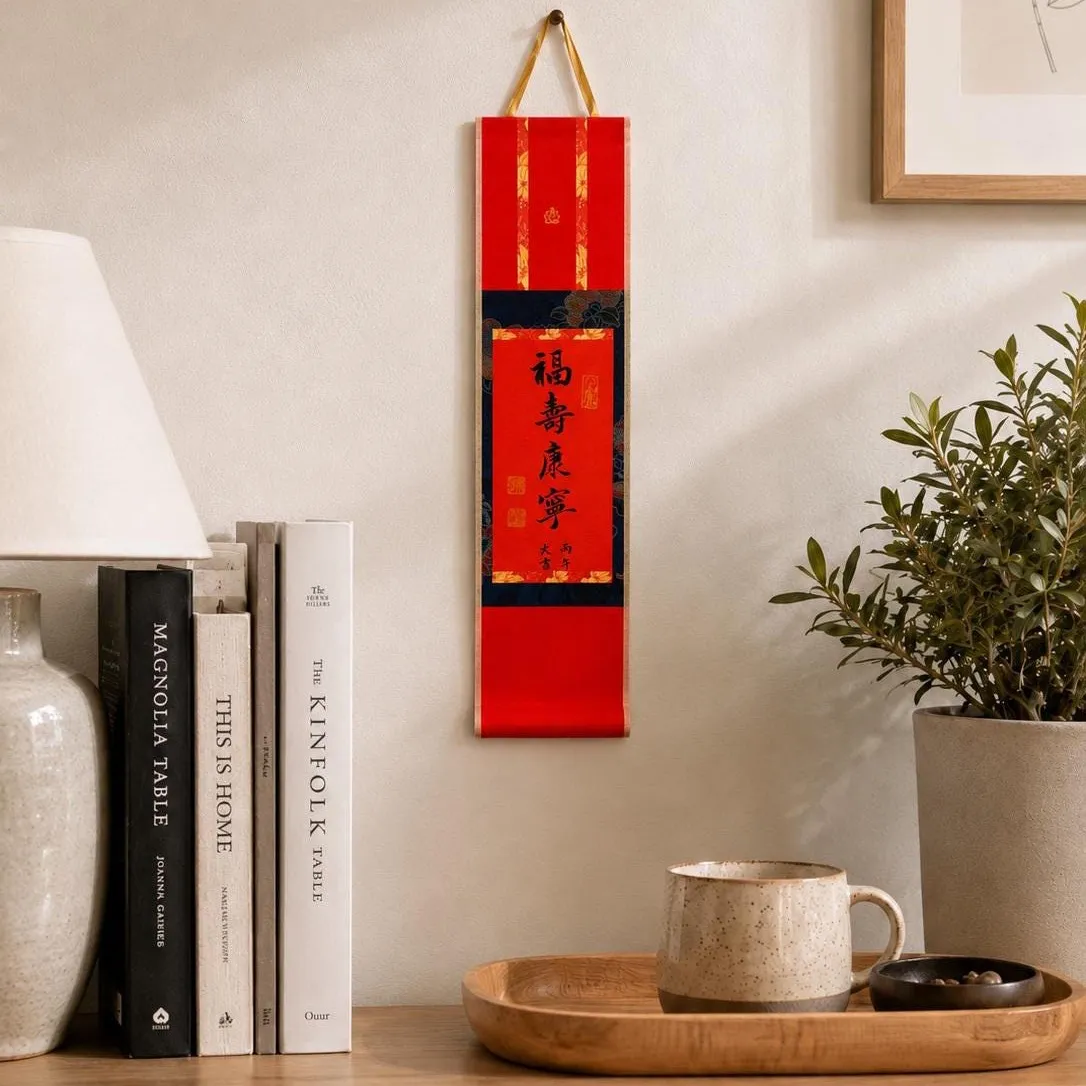
Photo shows a sample — yours will be brushed with 道, or any character you choose.
Wall Scroll — for walls & housewarmingsfrom $38→ -
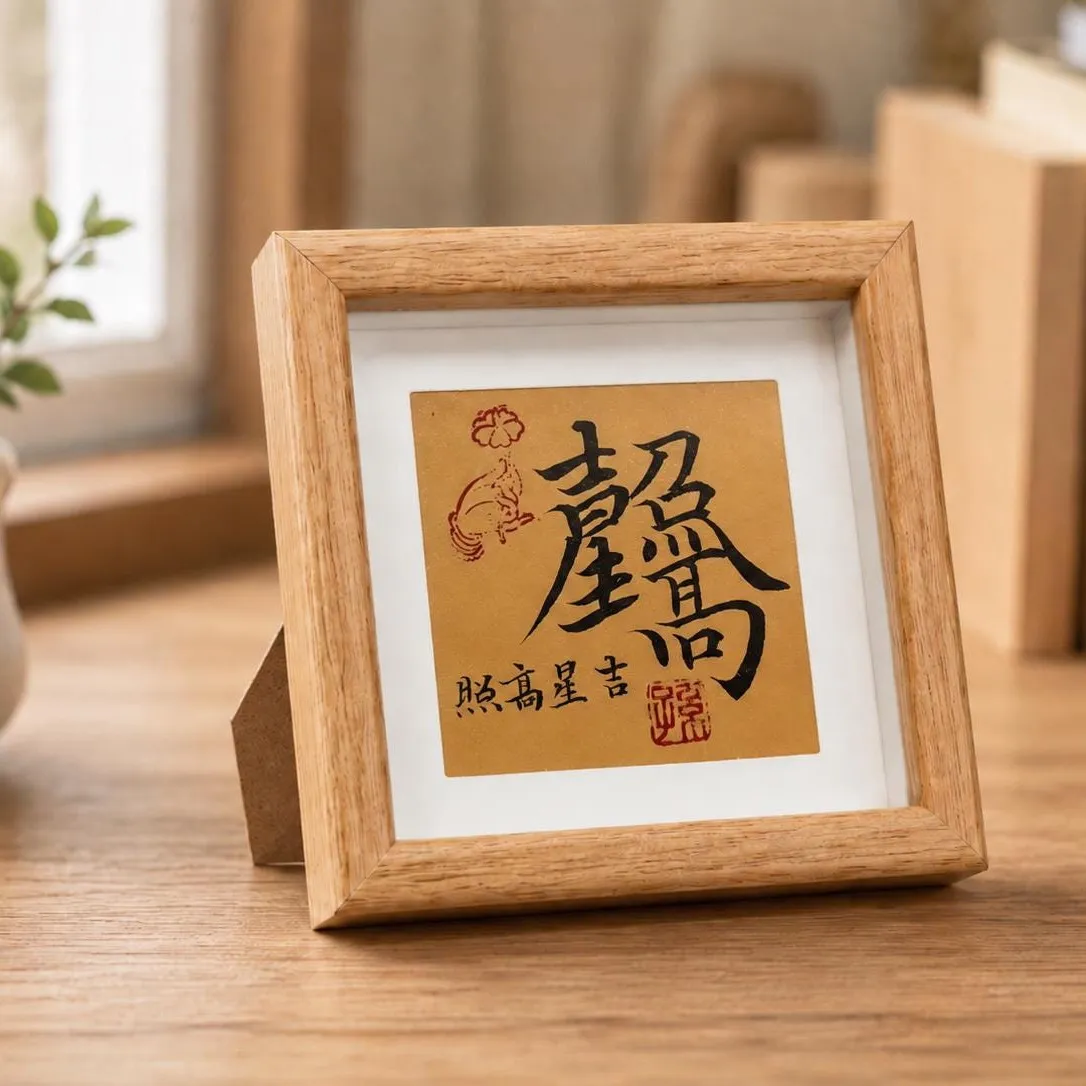
Photo shows a sample — yours will be brushed with 道, or any character you choose.
Desk Frame — for desks, studies & studiosfrom $44→ -
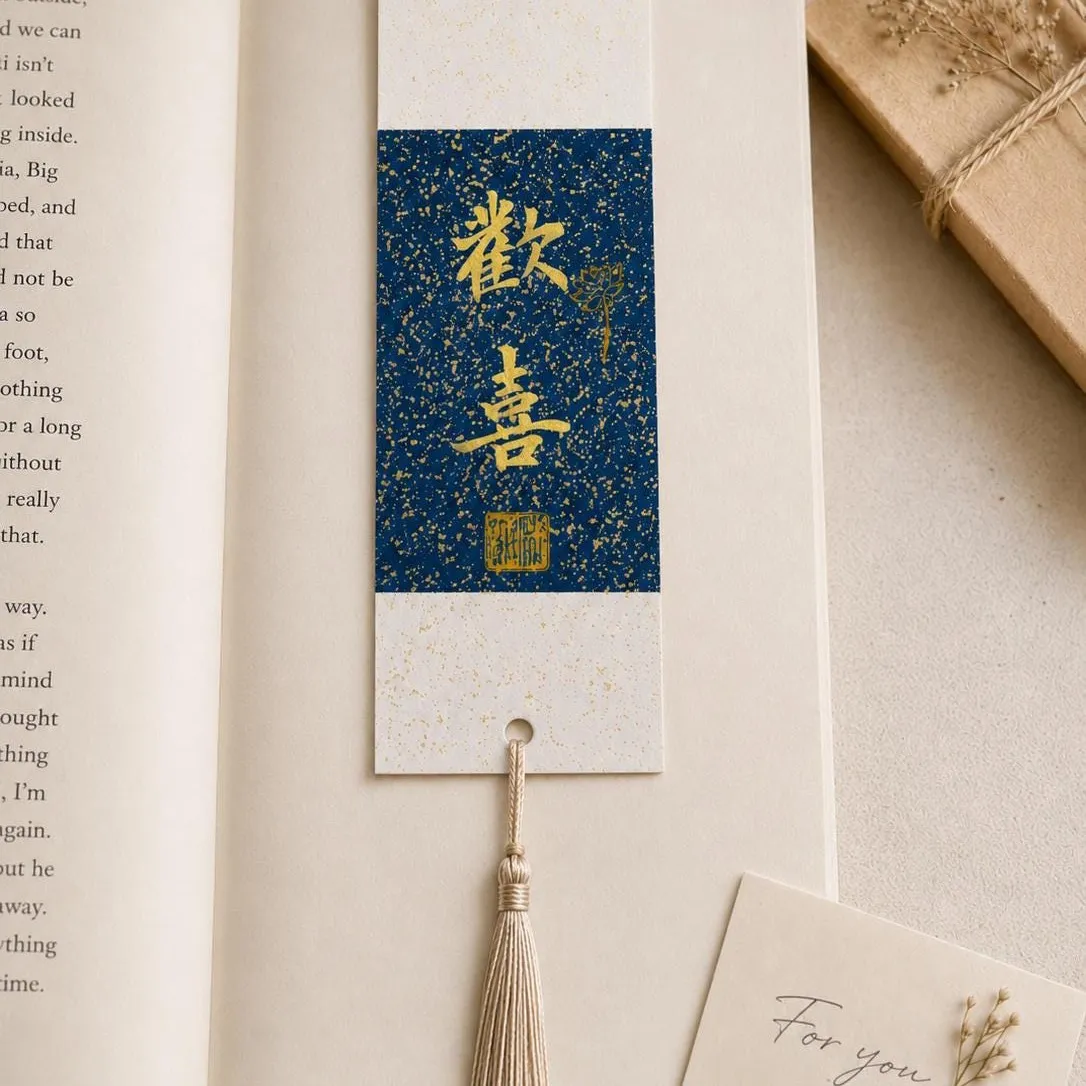
Photo shows a sample — yours will be brushed with 道, or any character you choose.
Bookmark — for readers & small thank-yousfrom $14→

What people said after it arrived.
-
The item is fantastic. The customer service was genuine. Thanks!
— M.Verified purchase · from our Etsy shop reviews · -
They were great they gave me exactly what I asked for and then some. Thank you!!
— G.Verified purchase · from our Etsy shop reviews · -
It is well designed and customized. My daughter loves it. Amazing gift for family’s d friends
— S.Verified purchase · from our Etsy shop reviews ·
Each "道" is hand-brushed by FuBlessings on rice paper.
See 道 (Dào) on Etsy →