天道酬勤 (tiān dào chóu qín) — The Way of Heaven Rewards the Diligent
A 4-character phrase, not a single character.
天道酬勤 is unusual among Chinese phrases of effort because it is not a description of a person but a claim about the universe. Where See 道 → is the road underneath 天道, See 勤 → names diligence as a virtue someone already has, and 自强不息 names the refusal to stop, 天道酬勤 makes the riskier statement underneath both — that the effort will be answered, that a fair order stands behind a working life and eventually settles its accounts. It is the only phrase in this family that promises an outcome rather than praising a trait, which is exactly why it is given when the outcome is still in doubt.
The phrase has no single classical author; it is the culture’s own four-character distillation of a conviction the 周易 and the 论语 hold in different words. Its grammar is borrowed from the 谦卦’s 天道亏盈而益谦 — the way of heaven adds to one kind of person — with diligence put in the place of humility. It hangs above the desks of students who were told they were not the cleverest, on the walls of people who built something the slow way, and in commencement halls, because it answers the one fear that survives graduation: whether the work will ever be repaid.
A hand-brushed “天道酬勤” by FuBlessings is for the person carrying effort without yet holding the reward — a father who provided for years before there was proof, a graduate stepping into a market that owes them nothing, a colleague whose discipline has gone unthanked. It puts into ink the assurance that is hardest to give and most needed in the lean years: that the work is seen, that it counts, and that the way of the world, in the end, repays the ones who keep at it.
The Story Behind the Character
Of the four-character phrases brushed onto scrolls and hung above desks across China, 天道酬勤 may be the most written — and it is one of the few with no single classical source to point to. You will not find this exact line in the 周易, the 论语, or any one canonical text. It is a saying the culture assembled over time, a vernacular crystallization of an idea so old and so widely held that it eventually condensed into four characters and outgrew any single author. That is unusual for a phrase this revered, and it is the first thing worth knowing about it: 天道酬勤 is not a quotation. It is a conviction.
Read as grammar, the phrase is a complete sentence — subject, verb, object — and its shape is borrowed from the classics even if its wording is not. 天道 (tiān dào) — [See 道 →](/library/dao/) under heaven's measure — is the impartial order behind the world, a term the 周易 and the 老子 use to name how the universe distributes outcomes. 酬 (chóu) is the surprising verb at the center: it is the everyday word for repaying a debt, returning a toast, paying a wage — a transactional, almost commercial term. To set 酬 after 天道 is to make a startling claim, that the cosmos keeps accounts and settles them. The object is [See 勤 →](/library/qin/) — diligence — the one input the phrase insists is never written off. Heaven repays the diligent the way an honest creditor repays a loan.
The grammar has a direct ancestor in the 周易. The 谦卦 (Qiān, the hexagram of humility) declares 天道亏盈而益谦 — the way of heaven drains the full and adds to the humble — using exactly this structure: 天道 as an active agent that subtracts from one kind of person and adds to another. 天道酬勤 simply changes the object: where the 谦卦 says heaven favors the humble, the later saying says heaven repays the diligent. The phrase is the people's gloss on a classical conviction — that the order of the world is not random, and that what it answers most dependably is sustained, unglamorous work.
Classical lines
天道亏盈而益谦,地道变盈而流谦,鬼神害盈而福谦,人道恶盈而好谦。 The way of heaven drains the full and adds to the humble; the way of earth wears down the full and flows toward the humble; spirits harm the full and bless the humble; the human way hates the full and favors the humble.
The classical line whose grammar 天道酬勤 is built on: 天道 as an active force that takes from one kind of person and gives to another. Swap the humble for the diligent, and you have the later saying word for word in shape.
功崇惟志,业广惟勤。 Lofty achievement rests on resolve; broad accomplishment rests on diligence.
The Book of Documents stating the working half of 天道酬勤 outright: the size of what you build is set by how steadily you work. The phrase adds the promise the classic leaves implicit — that the diligence will, in the end, be answered.
我非生而知之者,好古,敏以求之者也。 I was not born knowing anything; I love the past and am earnest and diligent in seeking it.
Confucius refusing the idea of effortless genius for himself. If the most revered teacher in Chinese history credited his knowledge to diligent seeking rather than innate gift, then 天道酬勤 has its model in the man: what he attained, he worked for.
Why This Character Matters
天道酬勤 is the phrase Chinese parents write for children who are not the most gifted in the room — and they mean it as the highest encouragement, not a consolation. Its companion proverb, 勤能补拙 ("diligence makes up for what talent lacks"), turns the same conviction into household advice: you do not have to be born brilliant, because the universe is set up to reward the one who keeps working over the one who merely sparkles. In a culture that prizes effort over flash, 天道酬勤 is the four characters that say so most directly, which is why they end up over student desks, in commencement speeches, and on the office walls of people who built something the slow way.
What separates 天道酬勤 from a simple praise of hard work is the first half — the claim about heaven. It is not only saying "work hard"; it is making a promise about the world: that effort is not poured into a void, that a fair order eventually settles its accounts. This is why the phrase carries weight in hard seasons. You give it to the person grinding through years with no visible payoff, to the graduate stepping into a market that owes them nothing, to the colleague whose discipline has gone unrewarded so far — not to flatter the work, but to insist that the work counts, and that the counting is reliable even when the reward runs late.
天道酬勤 says the one thing a working father rarely lets himself believe: that the years of effort were not wasted, that they added up to something the world will honor.
- 天道酬勤 says the one thing a working father rarely lets himself believe: that the years of effort were not wasted, that they added up to something the world will honor. Where 勤 names the diligence itself and 自强不息 names his refusal to stop, 天道酬勤 names the faith underneath both — that he kept going on the unspoken bet that effort is eventually answered. The Father's Day gift for the man who provided for years before there was any proof it would pay off.
- 天道酬勤 is the wish a graduate needs precisely at the moment the guarantees end: no more grades that convert study into a number, no syllabus promising that work leads anywhere. Given at graduation, it hands the new graduate the only assurance that survives outside school — not that the road is fair every day, but that over a life, steady effort is the thing most reliably repaid. It is encouragement for the long game, when the rewards have gone quiet.
Looking for a name? See Western names written in Chinese →
-
What does 天道酬勤 (tiān dào chóu qín) mean?
天道酬勤 (tiān dào chóu qín) is a 4-character Chinese phrase for the way of heaven rewards the diligent. 天道酬勤 is unusual among Chinese phrases of effort because it is not a description of a person but a claim about the universe. Where See 道 → is the road underneath 天道, See 勤 → names diligence as a virtue someone already has, and 自强不息 names the refusal to stop, 天道酬勤 makes the riskier statement underneath both — that the effort will be answered, that a fair order stands behind a working life and eventually settles its accounts. It is the only phrase in this family that promises an outcome rather than praising a trait, which is exactly why it is given when the outcome is still in doubt. 天道酬勤 is the phrase Chinese parents write for children who are not the most gifted in the room — and they mean it as the highest encouragement, not a consolation. Its companion proverb, 勤能补拙 ("diligence makes up for what talent lacks"), turns the same conviction into household advice: you do not have to be born brilliant, because the universe is set up to reward the one who keeps working over the one who merely sparkles. In a culture that prizes effort over flash, 天道酬勤 is the four characters that say so most directly, which is why they end up over student desks, in commencement speeches, and on the office walls of people who built something the slow way.
-
What occasions is 天道酬勤 given for?
天道酬勤 is traditionally given for Father's Day, Graduation. 天道酬勤 says the one thing a working father rarely lets himself believe: that the years of effort were not wasted, that they added up to something the world will honor. Where 勤 names the diligence itself and 自强不息 names his refusal to stop, 天道酬勤 names the faith underneath both — that he kept going on the unspoken bet that effort is eventually answered. The Father's Day gift for the man who provided for years before there was any proof it would pay off. 天道酬勤 is the wish a graduate needs precisely at the moment the guarantees end: no more grades that convert study into a number, no syllabus promising that work leads anywhere. Given at graduation, it hands the new graduate the only assurance that survives outside school — not that the road is fair every day, but that over a life, steady effort is the thing most reliably repaid. It is encouragement for the long game, when the rewards have gone quiet.
-
Who brushes the 天道酬勤 calligraphy?
FuBlessings hand-brushes each 天道酬勤 (Tiān Dào Chóu Qín) to order, in ink on rice paper — never printed, never repeated.
Bring 天道酬勤 home — choose how you'd like it brushed.
-
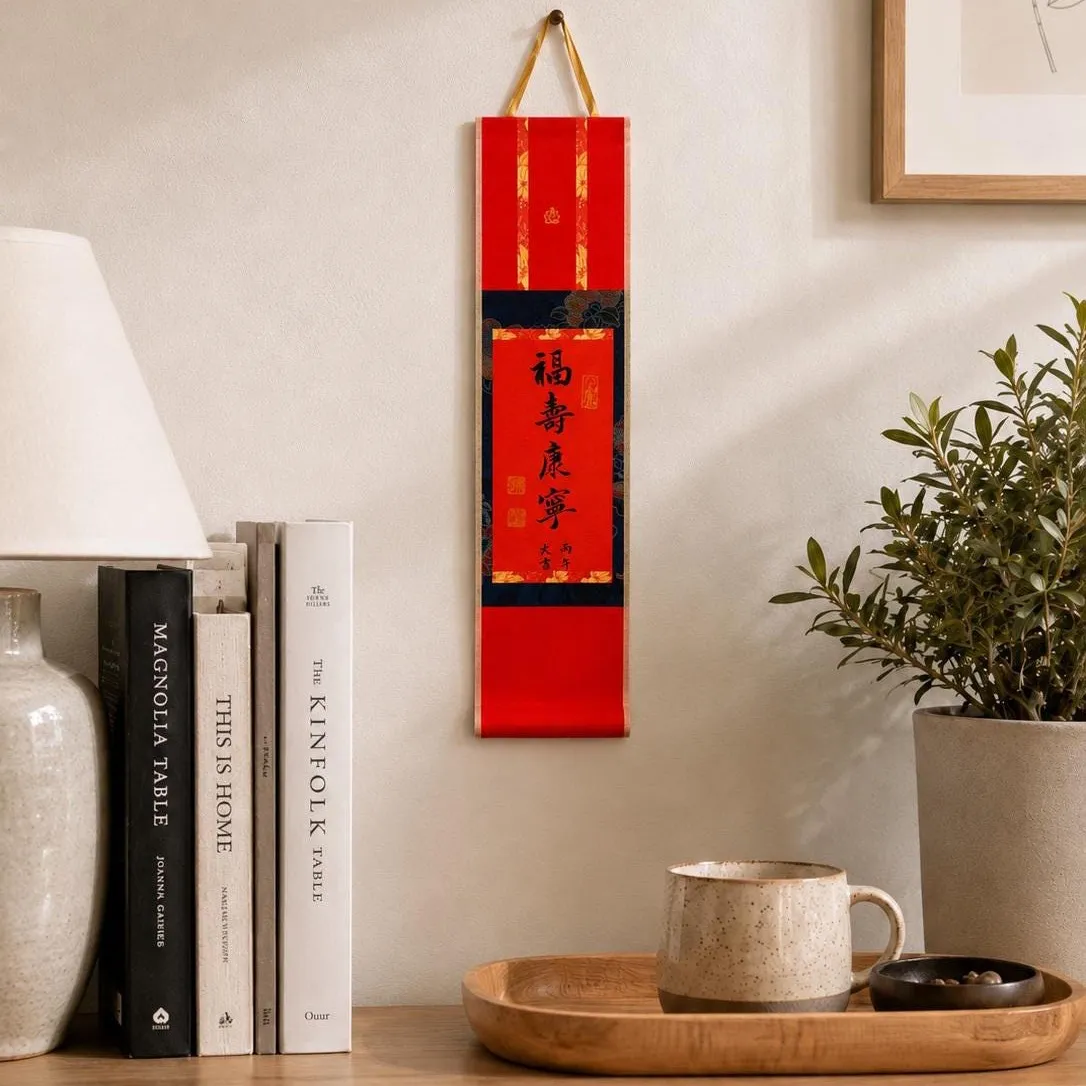
Photo shows a sample — yours will be brushed with 天道酬勤, or any character you choose.
Wall Scroll — for walls & housewarmingsfrom $38→ -
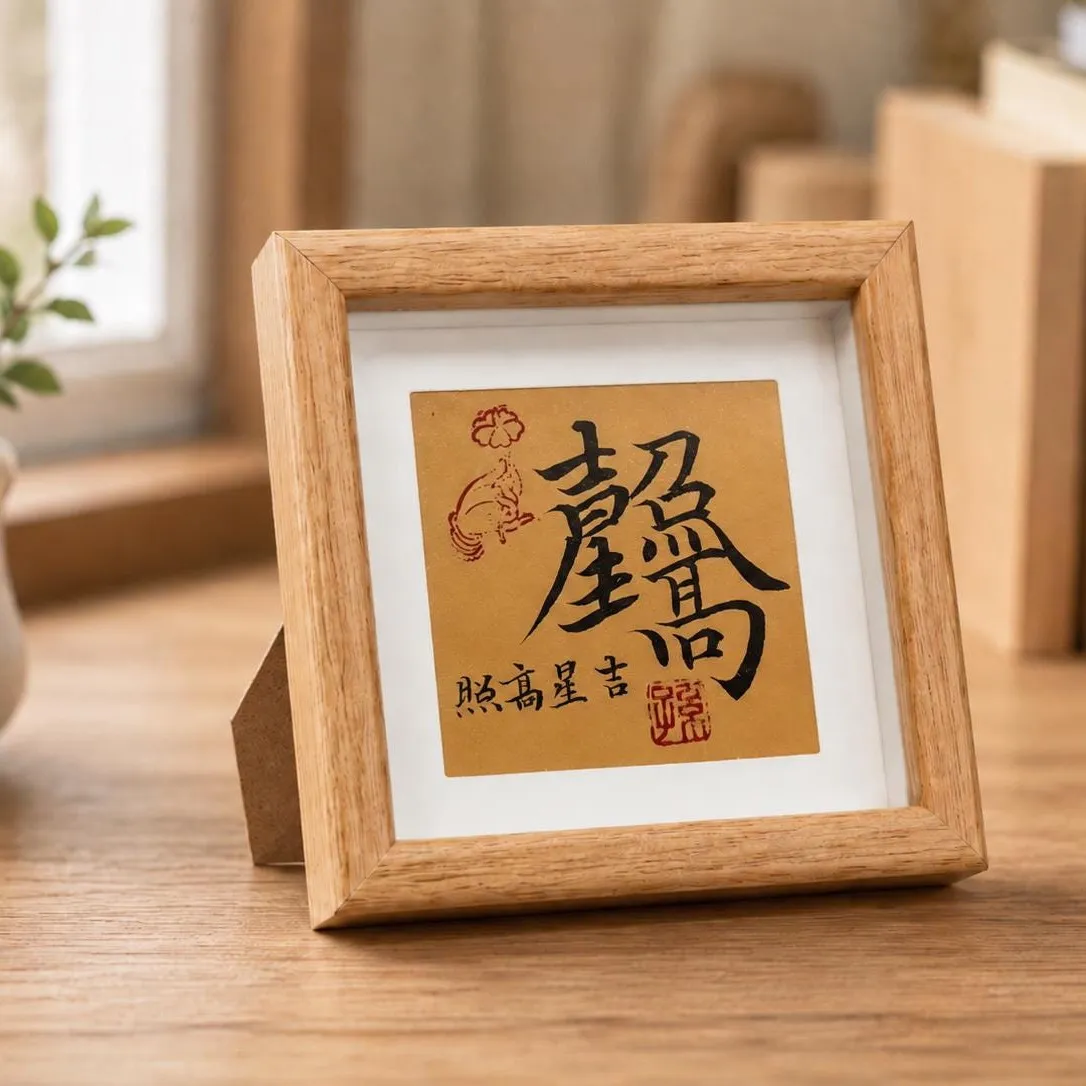
Photo shows a sample — yours will be brushed with 天道酬勤, or any character you choose.
Desk Frame — for desks, studies & studiosfrom $44→ -
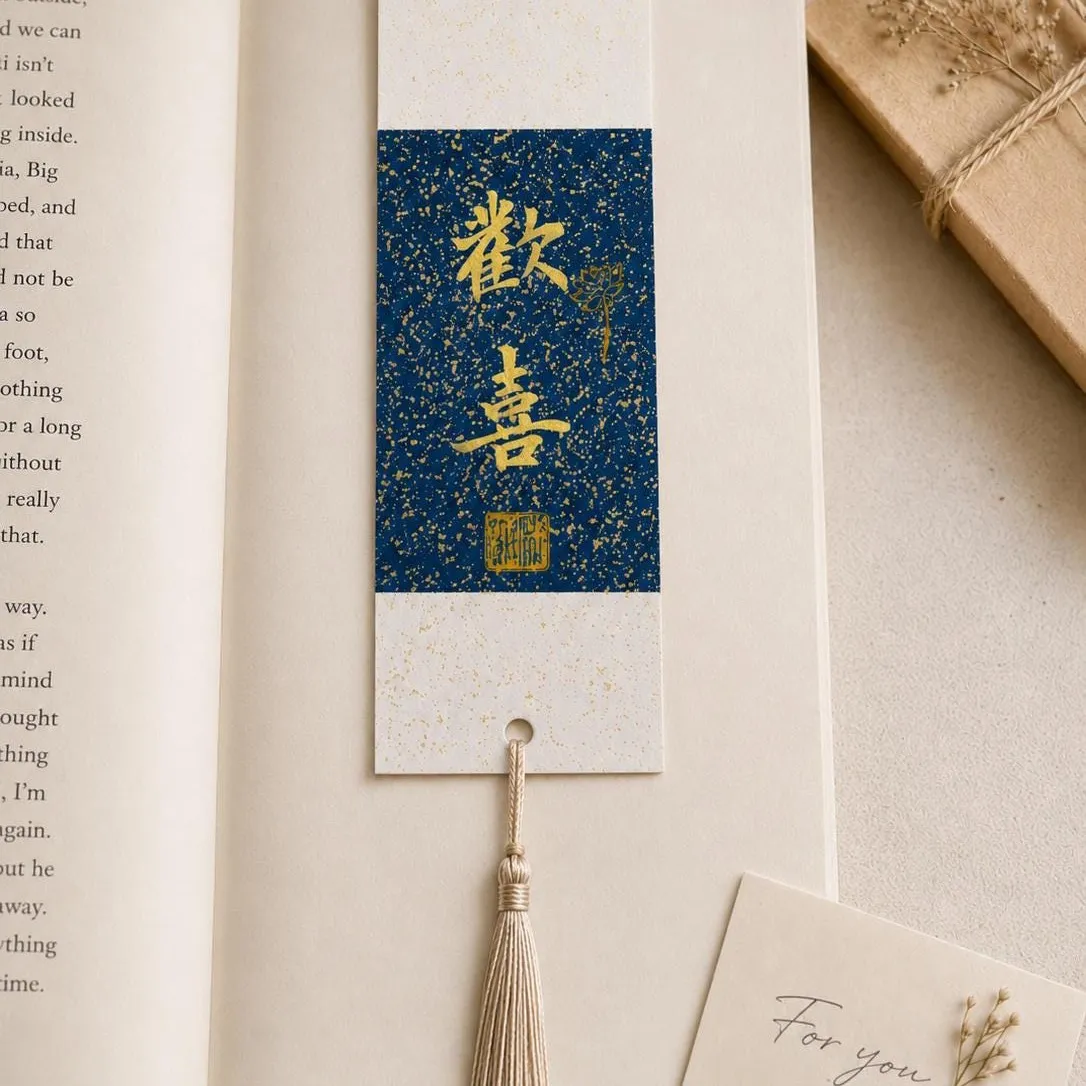
Photo shows a sample — yours will be brushed with 天道酬勤, or any character you choose.
Bookmark — for readers & small thank-yousfrom $14→

What people said after it arrived.
-
The item is fantastic. The customer service was genuine. Thanks!
— M.Verified purchase · from our Etsy shop reviews · -
They were great they gave me exactly what I asked for and then some. Thank you!!
— G.Verified purchase · from our Etsy shop reviews · -
It is well designed and customized. My daughter loves it. Amazing gift for family’s d friends
— S.Verified purchase · from our Etsy shop reviews ·
Each "天道酬勤" is hand-brushed by FuBlessings on rice paper.
See 天道酬勤 (Tiān Dào Chóu Qín) on Etsy →