承 (chéng) — Taking It On · Carrying Forward · Getting Under the Weight
One character, and the top of it is not a lid: on the standard reading that opening hook is the head of the kneeling figure the whole graph was drawn around, flattened. The word is the position underneath, not the thing on top.
There is one wall in a Chinese apartment that a renovation crew will not cut through, and the paperwork names it with this character: 承重墙, the wall that is 承-ing the load. Take out anything else and you are redecorating. Take out that one and the building’s weight has nowhere to go. 承 is the verb for being underneath something that would otherwise come down, and the oldest form of it draws exactly that: two hands coming up under a kneeling body. Nothing in the word is about the thing being carried. All of it is about the position taken up. 孝 names the parent and what is owed to them. See 孝 → This names what the parent was carrying.
The word turns up in places a term about inheritance has no business being. A shipping waybill names its 承运人, the party that has taken the goods on and answers if they do not arrive. A city 承办s the Games. A court asks whether the defendant 承认s, admits, which is the same verb again with a fact for its load. And the two compounds that matter most divide the ground between them cleanly: 继承 is something a court can complete on your behalf, while 传承 records that a person actually stepped under it.
A hand-brushed 承 by FuBlessings is about the handover rather than about the person. For a father it is the one short sentence a grown child can say that he cannot say for himself: the shop, the trade, the habit of turning up, it has been picked up. For a grandparent it is the longer version, where what is being taken on skipped a generation or came close to it. For a new parent it is the same character read forward, in the week the carrying starts and before anybody has told them how much of it there is going to be. What it cannot be is an order, and a brushed character has no tone of voice to soften one. 德 is the neighbouring word, and it names a deposit rather than an act. See 德 → This is the word for getting under it.
- getting under something at the point where it changes hands — 传承, 继承, 承前启后
- agreeing to answer for it afterwards — 承担, 承包, 承诺
- receiving from higher up and saying so — 承蒙, 承教, 承命
- a beam, a wall, a bracket: 承重 is the literal sense and it never went away
- inherit 继承 is the legal word and it works without you — an estate passes whether or not anybody lifts it. This character is the lifting, which means it can fail. A family business with an heir who will not touch it has a 继承人 and no 承 at all.
- continue 继 and 续 report the sequence: there was a before, there is an after. 承 names the person standing at the seam and says the load went onto them. 承前启后 needs both halves for exactly that reason — 承 looks back at the weight and 启 looks forward at the opening.
- accept 接受 takes something in and incurs nothing by doing it. This one arrives with the obligation attached, which is why 承诺 is a promise rather than a receipt and why 承认 means to admit rather than to agree.
- support 支 and 撑 prop a thing from outside and can be withdrawn. 承 is underneath and structural: an engineer's 承台 is the cap a bridge pier's load sits down on, and nothing about it is optional. What is 支 can be taken away; what is 承 cannot, and that is the whole difference between helping with something and answering for it.
The short arms are the point: these readings don’t reach it.


- 卩 a person kneeling in profile — the body the hands are lifting in the oldest formsThe same element stands in 令 and 印. It is what the hands are under rather than what the verb is about, and it did not drop out of the modern character — on the standard reading it flattened, and its top became the hook you write first.
- 手 hand — the three short horizontals across the middle and the vertical hook that cuts down through all threeNothing in the printed character looks like a hand, which is why readers are surprised to find 承 filed under 手 — a modern dictionary files it under 乙 instead. The 说文 and the 康熙字典 both put it in the hand section, and the strokes that lasted are the ones that were doing the work.
character
- 传承 chuán chéng handing on and taking up, in one word — the modern term for everything from a craft to a family recipe
- 继承 jì chéng to inherit; the legal word, used of estates, titles and companies
- 承担 chéng dān to shoulder — what a person does with a responsibility, a cost, or a consequence
- 承诺 chéng nuò a promise, understood as something undertaken rather than something merely said
- 承蒙 chéng méng I have been favoured with — polite, and polite entirely because of which way it points
- 承包 chéng bāo to contract for; to take a job or a plot of land on and answer for the output
- 薪火相传 xīn huǒ xiāng chuán the flame passed from one bundle of kindling to the next. A relative by sense with no character in common, out of 庄子's line about the fuel running out while the fire does not
Cinnabar marks the characters 承 actually contains. The dark row is a relative by meaning or by sound, not one shared stroke.
The Story Behind the Character
The oldest forms of this character are a picture of somebody being lifted. A figure kneels in profile — 卩, the same folded body that sits inside 令 and 印 — and underneath it two hands come up, palms open, taking the weight. That is the oracle-bone 承 and the bronze 承 alike; the scene held steady for most of a thousand years. By the time 许慎 came to write it down a third hand had joined the picture: the 说文 takes the graph apart as 从手、从卪、从廾 — a hand, a kneeling person, and a pair of hands underneath them. What 许慎 does with the gloss is the part worth keeping: he writes it in two directions at once, 奉也。受也 — to hold up in both hands, and to receive. Those look like opposite motions until you are the one underneath, at which point they are the same one.
Everything the character does afterwards is that posture applied to something other than a body. 承命, 承教, 承蒙 — an order, an instruction, a kindness, each of them arriving from above and acknowledged as having arrived. 继承 and 传承 — stepping into a line that was already running. 承包 and 承办 — taking a job on and answering for how it comes out. 承重 — a beam or a wall with a building's load resting on it. Across all of them the weight comes down from somewhere higher and the subject of the verb is whatever is underneath it, which is why the word cannot be used of something you picked up off the floor for your own reasons. Something had to be handed, and something had to be at risk of falling.
The printed character looks like none of that, and what happened in between is stranger than a simple erosion. On the standard account, seal script flattened the kneeling body and slid a third hand in between it and the pair below — which is where the three short horizontals and the vertical hook cutting down through them come from, and why the 说文 and the 康熙字典 both file 承 under the hand radical. The body itself did not leave: its top went to the hook you write first, and the two hands that had been doing the lifting were pushed outward to the strokes that fall away at the base. Eight strokes, and every element of the original scene is still standing inside them. Not one of them still looks like the thing it was drawn from.
Classical lines
- roughly 1,800 years
- c. 11th c. BCE 《诗经·大雅·文王》
- c. 4th–3rd c. BCE 《周易·坤·文言》
- c. 762–767 CE 杜甫《宗武生日》
无念尔祖,聿修厥德。 Never stop thinking of your forebears; go on keeping in repair the character they left.
《文王》 opens the 大雅 and is addressed to the Zhou line about the founder, who did not live to see the conquest his sons completed — which makes it close to the earliest surviving instruction on what to do with something handed to you. The verb it reaches for is 修, to maintain, the same 修 used of roads and walls. What is inherited is named as upkeep rather than as property, and upkeep is work that stops the moment somebody decides not to do it.
坤道其顺乎?承天而时行。 Is the way of earth not compliance itself, taking what the sky gives and moving with the season?
The 文言 commentary exists for only two of the sixty-four hexagrams, and this line closes its opening statement about earth, with 积善之家 beginning the very next sentence. 承 is doing precise work in it: earth is not described as passive but as the half of the pair that is underneath, and the clause that follows, 而时行, says it moves. Receiving is treated here as an activity with timing in it, which is the oldest statement of what separates this character from simply being given something.
诗是吾家事,人传世上情。 Poetry is this family's line of work; what gets handed on, the world takes for ordinary feeling.
杜甫 is writing to his younger son on a birthday, and 吾家事 is not a boast about himself: his grandfather 杜审言 was a court poet two generations back, so the trade reached him already moving. The couplet straight after it is the actual present — 熟精文选理,休觅彩衣轻, know the 文选 inside out and do not reach for 老莱子's coloured clothes, the seventy-year-old who dressed up and played the child to keep his parents amused. Do the work instead of performing the devotion. A father's birthday gift to a boy, made of nothing but what is expected of him.
Why This Character Matters
Chinese students meet this character first as a piece of structure rather than as a word about family. A four-line poem is taken apart in four moves, 起承转合: 起 sets something down, 承 picks it up and carries it without yet doing anything clever, 转 turns, 合 closes. The second of those is the one students find hardest to write and the one an editor notices only when it is missing, because its entire job is to hold the opening's weight long enough for a turn to become possible. The same four words get used for the shape of an essay, a legal argument, a television episode and a product pitch. Long before it is about inheritance, the character's ordinary literary sense is the thing that keeps a beginning from collapsing before it gets anywhere.
In speech the word is how Chinese acknowledges a debt running upward. 承蒙您关照 and 承教 are courteous for one reason only, which is the direction of travel: the speaker is stating that something came down to them and that they know it did. That same geometry put the character at the centre of the largest rural change in modern Chinese history. The reform that dismantled collective farming from 1978 is called 家庭联产承包责任制, the household contract responsibility system, and the verb inside it is 承包 — a family stepping under a field's output and answering for the result. Nothing about the word had to be adapted for the job. Taking on what somebody else was carrying is the whole of its meaning, and all the reform changed was who was standing underneath. Direction is the thing to get right when the character is brushed as a gift, and the rule is not about who hands it over. 承 has a subject, and the subject is whoever is standing underneath. Sent up from a grown child to a parent, the giver is that person and the piece reads as a commitment. Handed to somebody who has just stepped under a new load, the recipient is, and it reads as a description of where they are now. What does not work is aiming it at a person you have any say over, because then the subject is them and the sentence turns into an order.
There is nothing culturally wrong with 承 on skin; the problem is grammatical, and it is specific. The character carries a hierarchy inside it — there is a thing above and a person below — and a lone one on an arm states the position without naming what is overhead. Chinese readers fill that in, and the commonest fill is 承受: holding up under something difficult. So a single 承 usually reads as endurance rather than as inheritance, which is a perfectly good tattoo and frequently not the intended one. Where it works properly is in pairs. 传承 is the word for carrying a line forward and is a common piece for people getting a family trade or a parent's craft marked. 承 also turns up ordinarily in Chinese given names, so a single character can be read as a name fragment rather than as a statement, and that ambiguity is worth knowing about in advance. As a gift brushed on paper it is much stronger than on skin, because the occasion supplies the missing half — what is being taken on is the father's shop, the grandparent's trade, the child who arrived last week.
Calligraphy Styles for Tattoos
- Regular script (楷书 kǎishū) Best for tattoos
承 is 8 strokes and a single unit rather than two halves set side by side, so there is no seam to balance — only a centre line with weight hung off both sides of it. The three short horizontals that cross that centre are the whole legibility problem: they have to stay parallel and evenly spaced, and they are the first thing to close up as ink spreads. Regular script is the only style that holds the air between them at wearable sizes. Minimum recommended size: 1.75 inches.
- Running script (行书 xíngshū) Only at scale
A running hand turns the three horizontals into one wavering stroke, and at that point the character reads as a hook above a scribble. Worth attempting at 3 inches or more, and only from a calligrapher's brushed original rather than from a font, because the spacing decisions are the entire design.
Common Mistakes to Avoid
- Getting 丞 insteadIntended: 承 — open at the base, with the last strokes falling away to either side
丞 is the 丞 of 丞相, the chancellor — on its own the character means an assistant, as in 县丞 — and it reads chéng as well, so a stencil search can land on it. The tell is the bottom: 丞 closes with a long horizontal that the whole character sits on, while 承 has nothing under it and its final strokes drop away left and right. Check the base line against a printed character before the needle.
- Expecting a lone 承 to read as legacyIntended: 传承 — the two-character word that actually means it
承 is transitive and it encodes a direction: something above, somebody underneath. Standing alone it sends a Chinese reader looking for what is being taken on, and with nothing supplied the default reading is 承受 — bearing up under something hard. That is a tattoo about endurance, which may not be the one that was ordered. If the piece is about lineage, the word is 传承.
Notes for Your Tattoo Artist
Eight strokes, and the character is one indivisible unit — 独体 — rather than a compound of two parts, so the balance problem is vertical rather than left-to-right. The hook across the top sets the character's shoulders and should not be drawn tight, but it is not the widest thing on the page: the falling strokes below reach past it on both sides, and they are supposed to. The centre line runs down through the body and is the spine — written timidly, the character sags into unrelated pieces. The three short horizontals cut across that spine and want even gaps, the lowest of the three the longest; crowding them is the single commonest failure and it is unrecoverable once ink has spread. At the base the final strokes fall away to either side and must be given real length, or the whole character looks balanced on a point. Minimum 1.75 inches.
A few characters live near "承" but mean something quieter, sharper, or more specific. Here's how to tell them apart.
taking over what a parent was carrying
tending to the parent themselves, while they are still here to be tended to — one is about the person, the other about their work
the moment a load changes hands, and whether anybody got under it
a thing running on under its own momentum, with no seam and nobody standing at one
taking the weight onto yourself
having room for something, which costs nothing to hold — both get translated as bearing, and only one of them is load-bearing
the act of getting underneath what was handed down
what a life deposits in the person who lived it — one is the deposit and this one is the act of taking it up
Not thank you, but that the load has moved.
- Most of a father's working life is invisible from inside the house, and the thing a grown child can eventually say about it is not thank you but that the load has moved. Fathers are told the first of those regularly and the second almost never, which is what makes one day a year set aside for saying something to him worth spending on the harder sentence.
- Nobody hands a newborn anything. What the occasion actually marks is two people stepping under a weight with no end date and no job description, in the week before they find out what it weighs. Read the character forward rather than back: the line they have just joined runs in both directions from where they are standing, and they are now the part of it that is load-bearing.
Dad · New Parent · Grandparent · or yourself
Looking for a name? See Western names written in Chinese →
-
What does 承 (chéng) mean?
承 (chéng) is the Chinese character for taking it on, carrying forward, getting under the weight. There is one wall in a Chinese apartment that a renovation crew will not cut through, and the paperwork names it with this character: 承重墙, the wall that is 承-ing the load. Take out anything else and you are redecorating. Take out that one and the building's weight has nowhere to go. 承 is the verb for being underneath something that would otherwise come down, and the oldest form of it draws exactly that: two hands coming up under a kneeling body. Nothing in the word is about the thing being carried. All of it is about the position taken up. 孝 names the parent and what is owed to them. See 孝 → This names what the parent was carrying. Chinese students meet this character first as a piece of structure rather than as a word about family. A four-line poem is taken apart in four moves, 起承转合: 起 sets something down, 承 picks it up and carries it without yet doing anything clever, 转 turns, 合 closes. The second of those is the one students find hardest to write and the one an editor notices only when it is missing, because its entire job is to hold the opening's weight long enough for a turn to become possible. The same four words get used for the shape of an essay, a legal argument, a television episode and a product pitch. Long before it is about inheritance, the character's ordinary literary sense is the thing that keeps a beginning from collapsing before it gets anywhere.
-
What occasions is 承 given for?
承 is traditionally given for Father's Day, Baby Shower. Most of a father's working life is invisible from inside the house, and the thing a grown child can eventually say about it is not thank you but that the load has moved. Fathers are told the first of those regularly and the second almost never, which is what makes one day a year set aside for saying something to him worth spending on the harder sentence. Nobody hands a newborn anything. What the occasion actually marks is two people stepping under a weight with no end date and no job description, in the week before they find out what it weighs. Read the character forward rather than back: the line they have just joined runs in both directions from where they are standing, and they are now the part of it that is load-bearing.
-
Is 承 a good Chinese tattoo?
There is nothing culturally wrong with 承 on skin; the problem is grammatical, and it is specific. The character carries a hierarchy inside it — there is a thing above and a person below — and a lone one on an arm states the position without naming what is overhead. Chinese readers fill that in, and the commonest fill is 承受: holding up under something difficult. So a single 承 usually reads as endurance rather than as inheritance, which is a perfectly good tattoo and frequently not the intended one. Where it works properly is in pairs. 传承 is the word for carrying a line forward and is a common piece for people getting a family trade or a parent's craft marked. 承 also turns up ordinarily in Chinese given names, so a single character can be read as a name fragment rather than as a statement, and that ambiguity is worth knowing about in advance. As a gift brushed on paper it is much stronger than on skin, because the occasion supplies the missing half — what is being taken on is the father's shop, the grandparent's trade, the child who arrived last week.
-
Who brushes the 承 calligraphy?
FuBlessings hand-brushes each 承 (Chéng) to order, in ink on rice paper — never printed, never repeated.
Bring 承 home — choose how you'd like it brushed.
-
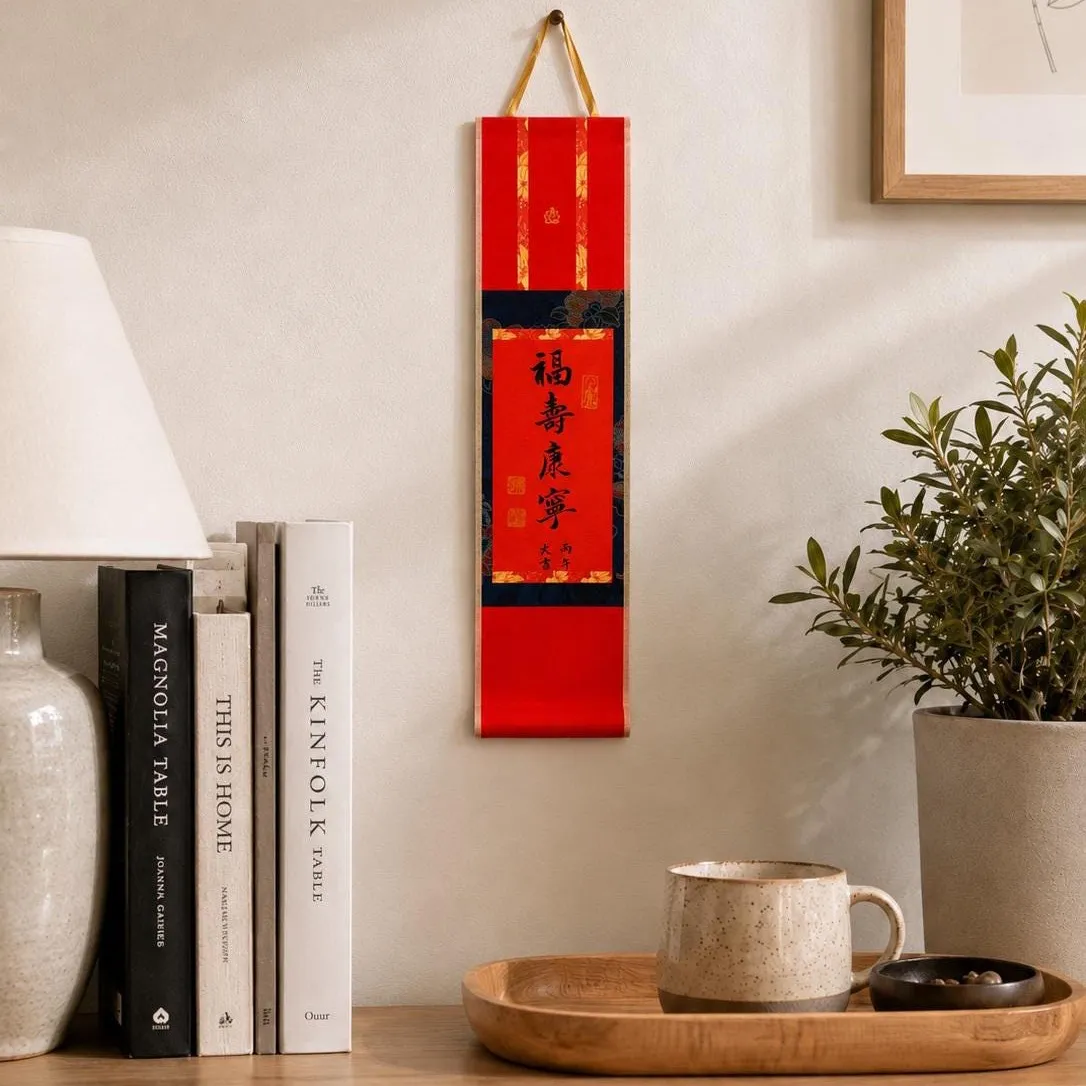
Photo shows a sample — yours will be brushed with 承, or any character you choose.
Wall Scroll — for walls & housewarmingsfrom $38→ -
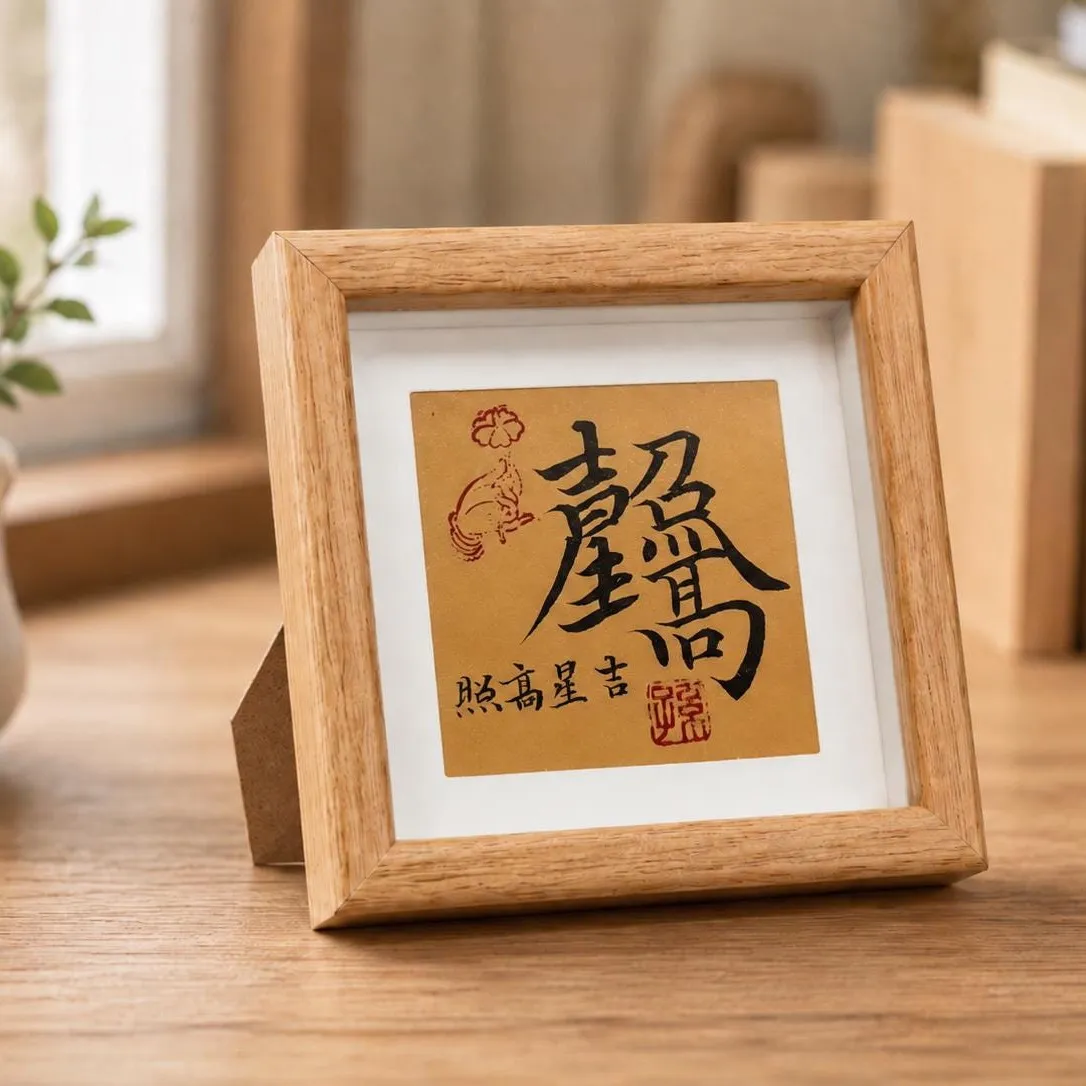
Photo shows a sample — yours will be brushed with 承, or any character you choose.
Desk Frame — for desks, studies & studiosfrom $44→ -
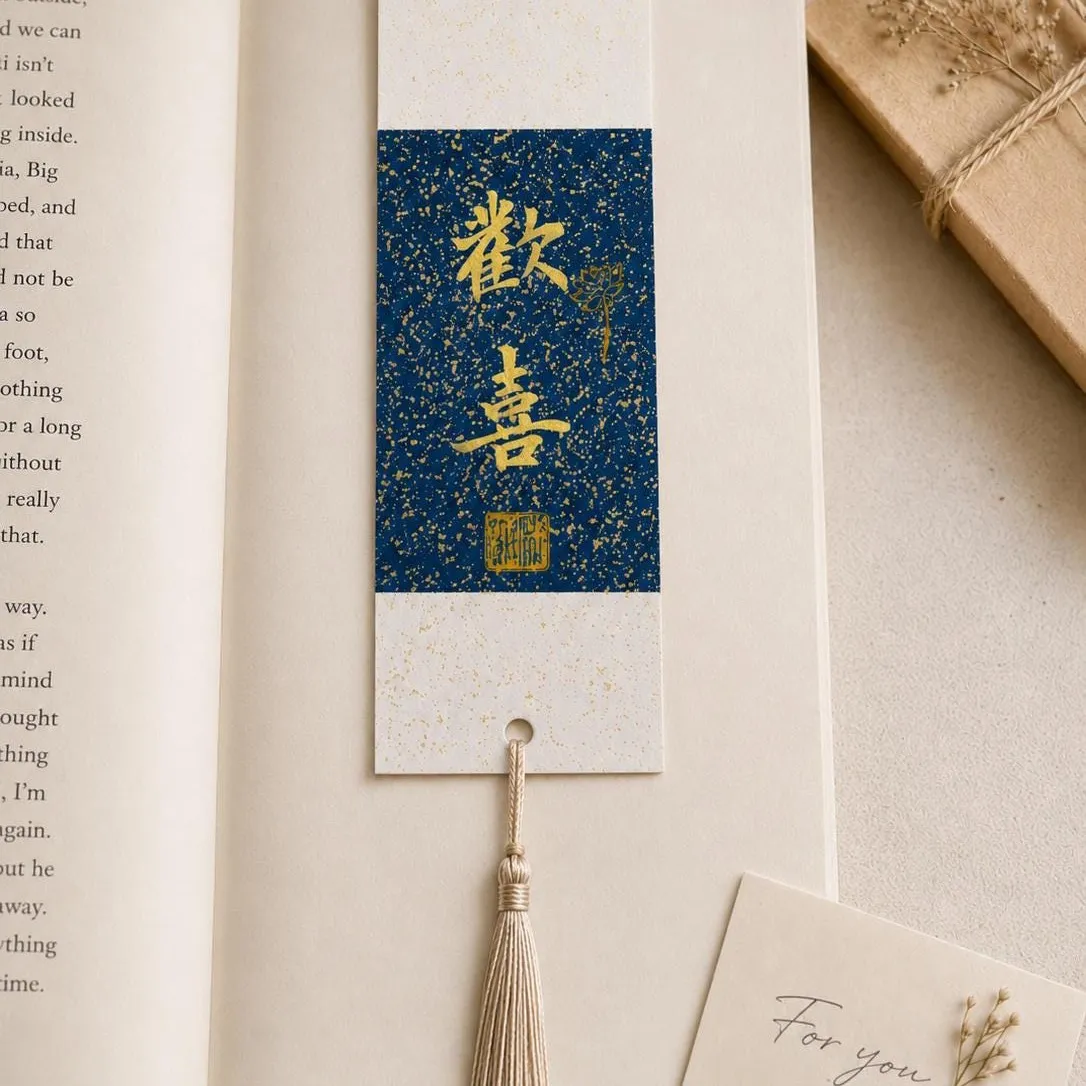
Photo shows a sample — yours will be brushed with 承, or any character you choose.
Bookmark — for readers & small thank-yousfrom $14→
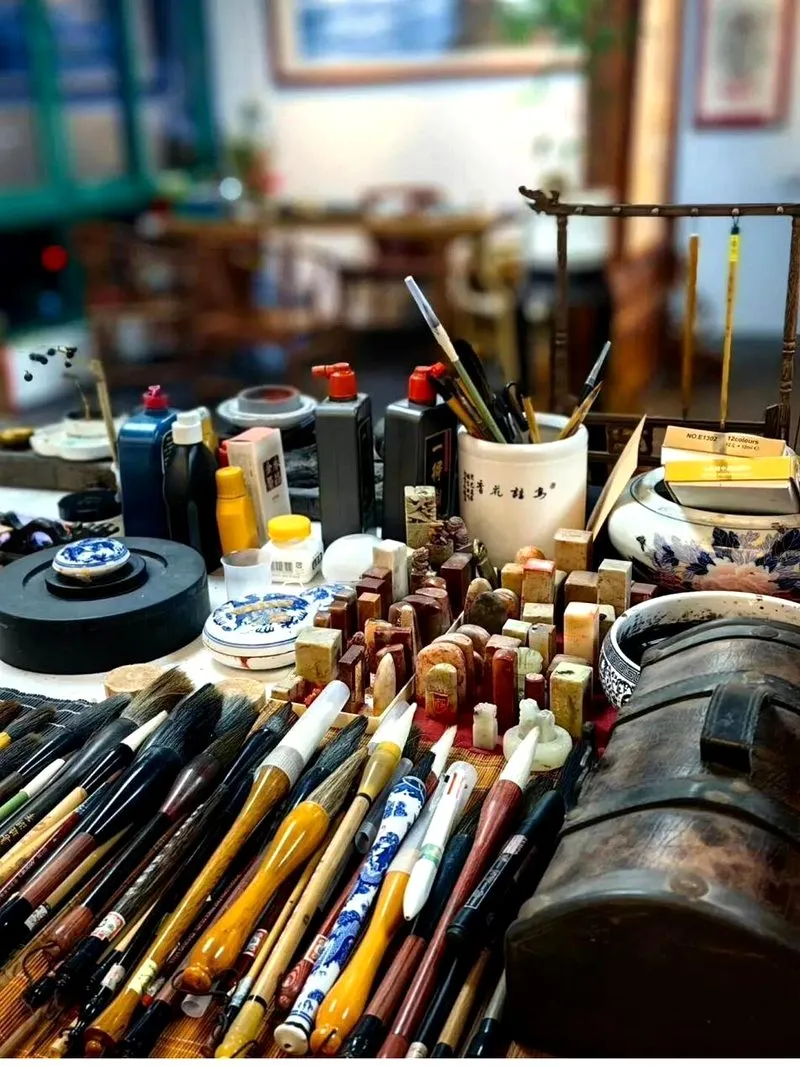
What people said after it arrived.
-
The item is fantastic. The customer service was genuine. Thanks!
— M.Verified purchase · from our Etsy shop reviews · -
They were great they gave me exactly what I asked for and then some. Thank you!!
— G.Verified purchase · from our Etsy shop reviews · -
It is well designed and customized. My daughter loves it. Amazing gift for family’s d friends
— S.Verified purchase · from our Etsy shop reviews ·
Each "承" is hand-brushed by FuBlessings on rice paper.
See 承 (Chéng) on Etsy →