容 (róng) — Capacity · Tolerance · Acceptance
A single character.
Some people do not merely put up with you — they take you in. Room for a bad mood, a wrong turn, a fault you have not fixed yet: that is 容. It is not 慈 (the tenderness an elder aims downward at the young) and not 宽 (the breadth, the latitude measured before anything fills it). 容 is the act of holding itself — to receive what is unlike you into yourself and steady it, without needing it to change first. The character is a roof over a valley, 宀 above 谷: the emptiest shape in a landscape, and for that reason the one that takes in every stream. To be 容 is to have that kind of room — and, the same character insists, to carry it on your face.
The word runs all through Chinese life as one idea in many keys. 包容 is the embrace that takes people in whole; 宽容 is forgiveness; 容忍 is the patience to bear what is hard; 容纳 is what a heart or a harbor does with what flows into it; 从容 is the composure of someone nothing small can crowd. Confucius’s disciple 子张 made 容众 — room for the many — the test of a decent person; Xunzi turned it into a fourfold rule, that the worthy contain the unworthy and the wise contain the foolish. See 宽 → for the breadth that makes such holding possible. 有容乃大, older Chinese says — to have capacity is to be great — the lesson the valley teaches the streams.
A hand-brushed 容 by Artist Lina Sun is the gift for the one who has held the most and shown it least — the mother, wife, or grandmother whose room the whole family lived inside. It does not wish beauty or long years; those are other characters. It names the rarer thing: the capacity to take everyone in without asking them to be different, and the grace — 从容 — that a lifetime of making room finally leaves on a face.
- capacity — the room inside to take things in
- tolerance — the latitude to hold what is unlike you without needing it to change
- acceptance — to receive a person or a fault into yourself rather than shut it out
- composure — 从容, the ease of someone with room to spare
- approval To 容 something is to make room for it, not to endorse it. The valley does not agree with the muddy river; it simply has space to hold it. 容 keeps its standards and its room at the same time.
- endurance 容 is spacious, not gritted. 忍 (rěn) is teeth-clenched forbearance — bearing what strains you. 容 has room to spare, so what it holds does not press against the walls.
- indifference 容 is an active taking-in, not a shrug. The valley receives every stream; it does not ignore them. To contain someone is to hold them, not to stop caring what they do.
The short arms are the point: these readings don’t reach it.
- 宀 roof / houseThe roof radical sets the scene as an enclosure — a space that can hold. 容's oldest meaning was measured capacity (盛也, in the Shuowen Jiezi), and a character about room to spare fittingly begins with a roof over open ground.
- 谷 valleyBeneath the roof sits 谷, a valley — the emptiest form in a landscape and, for that reason, the one that holds the most. The valley is why 容 means capacity: it takes in every stream without being filled. (Some readings treat the lower element as phonetic, but the received character carries the valley's image.)
character
- 包容 bāo róng to embrace and accept — the tolerance that takes people in whole
- 宽容 kuān róng tolerance, to forgive — to leave room for another's fault
- 从容 cóng róng composed, unhurried — the grace of someone nothing small can crowd
- 容纳 róng nà to hold, to accommodate — what a heart, a hall, or a sea does with what enters it
- 容颜 róng yán countenance, one's looks — the face 容 turns outward
The Story Behind the Character
The character is a roof set over a valley — 宀 above, 谷 below — and the image is the whole meaning. A valley is the emptiest shape in a landscape, a hollow scooped out of the hills, and precisely because it is empty it holds the most: every stream on the slopes drains into it, and it takes them all. China's first dictionary (Shuowen Jiezi, c. 100 CE) needed only one word to define 容 — 盛, to contain, to hold. Before it was ever a virtue, it was a measurement: how much a vessel, a room, a valley could take in.
From the capacity of a space came the capacity of a person. 容量 is how much a thing holds; 容 became how much a person can hold without spilling over — another's fault, another's difference, another's wrong. Xunzi built a whole portrait of the noble character out of the word: worthy, yet able to contain the unworthy; wise, yet able to contain the foolish; broad, yet able to contain the shallow. To be 容 is not to have no standard but to have room enough beside it for what falls short — the valley does not approve of the muddy river, it simply has space for it.
Then the character turns outward. 容 also names the face — 容貌 the countenance, 笑容 the smile, 容颜 a person's looks. The same word points inward at capacity and outward at appearance, and the join is not an accident: what a person can hold shows in how they carry themselves. The word for composure, 从容 (cóng róng), keeps 容 at its heart — the unhurried ease of someone whom nothing small can crowd. A face at rest is the outward sign of an inner room large enough to spare.
Classical lines
- roughly 150 years
- c. 400 BCE 《论语·子张》
- c. 300 BCE 《庄子·天下》
- c. 250 BCE 《荀子·非相》
君子尊贤而容众,嘉善而矜不能。 The noble person honors the worthy and makes room for the many, praises the good and has sympathy for those who fall short.
子张's answer on how to treat people: not to sort the world into worthy and unworthy and keep only the first, but to hold the whole of it. 容众 — to contain the multitude — is the social heart of 容: room for everyone, not just the ones who earn it.
君子贤而能容罢,知而能容愚,博而能容浅,粹而能容杂。 The noble person is worthy yet can contain the unworthy, wise yet can contain the foolish, broad yet can contain the shallow, pure yet can contain the mixed.
Xunzi's fourfold definition, and the cleanest statement of what 容 asks: the more you have, the more room you are supposed to leave for those who have less. Capacity, not superiority, is the mark of real worth.
常宽容于物,不削于人,可谓至极。 Always tolerant toward things, never cutting into others
this may be called the utmost. — Zhuangzi's praise of the old masters Guan Yin and Lao Dan. Where Confucian 容 is a duty owed to people, Daoist 容 is a way of moving through the world: to yield, to make space, to take no edge to anyone. The same breadth, reached from the other side.
Why This Character Matters
容 is one of the few Chinese characters that faces two directions at once. 容纳 (róng nà) is capacity turned inward — the invisible room a heart or a city has for what flows into it. 容颜 (róng yán) and 笑容 (xiào róng) are the face itself, the most outward thing about a person: her looks, her smile. One character holds both the vessel and the face, and a Chinese speaker moves between the two meanings without noticing the seam — because the language quietly assumes that what a person can contain is written on how they look.
The virtue strand runs through everyday speech as a single idea repeated in many keys: 包容 is the embrace that takes people in, 宽容 is forgiveness, 容忍 is the patience to bear what is hard, 从容 is the composure of someone never rushed. Older Chinese pairs 容 with size in a phrase children still learn — 有容乃大, "to have capacity is to be great" — the same lesson the valley teaches the streams. It is a gift most at home with the person a family has leaned on longest: the mother, wife, or grandmother whose room everyone lived inside without ever measuring how much it cost to keep open.
容 reads as 包容 (tolerance) and 从容 (composure) — a warm, slightly literary choice that also lives as a given name. A Chinese person seeing it as a tattoo would read breadth of heart, acceptance, or grace under pressure, and find it thoughtful and gentle rather than bold — closer to a value someone carries quietly than a statement they announce.
Calligraphy Styles for Tattoos
- Regular script (楷书 kǎishū) Best for tattoos
容 has 10 strokes — a wide roof 宀 over 谷. Regular script keeps the roof broad and the valley beneath it legible, which matters for a character whose whole meaning is room to hold. Minimum recommended size: 1.5 inches.
- Running script (行书 xíngshū) Good for larger pieces
The flowing strokes suit 容's open, unhurried sense — the ease of 从容. Works best at 2+ inches, where the roof keeps its width and the lower element stays distinct.
- Cursive script (草书 cǎoshū) Only with an expert calligrapher
In cursive the valley 谷 can collapse into an indistinct shape and lose legibility. Attempt only with a calligrapher experienced in cursive 容.
Common Mistakes to Avoid
- Writing the lower element as 各 (each) instead of 谷 (valley) — turning 容 into 客 (guest)Intended: 容 with 谷 beneath the roof
容 (capacity) and 客 (guest) share the roof 宀 and differ only below: 容 takes 谷 (valley), 客 takes 各 (each). Swap them and you have written a different, common character — 'guest' instead of 'capacity.' A Chinese reader catches it instantly.
- Cramping the roof narrow and tallIntended: 容 with a wide roof over open space
容 means room to hold. A pinched, narrow roof fights the character's own meaning — the 宀 should be broad and the space beneath it open, the way a valley is wide before it is deep.
Notes for Your Tattoo Artist
10 strokes. Top-bottom structure: a wide roof 宀 (3 strokes) over 谷 (7 strokes). Keep the roof broad — the character means capacity, and a narrow roof reads as a contradiction. Mind the join between the roof and the valley so the two halves stay balanced. Minimum 1.5 inches to hold the lower component's detail.
A few characters live near "容" but mean something quieter, sharper, or more specific. Here's how to tell them apart.
the act of holding — taking what is unlike you into yourself, containing it
the breadth that makes holding possible — the room to spare, measured before anything fills it
acceptance extended in every direction — holding equals, strangers, and what is unlike you
tenderness aimed downward — the protective, indulgent love an elder gives the young
the capacity of one person to take others in
the harmony that results when many are held together well
For the mother whose defining act was making room — for a child's mess, a temper, a wrong turn, and the slow return from it.
- For the mother whose defining act was making room — for a child's mess, a temper, a wrong turn, and the slow return from it. 容 names the capacity to take someone in and hold them without needing them to be different first; it is not 慈 (the tenderness aimed downward) and not 宽 (the breadth of latitude), but the act of containing itself — 包容, the word a family reaches for to describe the mother who absorbed everything and asked for little. Most apt for the mother whose patience you only measured once you had to try it yourself.
- For the mother, wife, or grandmother at a milestone, when the gift should name the thing a life of holding leaves behind. 容 is capacity worn on a face — the composure Chinese calls 从容, the ease of someone with room to spare. A recognition before it is a wish: it honors everything she has taken in and steadied over the years, and the quiet grace that a lifetime of making room settles into.
Mom · Wife · Grandparent · or yourself
Looking for a name? See Western names written in Chinese →
-
What does 容 (róng) mean?
容 (róng) is the Chinese character for capacity, tolerance, acceptance. Some people do not merely put up with you — they take you in. Room for a bad mood, a wrong turn, a fault you have not fixed yet: that is 容. It is not 慈 (the tenderness an elder aims downward at the young) and not 宽 (the breadth, the latitude measured before anything fills it). 容 is the act of holding itself — to receive what is unlike you into yourself and steady it, without needing it to change first. The character is a roof over a valley, 宀 above 谷: the emptiest shape in a landscape, and for that reason the one that takes in every stream. To be 容 is to have that kind of room — and, the same character insists, to carry it on your face. 容 is one of the few Chinese characters that faces two directions at once. 容纳 (róng nà) is capacity turned inward — the invisible room a heart or a city has for what flows into it. 容颜 (róng yán) and 笑容 (xiào róng) are the face itself, the most outward thing about a person: her looks, her smile. One character holds both the vessel and the face, and a Chinese speaker moves between the two meanings without noticing the seam — because the language quietly assumes that what a person can contain is written on how they look.
-
What occasions is 容 given for?
容 is traditionally given for Mother's Day, Birthday. For the mother whose defining act was making room — for a child's mess, a temper, a wrong turn, and the slow return from it. 容 names the capacity to take someone in and hold them without needing them to be different first; it is not 慈 (the tenderness aimed downward) and not 宽 (the breadth of latitude), but the act of containing itself — 包容, the word a family reaches for to describe the mother who absorbed everything and asked for little. Most apt for the mother whose patience you only measured once you had to try it yourself. For the mother, wife, or grandmother at a milestone, when the gift should name the thing a life of holding leaves behind. 容 is capacity worn on a face — the composure Chinese calls 从容, the ease of someone with room to spare. A recognition before it is a wish: it honors everything she has taken in and steadied over the years, and the quiet grace that a lifetime of making room settles into.
-
Is 容 a good Chinese tattoo?
容 reads as 包容 (tolerance) and 从容 (composure) — a warm, slightly literary choice that also lives as a given name. A Chinese person seeing it as a tattoo would read breadth of heart, acceptance, or grace under pressure, and find it thoughtful and gentle rather than bold — closer to a value someone carries quietly than a statement they announce.
-
Who brushes the 容 calligraphy?
Each 容 (Róng) is hand-brushed to order by Artist Lina Sun in ink on rice paper — never printed, never repeated.
Bring 容 home — choose how you'd like it brushed.
-
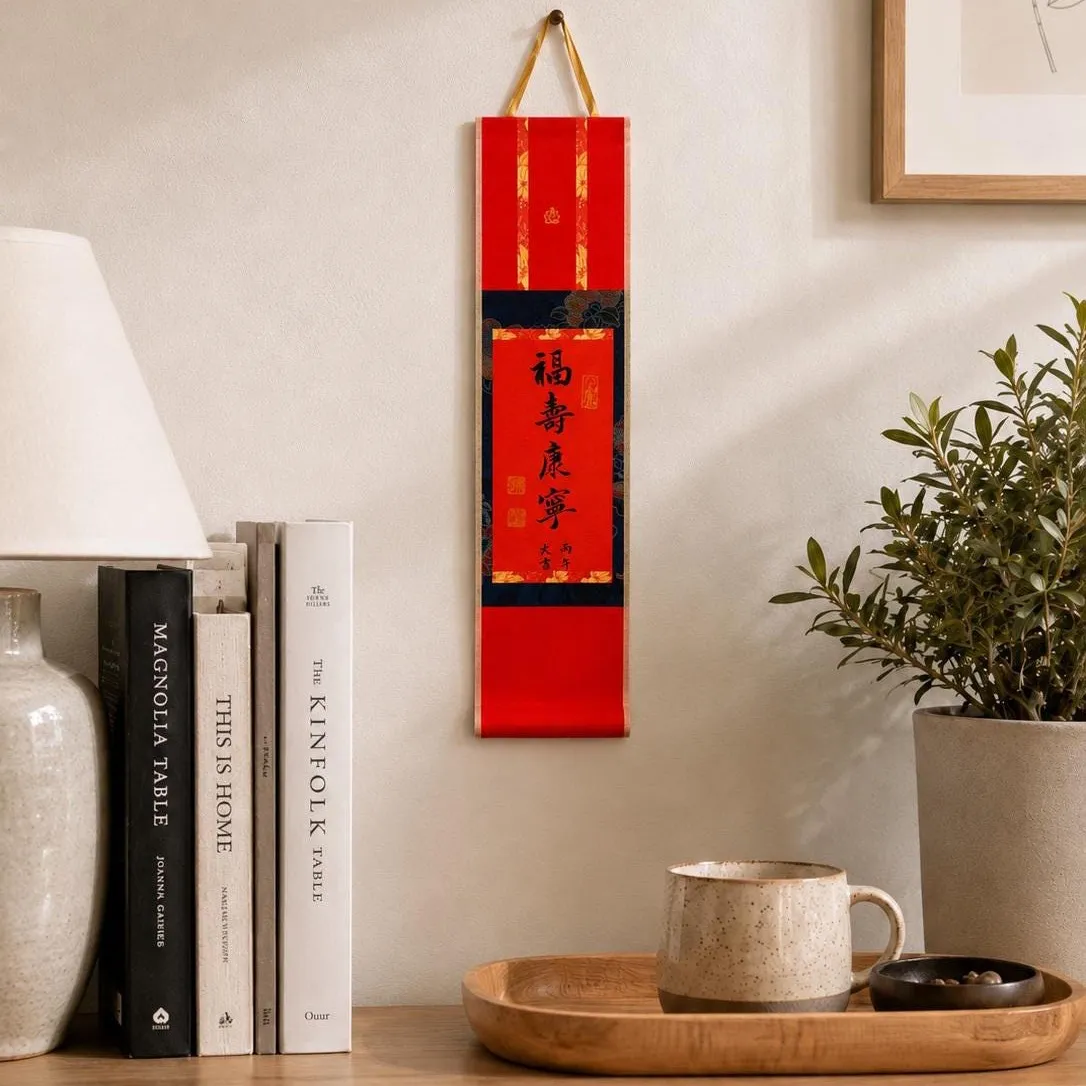
Photo shows a sample — yours will be brushed with 容, or any character you choose.
Wall Scroll — for walls & housewarmingsfrom $38→ -
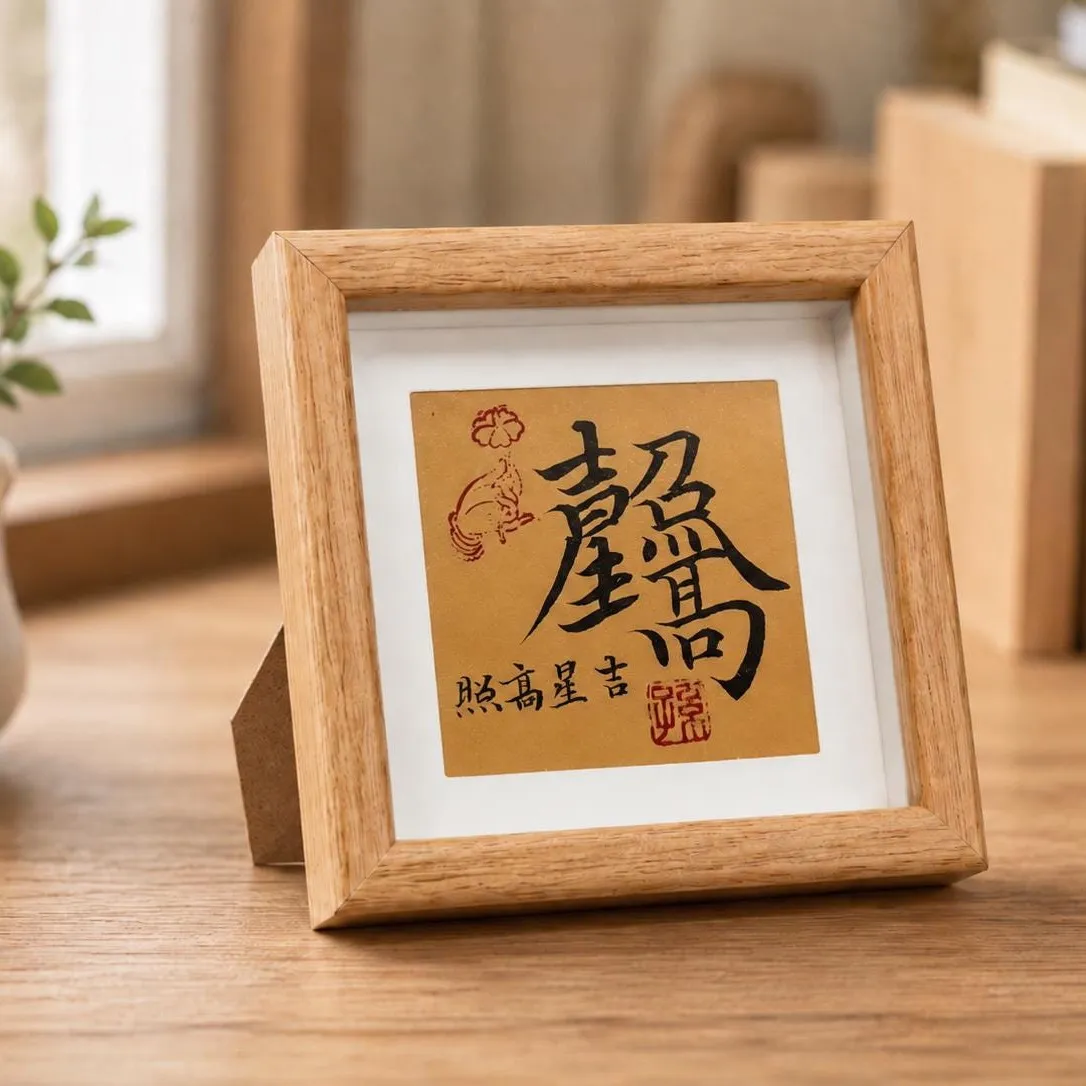
Photo shows a sample — yours will be brushed with 容, or any character you choose.
Desk Frame — for desks, studies & studiosfrom $44→ -
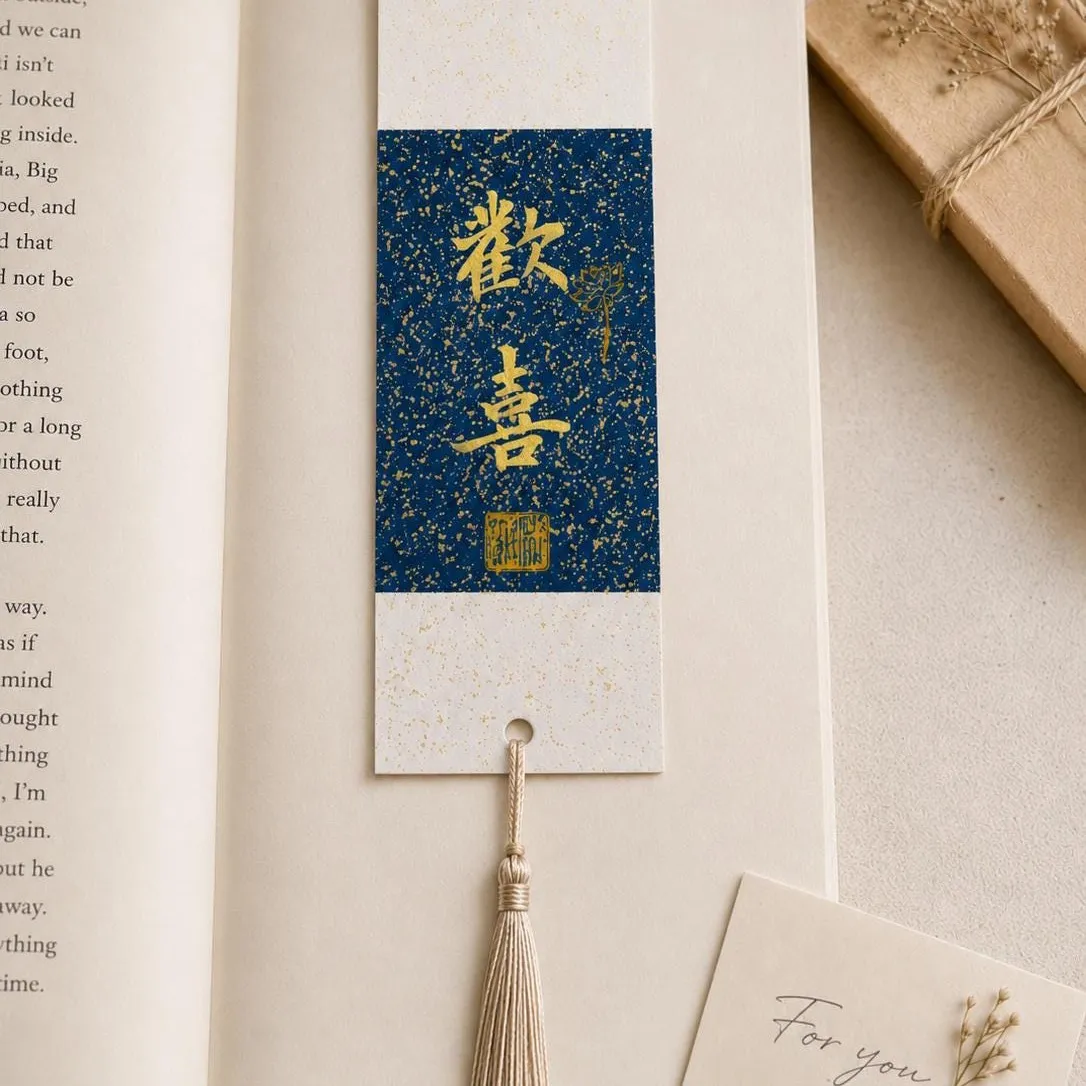
Photo shows a sample — yours will be brushed with 容, or any character you choose.
Bookmark — for readers & small thank-yousfrom $17→
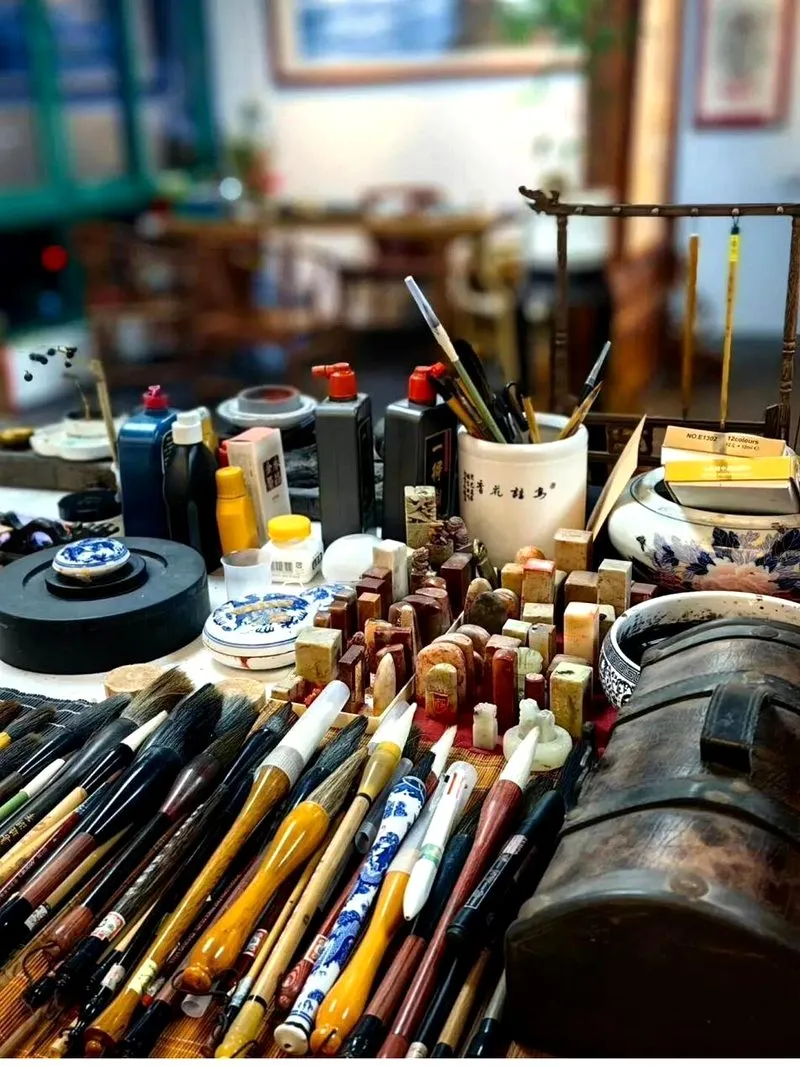
What people said after it arrived.
-
The item is fantastic. The customer service was genuine. Thanks!
— M.Verified purchase · from our Etsy shop reviews · -
They were great they gave me exactly what I asked for and then some. Thank you!!
— G.Verified purchase · from our Etsy shop reviews · -
It is well designed and customized. My daughter loves it. Amazing gift for family’s d friends
— S.Verified purchase · from our Etsy shop reviews ·
Each "容" is hand-brushed by Artist Lina Sun on rice paper.
See 容 (Róng) on Etsy →