安心 (ān xīn) — At Ease · A Worry Set Down
Two characters, and the first is the verb. 安 is not the quality here but the act — the 安 of 安民 and 安邦 — and 心 is what it settles. Reversed, 心安 is a different word.
Every grown child has said some version of it into a phone: 我挺好的,你别担心 — I’m fine, don’t worry. 安心 is what is supposed to happen at the other end of that sentence. It is not a mood and not a place. In ordinary speech the word has almost no zero point: nobody is at ease by default the way a room can simply be quiet, and there is nearly always a something the ease is about. What is left when one specific thing stops needing to be watched is 安心 — which is why the word’s natural home is the causative, 让父母安心, 令人安心, 你安心吧, and why 不安心 wants an answer to what about. The one tradition that tried to make it a bare condition, the Chan teachers above, had to stage a paradox to get there. It does not grant calm. It grants a license for attention: you may now look somewhere else.
The single 安 will not do this job. See 安 → 安 is a condition of the world — a roof, a seated figure, a household that runs — and its own page says as much: something you build, not something you feel. Put 心 underneath it and 安 stops being the quality and becomes the verb, the same 安 that governs 安民 and 安邦, with a heart in the object slot. Hence the adverbial forms, which are the shapes the word most often takes: 安心工作, 安心养病, 安心睡吧. None of them claims the trouble is over. Each says the same thing to somebody — this part is handled, spend yourself elsewhere. The difficulty with pointing it at a parent is that the language has already recorded how that goes. 儿行千里母担忧: when a child travels a thousand miles the mother worries, and the proverb never closes the distance.
A hand-brushed 安心 by FuBlessings is for the mother, father, or grandparent whose attention has been on you since before you can remember it being anywhere else. Words about their health they will deflect, and thanks for the past they will wave off; both are addressed to them, and both can be answered. This one is addressed to where they are permitted to look, and it can only come from the person they have been looking at. 凯风 counted seven sons who could not manage it. It is still the same errand.
- at ease — one specific worry set down
- the license to look somewhere else
- what a parent stops having to check
- a mind taken off watch
- peace of mind Close, but it names a possession — something a person has, or works on having. 安心 names a transaction: somebody stopped needing to watch something, and usually somebody else is the reason it stopped.
- relief Relief is what you feel when the bad thing does not happen. 安心 makes no claim that anything happened at all, good or bad — only that this part no longer needs your attention.
- reassurance Reassurance is words. 安心 is what the words are trying to produce, and 报喜不报忧 — good news reported, bad news withheld — is the standard way of producing it without it being true.
- calm Calm has a zero point: a person can simply be calm, about nothing in particular. In ordinary speech 安心 all but never does — there is a something it is about, which is why 不安心 wants an answer to what about.
The short arms are the point: these readings don’t reach it.
- 安 to settle — the verbNot the quality but the act. This is the transitive 安 of 安民 and 安邦 — settling something that was not settled before — with a heart in the object slot instead of a people or a state.
- 心 the heart that worriesChinese files worry here and nowhere else: 忧心, 操心, 挂心, 担心. The heart is the thing that gets loaded, so it is the thing that can be set down.
characters
- 让父母安心 ràng fù mǔ ān xīn to leave one's parents nothing to worry about — the standing description of what a grown child owes
- 安心工作 ān xīn gōng zuò to work with an undivided mind — the adverbial form, where the word licenses attention elsewhere
- 令人安心 lìng rén ān xīn reassuring — literally, causes a person to be at ease
- 安心养病 ān xīn yǎng bìng to recover without distraction — what is said at a bedside, to someone who is still ill
- 不安心 bù ān xīn unable to settle to it — the true negative, and it wants an answer to what about: 不安心工作, 不安心养病
- 心安理得 xīn ān lǐ dé with a clear conscience — the reversed order, and a verdict a person passes on themselves
The Story Behind the Character
The story the Chan lineage tells about its own beginning turns on this word. 神光 — later known as 慧可 — has come to 菩提达摩 and asks for one thing: 我心未宁,乞师与安, my heart is not settled, I ask you to settle it. 达摩's answer is a demand rather than a teaching: 将心来,与汝安 — bring me the heart and I will settle it. 慧可 goes and looks, and reports back that he cannot find it: 觅心了不可得. 达摩 closes the exchange in five characters, 我与汝安心竟, there, I have finished settling your heart for you. The record is the Jingde Record of the Transmission of the Lamp, compiled in 1004, and the exchange is lineage story rather than documented event. What is worth noticing is not the paradox at the end but the shape of the request at the start, which a thousand years of retelling never thought to question: the man cannot do this for himself. He goes to somebody else and asks to have it done. Note what he asks for and what he is handed. 乞师与安 — I ask you to settle it. What he asks for is the thing done to him, and that is precisely what comes back.
That request is the grammar of the compound. 安 arrives in it as a verb, not as the quality the single character names. It is the transitive 安 of 安民, to settle a people, and 安邦, to settle a state, and of 修己以安人 in the Analects, to settle other people by first putting yourself in order — an operation performed on something that was not settled before. The Shuowen gives the stative gloss, 安,静也, still; but the transitive use runs through the whole classical record, and it is the one this word is built on. 心 supplies the object, and it is the only candidate, because Chinese files worry in the heart and nowhere else: 忧心 to grieve it, 操心 to work it, 挂心 to hang something on it, 担心 to carry it. 安心 is the reverse operation on the same organ.
Chinese also keeps the other order, and it is not the same word. 心安 is subject and predicate — the heart is at rest — and it lives inside 心安理得, the verdict a person passes on their own conduct once they have concluded they were in the right. Nobody else is involved in that sentence. 安心 has no such self-sufficiency, and it is not one of the Confucian classics' words at all. It settles out of the ordinary transitive use, and the tradition that made a term of art of it was the Buddhist one — 智顗 gives 善巧安心 its own step in the 摩诃止观 of 594, and the Chan teachers put it in the title of a method — which is the background the exchange above is standing on. By the time it reaches ordinary prose it is read as one word rather than two.
Classical lines
- roughly 1,700 years
- c. 7th c. BCE 《诗经·邶风·凯风》
- c. 400 BCE 《论语·公冶长》
- 1004 CE 《景德传灯录》
睍睆黄鸟,载好其音。有子七人,莫慰母心。 The oriole is there, and its song is a fine one. Seven sons
and not one has eased their mother's heart. — 凯风 is a poem of self-accusation; the traditional commentaries read it as seven grown sons faulting themselves that their mother's life is still unsettled. The poem ends on a count, and what it counts is failures. The comparison is Zheng Xuan's: the oriole manages to please an ear, and seven sons cannot manage their mother's heart. 睍睆 is itself disputed — the Mao gloss reads it of the bird's look, Zhu Xi of the roundness of its song.
老者安之,朋友信之,少者怀之。 Give the old their ease; let friends find me worth trusting; keep the young close.
Confucius's answer when his students, having each named an ambition of their own, turned and asked for his. Nine characters for the whole aim of a life, and the first three are this word's verb doing this word's work: 安 with a person as its object, and the person is elderly. That is the reading Zhu Xi puts first, though he records a rival one — the old find their ease in him — and calls it defensible too.
我与汝安心竟。 There
I have finished settling your heart for you. — The one line among these three that contains the word itself, and every piece of its grammar points the same way. 与汝 marks the beneficiary: it is done for you. 竟 says it is finished — 达摩 does not report a state that has come over Huike but a transaction he has closed on his behalf. Whatever the story is arguing about the mind, it is unambiguous about who does this to whom.
Why This Character Matters
你安心吧. 安心养病. 安心工作. 安心睡吧. The word lives in the imperative, which for a blessing is odd — nobody says 祝你安心 the way they say 祝你健康. It is not requested from the world on somebody's behalf; it is issued, by one person to another, about something that person no longer has to watch. And the person with standing to issue it is the one the worry has been about. That is the whole reason it reads as a gift from a child and would read oddly from anybody else. It is also why the word does not need anything to have gone right. 安心工作 is said to someone whose situation has not improved at all; what has changed is only that this part of it is now somebody else's to watch.
Speakers hold a boundary between 安心 and its nearest neighbour without ever having to think about it. 放心 is the release — 你放心, put it down — addressed to somebody still holding the worry, and it usually takes a clause about the thing itself: 不放心你一个人在外面. 安心 is the condition available afterward, and it leans toward a verb about the rest of your life: 安心工作, 安心休息. Between the two sits a practice Chinese families run on and have a name for, 报喜不报忧 — report the good news, withhold the bad. It produces the appearance of 安心 at the far end of a phone line by managing what reaches it, which is exactly why the real thing is harder to hand over than it looks. The parent has to be right, not merely calm.
A few characters live near "安心" but mean something quieter, sharper, or more specific. Here's how to tell them apart.
an act performed on a mind — someone stops needing to watch something
a condition of a place — a roof, a latched door, a household that runs
one specific thing set down; it presupposes there was something being watched
nothing left to want — a standing condition, and one a person can be in alone
what the person listening is then free to do
the fact itself — that someone came through the day unharmed
points forward — the duty you are releasing them from
points back — the debt you are naming
A parent's attention never gets stood down, and the only person who can issue the license is the one it has been on.
- 凯风 ends on a count: seven sons, and not one of them had eased their mother's heart. The poem is the oldest complaint in the language about this exact debt, and it is the sons who file it against themselves. A mother's attention does not get stood down by anything that happens to her — not by her own health, her own plans, or the passing of years — and the reason is structural rather than sentimental: the thing she is watching is not in the room. Most of what gets given on Mother's Day is addressed to how she is. 安心 is addressed to where she is allowed to look, and the only person with standing to issue it is the one she has been looking at.
- A father who has stopped asking about the job, the rent, the check-up has usually not stopped tracking them. He has stopped raising them, which is a different thing and easy to mistake for the first. Words about his strength describe him; words about his years wish him more of them; both are things he can accept with nothing else changing, and he is practiced at accepting them. 安心 makes no claim about him at all. It says that one front of his attention is off duty — which makes it a statement about the person handing it over, and one he is in a position to check.
Mom · Dad · Grandparent · or yourself
Looking for a name? See Western names written in Chinese →
-
What does 安心 (ān xīn) mean?
安心 (ān xīn) is a two-character Chinese word for at ease, a worry set down. Every grown child has said some version of it into a phone: 我挺好的,你别担心 — I'm fine, don't worry. 安心 is what is supposed to happen at the other end of that sentence. It is not a mood and not a place. In ordinary speech the word has almost no zero point: nobody is at ease by default the way a room can simply be quiet, and there is nearly always a something the ease is about. What is left when one specific thing stops needing to be watched is 安心 — which is why the word's natural home is the causative, 让父母安心, 令人安心, 你安心吧, and why 不安心 wants an answer to what about. The one tradition that tried to make it a bare condition, the Chan teachers above, had to stage a paradox to get there. It does not grant calm. It grants a license for attention: you may now look somewhere else. 你安心吧. 安心养病. 安心工作. 安心睡吧. The word lives in the imperative, which for a blessing is odd — nobody says 祝你安心 the way they say 祝你健康. It is not requested from the world on somebody's behalf; it is issued, by one person to another, about something that person no longer has to watch. And the person with standing to issue it is the one the worry has been about. That is the whole reason it reads as a gift from a child and would read oddly from anybody else. It is also why the word does not need anything to have gone right. 安心工作 is said to someone whose situation has not improved at all; what has changed is only that this part of it is now somebody else's to watch.
-
What occasions is 安心 given for?
安心 is traditionally given for Mother's Day, Father's Day. 凯风 ends on a count: seven sons, and not one of them had eased their mother's heart. The poem is the oldest complaint in the language about this exact debt, and it is the sons who file it against themselves. A mother's attention does not get stood down by anything that happens to her — not by her own health, her own plans, or the passing of years — and the reason is structural rather than sentimental: the thing she is watching is not in the room. Most of what gets given on Mother's Day is addressed to how she is. 安心 is addressed to where she is allowed to look, and the only person with standing to issue it is the one she has been looking at. A father who has stopped asking about the job, the rent, the check-up has usually not stopped tracking them. He has stopped raising them, which is a different thing and easy to mistake for the first. Words about his strength describe him; words about his years wish him more of them; both are things he can accept with nothing else changing, and he is practiced at accepting them. 安心 makes no claim about him at all. It says that one front of his attention is off duty — which makes it a statement about the person handing it over, and one he is in a position to check.
-
Who brushes the 安心 calligraphy?
FuBlessings hand-brushes each 安心 (Ān Xīn) to order, in ink on rice paper — never printed, never repeated.
Bring 安心 home — choose how you'd like it brushed.
-
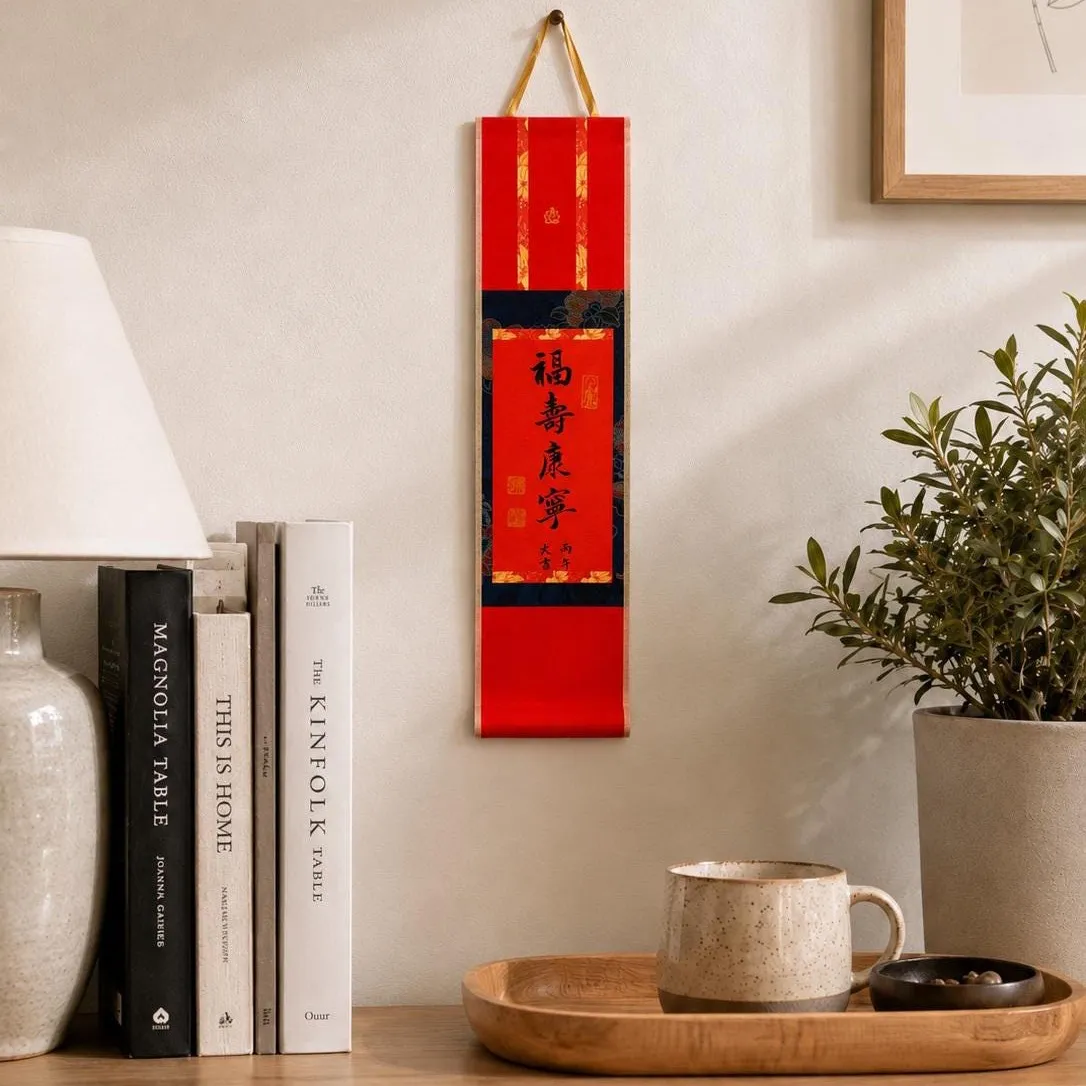
Photo shows a sample — yours will be brushed with 安心, or any character you choose.
Wall Scroll — for walls & housewarmingsfrom $38→ -
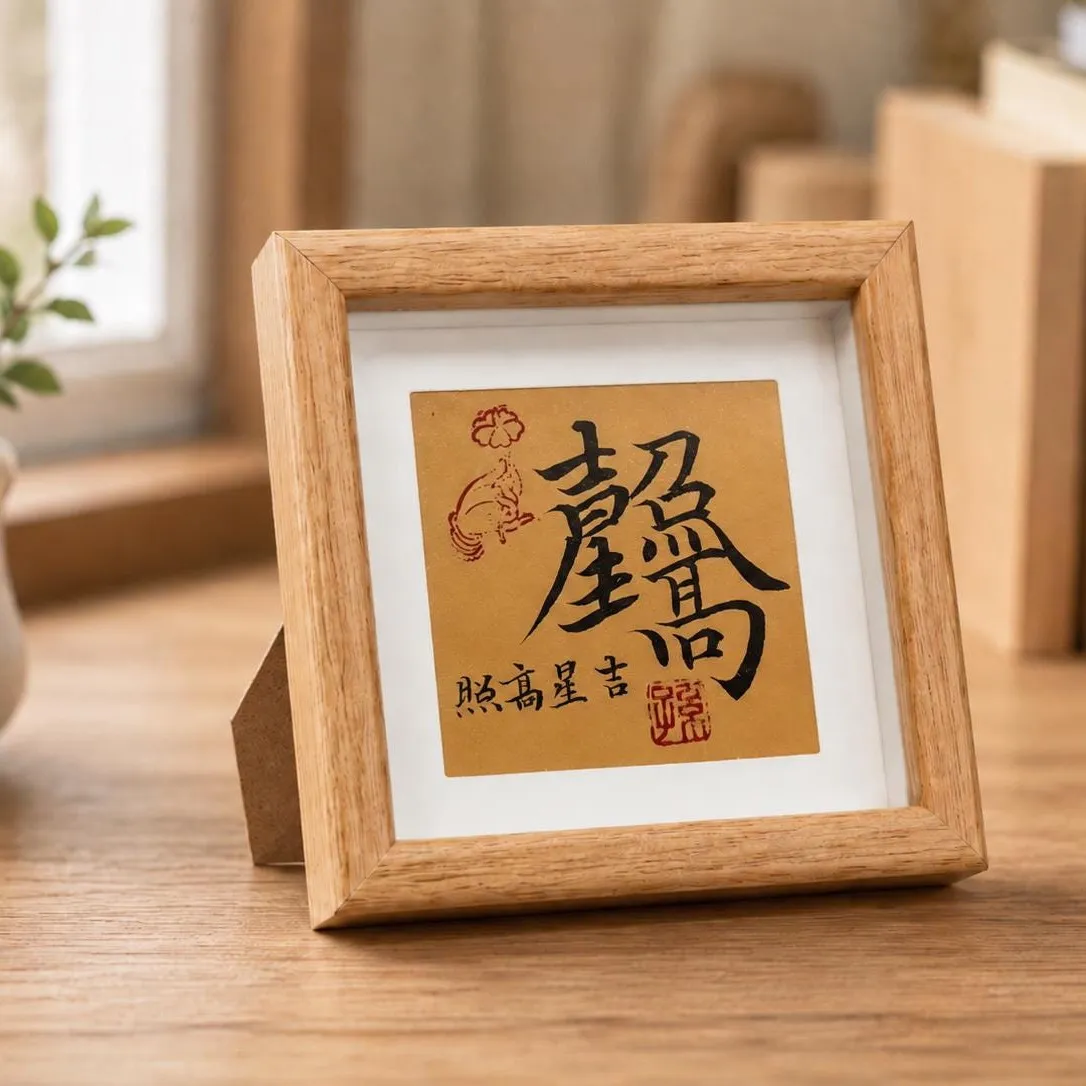
Photo shows a sample — yours will be brushed with 安心, or any character you choose.
Desk Frame — for desks, studies & studiosfrom $44→ -
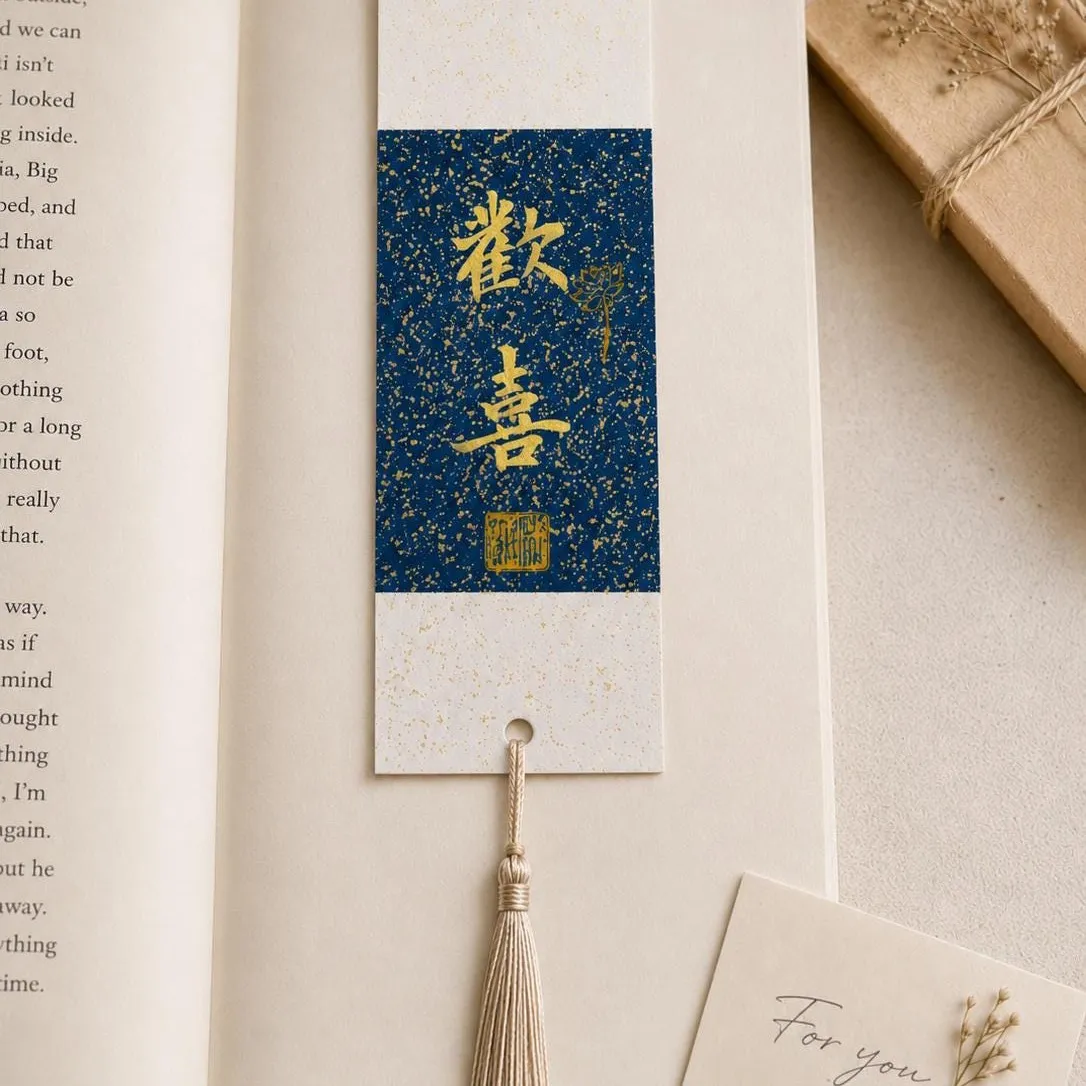
Photo shows a sample — yours will be brushed with 安心, or any character you choose.
Bookmark — for readers & small thank-yousfrom $14→
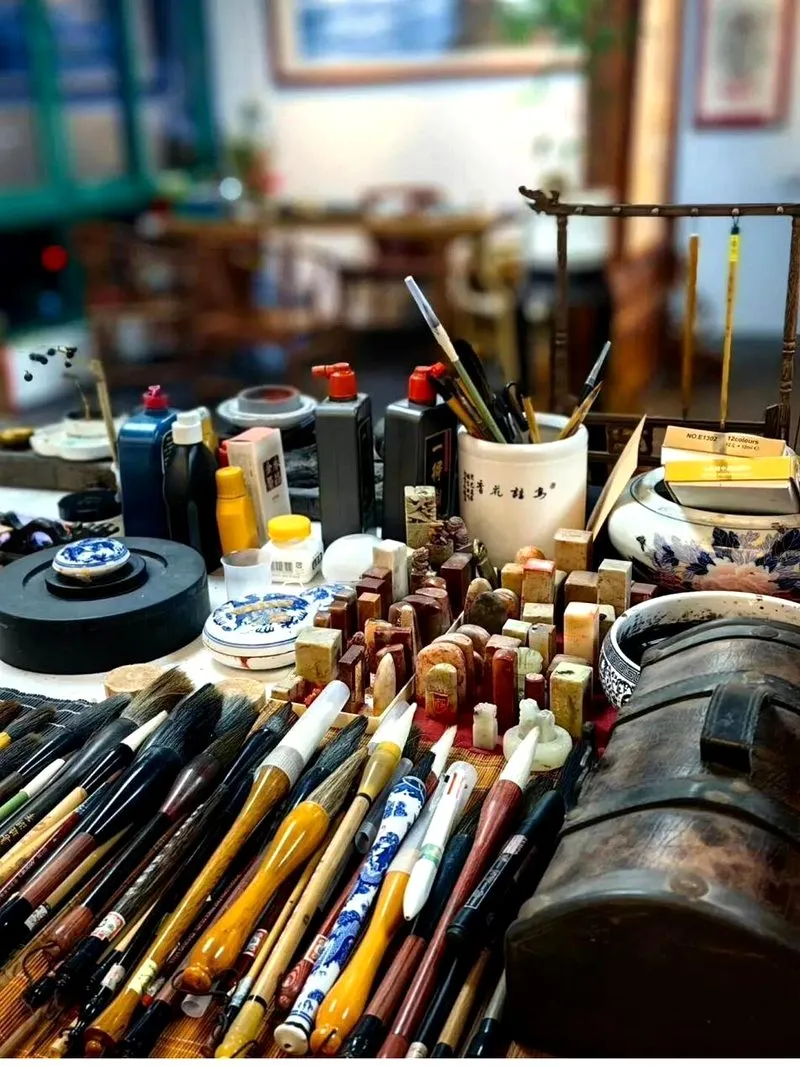
What people said after it arrived.
-
The item is fantastic. The customer service was genuine. Thanks!
— M.Verified purchase · from our Etsy shop reviews · -
They were great they gave me exactly what I asked for and then some. Thank you!!
— G.Verified purchase · from our Etsy shop reviews · -
It is well designed and customized. My daughter loves it. Amazing gift for family’s d friends
— S.Verified purchase · from our Etsy shop reviews ·
Each "安心" is hand-brushed by FuBlessings on rice paper.
See 安心 (Ān Xīn) on Etsy →