知足 (zhī zú) — Contentment · Knowing What is Enough
A two-character word, not a single character.
知足 is the only Chinese blessing that wishes for less. Every other character in the tradition — wealth, longevity, happiness, success — points forward, toward accumulation. 知足 points inward, toward recognition. Its core claim, stated most directly by Laozi in the Daodejing, is that the feeling of “enough” is not produced by having more. It is produced by seeing clearly. 知足者富 — “the one who knows what is enough is rich” — redefines wealth as a perceptual achievement, not a material one. This is what makes the phrase feel so contemporary: in an age of infinite scrolling and perpetual upgrade cycles, a two-character reminder that sufficiency is a skill, not a circumstance.
The concept crossed every philosophical border in Chinese thought. Laozi made it central to Daoism. Confucian thinkers adopted it as a check on ambition. Buddhist monks carved it into temple stones. In Kyoto, a 17th-century stone water basin at the Ryoan-ji temple bears the characters 吾唯知足 — “I only know contentment” — a gift from one of the most powerful feudal lords in Japanese history to the monks who tended the garden. The message was placed at the entrance: before you step into this space, recognize that what you already have is enough. A Chinese Daoist phrase, written in Chinese characters, became the spiritual threshold of a Japanese Zen masterpiece — because the human problem it addresses has no national border.
A hand-brushed “知足” by FuBlessings is a fitting gift for the person whose calm you find yourself wanting to live closer to — a mentor, a retiree, a parent who has stopped chasing, a friend whose values you most respect. It is not a wish for who someone might become. It is recognition of who they already are.
- knowing what is enough
- contentment as discernment
- sufficiency seen clearly
- the wisdom to stop
- satisfied Too passive. 知足 is active recognition, not a feeling that happens to you. It is the skill of seeing that what you have is enough.
- resigned Too defeated. 知足 is not giving up on wanting more — it is recognizing that the wanting itself was the problem.
The short arms are the point: these readings don’t reach it.
- 知 discernment / clear recognitionAn arrow beside a mouth — knowledge as something aimed and spoken, precise rather than vague. Active recognition: seeing something clearly enough to name it. The perceptual half.
- 足 enough / sufficient / the journey arrivedA foot — originally the body part, extended to mean a journey completed: the foot that has arrived, that does not need another step. The stopping point, the standard met.
characters
- 知足常乐 zhī zú cháng lè knowing what is enough is lasting joy — the Daoist proverb
- 知足者富 zhī zú zhě fù the one who knows what is enough is rich — Laozi's redefinition of wealth
- 知足不辱 zhī zú bù rǔ knowing enough avoids disgrace — the protective version
- 吾唯知足 wú wéi zhī zú I only know contentment — the inscription on the Ryoan-ji water basin
- 知止 zhī zhǐ knowing when to stop — the companion principle from the Great Learning
The Story Behind the Character
知 (zhī) is one of the oldest epistemological characters in Chinese: its earliest form shows an arrow (矢) beside a mouth (口) — knowledge as something aimed and spoken, precise rather than vague. The Shuowen Jiezi defines it as 詞也 — "to discern, to recognize." This is not passive awareness. It is active recognition: seeing something clearly enough to name it. 足 (zú) is equally concrete in its origins: the oracle bone form is a drawing of a foot, and its primary meaning is "foot" or "leg." The extended meaning — "enough, sufficient, to satisfy" — comes from the image of a journey completed: the foot that has arrived, that does not need to take another step.
Together, 知足 performs a remarkable conceptual fusion. 知 supplies the discernment, and 足 supplies the stopping point. The compound does not mean "having enough" — that would be a statement about quantity. It means "knowing that you have enough" — a statement about perception. The difference is everything. A person can have more than enough and not know it; another can have modest means and feel complete. 知足 locates the blessing not in the circumstance but in the consciousness of the person experiencing it. This is why Laozi placed it at the center of Daoist philosophy: the problem was never scarcity. The problem was always the failure to recognize sufficiency.
The earliest philosophical use of the compound appears in the Daodejing, Chapter 46: 知足之足,常足矣 — "the sufficiency of knowing sufficiency is enduring sufficiency." The recursive structure is deliberate. Laozi is saying that once you truly know what enough feels like, the feeling does not expire. It is not dependent on continued accumulation. It sustains itself. This insight made 知足 one of the foundational concepts in Chinese ethical thought, adopted by Confucians, Buddhists, and folk wisdom alike — a rare term that crossed every philosophical border because every tradition recognized the same human problem.
Classical lines
- about a century
- c. 400 BCE 《老子》第四十四章
- c. 400 BCE 《老子》第四十六章
- c. 400 BCE 《老子》第三十三章
知足不辱,知止不殆。 Know what is enough and you will not be disgraced; know when to stop and you will not be endangered.
Laozi's paired warning: the person who cannot recognize sufficiency will eventually be humiliated by their own excess.
知足之足,常足矣。 The sufficiency of knowing sufficiency is enduring sufficiency.
The Daodejing's most recursive line: once you truly feel 'enough,' the feeling does not run out.
知足者富。 The one who knows what is enough is rich.
Three characters that redefine wealth entirely: it is not what you have accumulated but what you have stopped needing.
Why This Character Matters
In the courtyard of the Ryoan-ji temple in Kyoto — one of Japan's most visited Zen sites — there is a stone water basin (蹲踞, tsukubai) donated in the 17th century. Carved into its surface are four characters arranged around a central square: 吾唯足知, read as 吾唯知足 — "I only know contentment." The basin was a gift from Tokugawa Mitsukuni, one of the most powerful feudal lords in Japanese history, and its message was aimed at monks and visitors alike: before you enter this garden, remember that what you already have is enough. The fact that a Chinese Daoist phrase, carved in Chinese characters, became the spiritual threshold of a Japanese Zen temple tells you how far 知足 traveled — and how universally the insight landed.
In Chinese folk art, 知足 is often depicted through a visual pun: a spider (蜘蛛, zhīzhū) sitting on a foot (足). The homophonic echo — 蜘 sounds like 知, and 蛛 echoes 足 — turns the abstract concept into a concrete image that appears on papercuts, embroidery, and New Year prints. This is characteristic of how Chinese culture handles its deepest philosophical ideas: not by keeping them elevated and academic, but by weaving them into the visual fabric of daily life, where they can do their work on people who have never read the Daodejing.
A few characters live near "知足" but mean something quieter, sharper, or more specific. Here's how to tell them apart.
the cognitive recognition that one has enough — the perceptual achievement
serenity — the resulting interior stillness, the felt state
a specific virtue — the discernment to recognize sufficiency
moral character in full — the broader inner orientation
the precondition for lasting joy — knowing what is enough first
the joy itself — daily warmth that follows when the chasing stops
知足 is a precise retirement gift — a wish for the wisdom to enjoy what has already been built, rather than chase what comes next.
- Retirement知足 is a precise retirement gift — a wish for the wisdom to enjoy what has already been built, rather than chase what comes next. The Daoist proverb 知足常乐 says it directly: the one who knows what is enough is always at ease.
- Just BecauseFor the mentor or friend whose calm you find yourself wanting to live closer to. 知足 names the quality, and wishes it forward.
- A grown-up birthday gift — not a wish for more, but a wish for the ability to see that what is already here, suffices.
- Hung in a new home, 知足 sets a quiet tone: this place is enough. A wish for the household to feel that, not just say it.
Self · Best Friend · Mentor · Coworker · Boss · Parent · or yourself
Looking for a name? See Western names written in Chinese →
-
What does 知足 (zhī zú) mean?
知足 (zhī zú) is a two-character Chinese word for contentment, knowing what is enough. 知足 is the only Chinese blessing that wishes for less. Every other character in the tradition — wealth, longevity, happiness, success — points forward, toward accumulation. 知足 points inward, toward recognition. Its core claim, stated most directly by Laozi in the Daodejing, is that the feeling of "enough" is not produced by having more. It is produced by seeing clearly. 知足者富 — "the one who knows what is enough is rich" — redefines wealth as a perceptual achievement, not a material one. This is what makes the phrase feel so contemporary: in an age of infinite scrolling and perpetual upgrade cycles, a two-character reminder that sufficiency is a skill, not a circumstance. In the courtyard of the Ryoan-ji temple in Kyoto — one of Japan's most visited Zen sites — there is a stone water basin (蹲踞, tsukubai) donated in the 17th century. Carved into its surface are four characters arranged around a central square: 吾唯足知, read as 吾唯知足 — "I only know contentment." The basin was a gift from Tokugawa Mitsukuni, one of the most powerful feudal lords in Japanese history, and its message was aimed at monks and visitors alike: before you enter this garden, remember that what you already have is enough. The fact that a Chinese Daoist phrase, carved in Chinese characters, became the spiritual threshold of a Japanese Zen temple tells you how far 知足 traveled — and how universally the insight landed.
-
What occasions is 知足 given for?
知足 is traditionally given for Retirement, Just Because, Birthday, Housewarming. 知足 is a precise retirement gift — a wish for the wisdom to enjoy what has already been built, rather than chase what comes next. The Daoist proverb 知足常乐 says it directly: the one who knows what is enough is always at ease. For the mentor or friend whose calm you find yourself wanting to live closer to. 知足 names the quality, and wishes it forward.
-
Who brushes the 知足 calligraphy?
FuBlessings hand-brushes each 知足 (Zhī Zú) to order, in ink on rice paper — never printed, never repeated.
Bring 知足 home — choose how you'd like it brushed.
-
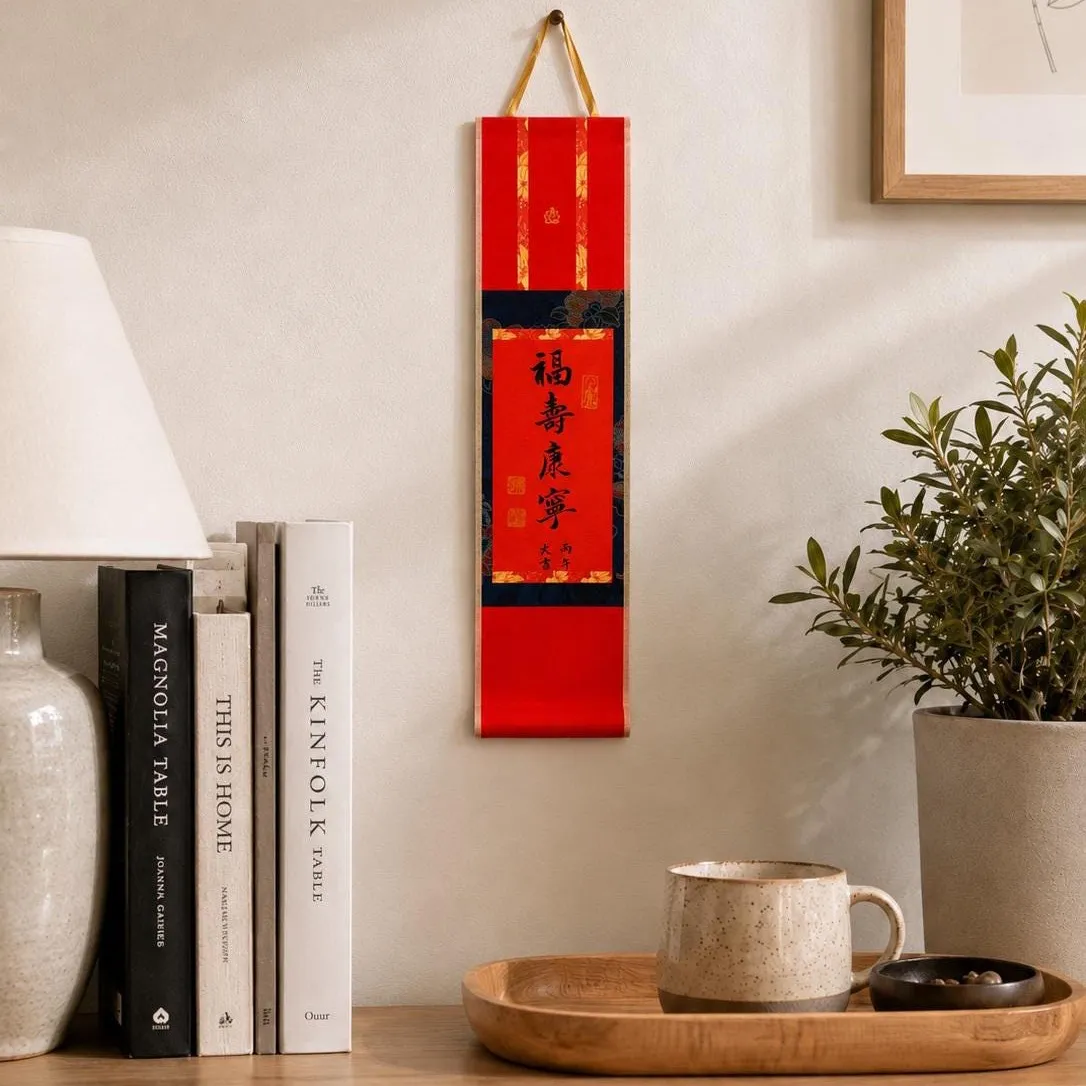
Photo shows a sample — yours will be brushed with 知足, or any character you choose.
Wall Scroll — for walls & housewarmingsfrom $38→ -
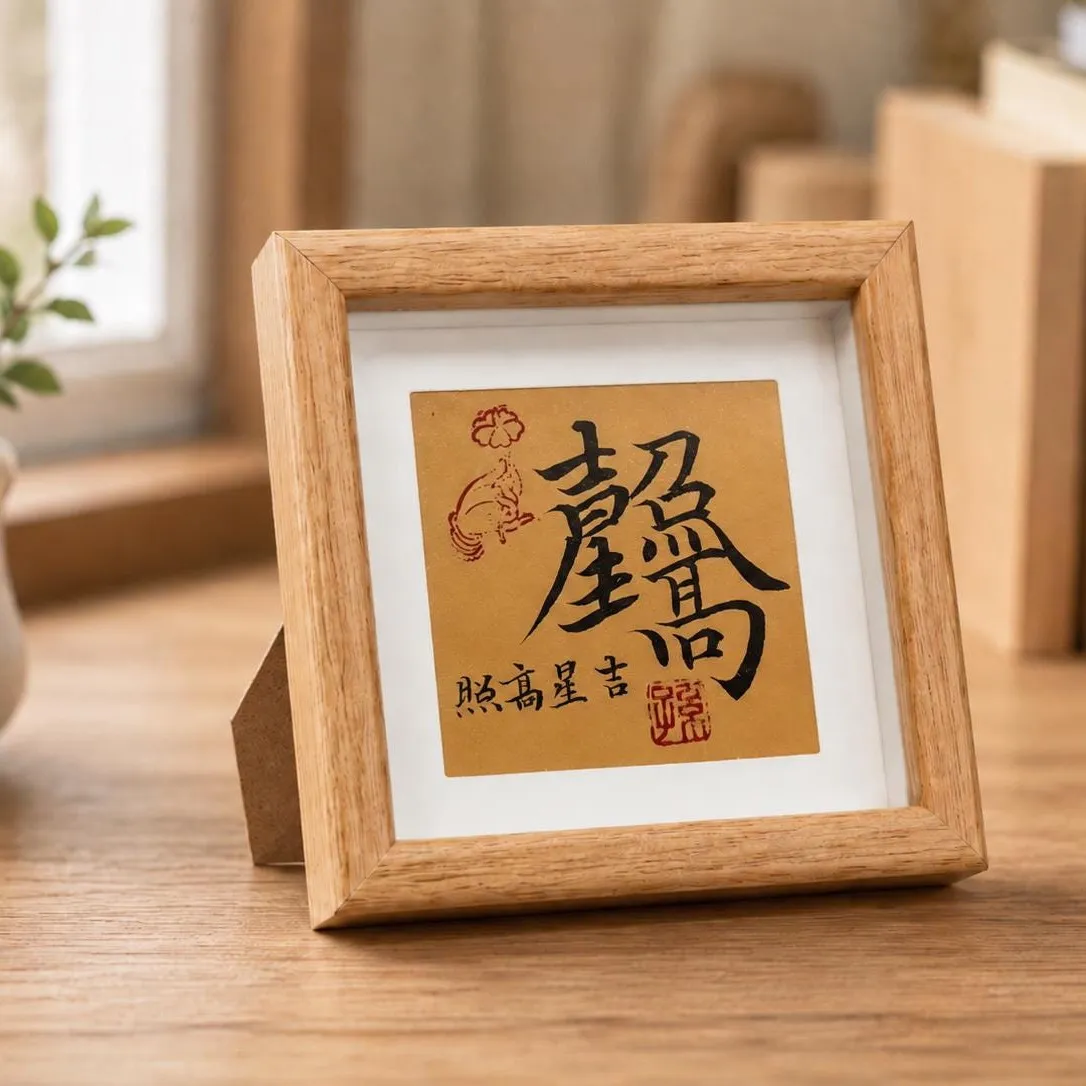
Photo shows a sample — yours will be brushed with 知足, or any character you choose.
Desk Frame — for desks, studies & studiosfrom $44→ -
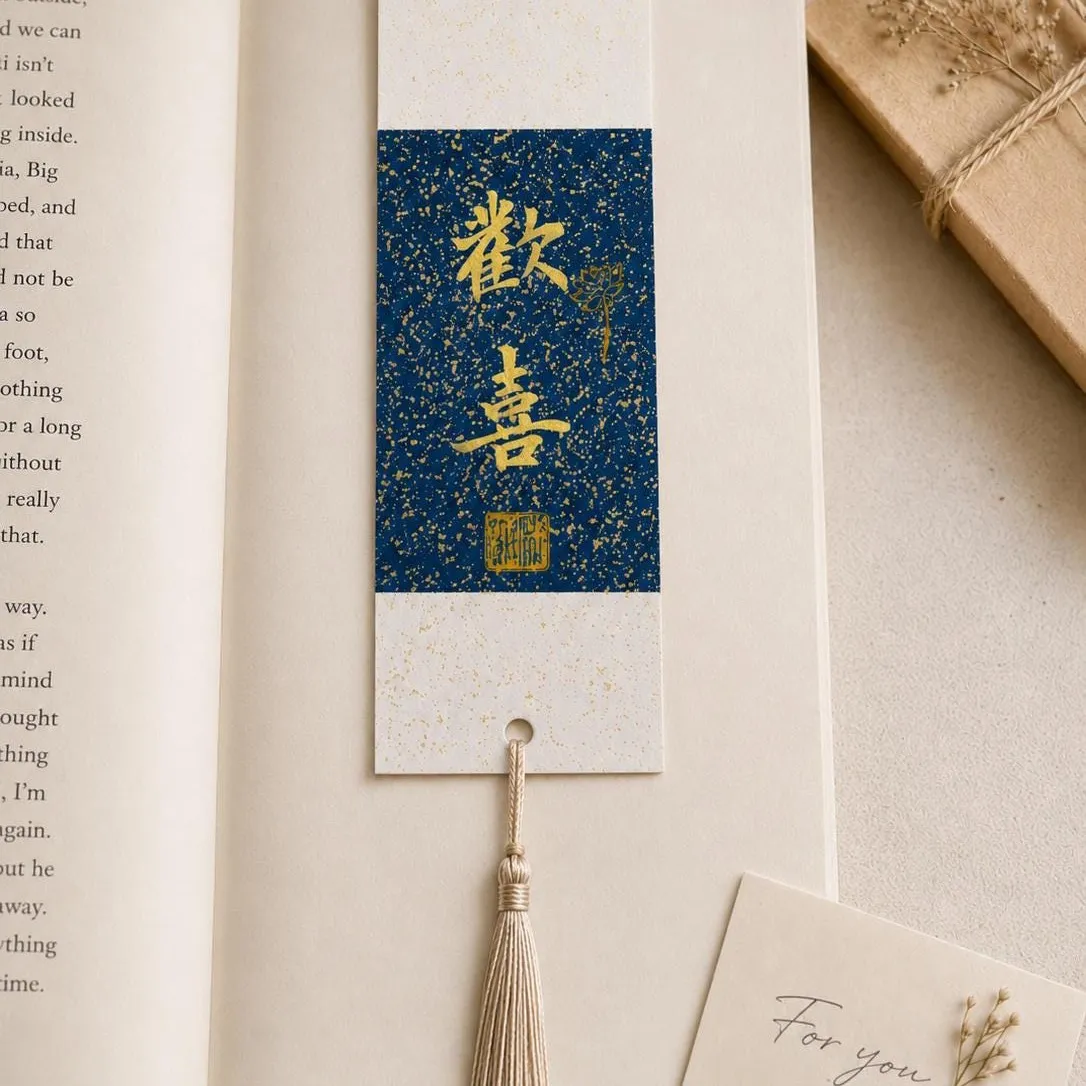
Photo shows a sample — yours will be brushed with 知足, or any character you choose.
Bookmark — for readers & small thank-yousfrom $14→
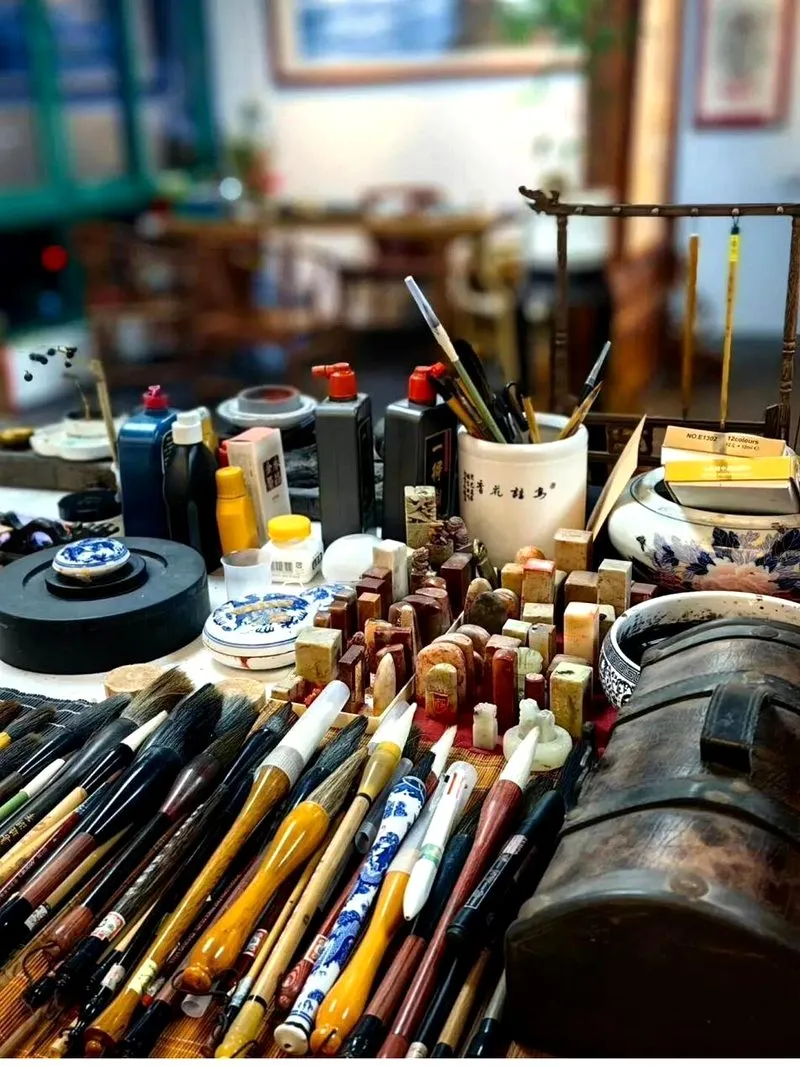
What people said after it arrived.
-
The item is fantastic. The customer service was genuine. Thanks!
— M.Verified purchase · from our Etsy shop reviews · -
They were great they gave me exactly what I asked for and then some. Thank you!!
— G.Verified purchase · from our Etsy shop reviews · -
It is well designed and customized. My daughter loves it. Amazing gift for family’s d friends
— S.Verified purchase · from our Etsy shop reviews ·
Each "知足" is hand-brushed by FuBlessings on rice paper.
See 知足 (Zhī Zú) on Etsy →