一帆风顺 (yī fān fēng shùn) — Smooth Sailing · A Steady Wind for the Journey Ahead
A 4-character phrase, not a single character.
一帆风顺 is the blessing that still carries salt water in it. While other four-character wishes operate in the abstract — auspiciousness, peace, fulfillment — this one paints a specific picture: one sail, one wind, one boat moving forward without struggle. The image comes from centuries of real maritime departures along China’s southeastern coast, where the phrase was the last thing a family said to a son boarding a junk for Southeast Asia or the Americas. For Chinese Americans whose ancestors made that crossing, 一帆风顺 is not a metaphor. It is the blessing that accompanied the original journey — spoken on a dock, meant literally, carried across an ocean. See 顺 →
The phrase’s emotional power comes from the word 一 — “one.” Not a fleet, not an armada, just a single sail catching a single wind. The modesty is deliberate. 一帆风顺 does not promise a life free of storms or a career without setbacks. It promises something smaller and more honest: that this particular voyage — the one you are about to begin right now — will have the wind at its back. Tang dynasty poets understood this. Wang Wan watched a real sail on a real river and wrote the image that would become the template for a thousand years of departure blessings. Li Bai, stranded in a period of failure, wrote about the day the wind would finally come — and that poem has been quoted at graduations ever since.
A hand-brushed “一帆风顺” by FuBlessings is the gift for someone at the start of something — a new job, a first business, a move to a new city, a marriage. It carries the weight of every departure it has blessed before: the merchant ships, the emigrant vessels, the first day of a journey that matters. Hung in a new office or given at a graduation, it says what the coast families always said: the wind is with you. Go.
- smooth sailing
- the wind at your back for this voyage
- no resistance on the journey ahead
- good luck Too random. 一帆风顺 has a specific shape — one journey, with the wind favorable. Not luck broadly but the right condition for this particular voyage.
- easy life Too broad. The phrase blesses a specific departure, not the whole of someone's life. It promises wind for one sail, not weather for a lifetime.
The short arms are the point: these readings don’t reach it.
- 一帆 one sail — a single specific voyageNot many sails, not a fleet — just one. The image is deliberately modest: a single boat with a single sail. The blessing names one journey at a time, not all journeys.
- 风顺 the wind, favorable风 (wind) plus 顺 (going with the grain, unobstructed). Not the absence of wind but a tailwind — the kind that pushes a boat forward without resistance. The condition every sailor prays for.
characters
- 顺 shùn smooth, without resistance — the core wish of the phrase
- 和顺 hé shùn harmonious and smooth — the same 顺 applied to relationships
- 扬帆 yáng fān to hoist the sail — the moment 一帆风顺 blesses
- 起航 qǐ háng to set sail, to depart — the threshold the phrase is given at
Cinnabar marks the characters 一帆风顺 actually contains. The dark row is a relative by meaning or by sound, not one shared stroke.
The Story Behind the Character
一帆风顺 paints a picture before it delivers a blessing. 一帆 (yī fān) is "one sail" — a single canvas stretched against the mast. 风顺 (fēng shùn) is "wind favorable" — a tailwind that pushes the vessel forward without resistance. The image comes from China's centuries-long maritime tradition, where the difference between a favorable wind and an unfavorable one was not a metaphor but a matter of survival. Merchants on the South China Sea, officials traveling the Grand Canal, families sending sons to take the imperial examinations in the capital — all of them knew that a good wind meant arrival, and a bad one meant delay, danger, or worse.
The phrase appears in classical usage from at least the Ming dynasty, when the state mounted its greatest maritime expeditions — the era of the 海禁 sea ban, when private trade was prohibited and these voyages were the exception carved out of it. Zheng He's treasure fleet, with junks that traditional accounts describe as nine-masted, was built at Nanjing and sailed from the Jiangsu coast in the early 1400s on voyages that reached East Africa. The sailors and their families would have understood 一帆风顺 not as a poetic flourish but as a literal prayer: let the wind hold, let the sail stay full, let the boat come home. Over time, the maritime wish migrated onto land. By the Qing dynasty, 一帆风顺 had become the standard send-off for any new undertaking — a job, a journey, a marriage, a business.
What makes the phrase structurally elegant is the word 一 — "one." Not many sails, not a fleet, just one. The image is deliberately modest: a single boat with a single sail, catching a single wind. The blessing does not promise a grand armada of success. It promises something smaller and more honest: that the specific journey you are about to begin will have the wind at its back.
Classical lines
- about a century
- c. 720 《次北固山下》王湾
- c. 744 《行路难》李白
- c. 826 《酬乐天扬州初逢席上见赠》刘禹锡
长风破浪会有时,直挂云帆济沧海。 The time will come to ride the long wind and break through the waves, hoisting my cloud-high sail across the vast sea.
Li Bai's most famous declaration of faith in the future. Written during a period of personal setback, it captures the same essential hope that 一帆风顺 carries: the wind will come.
潮平两岸阔,风正一帆悬。 The tide is level, the banks stretch wide; the wind is fair, a single sail hangs full.
The poetic image of 一帆风顺 in its purest form — though the earliest surviving version of the poem, anthologised as 《江南意》, reads 数帆悬, several sails. Wang Wan is describing a real moment on a real river, but the image became the template for a thousand years of departure blessings.
沉舟侧畔千帆过,病树前头万木春。 Past the sunken boat, a thousand sails pass on; before the ailing tree, ten thousand trees burst into spring.
Liu Yuxi's reminder that even when one voyage fails, the fleet keeps moving. The resilience behind the blessing: your sail may falter, but the wind does not stop.
Why This Character Matters
In Fujian and Guangdong — the provinces that produced most of China's overseas emigrants — 一帆风顺 was not a greeting card phrase. It was the last thing a family said to a son boarding a ship for Southeast Asia, the Philippines, or the Americas. These were journeys measured in months, on wooden junks crossing typhoon-prone waters, with no guarantee of return. The phrase was spoken with real weight: it was a prayer, a farewell, and sometimes the last words a family exchanged face to face. For Chinese Americans whose ancestors made that crossing, 一帆风顺 carries a specific historical resonance — it is the blessing that accompanied the original journey.
Today, 一帆风顺 is the most common inscription on gifts for someone starting something new: a graduate entering the workforce, an entrepreneur opening a first business, a friend moving to a new city. It appears on congratulatory banners at shop openings, on red envelopes tucked into graduation cards, and on calligraphy scrolls given to couples beginning a marriage. The phrase has kept its maritime skeleton — you can still see the sail and feel the wind in it — but its meaning has expanded to cover any voyage, literal or figurative, where the person you care about is heading into open water.
A few characters live near "一帆风顺" but mean something quieter, sharper, or more specific. Here's how to tell them apart.
the maritime image — one sail, one wind, one specific voyage
the quality applied to anything — relationships, business, daily life
blesses one specific journey — the departure, the early going
blesses ten thousand matters at once — everything across the full field
names the condition for this voyage — the wind at the back
names the cosmic alignment plus internal fulfillment — broader, less specific
一帆风顺 is the classical send-off for someone starting something new — a job, a venture, a move abroad.
- New Job · New Chapter一帆风顺 is the classical send-off for someone starting something new — a job, a venture, a move abroad. It does not promise no obstacles; it wishes that whatever comes, the wind holds.
- For the graduate stepping out into a future they alone can map, 一帆风顺 is a clean, traditional wish — the path opens, the wind stays with them.
- Business OpeningA frequent inscription for the launch of a venture — the wish that the boat moves forward without struggle, at least in the early going when momentum matters most.
- EncouragementFor a friend at the start of something difficult, 一帆风顺 is a hopeful blessing rather than a guarantee — what you would wish for them if you could.
Friend · Best Friend · Coworker · Son · Daughter · Student · Entrepreneur · or yourself
Looking for a name? See Western names written in Chinese →
-
What does 一帆风顺 (yī fān fēng shùn) mean?
一帆风顺 (yī fān fēng shùn) is a 4-character Chinese phrase for smooth sailing, a steady wind for the journey ahead. 一帆风顺 is the blessing that still carries salt water in it. While other four-character wishes operate in the abstract — auspiciousness, peace, fulfillment — this one paints a specific picture: one sail, one wind, one boat moving forward without struggle. The image comes from centuries of real maritime departures along China's southeastern coast, where the phrase was the last thing a family said to a son boarding a junk for Southeast Asia or the Americas. For Chinese Americans whose ancestors made that crossing, 一帆风顺 is not a metaphor. It is the blessing that accompanied the original journey — spoken on a dock, meant literally, carried across an ocean. See 顺 → In Fujian and Guangdong — the provinces that produced most of China's overseas emigrants — 一帆风顺 was not a greeting card phrase. It was the last thing a family said to a son boarding a ship for Southeast Asia, the Philippines, or the Americas. These were journeys measured in months, on wooden junks crossing typhoon-prone waters, with no guarantee of return. The phrase was spoken with real weight: it was a prayer, a farewell, and sometimes the last words a family exchanged face to face. For Chinese Americans whose ancestors made that crossing, 一帆风顺 carries a specific historical resonance — it is the blessing that accompanied the original journey.
-
What occasions is 一帆风顺 given for?
一帆风顺 is traditionally given for New Job · New Chapter, Graduation, Business Opening, Encouragement. 一帆风顺 is the classical send-off for someone starting something new — a job, a venture, a move abroad. It does not promise no obstacles; it wishes that whatever comes, the wind holds. For the graduate stepping out into a future they alone can map, 一帆风顺 is a clean, traditional wish — the path opens, the wind stays with them.
-
Who brushes the 一帆风顺 calligraphy?
FuBlessings hand-brushes each 一帆风顺 (Yī Fān Fēng Shùn) to order, in ink on rice paper — never printed, never repeated.
Bring 一帆风顺 home — choose how you'd like it brushed.
-
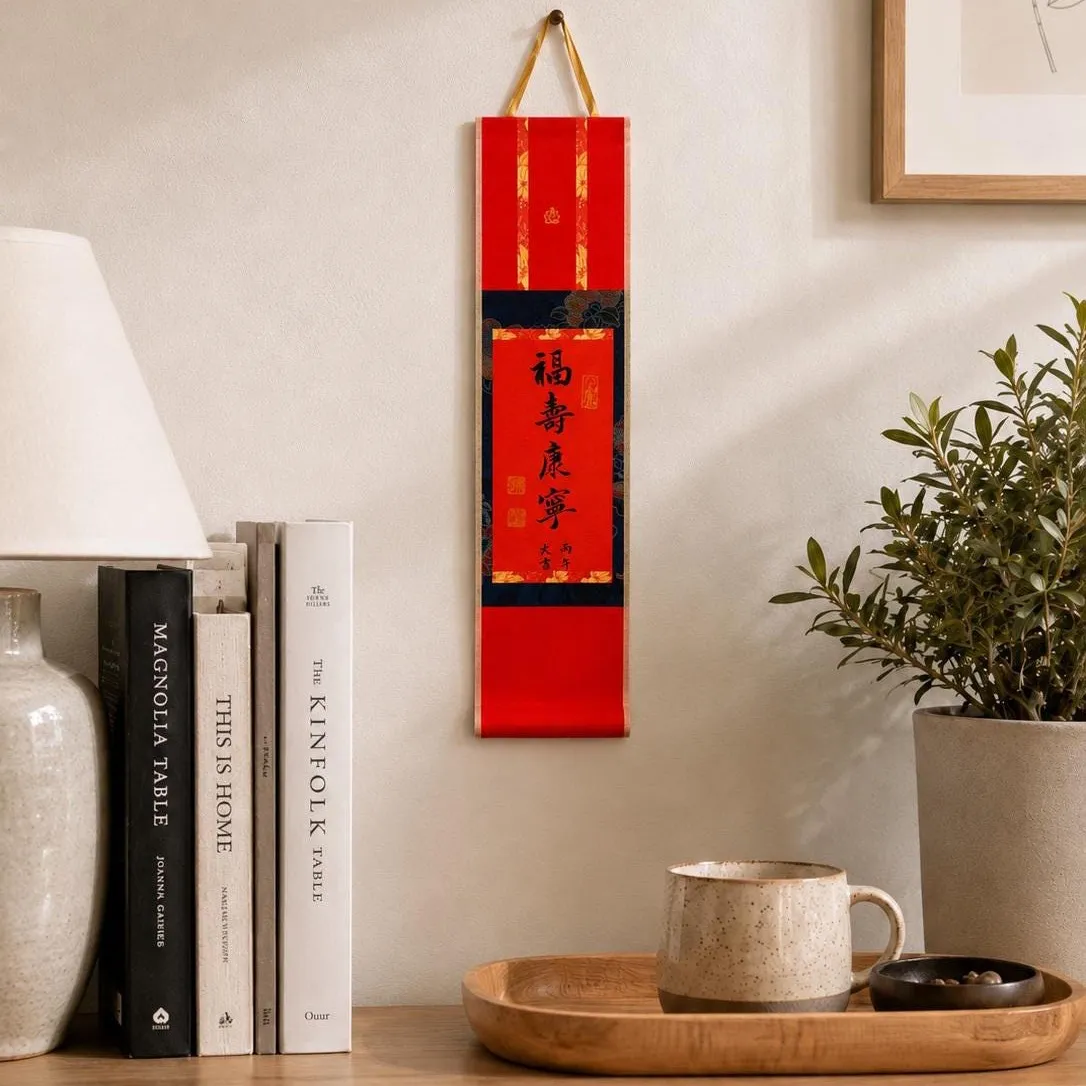
Photo shows a sample — yours will be brushed with 一帆风顺, or any character you choose.
Wall Scroll — for walls & housewarmingsfrom $38→ -
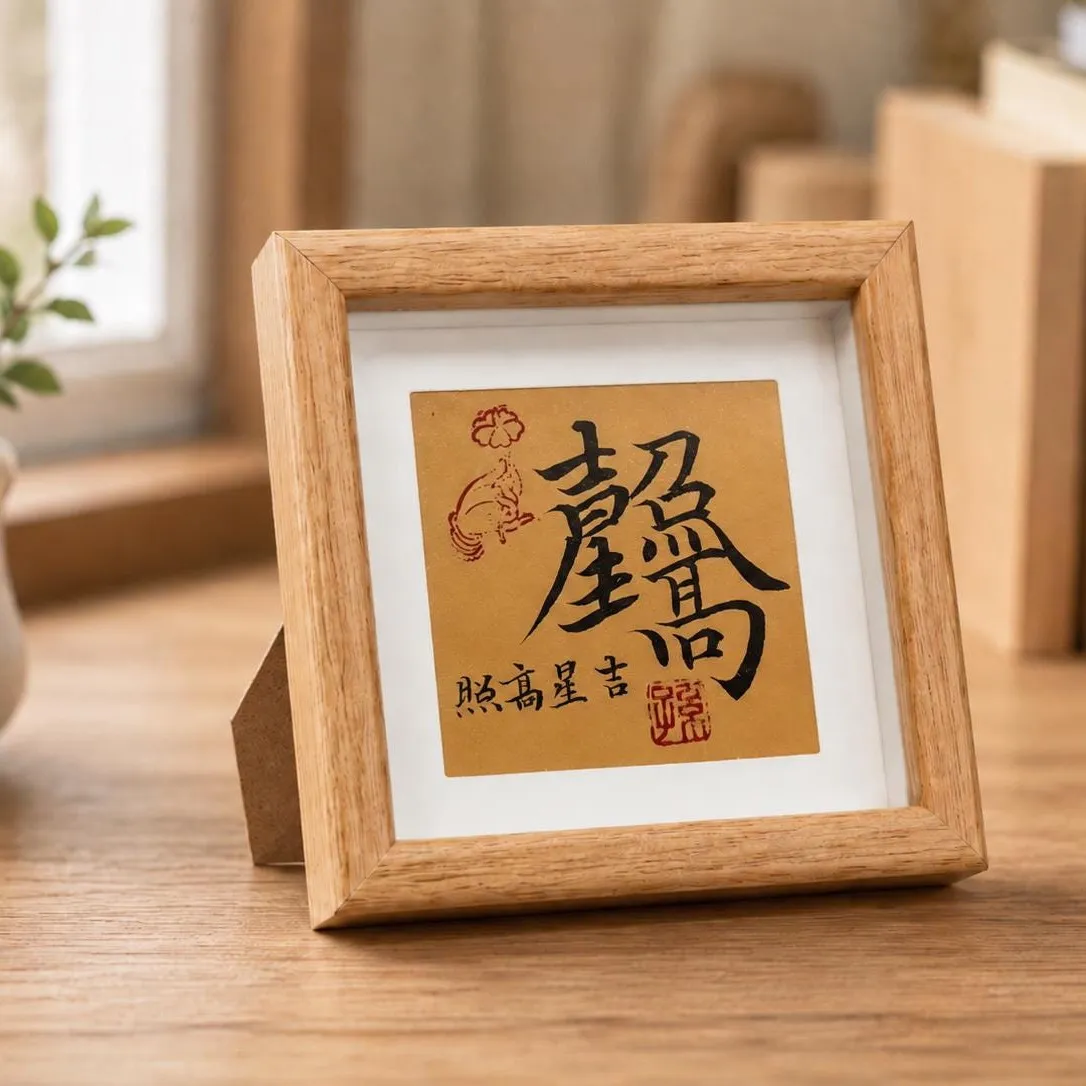
Photo shows a sample — yours will be brushed with 一帆风顺, or any character you choose.
Desk Frame — for desks, studies & studiosfrom $44→ -
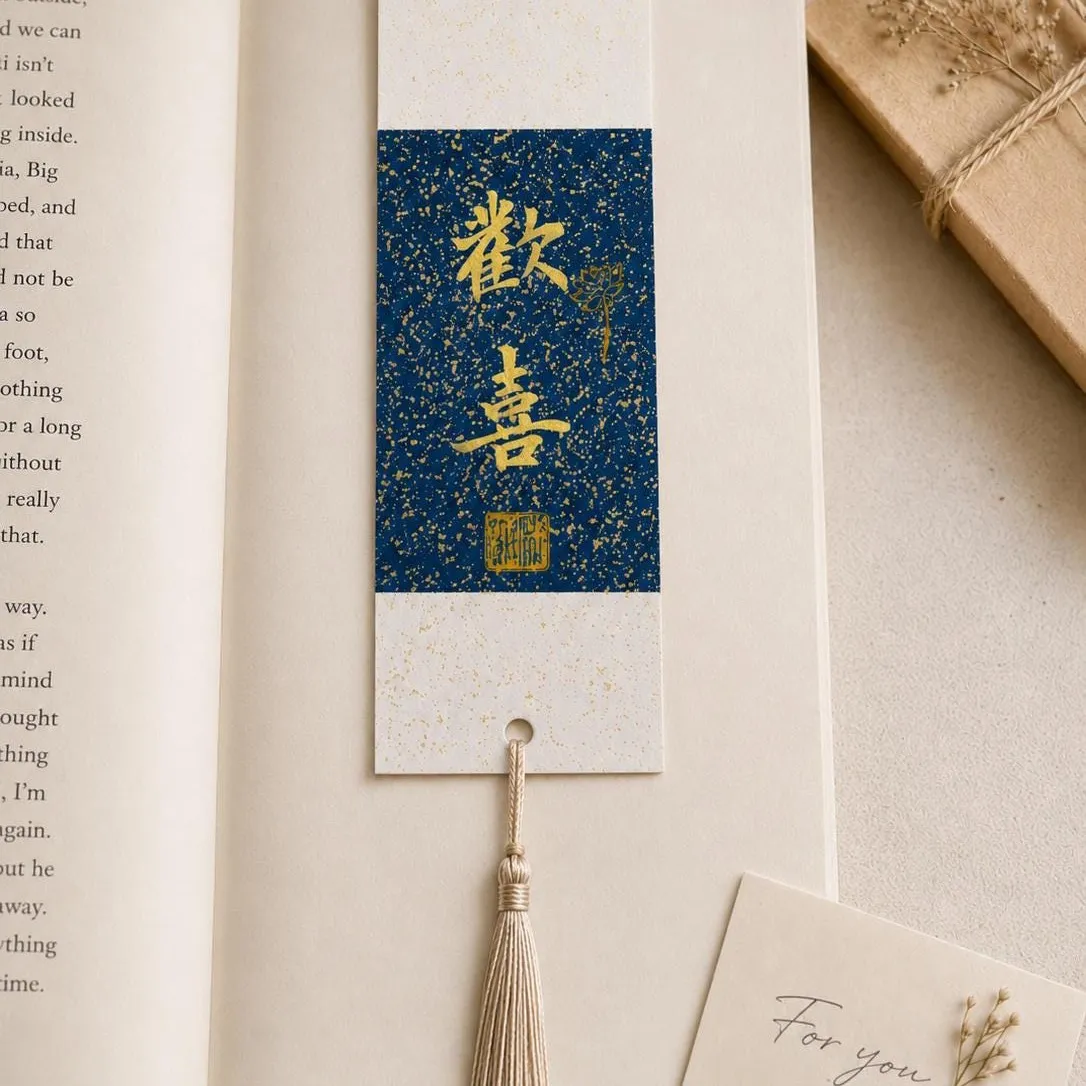
Photo shows a sample — yours will be brushed with 一帆风顺, or any character you choose.
Bookmark — for readers & small thank-yousfrom $14→
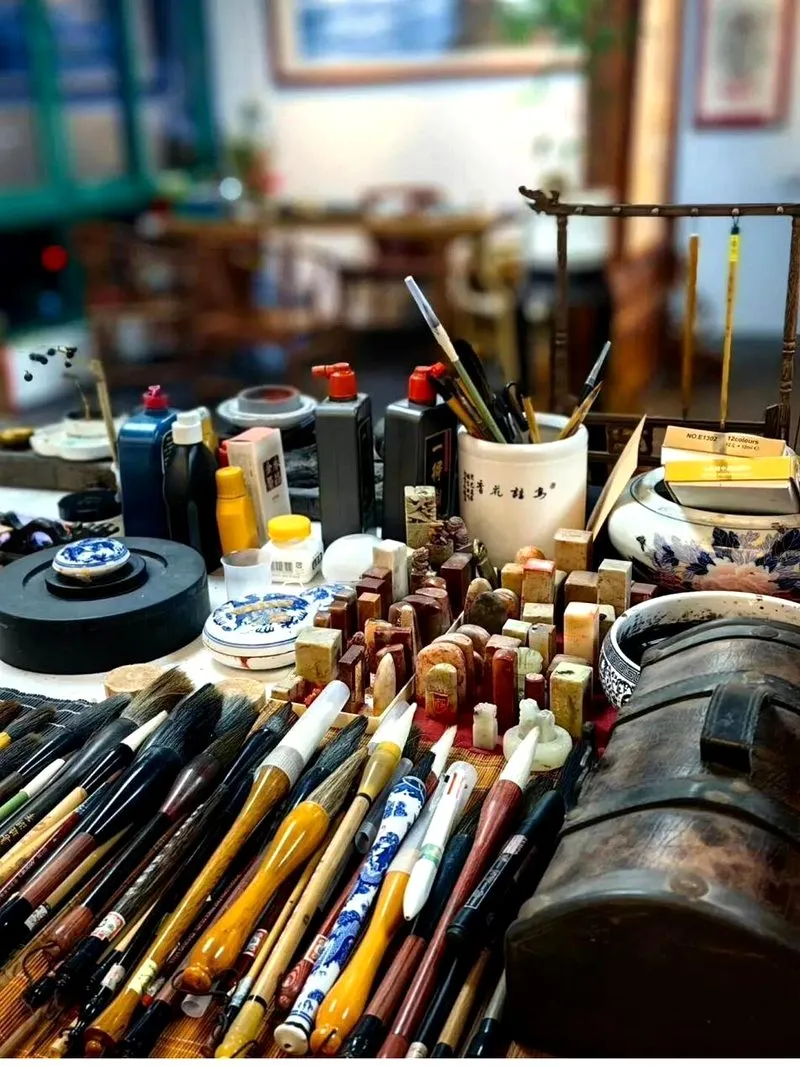
What people said after it arrived.
-
The item is fantastic. The customer service was genuine. Thanks!
— M.Verified purchase · from our Etsy shop reviews · -
They were great they gave me exactly what I asked for and then some. Thank you!!
— G.Verified purchase · from our Etsy shop reviews · -
It is well designed and customized. My daughter loves it. Amazing gift for family’s d friends
— S.Verified purchase · from our Etsy shop reviews ·
Each "一帆风顺" is hand-brushed by FuBlessings on rice paper.
See 一帆风顺 (Yī Fān Fēng Shùn) on Etsy →