团圆 (tuán yuán) — Reunion · The Family Gathered Whole · Togetherness
A two-character word, not a single character.
满 and 圆 both mean whole, but 团圆 is not an idea of wholeness — it is a room with everyone in it. What sets the word apart from its cousin 圆满 is that it counts people, not outcomes: 圆满 is any thing finished cleanly with nothing left wanting, while 团圆 is that same completeness worn on a family, the children back from wherever they went, the table with no empty chair. The word carries the distance it closes. You do not 团圆 with people who never left; the reunion presumes the scattering, and holds the journey home inside it. See 圆满 →
That is why the two nights the Chinese year closes on belong to it. On New Year’s Eve the country empties its cities back into its villages — the 春运 migration, the largest yearly movement of people anywhere — so that every household can sit down to the 团圆饭, the reunion dinner, before the old year turns. At Mid-Autumn the family gathers again under the fullest moon, eats round cakes, and calls the evening 月圆人团圆, the moon round and the people reunited. Written four characters wide as 阖家团圆 — “may the whole household be gathered” — it goes on doorways and New Year cards, the plainest wish one family can send another. Its shadow is always the empty seat: to speak of 团圆 is to know exactly who is not yet home.
A hand-brushed “团圆” by FuBlessings is the gift for the parent or grandparent who measures a good year by who comes back to the table — at the New Year, or on a birthday when the children fly home. It wishes them nothing they can spend and nothing to hang on a wall for luck. It wishes them the oldest thing a family wants: the circle closed, everyone present, the seat filled.
- the family gathered back together after being apart
- the reunion dinner — everyone present at the table
- the circle closed, no seat left empty
- the togetherness the New Year and Mid-Autumn are built around
- reunion English "reunion" fits any regrouping — a class, a band, a conference. 团圆 is warmer and narrower: kin made whole, usually at a festival table, with the distance it closes felt in the word.
- together 在一起 is simply being together. 团圆 is being gathered back together — it presumes a scattering first, and carries the journey home inside it.
- 圆满 圆满 is completeness in the abstract — any outcome brought all the way round with nothing missing. 团圆 is its human face: not a whole thing but whole people, in one room.
The short arms are the point: these readings don’t reach it.
- 团 gather / draw the scattered into a round whole专 set inside 囗, an enclosure. 《说文》: 圜也 — round — and classes it 从囗專聲: 专 carries the sound, and to later readers the image too, a hand winding loose thread onto a spindle. The same root in 团结, to unite.
- 圆 round / whole / the closed circle囗 around 员 — itself the original graph for round, the rim of a bronze tripod seen from above. 《说文》: 圜全也 — round, and whole. A line that returns to where it began, complete because it leaves no gap.
characters
- 团聚 tuán jù to gather and reunite — the plainer verb for people coming back together, without 圆's roundness
- 圆满 yuán mǎn complete and whole — the abstract cousin, of which 团圆 is the family-sized shape
- 阖家团圆 hé jiā tuán yuán the whole household reunited — the four-word New Year greeting written on doorways and cards
- 破镜重圆 pò jìng chóng yuán the broken mirror made round again — a separated couple reunited, from the tale of the split bronze mirror, told of the fall of Chen in 589 and recorded in the Tang
- 月圆人团圆 yuè yuán rén tuán yuán the moon round and the people reunited — the Mid-Autumn wish that pairs the full moon with the gathered family
The Story Behind the Character
To make 团 you gather something scattered and roll it round. The character sets 专 (zhuān) — a hand turning a spindle, winding loose threads onto one core — inside 囗, an enclosing wall. What began as separate strands is drawn in and wound into a single round mass; 《说文》 glosses 团 simply as 圜也, "round." From that motion the character grew its living senses: 团 a ball of dough, 团 a regiment closed into ranks, 团结 to draw people into one body. The root gesture never leaves it — to 团 is to pull the scattered into a whole.
圆 (圓) supplies the shape that gathering aims at. 囗 again, this time around 员 (yuán), the round mouth of a bronze vessel seen from above — a perfect closed ring. 《说文》 reads it 圜全也, "round, and whole," and to the Chinese eye the two were one idea: a circle is complete precisely because it comes back to where it began, with no corner and no gap. 圆 is wholeness drawn as a line that closes on itself.
Bound together the pair says gather-into-a-circle — and Chinese reserved it for one kind of circle above all, the family. 团圆 is the household drawn back from wherever its members have scattered and closed into a ring again, everyone inside the wall, the loose threads wound home. The word rose with the moon: poets of the Tang and Song set 团圆 against the full disc of the fifteenth night, so that a round moon over a gathered family became the country's plainest picture of a life made whole — 月圆人团圆, the moon round and the people reunited.
Classical lines
- roughly 1,600 years
- c. 9th c. BCE 《诗经·小雅·常棣》
- 757 《羌村三首·其一》杜甫
- c. 799 《望月有感》白居易
夜阑更秉烛,相对如梦寐。 Deep in the night we light the candles again and sit facing each other, as if still in a dream.
Du Fu wrote this on reaching home alive during the An Lushan rebellion, which still had six years to run; his family, who had feared him dead, can hardly believe he is there. It is 团圆 at its rawest — a reunion so unlikely it feels unreal.
傧尔笾豆,饮酒之饫。兄弟既具,和乐且孺。 Set out the dishes and platters, drink deep at the family feast; the brothers are all here, harmonious and close.
兄弟既具, "the brothers all present," is the reunion dinner three thousand years before the 团圆饭: the measure of the gathering is simply that no one is missing from the table.
共看明月应垂泪,一夜乡心五处同。 Gazing at the same bright moon we must all be weeping
one night, five homesick hearts in five separate places, feeling the same. — Bai Juyi wrote it with his brothers scattered by war and famine across five towns; it names the ache 团圆 answers, the family that can share only a moon because it cannot share a room.
Why This Character Matters
The single busiest travel season on earth is not a holiday abroad but the weeks around the Chinese New Year, when the mainland alone logs on the order of several billion trips as people go home. The entire crush — the sold-out trains, the motorcycle convoys, the queues that make the evening news every year — exists to serve one word. It is called 春运, the spring migration, and its only purpose is 团圆: getting everyone back to the family table before the old year ends.
Because the word means the circle closed, its shadow is the empty seat. To speak of 团圆 is to be aware of who is not yet home — the child working in another city, the soldier at his post, the relative gone for good — and every reunion carries a quiet accounting of the whole against the missing. That is why 团圆 belongs to the two nights the calendar closes on, New Year's Eve and Mid-Autumn: the family gathers deliberately, and for one evening the count comes out complete. Only one of them is round overhead — 除夕 falls at the dark of the moon, and its roundness is the table's and the year's.
A few characters live near "团圆" but mean something quieter, sharper, or more specific. Here's how to tell them apart.
that the family is gathered at all — everyone present, the circle closed
how they get on once gathered — the harmony among them, whether or not they are in the same room
the event of the household made whole again, the scattered drawn home
the standing warmth between kin who live close — 和睦, the quality a home keeps day to day
one dear shape of a good life — the family assembled, the seat filled
the whole good life — health, peace, a good end — of which a 团圆 evening is one of the happiest parts
The whole machinery of the Chinese New Year points at one meal.
- The whole machinery of the Chinese New Year points at one meal. In the days before it the country moves — hundreds of millions of people crossing provinces on the year's largest human migration — so that on the last night of the old year every family can sit down to the 团圆饭, the reunion dinner, with no seat left empty. 团圆 is the word for exactly that: not the fireworks or the red envelopes but the fact of everyone home, the family circle closed for one night. It is the reason for the journey, and the thing the holiday is finally about.
- For a parent or grandparent, the gift that outranks every other on a birthday is the sight of the children back at the table — the ones who moved away for work or school flown home, three generations in one room again. 团圆 names that better than any object could: the birthday measured not by another year added but by the family gathered to mark it. Where 长寿 wishes the elder more years, 团圆 fills the years they have with the people who make them worth counting.
Mom · Dad · Grandparent · or yourself
Looking for a name? See Western names written in Chinese →
-
What does 团圆 (tuán yuán) mean?
团圆 (tuán yuán) is a two-character Chinese word for reunion, the family gathered whole, togetherness. 满 and 圆 both mean whole, but 团圆 is not an idea of wholeness — it is a room with everyone in it. What sets the word apart from its cousin 圆满 is that it counts people, not outcomes: 圆满 is any thing finished cleanly with nothing left wanting, while 团圆 is that same completeness worn on a family, the children back from wherever they went, the table with no empty chair. The word carries the distance it closes. You do not 团圆 with people who never left; the reunion presumes the scattering, and holds the journey home inside it. See 圆满 → Because the word means the circle closed, its shadow is the empty seat. To speak of 团圆 is to be aware of who is not yet home — the child working in another city, the soldier at his post, the relative gone for good — and every reunion carries a quiet accounting of the whole against the missing. That is why 团圆 belongs to the two nights the calendar closes on, New Year's Eve and Mid-Autumn: the family gathers deliberately, and for one evening the count comes out complete. Only one of them is round overhead — 除夕 falls at the dark of the moon, and its roundness is the table's and the year's.
-
What occasions is 团圆 given for?
团圆 is traditionally given for Chinese New Year, Birthday. The whole machinery of the Chinese New Year points at one meal. In the days before it the country moves — hundreds of millions of people crossing provinces on the year's largest human migration — so that on the last night of the old year every family can sit down to the 团圆饭, the reunion dinner, with no seat left empty. 团圆 is the word for exactly that: not the fireworks or the red envelopes but the fact of everyone home, the family circle closed for one night. It is the reason for the journey, and the thing the holiday is finally about. For a parent or grandparent, the gift that outranks every other on a birthday is the sight of the children back at the table — the ones who moved away for work or school flown home, three generations in one room again. 团圆 names that better than any object could: the birthday measured not by another year added but by the family gathered to mark it. Where 长寿 wishes the elder more years, 团圆 fills the years they have with the people who make them worth counting.
-
Who brushes the 团圆 calligraphy?
FuBlessings hand-brushes each 团圆 (Tuán Yuán) to order, in ink on rice paper — never printed, never repeated.
Bring 团圆 home — choose how you'd like it brushed.
-
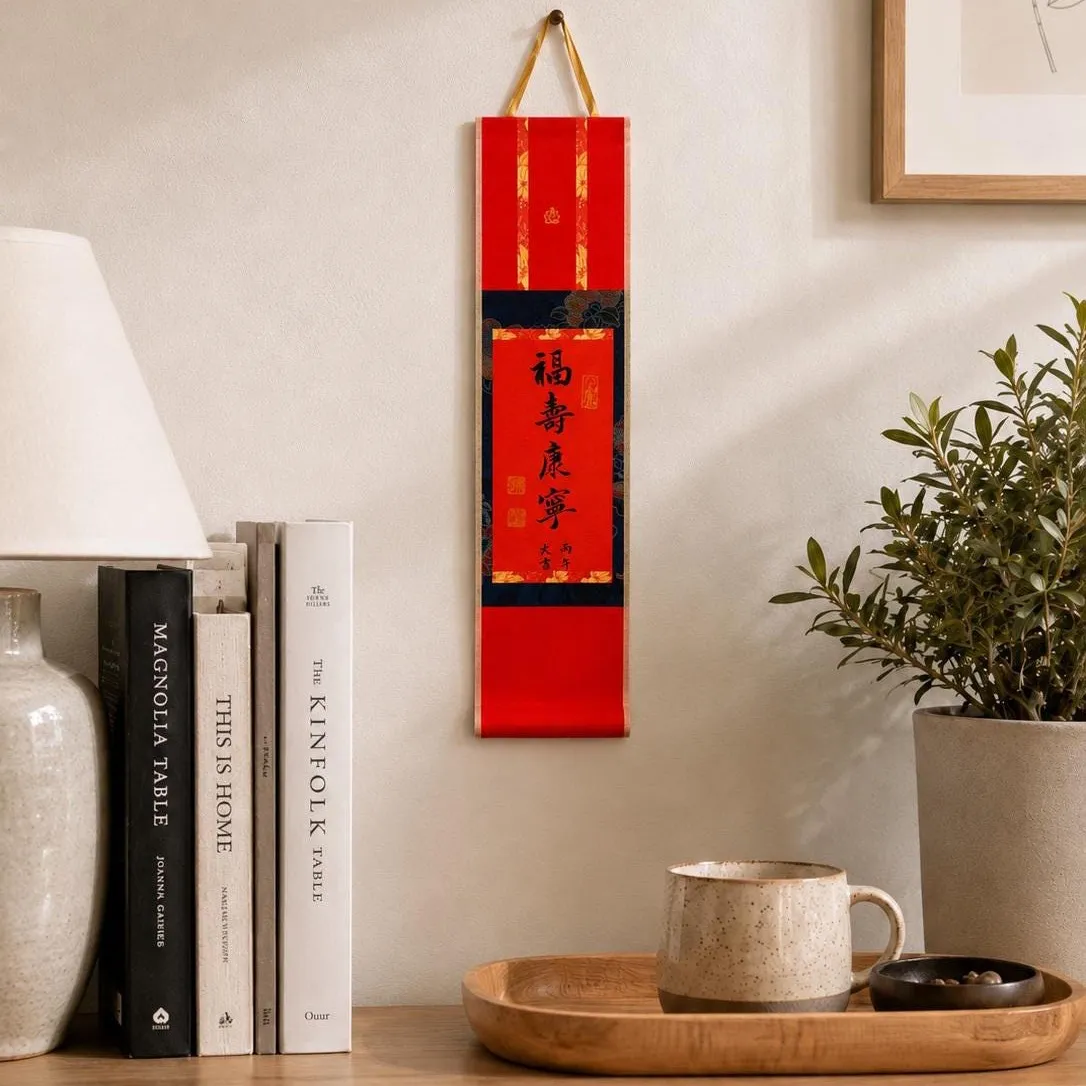
Photo shows a sample — yours will be brushed with 团圆, or any character you choose.
Wall Scroll — for walls & housewarmingsfrom $38→ -
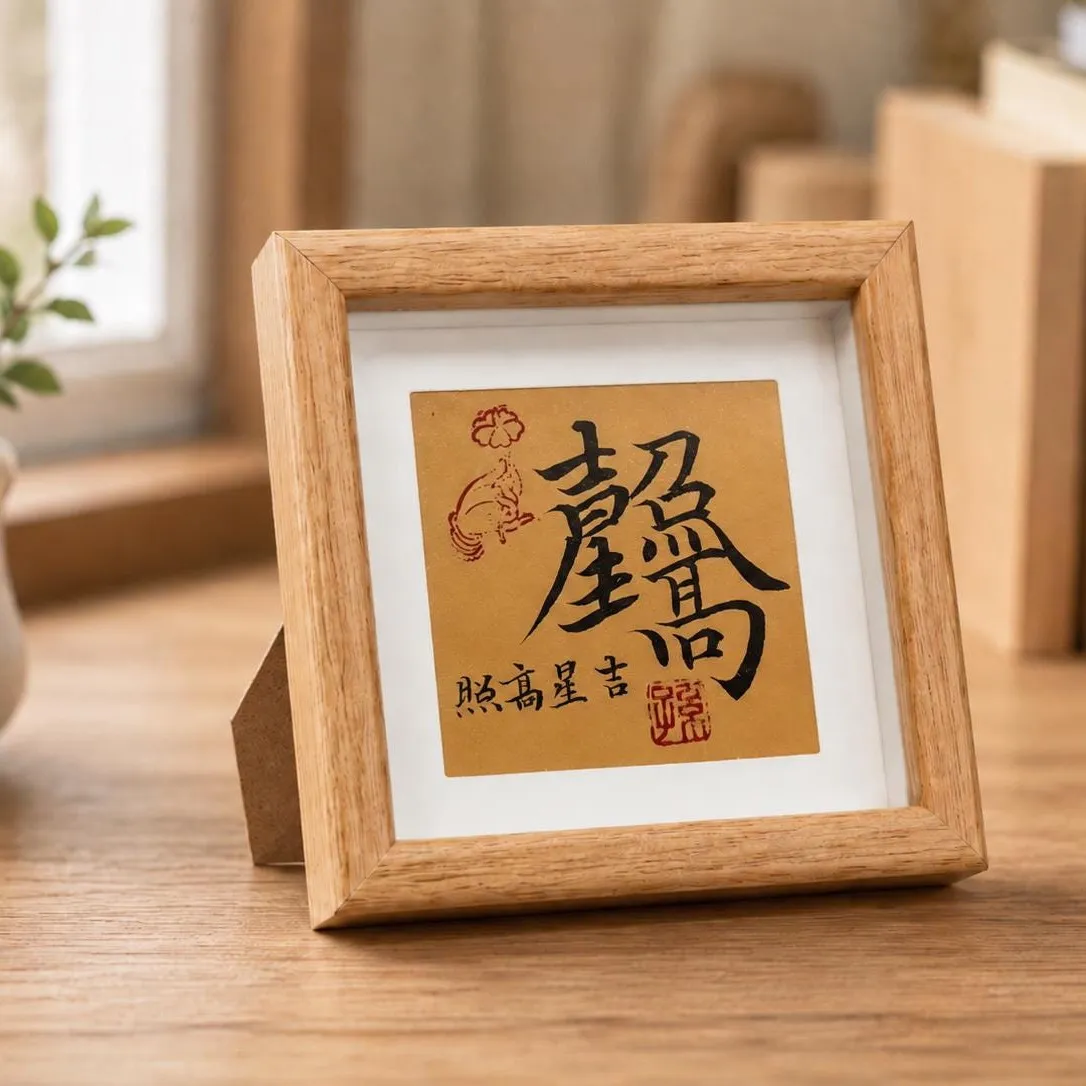
Photo shows a sample — yours will be brushed with 团圆, or any character you choose.
Desk Frame — for desks, studies & studiosfrom $44→ -
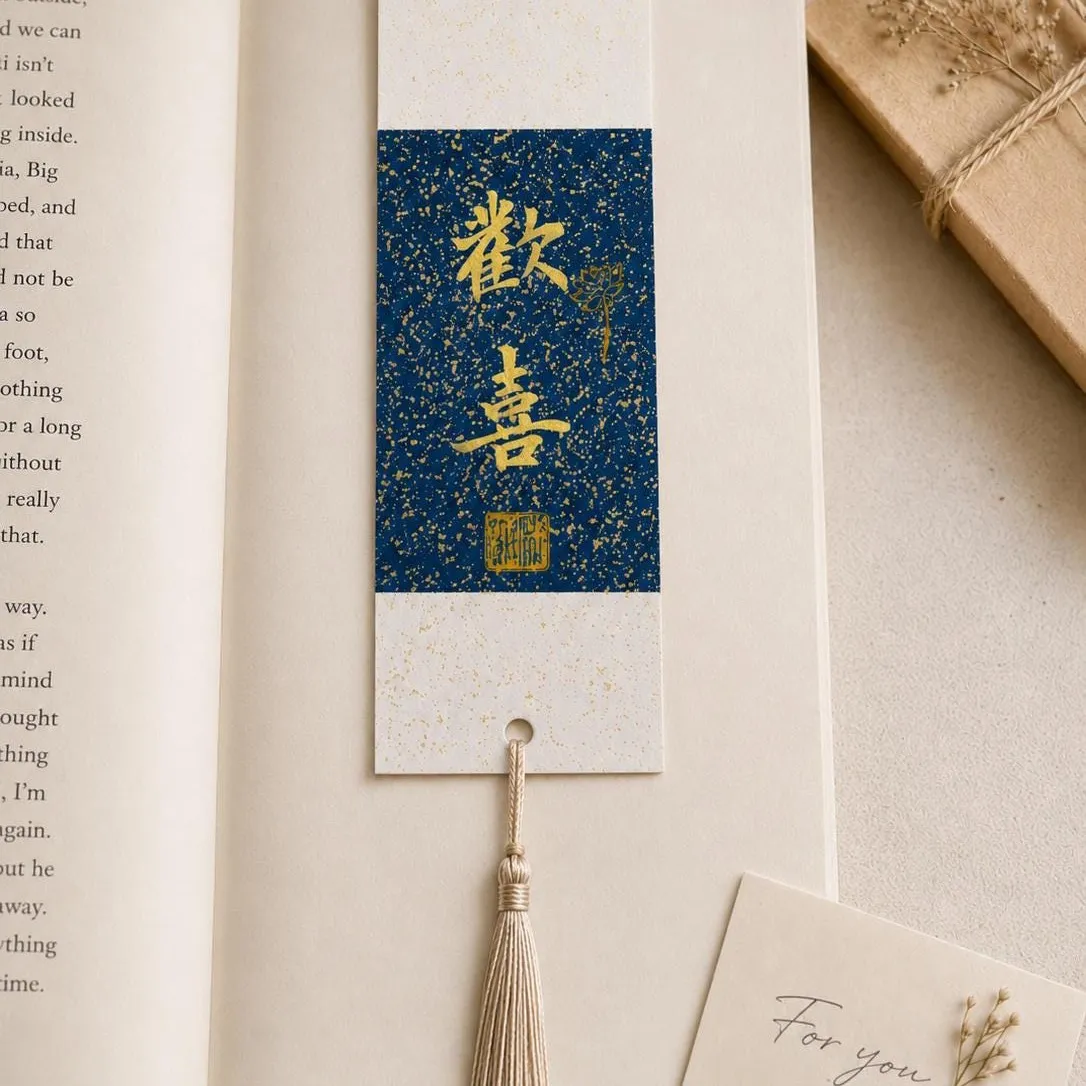
Photo shows a sample — yours will be brushed with 团圆, or any character you choose.
Bookmark — for readers & small thank-yousfrom $14→
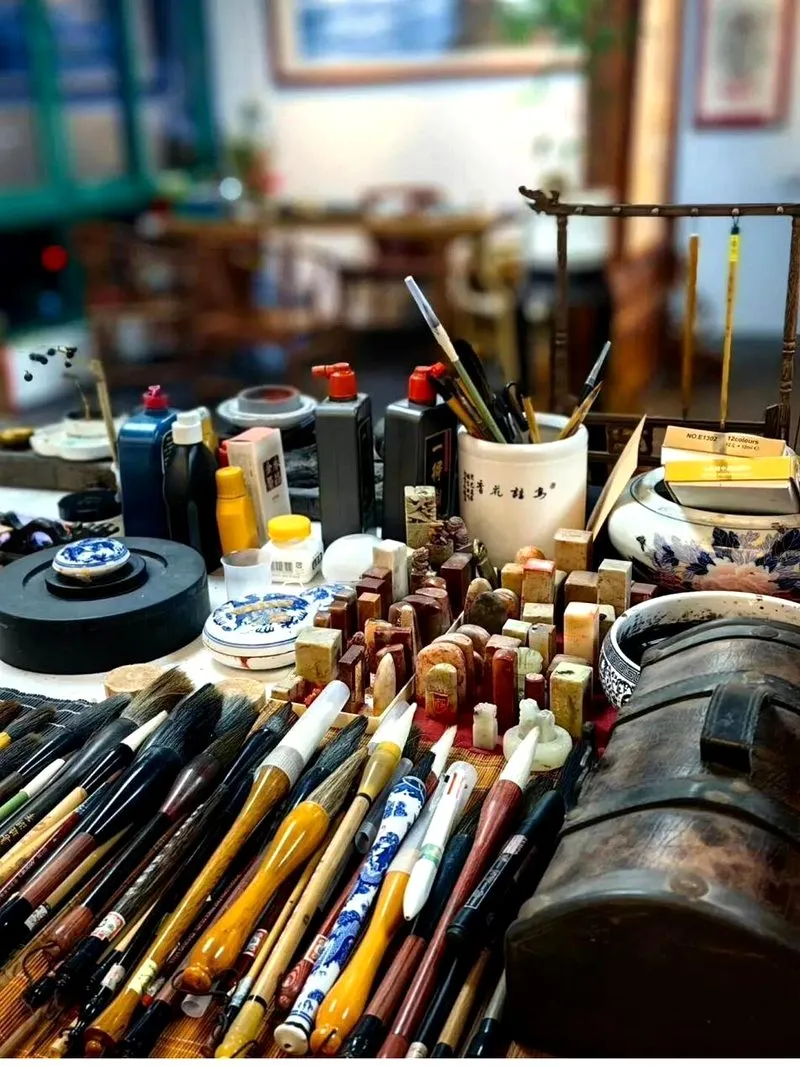
What people said after it arrived.
-
The item is fantastic. The customer service was genuine. Thanks!
— M.Verified purchase · from our Etsy shop reviews · -
They were great they gave me exactly what I asked for and then some. Thank you!!
— G.Verified purchase · from our Etsy shop reviews · -
It is well designed and customized. My daughter loves it. Amazing gift for family’s d friends
— S.Verified purchase · from our Etsy shop reviews ·
Each "团圆" is hand-brushed by FuBlessings on rice paper.
See 团圆 (Tuán Yuán) on Etsy →