身体健康 (shēn tǐ jiàn kāng) — Good Health · May Your Body Be Well
A 4-character phrase, not a single character.
Among the health blessings a Chinese family actually reaches for, 身体健康 is the one that names the body outright. 安康 hands over peace and health without naming whose. 康宁 arrives out of the Five Blessings of the Book of Documents. 健康长寿 belongs to the banner behind an elder’s birthday table. 身体健康 names 身体 — the frame, the counted parts, the person standing in them — and then states, with no ornament at all, the condition you want it in. That directness is why it reads as speech rather than inscription: it can be said flat, by anyone, to anyone, with nothing ceremonial around it. See 康 →
You can hear where it lives. It is the first item in a New Year greeting to parents, spoken before anyone mentions money or luck. It is the opening of a toast to an elder — 祝您身体健康 — and the line at the bottom of a letter home. It is what a child asks on the phone before the real conversation is allowed to begin. It can travel in any direction, but the direction it travels most is up: from the generation doing the worrying to the generation being worried about. Confucius said a parent’s one worry is that a child might fall ill. Read in reverse, that worry is what 身体健康 hands back.
A hand-brushed “身体健康” by FuBlessings turns the words into an object. This is the wish that usually evaporates — said on a phone call, at a table, in the doorway on the way out, and then gone. Brushed and framed on a parent’s wall, it stays in the room and keeps saying it: not that they be celebrated, or fortunate, or long-lived, but simply well. It is the gift for the person whose health you think about far more often than you say.
- may your body be well
- good health, said plainly
- the thing you ask about before anything else
- stay well
- wellness Too curated. 身体健康 has nothing aspirational or lifestyle-shaped about it — it is the flat, unadorned wish that a body keep working, said by people who are not thinking about optimization.
- long life That is 长寿, and 身体健康 pointedly does not ask for it. The phrase wants the years to be sound; it says nothing about how many there should be.
- a swift recovery That is 早日康复, addressed to someone already ill. 身体健康 is addressed to someone well — a standing wish that the condition hold, not a response to bad news.
- peace of mind Closer to 安康, which folds calm into the wish. 身体健康 names the body outright, and it is not a metaphor.
The short arms are the point: these readings don’t reach it.
- 身体 the body — both the counted parts and the whole self體 is defined in the Shuowen as 總十二屬也, the sum of twelve members: the body as a complete inventory. 身 is the trunk, and by extension the person entirely (修身, 亲身). The compound names the physical frame without letting go of the person inside it.
- 健康 well; in working orderThe standard modern word for health, and deliberately unpoetic. Where a blessing could reach for mountains, cranes, or peaches, 健康 reaches for nothing — it states a condition and stops.
characters
- 健康 jiàn kāng health — the standard modern word, the half of the phrase that states the condition
- 身体 shēn tǐ the body — the frame and the person standing in it
- 祝您身体健康 zhù nín shēn tǐ jiàn kāng wishing you good health — the full spoken formula, the standard toast to an elder
- 早日康复 zǎo rì kāng fù a swift recovery — the phrase for someone already ill, the boundary this one stops at
- 养生 yǎng shēng nourishing life — the practice of tending the body that the wish assumes on the other end
Cinnabar marks the characters 身体健康 actually contains. The dark row is a relative by meaning or by sound, not one shared stroke.
The Story Behind the Character
The Han-dynasty Shuowen Jiezi does not define 體 as a thing. It defines it as a total: 總十二屬也 — "the sum of the twelve members." Duan Yucai's commentary counts them out in four groups of three: crown, face, jaw; shoulders, spine, hips; upper arm, forearm, hand; thigh, shin, foot. The character for "body" is, at its root, an inventory — not a vessel holding a person, but a completed count of parts that must all be present. Its partner 身 goes the other way. The Shuowen glosses it 躬也, the trunk, the frame a person stands up in, and in ordinary Chinese it slid outward from the torso to the person entirely: 修身 (cultivate the self), 亲身 (in person), 终身 (all one's life). Put the two together and 身体 holds both readings at once — the counted parts, and the whole self they add up to.
What makes the four characters unusual is not the vocabulary but what they refuse to compress. The other health blessings on this shelf name a quality and stop: 安康, 康宁, and 健康长寿 all hand over a condition without saying whose. 身体健康 says the word "body" out loud and puts it in front — 身体, the thing itself, then 健康, what you want to be true of it. That plainness is why it reads as speech rather than inscription, a line you can say flat, mid-conversation, with nothing ceremonial around it. It did not descend from a classical text the way 厚德载物 or 自强不息 did. It came up out of ordinary talk, and it stayed there.
Talk is still where it lives. Of all the health blessings this is the one most at home in the mouth rather than on the wall — said in a doorway, over a phone line, across a table, and then gone.
Classical lines
- about a century
- c. 400 BCE 《论语·为政》
- c. 300 BCE 《庄子·养生主》
One further source is quoted below without a date printed, so it stays off the rail.
父母唯其疾之忧。 What a parent worries over is only this
that the child might fall ill. — Confucius's answer when Meng Wubo asked what filial duty required. Zhu Xi's commentary reads it as parental love at its narrowest point: strip away every other concern and illness is the one left, so the child who takes that worry seriously guards their own body carefully. Read in reverse, it is the errand 身体健康 runs.
缘督以为经,可以保身,可以全生,可以养亲,可以尽年。 Follow the middle course as your constant, and you can keep the body whole, keep life entire, care for your parents, and live out your years.
Zhuangzi's chapter on nourishing life puts 保身 first and 养亲 third, an order a Chinese reader hears as dependency: the health of your own body is what makes caring for your parents possible at all.
因病得闲殊不恶,安心是药更无方。 Falling ill and gaining idleness by it is not so bad; a settled mind is a medicine with no prescription.
Su Shi wrote this at a Hangzhou temple while unwell, and it is about as unsolemn as Chinese writing on health gets. It keeps 身体健康 honest: the wish is for a body that works, not for a life spent guarding it.
Why This Character Matters
Listen to the order of a New Year greeting to an elder and the hierarchy is unmistakable. 身体健康 goes first; 万事如意 and 恭喜发财 follow. The sequence is not politeness for its own sake — it reflects a judgment about what the other wishes depend on. Fortune, smooth affairs, and money are all things that happen to a person who is still here to receive them, and Chinese greeting etiquette puts the precondition at the front of the list. The same instinct governs the phone call home: a Chinese child asking a parent 身体好吗 is not making small talk, but running the only check that matters before the rest of the conversation is allowed to start.
The phrase also has a boundary native speakers police without thinking about it. 早日康复 — "a swift recovery" — is what you say to someone who is already ill. 身体健康 is what you say to someone who is well and whom you want to stay that way, which is why on its own it lands slightly off at a bedside: there it arrives as the wish that follows 早日康复, not the one that replaces it. It is not addressed to a condition being repaired but to one being kept. That is what fixes the phrase's tense — not a response to bad news, but a standing wish pointed at the years still ahead.
A few characters live near "身体健康" but mean something quieter, sharper, or more specific. Here's how to tell them apart.
the body named outright, with the condition wished on it
health as a single quality, brushed as one character on a wall
health alone, said in ordinary speech at any moment
health plus length of years, in banquet register, brushed for a milestone birthday
the body plainly named, with no calm folded in
peace and health together — the lettered greeting, and the correct one at Dragon Boat Festival
The one wish a parent's birthday actually turns on.
- The one wish a parent's birthday actually turns on. Every other gift assumes it: 身体健康 is what the family says first at the table, before the toasts get elaborate, because it is the condition under which all the other years being wished for are worth having.
- For the mother who answers every question about herself with 'I'm fine.' 身体健康 does not ask — it says the thing plainly, in the same four characters she has used on her own children for decades, and hands them back to her.
- Fathers tend to be given words about strength, endurance, achievement. 身体健康 skips all of it and names the only thing his children are actually worried about — the check-up he mentions a week late, the appointment he schedules and does not announce. The gift that says the quiet part.
Grandparent · Mom · Dad · or yourself
Looking for a name? See Western names written in Chinese →
-
What does 身体健康 (shēn tǐ jiàn kāng) mean?
身体健康 (shēn tǐ jiàn kāng) is a 4-character Chinese phrase for good health, may your body be well. Among the health blessings a Chinese family actually reaches for, 身体健康 is the one that names the body outright. 安康 hands over peace and health without naming whose. 康宁 arrives out of the Five Blessings of the Book of Documents. 健康长寿 belongs to the banner behind an elder's birthday table. 身体健康 names 身体 — the frame, the counted parts, the person standing in them — and then states, with no ornament at all, the condition you want it in. That directness is why it reads as speech rather than inscription: it can be said flat, by anyone, to anyone, with nothing ceremonial around it. See 康 → Listen to the order of a New Year greeting to an elder and the hierarchy is unmistakable. 身体健康 goes first; 万事如意 and 恭喜发财 follow. The sequence is not politeness for its own sake — it reflects a judgment about what the other wishes depend on. Fortune, smooth affairs, and money are all things that happen to a person who is still here to receive them, and Chinese greeting etiquette puts the precondition at the front of the list. The same instinct governs the phone call home: a Chinese child asking a parent 身体好吗 is not making small talk, but running the only check that matters before the rest of the conversation is allowed to start.
-
What occasions is 身体健康 given for?
身体健康 is traditionally given for Birthday, Mother's Day, Father's Day. The one wish a parent's birthday actually turns on. Every other gift assumes it: 身体健康 is what the family says first at the table, before the toasts get elaborate, because it is the condition under which all the other years being wished for are worth having. For the mother who answers every question about herself with 'I'm fine.' 身体健康 does not ask — it says the thing plainly, in the same four characters she has used on her own children for decades, and hands them back to her.
-
Who brushes the 身体健康 calligraphy?
FuBlessings hand-brushes each 身体健康 (Shēn Tǐ Jiàn Kāng) to order, in ink on rice paper — never printed, never repeated.
Bring 身体健康 home — choose how you'd like it brushed.
-
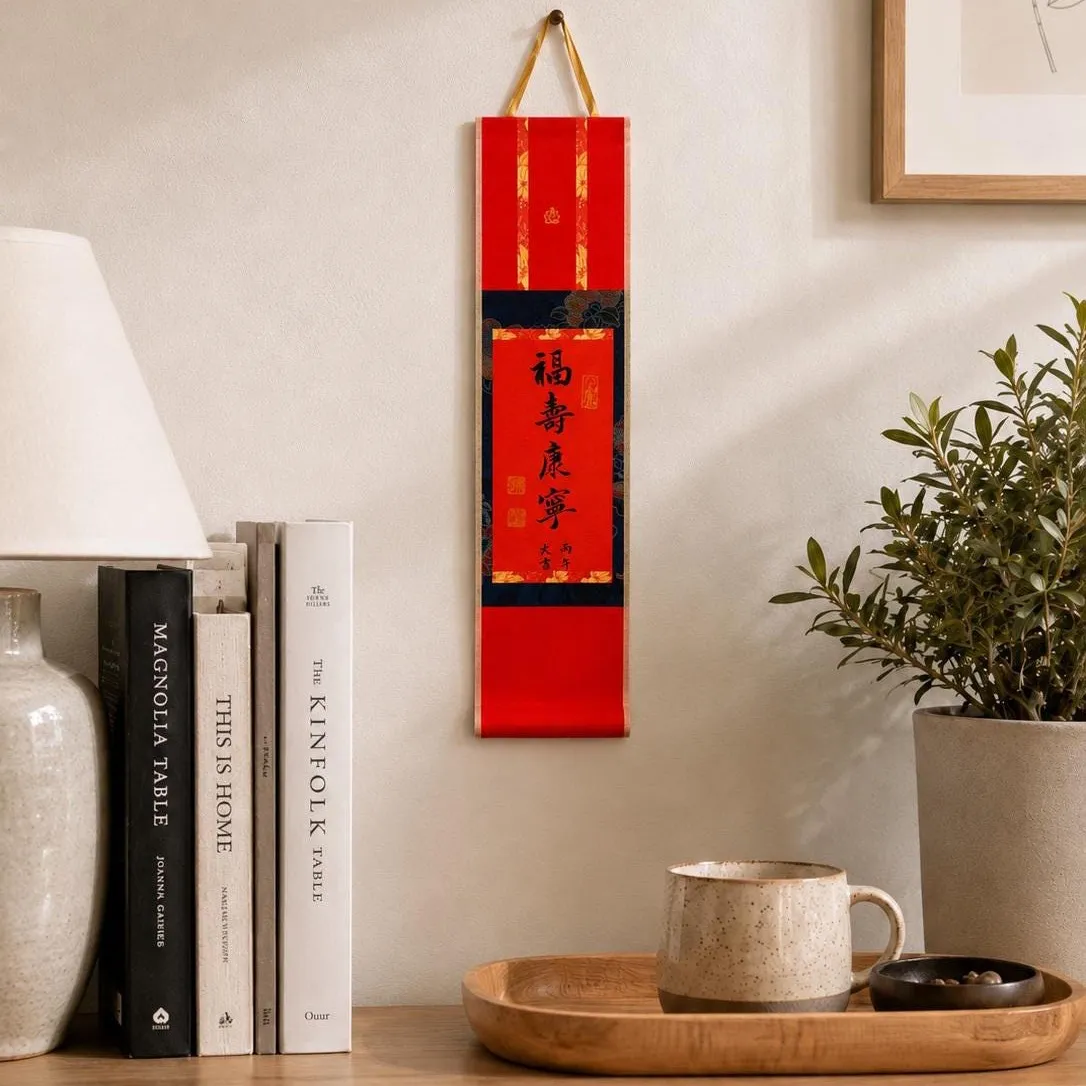
Photo shows a sample — yours will be brushed with 身体健康, or any character you choose.
Wall Scroll — for walls & housewarmingsfrom $38→ -
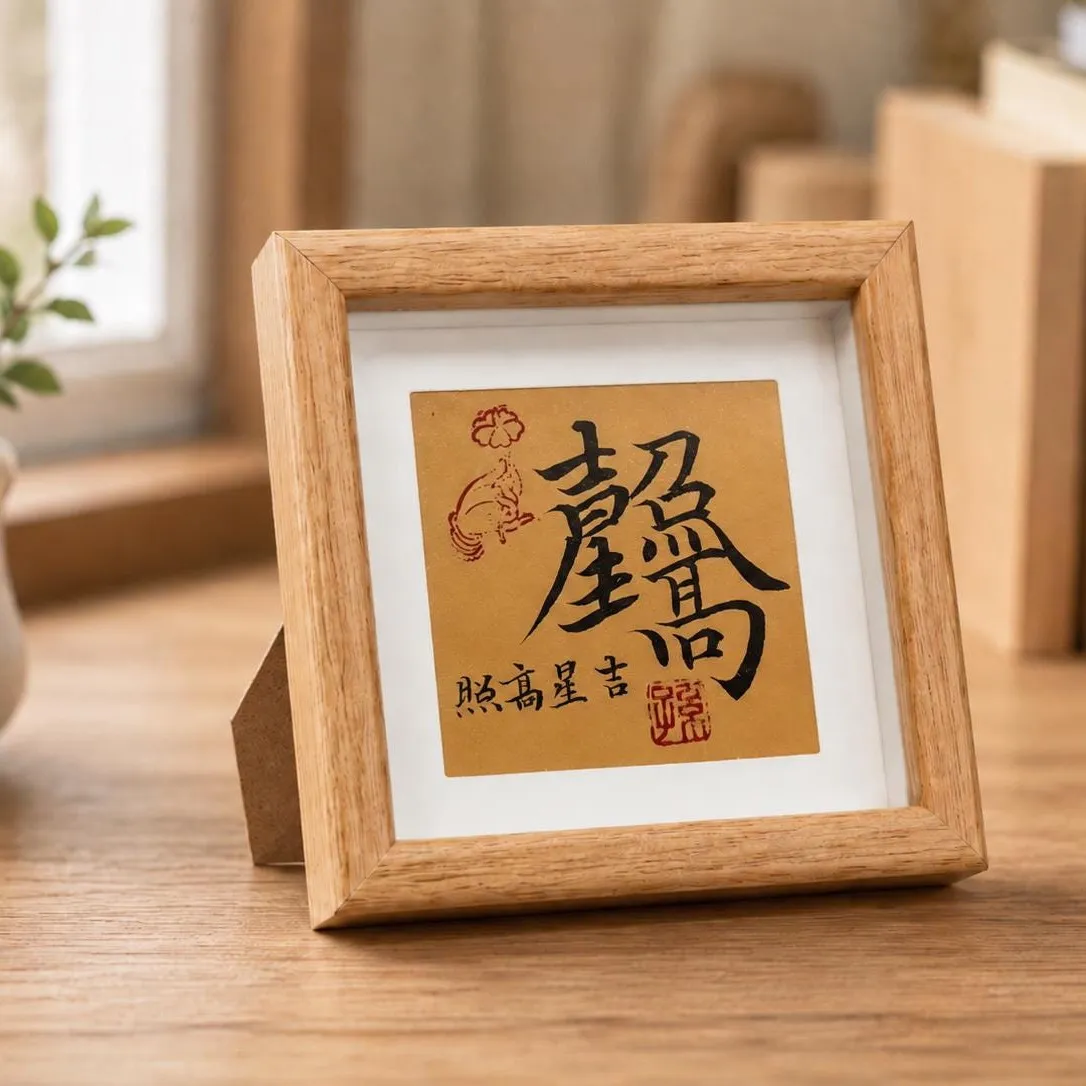
Photo shows a sample — yours will be brushed with 身体健康, or any character you choose.
Desk Frame — for desks, studies & studiosfrom $44→ -
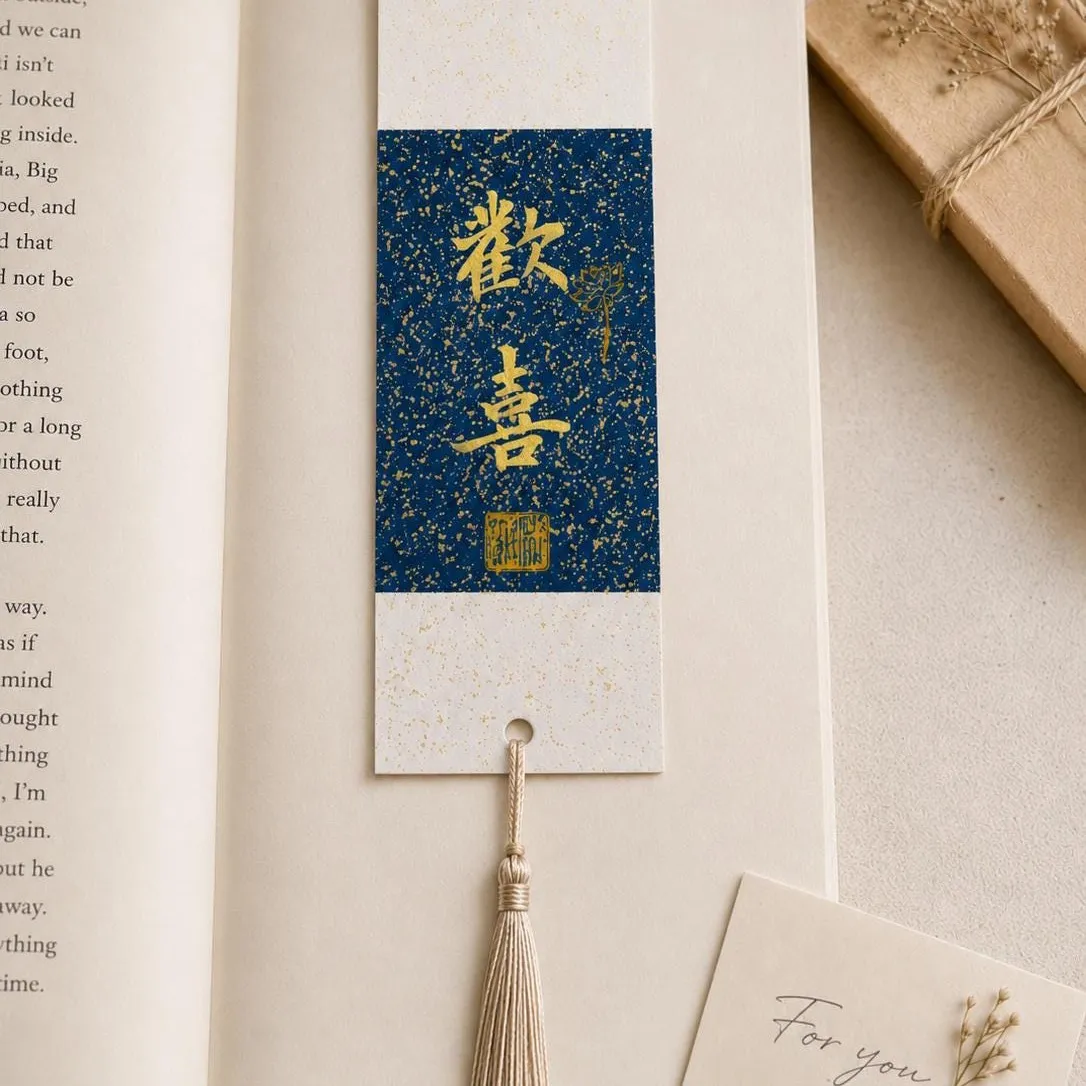
Photo shows a sample — yours will be brushed with 身体健康, or any character you choose.
Bookmark — for readers & small thank-yousfrom $14→
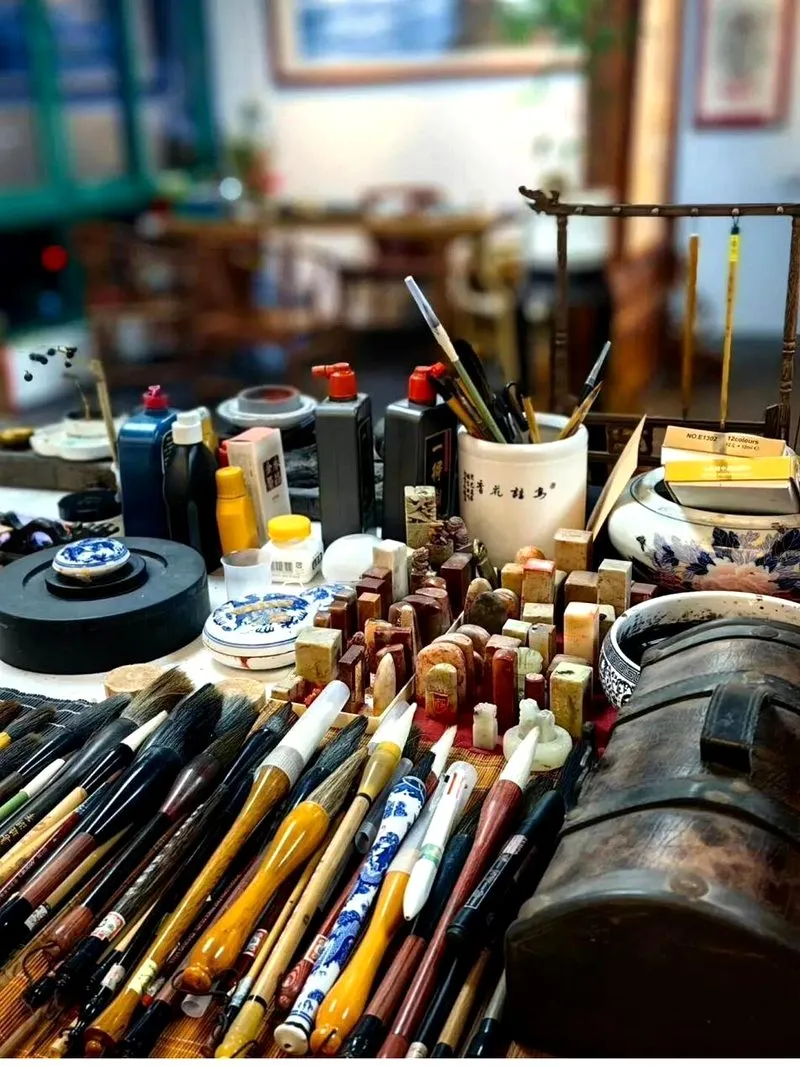
What people said after it arrived.
-
The item is fantastic. The customer service was genuine. Thanks!
— M.Verified purchase · from our Etsy shop reviews · -
They were great they gave me exactly what I asked for and then some. Thank you!!
— G.Verified purchase · from our Etsy shop reviews · -
It is well designed and customized. My daughter loves it. Amazing gift for family’s d friends
— S.Verified purchase · from our Etsy shop reviews ·
Each "身体健康" is hand-brushed by FuBlessings on rice paper.
See 身体健康 (Shēn Tǐ Jiàn Kāng) on Etsy →