韧 (rèn) — Toughness · Bending Without Breaking · Staying Power
A single character.
Dried rawhide is stiff enough to crack along a hard fold. Cured leather takes the same fold, opens flat, and takes it again. The character 韧 is written with the second kind of skin on its left, and the definition the received 《说文解字》 gives it is a small paradox: soft, and yet firm. It does not praise a surface that refuses to move. It praises a thing that bends under load and is still in one piece when the load comes off — the quality Chinese dictionaries set against brittle, not against weak.
You hear it in 坚韧 and 柔韧, and in the colloquial 韧劲, the staying power of someone who keeps at a task after the novelty is gone. 沈括 used it for armor thin enough to flex and tough enough to stop a crossbow bolt. 鲁迅 used it for the long, undramatic struggle he told a hall of students they would need. The compound 坚韧 shows the division of labor: See 坚 → for the firmness that resists, while this page is the part that bends and does not break. See 柔 → is the give on its own, and See 毅 → is a decision of the will rather than a property of the material.
A hand-brushed 韧 by FuBlessings is for someone whose strength has been of the flexing kind. For a graduate it credits the years of revision and deadlines that bent them without breaking. For a friend after a hard stretch, or a coworker who kept a project alive through every round of changes, it names what you watched. For a father on his birthday it says his steadiness gave where it had to and came back. It does not promise that hard times are over. It names how they were taken.
- toughness — deforms under load and does not tear
- soft and firm at once — 柔而固
- the opposite of brittle (脆)
- staying power that keeps coming back to the same task — 韧劲
- hardness That is closer to 坚 — firmness that resists pressure. In the compound 坚韧, 坚 supplies the resistance and 韧 supplies the ability to bend and not break; they are two properties, not one.
- suppleness That is closer to 柔 — the give itself. 柔 can be soft and still tear; 韧 is the give that holds together afterward.
- resolve That is closer to 毅 — a decision of the will reaffirmed under adversity. 韧 began as a property of leather and wood; it describes how something takes strain, not what someone has decided.
- forbearance That is 忍 (rěn), near in sound — bearing pain in silence. 坚忍 praises endurance of suffering; 坚韧 praises toughness. Early copies sometimes wrote one for the other, but modern Chinese keeps them apart.
The short arms are the point: these readings don’t reach it.
- 韦 cured leather — meaning component韦 (traditional 韋) is leather that has been worked until it folds without cracking, as distinct from raw hide 革. 《说文》 explains the leather sense of 韦 as a borrowing; in this character it carries the material meaning.
- 刃 sound component (rèn)刃 means blade on its own, but here it supplies the reading rèn. Explaining the character as leather plus blade is a modern mnemonic, not how the graph was built.
character
- 坚韧 jiān rèn firm and tough — the standard pairing of resistance and give
- 柔韧 róu rèn supple and tough — flexibility that does not tear
- 韧性 rèn xìng toughness as a property; also a person's staying power
- 韧劲 rèn jìn colloquial staying power — the drive to keep at something
- 坚忍 jiān rěn steadfast endurance — near in sound, built on 忍 (to bear), sharing no character with 韧
Cinnabar marks the characters 韧 actually contains. The dark row is a relative by meaning or by sound, not one shared stroke.
The Story Behind the Character
Leatherworkers in early China kept two words for hide. 革 was skin with the hair scraped off; 韦 was skin that had been cured soft. The Qing philologist 朱骏声 put the distinction in four characters — 熟曰韦,生曰革, cured is wei, raw is ge. The character for toughness is written with the cured kind. Its left side is 韦; its right side, 刃 (rèn), supplies the reading, which is why the word sounds like a blade without meaning one. The definition that the received 《说文解字》 carries, in the supplementary entries 徐铉 added in 986, is three characters long and holds both halves of the idea at once: 柔而固也 — soft, and yet firm.
The word is older than its standard graph. When the Mao commentary on the Book of Songs glosses the 檀 tree as 强韧之木, a strong and tough wood, 陆德明, writing his 《经典释文》 around the turn of the seventh century, notes that the copies he read wrote the second character as 忍 (some as 刃), and that the proper form has 韦 at its side with 刃 — the 忍 was a sound loan. The rhyme dictionary 《集韵》 also lists 肕, with a flesh radical, as the base form. The early glosses attach the word to cured leather and to cart timber: materials that take a load by giving a little and then return.
That pairing of give and return is still the dictionary sense. Modern dictionaries define the word as soft yet strong — deforming under force without breaking — and set it against 脆, brittle, rather than against weak or soft. 韧性 is the ordinary word for toughness in a material and has moved into speech for people under long pressure; 韧劲 is the colloquial staying power of someone who keeps at a thing. The simplified graph keeps both parts: 韦 for the cured leather, 刃 for the sound.
Classical lines
- roughly 2,600 years
- c. 700 BCE 《诗经·郑风·将仲子》
- c. 1088–1093 CE 沈括《梦溪笔谈·器用》
- 1923 鲁迅《娜拉走后怎样》
将仲子兮,无逾我园,无折我树檀。 Please, Zhongzi, do not climb into my garden; do not break the tan trees I planted.
The Mao commentary glosses this 檀 as 强韧之木, a strong and tough wood, and the Tang subcommentary adds that its timber went into carts. The speaker fears for a tree that should take a lot before it snaps.
青堂羌善锻甲,铁色青黑,莹彻可鉴毛发,以麝皮为䋶旅之,柔薄而韧。 The Qingtang Qiang are skilled at forging armor: the iron is blue-black and polished clear enough to show a hair; it is laced with musk-deer leather, supple, thin, and tough.
沈括 goes on to record that one such coat, kept at Zhenrong garrison, could not be pierced by a strong crossbow at fifty paces. The order of his adjectives is the lesson: supple and thin first, and still tough.
正无需乎震骇一时的牺牲,不如深沉的韧性的战斗。 There is no need for a sacrifice that shocks everyone for a moment; better a deep, tough kind of struggle.
Lu Xun said this to students at Beijing Women's Normal College in December 1923, in a talk about what becomes of Nora after she walks out of A Doll's House. His prescription is not heroism. It is the stamina to keep making the same demand after the applause stops.
Why This Character Matters
In the same 1923 talk, Lu Xun held up an unlikely model. After the Boxer upheaval, he said, the street toughs of Tianjin would carry a bag for two yuan. Tell one the bag is small: two yuan. Tell him the road is short: two yuan. Tell him to forget it: still two yuan. He did not recommend the hustler. He said the 韧性 was worth admiring — the ability to take every objection and come back with the same answer — and that anyone asking for economic independence would need exactly that. The example sticks because it is not noble. Toughness in this sense is unglamorous, repetitive, and hard to wear down.
The leather in the graph has its own famous story. The 《史记》 says that 孔子 in his late years read the Book of Changes until the leather cords binding its bamboo slips wore through three times — 韦编三绝, still the idiom for study that does not let up. Even cured leather breaks eventually; what the idiom praises is how many bendings it took. As a gift, 韧 makes an editorial claim rather than a promise: that the person took real strain and stayed whole. It is not a wish that hard times will pass them by.
韧 is everyday vocabulary in 坚韧, 柔韧, 韧性, and the colloquial 韧劲 — staying power. On skin it reads as a claim of toughness under strain, and readers will usually take it positively. Expect some to ask whether you meant 忍.
Calligraphy Styles for Tattoos
- Regular script (楷书 kǎishū) Best for tattoos
Simplified 韧 is 7 strokes: 韦 (4) on the left and 刃 (3) on the right. Regular script keeps the small dot on 刃 separate from the 刀 shape — lose it and the right side reads as 刀, a different component. Traditional 韌 (12 strokes) uses the fuller 韋; agree on one script before sizing.
- Running script (行书 xíngshū) Good for larger pieces
Running script can join the strokes of 韦 into one movement and still read clearly at moderate sizes. The 刃 dot is the first thing to disappear when the piece is small; ask for a sample at the intended size.
- Cursive script (草书 cǎoshū) Only with an expert calligrapher
Cursive forms of 韦 and 韋 differ, and a compressed 刃 can drift toward other components. Without a calligrapher who knows the cursive habits of both scripts, readers may not recover the character.
Common Mistakes to Avoid
- 忍 (rěn) — blade over heartIntended: 韧 (rèn) — leather beside the sound component 刃
The two are easy to confuse because the readings are close. 忍 is forbearance, bearing pain in silence; 韧 is toughness, bending without breaking. A skin full of 忍 says something different.
- Writing 刀 on the right side without the dot of 刃Intended: 刃 with its separate dot
Without the dot the component is 刀, and the character is no longer 韧.
- Confusing it with 仁 (rén) because both romanize to renIntended: 韧 rèn, falling tone
仁 is humaneness, a different character and a different tone. Check the glyph, not the spelling.
Notes for Your Tattoo Artist
Simplified count is 7 strokes; traditional 韌 is 12. Confirm simplified vs traditional with the client. Traditional 韋 needs more room than simplified 韦; ask for a sample at the intended size rather than relying on a fixed minimum. No oracle-bone or bronze form is attested to borrow; do not present a seal or slip form as oracle-bone script.
A few characters live near "韧" but mean something quieter, sharper, or more specific. Here's how to tell them apart.
the ability to bend under load and come back whole
firmness that resists pressure and does not crack
the give that holds together after it gives
the give itself — yielding as a method
how a person or a material takes strain over time
a resolve of the will, reaffirmed when things get hard
A degree certifies years of being bent by deadlines, revisions, and exams without coming apart.
- A degree certifies years of being bent by deadlines, revisions, and exams without coming apart. 韧 names that material fact rather than a forecast of glory. In a 1923 talk to students, Lu Xun said the struggle worth having was a deep, 韧性 one — the stamina to keep making the same demand — rather than a sacrifice that shocks for a moment. For the graduate whose next years will ask the same thing.
- A birthday can credit how someone took the years that leaned on them. 韧 is the word for a person who gave way where they had to and came back whole — not a hardness that never moved. For a friend after a difficult stretch, a colleague who kept at it, or a father whose strength was the kind that flexed.
Looking for a name? See Western names written in Chinese →
-
What does 韧 (rèn) mean?
韧 (rèn) is the Chinese character for toughness, bending without breaking, staying power. Dried rawhide is stiff enough to crack along a hard fold. Cured leather takes the same fold, opens flat, and takes it again. The character 韧 is written with the second kind of skin on its left, and the definition the received 《说文解字》 gives it is a small paradox: soft, and yet firm. It does not praise a surface that refuses to move. It praises a thing that bends under load and is still in one piece when the load comes off — the quality Chinese dictionaries set against brittle, not against weak. In the same 1923 talk, Lu Xun held up an unlikely model. After the Boxer upheaval, he said, the street toughs of Tianjin would carry a bag for two yuan. Tell one the bag is small: two yuan. Tell him the road is short: two yuan. Tell him to forget it: still two yuan. He did not recommend the hustler. He said the 韧性 was worth admiring — the ability to take every objection and come back with the same answer — and that anyone asking for economic independence would need exactly that. The example sticks because it is not noble. Toughness in this sense is unglamorous, repetitive, and hard to wear down.
-
What occasions is 韧 given for?
韧 is traditionally given for Graduation, Birthday. A degree certifies years of being bent by deadlines, revisions, and exams without coming apart. 韧 names that material fact rather than a forecast of glory. In a 1923 talk to students, Lu Xun said the struggle worth having was a deep, 韧性 one — the stamina to keep making the same demand — rather than a sacrifice that shocks for a moment. For the graduate whose next years will ask the same thing. A birthday can credit how someone took the years that leaned on them. 韧 is the word for a person who gave way where they had to and came back whole — not a hardness that never moved. For a friend after a difficult stretch, a colleague who kept at it, or a father whose strength was the kind that flexed.
-
Is 韧 a good Chinese tattoo?
韧 is everyday vocabulary in 坚韧, 柔韧, 韧性, and the colloquial 韧劲 — staying power. On skin it reads as a claim of toughness under strain, and readers will usually take it positively. Expect some to ask whether you meant 忍.
-
Who brushes the 韧 calligraphy?
FuBlessings hand-brushes each 韧 (Rèn) to order, in ink on rice paper — never printed, never repeated.
Bring 韧 home — choose how you'd like it brushed.
-
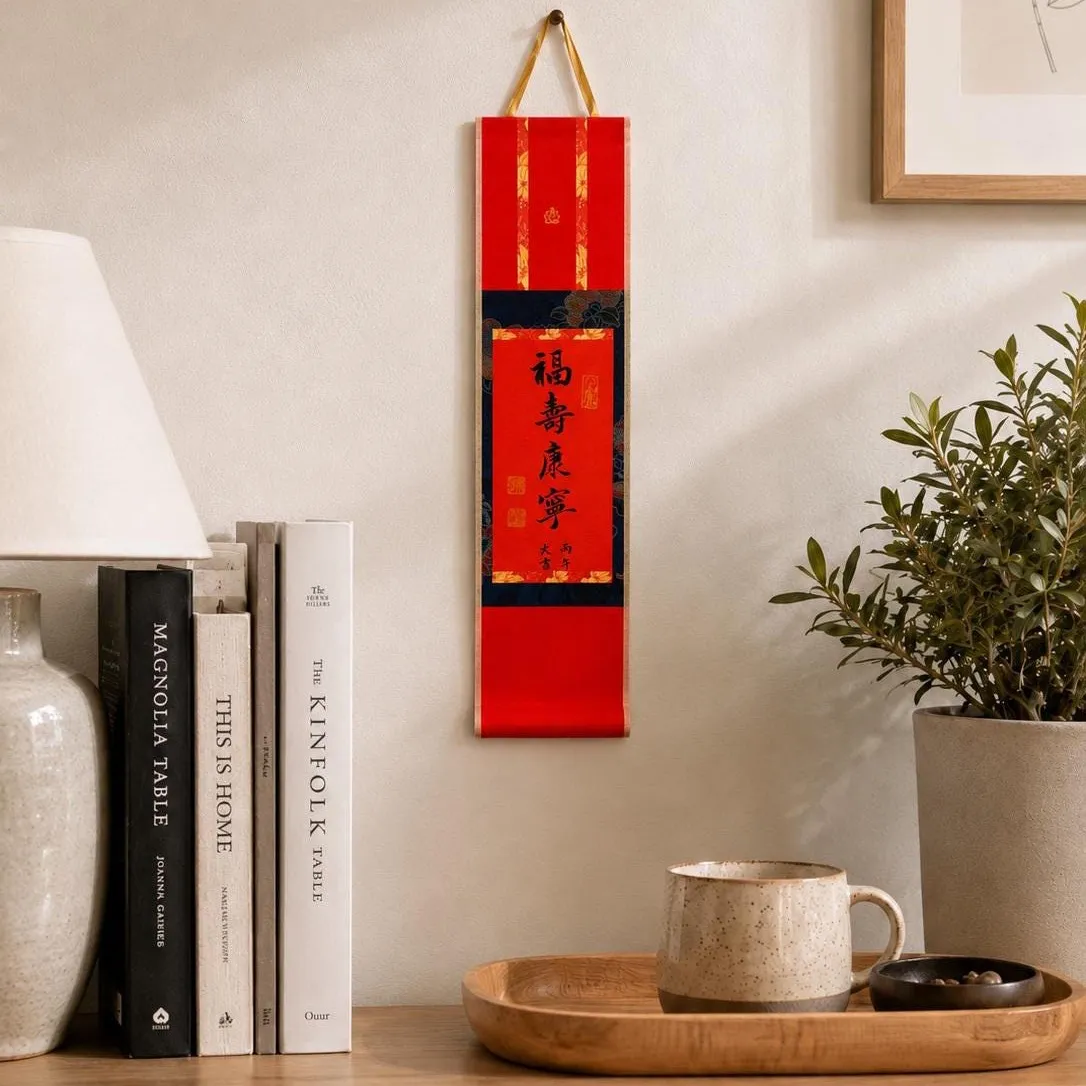
Photo shows a sample — yours will be brushed with 韧, or any character you choose.
Wall Scroll — for walls & housewarmingsfrom $38→ -
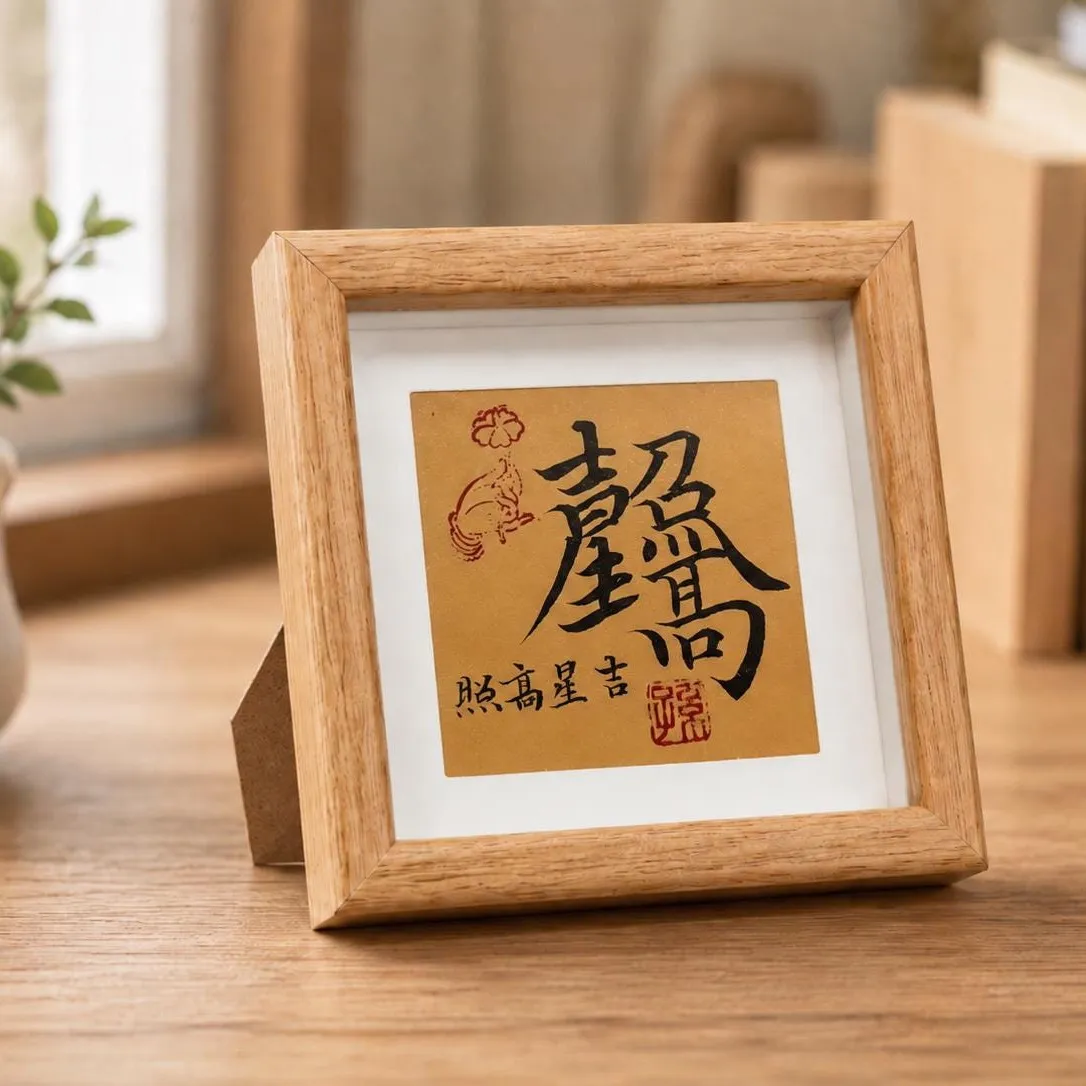
Photo shows a sample — yours will be brushed with 韧, or any character you choose.
Desk Frame — for desks, studies & studiosfrom $44→ -
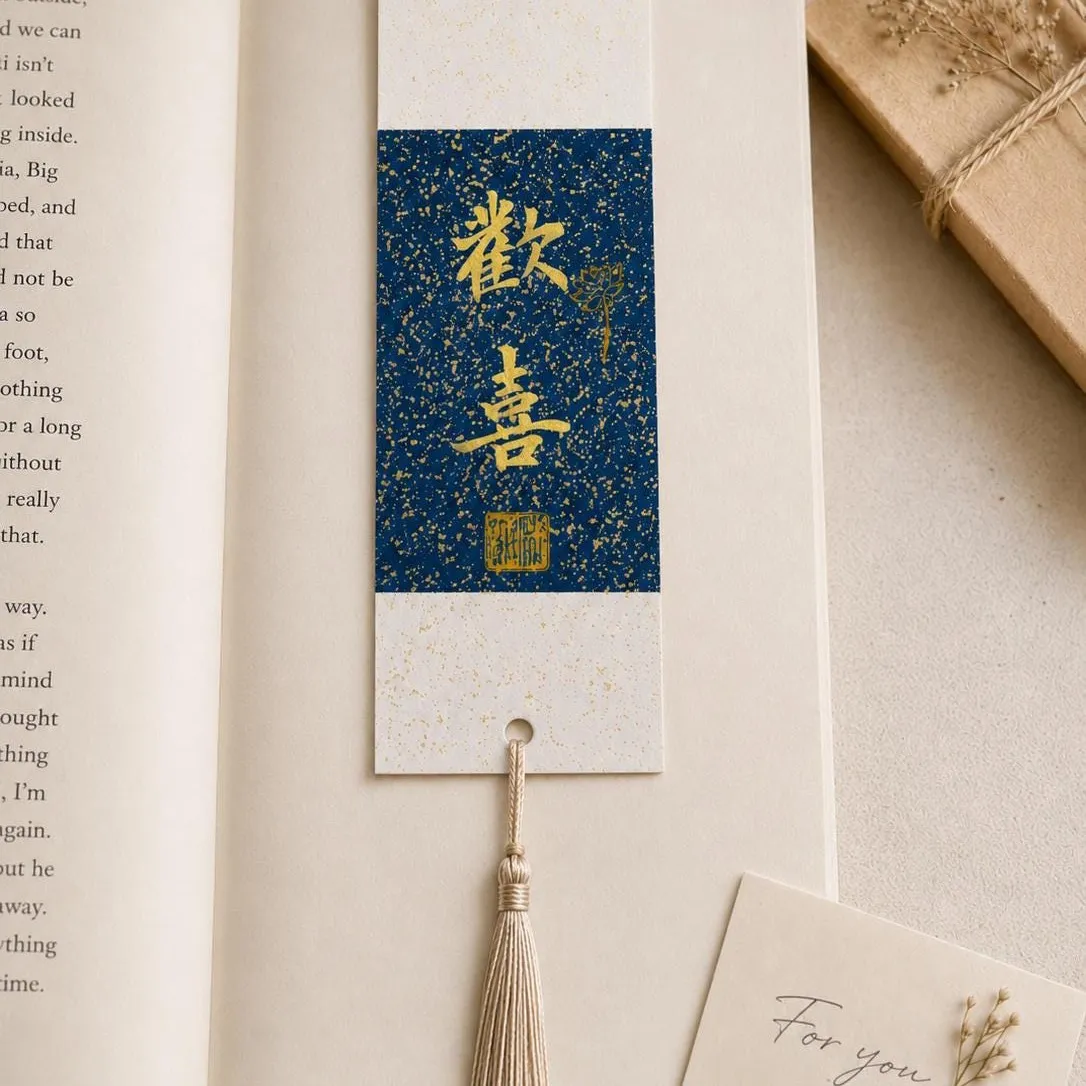
Photo shows a sample — yours will be brushed with 韧, or any character you choose.
Bookmark — for readers & small thank-yousfrom $14→
What people said after it arrived.
-
The item is fantastic. The customer service was genuine. Thanks!
— M.Verified purchase · from our Etsy shop reviews · -
They were great they gave me exactly what I asked for and then some. Thank you!!
— G.Verified purchase · from our Etsy shop reviews · -
It is well designed and customized. My daughter loves it. Amazing gift for family’s d friends
— S.Verified purchase · from our Etsy shop reviews ·
Each "韧" is hand-brushed by FuBlessings on rice paper.
See 韧 (Rèn) on Etsy →