让 (ràng) — Yielding · Giving Ground · Deferring a Claim
A single character.
Someone holds a claim they could keep — the last dumpling, the credit on a finished job, the seat nearest the door — and moves it across the table. Chinese has a short verb for that transfer: 让. It is not a mood and not a costume of smallness. It is the moment the claim changes hands. 谦 can sit underneath it as the habit that makes yielding easy; 恭 can dress it as bearing; 礼 can hold the form of the room. None of those three is the handoff itself.
You hear the living compounds every week. 谦让 is yielding without a speech about how humble you are. 退让 is stepping back in a doorway or a dispute. 礼让 is giving ground inside shared courtesy — the sense 《论语·里仁》 ties to whether a state can run at all. 《论语·泰伯》 pushes the same verb to its limit: 三以天下让, yielding a realm so quietly that ordinary praise fails. 《论语·八佾》 keeps it small and physical: 揖让而升 — bow, yield, then climb the steps to shoot. See 谦 → lowers the self. See 恭 → shows how you face people. See 礼 → is the form. This page is the transfer.
A hand-brushed 让 by FuBlessings is for someone whose yielding you have actually watched. For a friend it names the credit left on the table and the last word not taken. For a coworker it is the floor passed across in a meeting without theater. For a best friend it is the habit you stopped needing to ask for. On a birthday it credits years of that handoff; at Chinese New Year it credits the person who makes room at the visit — not a wealth wish on a red envelope. It does not congratulate. It does not promise next year’s luck. It names the claim they did not keep.
- yielding a concrete claim — seat, credit, turn, doorway
- giving ground inside a shared room
- deferential transfer — 谦让, 退让, 礼让
- stepping aside so someone else can take what you could keep
- humility That is closer to 谦 — claims kept quiet as a stance. 谦让 joins them, but 让 alone is the yield act, not the lowered self.
- respectful bearing That is 恭 — how you look and hold yourself toward people. You can yield without a formal bearing, and you can show 恭 without handing anything over.
- to make / to let Modern 让他去 and 让父母安心 are causative or permissive grammar. The hung character is not asking anyone to do a task; it names yielding.
- blame / reproach 说文's primary gloss 相责让 is censure. Classical texts still use that lane; the gift keeps the yield lane 段玉裁 already flagged as the usual classical spend.
The short arms are the point: these readings don’t reach it.
- 讠 / 言 speech — the semantic sideSimplified 讠 (traditional 言) marks an action in the realm of words and address. In 说文 the blame sense is speech-as-reproach; in the yield sense the same radical still sits in a vocabulary of saying who goes first.
- 襄 (traditional sound; simplified right side) sound说文: 襄声. In traditional 讓 the full 襄 is visible; simplified 让 keeps a reduced right component. Do not explain the right side as a meaning part.
character
- 谦让 qiān ràng to yield modestly — humility joined to the transfer of a claim
- 退让 tuì ràng to step back and yield — giving ground in a dispute or a doorway
- 礼让 lǐ ràng yielding inside propriety — the classical compound for giving ground within shared form
- 让位 ràng wèi to yield a seat or a post — the transfer made explicit
- 不争 bù zhēng not contending — near in sense, shares no character with 让
Cinnabar marks the characters 让 actually contains. The dark row is a relative by meaning or by sound, not one shared stroke.
The Story Behind the Character
《说文解字》 files 讓 under the speech radical and glosses the primary sense as blame: 相责让 — mutual reproach. The analysis is 从言,襄声 (人漾切): speech marks the action, and 襄 carries the sound. That blame reading is real classical Chinese — 左传 and later historians still use 让 for censure — and it is not the gift reading.
段玉裁, commenting on the same entry, records what the classics usually do with the graph: 经传多以为谦攘字 — transmitted texts mostly spend it as the word for modest yielding (and note the link with 攘). From that yield sense come the compounds still ordinary today: 谦让, 退让, 礼让, 让位. The hung character keeps this second, living ledger — the transfer of a claim — and leaves the blame sense in the dictionary.
In simplified form the graph is 让: the speech radical reduced to 讠, the right side compacted, five strokes in the modern count against twenty-four for 讓. The sound component is no longer written as full 襄, but the word is the same. Modern grammar also uses 让 as a causative or passive marker (让他去, 茶让他打翻了); that lane is syntax, not the virtue named on a wall.
Classical lines
- about a century
- c. 400 BCE 《论语·里仁》
- c. 400 BCE 《论语·泰伯》
- c. 400 BCE 《论语·八佾》
能以礼让为国乎?何有?不能以礼让为国,如礼何? If you can govern a state with propriety and yielding
what difficulty is there? If you cannot, what will you do with propriety? — Confucius ties 礼让 to statecraft: shared form without anyone willing to give ground cannot run. The gift character keeps the yield half of that compound.
泰伯,其可谓至德也已矣!三以天下让,民无得而称焉。 Tai Bo may be called virtue at its utmost
three times he yielded the realm, and the people could find no praise equal to it. — The Analects' highest word for a hidden transfer of claim: 让 of a throne, done so quietly that ordinary praise fails.
君子无所争,必也射乎!揖让而升,下而饮。其争也君子。 The 君子 has nothing to contend over
unless it is archery. They bow and yield as they ascend, then descend and drink. Even their contest stays 君子. — 揖让 is yielding built into the form of the match: the contest remains; the claim to space and precedence is handed across.
Why This Character Matters
The five-word portrait 子贡 gave of Confucius ends in 让: 温良恭俭让 — warmth, goodness, respectful bearing, frugality, and deferential yielding. 温 and 恭 already have their own library pages; this one takes the last item as its own act. Classical Chinese could praise 礼让 as how a room or a state stays workable, and could also mark the limit with 当仁不让 — when benevolence calls, do not yield even to your teacher. The gift reading sits on the yield side of that line, not on the refusal.
As a gift the single character is less common than 谦 or 礼, which is why it reads as a choice. It does not wish wealth. It does not congratulate. It names someone who moves a claim they could have kept — the friend who leaves the last word, the coworker who passes the credit across the table, the best friend whose yielding you have stopped needing to ask for. Hang it when the accurate praise is the transfer, not the pose of modesty and not next year's luck.
让 is ordinary speech — 谦让, 退让, 让座, 让路 — and also the modern grammar word for letting or making someone do something. On skin it will be read as a claim about yielding, so expect the question whether you meant 谦. The causative sense (让他去) is not what a hung character is saying.
Calligraphy Styles for Tattoos
- Regular script (楷书 kǎishū) Best for tattoos
Simplified 让 is only 5 strokes (speech radical 讠 plus a compact right side). Regular script keeps the left radical clearly 讠, not a generic mark — without it the graph collapses. Traditional 讓 (言 + 襄) is a much denser 24-stroke form; agree which script the client wants before sizing.
- Running script (行书 xíngshū) Good for larger pieces
Running script can soften the simplified form without losing the speech radical. Below about 1.25 inches the left 讠 blurs first. Ask for a sample at the intended size.
- Cursive script (草书 cǎoshū) Only with an expert calligrapher
Cursive 让 / 讓 can reduce the speech side to a flick. Without a calligrapher who knows both the simplified and traditional cursive habits, readers may not recover the character.
Common Mistakes to Avoid
- Writing a form that looks like 上 alone, without a readable speech radicalIntended: 让 with 讠 still countable as the speech side
The speech radical is what keeps 让 in the word family of saying and yielding. Lose it and the tattoo is only a shape.
- Mixing simplified 让 strokes with a half-traditional 襄 on the rightIntended: One consistent script — full simplified 让, or full traditional 讓
Hybrid graphs look unfinished to readers who know either standard form.
Notes for Your Tattoo Artist
Simplified count is 5 strokes; traditional 讓 is 24. Confirm simplified vs traditional with the client. Minimum comfortable size about 1.25–1.5 inches for simplified; traditional needs more. Do not invent an oracle-bone form — early evidence is later than bone script for this graph.
A few characters live near "让" but mean something quieter, sharper, or more specific. Here's how to tell them apart.
the act of handing a claim across — seat, credit, turn
the stance of keeping your own claims quiet, whether or not anything changes hands
yielding something concrete to someone else
the visible bearing you bring into the room — posture and tone, not a transfer
giving ground inside a form
the shared form itself — how the room is supposed to be entered and answered
A birthday can support a claim about how someone has moved through shared rooms for years — who took the last word, who kept the credit, who stepped aside at the door.
- A birthday can support a claim about how someone has moved through shared rooms for years — who took the last word, who kept the credit, who stepped aside at the door. 让 names that transfer, not a forecast for the year ahead. It suits a friend or a coworker whose yielding you have actually watched, not a generic wish for harmony.
- New Year visits and family tables are full of small claims: who sits first, who speaks first, who takes the last piece. 礼让 is the classical compound for yielding inside shared form. A brushed 让 credits the person who makes room at the gathering. It is not 恭喜发财, which wishes wealth, and not a joke about red envelopes; those lanes do not hang this character as a virtue.
Friend · Coworker · Best Friend · or yourself
Looking for a name? See Western names written in Chinese →
-
What does 让 (ràng) mean?
让 (ràng) is the Chinese character for yielding, giving ground, deferring a claim. Someone holds a claim they could keep — the last dumpling, the credit on a finished job, the seat nearest the door — and moves it across the table. Chinese has a short verb for that transfer: 让. It is not a mood and not a costume of smallness. It is the moment the claim changes hands. 谦 can sit underneath it as the habit that makes yielding easy; 恭 can dress it as bearing; 礼 can hold the form of the room. None of those three is the handoff itself. The five-word portrait 子贡 gave of Confucius ends in 让: 温良恭俭让 — warmth, goodness, respectful bearing, frugality, and deferential yielding. 温 and 恭 already have their own library pages; this one takes the last item as its own act. Classical Chinese could praise 礼让 as how a room or a state stays workable, and could also mark the limit with 当仁不让 — when benevolence calls, do not yield even to your teacher. The gift reading sits on the yield side of that line, not on the refusal.
-
What occasions is 让 given for?
让 is traditionally given for Birthday, Chinese New Year. A birthday can support a claim about how someone has moved through shared rooms for years — who took the last word, who kept the credit, who stepped aside at the door. 让 names that transfer, not a forecast for the year ahead. It suits a friend or a coworker whose yielding you have actually watched, not a generic wish for harmony. New Year visits and family tables are full of small claims: who sits first, who speaks first, who takes the last piece. 礼让 is the classical compound for yielding inside shared form. A brushed 让 credits the person who makes room at the gathering. It is not 恭喜发财, which wishes wealth, and not a joke about red envelopes; those lanes do not hang this character as a virtue.
-
Is 让 a good Chinese tattoo?
让 is ordinary speech — 谦让, 退让, 让座, 让路 — and also the modern grammar word for letting or making someone do something. On skin it will be read as a claim about yielding, so expect the question whether you meant 谦. The causative sense (让他去) is not what a hung character is saying.
-
Who brushes the 让 calligraphy?
FuBlessings hand-brushes each 让 (Ràng) to order, in ink on rice paper — never printed, never repeated.
Bring 让 home — choose how you'd like it brushed.
-
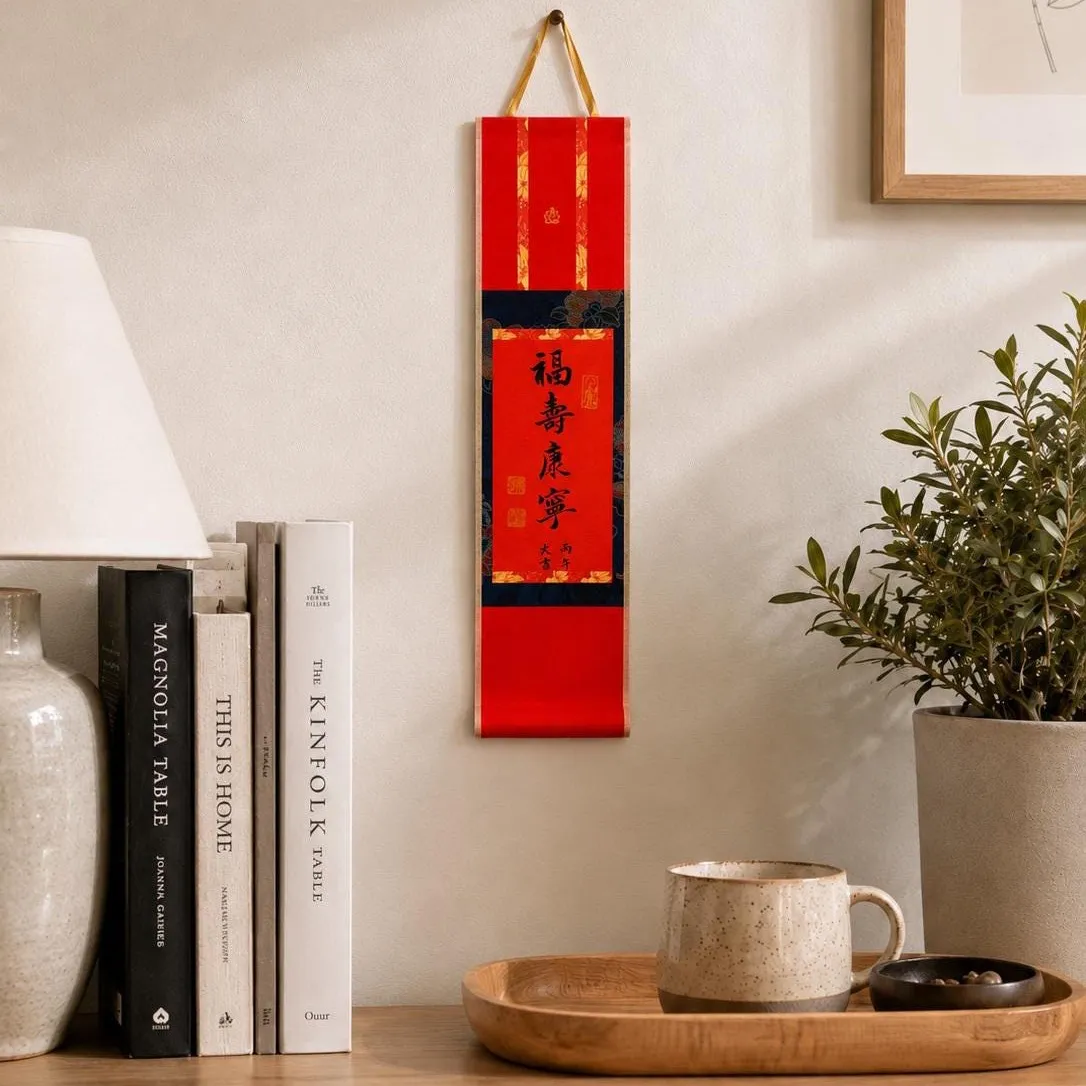
Photo shows a sample — yours will be brushed with 让, or any character you choose.
Wall Scroll — for walls & housewarmingsfrom $38→ -
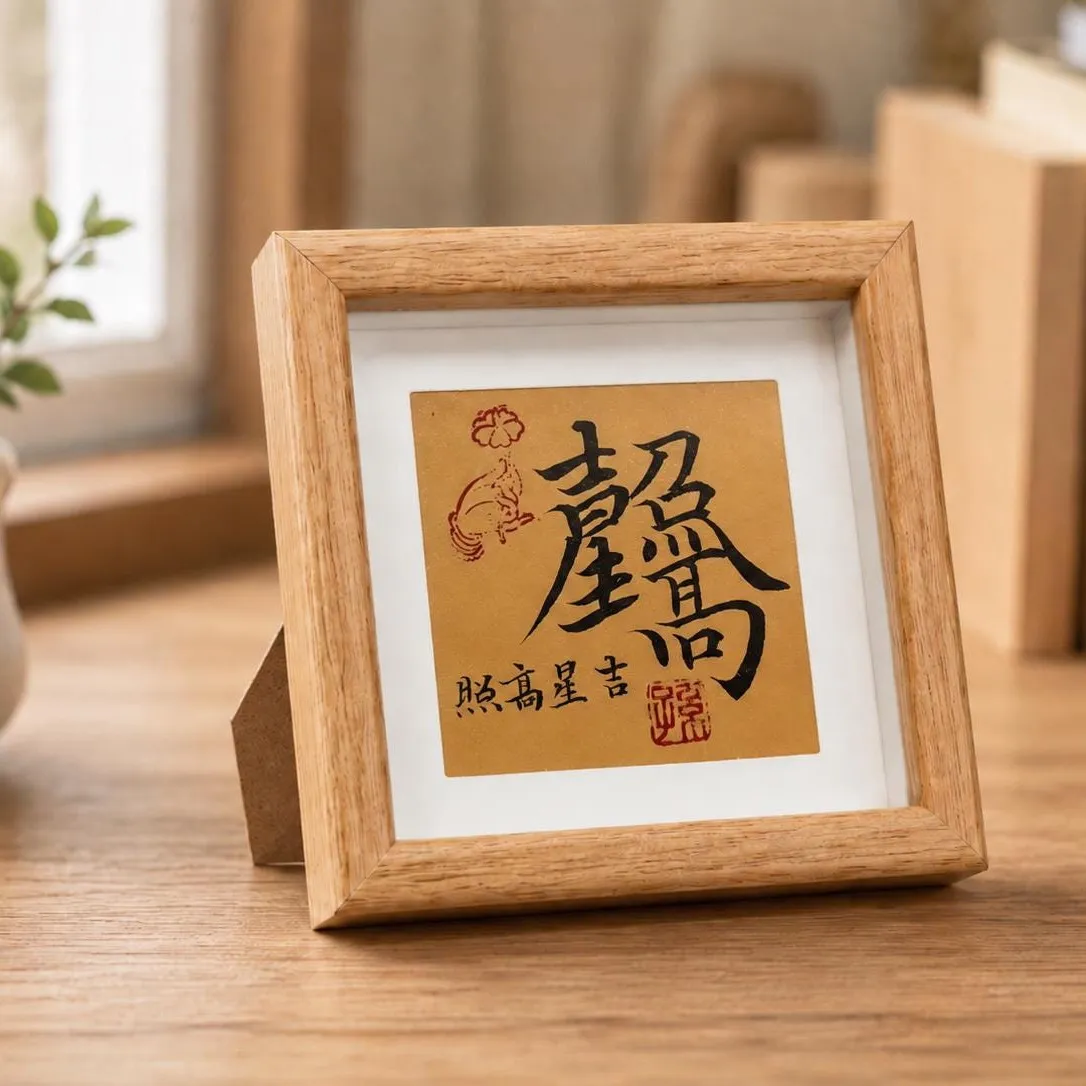
Photo shows a sample — yours will be brushed with 让, or any character you choose.
Desk Frame — for desks, studies & studiosfrom $44→ -
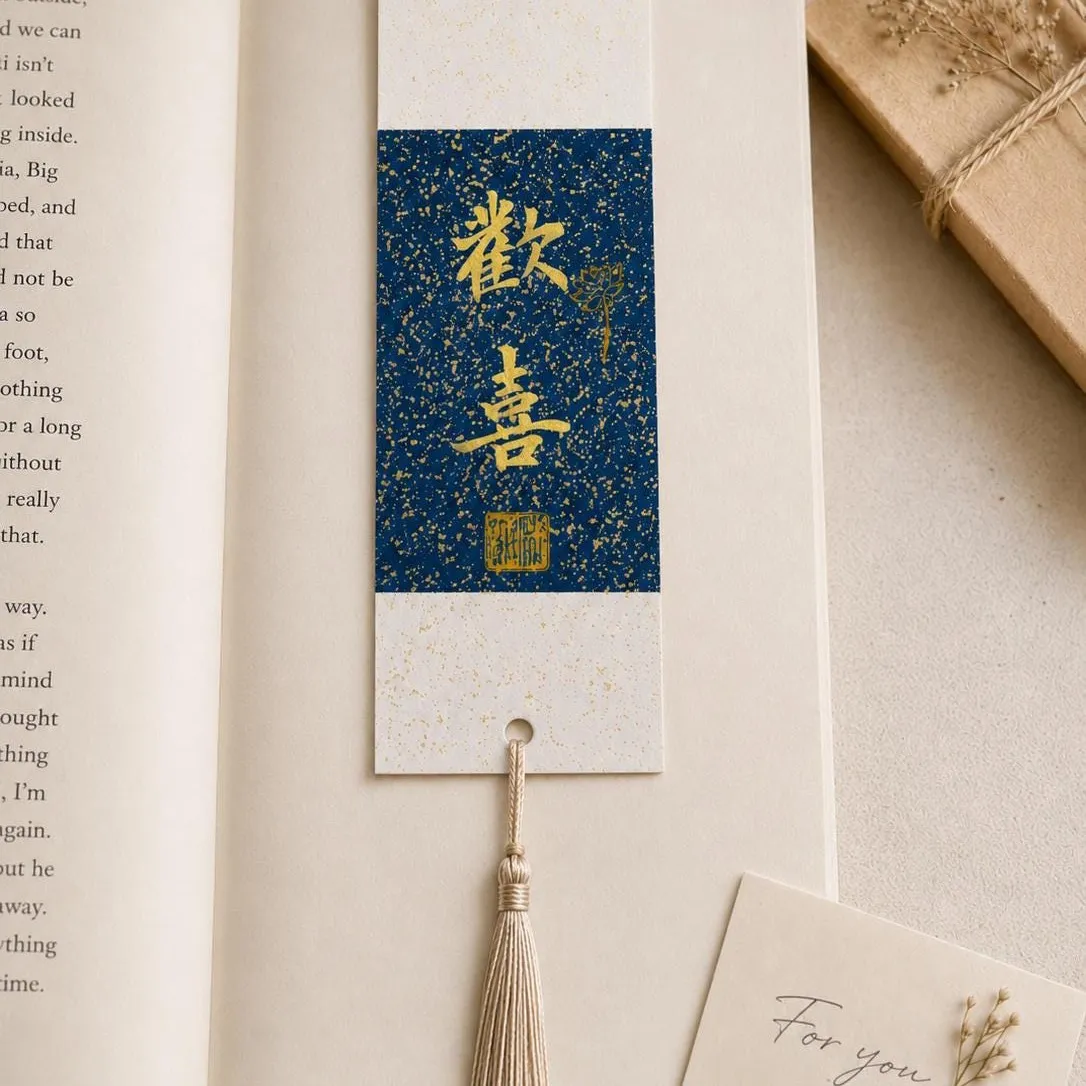
Photo shows a sample — yours will be brushed with 让, or any character you choose.
Bookmark — for readers & small thank-yousfrom $14→
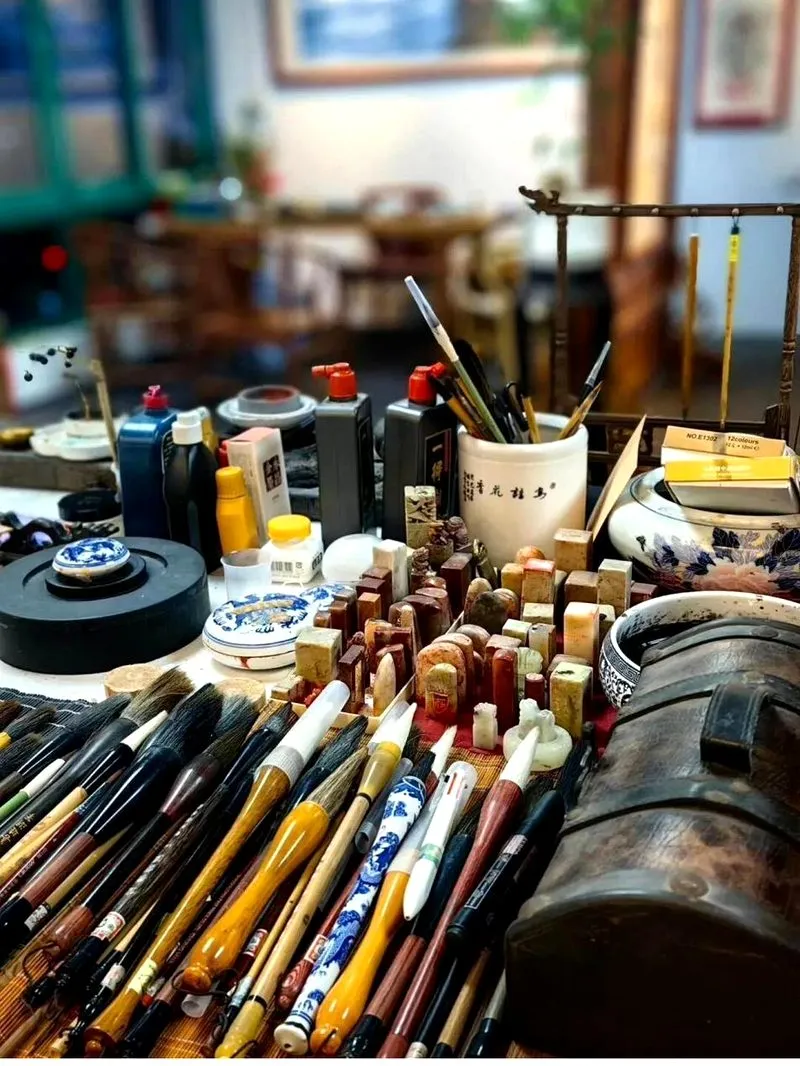
What people said after it arrived.
-
The item is fantastic. The customer service was genuine. Thanks!
— M.Verified purchase · from our Etsy shop reviews · -
They were great they gave me exactly what I asked for and then some. Thank you!!
— G.Verified purchase · from our Etsy shop reviews · -
It is well designed and customized. My daughter loves it. Amazing gift for family’s d friends
— S.Verified purchase · from our Etsy shop reviews ·
Each "让" is hand-brushed by FuBlessings on rice paper.
See 让 (Ràng) on Etsy →