琴瑟 (qín sè) — Qin and Se in Tune · Marital Accord as Shared Music · Two Instruments, One Music
A two-character word, not a single character.
琴瑟 is first a pair of instruments. The Ministry revised dictionary lists 琴与瑟两种乐器 before it lists any marriage, and the Book of Documents already has them under the hands that carry a song: 搏拊琴瑟,以咏. The qin is the closer, clearer zither; the se is the larger one with many bridges. Classical writers keep both names because each is already a complete instrument. What the compound asks, once the metaphor arrives, is whether those two registers are in tune with each other — not whether two halves have been glued into one.
The marriage sense is borrowed out loud. The same dictionary marks it 语本《诗经·小雅·常棣》, from the line that likens a household in good union to playing the se and the qin. 《关雎》 and 《女曰鸡鸣》 had already seated the instruments beside courtship and beside a house at ease; those poems are quoted on other pages in this library, and what they leave here is the two-character headword itself. Living Chinese still toasts with 琴瑟和鸣. When the strings go wrong, the language stays musical: 琴瑟不调 is a couple out of accord, and Dong Zhongshu can lift the same image for a government that must be loosened and restrung.
A hand-brushed “琴瑟” by Artist Lina Sun suits a wedding that wants the ensemble named on day one, an anniversary that can finally hear whether the parts still answer, or a Valentine’s Day that should credit the ongoing music rather than the single evening. It fits a husband, a wife, or a couple just starting the household that will have to keep both instruments in play. It does not promise how much anyone feels, and it does not score the years. It asks whether the two voices are making one music.
- the qin and the se as a pair of instruments — MOE sense 1
- marital accord pictured as those instruments in tune — MOE sense 2, 语本常棣
- the living toast 琴瑟和鸣 / 琴瑟之好 — two registers answering each other
- romance Romance names the heat of feeling. 琴瑟 names whether two parts still play together. A quiet marriage can be this word; a spectacular month often cannot.
- soulmates Soulmates claims a destined match. This pair reports a musical condition — in tune or out — that can be heard in the household and can, in the Hanshu image, be restrung.
- harmony in general 和 and 和美 can cover a room, a team, or a neighborhood. 琴瑟 in the borrowed sense is aimed at the couple's ensemble; 和睦 is the wider household peace that includes people nobody chose.
- one instrument split in half The metaphor is two complete instruments, not two halves of one. Classical writers keep both names because each already has its own range.
The short arms are the point: these readings don’t reach it.
- 琴 closer zitherReceived tradition: five strings early, seven by later Zhou practice. In the compound it is one of the two voices, not a stand-in for all music.
- 瑟 larger zitherReceived tradition settles on twenty-five strings, each with a movable bridge. Beside 琴 it is the other complete instrument in the ensemble.
characters
- 琴瑟和鸣 qín sè hé míng qin and se sounding together — the standing four-character toast built on this pair
- 琴瑟之好 qín sè zhī hǎo the goodness of qin and se — compact praise for a couple's accord
- 琴瑟不调 qín sè bù tiáo qin and se out of tune — the antonym that proves the metaphor; also used of failed government
- 鸾凤和鸣 luán fèng hé míng luan and phoenix calling together — a wedding relative by sense that shares no character with 琴瑟
Cinnabar marks the characters 琴瑟 actually contains. The dark row is a relative by meaning or by sound, not one shared stroke.
The Story Behind the Character
The Ministry of Education's revised dictionary opens on the instruments: 琴与瑟两种乐器. 《书经·益稷》 has them under the hands that lift the song — 搏拊琴瑟,以咏 — and 《周礼·春官·大司乐》 places 云和之琴瑟 inside the dance of 云门. Before the word means a marriage, it means two string instruments that belong in the same music.
The marriage reading is borrowed, and the dictionary says so. Sense two is 语本《诗经·小雅·常棣》: 妻子好合,如鼓瑟琴 — a household in good union is like playing the se and the qin. 《关雎》 had already put the same two instruments beside courtship — 琴瑟友之 — and 《女曰鸡鸣》 had put them in the house — 琴瑟在御. Those lines are already quoted elsewhere in this library; what they leave for this entry is the compact headword. Once the metaphor sticks, the negative proves the positive: 琴瑟不调 is marital discord, and Dong Zhongshu can steal the same image for bad government because everyone already knows what in-tune strings are supposed to do.
The two instruments are not the same voice. Traditional accounts give the qin five strings in early Zhou use, later seven; the se is the larger zither, later fixed in the received tradition at twenty-five strings, each with its own movable bridge. 琴瑟和鸣 is still the standing four-character wish for a marriage whose parts answer each other without becoming one instrument.
Classical lines
- roughly 500 years
- 7th c. BCE 《诗经·鄘风·定之方中》
- c. 4th–3rd c. BCE 《尚书·益稷》
- c. 134 BCE 《汉书·董仲舒传》
树之榛栗,椅桐梓漆,爰伐琴瑟。 They planted hazel and chestnut, yi, tong, zi, and lacquer trees
and in time cut them for qin and se. — A rebuilding poem for Wei after the mid-seventh-century crisis: the new palace grounds are planted with the woods that will become the instruments. 琴瑟 here are still timber and craft, not yet a marriage metaphor.
戛击鸣球,搏拊琴瑟,以咏祖考来格。 Strike the sounding jade; stroke the qin and se to accompany the song
and the ancestors draw near. — The dictionary's first proof-text for the instruments themselves. 琴瑟 are named as the string pair inside ritual music, before any household borrows their tuning.
窃譬之琴瑟不调,甚者必解而更张之,乃可鼓也。 I venture the comparison of qin and se out of tune: when it is bad enough, one must loosen the strings and peg them afresh before they can be played again.
Dong Zhongshu is arguing for political reform, and the analogy only runs because 琴瑟 already means strings that are supposed to answer each other. The marital compound 琴瑟不调 keeps the same picture.
Why This Character Matters
At a Chinese wedding the toast may still land on 琴瑟和鸣 or 琴瑟之好 — not a claim about how much anyone feels tonight, but a picture of two registers playing together. The gift copy that follows that toast is doing the same work: it names the ensemble, not the solo.
The word also keeps a repair story. When the Hanshu has Dong Zhongshu say that badly tuned 琴瑟 must be loosened and restrung before they can be played again, the political analogy only works because the domestic one is already clear. A marriage that has gone sharp or flat is still being talked about in the language of strings.
A few characters live near "琴瑟" but mean something quieter, sharper, or more specific. Here's how to tell them apart.
Names the two instruments whose shared music became the marriage picture.
Names the outcome — harmony that has become beautiful — without requiring the instrument image.
Reports whether two registers answer each other in play.
Reports whether two people are aimed the same way — direction, not ensemble sound.
Said of the couple's music; both parts are in the picture.
Said of one person's feeling over time; the sentence needs no second subject.
A Chinese wedding toast still reaches for 琴瑟和鸣 when the wish is not a single feeling but two voices already able to play together.
- A Chinese wedding toast still reaches for 琴瑟和鸣 when the wish is not a single feeling but two voices already able to play together. The pair names the instruments first — the Ministry revised dictionary's sense of 琴与瑟两种乐器 — and only then the marriage that borrowed their tuning. On the wedding day it says the household is starting as an ensemble, not as one instrument cut in half.
- An anniversary is the year the tuning can be heard. 同心 names a shared direction; 长情 names how long one person's feeling ran. 琴瑟 names whether the two parts still answer each other — the same test the Hanshu line puts on strings that have gone out of tune. The gift is a report on the music, not a wish that the years continue.
- Valentine's Day is built to make one evening carry the whole weight. 琴瑟 refuses that job. It names the ongoing music of a couple's life — the revised dictionary's 比喻夫妻和合 — rather than the florist's night. For the February that should credit the shared playing behind the dinner, not the dinner alone.
Husband · Wife · New Couple · or yourself
Looking for a name? See Western names written in Chinese →
-
What does 琴瑟 (qín sè) mean?
琴瑟 (qín sè) is a two-character Chinese word for qin and se in tune, marital accord as shared music, two instruments, one music. 琴瑟 is first a pair of instruments. The Ministry revised dictionary lists 琴与瑟两种乐器 before it lists any marriage, and the Book of Documents already has them under the hands that carry a song: 搏拊琴瑟,以咏. The qin is the closer, clearer zither; the se is the larger one with many bridges. Classical writers keep both names because each is already a complete instrument. What the compound asks, once the metaphor arrives, is whether those two registers are in tune with each other — not whether two halves have been glued into one. At a Chinese wedding the toast may still land on 琴瑟和鸣 or 琴瑟之好 — not a claim about how much anyone feels tonight, but a picture of two registers playing together. The gift copy that follows that toast is doing the same work: it names the ensemble, not the solo.
-
What occasions is 琴瑟 given for?
琴瑟 is traditionally given for Wedding, Anniversary, Valentine's Day. A Chinese wedding toast still reaches for 琴瑟和鸣 when the wish is not a single feeling but two voices already able to play together. The pair names the instruments first — the Ministry revised dictionary's sense of 琴与瑟两种乐器 — and only then the marriage that borrowed their tuning. On the wedding day it says the household is starting as an ensemble, not as one instrument cut in half. An anniversary is the year the tuning can be heard. 同心 names a shared direction; 长情 names how long one person's feeling ran. 琴瑟 names whether the two parts still answer each other — the same test the Hanshu line puts on strings that have gone out of tune. The gift is a report on the music, not a wish that the years continue.
-
Who brushes the 琴瑟 calligraphy?
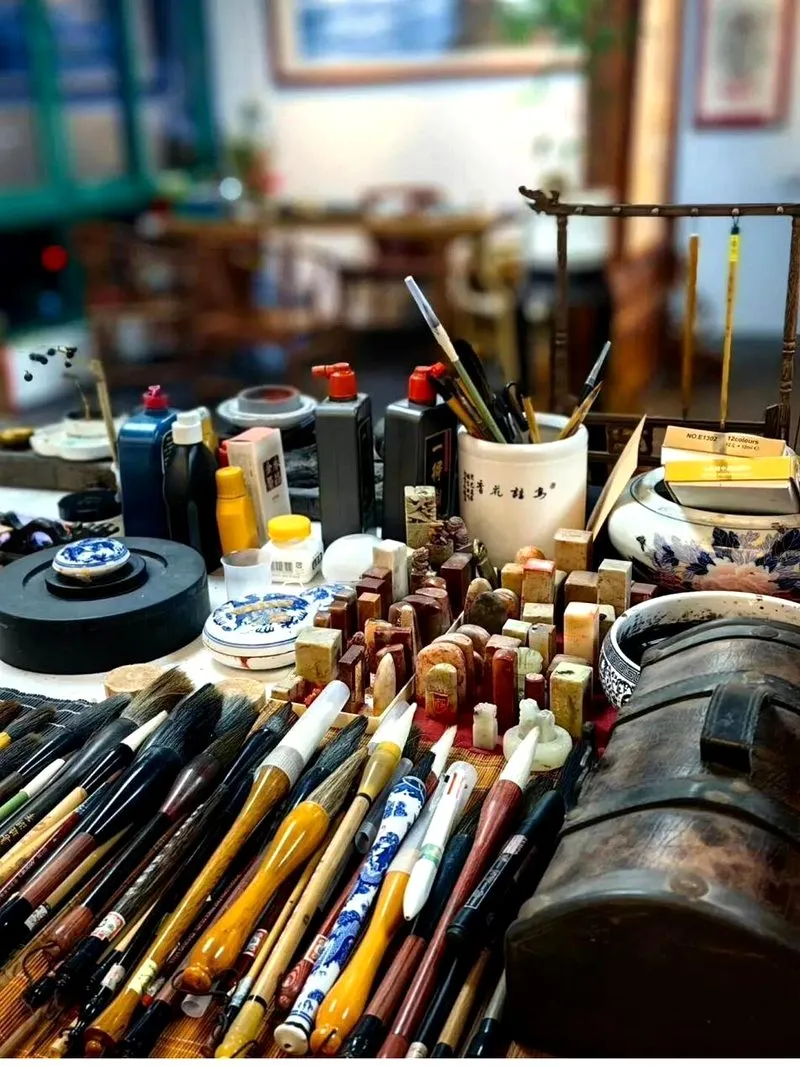
Each 琴瑟 (Qín Sè) is hand-brushed to order by Artist Lina Sun in ink on rice paper — never printed, never repeated.
Bring 琴瑟 home — choose how you'd like it brushed.
-
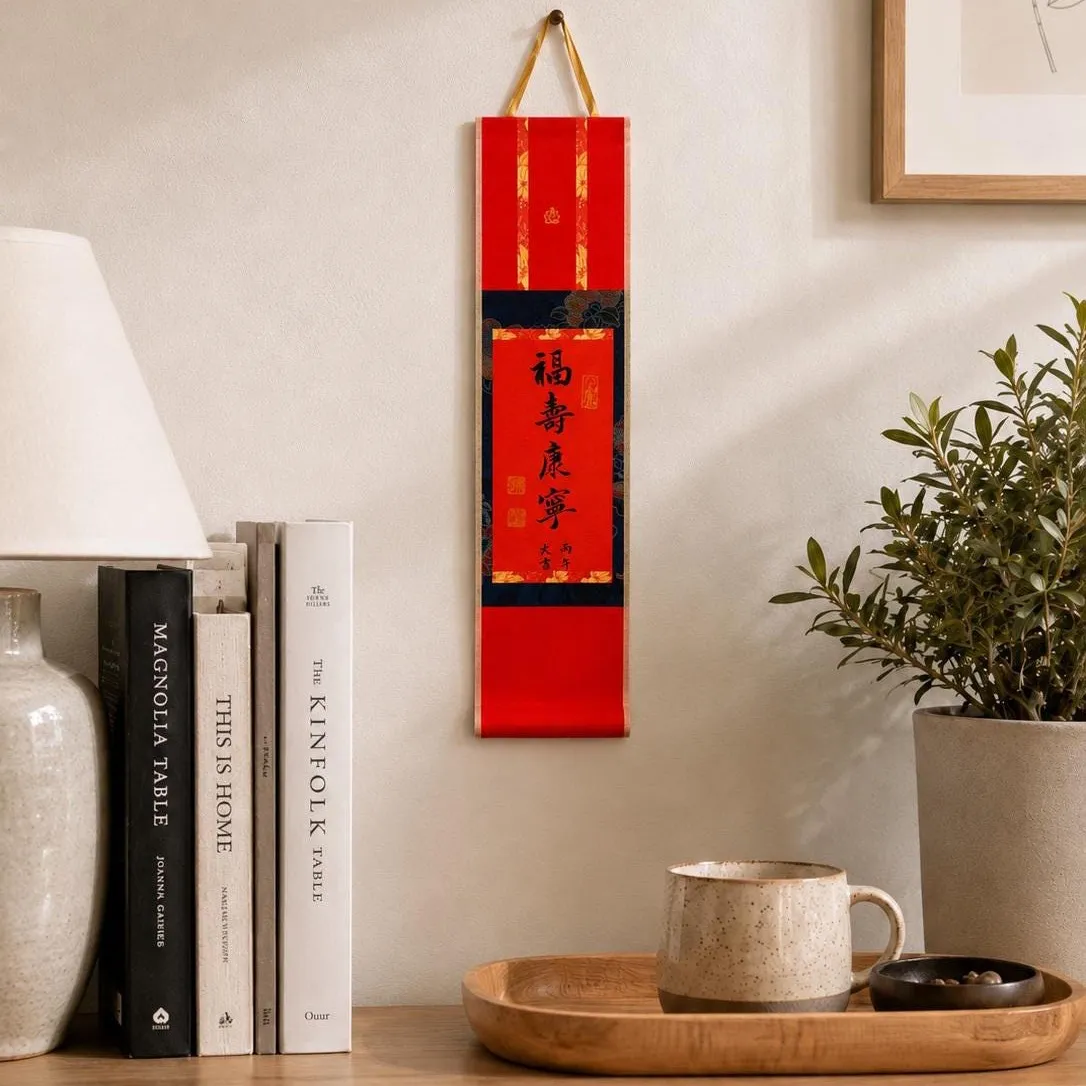
Photo shows a sample — yours will be brushed with 琴瑟, or any character you choose.
Wall Scroll — for walls & housewarmingsfrom $38→ -
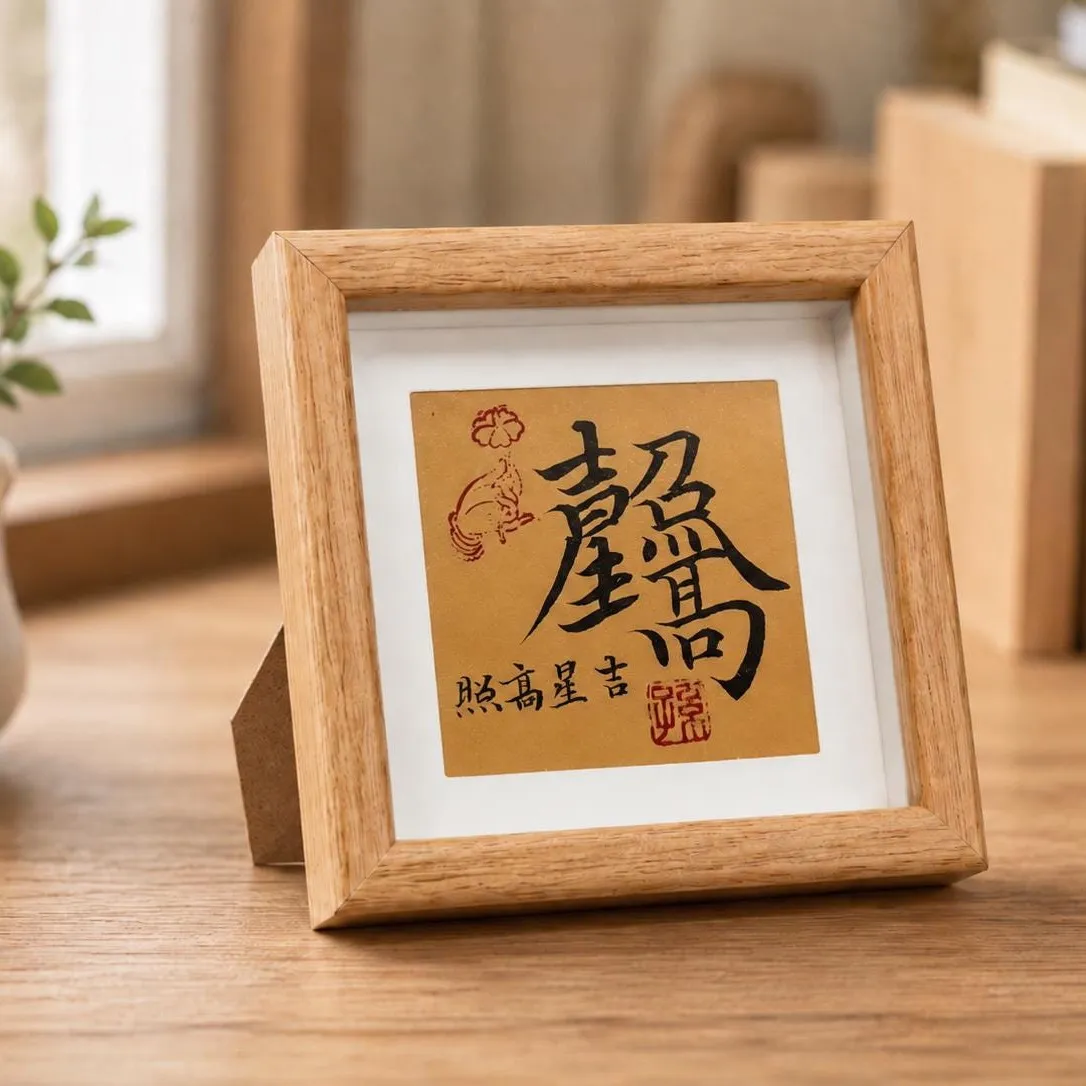
Photo shows a sample — yours will be brushed with 琴瑟, or any character you choose.
Desk Frame — for desks, studies & studiosfrom $44→ -
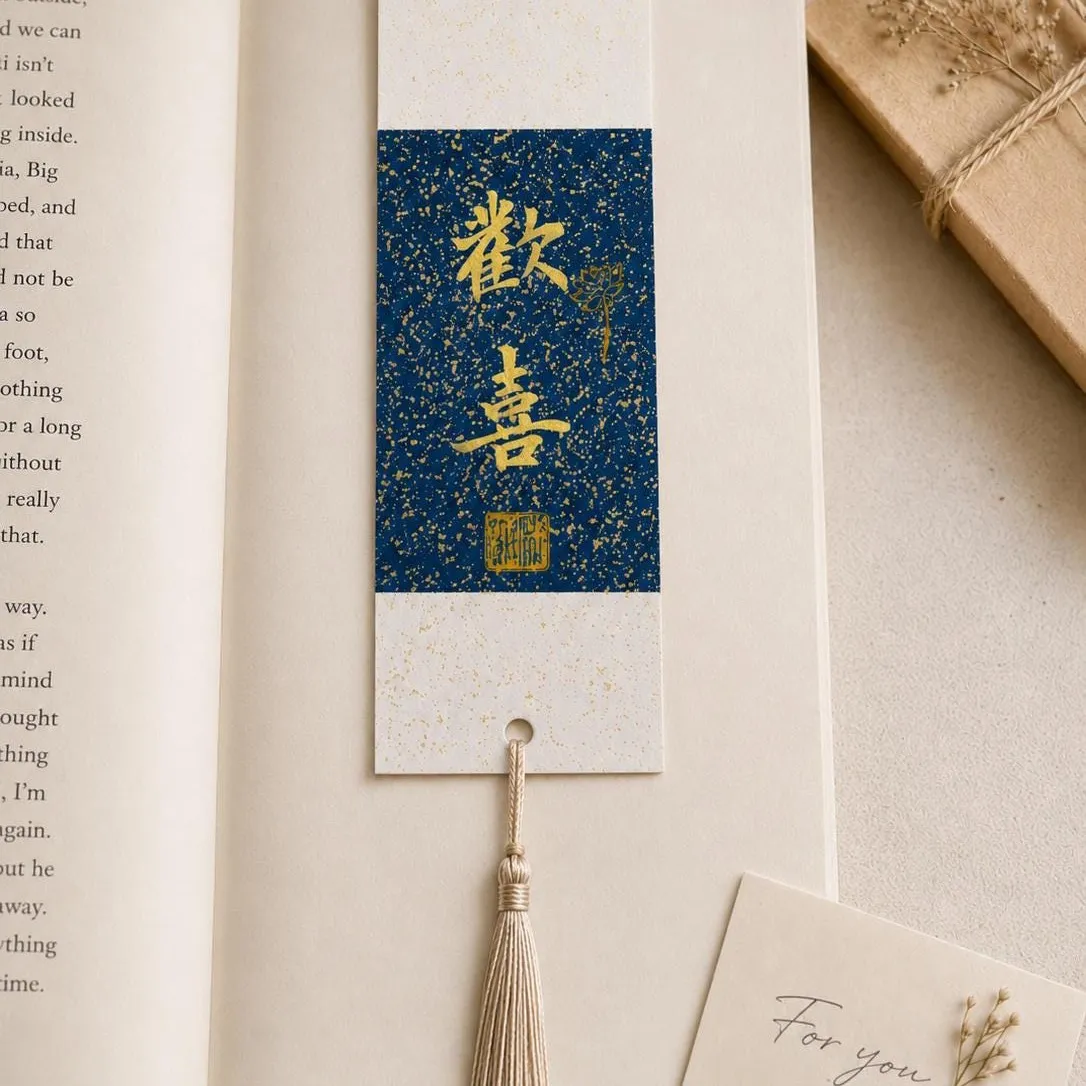
Photo shows a sample — yours will be brushed with 琴瑟, or any character you choose.
Bookmark — for readers & small thank-yousfrom $17→
What people said after it arrived.
-
The item is fantastic. The customer service was genuine. Thanks!
— M.Verified purchase · from our Etsy shop reviews · -
They were great they gave me exactly what I asked for and then some. Thank you!!
— G.Verified purchase · from our Etsy shop reviews · -
It is well designed and customized. My daughter loves it. Amazing gift for family’s d friends
— S.Verified purchase · from our Etsy shop reviews ·
Each "琴瑟" is hand-brushed by Artist Lina Sun on rice paper.
See 琴瑟 (Qín Sè) on Etsy →