鹏程万里 (péng chéng wàn lǐ) — A Peng's Flight of Ten Thousand Li
A 4-character phrase, not a single character.
No real bird appears in 鹏程万里. The peng exists in exactly one place — the opening page of the 庄子, where a fish too vast to measure becomes a bird whose wings hang across the sky like clouds, rides the whirlwind ninety thousand li up, and sets out across the world. That origin is what separates this send-off from its neighbors. 前程似锦 describes the road ahead as brocade; 步步高升 counts the stairs; 鹏程万里 changes the unit of measure altogether. It does not wish someone a good path or a steady climb — it takes the beginning in front of them and measures it with the largest yardstick the language owns.
That is why the phrase clusters at true thresholds. It hangs on banners at graduation ceremonies and farewell dinners; it is the line written in the card for the colleague leaving for a bigger role, the student going abroad, the friend starting the company. Its social grammar points one way: an elder to the young, a mentor to the departing, never toward oneself. And the register runs deep — Li Bai announced himself to a governor with the peng’s flight, Li Qingzhao borrowed its wind for her own sail, the Song general Yue Fei carried 鹏举 as his courtesy name, and Shenzhen — the most compressed ascent in modern China — calls itself 鹏城, Peng City. When a beginning genuinely warrants scale, this is the phrase the tradition reaches for.
A hand-brushed “鹏程万里” by FuBlessings holds the whole flight in four characters — the vast bird, the measured journey, the ten thousand li of open air. For the graduate, the colleague moving on to something larger, or the friend at the edge of a new chapter: not a wish that things go well, but a declaration of how much room they have — a future measured in horizons, with the wind already moving.
- a future measured in horizons, not steps
- a journey begun at full scale
- vast prospects ahead of someone at a true beginning
- success Success names an outcome already judged. 鹏程万里 says nothing about arrival — it names the scale of the journey now beginning, with the whole flight still ahead.
- ambition Ambition is the drive inside the person. 鹏程万里 is spoken by someone else, about the road — a blessing on the extent of what is open to them, not a comment on their appetite for it.
The short arms are the point: these readings don’t reach it.
- 鹏程 the peng's journey — flight at mythological scale鹏 is the bird from the opening of the 庄子, transformed from the vast fish Kun, riding the whirlwind ninety thousand li up. 程 is the measured journey — the same character as in 前程, a route with stages. Together: a journey undertaken at the peng's altitude.
- 万里 ten thousand li — the measure of vastness万 in classical idiom marks the order of magnitude past counting (万事, all affairs; 万物, all things). 万里 is not a distance to be walked but a horizon-scale extent — the only unit fit for the peng.
characters
- 鲲鹏 kūn péng the Kun-fish and Peng-bird as one figure — Zhuangzi's creature of transformation and scale
- 扶摇直上 fú yáo zhí shàng straight up on the whirlwind — the peng's takeoff, used for a swift rise
- 一飞冲天 yī fēi chōng tiān one flight, straight to the sky — a sudden emergence after long quiet
- 大展宏图 dà zhǎn hóng tú to spread great plans wide — the directive cousin of the peng's flight
- 图南 tú nán to plan southward — the peng's destination, classical shorthand for setting a great course
Cinnabar marks the characters 鹏程万里 actually contains. The dark row is a relative by meaning or by sound, not one shared stroke.
The Story Behind the Character
The 庄子 opens with the largest thing in Chinese literature. In the northern darkness lives a fish named Kun, so vast that no one knows how many thousand li it measures. It changes into a bird named Peng, whose back is like a mountain range and whose wings hang across the sky like clouds. When the sea begins to move, the peng beats the water, rides the whirlwind ninety thousand li into the air, and sets out for the darkness of the south. Zhuangzi wrote the scene around 300 BCE as philosophy, not blessing: a cicada and a dove laugh at the flight, and later a little quail asks why anything needs to go so high — small understanding, he concludes, cannot reach great understanding.
Later readers quietly reversed him. Where Zhuangzi used the peng to measure the gap between perspectives, the tradition after him adopted the bird as the emblem of aspiration itself. Tang poets took it personally: Li Bai, still young and unknown, introduced himself to the governor Li Yong by claiming the peng's flight for his own — one day it rises with the wind, straight up ninety thousand li. By then 鹏程, "the peng's journey," had become shorthand for a life or career of great scale, and 图南 ("to plan southward," from the peng's destination) for setting an enormous course. The quail's question was forgotten; the altitude remained.
The four-character form is a noun and its measure: 鹏程, the peng's journey, and 万里, ten thousand li. The number is not arithmetic. In classical idiom 万 marks the order of magnitude past counting — 万事 is all affairs, 万物 all things — so 万里 names not a distance but a vastness. Said to a person, the phrase performs a small, generous act of recasting: it takes the road in front of them, which may look like a first job or a diploma folder, and measures it with the yardstick Zhuangzi built for the largest creature he could imagine.
Classical lines
- roughly 1,400 years
- c. 300 BCE 《庄子·逍遥游》
- c. 720 李白《上李邕》
- c. 1130 李清照《渔家傲·天接云涛连晓雾》
北冥有鱼,其名为鲲。鲲之大,不知其几千里也;化而为鸟,其名为鹏。 In the northern darkness there is a fish named Kun, so huge no one knows how many thousand li it measures; it changes into a bird, and its name is Peng.
The opening sentence of the Zhuangzi and the birthplace of the peng. Everything the phrase 鹏程万里 carries — the scale, the transformation, the flight — begins in these lines.
大鹏一日同风起,扶摇直上九万里。 One day the great peng rises with the wind, straight up ninety thousand li.
Li Bai, young and unrecognized, opens a poem to a powerful governor by casting himself as the peng before the flight. It is the moment Zhuangzi's image becomes a personal declaration of scale — the exact register in which 鹏程万里 is still given today.
九万里风鹏正举。风休住,蓬舟吹取三山去。 Ninety thousand li of wind
the peng is rising now. Wind, do not stop: blow my small boat to the three immortal isles. — Li Qingzhao, the greatest woman poet of the Song, borrows the peng's wind for her own sail. Proof that the flight was never reserved for young men with careers: it is the image any life reaches for when it wants out of the shallows.
Why This Character Matters
Shenzhen — the fishing town that became a city of seventeen million in four decades — calls itself 鹏城, Peng City, and the name is a self-description: no place in modern China has claimed Zhuangzi's bird more literally. The character has long done this work for individuals too. 鹏 remains one of the most common characters in Chinese male given names, a one-syllable parental wish for scale, and the pattern has deep precedent: the Song general Yue Fei carried the courtesy name 鹏举 — "the peng rising." To name a child, a city, or a company after the peng is to compress 鹏程万里 into a single character and hand it over as an identity.
Within the family of career blessings, 鹏程万里 holds the top register. 前程似锦 describes the road's texture; 步步高升 its increments; 大展宏图 the plans spread wide; 鹏程万里 alone changes the unit of measure, from steps to ten-thousand-li reaches. That loftiness gives it a specific social grammar: it flows downward and outward — an elder to a graduate, a mentor to a departing student, colleagues to the one leaving for something bigger — and almost never toward oneself, where it would sound like boasting. There is also a quiet irony underneath: Zhuangzi's peng was arguably a figure for rising above ambition, and the blessing enlists it as ambition's mascot. The tradition noticed and did not mind — a reminder that in Chinese gift language, what a phrase does for the receiver outweighs what its author once meant.
A few characters live near "鹏程万里" but mean something quieter, sharper, or more specific. Here's how to tell them apart.
the scale of the flight — a future measured in ten-thousand-li reaches
the texture of the road — the terrain ahead as luminous, detailed brocade
one leap at mythological altitude, the whole distance claimed at once
a staircase climbed one step at a time, each higher than the last
a blessing on the extent of the road open before someone
a discipline asked of the traveler — self-strengthening that never rests
Of the wishes written for a Chinese graduate, 鹏程万里 flies highest.
- Of the wishes written for a Chinese graduate, 鹏程万里 flies highest. 前程似锦 describes the road ahead as brocade underfoot; 步步高升 names a staircase climbed one step at a time; 鹏程万里 leaves the ground entirely — the peng bird of the 庄子, rising on the whirlwind and setting out across ten thousand li in a single flight. It is the phrase elders write for the young at a true beginning, when the right measure of the future is not steps or stages but horizons. The graduation gift for the student whose next stretch you refuse to picture small.
- For the birthday that lands at a threshold — a colleague starting over in a new field, a friend moving cities for the bigger role, a young person at the edge of their working life — 鹏程万里 is the forward wish at full scale. Where recognition gifts (才华, 毅, 坚) tally what the years have already shown, 鹏程万里 turns the other way and names the sheer distance still available: a flight of ten thousand li, begun this year. Most apt when the person is genuinely at a start, and a modest wish would read as a small one.
Looking for a name? See Western names written in Chinese →
-
What does 鹏程万里 (péng chéng wàn lǐ) mean?
鹏程万里 (péng chéng wàn lǐ) is a 4-character Chinese phrase for a peng's flight of ten thousand li. No real bird appears in 鹏程万里. The peng exists in exactly one place — the opening page of the 庄子, where a fish too vast to measure becomes a bird whose wings hang across the sky like clouds, rides the whirlwind ninety thousand li up, and sets out across the world. That origin is what separates this send-off from its neighbors. 前程似锦 describes the road ahead as brocade; 步步高升 counts the stairs; 鹏程万里 changes the unit of measure altogether. It does not wish someone a good path or a steady climb — it takes the beginning in front of them and measures it with the largest yardstick the language owns. Shenzhen — the fishing town that became a city of seventeen million in four decades — calls itself 鹏城, Peng City, and the name is a self-description: no place in modern China has claimed Zhuangzi's bird more literally. The character has long done this work for individuals too. 鹏 remains one of the most common characters in Chinese male given names, a one-syllable parental wish for scale, and the pattern has deep precedent: the Song general Yue Fei carried the courtesy name 鹏举 — "the peng rising." To name a child, a city, or a company after the peng is to compress 鹏程万里 into a single character and hand it over as an identity.
-
What occasions is 鹏程万里 given for?
鹏程万里 is traditionally given for Graduation, Birthday. Of the wishes written for a Chinese graduate, 鹏程万里 flies highest. 前程似锦 describes the road ahead as brocade underfoot; 步步高升 names a staircase climbed one step at a time; 鹏程万里 leaves the ground entirely — the peng bird of the 庄子, rising on the whirlwind and setting out across ten thousand li in a single flight. It is the phrase elders write for the young at a true beginning, when the right measure of the future is not steps or stages but horizons. The graduation gift for the student whose next stretch you refuse to picture small. For the birthday that lands at a threshold — a colleague starting over in a new field, a friend moving cities for the bigger role, a young person at the edge of their working life — 鹏程万里 is the forward wish at full scale. Where recognition gifts (才华, 毅, 坚) tally what the years have already shown, 鹏程万里 turns the other way and names the sheer distance still available: a flight of ten thousand li, begun this year. Most apt when the person is genuinely at a start, and a modest wish would read as a small one.
-
Who brushes the 鹏程万里 calligraphy?
FuBlessings hand-brushes each 鹏程万里 (Péng Chéng Wàn Lǐ) to order, in ink on rice paper — never printed, never repeated.
Bring 鹏程万里 home — choose how you'd like it brushed.
-
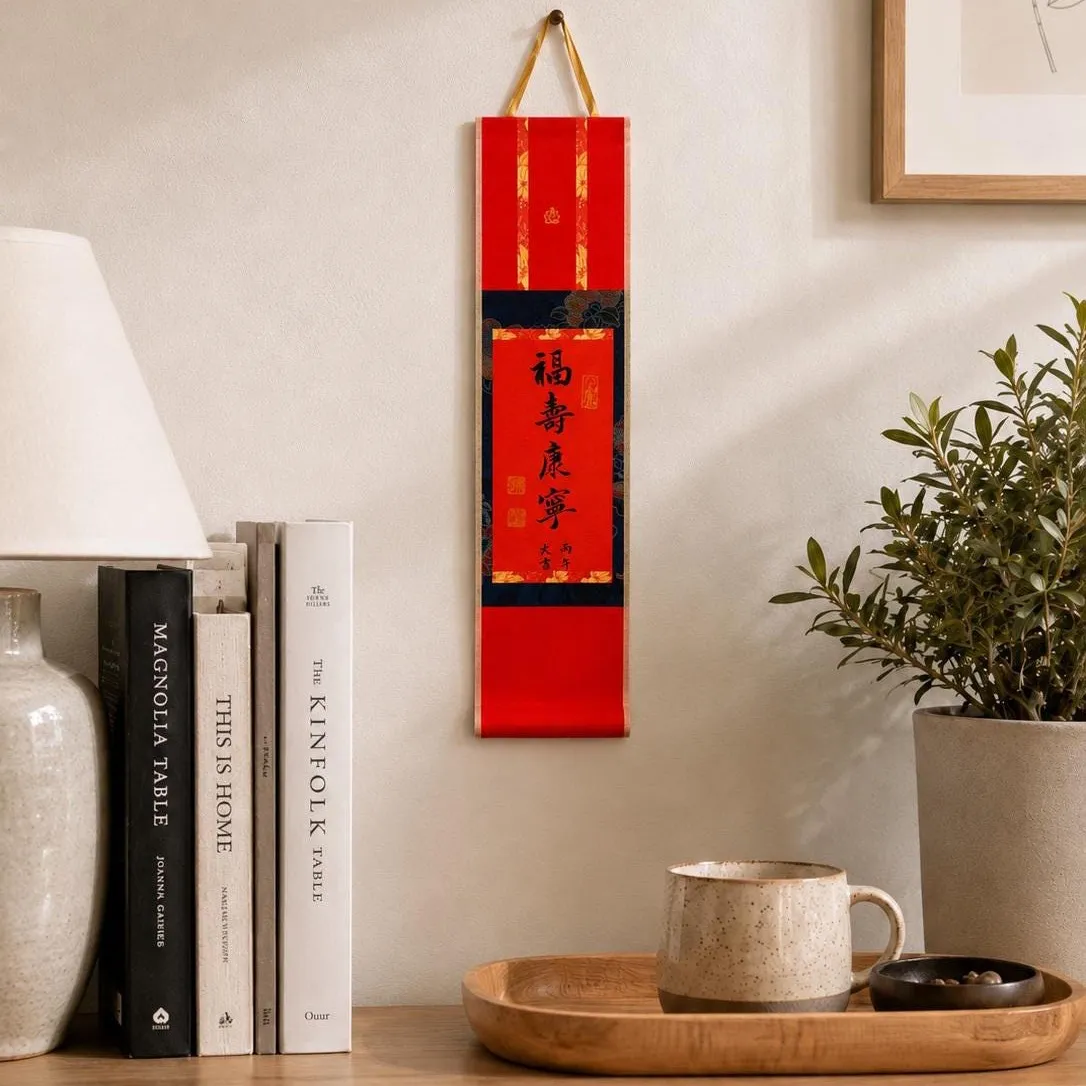
Photo shows a sample — yours will be brushed with 鹏程万里, or any character you choose.
Wall Scroll — for walls & housewarmingsfrom $38→ -
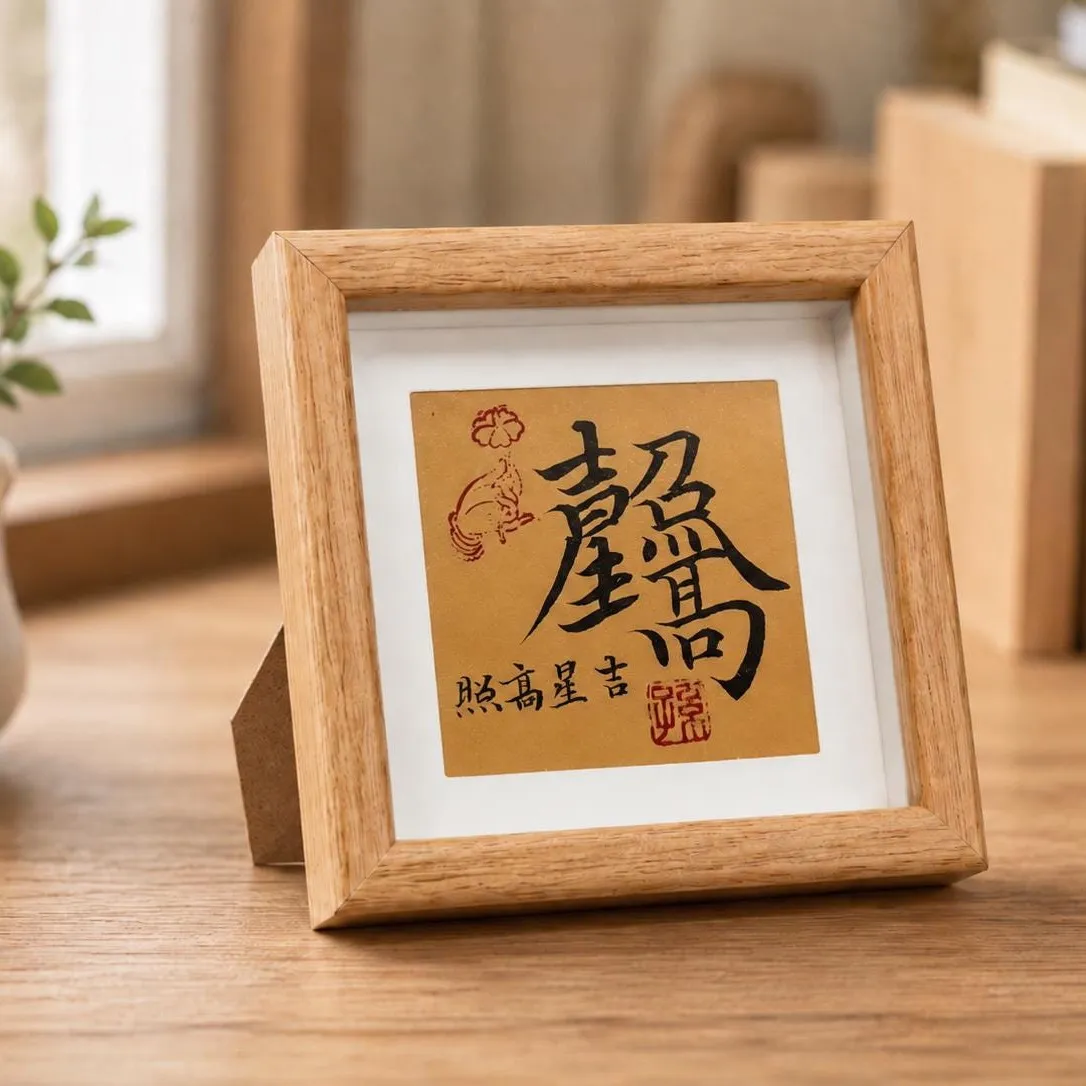
Photo shows a sample — yours will be brushed with 鹏程万里, or any character you choose.
Desk Frame — for desks, studies & studiosfrom $44→ -
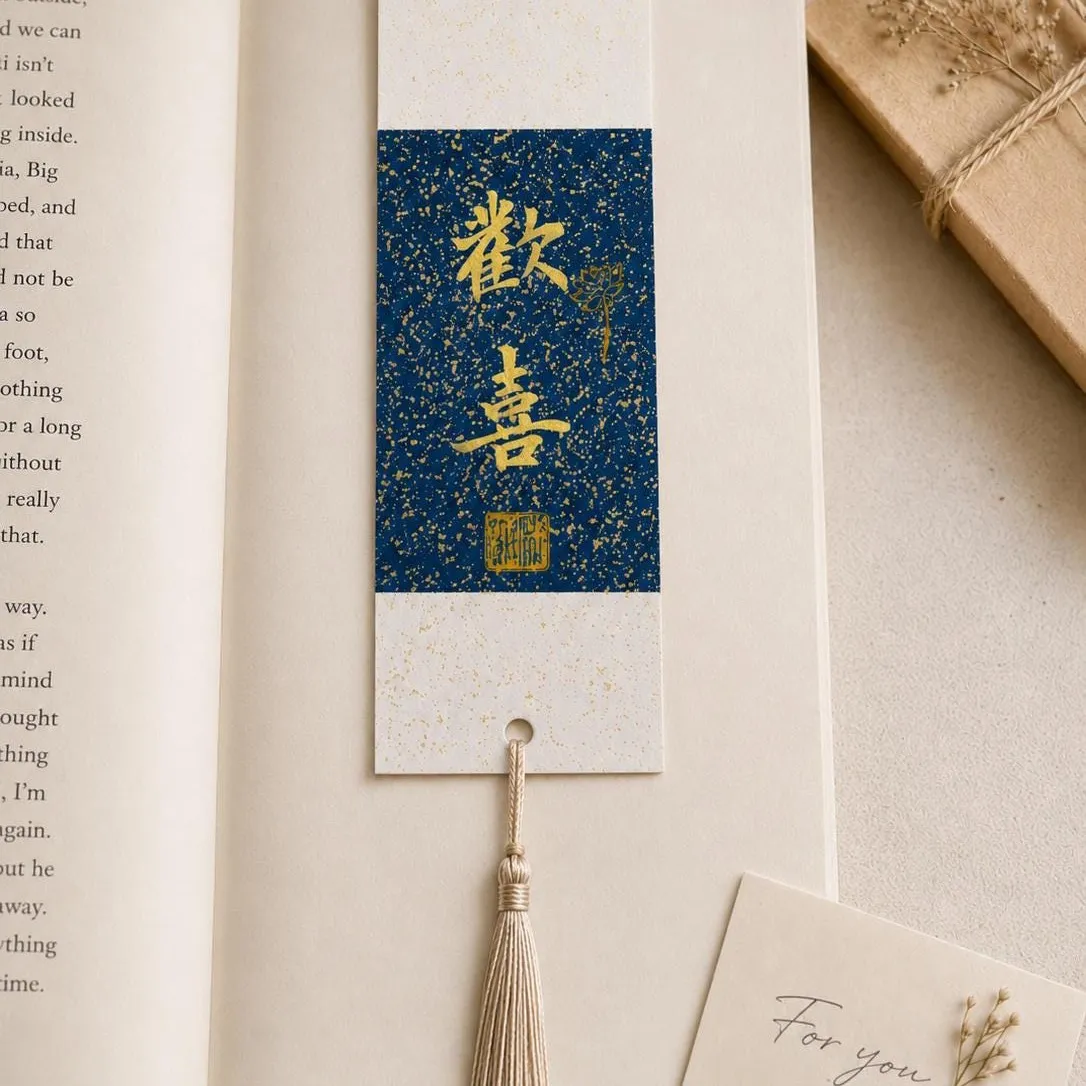
Photo shows a sample — yours will be brushed with 鹏程万里, or any character you choose.
Bookmark — for readers & small thank-yousfrom $14→

What people said after it arrived.
-
The item is fantastic. The customer service was genuine. Thanks!
— M.Verified purchase · from our Etsy shop reviews · -
They were great they gave me exactly what I asked for and then some. Thank you!!
— G.Verified purchase · from our Etsy shop reviews · -
It is well designed and customized. My daughter loves it. Amazing gift for family’s d friends
— S.Verified purchase · from our Etsy shop reviews ·
Each "鹏程万里" is hand-brushed by FuBlessings on rice paper.
See 鹏程万里 (Péng Chéng Wàn Lǐ) on Etsy →