前程似锦 (qián chéng sì jǐn) — The Road Ahead · As Brilliant as Brocade
A 4-character phrase, not a single character.
前程似锦 addresses the road rather than the person walking it. 才华 names what a graduate has brought to their years of study; 明德 names the task that professional life puts before them; 勤 names the method that brought them this far. 前程似锦 describes the terrain ahead: the structured professional road (前程) as luminous and detailed as brocade (似锦). As a graduation gift, it is neither recognition nor instruction. It is a statement about what the graduate is now standing in front of — the terrain that their years of preparation have made real.
In Chinese graduation culture, 前程似锦 appears alongside 鹏程万里 (the peng bird’s journey of ten thousand li — the mythological scale of the possible) and 大展宏图 (spread your great plans wide — the directive). 前程似锦 occupies the middle register: more intimate than the peng’s mythological flight and more specific than a general instruction to plan boldly. It describes the territory rather than the person traversing it, and names what the territory is made of. At birthdays, particularly for professionals at career thresholds, it serves as the forward-looking phrase that more retrospective gifts — 恒, 毅, 刚毅 — do not provide: not tallying what the years have demonstrated, but describing what the next stretch looks like.
A hand-brushed “前程似锦” by FuBlessings renders the four characters that together name a single stretch of terrain: brocade-bright, detailed, and earned. For the new graduate, the colleague at a promotion, or the friend on the eve of a career change — it says nothing about the effort behind them or the tasks ahead. It says what the territory itself is made of, and that they are now standing at its entrance.
The Story Behind the Character
Silk brocade (锦, jǐn) was not merely ornamental in imperial China — it was a technical demonstration. Gold and silver threads were woven into patterns that caught the light at different angles, revealing new depths as the fabric moved. To say something was 似锦 — "like brocade" — was not simply to call it beautiful; it was to call it luminous and complex, a surface whose full detail only became visible in motion, as you moved through and around it. 前程似锦 borrows that specific quality for the road ahead: not a bright path (that would be 明) but a brilliant one — the kind whose depth rewards the journey through it.
The second character of 前程 matters. 程 (chéng) is not the ordinary word for road (路, lù). 程 names a measured journey: a route with stages, a process with progress points, a path whose traversal can be assessed and whose completion can be recognized. 前程 therefore means the structured career road ahead — not open wilderness but articulated possibility, the stages and milestones that give movement meaning. Combined with 似锦, the phrase says: the measured road before you is as luminous and detailed as brocade — not just bright, but complex in its brightness, rewarding the closer attention you will give it as you travel.
The phrase surfaces in Yuan-dynasty drama. In Jia Zhongming's (贾仲明) opera 《对玉梳》 (Duì Yù Shū, c. early 15th century), the related image 锦片前程 — literally "brocade-patch road ahead" — appears in an auspicious, affectionate context: not a career declaration but a vivid expression of bright promise. The fixed four-character form 前程似锦 crystallized from that usage and migrated across registers — from general auspiciousness to career blessing — as the examination culture of the Ming and Qing dynasties made 前程 the dominant frame for thinking about a person's professional future. By the time the imperial examination system ended in 1905, the phrase had already settled into its modern use as a graduation and career blessing, carrying the brocade image while leaving its romantic origin behind.
Classical lines
- roughly 1,100 years
- c. 300 BCE 《礼记·学记》
- c. 300 BCE 《庄子·内篇·逍遥游》
- 796 CE 孟郊《登科后》
玉不琢,不成器;人不学,不知道。 Jade that is not carved will not become a vessel; a person who does not study will not gain understanding.
The Book of Rites establishing the relationship between preparation and capability: the material's potential is real, but it requires the work of shaping before it becomes something. 前程似锦 names the road the shaped jade has earned; 玉不琢 names the work that made the road possible.
春风得意马蹄疾,一日看尽长安花。 Riding high on the spring wind, the horse's hooves quick
in one day I saw all the flowers of Chang'an. — Meng Jiao wrote this at forty-six, after failing the imperial examination twice and finally passing on his third attempt. The poem became the defining statement of the graduation moment in Chinese literary culture: the day the 前程似锦 road opened, rendered in speed and light and flowers.
水击三千里,抟扶摇而上者九万里。 It strikes the water for three thousand li, then rides the whirlwind upward for ninety thousand li.
Zhuangzi's description of the peng bird, the mythological creature that transforms from a fish and takes flight at a scale that makes ordinary movement irrelevant. In Chinese graduation culture, 鹏程万里 (the peng's journey of ten thousand li) became the standard phrase for vast ambition; 前程似锦 names what the road looks like; the peng names the scale of the possible flight.
Why This Character Matters
孟郊's 《登科后》 — "riding high on the spring wind, I saw all the flowers of Chang'an in one day" — became such a defining image of the examination-success moment that 春风得意 (spring wind of satisfaction) entered the language as a standalone idiom for the feeling of earned success. The phrase 前程似锦 and the idiom 春风得意 travel together in Chinese graduation culture not because they're always paired explicitly, but because they name the same moment from two angles: the terrain (a brocade road) and the experience of entering it (the spring wind and speed of a horse).
The brocade (锦) in 似锦 is specifically the woven brocade of Chinese textile tradition, distinguished from plain silk by its woven-in patterns — visible from afar as rich color, revealing detail and complexity up close. In Chinese design culture, 锦 is associated with 绣 (xiù, embroidery) in the compound 锦绣 (jǐn xiù): the phrase 锦绣前程 (brocade-and-embroidery road ahead) is a common variant of 前程似锦. Both use textile richness as the metaphor for a future that is not just bright but genuinely complex and detailed — the kind of road that keeps giving as you travel it.
前程似锦 names what the graduation credential opens: not a quality the graduate should develop (明德) or a talent being recognized (才华), but the road itself — the measured professional path ahead, as luminous and detailed as brocade.
- 前程似锦 names what the graduation credential opens: not a quality the graduate should develop (明德) or a talent being recognized (才华), but the road itself — the measured professional path ahead, as luminous and detailed as brocade. The phrase for the graduation gift that does not describe the student who finished but the professional who is beginning.
- For the birthday of a colleague, friend, or younger professional at a career threshold, 前程似锦 is the forward-looking phrase where others in the catalog (担当, 刚毅, 坚强) are retrospective. It says: the road in front of this person is as brilliant as brocade. Most apt when the birthday falls at a moment of transition — a new position, a career stage crossed — when describing the road ahead is more fitting than tallying the record behind.
Looking for a name? See Western names written in Chinese →
-
What does 前程似锦 (qián chéng sì jǐn) mean?
前程似锦 (qián chéng sì jǐn) is a 4-character Chinese phrase for the road ahead, as brilliant as brocade. 前程似锦 addresses the road rather than the person walking it. 才华 names what a graduate has brought to their years of study; 明德 names the task that professional life puts before them; 勤 names the method that brought them this far. 前程似锦 describes the terrain ahead: the structured professional road (前程) as luminous and detailed as brocade (似锦). As a graduation gift, it is neither recognition nor instruction. It is a statement about what the graduate is now standing in front of — the terrain that their years of preparation have made real. 孟郊's 《登科后》 — "riding high on the spring wind, I saw all the flowers of Chang'an in one day" — became such a defining image of the examination-success moment that 春风得意 (spring wind of satisfaction) entered the language as a standalone idiom for the feeling of earned success. The phrase 前程似锦 and the idiom 春风得意 travel together in Chinese graduation culture not because they're always paired explicitly, but because they name the same moment from two angles: the terrain (a brocade road) and the experience of entering it (the spring wind and speed of a horse).
-
What occasions is 前程似锦 given for?
前程似锦 is traditionally given for Graduation, Birthday. 前程似锦 names what the graduation credential opens: not a quality the graduate should develop (明德) or a talent being recognized (才华), but the road itself — the measured professional path ahead, as luminous and detailed as brocade. The phrase for the graduation gift that does not describe the student who finished but the professional who is beginning. For the birthday of a colleague, friend, or younger professional at a career threshold, 前程似锦 is the forward-looking phrase where others in the catalog (担当, 刚毅, 坚强) are retrospective. It says: the road in front of this person is as brilliant as brocade. Most apt when the birthday falls at a moment of transition — a new position, a career stage crossed — when describing the road ahead is more fitting than tallying the record behind.
-
Who brushes the 前程似锦 calligraphy?
FuBlessings hand-brushes each 前程似锦 (Qián Chéng Sì Jǐn) to order, in ink on rice paper — never printed, never repeated.
Bring 前程似锦 home — choose how you'd like it brushed.
-
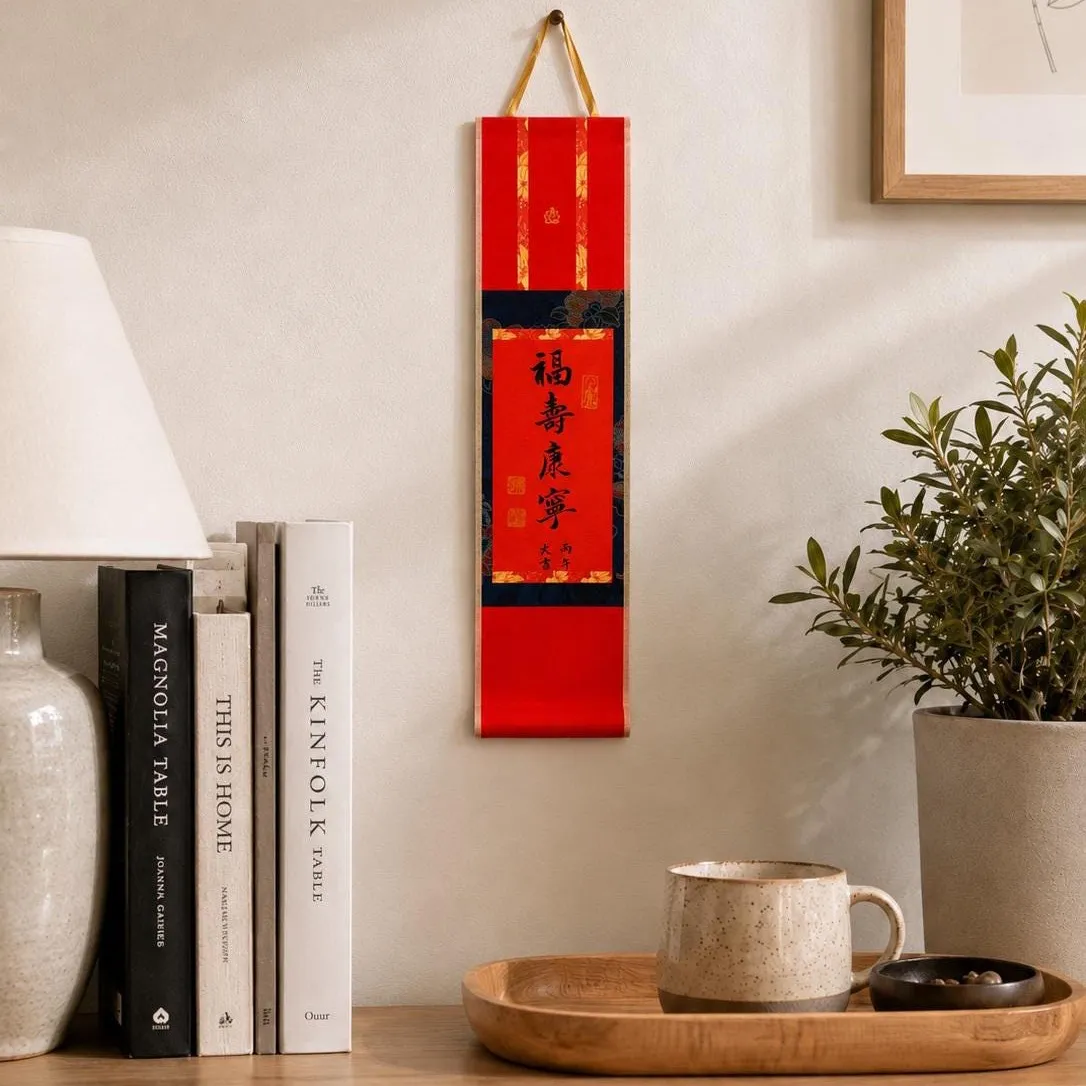
Photo shows a sample — yours will be brushed with 前程似锦, or any character you choose.
Wall Scroll — for walls & housewarmingsfrom $38→ -
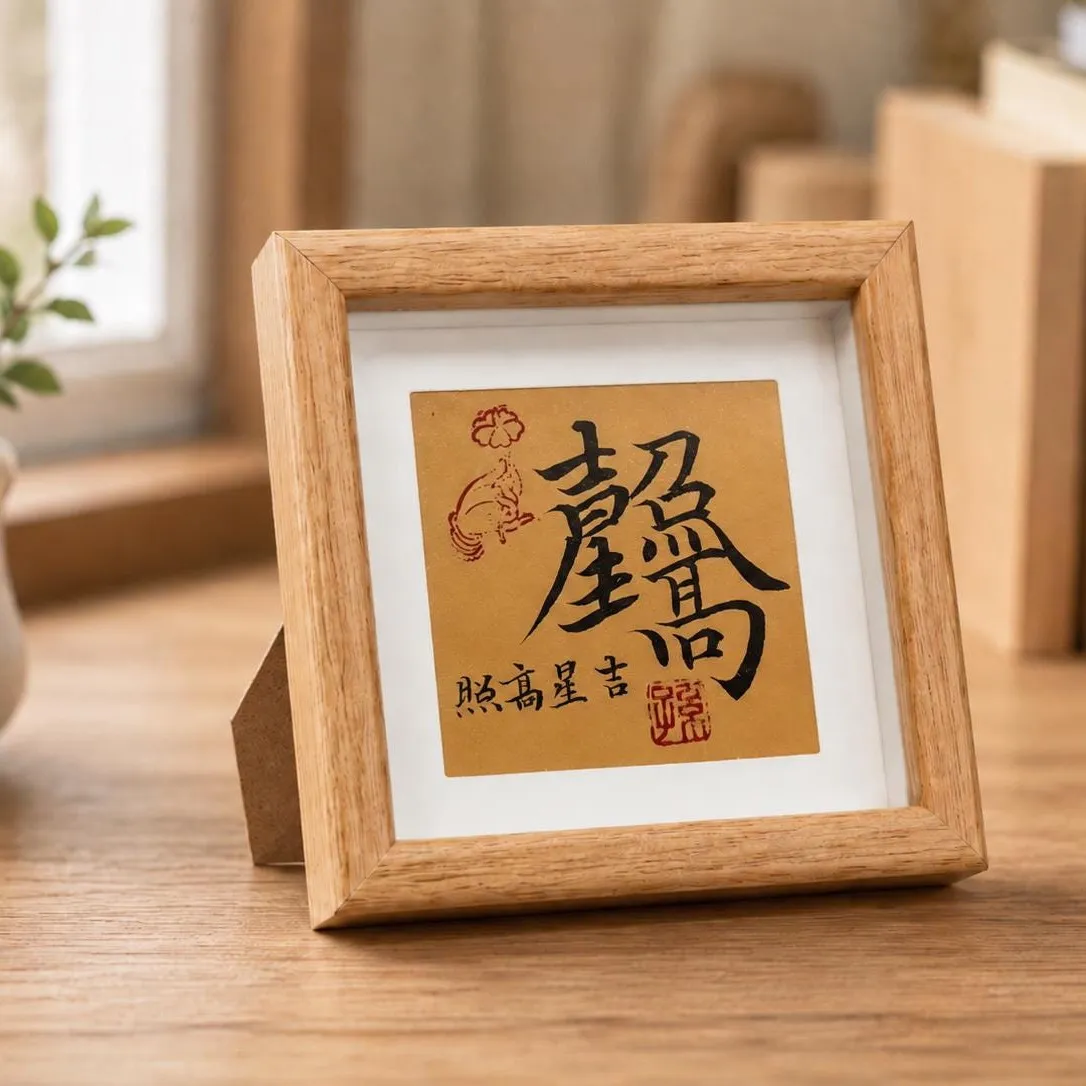
Photo shows a sample — yours will be brushed with 前程似锦, or any character you choose.
Desk Frame — for desks, studies & studiosfrom $44→ -
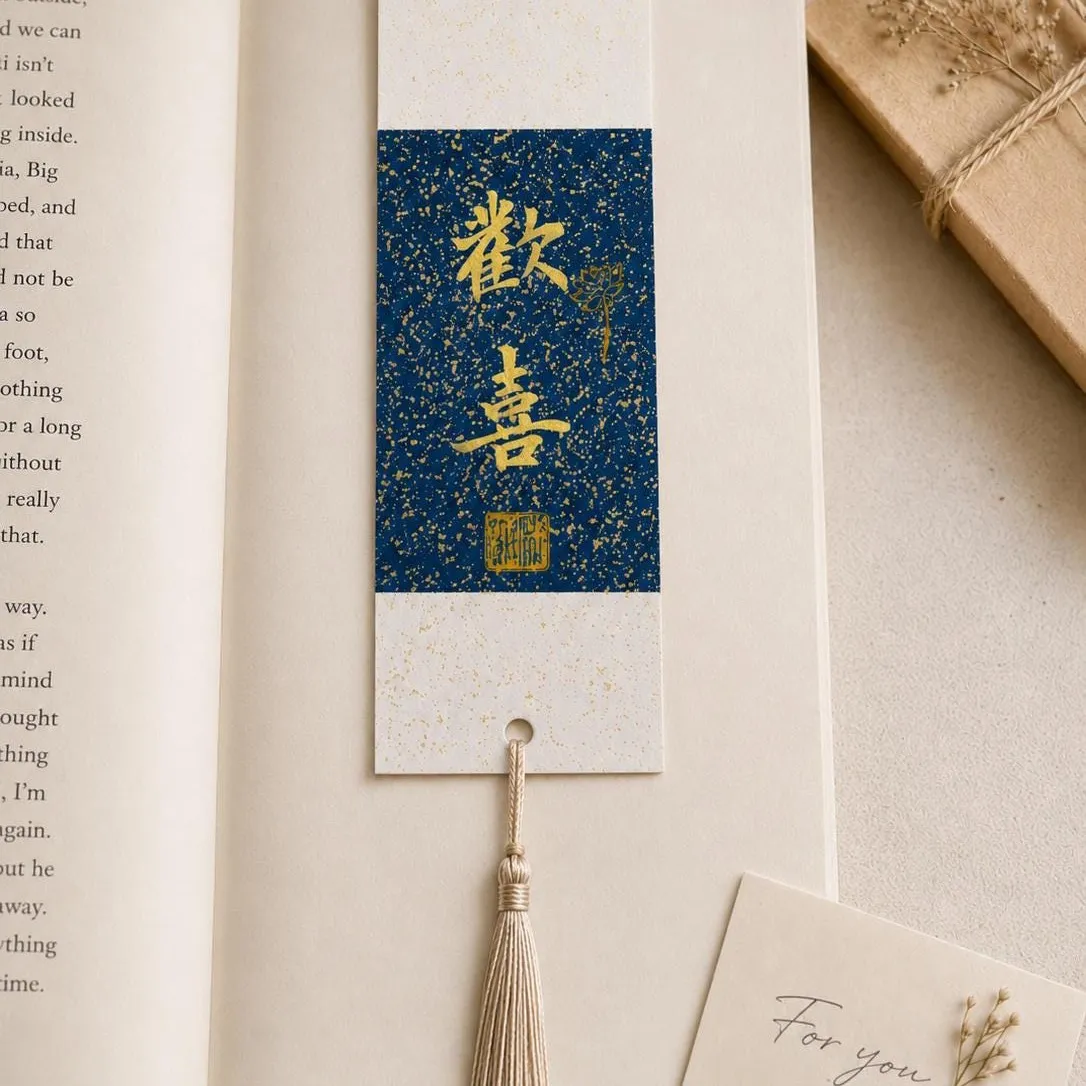
Photo shows a sample — yours will be brushed with 前程似锦, or any character you choose.
Bookmark — for readers & small thank-yousfrom $14→
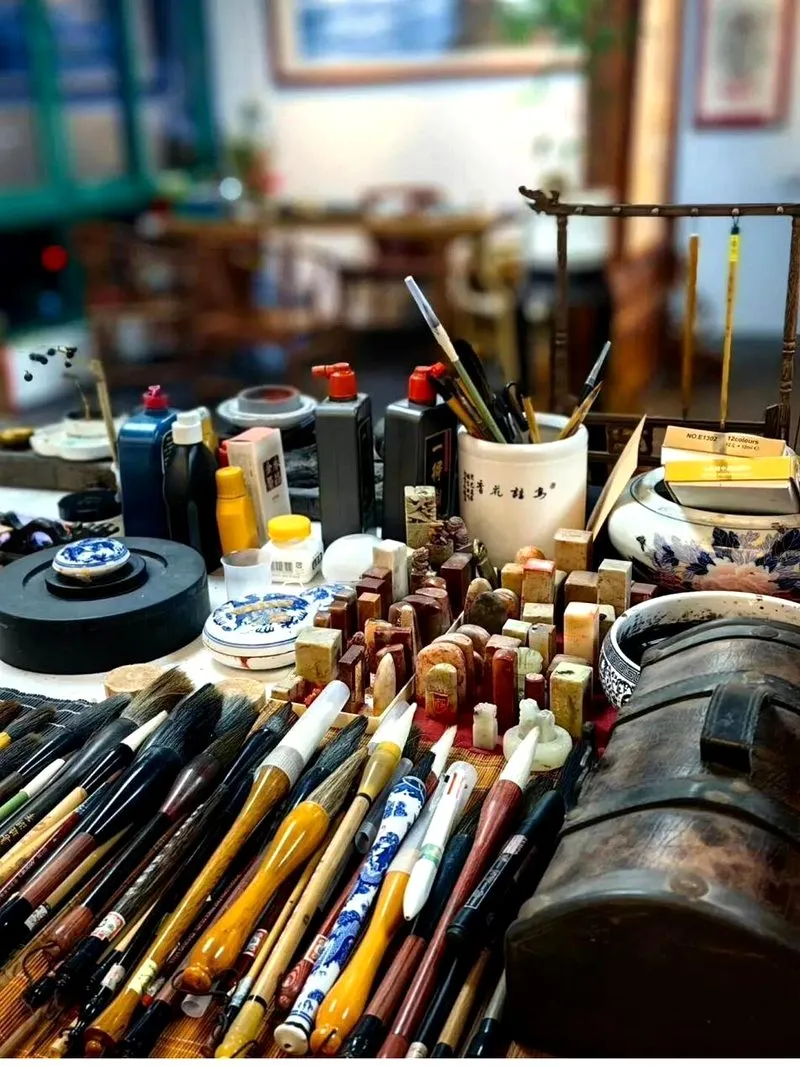
What people said after it arrived.
-
The item is fantastic. The customer service was genuine. Thanks!
— M.Verified purchase · from our Etsy shop reviews · -
They were great they gave me exactly what I asked for and then some. Thank you!!
— G.Verified purchase · from our Etsy shop reviews · -
It is well designed and customized. My daughter loves it. Amazing gift for family’s d friends
— S.Verified purchase · from our Etsy shop reviews ·
Each "前程似锦" is hand-brushed by FuBlessings on rice paper.
See 前程似锦 (Qián Chéng Sì Jǐn) on Etsy →