步步高升 (bù bù gāo shēng) — Step by Step, Rising Higher
A 4-character phrase, not a single character.
步步高升 is a phrase about mechanism, not destination. The career blessings that name outcomes — 功成名就 (achievement and name secured), 大展宏图 (ambition enacted at full scale) — are statements about arrival. 步步高升 is a statement about motion: the step-by-step ascent, with each step implying the next. The reduplication 步步 carries this meaning structurally — not a leap, not a single bold advance, but the committed habit of upward movement as the career’s organizing principle.
At Chinese New Year, 步步高升 appears on Spring Festival couplets alongside 年年有余 (nián nián yǒu yú, abundance year after year) — one panel for the career’s upward arc, one for the household’s harvest; together the complete wish for a working adult’s year. In the banquet tradition, a senior presents it to a junior as the year’s toast: a public vote of confidence delivered in the social grammar of Chinese hospitality, performative as much as expressive. At graduations, it names what the credential has made possible — not the scenery of the road ahead but the motion the next years will be made of.
A hand-brushed “步步高升” by FuBlessings carries the four characters that name the commitment rather than the destination: step by step, and always higher. For the colleague beginning the next phase of their career, the graduate crossing the first threshold, or the friend whose New Year you want to name in terms of direction rather than feeling — it is the blessing that says: the motion is already there, and each step is upward.
The Story Behind the Character
Two footprints. That is the oracle-bone form of 步 (bù, step) — a left foot and a right foot, positioned one after the other in the act of walking. It was drawn not as an abstraction but as the physical evidence of movement: the trace a person leaves behind. When the character is reduplicated as 步步, the classical grammar of repetition turns a single action into a pattern: not one step but the committed habit of stepping, each one implying the next.
The other half of the phrase, 高升 (gāo shēng), belongs to a different register entirely — the vocabulary of official advancement. 升 in its early pictographic form showed a measuring vessel being filled, a ladle pouring grain upward into a measure: rising, leveling up, filling a higher position. By the Tang dynasty, 高升 (literally: high-rising) had become the standard term for a promotion in official rank — as in the phrase 恭喜高升 (gōng xǐ gāo shēng, congratulations on your rise), still used today. 高 (gāo) in the same period pictured a tall tower or building visible from a distance — the kind seen only at state occasions, something whose height does not change but grants perspective to whoever ascends to it.
The combination 步步高升 joins the physical grammar of walking with the official grammar of promotion, producing a phrase whose structure is its message: the motion of stepping is how the height is reached, and the height is reached by never stopping the motion. The phrase migrated from the vocabulary of the Tang-Song examination system into general use as graduation and New Year blessing — its career-advancement meaning outlasting the bureaucratic hierarchy that first gave it precise content.
Classical lines
- roughly 200 years
- c. 480 BCE 《论语·子张》
- c. 400 BCE 《周易·升卦·象传》
- c. 280 BCE 《荀子·劝学》
骐骥一跃,不能十步;驽马十驾,功在不舍。 A thousand-li stallion cannot cover ten steps in a single leap; the ordinary horse, through ten journeys, earns its accomplishment by never stopping.
Xunzi's argument that sustained momentum outperforms raw capacity: it is not the leap that matters but the refusal to stop stepping. 步步高升 is built on this same logic — the repeated 步 (step, step) is not a description of pace but a structural commitment: the career that advances is the one that keeps moving.
地中生木,升;君子以顺德,积小以高大。 Wood growing upward from within the earth
this is ascending; the noble person follows virtue, accumulating the small to build the great. — The Book of Changes hexagram for 升 (ascent/promotion) reads its own name through the image of a tree growing out of the ground: not a sudden eruption but a life of incremental, upward growth. 积小以高大 — accumulating the small to reach the great — is the mechanism that 步步高升 names in four syllables.
仕而优则学,学而优则仕。 When there is spare capacity after official service, study further; when there is spare capacity after study, seek official service.
Zixia's description of the reciprocal rhythm of learning and service: not the completion of one stage but the surplus energy left after the main work — spilling naturally into the other direction. For 步步高升, this surplus is where the next step comes from: the step that follows is built from what the last step had left over.
Why This Character Matters
步步高升 is one of the fixed phrases of the Spring Festival couplet tradition (春联, chūnlián), paired most commonly with 年年有余 (nián nián yǒu yú, abundance year after year) on the two vertical panels of the gate: one panel for the career's upward arc, one for the household's material sufficiency. The pairing is deliberate — 步步高升 covers the professional trajectory, 年年有余 covers the household harvest; together they form the complete wish for a working adult's year.
The phrase is also one of the few Chinese career blessings that works as a toast rather than a written inscription. At New Year banquets, a senior — parent, boss, mentor — delivers it directly to a junior by raising a glass: "步步高升" as the toast is both a wish and a public vote of confidence. The recipient bows and thanks the speaker; the phrase functions like a formal pronouncement. In this context, the phrase is not ornamental but performative — an act of blessing delivered in the social grammar of Chinese hospitality, as much a ritual event as an expression of feeling.
步步高升 is the graduation blessing that names the method, not the terrain.
- 步步高升 is the graduation blessing that names the method, not the terrain. Where 前程似锦 describes what lies ahead as luminous and brocaded, 步步高升 names how the graduate will move through it: one step, then the next, each one higher than the last. The credential marks the first ascent completed; the phrase names the motion that continues from here.
- At the New Year threshold, 步步高升 is the career wish that names a trajectory rather than a destination. Where 万事如意 wishes for all outcomes and 福乐 wishes for the year's conditions and felt quality together, 步步高升 asks specifically that the year move the recipient upward — grade by grade, promotion by promotion, step by step — so that when the next New Year arrives, they are standing one step higher than before.
Looking for a name? See Western names written in Chinese →
-
What does 步步高升 (bù bù gāo shēng) mean?
步步高升 (bù bù gāo shēng) is a 4-character Chinese phrase for step by step, rising higher. 步步高升 is a phrase about mechanism, not destination. The career blessings that name outcomes — 功成名就 (achievement and name secured), 大展宏图 (ambition enacted at full scale) — are statements about arrival. 步步高升 is a statement about motion: the step-by-step ascent, with each step implying the next. The reduplication 步步 carries this meaning structurally — not a leap, not a single bold advance, but the committed habit of upward movement as the career's organizing principle. 步步高升 is one of the fixed phrases of the Spring Festival couplet tradition (春联, chūnlián), paired most commonly with 年年有余 (nián nián yǒu yú, abundance year after year) on the two vertical panels of the gate: one panel for the career's upward arc, one for the household's material sufficiency. The pairing is deliberate — 步步高升 covers the professional trajectory, 年年有余 covers the household harvest; together they form the complete wish for a working adult's year.
-
What occasions is 步步高升 given for?
步步高升 is traditionally given for Graduation, Chinese New Year. 步步高升 is the graduation blessing that names the method, not the terrain. Where 前程似锦 describes what lies ahead as luminous and brocaded, 步步高升 names how the graduate will move through it: one step, then the next, each one higher than the last. The credential marks the first ascent completed; the phrase names the motion that continues from here. At the New Year threshold, 步步高升 is the career wish that names a trajectory rather than a destination. Where 万事如意 wishes for all outcomes and 福乐 wishes for the year's conditions and felt quality together, 步步高升 asks specifically that the year move the recipient upward — grade by grade, promotion by promotion, step by step — so that when the next New Year arrives, they are standing one step higher than before.
-
Who brushes the 步步高升 calligraphy?
FuBlessings hand-brushes each 步步高升 (Bù Bù Gāo Shēng) to order, in ink on rice paper — never printed, never repeated.
Bring 步步高升 home — choose how you'd like it brushed.
-
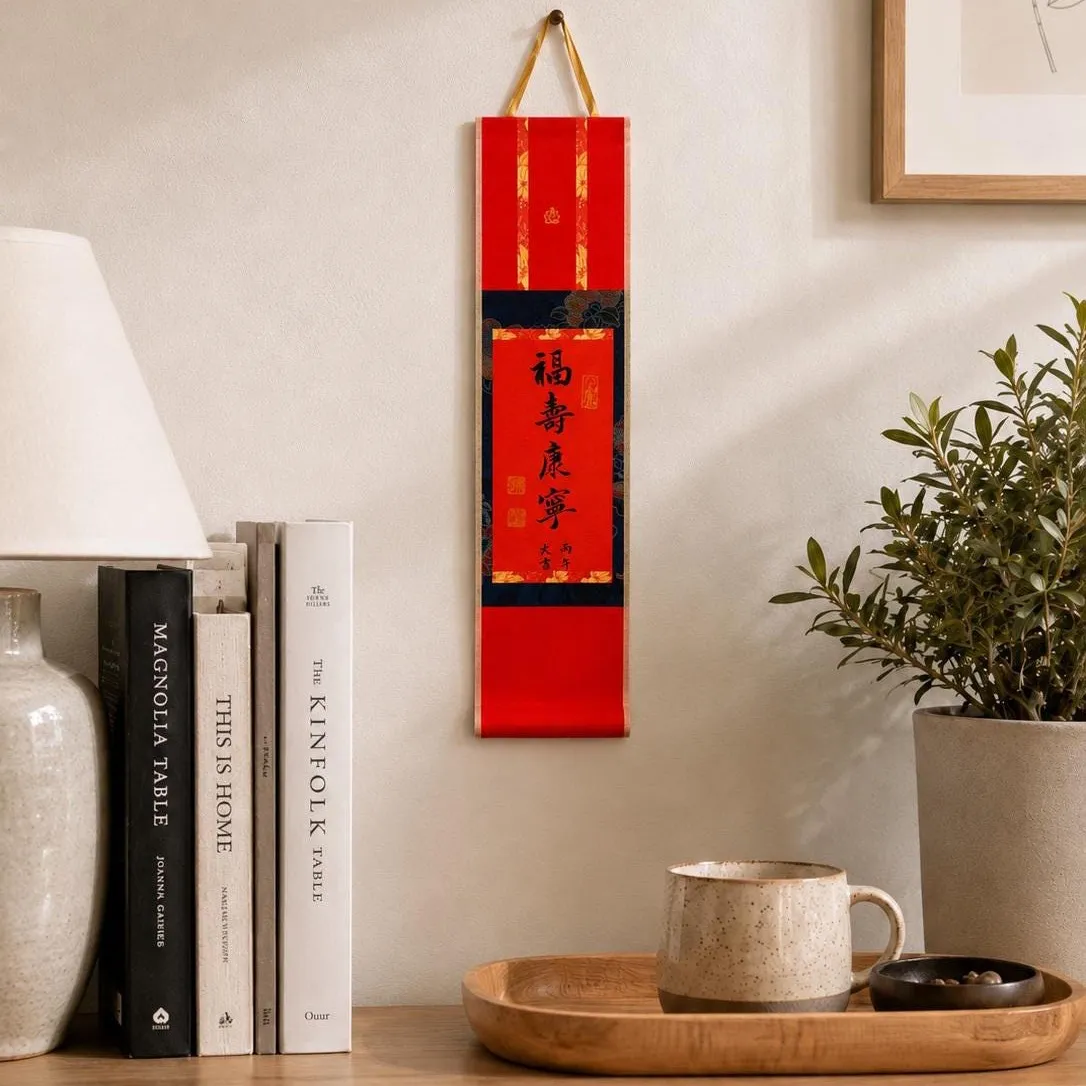
Photo shows a sample — yours will be brushed with 步步高升, or any character you choose.
Wall Scroll — for walls & housewarmingsfrom $38→ -
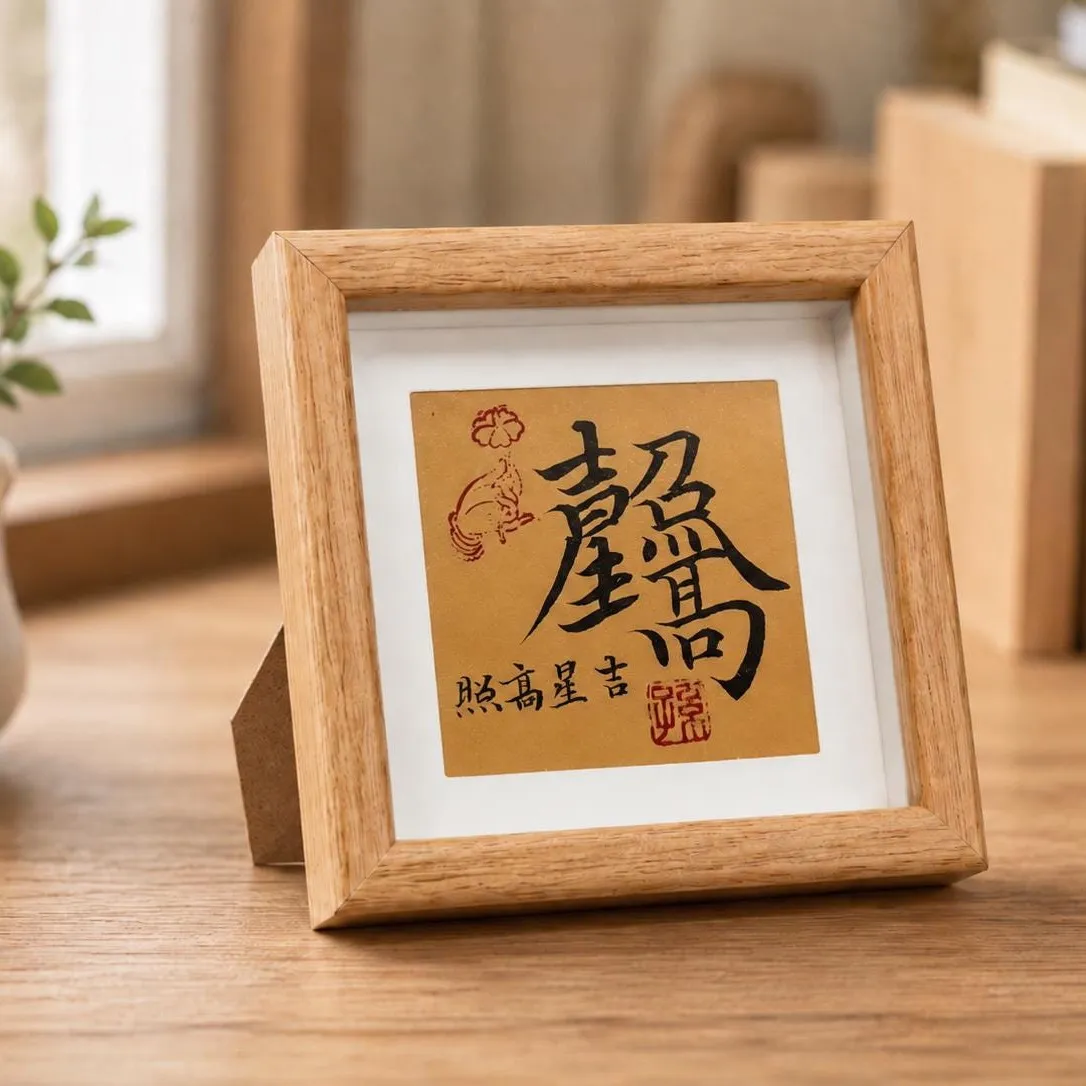
Photo shows a sample — yours will be brushed with 步步高升, or any character you choose.
Desk Frame — for desks, studies & studiosfrom $44→ -
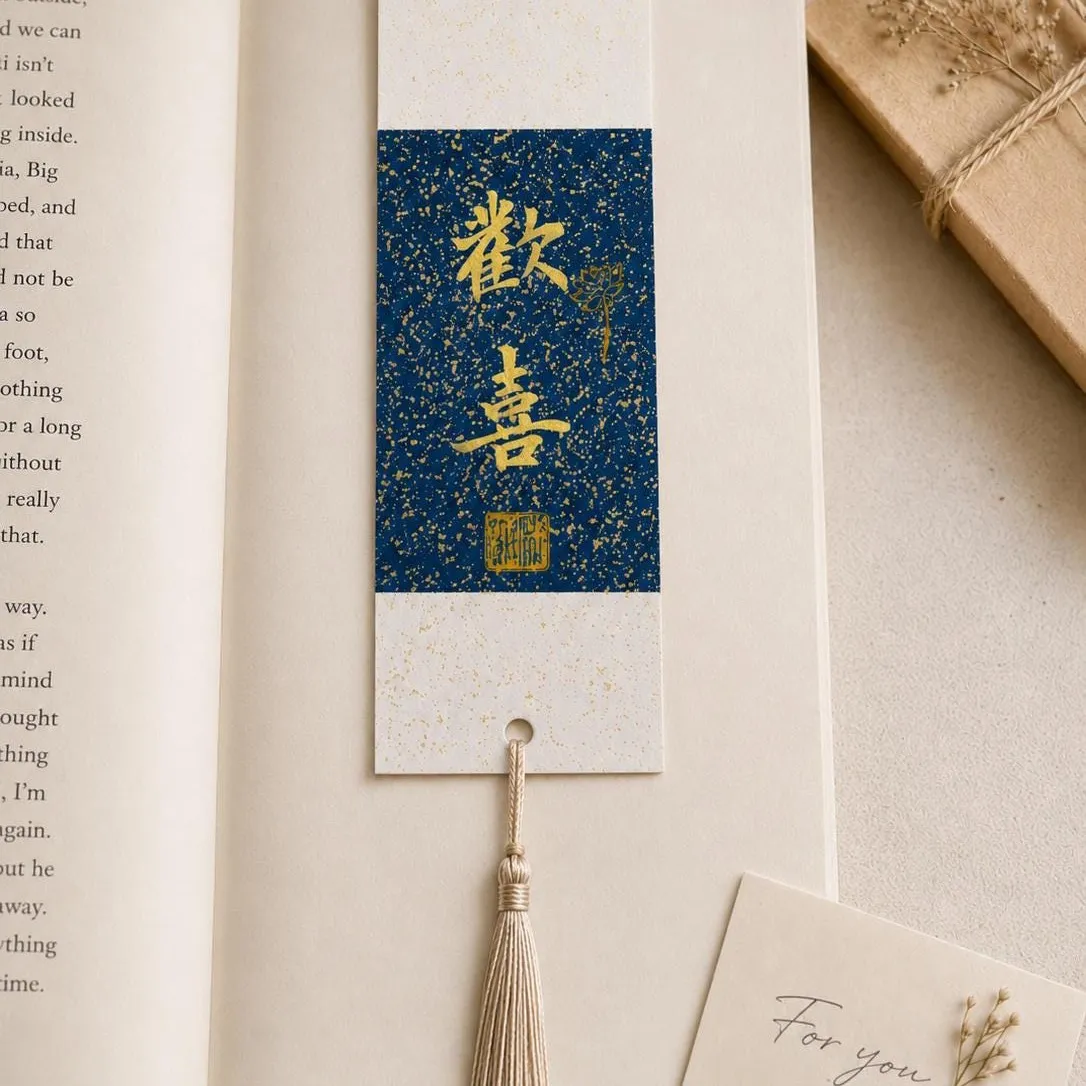
Photo shows a sample — yours will be brushed with 步步高升, or any character you choose.
Bookmark — for readers & small thank-yousfrom $14→

What people said after it arrived.
-
The item is fantastic. The customer service was genuine. Thanks!
— M.Verified purchase · from our Etsy shop reviews · -
They were great they gave me exactly what I asked for and then some. Thank you!!
— G.Verified purchase · from our Etsy shop reviews · -
It is well designed and customized. My daughter loves it. Amazing gift for family’s d friends
— S.Verified purchase · from our Etsy shop reviews ·
Each "步步高升" is hand-brushed by FuBlessings on rice paper.
See 步步高升 (Bù Bù Gāo Shēng) on Etsy →