良缘 (liáng yuán) — Good Marriage Affinity · A Match Graded Good · Fortunate Tie
A two-character word, not a single character.
Wedding banners already hang 喜结良缘 before anyone has promised a century. The second character is the library’s 缘 — affinity as the stretch two lives ran alongside each other — and on its own page it mostly refuses to say whether that stretch was fortunate. See 缘 → 良 is the grade the banner adds: this match counts as good. Dictionaries open on 美满的婚姻 and keep a wider 美好的缘分 beside it; living speech reaches for 天赐良缘 and 结成良缘 when the subject is the pair, not a networking errand. That is the whole tip of the compound: not how warmly they treat each other this year, and not how many decades they will last, but whether the affinity itself deserves the word 良.
The classics used the pair before it hardened into wedding stock. 陆机, rewriting the Cowherd-and-Weaver poem in the Western Jin, puts 无良缘 where the river cannot be crossed — without a good affinity there is no crossing. 李商隐 can say 旧好隔良缘 of old friendships blocked by politics, still treating 良缘 as a valued connection. Qing stage language is blunter: 国色难逢,良缘不再 — a good match does not come twice. Against the neighbours the fences stay clean. 善缘 grades how you form ties (and you can be told to form them widely). 恩爱 reports mutual conjugal kindness already visible. 百年好合 and 白头偕老 ask for the years. 良缘 grades the match.
A hand-brushed 良缘 by FuBlessings suits the wedding table and the anniversary wall for the same reason: both days can still point at the affinity and call it good. For a new couple it names what the banner is already saying without borrowing the century from 百年好合. For a husband or wife, years in, it keeps the older grade in the present tense — the tie that put you in the same room is still worth that 良. It does not promise luck. It credits a match.
- a good marriage affinity — dictionary 美满的婚姻
- a match graded good — 喜结良缘 / 天赐良缘 / 结成良缘
- fortunate tie in the wedding register, already named before the century is asked for
- broader good affinity — 美好的缘分 — when the context is not conjugal
- fate / destiny 缘 alone already refuses to be 命. 良缘 grades a connection; it does not claim a whole allotment was written in advance. 有缘无分 remains sayable next door.
- a connection formed skilfully That is 善缘 — workmanship of the making, often plural, often an instruction (广结善缘). 良缘 grades the match itself, especially in marriage speech.
- mutual conjugal affection 恩爱 reports kindness between spouses you can see this year. 良缘 names the affinity as good; it is not a temperature reading of the household.
- a hundred years of good union 百年好合 asks for duration and fitting-together across a life. 良缘 can be said on day one about the match, before any year has been counted.
The short arms are the point: these readings don’t reach it.
- 良 good — a grade on quality, not a verb of forming说文 良,善也. No library single for 良. In this pair it grades the affinity as a good match; it is not the instructional 善 of 善缘 (how you leave a dealing).
- 缘 affinity — the alongside-ness two lives turn out to have had说文 衣純也, the garment edge; living tip 缘分. The library page for this character holds the full edge → alongside → affinity arc. Here it is the tie being graded.
characters
- 喜结良缘 xǐ jié liáng yuán joyfully tie a good affinity — the wedding-banner line that grades 缘 as it ties it
- 天赐良缘 tiān cì liáng yuán heaven-granted good affinity — wedding 题辞; modern form prefers 赐 over archaic 锡
- 结成良缘 jié chéng liáng yuán to form a good marriage affinity — living dictionary example for the marital sense
- 孽缘 niè yuán a badly formed tie hard to cut — the antonym that proves 良 is grading something
- 姻缘 yīn yuán marriage affinity — the branch where 缘 reaches past the meeting into the union
- 佳偶 jiā ǒu a fine match — related by sense, sharing no character with 良缘; praise for the pairing itself
Cinnabar marks the characters 良缘 actually contains. The dark row is a relative by meaning or by sound, not one shared stroke.
The Story Behind the Character
Living Mandarin reaches for 良缘 when a match is being graded, not when a meeting is merely being noticed. Dictionaries open on 美满的婚姻 — a good marriage affinity — and keep a wider second sense, 美好的缘分, a good connection of any kind. The wedding register is where the compound works hardest: 喜结良缘 on the banner, 天赐良缘 in the congratulations book, 结成良缘 in ordinary speech. The antonym printed beside it is 孽缘 — a tie formed badly — which is how you know 良 is doing real work rather than decorating 缘.
The two halves arrive with different jobs. 良, in 《说文》, is 善也 — good, of sound quality — and there is no library page for the single graph. Here it is not the instructional 善 of 善缘 (workmanship of how you leave a dealing). It is a grade on the affinity itself: this connection counts as a good match. [See 缘 →](/library/yuan-affinity/) keeps the older edge-and-alongside thesis: 缘 reports that two lines ran together, and mostly refuses to say whether that was fortunate. Welded into 良缘, the refusal softens. The compound still points at the tie, but it no longer stays neutral about the tie's quality.
Classical Chinese already used the pair before it settled as wedding stock. 陆机's Western Jin rewrite of the Cowherd-and-Weaver poem puts 无良缘 where the river cannot be crossed — the missing good affinity is exactly what keeps the stars apart. 李商隐, centuries later, can say 旧好隔良缘 of friendships blocked by politics, still using the compound for a valued connection cut off. By the Qing stage play 蜃中楼 the wedding sense is blunt: 国色难逢,良缘不再 — beauty like this is rare, and a good match does not come twice. The modern gift scroll keeps that marital tip.
Classical lines
- roughly 1,400 years
- 3rd c. CE 陆机《拟〈迢迢牵牛星〉》
- 9th c. CE 李商隐《风雨》
- 17th c. CE 李渔《蜃中楼·双订》
跂彼无良缘,睆焉不得度。 I stand on tiptoe
there is no good affinity; I look across and cannot cross. — Lu Ji rewriting the Cowherd-and-Weaver separation. 良缘 is already one word for the valued connection that would make the crossing possible, and its absence is what keeps the stars apart.
新知遭薄俗,旧好隔良缘。 New friends meet thin customs; old bonds are cut off from good affinity.
The compound still names a valued tie, here blocked by politics rather than by a river. Wedding speech later narrows 良缘; this line shows the wider classical use.
国色难逢,良缘不再。 Beauty like this is hard to meet; a good match does not come twice.
Qing stage language with the marital tip already blunt. The line is why a scroll of 良缘 reads as grading the match, not as a networking slogan.
Why This Character Matters
At a Chinese wedding the four-character lines that hang and get said out loud already sort into different jobs. 百年好合 asks for the quality of the union across a counted life. 白头偕老 asks that both people still be there when the hair has gone white. 花好月圆 names the evening as complete. 缘 alone points backward at the sequence that had to run before the two were in the room. 良缘 sits closest to that last job, and then grades it: 喜结良缘 and 天赐良缘 treat the affinity as already good before the vows finish. Taiwan's Ministry of Education idiom book lists 天赐良缘 among wedding 题辞; Mainland usage prefers 赐 over the archaic 锡 of 天锡良缘.
Buyers choosing among library neighbours should keep the fences clean. 善缘 is the connection you can be told to go and form well — 广结善缘 — and it is mostly plural and not conjugal. 恩爱 is mutual kindness between spouses that neighbours can already see. 琴瑟 is whether two instruments still answer. 良缘 is the match graded good — the fortunate marital affinity the ceremony ties, and the anniversary can still name without pretending the decades were the whole story.
A few characters live near "良缘" but mean something quieter, sharper, or more specific. Here's how to tell them apart.
the affinity graded as good — especially the marriage match
the fact of the meeting, mostly without a quality grade
a match called good — conjugal register, often singular and load-bearing
connections formed well — instructional, often plural, not aimed at spouses
the fortunate tie the ceremony names
mutual kindness between spouses visible in ordinary days
喜结良缘 is already on the banner.
- 喜结良缘 is already on the banner. What the two characters add, past a bare 缘, is the grade: this affinity is being called good, not merely acknowledged as a meeting that happened. Guests who say 天赐良缘 are not yet asking for a hundred years (百年好合) or for white hair (白头偕老). They are naming the match itself — the fortunate tie the ceremony is ratifying. For the afternoon when the gift should grade the affinity, not forecast the decades.
- An anniversary can toast how long you have lasted, or how warm the household looks. 良缘 does a third job: it looks back at the match and still calls it good. 恩爱 reports mutual kindness visible this year; 琴瑟 asks whether the registers still answer. 良缘 keeps the older wedding grade in the present tense — the affinity that brought you into the same room is still worth that 良. For the year when the gift should credit the match, not only the mileage.
New Couple · Husband · Wife · or yourself
Looking for a name? See Western names written in Chinese →
-
What does 良缘 (liáng yuán) mean?
良缘 (liáng yuán) is a two-character Chinese word for good marriage affinity, a match graded good, fortunate tie. Wedding banners already hang 喜结良缘 before anyone has promised a century. The second character is the library's 缘 — affinity as the stretch two lives ran alongside each other — and on its own page it mostly refuses to say whether that stretch was fortunate. See 缘 → 良 is the grade the banner adds: this match counts as good. Dictionaries open on 美满的婚姻 and keep a wider 美好的缘分 beside it; living speech reaches for 天赐良缘 and 结成良缘 when the subject is the pair, not a networking errand. That is the whole tip of the compound: not how warmly they treat each other this year, and not how many decades they will last, but whether the affinity itself deserves the word 良. At a Chinese wedding the four-character lines that hang and get said out loud already sort into different jobs. 百年好合 asks for the quality of the union across a counted life. 白头偕老 asks that both people still be there when the hair has gone white. 花好月圆 names the evening as complete. 缘 alone points backward at the sequence that had to run before the two were in the room. 良缘 sits closest to that last job, and then grades it: 喜结良缘 and 天赐良缘 treat the affinity as already good before the vows finish. Taiwan's Ministry of Education idiom book lists 天赐良缘 among wedding 题辞; Mainland usage prefers 赐 over the archaic 锡 of 天锡良缘.
-
What occasions is 良缘 given for?
良缘 is traditionally given for Wedding, Anniversary. 喜结良缘 is already on the banner. What the two characters add, past a bare 缘, is the grade: this affinity is being called good, not merely acknowledged as a meeting that happened. Guests who say 天赐良缘 are not yet asking for a hundred years (百年好合) or for white hair (白头偕老). They are naming the match itself — the fortunate tie the ceremony is ratifying. For the afternoon when the gift should grade the affinity, not forecast the decades. An anniversary can toast how long you have lasted, or how warm the household looks. 良缘 does a third job: it looks back at the match and still calls it good. 恩爱 reports mutual kindness visible this year; 琴瑟 asks whether the registers still answer. 良缘 keeps the older wedding grade in the present tense — the affinity that brought you into the same room is still worth that 良. For the year when the gift should credit the match, not only the mileage.
-
Who brushes the 良缘 calligraphy?
FuBlessings hand-brushes each 良缘 (Liáng Yuán) to order, in ink on rice paper — never printed, never repeated.
Bring 良缘 home — choose how you'd like it brushed.
-
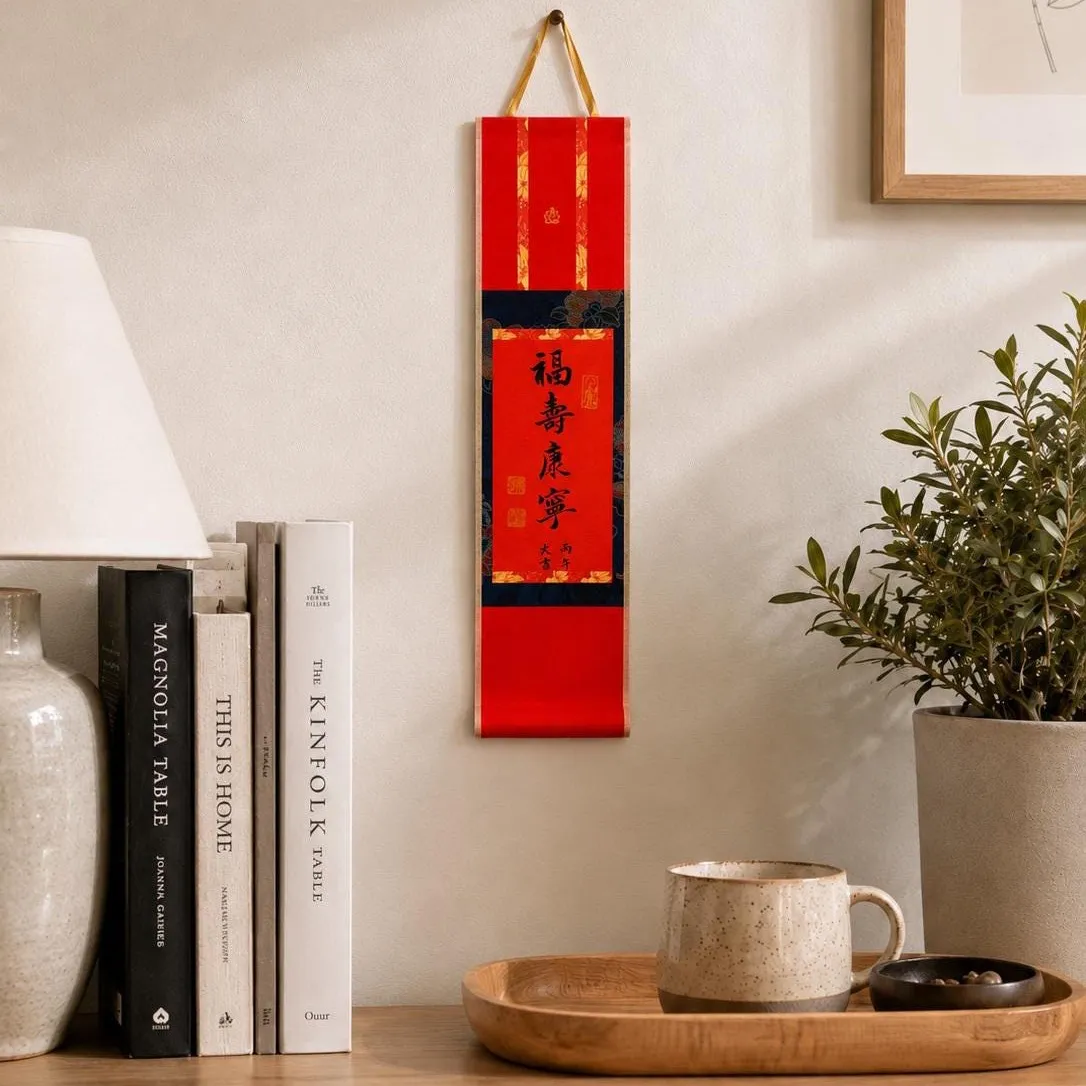
Photo shows a sample — yours will be brushed with 良缘, or any character you choose.
Wall Scroll — for walls & housewarmingsfrom $38→ -
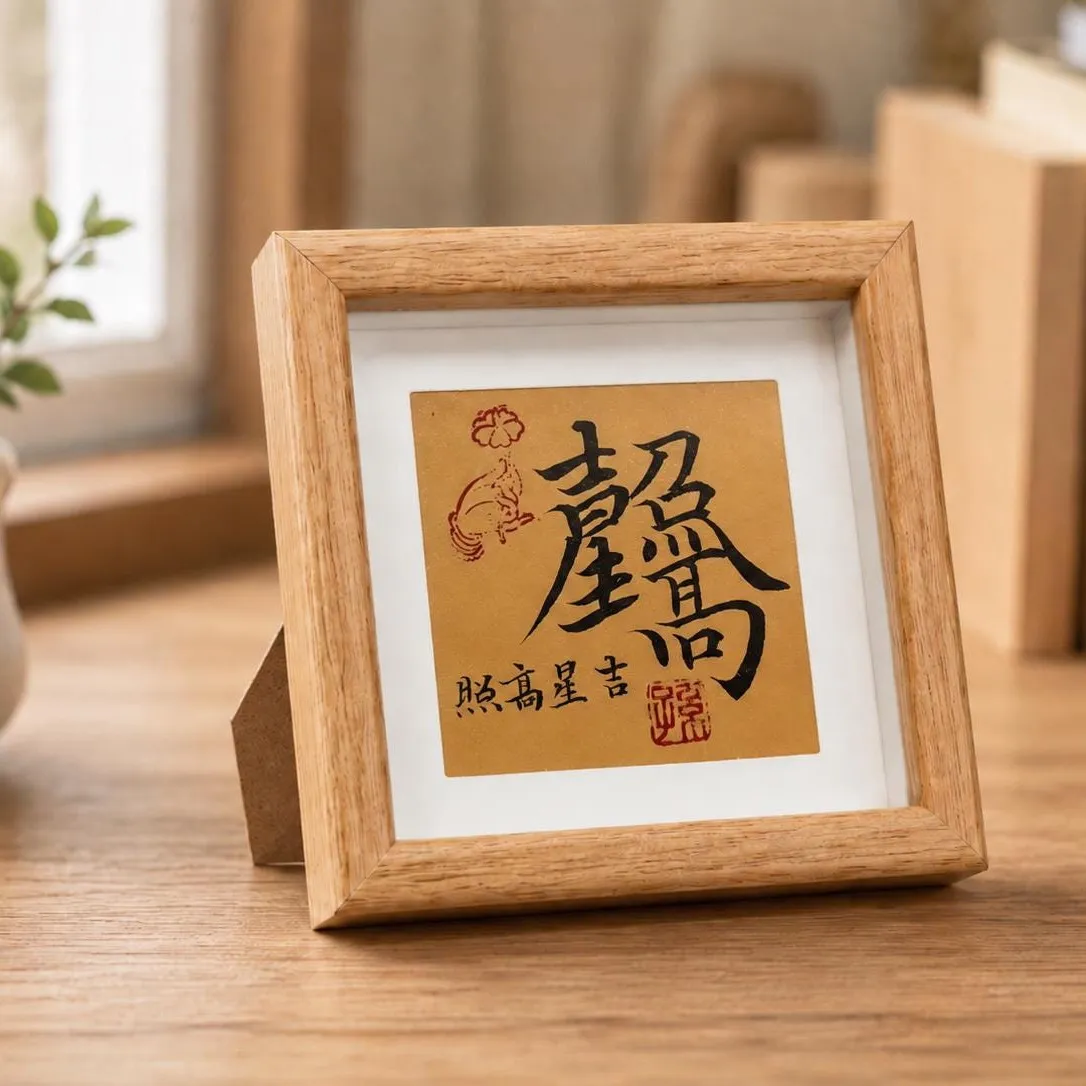
Photo shows a sample — yours will be brushed with 良缘, or any character you choose.
Desk Frame — for desks, studies & studiosfrom $44→ -
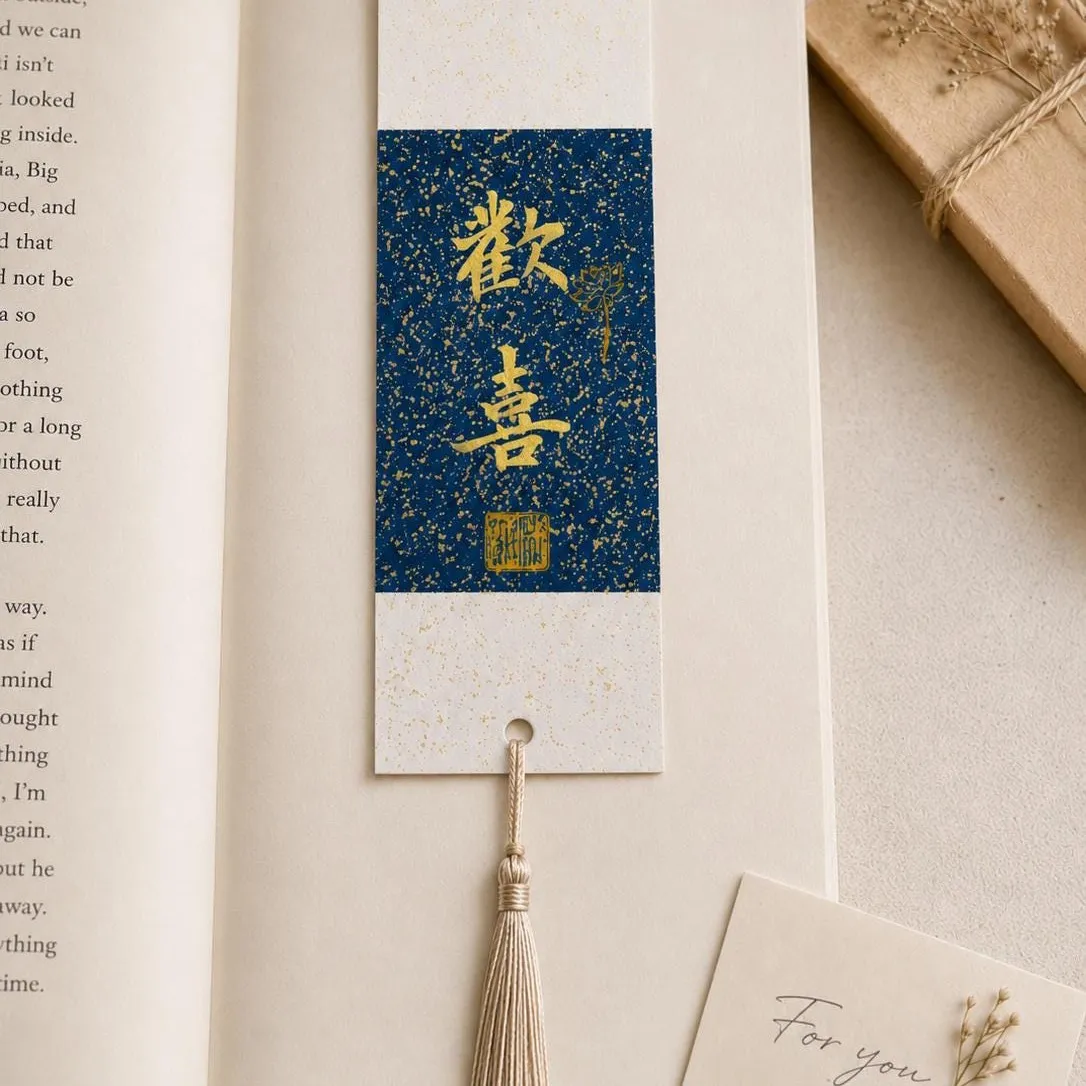
Photo shows a sample — yours will be brushed with 良缘, or any character you choose.
Bookmark — for readers & small thank-yousfrom $14→
What people said after it arrived.
-
The item is fantastic. The customer service was genuine. Thanks!
— M.Verified purchase · from our Etsy shop reviews · -
They were great they gave me exactly what I asked for and then some. Thank you!!
— G.Verified purchase · from our Etsy shop reviews · -
It is well designed and customized. My daughter loves it. Amazing gift for family’s d friends
— S.Verified purchase · from our Etsy shop reviews ·
Each "良缘" is hand-brushed by FuBlessings on rice paper.
See 良缘 (Liáng Yuán) on Etsy →