Jian Ru Jia Jing (渐入佳境): Gradually Entering a Beautiful Place · Getting Better and Better
A 4-character phrase, not a single character.
渐入佳境 is a four-character blessing with an unusual origin story: the Eastern Jin artist Gu Kaizhi, one of the greatest painters in Chinese history, ate his sugarcane from the tip. When friends asked why he started with the least sweet end, he answered 渐入佳境 — “gradually entering the beautiful place.” Each bite was sweeter than the last. He had arranged his experience so that the best was always ahead of him.
The phrase became one of the most enduring idioms in Chinese, because the principle it describes extends far beyond sugarcane. A classical Chinese garden is designed so each turn reveals a finer scene. A formal banquet builds from light to rich. A life — if lived with the patience Gu Kaizhi recommended — can be arranged so that the years deepen rather than diminish. 渐入佳境 is the blessing for the person who is still early in the journey, still in the less sweet part, and who needs to hear that the trajectory is right.
A hand-brushed “渐入佳境” by FuBlessings is for the friend starting something new, the colleague who has survived the hard first months, the son or daughter whose life is still unfolding. It says, in four characters: the good part is ahead of you, and you are moving toward it.
- things getting better gradually
- the difficult beginning giving way to something fine
- the journey arranged so the best is ahead
- getting better Too plain. 渐入佳境 carries a philosophy of arrangement — it is not accidental improvement but a progression with a destination.
- turning point Wrong shape. A turning point is sudden; 渐入佳境 is gradual. There is no single moment — just a deepening.
The short arms are the point: these readings don’t reach it.
- 渐入 gradually entering, crossing the threshold by degrees渐 is the key modifier — it insists on gradualness, on patience. 入 is the crossing, the same character that appears in 入画 (entering the painting). Together: not a sudden arrival but a step-by-step deepening.
- 佳境 a beautiful place, an excellent state佳 is beauty with a sense of refinement — not spectacular but fine. 境 is a realm, a territory of experience. Together: not paradise but somewhere genuinely good, a place worth reaching.
characters
- 渐 jiàn gradually, by degrees — the character that makes the phrase about patience
- 佳境 jiā jìng a beautiful place, a fine state — the destination the gradual movement approaches
- 倒吃甘蔗 dào chī gān zhe eating sugarcane in reverse — the Gu Kaizhi method, arranging experience so each bite is sweeter
- 循序渐进 xún xù jiàn jìn to progress step by step in proper order — the methodological cousin of 渐入佳境
Cinnabar marks the characters 渐入佳境 actually contains. The dark row is a relative by meaning or by sound, not one shared stroke.
The Story Behind the Character
渐入佳境 traces its origin to a famous anecdote about the Eastern Jin calligrapher and painter Gu Kaizhi (顾恺之, c. 344–406 CE), one of the most celebrated artists in Chinese history. According to the account recorded in "A New Account of the Tales of the World" (《世说新语》), Gu Kaizhi had a peculiar habit of eating sugarcane from the tip downward — opposite to the way most people eat it. When asked why, he answered: 渐入佳境 — "gradually entering the beautiful place." Sugarcane is sweetest at the root end, so by starting from the less sweet tip, each bite was better than the last. Gu Kaizhi was describing not just a way of eating sugarcane but a philosophy of experience: arrange your encounter with the world so that the best is always ahead of you.
The phrase entered common usage as a four-character idiom (成语) with broader application. 渐 (jiàn) means gradually, by degrees — not suddenly or all at once. 入 (rù) means to enter, to cross into. 佳 (jiā) means beautiful, fine, excellent. 境 (jìng) means a place, a realm, a state of experience. Together, the four characters describe a progression from the ordinary into the excellent — but crucially, a progression that happens step by step, not in a single leap.
What makes 渐入佳境 philosophically distinctive is its patience. Unlike blessings that wish for immediate fulfillment (心想事成) or describe a completed state (万事如意), 渐入佳境 blesses the journey itself. It says: you are not there yet, and that is not a problem. The path you are on leads somewhere good, and the getting there — the gradual deepening — is itself the gift.
Classical lines
渐入佳境。 Gradually entering the beautiful place.
Gu Kaizhi's answer when asked why he ate sugarcane from the tip, arranging his experience so that each moment was better than the last.
路漫漫其修远兮,吾将上下而求索。 The road ahead is long and winding
I shall search far and wide, above and below. — Qu Yuan's declaration that the journey itself, however long, is worth pursuing. The same faith in gradual progress that 渐入佳境 carries.
欲穷千里目,更上一层楼。 To see a thousand miles further, climb one more floor.
The Tang poet's image of improvement through patient effort, each step revealing a broader view. The architectural version of 渐入佳境.
Why This Character Matters
Gu Kaizhi's sugarcane anecdote is one of the most frequently cited stories in Chinese aesthetic philosophy, because it articulates a principle that extends far beyond eating fruit. The idea that experience should be arranged so the best comes last — that a meal, a painting, a journey, a life should build toward its finest moment — runs through Chinese art, cuisine, and garden design. A classical Chinese garden is laid out so that the visitor encounters increasingly refined scenes as they walk deeper; a formal banquet builds from lighter dishes to richer ones; a scroll painting is composed so that the eye moves toward the most dramatic landscape. In all these cases, the principle is 渐入佳境: the good part is at the end, and the getting there is a pleasure.
In modern Chinese, 渐入佳境 is commonly used to describe someone who has passed through the difficult early phase of a new endeavor and is beginning to find their stride. A new employee who struggled in the first month but is now excelling, a student whose grades are steadily improving, a relationship that started awkwardly but has deepened into real intimacy — all are described as 渐入佳境. The phrase carries encouragement without condescension: it does not deny that things were hard at the beginning. It simply says that the trajectory is right.
A few characters live near "渐入佳境" but mean something quieter, sharper, or more specific. Here's how to tell them apart.
blesses the journey — things getting better gradually, with patience built in
blesses the destination — the wish jumping directly to fulfillment
traces one deepening arc — from ordinary to excellent, step by step
covers the full field — ten thousand matters, all going your way at once
acknowledges difficulty and blesses the gradual emergence from it
wishes for no difficulty at all — smooth sailing, no resistance
渐入佳境 is the blessing for someone who has just started something and is still in the awkward early stage — a new job, a new city, a new skill.
- A New Beginning渐入佳境 is the blessing for someone who has just started something and is still in the awkward early stage — a new job, a new city, a new skill. It says: the difficulty you feel now is not a sign of failure. The good part is ahead, and you are moving toward it.
- For a friend at any age, 渐入佳境 is the wish that each year is better than the last — not a dramatic transformation but a steady deepening, like a path that opens into finer scenery the further you walk.
- For the graduate stepping out of the classroom and into real practice, 渐入佳境 acknowledges the gap between study and mastery — and blesses the crossing of it.
- Just BecauseFor someone who has been working hard without visible results, 渐入佳境 is encouragement in the form of a classical promise: the landscape is about to change.
Friend · Self · Coworker · Best Friend · Son · Daughter · Student · or yourself
Looking for a name? See Western names written in Chinese →
-
What does 渐入佳境 (jiàn rù jiā jìng) mean?
渐入佳境 (jiàn rù jiā jìng) is a 4-character Chinese phrase for gradually entering a beautiful place, getting better and better. 渐入佳境 is a four-character blessing with an unusual origin story: the Eastern Jin artist Gu Kaizhi, one of the greatest painters in Chinese history, ate his sugarcane from the tip. When friends asked why he started with the least sweet end, he answered 渐入佳境 — "gradually entering the beautiful place." Each bite was sweeter than the last. He had arranged his experience so that the best was always ahead of him. Gu Kaizhi's sugarcane anecdote is one of the most frequently cited stories in Chinese aesthetic philosophy, because it articulates a principle that extends far beyond eating fruit. The idea that experience should be arranged so the best comes last — that a meal, a painting, a journey, a life should build toward its finest moment — runs through Chinese art, cuisine, and garden design. A classical Chinese garden is laid out so that the visitor encounters increasingly refined scenes as they walk deeper; a formal banquet builds from lighter dishes to richer ones; a scroll painting is composed so that the eye moves toward the most dramatic landscape. In all these cases, the principle is 渐入佳境: the good part is at the end, and the getting there is a pleasure.
-
What occasions is 渐入佳境 given for?
渐入佳境 is traditionally given for A New Beginning, Birthday, Graduation, Just Because. 渐入佳境 is the blessing for someone who has just started something and is still in the awkward early stage — a new job, a new city, a new skill. It says: the difficulty you feel now is not a sign of failure. The good part is ahead, and you are moving toward it. For a friend at any age, 渐入佳境 is the wish that each year is better than the last — not a dramatic transformation but a steady deepening, like a path that opens into finer scenery the further you walk.
-
Who brushes the 渐入佳境 calligraphy?
FuBlessings hand-brushes each 渐入佳境 (Jiàn Rù Jiā Jìng) to order, in ink on rice paper — never printed, never repeated.
Bring 渐入佳境 home — choose how you'd like it brushed.
-
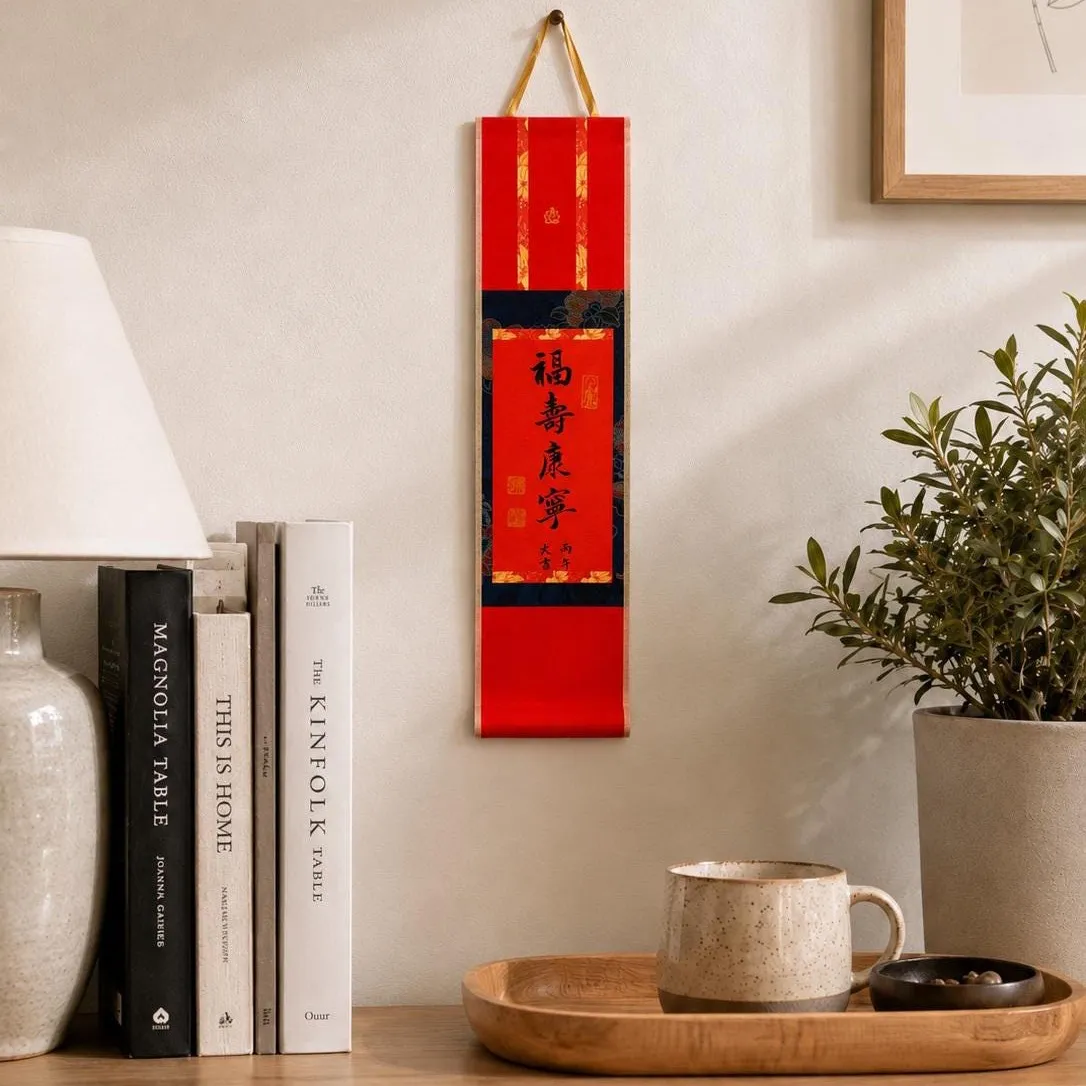
Photo shows a sample — yours will be brushed with 渐入佳境, or any character you choose.
Wall Scroll — for walls & housewarmingsfrom $38→ -
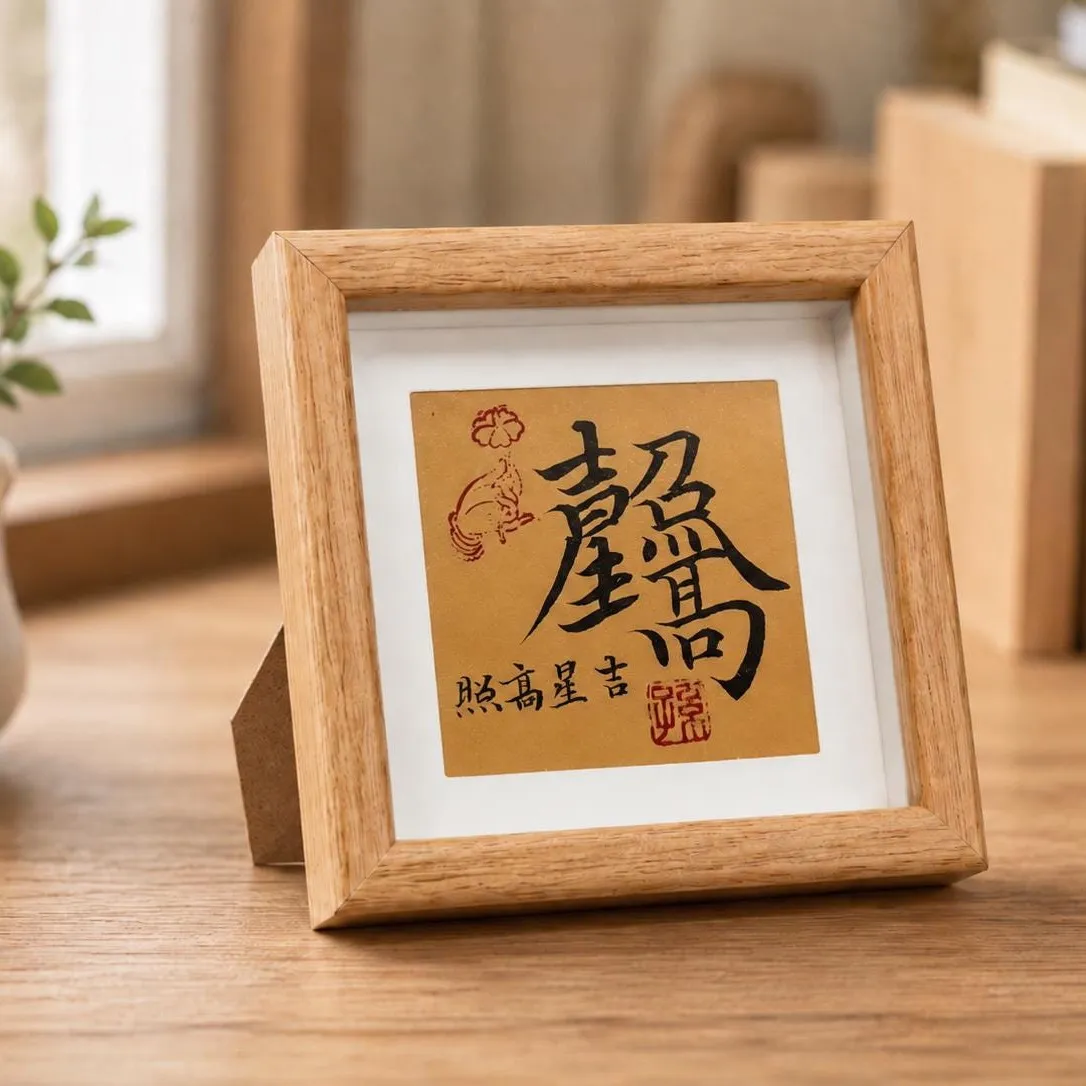
Photo shows a sample — yours will be brushed with 渐入佳境, or any character you choose.
Desk Frame — for desks, studies & studiosfrom $44→ -
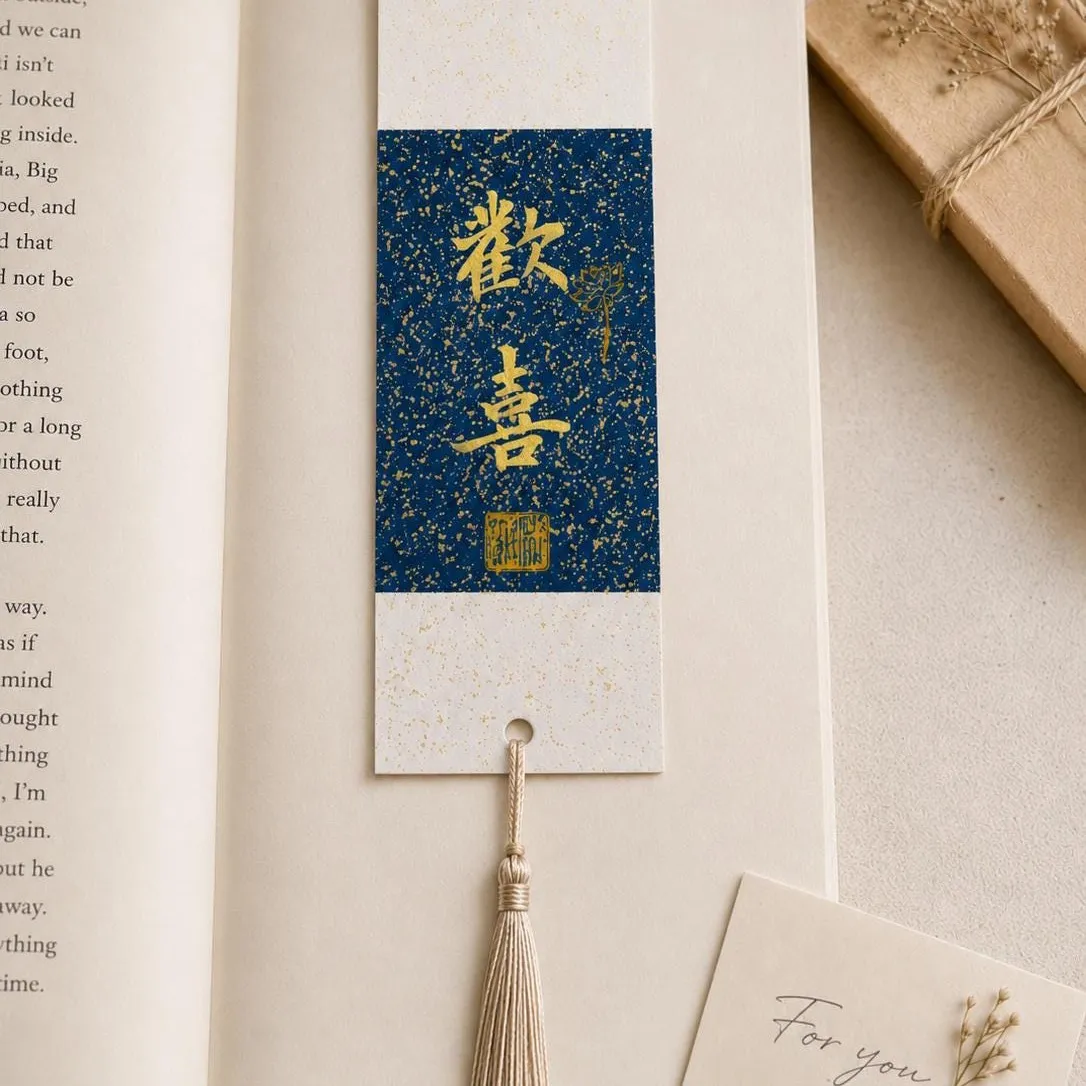
Photo shows a sample — yours will be brushed with 渐入佳境, or any character you choose.
Bookmark — for readers & small thank-yousfrom $14→
What people said after it arrived.
-
The item is fantastic. The customer service was genuine. Thanks!
— M.Verified purchase · from our Etsy shop reviews · -
They were great they gave me exactly what I asked for and then some. Thank you!!
— G.Verified purchase · from our Etsy shop reviews · -
It is well designed and customized. My daughter loves it. Amazing gift for family’s d friends
— S.Verified purchase · from our Etsy shop reviews ·
Each "渐入佳境" is hand-brushed by FuBlessings on rice paper.
See 渐入佳境 (Jiàn Rù Jiā Jìng) on Etsy →