Fu Zhi (福至) — Blessings Arrive · Fortune Has Come
A two-character word, not a single character.
Fú zhì (福至) is a two-character Chinese phrase meaning “blessings arrive” or “fortune has come.” 福 (fú) is blessing — the character written, hung, and given more often than any other. 至 (zhì) means to arrive, to have reached here. Together they do not wish; they announce that blessing is already present. Households hang 福至 on a door or a red banner at the lunar new year, and write it when a home, a marriage, or a shop begins — the same arrival idea as hanging 福 upside down (倒福), a visual pun on 到, “arrived.” FuBlessings hand-brushes each 福至 to order in Shenzhen: ink on rice paper, living craft, never printed and never repeated.
See 福 → · Chinese New Year gifts → · Studio →
- blessing has arrived
- good fortune that is present, not hoped for
- the moment luck lands
- good luck Too casual and too uncertain. 福至 is not a roll of the dice — it is a declaration that the outcome has already arrived.
- blessed Passive and retrospective. 福至 is active and present-tense — the blessing is in motion, landing now.
The short arms are the point: these readings don’t reach it.
- 福 blessing, good fortune, the central character of Chinese auspicious cultureThe most written, most displayed, most gifted single character in Chinese. Its oracle bone form shows hands offering wine at an altar — blessing understood as the return gift of the spirits.
- 至 to arrive, to reach, to have completed the journey至 is directional — it means something has moved toward here and landed. Its oracle bone form is an arrow striking the ground. In 福至, it transforms 福 from a hope into a fact.
characters
- 福 fú blessing — the single character that anchors all Chinese auspicious culture
- 至 zhì to arrive — directional, implying completed movement toward the speaker
- 福至心灵 fú zhì xīn líng when blessings arrive, the mind becomes sharp — the extended form of the 福至 idea
- 福到 fú dào blessing arrives — the spoken pun created by hanging 福 upside down (倒)
The Story Behind the Character
福至 is built from two characters that together trace the movement of blessing from somewhere else to here. 福 (fú) is the most important single character in Chinese blessing culture — it appears on doors, on scrolls, on red envelopes, on everything that is meant to attract or announce good fortune. Its oracle bone form (c. 1200 BCE) shows two hands holding a wine vessel before an altar: the act of making an offering to the spirits, from which all blessings were understood to flow. 至 (zhì) means "to arrive, to reach" — it is one of the oldest characters in Chinese, its oracle bone form showing an arrow that has struck the ground, the image of something that has completed its journey.
Together, 福至 makes a statement rather than a wish: blessing has arrived. The direction is important — 至 implies movement toward the speaker, toward this place, toward now. The blessing is not being pursued or hoped for; it is landing. This gives 福至 a declarative force that most blessings lack. Where 福 alone is an invocation and 祝福 is a wish, 福至 is an announcement.
The phrase carries an echo of the classical expression 福至心灵 (fú zhì xīn líng), meaning "when blessings arrive, the mind becomes sharp" — the idea that good fortune brings clarity, that a person touched by 福 begins to see and think with unusual precision. The shorter 福至 strips this down to the essential moment: the arrival itself, before any consequences unfold.
Classical lines
福至心灵。 When blessings arrive, the mind becomes sharp.
The classical observation that good fortune sharpens perception, the extended form of the idea 福至 captures in its simplest expression.
天增岁月人增寿,春满乾坤福满门。 Heaven adds years and people gain longevity; spring fills the cosmos and blessings fill the doorway.
The most famous Spring Festival couplet about 福 arriving at the household door, the image 福至 distills into two characters.
积善之家,必有余庆。 A household that accumulates goodness will surely have blessings to spare.
The I Ching's promise that 福 arrives not at random but as a consequence of sustained virtue. 福至 is the moment that promise is fulfilled.
Why This Character Matters
The custom of hanging 福 upside down on doors during Chinese New Year is one of the most recognizable practices in Chinese folk culture. The word for "upside down" (倒, dào) is a homophone of "to arrive" (到, dào), so an inverted 福 is a visual pun meaning "福到了" — blessing has arrived. 福至 captures the same idea in literary rather than visual form: the assertion that blessing is not approaching but has already crossed the threshold.
In gift culture, 福至 occupies a unique space: it is both the simplest and the most confident of the 福-family blessings. Where 福 alone is an invocation (may there be blessing), 福寿 is a wish (may blessing and longevity come), and 福寿康宁 is a comprehensive prayer, 福至 is a statement of fact. To give someone a 福至 inscription is to say: I am not wishing you luck. I am telling you it is here.
A few characters live near "福至" but mean something quieter, sharper, or more specific. Here's how to tell them apart.
adds movement and arrival — blessing is not just invoked but has landed
the character alone is an invocation, a summoning, a display
a declaration — blessing is here, now
a paired wish — blessing and longevity, hoped for together
names the moment of arrival — a specific event
names a general field of auspiciousness — an ongoing condition
福至 is the shortest, most direct New Year blessing — two characters that announce the arrival of good fortune as accomplished fact.
- 福至 is the shortest, most direct New Year blessing — two characters that announce the arrival of good fortune as accomplished fact. Hung on a door or written on a red banner, it declares that blessing is not hoped for but present.
- For a new home, 福至 marks the threshold: blessing has crossed it. The two characters are among the most traditional housewarming inscriptions, often paired with 福到 in the custom of hanging the character 福 upside down (倒福) to create a visual pun on arrival.
- For a new couple, 福至 is the declaration that the marriage itself is the arrival of blessing — not a wish for future happiness but a recognition of present fortune.
- Business OpeningOn the day a new business opens its doors, 福至 is the classical announcement: good fortune has found this place.
Family · Friend · New Homeowner · New Couple · Self · Coworker · or yourself
Looking for a name? See Western names written in Chinese →
-
What does Fú zhì (福至) mean?
Fú zhì (福至) is a two-character Chinese phrase meaning “blessings arrive” or “fortune has come.” It is not a single character. 福 (fú) names blessing and good fortune. 至 (zhì) means to arrive, to reach, to have completed the journey toward here. Read together, 福至 is an announcement, not a hope: the blessing is not on the way; it is here. English “good luck” is too casual and too uncertain — 福至 is not a roll of the dice. 福 alone is an invocation, a single character on the door. 福至 is the two-character statement next to it. A longer saying, 福至心灵 (fú zhì xīn líng), adds that when blessing arrives the mind becomes sharp; 福至 keeps only the arrival.
-
How does 福至 relate to upside-down 福 (倒福)?
During Chinese New Year, many households hang the character 福 upside down on a door. “Upside down” is 倒 (dào); “to arrive” is 到 (dào). The two syllables match, so an inverted 福 is a visual pun: 福到了 — blessing has arrived. That is craft and wordplay on the door, not a claim of hidden power. 福至 writes the same announcement in literary form: two characters instead of a turned paper. The custom is often called 倒福. People also say 福到. Choose the upside-down 福 when you want the joke guests can say out loud; choose 福至 when you want the sentence itself, hung right-side up, already complete.
-
When do people give or hang Fú zhì (福至)?
福至 is given and hung for the lunar new year, a new home, a wedding, and a business opening. At Chinese New Year it is a short door or red-banner line: blessing is not hoped for but present. For a new home it marks the threshold — blessing has crossed it — and is often paired with the 倒福 pun on the same door. For a new couple it treats the marriage as the arrival itself, not a wish for later happiness. On the day a shop opens, it announces that good fortune has found this place. FuBlessings brushes each 福至 to order in Shenzhen for one recipient and one of those moments.
-
Did you mean 福字 (Fú zì) or 福, not 福至?
If you searched “fu zi,” “fu zhi,” or 福字, you may want 福字 (Fú zì): the character 福 as a written object — the square of ink people hang on a door. That single character lives on this site as 福 (fú). This page is 福至 (Fú zhì), two characters that announce arrival. Choose 福 when you want the character itself as wall art. Choose 福至 when you want the declaration that blessing has already landed. 福寿 (fú shòu) is another pair: blessing and longevity, usually for an elder. FuBlessings hand-brushes each of these in Shenzhen, ink on rice paper — living craft, never printed.
Bring 福至 home — choose how you'd like it brushed.
-
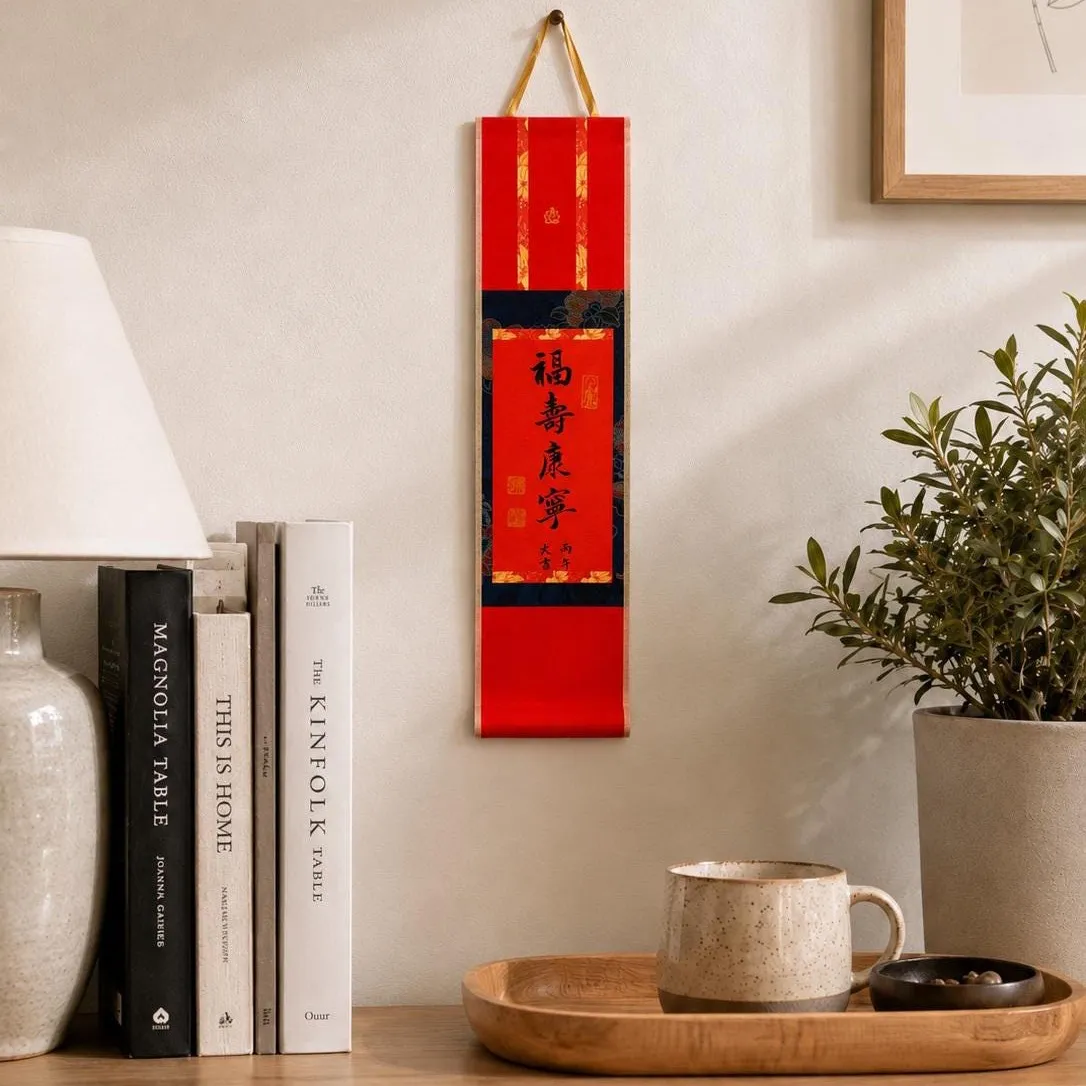
Photo shows a sample — yours will be brushed with 福至, or any character you choose.
Wall Scroll — for walls & housewarmingsfrom $38→ -
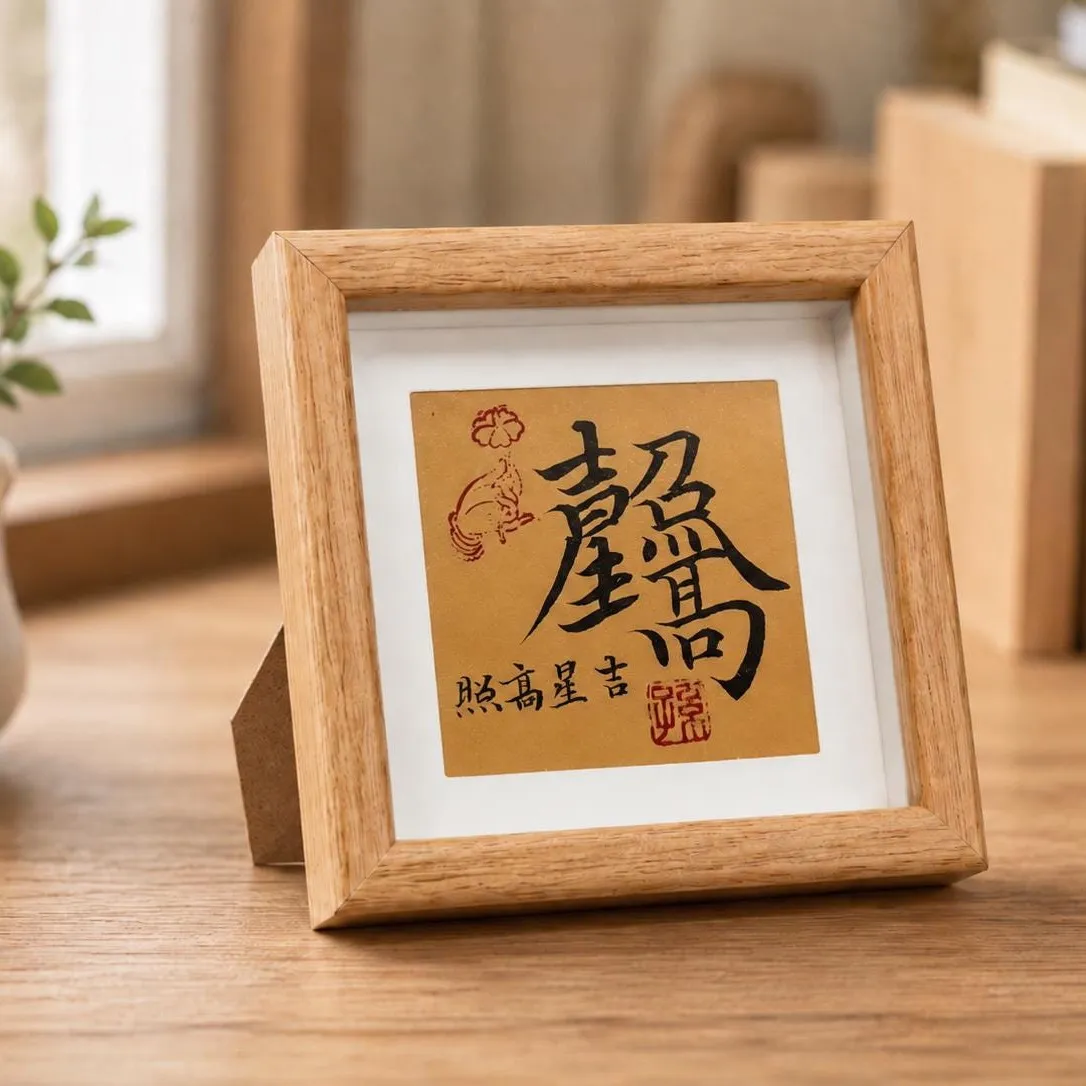
Photo shows a sample — yours will be brushed with 福至, or any character you choose.
Desk Frame — for desks, studies & studiosfrom $44→ -
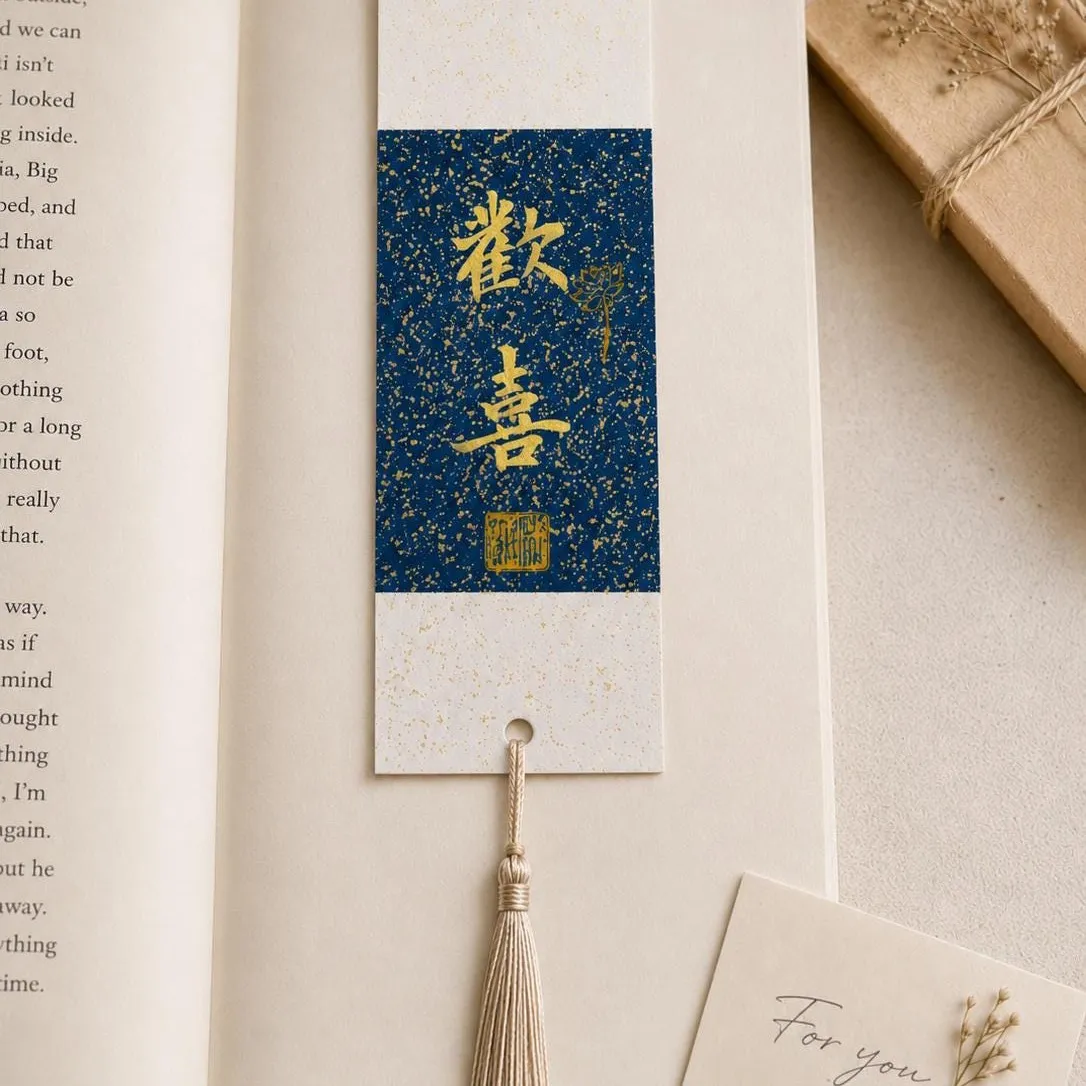
Photo shows a sample — yours will be brushed with 福至, or any character you choose.
Bookmark — for readers & small thank-yousfrom $14→
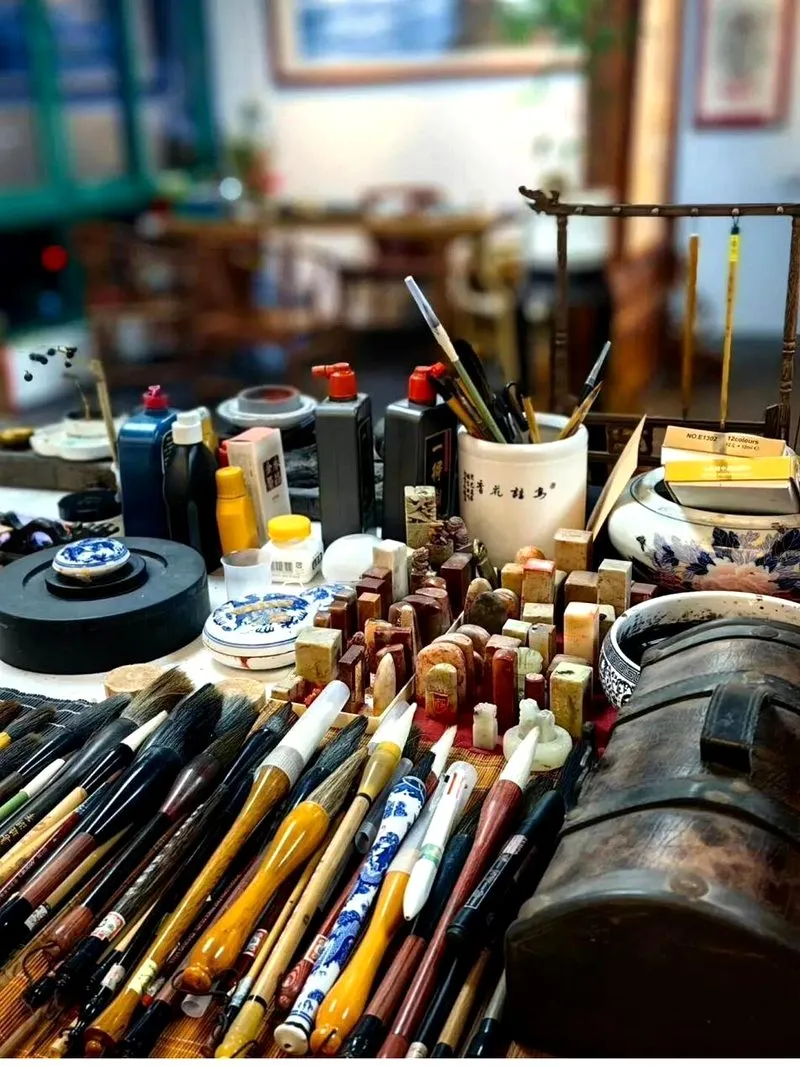
What people said after it arrived.
-
The item is fantastic. The customer service was genuine. Thanks!
— M.Verified purchase · from our Etsy shop reviews · -
They were great they gave me exactly what I asked for and then some. Thank you!!
— G.Verified purchase · from our Etsy shop reviews · -
It is well designed and customized. My daughter loves it. Amazing gift for family’s d friends
— S.Verified purchase · from our Etsy shop reviews ·
Each "福至" is hand-brushed by FuBlessings on rice paper.
See 福至 (Fú Zhì) on Etsy →