从容 (cóng róng) — Unhurried Composure · Room to Spare · At Ease
A two-character word, not a single character.
Watch someone who still has a second look left when the room has already decided to rush. That manner is what Chinese calls 从容 — not the absence of work, and not a performance of calm. See 容 → is capacity: a roof over a valley, room that takes the stream without spilling. 从 is the unforced half — going along at a pace that does not shove. Welded together they name something neither half covers alone: composure that has room to spare. 从容不迫 is the everyday form; the gift scroll keeps the two-character core.
The classics already treated it as one word across three registers. Under the Hao bridge, 《庄子》 watches fish 出游从容 and calls that their joy — living ease, not gritted teeth. 《中庸》 puts 从容中道 inside the portrait of the sage whose sincerity no longer needs forcing. 《学记》 tells the teacher to answer like a bell: 待其从容,然后尽其声 — wait for the resonance to finish, then let the sound complete. Modern Chinese kept the manner reading first (从容自若, 举止从容) and a plainer second sense in which time or means are ample. What it is not: 安详 (composed bearing with a funeral-register caution), 稳 (footing that does not tip), 静 (stillness trained), or 逸 (ease that escaped a grip).
A hand-brushed 从容 by FuBlessings is for the person whose pace you have already trusted when the week tightened: the friend who did not panic the table, the father whose evenness the house borrowed, the manager who left room for one more check before the call went out. At a birthday it is recognition of composure already shown. At graduation it names the skill the certificate does not list — keeping capacity left so the first hard week does not set the whole tone. It does not wish them an empty calendar. It credits the rarer thing: unhurried ease that still has room.
- unhurried composure under ordinary load
- ease that still has capacity left
- a manner nothing small can crowd
- tempo with room — not gritted calm
- tolerance That is 容 alone — making room for what is unlike you. 从容 is the composure that capacity makes possible, not the act of taking someone in.
- steadiness 稳 is footing that does not tip or rock. 从容 can look steady, but what it names is unhurried room, not balance under shifted weight.
- stillness 静 is quiet as a discipline — settling the mind. 从容 can move; the fish in Zhuangzi are swimming. The claim is pace with capacity, not stopped motion.
- carefree ease 逸 is ease that got out from under a grip. 从容 does not require an escape story; the load can still be present, just not crowding.
The short arms are the point: these readings don’t reach it.
- 从 unforced going-along — pace that does not shoveEarly graph of two people the same way; Shuowen 相听 / 随行. There is no library page for 从 alone. Here it is not allegiance to a leader — it is the unhurried half of the manner.
- 容 capacity — room that nothing small can crowdRoof over valley; Shuowen 盛也. The half that makes composure possible. The library page for this character is where capacity, tolerance, and the face of composure are unpacked at full length.
characters
- 从容不迫 cóng róng bù pò composed and unforced — the stock four-character praise for an unhurried manner
- 从容自若 cóng róng zì ruò at ease as oneself — composure that does not perform
- 举止从容 jǔ zhǐ cóng róng composed in manner — bearing read off the body
- 时间从容 shí jiān cóng róng time is ample — the secondary 'room to spare' sense said of a schedule
- 泰然 tài rán composed with the pressure still present — related by sense, sharing no character with the headword; the library's 泰 line for unruffled ease under load
Cinnabar marks the characters 从容 actually contains. The dark row is a relative by meaning or by sound, not one shared stroke.
The Story Behind the Character
The living tip of the compound is a manner, not a philosophy lecture. Chinese reaches for 从容 when someone is unhurried under a load that would make another person tighten — 从容不迫, 从容自若, 举止从容. Before that tip, the two halves already had jobs of their own. 从 (traditional 從) is two people walking the same way; China's first dictionary files the early graph as 相听也, to hear and go along with, and the fuller form as 随行也, to follow along. In this pair it is not "follow a leader." It is the unforced going-along of a pace that does not shove. [See 容 →](/library/rong/) is the other half: a roof over a valley, Shuowen's 盛也, capacity — the emptiest shape in a landscape, and for that reason the one that holds the most. Welded together, neither half is allowed to work alone. 从 without 容 can thin into mere slowness. 容 without 从 can stay a private virtue of tolerance. 从容 is composure that has room to spare.
The classics already used the compound as one word. 《庄子·秋水》 watches fish under the Hao River bridge and says 鯈鱼出游从容,是鱼之乐也 — the fish swim out unhurried; that is their joy. 《礼记·中庸》 puts the same word inside the portrait of the sage: 诚者不勉而中,不思而得,从容中道,圣人也 — the fully sincere hit the mark without straining, and walk the middle path 从容. 《学记》 borrows it for teaching: answer a question the way you answer a struck bell — 待其从容,然后尽其声, wait for the resonance to finish unhurriedly, then let the sound complete. Three registers, one claim: unhurriedness that still has capacity left.
What the neighbors measure is adjacent and different. 安详 is composed bearing you can watch in a face and a walk — and it also appears in death notices, so a bare 安详 can read as funeral language. 稳 is footing that does not tip. 静 is stillness trained as a discipline. 逸 is ease that got out from under something that had a grip. 泰然 is composure with the pressure still in the room. 从容 is none of those exact claims. It is the unhurried ease of someone whom nothing small can crowd — the compound 容's own page already points to when it needs a short name for composure that grew out of capacity.
Classical lines
- about a century
- c. 300 BCE 《庄子·秋水》
- c. 300 BCE 《礼记·中庸》
- c. 3rd–2nd c. BCE 《礼记·学记》
鯈鱼出游从容,是鱼之乐也。 The minnows come out and swim unhurried
that is the fish's joy. — Spoken on the Hao River bridge, before the famous quarrel over whether Zhuangzi can know fish-joy at all. The compound is already one word for an unforced pace, and the scene is living ease, not gritted calm.
诚者不勉而中,不思而得,从容中道,圣人也。 The fully sincere hit the mark without straining, obtain without calculation, and walk the middle path unhurried
that is the sage. — Here 从容 is not leisure. It is the manner of someone whose alignment no longer needs forcing. Adjacent Zhongyong lines about 诚 as the Way of Heaven are already used elsewhere in the library; this sentence is the one that keeps the compound itself.
待其从容,然后尽其声。 Wait for it to finish unhurriedly, then let the sound complete.
The full image is the teacher as a bell: struck lightly it answers lightly, struck hard it answers hard, and a good answerer does not cut the resonance short. 从容 here is the time a response is allowed to have — capacity measured as tempo.
Why This Character Matters
Speakers reach for 从容 when they are praising a manner under load. 从容不迫 is the stock four-character form: composed, unforced. 时间很从容 and 手头从容 keep a second, plainer sense — time or means that are ample — which is why a scroll of the bare pair reads as composure first and "you have room" second. Taiwan dictionaries often list the reading with a first-tone 从 (cōng róng); Mainland modern reading, and this page, keep cóng róng. An older reading sǒng róng meant something else entirely (to egg on) and does not belong on a gift wall.
Buyers should know the near neighbors before ordering. 安详 names a composed bearing you can watch, and also appears in obituaries as peaceful passing — ask the family before brushing a bare 安详 for an elder. 稳 credits footing that does not tip. 静 credits stillness. 从容 credits the unhurried ease that still has capacity left — closer to how 容's page already glosses composure than to any of those three alone. As a gift it fits the friend, father, or manager whose pace you have already trusted when the room tightened.
A few characters live near "从容" but mean something quieter, sharper, or more specific. Here's how to tell them apart.
the composure compound — unhurried ease that capacity makes possible
capacity and tolerance themselves — the room, and the face that shows it
tempo with room left — nothing small crowds the manner
footing that does not tip when the load shifts
unhurried motion still allowed — composure as pace
stillness as discipline — the trained stop
A birthday can wish someone more years or more luck.
- A birthday can wish someone more years or more luck. 从容 credits what is already visible in how they move through a hard week: the friend who did not rush the room into panic, the father whose pace stayed even when the news was bad, the manager who left space for a second look before the call. It is recognition of composure you have already borrowed, not a forecast that they should try harder to stay calm.
- The next rooms will reward speed and punish flinching. 从容 is not a wish that the graduate never feel pressure; it is a name for the other skill the certificate does not list — keeping enough room inside that the first bad email does not set the whole day. Distinct from 稳 (footing that does not tip) and from 志 (the aim posted on the form): this one is the unhurried manner that still has capacity left when the schedule fills.
Looking for a name? See Western names written in Chinese →
-
What does 从容 (cóng róng) mean?
从容 (cóng róng) is a two-character Chinese word for unhurried composure, room to spare, at ease. Watch someone who still has a second look left when the room has already decided to rush. That manner is what Chinese calls 从容 — not the absence of work, and not a performance of calm. See 容 → is capacity: a roof over a valley, room that takes the stream without spilling. 从 is the unforced half — going along at a pace that does not shove. Welded together they name something neither half covers alone: composure that has room to spare. 从容不迫 is the everyday form; the gift scroll keeps the two-character core. Speakers reach for 从容 when they are praising a manner under load. 从容不迫 is the stock four-character form: composed, unforced. 时间很从容 and 手头从容 keep a second, plainer sense — time or means that are ample — which is why a scroll of the bare pair reads as composure first and "you have room" second. Taiwan dictionaries often list the reading with a first-tone 从 (cōng róng); Mainland modern reading, and this page, keep cóng róng. An older reading sǒng róng meant something else entirely (to egg on) and does not belong on a gift wall.
-
What occasions is 从容 given for?
从容 is traditionally given for Birthday, Graduation. A birthday can wish someone more years or more luck. 从容 credits what is already visible in how they move through a hard week: the friend who did not rush the room into panic, the father whose pace stayed even when the news was bad, the manager who left space for a second look before the call. It is recognition of composure you have already borrowed, not a forecast that they should try harder to stay calm. The next rooms will reward speed and punish flinching. 从容 is not a wish that the graduate never feel pressure; it is a name for the other skill the certificate does not list — keeping enough room inside that the first bad email does not set the whole day. Distinct from 稳 (footing that does not tip) and from 志 (the aim posted on the form): this one is the unhurried manner that still has capacity left when the schedule fills.
-
Who brushes the 从容 calligraphy?
FuBlessings hand-brushes each 从容 (Cóng Róng) to order, in ink on rice paper — never printed, never repeated.
Bring 从容 home — choose how you'd like it brushed.
-
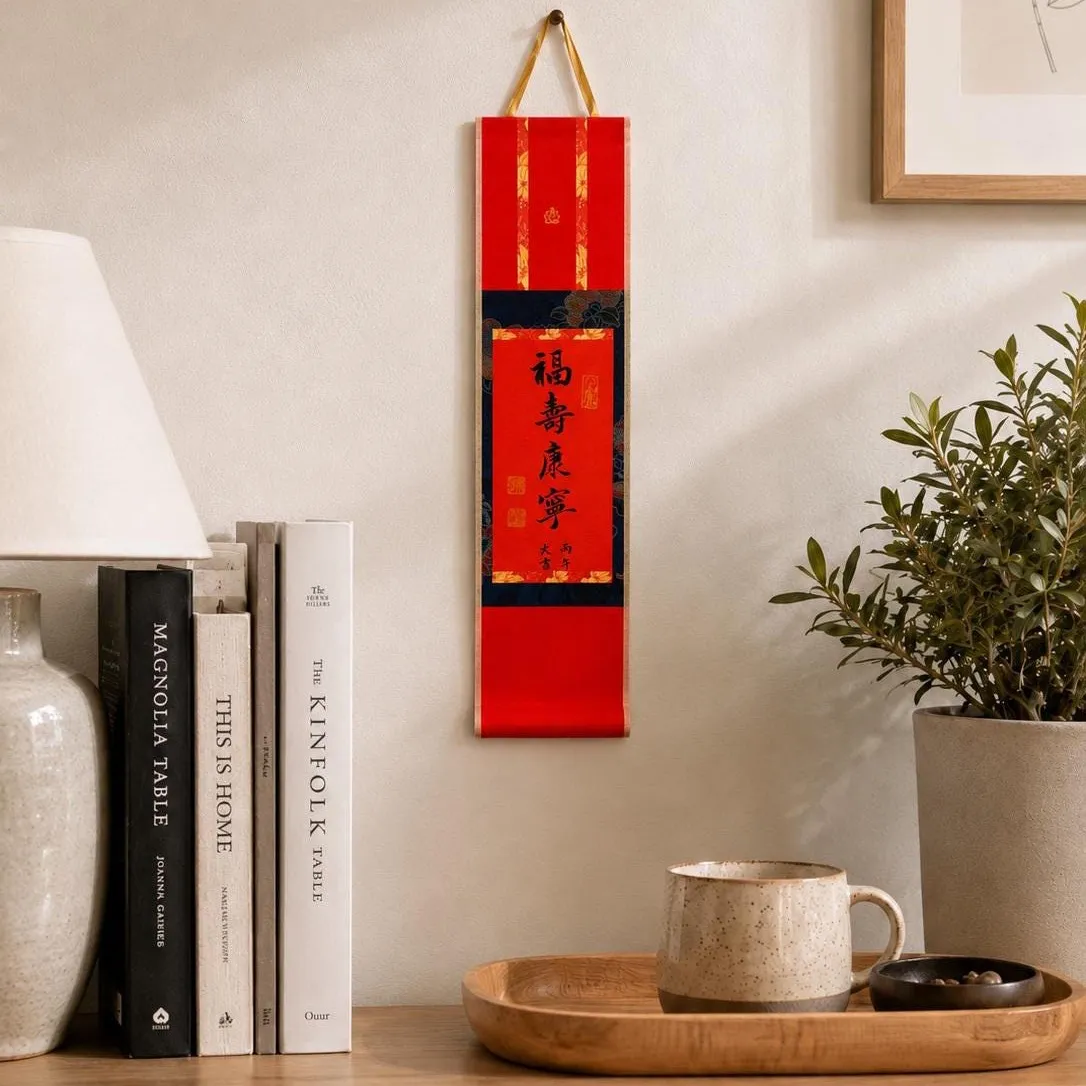
Photo shows a sample — yours will be brushed with 从容, or any character you choose.
Wall Scroll — for walls & housewarmingsfrom $38→ -
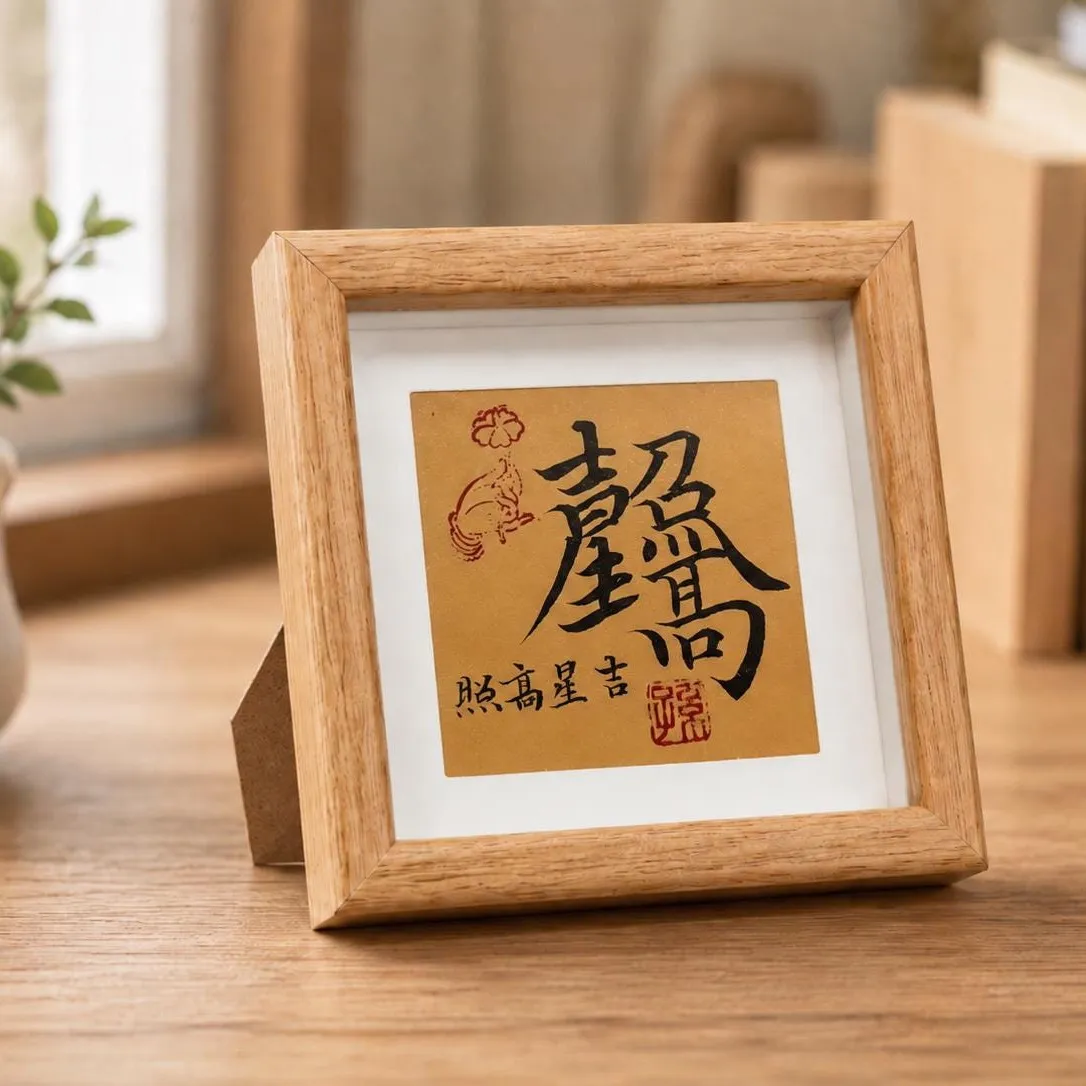
Photo shows a sample — yours will be brushed with 从容, or any character you choose.
Desk Frame — for desks, studies & studiosfrom $44→ -
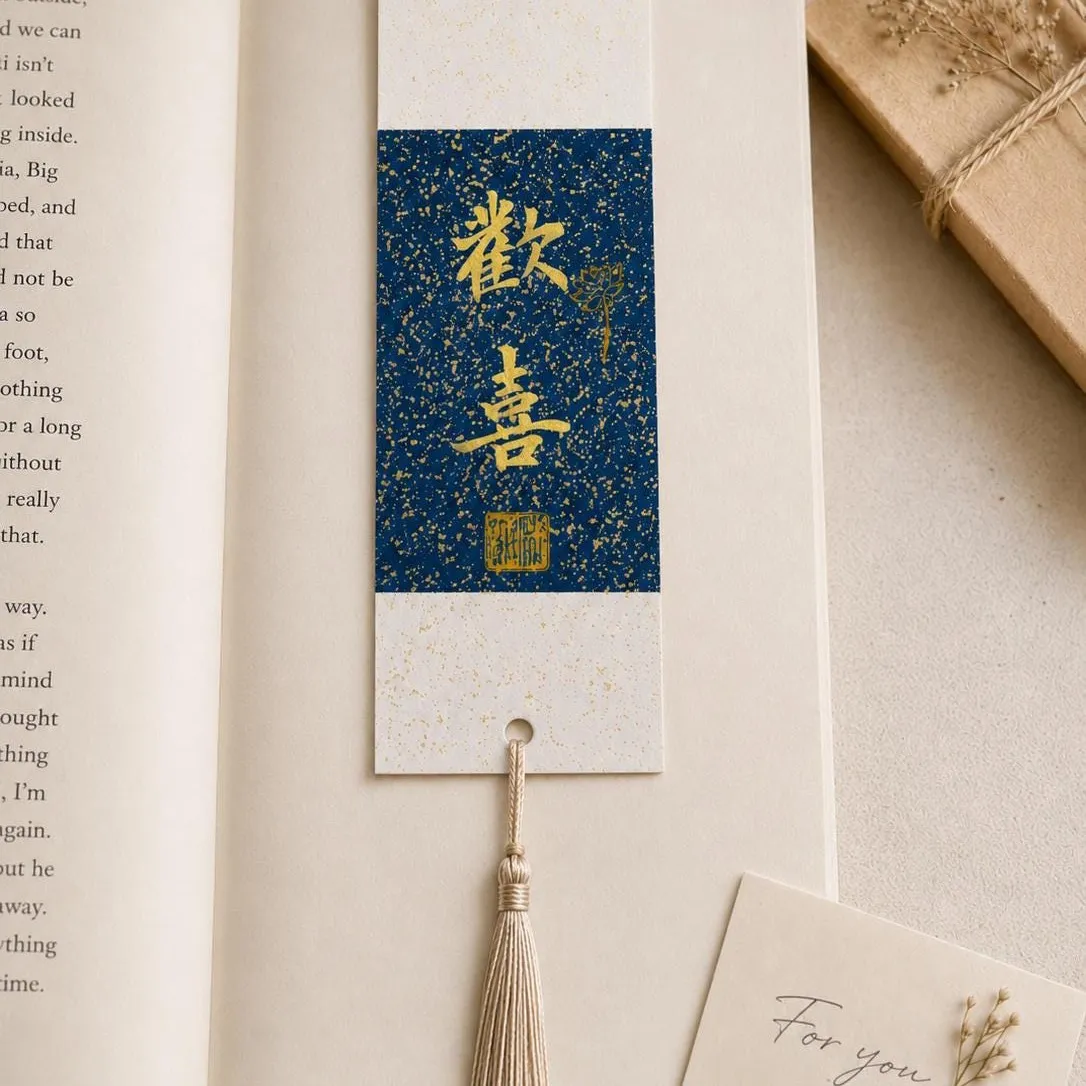
Photo shows a sample — yours will be brushed with 从容, or any character you choose.
Bookmark — for readers & small thank-yousfrom $14→
What people said after it arrived.
-
The item is fantastic. The customer service was genuine. Thanks!
— M.Verified purchase · from our Etsy shop reviews · -
They were great they gave me exactly what I asked for and then some. Thank you!!
— G.Verified purchase · from our Etsy shop reviews · -
It is well designed and customized. My daughter loves it. Amazing gift for family’s d friends
— S.Verified purchase · from our Etsy shop reviews ·
Each "从容" is hand-brushed by FuBlessings on rice paper.
See 从容 (Cóng Róng) on Etsy →