诚信 (chéng xìn) — Integrity · Sincerity Kept · Trust Made Public
A two-character word, not a single character.
Look at a shopfront long enough and the two characters turn up as a unit: 诚信经营, integrity in how we operate, painted where strangers can read it before they walk in. That is the job the compound was built for. See 诚 → is the inward match — speech beside completion, words that finish what they started. See 信 → is the person standing beside their word — trust as a record other people keep. Alone, 诚 can stay a private philosophical project and 信 can thin into credit you spend. Welded together they name something neither half covers: sincerity that has left the private register, been posted where it can be checked, and then held.
The classical line that still explains the modern use is not a soft one. 《管子》 called 诚信 the knot that holds the world — 天下之结也 — and treated it as infrastructure a state accumulates beside walls and grain. 《大学》 put 信 at the end of a five-role chain as the resting point for dealing with fellow nationals, not kin. The 《周易》 commentary kept the halves in two clauses of one sentence: trustworthiness as how virtue advances, sincerity established in wording as how one’s work is settled. Modern Chinese kept the public register. 诚实 is what a teacher writes on a report card. 信用 is what a bank scores. 真诚 is warmth in the room. 诚信 is the charter word — the account that has to be the same whoever is listening.
A hand-brushed 诚信 by FuBlessings is for the person whose word you have already used without a second check: the coworker whose estimate did not drift with the room, the friend whose promise still meant the same thing a year later, the manager whose account of the budget you could take downstairs. It also works at graduation, when the next rooms will be full of strangers and the half of the job that was not in the training is exactly this — keeping the account public and kept. This is not a warm word and it is not meant to flatter. It is what people reach for when they need to name integrity that can be inspected.
- integrity that is both inwardly matched and publicly kept
- the storefront and charter word for honesty strangers can test
- sincerity that has left the private register and entered the books
- the fastening without which agreements do not hold
- honesty 诚实 covers not lying in the moment. 诚信 names the longer public record — whether the account stayed the same across rooms and months.
- credit 信用 is usable trust capital, often financial, that can be spent and scored. 诚信 is the character of the account itself, not the balance drawn on it.
- loyalty 忠信 frames trust inside allegiance to a person or a post. 诚信 does not require a superior; it is what holds between parties who may never meet again.
- warmth 真诚 is genuineness you feel in the room. 诚信 can be cool and still hold — a contract kept, an estimate that did not drift.
The short arms are the point: these readings don’t reach it.
- 诚 sincerity — inward match of word and deedSpeech radical beside 成: words that complete what they started. The half that can stay private if left alone — alignment you could keep entirely inside.
- 信 trustworthiness — a person beside their wordPerson radical beside 言: the spoken word stood next to. The half that only exists between people, as a record others can check.
characters
- 诚实 chéng shí honest — the everyday word for not lying; the line on a character reference
- 信用 xìn yòng credit — usable trust capital, personal or financial
- 真诚 zhēn chéng genuinely sincere — warmth that is not performed
- 忠信 zhōng xìn loyalty and trustworthiness — trust framed inside allegiance
- 守信 shǒu xìn to keep one's word — guarding the trust already given
- 言而有信 yán ér yǒu xìn to speak with trust — words that can be relied on
- 磊落 lěi luò open and upright — related by sense and sharing no character with the headword; the temperament 诚信 leaves out of its public-account register
Cinnabar marks the characters 诚信 actually contains. The dark row is a relative by meaning or by sound, not one shared stroke.
The Story Behind the Character
China's first dictionary equates the two halves and then stops. 诚,信也 — sincerity means trustworthiness. 信,诚也 — trustworthiness means sincerity. The circle is the point: by 100 CE the lexicographer could not pry them apart, and he did not try. What he left unsaid is what the compound does. [See 诚 →](/library/cheng/) carries the speech radical beside 成, words that finish what they started — the inward match between intention and action. [See 信 →](/library/xin/) is a person standing beside 言, the spoken word — trust as a track record other people can check. Alone, each half can thin. 诚 can stay a private philosophical project (the Doctrine of the Mean raising it to the Way of Heaven). 信 can thin into 信用, credit you spend. Welded as 诚信, neither half is allowed to work without the other.
The compound shows up as a political and commercial knot long before it becomes a gift word. 《管子·枢言》 puts it in one sentence: 先王贵诚信。诚信者,天下之结也 — the former kings prized 诚信; 诚信 is the knot that holds the world. 结 is not a metaphor for warmth. It is the fastening without which the rope ends. The same chapter treats it as infrastructure: something a state accumulates the way it accumulates grain and walls. That register never left. Modern storefronts, company charters, and government slogans still hang 诚信 as the public name for integrity that can be inspected — not a feeling, and not a private virtue kept off the books.
What the neighbors measure is adjacent and different. 诚实 is the everyday word for not lying — the line on a character reference. 信用 is usable credit, often financial. 忠信 frames trust inside loyalty to a person or a post. 真诚 is warmth that is not performed. 诚信 is the institutional compound: sincerity that has been made public and proven, the word you reach for when both the inward match and the outward record have to be named in one breath.
Classical lines
- about a century
- c. 4th–3rd c. BCE 《管子·枢言》
- c. 3rd–2nd c. BCE 《礼记·大学》
- c. 3rd–2nd c. BCE 《周易·文言》
先王贵诚信。诚信者,天下之结也。 The former kings prized integrity. Integrity is the knot that holds the world.
结 is a fastening, not a sentiment. The chapter treats 诚信 as state infrastructure — something accumulated beside walls and grain — which is why the compound still reads as public rather than private.
为人君,止于仁;为人臣,止于敬;为人子,止于孝;为人父,止于慈;与国人交,止于信。 As a ruler, rest in benevolence; as a minister, in respect; as a son, in filial care; as a father, in kindness; in dealings with fellow nationals, rest in trust.
Five roles, five endpoints. 信 is the one named for dealing with people who are neither kin nor subordinates — the public half this compound insists on keeping.
忠信所以进德也;修辞立其诚,所以居业也。 Loyalty and trustworthiness are how virtue advances; establishing sincerity in one's wording is how one's work is settled.
One sentence holds both halves: 信 as the advance of character, 诚 as the footing of what gets said. The compound later fuses what this line still keeps as a pair of clauses.
Why This Character Matters
Walk past a Chinese shopfront long enough and 诚信经营 will turn up — integrity in how we operate — painted beside the business licence. The compound is the default public vocabulary for integrity that strangers are invited to test: company charters, supplier agreements, municipal slogan walls. That is a different register from 诚实, which is what a teacher writes on a report card, and from 信用, which is what a bank scores. 诚信 is the word that has to work when the other party has no prior friendship to lean on.
The classical knot image still explains the modern use. Once 管子 called 诚信 the fastening of the world, later political writing kept treating it as something a state or a firm either has on the books or does not. That is also why the gift is pointed rather than warm. You do not give 诚信 the way you give 喜. You give it when the accurate thing to name is the integrity you have already relied on — or the standard a graduate is about to be measured by in rooms full of strangers.
A few characters live near "诚信" but mean something quieter, sharper, or more specific. Here's how to tell them apart.
the public compound — sincerity that has been made inspectable and kept
the inward match alone — alignment of inside and outside, which can stay private
both halves required — honesty plus the record strangers can check
the relational proof alone — a person beside their word, without naming the inward source
integrity between parties who need no shared superior
the heart aimed at a person or a post — allegiance with a direction
A first workplace will test whether what someone said in the interview still matches what they do in month three.
- A first workplace will test whether what someone said in the interview still matches what they do in month three. 诚 alone names the inward match; 信 alone names the record others keep. 诚信 is the welded word schools put on banners and firms put in charters — sincerity that has already been made public and has to hold under strangers' eyes. Given at graduation it is not a compliment about talent. It is a note about the half of the job that was not in the training: keeping the account the same whoever is listening.
- A birthday can praise warmth (真诚) or count the years. 诚信 credits something quieter and already shown: the person whose word did not need a second check, whose estimate did not drift with the room, whose name on a promise still means the same thing a year later. For a coworker, a friend, or a manager when the accurate gift is the integrity you have already used, not a forecast of character.
Looking for a name? See Western names written in Chinese →
-
What does 诚信 (chéng xìn) mean?
诚信 (chéng xìn) is a two-character Chinese word for integrity, sincerity kept, trust made public. Look at a shopfront long enough and the two characters turn up as a unit: 诚信经营, integrity in how we operate, painted where strangers can read it before they walk in. That is the job the compound was built for. See 诚 → is the inward match — speech beside completion, words that finish what they started. See 信 → is the person standing beside their word — trust as a record other people keep. Alone, 诚 can stay a private philosophical project and 信 can thin into credit you spend. Welded together they name something neither half covers: sincerity that has left the private register, been posted where it can be checked, and then held. Walk past a Chinese shopfront long enough and 诚信经营 will turn up — integrity in how we operate — painted beside the business licence. The compound is the default public vocabulary for integrity that strangers are invited to test: company charters, supplier agreements, municipal slogan walls. That is a different register from 诚实, which is what a teacher writes on a report card, and from 信用, which is what a bank scores. 诚信 is the word that has to work when the other party has no prior friendship to lean on.
-
What occasions is 诚信 given for?
诚信 is traditionally given for Graduation, Birthday. A first workplace will test whether what someone said in the interview still matches what they do in month three. 诚 alone names the inward match; 信 alone names the record others keep. 诚信 is the welded word schools put on banners and firms put in charters — sincerity that has already been made public and has to hold under strangers' eyes. Given at graduation it is not a compliment about talent. It is a note about the half of the job that was not in the training: keeping the account the same whoever is listening. A birthday can praise warmth (真诚) or count the years. 诚信 credits something quieter and already shown: the person whose word did not need a second check, whose estimate did not drift with the room, whose name on a promise still means the same thing a year later. For a coworker, a friend, or a manager when the accurate gift is the integrity you have already used, not a forecast of character.
-
Who brushes the 诚信 calligraphy?
FuBlessings hand-brushes each 诚信 (Chéng Xìn) to order, in ink on rice paper — never printed, never repeated.
Bring 诚信 home — choose how you'd like it brushed.
-
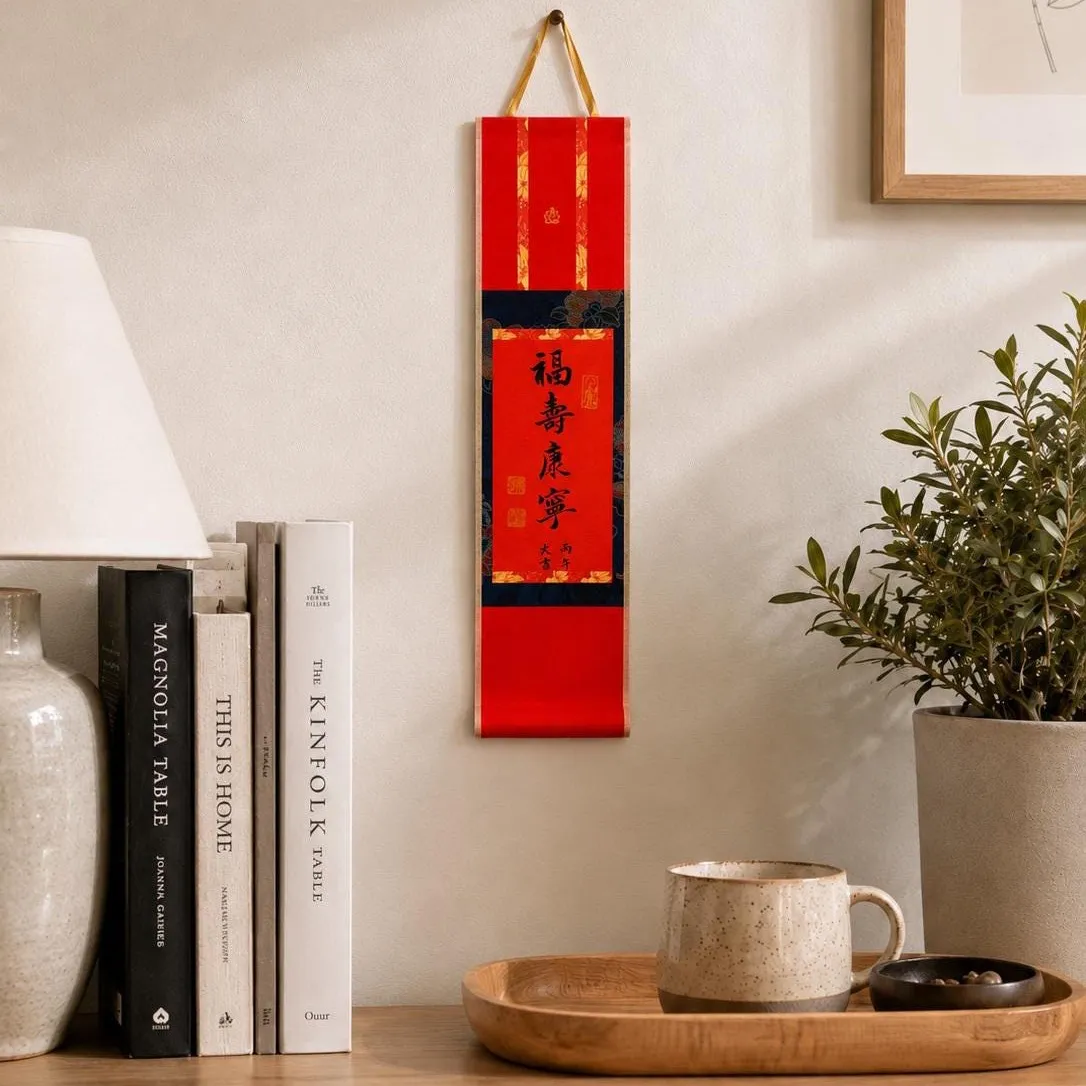
Photo shows a sample — yours will be brushed with 诚信, or any character you choose.
Wall Scroll — for walls & housewarmingsfrom $38→ -
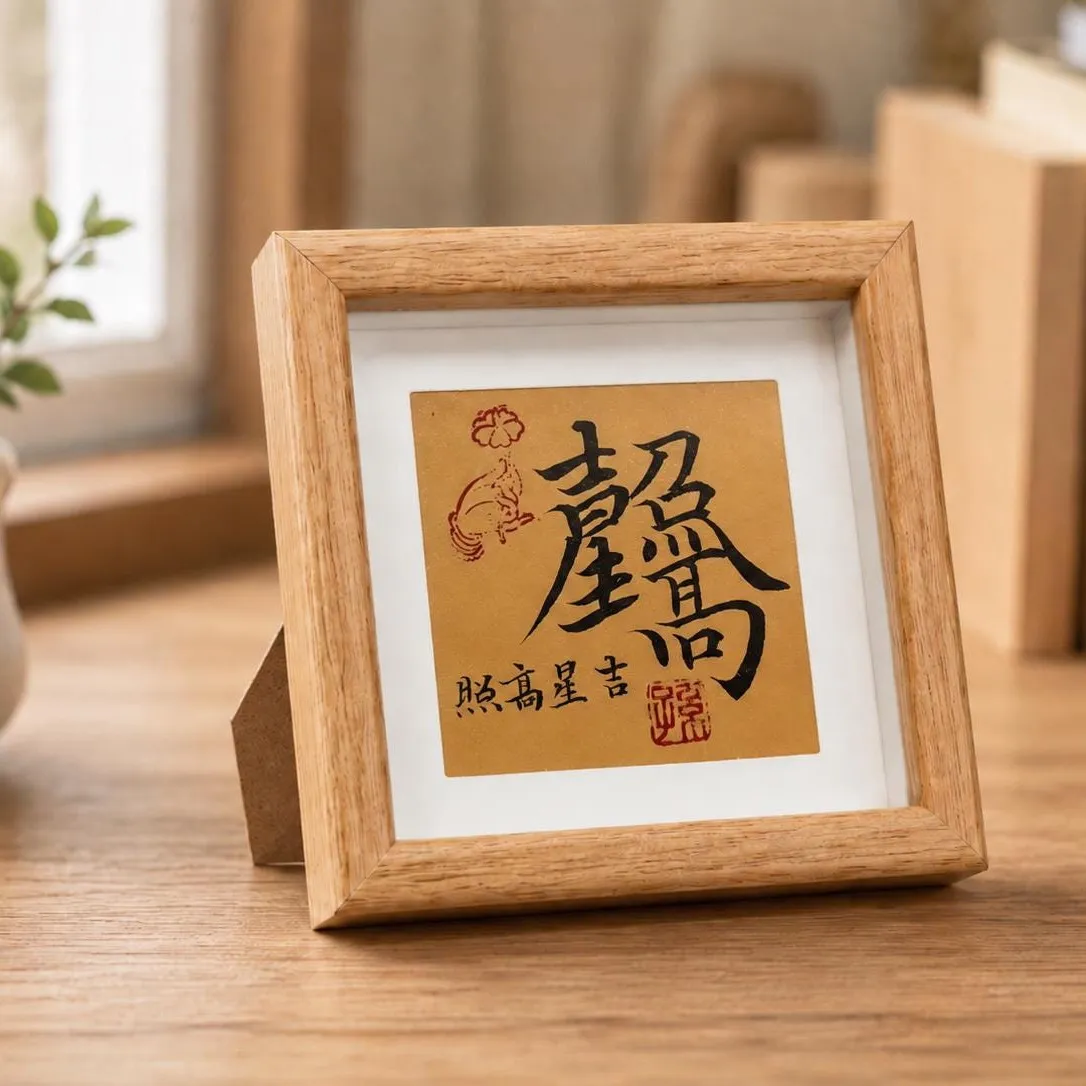
Photo shows a sample — yours will be brushed with 诚信, or any character you choose.
Desk Frame — for desks, studies & studiosfrom $44→ -
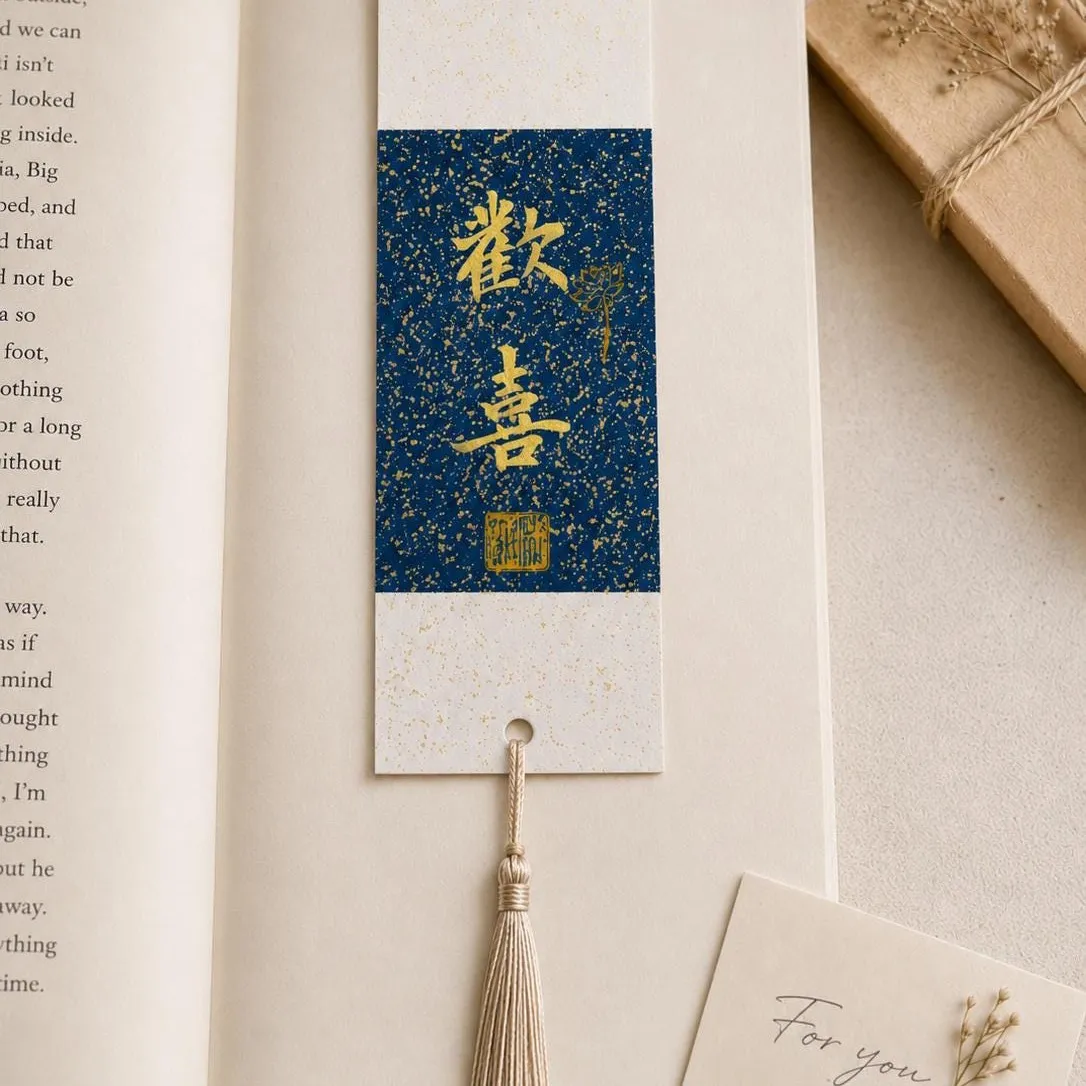
Photo shows a sample — yours will be brushed with 诚信, or any character you choose.
Bookmark — for readers & small thank-yousfrom $14→

What people said after it arrived.
-
The item is fantastic. The customer service was genuine. Thanks!
— M.Verified purchase · from our Etsy shop reviews · -
They were great they gave me exactly what I asked for and then some. Thank you!!
— G.Verified purchase · from our Etsy shop reviews · -
It is well designed and customized. My daughter loves it. Amazing gift for family’s d friends
— S.Verified purchase · from our Etsy shop reviews ·
Each "诚信" is hand-brushed by FuBlessings on rice paper.
See 诚信 (Chéng Xìn) on Etsy →