白头偕老 (bái tóu xié lǎo) — Grow Old Together · White Hair Side by Side · Lifelong Companionship
A 4-character phrase, not a single character.
White hair is the part of a marriage wish you can check without opening a calendar. 白头偕老 puts that check into four characters: 白头 names the visible mark of age, and 偕老 asks that two people reach it side by side. The Ministry’s idiom dictionary does not pretend the compound fell out of one ready-made classical line; it joins a Han Yuefu wish about white hair to a Book of Songs vow about growing old together. What the living phrase keeps is the body as evidence. See 天长地久 → measures love against sky and earth. This one measures it against two heads in the same room.
In ordinary speech the four characters are first a wedding congratulation — guests saying may you still be there when the hair is white — and they return, unchanged, at the anniversaries where the hair has begun to answer. Moedict’s English gloss is plain: a married couple living together until old age, lifelong companions. Ming drama already treats the fixed form as household talk (我与你母亲白头偕老). Against 百年好合 on the same banner set, the ask is narrower and harder to fake: not whether the union stayed good across a counted century, only whether both people got old in each other’s company.
A hand-brushed “白头偕老” by Artist Lina Sun suits the wedding guest who wants the plain body-level blessing on the table, the anniversary that can finally point at white in the hair, or the husband, wife, or new couple for whom the far end of the marriage should be named without dragons, moons, or a hundred-year scoreboard. It does not promise how the years will feel. It asks that when age writes itself on both heads, they are still writing it in the same house.
- a married couple living together into old age — Moedict's head sense
- the wedding toast that names white hair as the visible far end
- a two-person outcome: both still there when age shows
- the banner-set neighbour of 百年偕老, with the body written in
- forever Forever steps outside time. 白头偕老 stays inside a human body: it ends when hair goes white and two people are still together, not when the cosmos does.
- a hundred years of good union That is 百年好合 — a counted span plus a quality claim about the 合. This phrase drops the count and the quality adjective; it asks only that both reach white hair together.
- one person's lasting feeling 长情 can be said of one subject with nobody else in the sentence. 偕老 cannot: the 偕 keeps the second person obligatory.
- rescue through a hard year 相濡以沫 needs a drought before it means anything. 白头偕老 needs only elapsed life and two people still in the same room; a quiet marriage can earn it.
The short arms are the point: these readings don’t reach it.
- 白头 white hair白 is the colour; 头 is the head that shows it. In this compound the pair is the visible mark of age, not a count of years. The Ministry glosses 白头 as white hair and traces it to 《白头吟》.
- 偕老 grow old together偕 means jointly, with the other person kept in the grammar; 老 is the arriving at old age. Taken from 《女曰鸡鸣》's 与子偕老. Alone it asks for shared longevity; beside 白头 it asks that the longevity leave a mark you can see on both heads.
characters
- 白头到老 bái tóu dào lǎo the everyday variant the dictionaries mark as 也作 — same white hair, plainer verb
- 百年偕老 bǎi nián xié lǎo grow old together across a hundred years — the banner neighbour that counts the span without naming the hair
- 白头相守 bái tóu xiāng shǒu keep watch with white hair — near-synonym stressing staying rather than arriving
- 海枯石烂 hǎi kū shí làn till the seas dry and the rocks crumble — related by sense, shares no character; ends the vow when the world ends rather than when hair turns
Cinnabar marks the characters 白头偕老 actually contains. The dark row is a relative by meaning or by sound, not one shared stroke.
The Story Behind the Character
The Ministry's idiom dictionary builds the phrase from two older pieces, not from a single classical line that already reads 白头偕老. 白头 — white hair — is taken from the Han Yuefu poem 《白头吟》, whose wish-line is 愿得一心人,白头不相离: may I find one wholehearted person, and stay with white hair and never part. That poem is a rejection poem, not a wedding toast; what later speech kept is the image of white hair as the proof that two people stayed. 偕老 — grow old together — is taken from 《诗经·郑风·女曰鸡鸣》, where a couple at ease over wine says 宜言饮酒,与子偕老. The Book of Songs line is domestic and forward-looking; it does not yet need the white-hair marker.
Once the two halves fuse, the living four-character form does a job neither half does alone. 白头 supplies a visible check you can take without opening a calendar. 偕 supplies the grammar that needs two people: 偕老 is not something one person can predicate of themselves the way 长情 can. Moedict glosses the compound as a married couple living together until old age — lifelong companions — and cites Ming drama already using the fixed form as ordinary speech: 我与你母亲白头偕老.
Against the near neighbour on the wedding banner, the split is sharp. 百年偕老 asks that the years run out side by side. 白头偕老 keeps 偕老 and adds the body as evidence: the wish is not only that time passed together, but that you can see it did.
Classical lines
- roughly 700 years
- c. 600 BCE 《诗经·郑风·女曰鸡鸣》
- c. 1st c. BCE 苏武《留别妻》
- c. 1st–2nd c. CE 乐府古辞《白头吟》
愿得一心人,白头不相离。 May I find one wholehearted person
white hair, and never part. — The wish-line the Ministry's idiom dictionary cites for the 白头 half of this phrase. The poem around it is a woman ending a faithless match; what later wedding speech kept is not the betrayal plot but the image: white hair as the mark that two people stayed.
宜言饮酒,与子偕老。 When the wine is right, drink
and grow old with you. — The Ministry's source for the 偕老 half: an ordinary morning in a household already at ease. The same poem's next line, 琴瑟在御,莫不静好, is quoted elsewhere in this library; what this page needs is the vow of growing old together, still without the white-hair marker.
结发为夫妻,恩爱两不疑。 We bound our hair and became husband and wife
love on both sides, and neither doubted. — Su Wu's farewell line naming the marriage from its first tying of hair. 结发 is the beginning of the same life 白头 names at the far end; the line holds the two-person grammar this phrase will later require.
Why This Character Matters
Today the phrase is first a wedding congratulation. The Ministry's usage notes put it squarely on 恩爱终生 speech — guests blessing a new couple, lovers promising each other, families hoping the marriage holds to old age — and lists 白头到老 as the everyday variant. Calligraphy gifts and red banners still reach for it because four characters name a complete arc without decorating it: no dragon, no moon, no counted century, only the hair and the togetherness.
The phrase also survives the years after the ceremony. At a long anniversary the same four characters change tense without changing wording: what was asked for at the wedding can be pointed at in the room. That double use is why it sits beside 百年好合 on the traditional banner set without being redundant — one asks about the quality of the union across a counted span; this one asks whether both people are still there when age has written itself on their heads.
A few characters live near "白头偕老" but mean something quieter, sharper, or more specific. Here's how to tell them apart.
Names white hair and togetherness — a body-level check with no quality adjective.
Names a hundred-year span and asks that the union itself stay good — count plus quality.
Measures the marriage against two aging heads in one room.
Measures the marriage against sky and earth still running — a comparison at cosmic scale.
Requires two people in the grammar before it means anything.
Takes one subject and reports how long a feeling has already run.
At a Chinese wedding this is one of the stock blessings guests still say out loud: may the two of you still be there when the hair has gone white.
- At a Chinese wedding this is one of the stock blessings guests still say out loud: may the two of you still be there when the hair has gone white. Unlike 花好月圆, which names the evening as complete, or 缘, which points backward at how they met, 白头偕老 points past the ceremony to a body-level check — two heads, same colour, same room.
- An anniversary is the first day the phrase can be measured against evidence rather than hope. If both partners are still in the room with white in the hair, the four characters are no longer only a wish — they name what the years already show. That is why the same toast returns at silver and golden weddings without sounding premature.
Husband · Wife · New Couple · or yourself
Looking for a name? See Western names written in Chinese →
-
What does 白头偕老 (bái tóu xié lǎo) mean?
白头偕老 (bái tóu xié lǎo) is a 4-character Chinese phrase for grow old together, white hair side by side, lifelong companionship. White hair is the part of a marriage wish you can check without opening a calendar. 白头偕老 puts that check into four characters: 白头 names the visible mark of age, and 偕老 asks that two people reach it side by side. The Ministry's idiom dictionary does not pretend the compound fell out of one ready-made classical line; it joins a Han Yuefu wish about white hair to a Book of Songs vow about growing old together. What the living phrase keeps is the body as evidence. See 天长地久 → measures love against sky and earth. This one measures it against two heads in the same room. Today the phrase is first a wedding congratulation. The Ministry's usage notes put it squarely on 恩爱终生 speech — guests blessing a new couple, lovers promising each other, families hoping the marriage holds to old age — and lists 白头到老 as the everyday variant. Calligraphy gifts and red banners still reach for it because four characters name a complete arc without decorating it: no dragon, no moon, no counted century, only the hair and the togetherness.
-
What occasions is 白头偕老 given for?
白头偕老 is traditionally given for Wedding, Anniversary. At a Chinese wedding this is one of the stock blessings guests still say out loud: may the two of you still be there when the hair has gone white. Unlike 花好月圆, which names the evening as complete, or 缘, which points backward at how they met, 白头偕老 points past the ceremony to a body-level check — two heads, same colour, same room. An anniversary is the first day the phrase can be measured against evidence rather than hope. If both partners are still in the room with white in the hair, the four characters are no longer only a wish — they name what the years already show. That is why the same toast returns at silver and golden weddings without sounding premature.
-
Who brushes the 白头偕老 calligraphy?
Each 白头偕老 (Bái Tóu Xié Lǎo) is hand-brushed to order by Artist Lina Sun in ink on rice paper — never printed, never repeated.
Bring 白头偕老 home — choose how you'd like it brushed.
-
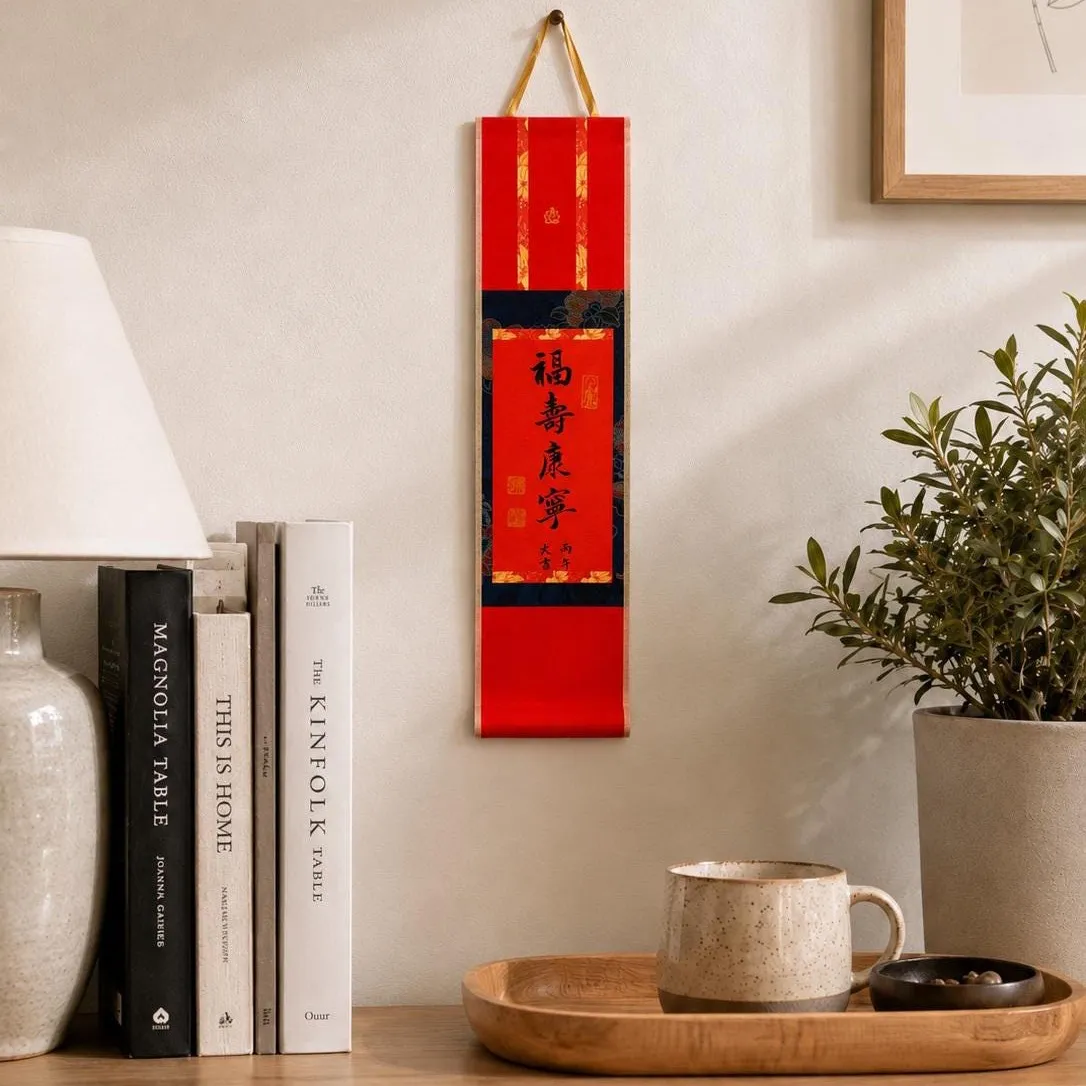
Photo shows a sample — yours will be brushed with 白头偕老, or any character you choose.
Wall Scroll — for walls & housewarmingsfrom $38→ -
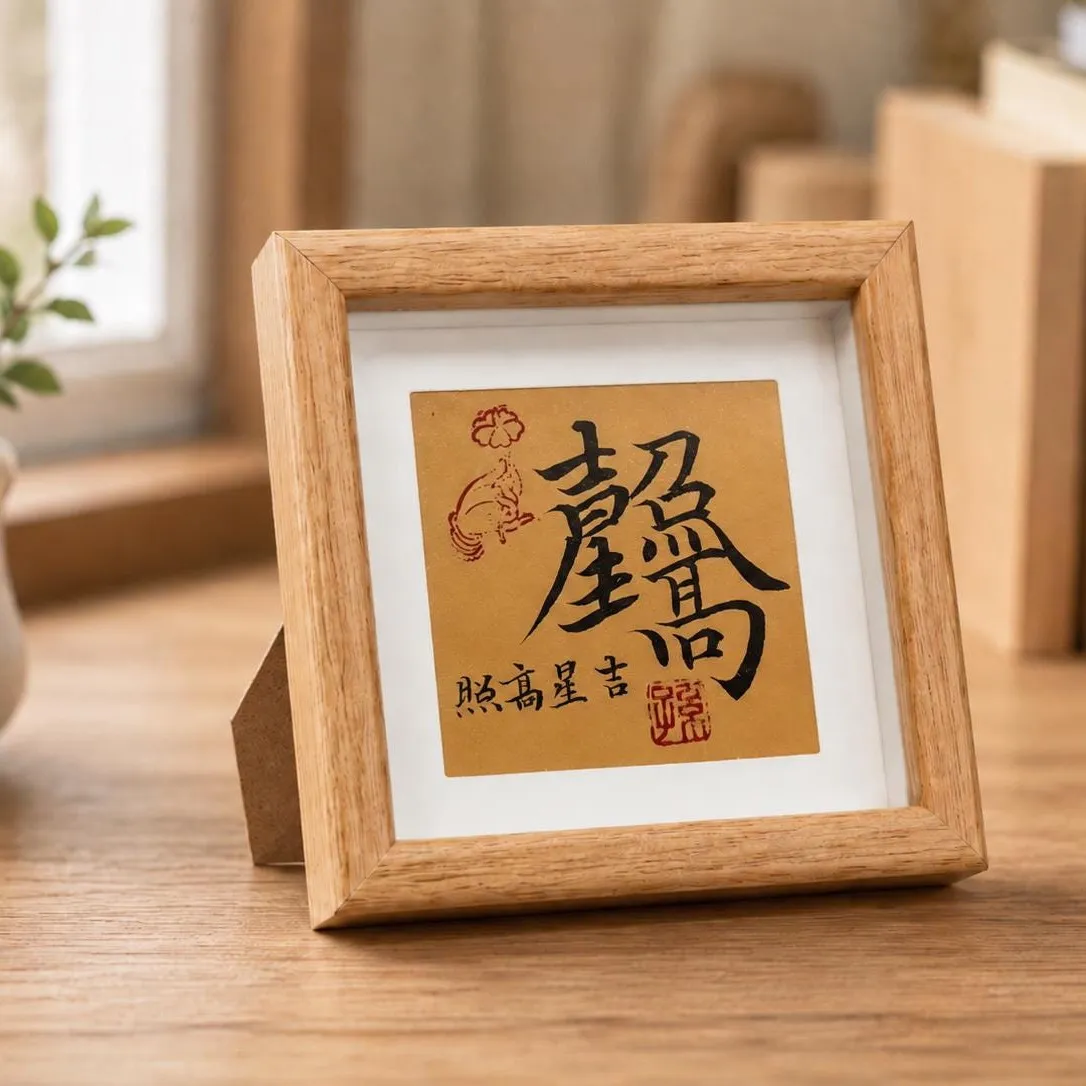
Photo shows a sample — yours will be brushed with 白头偕老, or any character you choose.
Desk Frame — for desks, studies & studiosfrom $44→ -
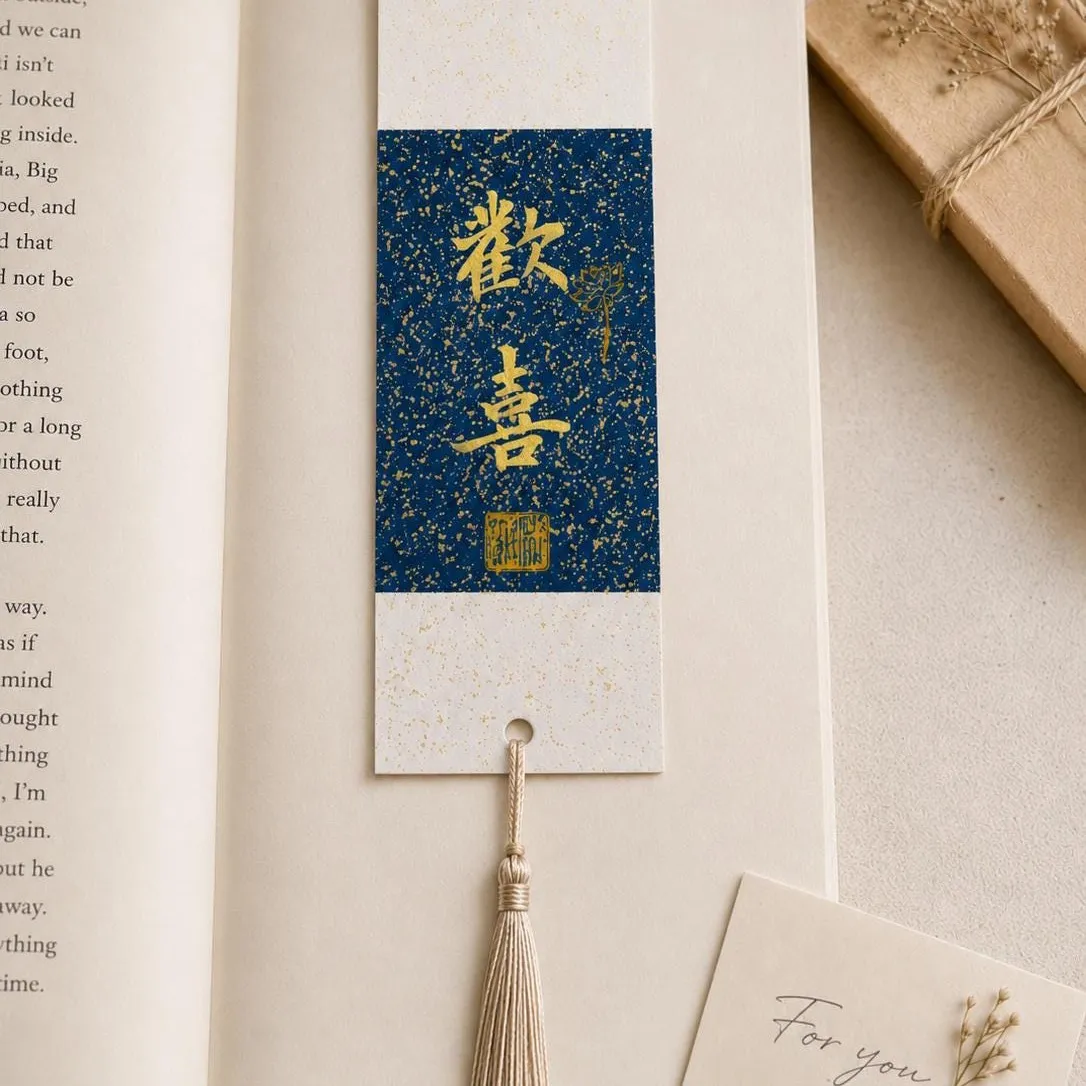
Photo shows a sample — yours will be brushed with 白头偕老, or any character you choose.
Bookmark — for readers & small thank-yousfrom $17→
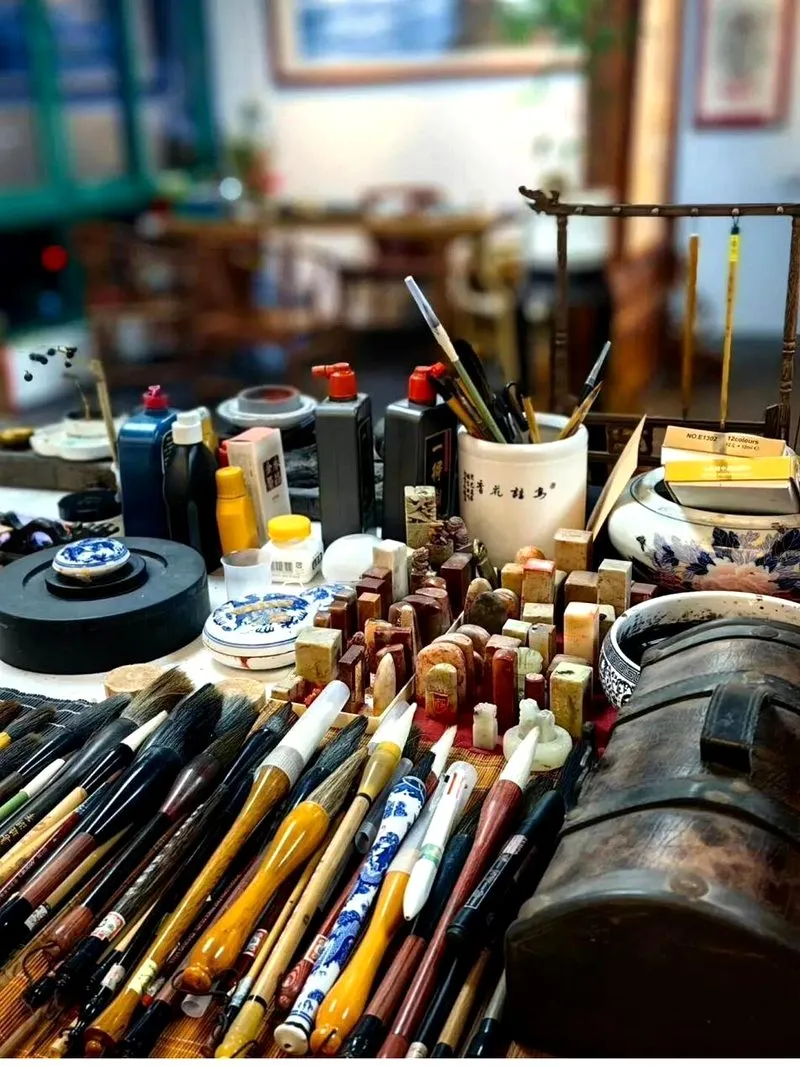
What people said after it arrived.
-
The item is fantastic. The customer service was genuine. Thanks!
— M.Verified purchase · from our Etsy shop reviews · -
They were great they gave me exactly what I asked for and then some. Thank you!!
— G.Verified purchase · from our Etsy shop reviews · -
It is well designed and customized. My daughter loves it. Amazing gift for family’s d friends
— S.Verified purchase · from our Etsy shop reviews ·
Each "白头偕老" is hand-brushed by Artist Lina Sun on rice paper.
See 白头偕老 (Bái Tóu Xié Lǎo) on Etsy →