安好 (ān hǎo) — Safe and Well · All Is Well
A two-character word, not a single character.
Open a Chinese letter and the last line is often two characters on their own row: 安好. 敬祝安好, 即颂安好, 顺祝安好 — the verbs change with how formal the sender is feeling, and the noun stays. That is the scale of this pair. It does not inventory a year. It does not name a career or a harvest. It asks, or wishes, or reports, the shortest honest thing one person can say about another: that they are safe, and that they are well. Speakers stack it when they want the full version — 一切安好, everything all right; 一家安好, the whole household — and they reach for the antonym 欠安 when the polite fact is that someone is not.
The first character is the library’s 安, the woman under a roof. See 安 → Alone it can mean a settled household, an unharmed traveler, or, in 安心, a worry taken off someone else’s watch. Here it pairs with 好, fine and well, and the combination is more than safety. 平安 watches for danger. 安康 puts the body beside peace. 安好 answers the doorstep question the Book of Rites already has King Wen asking three times a day — 今日安否何如, how is he today — and adds that the answer should be positively good, not merely unbroken. By the Qing novel the Ministry dictionary cites, Bao Zheng can 请了父母的安好 in one breath: the two characters have become one word for a person’s whole current state.
A hand-brushed 安好 by Artist Lina Sun is for the person whose news you most want to be that they are all right: the friend in another city, the mother you text more than you see, the grandparent at the far end of a New Year call. It is letter vocabulary, and on its own it reads warm and modest rather than ceremonial. If you want the fuller household wording people put on cards, ask for 一切安好 or 一家安好.
- safe and well
- all is well — the short report
- the letter's closing wish
- nothing wrong, and positively fine
- safe 平安 covers unharmed passage. 安好 adds that the person is well, not merely untouched — which is why 一切安好 is a fuller report than 平安 alone.
- healthy That leans toward 安康 and 健康, where the body is the subject. 安好 can include health, but its everyday job is the whole current state, including mood and household.
- peace of mind That is closer to 安心 — a worry set down, usually by someone else. 安好 is a condition reported or wished, not a transaction that takes a watcher off duty.
- serene Serene drifts toward bearing and atmosphere (see 安详). 安好 stays ordinary and epistolary: are you all right?
The short arms are the point: these readings don’t reach it.
- 安 safe, unharmedThe woman under a roof: settled, left alone by trouble. In this pair it is the first half of the clearance report — nothing has gone wrong — not the transitive settling of someone else's worry (that is 安心) and not a medical half (that is 安康).
- 好 in good shapeShuowen's 美也, fine and well. There is no library page for 好 alone. Here it lifts the pair past mere absence of harm: the person is not only safe, they are actually well.
characters
- 一切安好 yī qiè ān hǎo everything is well — the fullest everyday report
- 敬祝安好 jìng zhù ān hǎo with respectful wishes that you are well — the stock letter close
- 一家安好 yī jiā ān hǎo may the whole household be well — common New Year and family wording
- 身体安好 shēn tǐ ān hǎo may the body be well — when the wish narrows to health
- 欠安 qiàn ān unwell — the Ministry dictionary's antonym; polite for someone not in good health
- 报平安 bào píng ān to send word that one is safe — the older travel telegram; related in job, different in wording
- 别来无恙 bié lái wú yàng I trust you have been well since we parted — a relative by sense that shares no character with 安好
Cinnabar marks the characters 安好 actually contains. The dark row is a relative by meaning or by sound, not one shared stroke.
The Story Behind the Character
Before 安好 was a compound you could hang on a wall, Chinese already had a daily ritual for asking the first half of it. In the Book of Rites chapter on King Wen as heir, the young Wen goes three times a day to his father Viceroy Ji's door and asks the attendant the same question: 今日安否何如 — how is he today, is he well? The answer he wants is one character long — 安 — and when he hears it he is glad; when he hears that the day is not 安, his face changes and he cannot walk straight. The rite that later manuals call 问安视膳 — ask after the calm, then watch the meals — is built on that doorstep question. What it does not yet have is 好.
好 supplies the second half. The Shuowen Jiezi (c. 100 CE) defines it as 美也, fine, good, and the graph is a woman beside a child: something that has come out well. Put next to 安, the pair stops being only about the absence of harm. 安 alone can mean a household that is settled, a person left unharmed, or a worry set down for someone else (that last reading is the library's 安心). 好 says the condition is not merely unbroken — it is positively well. The Taiwan Ministry of Education dictionary keeps the modern gloss in four characters: 平安無恙, safe and without illness. Its book-proof is a Qing novel line in which Bao Zheng, meeting three nephews, 请了父母的安好 — asked after his parents' being well — and then inquired after his brothers and sisters-in-law's daily routine. By then the two characters are already one word, and the thing being asked after is a person's whole current state, not a single organ or a single day of calm.
Letter closings finished the job. 敬祝安好, 即颂安好, 顺祝安好 — the stock endings of modern Chinese letters put the pair where an earlier age put 安胜, 近祺, or 金安: at the foot of the page, after the news, as the last thing said. Lu Xun, writing to Wei Suyuan on 2 February 1931 while rumors of his arrest were spreading north, used it as a plain report rather than a wish: 景宋也安好的,但忙于照看小孩 — Jing Song is well too, only busy looking after the child. That is the living grammar. 安好 can be asked (are they well?), wished (may you be well), or reported (they are well). A brushed scroll keeps the wish form, and keeps the letter's scale: short, everyday, and aimed at a person rather than at a year of outcomes.
Classical lines
- roughly 2,100 years
- c. 200 BCE 《礼记·文王世子》
- c. 1879 石玉昆《三侠五义》第四十七回
- 1931 鲁迅《书信集·致韦素园》
今日安否何如? How is he today
is he well? — The question King Wen asks the door attendant three times a day before he will go in to his father. The answer he wants is 安; when the day is not 安, his face falls and his steps go wrong. The compound 安好 is later, but this is the rite the first half still answers.
请了父母的安好,候了兄嫂的起居。 He asked after his parents' being well, and inquired after his brothers and sisters-in-law's daily routine.
Bao Zheng has just met three nephews who have come to the capital for his birthday. The Ministry dictionary's book-proof for the compound: 安好 is already one word, and it is what you ask about parents before you ask about anyone else's ordinary day.
景宋也安好的,但忙于照看小孩。 Jing Song is well too, only busy looking after the child.
Written on 2 February 1931 while rumors of Lu Xun's arrest were spreading to the north, and the household had moved. 景宋 is Xu Guangping; 安好 here is not a New Year wish but a report to a worried friend: she is all right.
Why This Character Matters
Speakers reach for 安好 when the update needed is the shortest honest one. 一切安好, 身体安好, 一家安好 — the common frames all answer the same question: is anything wrong? The Taiwan Ministry's concise dictionary gives the everyday example 离家多年,他不知家中是否一切安好, away from home for years, he does not know whether everyone there is still all right. That is why the word sits so naturally at the end of a letter and at the start of a New Year visit. It is not a ranking of blessings, and it is not a medical chart. It is the clearance report before anything else gets said.
Buyers should know what the pair is not. It is not 平安, which watches for danger on the road and at the door. It is not 安康, which puts health beside peace and is the warmer choice when the body is the real subject. It is not 安心, which is something one person does for another person's worry. And it is not 安详, which names a composed bearing and also appears in obituaries for a peaceful death — 安好 has no funeral register of that kind; searches of 讣告 and 挽联 turn up 安息 and 安详, not this pair. A bare 安好 on a scroll reads as the letter close it comes from: warm, modest, and clear. If you want the fuller household wording, 一切安好 or 一家安好 says the same thing at greeting length.
A few characters live near "安好" but mean something quieter, sharper, or more specific. Here's how to tell them apart.
safe and well as a single everyday report
settled peace — the roof-and-woman character on its own
safe and positively well
unharmed passage — danger kept off the road and the door
the short whole-state wish, letter-scale
peace plus health — the body is named as a half of the gift
a condition wished or reported about someone
a worry set down — usually done for a parent by a grown child
At the door on New Year's visits the first thing said is usually a health sentence for whoever is oldest, and the written form of that sentence is often 安好 — 敬祝安好 at the foot of a card, or 一家安好 when the wish covers the whole household.
- At the door on New Year's visits the first thing said is usually a health sentence for whoever is oldest, and the written form of that sentence is often 安好 — 敬祝安好 at the foot of a card, or 一家安好 when the wish covers the whole household. 平安 asks that the year leave people unharmed. 安康 adds the body. 安好 asks for both safety and that things are actually going well, which is why speakers stack it as 一切安好 when they mean the full report. For the friend, mother, or grandparent you will not see every week of the new year, and whose first news you want to be that they are all right.
- A birthday text can wish a person luck, years, or a smooth road, and still leave the plainest question unasked: are you well? 安好 is that question turned into a wish. It does not invent a milestone, and it does not score the year by outcomes. It asks that the person be safe and in good shape — the same two characters people write at the end of a letter when they have nothing larger to say and nothing smaller would do. For the friend, mother, or grandparent whose birthday is not a ceremony, where the kindest gift is the short hope that they are all right.
Friend · Mom · Grandparent · or yourself
Looking for a name? See Western names written in Chinese →
-
What does 安好 (ān hǎo) mean?
安好 (ān hǎo) is a two-character Chinese word for safe and well, all is well. Open a Chinese letter and the last line is often two characters on their own row: 安好. 敬祝安好, 即颂安好, 顺祝安好 — the verbs change with how formal the sender is feeling, and the noun stays. That is the scale of this pair. It does not inventory a year. It does not name a career or a harvest. It asks, or wishes, or reports, the shortest honest thing one person can say about another: that they are safe, and that they are well. Speakers stack it when they want the full version — 一切安好, everything all right; 一家安好, the whole household — and they reach for the antonym 欠安 when the polite fact is that someone is not. Speakers reach for 安好 when the update needed is the shortest honest one. 一切安好, 身体安好, 一家安好 — the common frames all answer the same question: is anything wrong? The Taiwan Ministry's concise dictionary gives the everyday example 离家多年,他不知家中是否一切安好, away from home for years, he does not know whether everyone there is still all right. That is why the word sits so naturally at the end of a letter and at the start of a New Year visit. It is not a ranking of blessings, and it is not a medical chart. It is the clearance report before anything else gets said.
-
What occasions is 安好 given for?
安好 is traditionally given for Chinese New Year, Birthday. At the door on New Year's visits the first thing said is usually a health sentence for whoever is oldest, and the written form of that sentence is often 安好 — 敬祝安好 at the foot of a card, or 一家安好 when the wish covers the whole household. 平安 asks that the year leave people unharmed. 安康 adds the body. 安好 asks for both safety and that things are actually going well, which is why speakers stack it as 一切安好 when they mean the full report. For the friend, mother, or grandparent you will not see every week of the new year, and whose first news you want to be that they are all right. A birthday text can wish a person luck, years, or a smooth road, and still leave the plainest question unasked: are you well? 安好 is that question turned into a wish. It does not invent a milestone, and it does not score the year by outcomes. It asks that the person be safe and in good shape — the same two characters people write at the end of a letter when they have nothing larger to say and nothing smaller would do. For the friend, mother, or grandparent whose birthday is not a ceremony, where the kindest gift is the short hope that they are all right.
-
Who brushes the 安好 calligraphy?
Each 安好 (Ān Hǎo) is hand-brushed to order by Artist Lina Sun in ink on rice paper — never printed, never repeated.
Bring 安好 home — choose how you'd like it brushed.
-
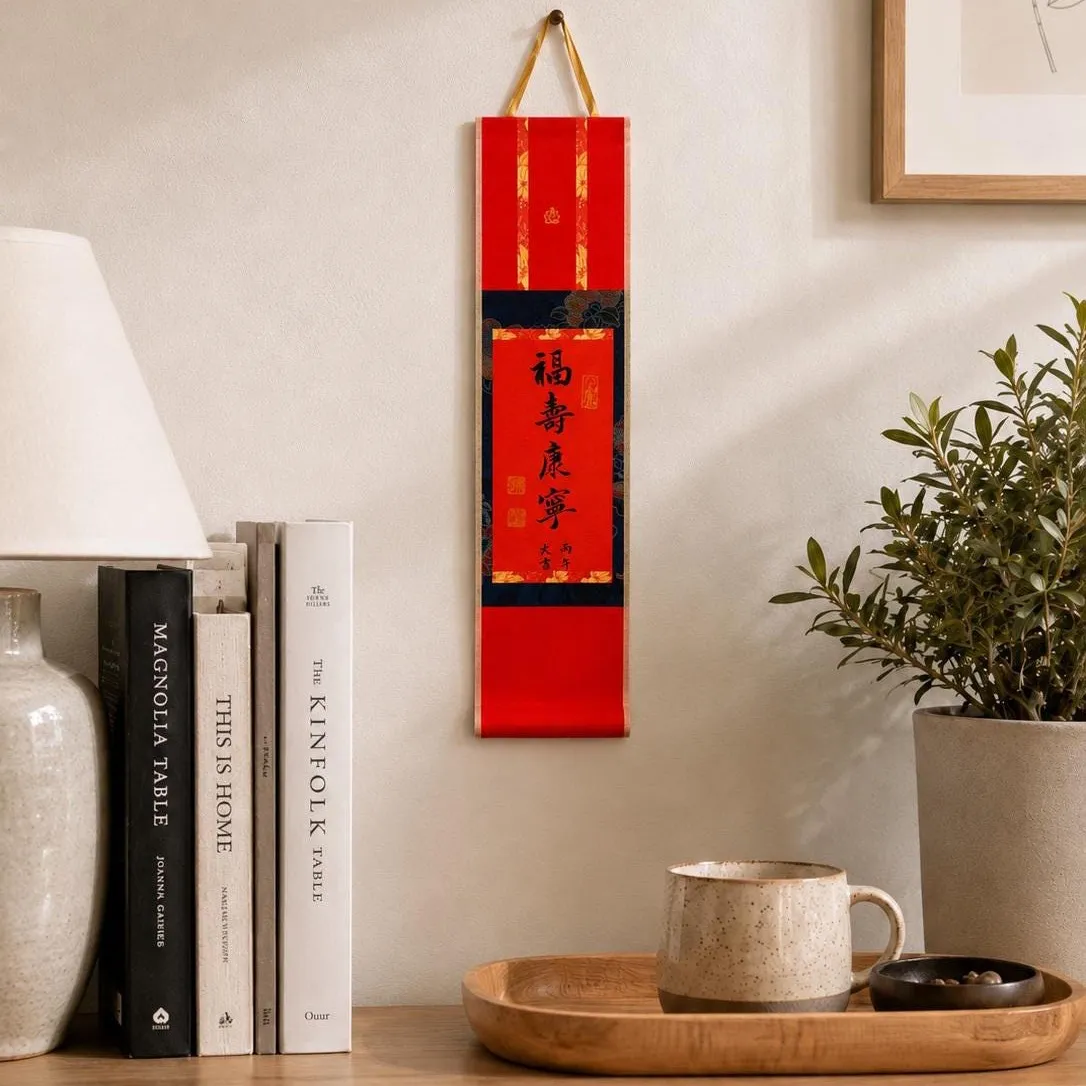
Photo shows a sample — yours will be brushed with 安好, or any character you choose.
Wall Scroll — for walls & housewarmingsfrom $38→ -
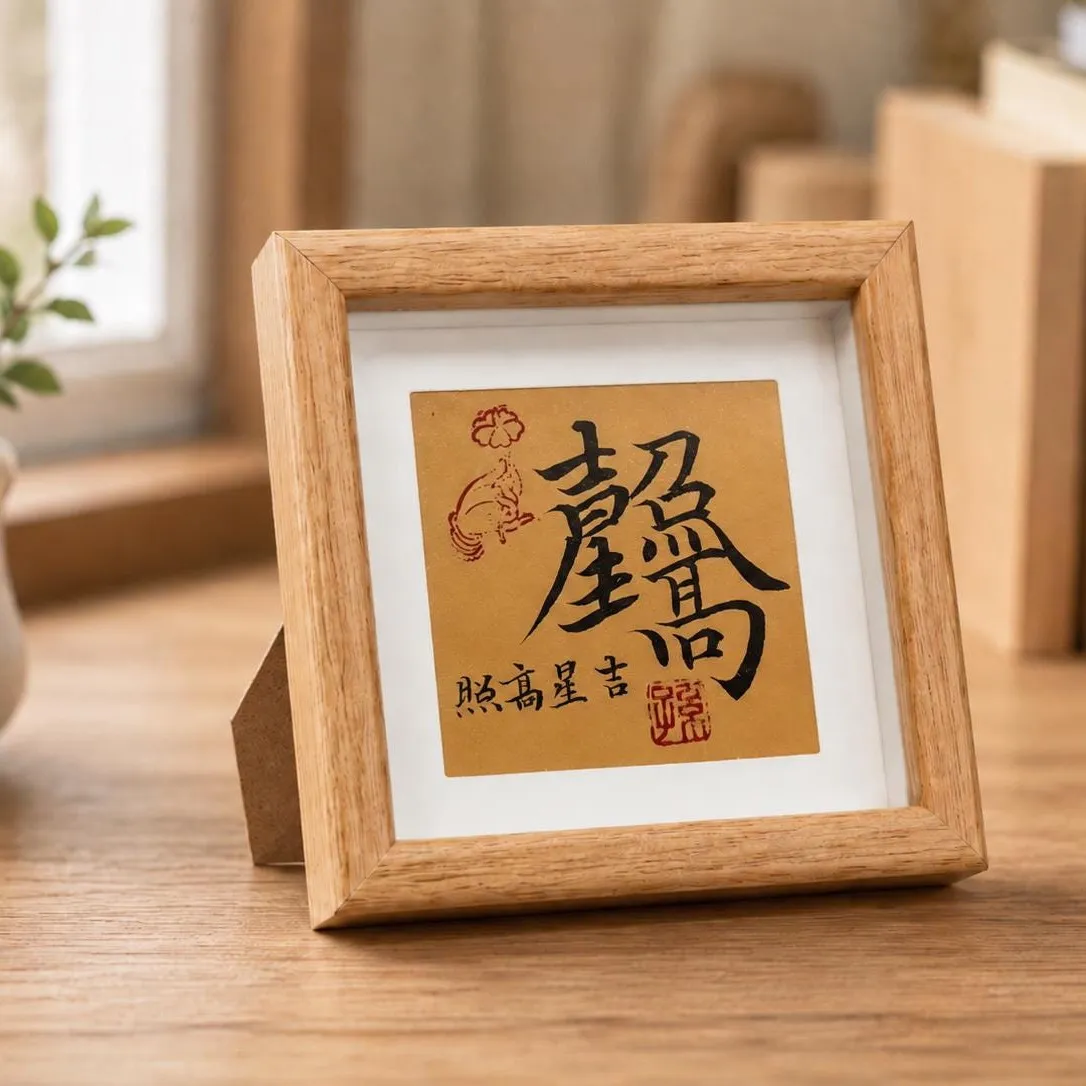
Photo shows a sample — yours will be brushed with 安好, or any character you choose.
Desk Frame — for desks, studies & studiosfrom $44→ -
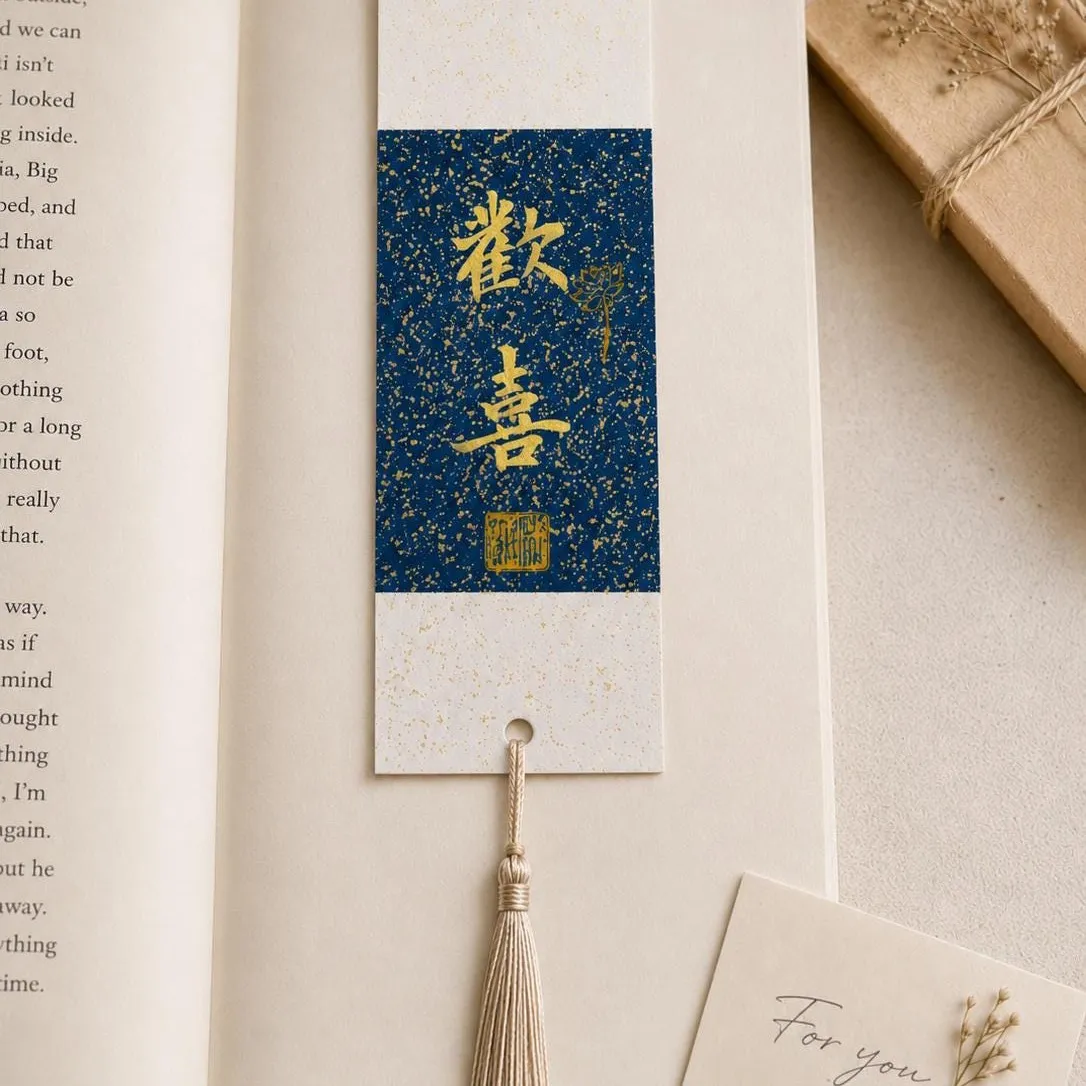
Photo shows a sample — yours will be brushed with 安好, or any character you choose.
Bookmark — for readers & small thank-yousfrom $17→
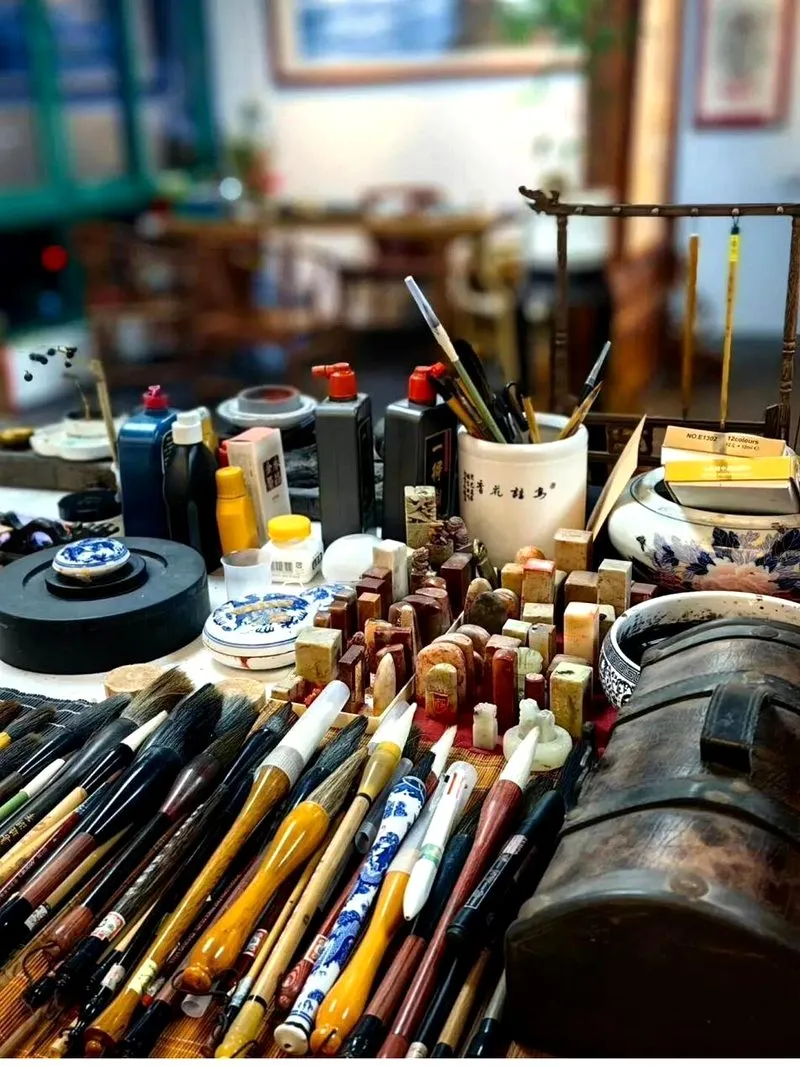
What people said after it arrived.
-
The item is fantastic. The customer service was genuine. Thanks!
— M.Verified purchase · from our Etsy shop reviews · -
They were great they gave me exactly what I asked for and then some. Thank you!!
— G.Verified purchase · from our Etsy shop reviews · -
It is well designed and customized. My daughter loves it. Amazing gift for family’s d friends
— S.Verified purchase · from our Etsy shop reviews ·
Each "安好" is hand-brushed by Artist Lina Sun on rice paper.
See 安好 (Ān Hǎo) on Etsy →