修身 (xiū shēn) — Cultivate the Self · Moral Self-Cultivation · Inward Repair of the Person
A two-character word, not a single character.
A graduate folds the diploma and still has the harder sheet in front of them: the person who will walk out with it. That is the tip of 修身. 汉典 and Moedict gloss the pair as 涵养德性 — cultivate virtue, temper the self — not as a gym plan and not as another course credit. 修 is the verb of repair and cultivation; 身 here is the person, not a waistline. The Great Learning put the compound at the hinge of a whole sequence — 修身, then 齐家, then 治国, then 平天下 — and then said every rank shares the same root: 自天子以至于庶人,壹是皆以修身为本. There is no library single for 修 (xiu.md is 秀) and none for 身 (shen.md is 慎), so the gift names the welded work, not two missing pages.
Against the neighbours the fences stay clean. 志 is a heading you can say out loud. 笃志 is that heading held firm and focused. 自强不息 is strengthening yourself without a rest — Tsinghua’s drive half from the Changes. 慎 is watchful prudence. 修身 is prior and quieter: inward moral cultivation of the person so those other gifts have a self under them. Mencius keeps the same verb when years cannot be chosen: 夭寿不贰,修身以俟之 — cultivate the self and wait. The reverse Great Learning step is just as blunt: 欲齐其家者,先修其身 — you do not get a ordered household by skipping the person.
A hand-brushed 修身 by FuBlessings suits the friend whose next chapter needs work on character rather than another luck wish, the coworker whose first job will grade the person under the résumé, a father whose household already learned that self-work comes before speeches, a graduation that should name the hinge rather than paint the road as brocade, and a birthday that credits inward cultivation instead of ordering more years. It does not promise rank. It names the cultivation that keeps the person fit to carry whatever heading comes next.
- cultivating one's moral character — 涵养德性 / 陶冶身心
- the Great Learning hinge: self before household, state, and world — 修身齐家
- inward work on the person as gift tip — 修身养性
- a stance toward the self, not a request that rank or luck arrive
- body-building / getting fit That is 健身 or ordinary exercise talk. 修身 keeps 身 as the moral person; fashion's slim-fit 修身 is a later unrelated reading the gift scroll does not use.
- studying / coursework alone 学习 or 修业 can name schoolwork. 修身 can include learning, but its object is character — 涵养德性 — not a transcript.
- ceaseless self-strengthening That is 自强不息 — continuous drive from the Changes. 修身 is the inward cultivation that may sit under drive; it does not by itself mean never resting.
- a stated aim / firm will 志 is the heading; 笃志 is that heading held firm. 修身 is work on the person who holds a heading, not the heading itself.
The short arms are the point: these readings don’t reach it.
- 修 cultivate / repair — put the person in better orderLiving tip: 修养, 修业, 修复. No library single for 修 (xiu.md is 秀). Here it is the verb welded onto 身.
- 身 the person / self — not merely the physical frame说文 身,躬也; living tip slides to the whole person (亲身, 终身, 修身). No library single for 身 (shen.md is 慎). Here it is the object being cultivated.
characters
- 修身养性 xiū shēn yǎng xìng cultivate the self and nourish one's nature — living four-character counsel
- 修身齐家 xiū shēn qí jiā cultivate the self, put the household in order — compressed Great Learning hinge
- 涵养德性 hán yǎng dé xìng dictionary gloss tip — nurture virtue; shares no character with 修身
- 格物致知 gé wù zhì zhī investigate things and extend knowledge — prior inward steps in the same Great Learning chain; shares no 修 or 身
- 独善其身 dú shàn qí shēn keep oneself good when out of office — Mencius neighbour that shares 身 but not the 修身 gift tip
Cinnabar marks the characters 修身 actually contains. The dark row is a relative by meaning or by sound, not one shared stroke.
The Story Behind the Character
Living Mandarin reaches for 修身 when the work is on the person, not on a résumé line. 汉典 glosses the pair as 陶冶身心,涵养德性 — temper body and mind, cultivate virtue — and Moedict / the Ministry revised dictionary print the same tip: 涵养德性,以淑善其身. The reading is Mainland and Taiwan alike: xiū shēn. Everyday compounds keep the inward tip: 修身养性, 修身齐家. Fashion slang that borrows 修身 for a slim-fit cut is a later, unrelated reading; the gift scroll keeps the moral sense.
The two halves arrive with different jobs. 修, in ordinary Chinese, is repair, cultivate, put in order — 修复, 修养, 修业 — a verb of making better what is already there. There is no library single for 修 (the page xiu.md is 秀, a different character). Here 修 is the verb of cultivation. 身 slides from torso to the whole person: 说文 glosses it 躬也, and living compounds treat it as the self — 亲身, 终身, 修身. There is no library single for 身 either (shen.md is 慎). Welded together, 身 is not a gym body and 修 is not a homework assignment; the compound names moral self-cultivation of the person.
The Great Learning made the compound a hinge. Its sequence runs 修身 → 齐家 → 治国 → 平天下, and then states the rule that binds every rank: 自天子以至于庶人,壹是皆以修身为本 — from Son of Heaven down to commoner, all take cultivating the self as the root. Mencius keeps the same verb under a different pressure: 夭寿不贰,修身以俟之 — whether life is short or long, cultivate the self and wait. The gift scroll keeps that classical tip: the person first; the rest of the sequence only after.
Classical lines
- about a century
- c. 5th–2nd c. BCE 《礼记·大学》
- c. 4th–3rd c. BCE 《孟子·尽心上》
- c. 5th–2nd c. BCE 《礼记·大学》
自天子以至于庶人,壹是皆以修身为本。 From the Son of Heaven down to the common people, all alike take cultivating the self as the root.
The Great Learning's rule after the 修身→齐家→治国→平天下 sequence. The compound is already the named hinge, not a soft synonym for study.
夭寿不贰,修身以俟之,所以立命也。 Whether life is short or long, do not be of two minds
cultivate the self and wait; that is how one establishes one's allotted life. — Mencius placing what you can do (修身) against what you cannot choose (length of years).
欲齐其家者,先修其身。 Whoever would put the household in order must first cultivate the self.
The reverse step in the same Great Learning chain: household order is not available as a shortcut around the person.
Why This Character Matters
Graduation and ordinary family tables still reach for the compound when the tip is work on character rather than on outcomes. A parent handing a scroll at a diploma ceremony is rarely asking for a slim-fit jacket (the fashion reading of 修身) and is not hiring a personal trainer. They are naming the Great Learning hinge: cultivate the self before the household and the wider field. Office farewells and a father's birthday can carry the same register without borrowing 自强不息's ceaseless-drive motto or 笃志's firm-aim praise — those neighbours name will and motion; 修身 names repair of the person underneath them.
Buyers choosing among library neighbours should keep the fences clean. 志 is a heading stated. 笃志 is that heading held firm. 自强不息 is strengthening yourself without rest. 慎 is watchful prudence. 修身 is cultivating the person — inward moral work — so those other gifts have a self under them.
A few characters live near "修身" but mean something quieter, sharper, or more specific. Here's how to tell them apart.
cultivating the person — inward moral repair of the self
a firm, focused aspiration — the will held steady
moral self-cultivation as the named hinge
strengthen yourself without rest — continuous drive from the Changes
work on the person who will carry a heading
the heart's heading — an aim set and stated
A diploma settles what school finished.
- A diploma settles what school finished. 志 names the heading on the 志愿 form. 自强不息 names drive that does not rest. 修身 names the quieter prior job: cultivate the person who will carry that heading — the Great Learning's first outward step before household and state. It does not paint the road as brocade and does not grade the transcript. For the graduate when the accurate gift is work on the self, not a forecast of rank.
- A birthday can count years or wish outcomes. 修身 credits something already practised or still owed: inward moral self-cultivation — 涵养德性 — rather than another year of luck. 笃志 would praise a will held steady; 稳 would credit footing that did not tip. 修身 names repair of the person as the gift tip. For the birthday when recognition of self-work beats a forecast.
Looking for a name? See Western names written in Chinese →
-
What does 修身 (xiū shēn) mean?
修身 (xiū shēn) is a two-character Chinese word for cultivate the self, moral self-cultivation, inward repair of the person. A graduate folds the diploma and still has the harder sheet in front of them: the person who will walk out with it. That is the tip of 修身. 汉典 and Moedict gloss the pair as 涵养德性 — cultivate virtue, temper the self — not as a gym plan and not as another course credit. 修 is the verb of repair and cultivation; 身 here is the person, not a waistline. The Great Learning put the compound at the hinge of a whole sequence — 修身, then 齐家, then 治国, then 平天下 — and then said every rank shares the same root: 自天子以至于庶人,壹是皆以修身为本. There is no library single for 修 (xiu.md is 秀) and none for 身 (shen.md is 慎), so the gift names the welded work, not two missing pages. Graduation and ordinary family tables still reach for the compound when the tip is work on character rather than on outcomes. A parent handing a scroll at a diploma ceremony is rarely asking for a slim-fit jacket (the fashion reading of 修身) and is not hiring a personal trainer. They are naming the Great Learning hinge: cultivate the self before the household and the wider field. Office farewells and a father's birthday can carry the same register without borrowing 自强不息's ceaseless-drive motto or 笃志's firm-aim praise — those neighbours name will and motion; 修身 names repair of the person underneath them.
-
What occasions is 修身 given for?
修身 is traditionally given for Graduation, Birthday. A diploma settles what school finished. 志 names the heading on the 志愿 form. 自强不息 names drive that does not rest. 修身 names the quieter prior job: cultivate the person who will carry that heading — the Great Learning's first outward step before household and state. It does not paint the road as brocade and does not grade the transcript. For the graduate when the accurate gift is work on the self, not a forecast of rank. A birthday can count years or wish outcomes. 修身 credits something already practised or still owed: inward moral self-cultivation — 涵养德性 — rather than another year of luck. 笃志 would praise a will held steady; 稳 would credit footing that did not tip. 修身 names repair of the person as the gift tip. For the birthday when recognition of self-work beats a forecast.
-
Who brushes the 修身 calligraphy?
FuBlessings hand-brushes each 修身 (Xiū Shēn) to order, in ink on rice paper — never printed, never repeated.
Bring 修身 home — choose how you'd like it brushed.
-
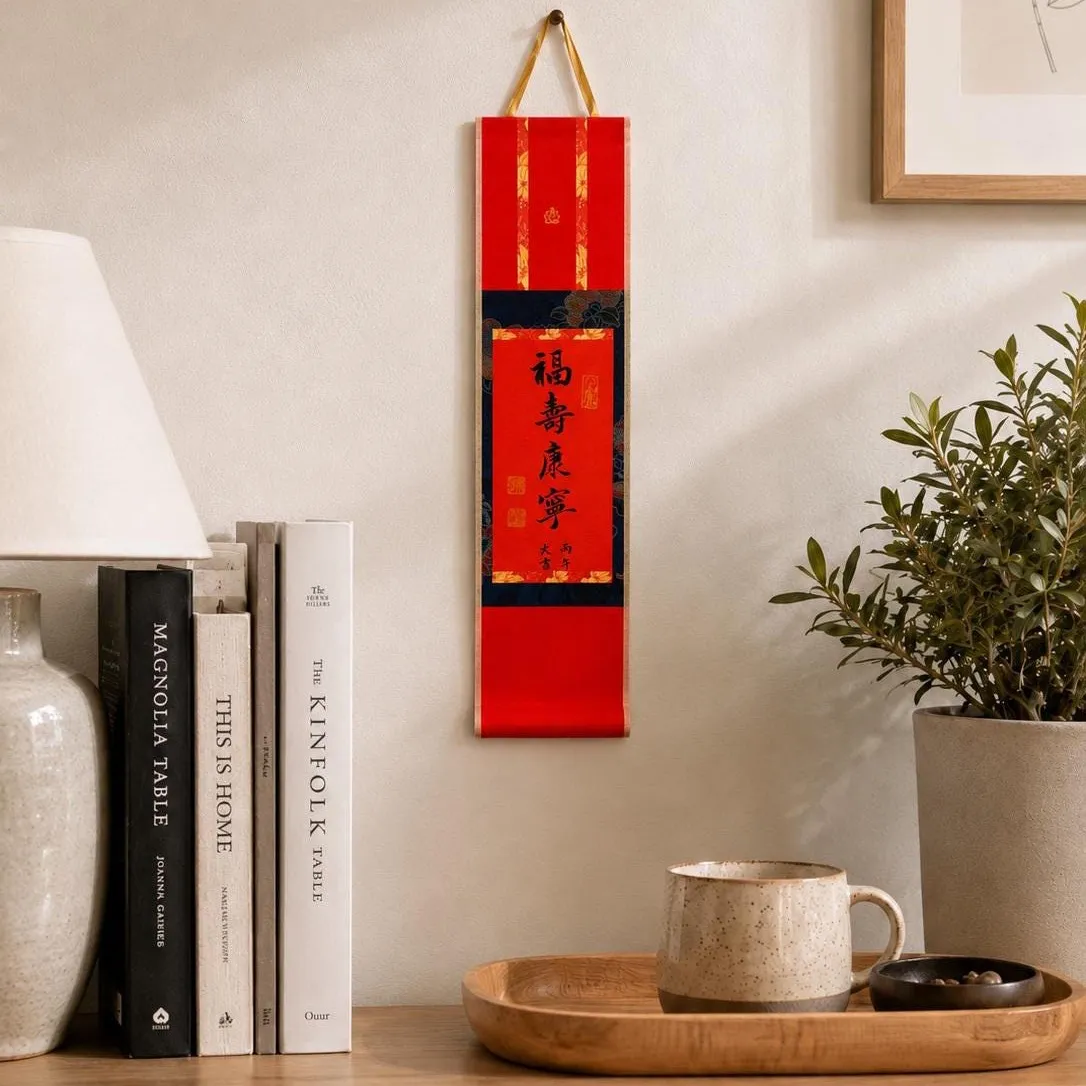
Photo shows a sample — yours will be brushed with 修身, or any character you choose.
Wall Scroll — for walls & housewarmingsfrom $38→ -
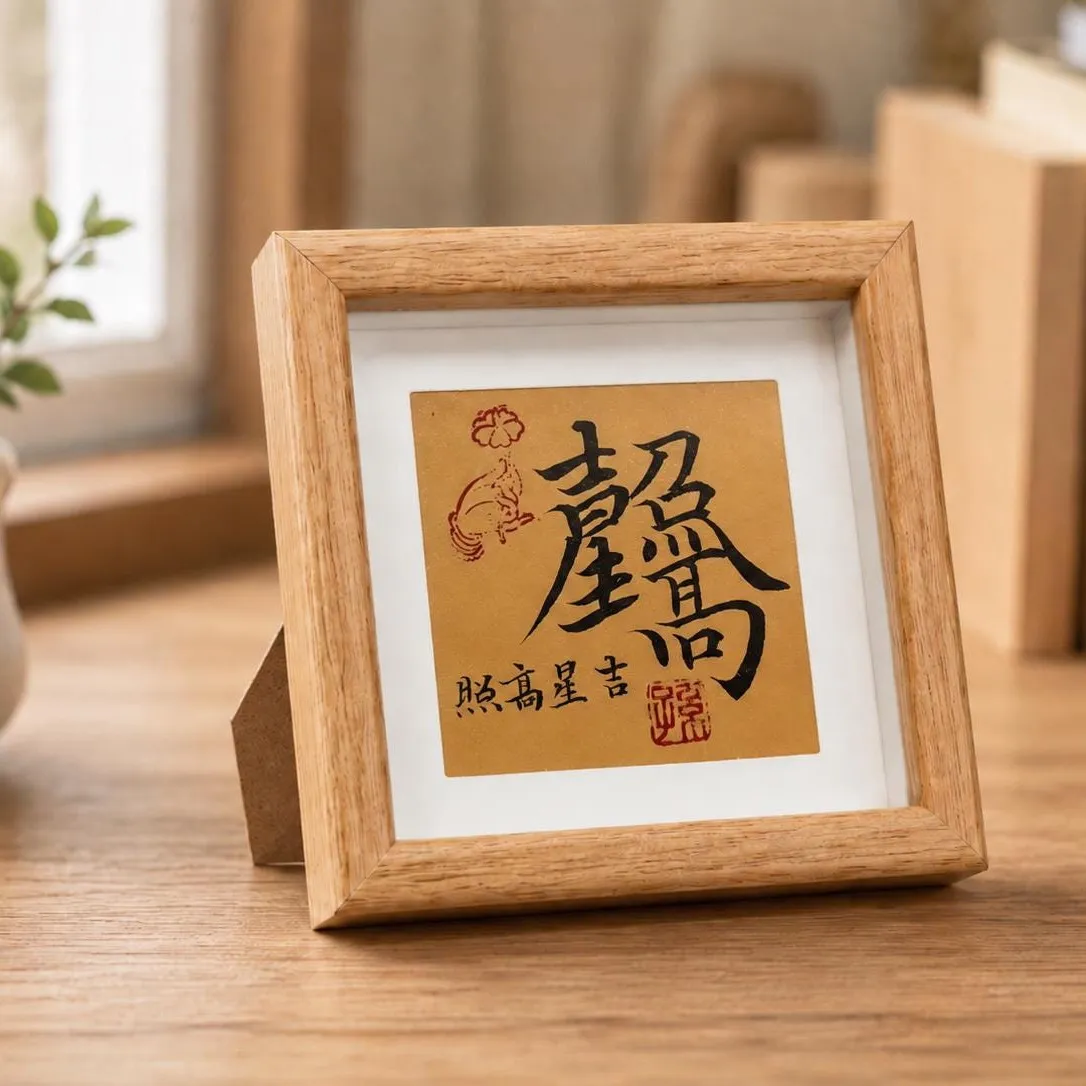
Photo shows a sample — yours will be brushed with 修身, or any character you choose.
Desk Frame — for desks, studies & studiosfrom $44→ -
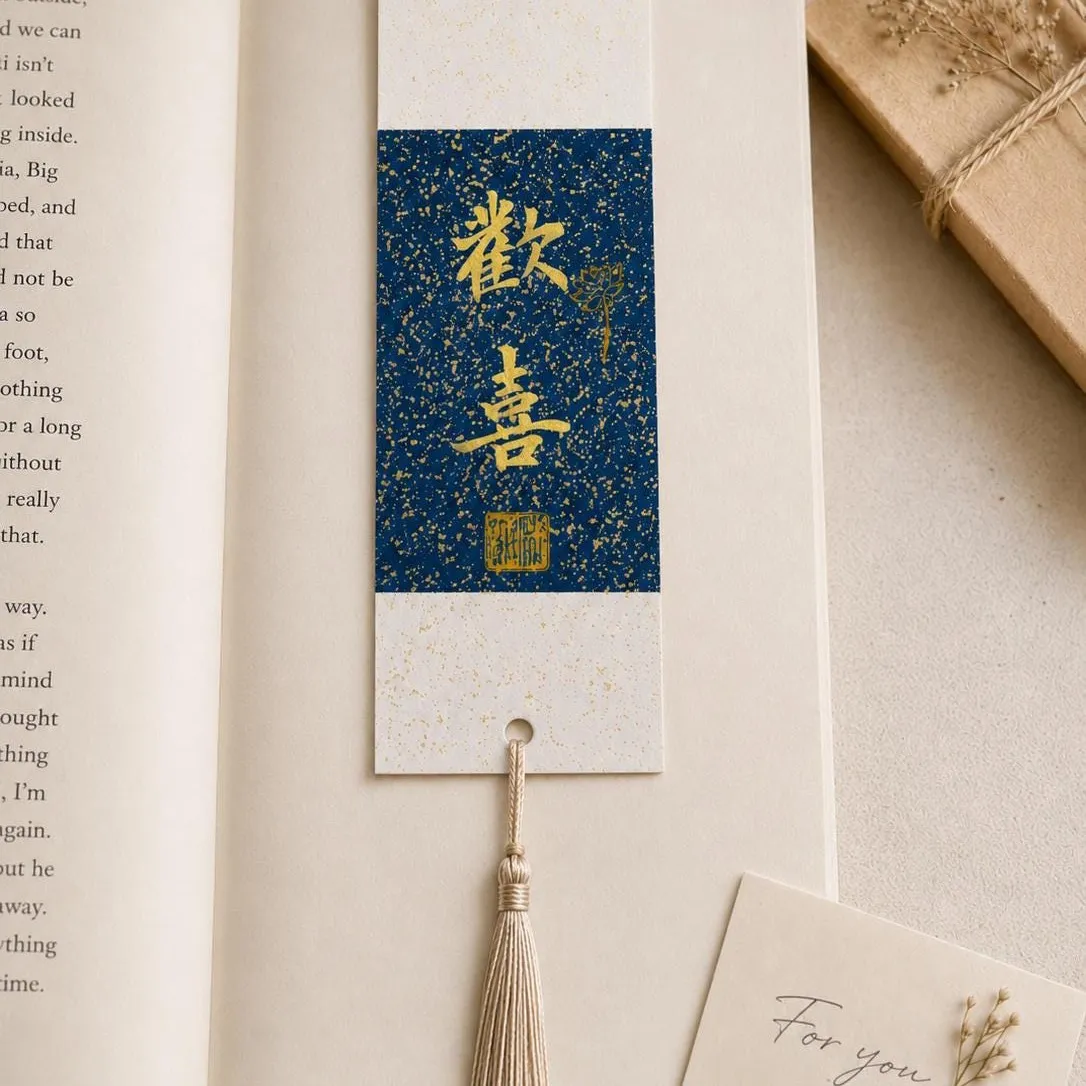
Photo shows a sample — yours will be brushed with 修身, or any character you choose.
Bookmark — for readers & small thank-yousfrom $14→

What people said after it arrived.
-
The item is fantastic. The customer service was genuine. Thanks!
— M.Verified purchase · from our Etsy shop reviews · -
They were great they gave me exactly what I asked for and then some. Thank you!!
— G.Verified purchase · from our Etsy shop reviews · -
It is well designed and customized. My daughter loves it. Amazing gift for family’s d friends
— S.Verified purchase · from our Etsy shop reviews ·
Each "修身" is hand-brushed by FuBlessings on rice paper.
See 修身 (Xiū Shēn) on Etsy →