兴旺 (xīng wàng) — Thriving · Flourishing · A Household or Trade Burning Bright
A two-character word, not a single character.
丰 counts what is in the granary; 兴旺 counts who is in the room. That is the distinction the word turns on, and it is why 兴旺 sits closer to a family’s daily hopes than the grander blessings do. It has no finish line: 成功 is an outcome you reach and keep, 盛 is a peak with the descent implied on the far side of it, but 兴旺 describes a thing only while it is still growing and stops being true the moment it stops. Both halves have to be there. 兴 is the climb — the character shows four hands lifting one load together, and China’s first dictionary glosses it 起也,同力也, to rise, by joint strength. 旺 is the heat: 火旺, a fire burning hard. A thing that is 兴旺 is not merely big. It is alive. Neither half says this on its own: 兴 by itself names only the lift, the getting-off-the-ground, and makes no claim that anything is running yet. See 兴 → See 旺 →
You meet the word wherever people are counting. At the New Year it goes up in two places — 人丁兴旺 at home, may the household be full of people, and 生意兴旺 behind the shop counter, may the trade thrive — often pasted on the doorframe in the same red as everything else that week. 丁 was never a warm word: it is what the imperial household registers called an adult man liable for labor service and head tax, which makes the phrase less a compliment than an audit, and explains why for centuries it was heard as a wish for sons. 香火兴旺 says the same thing at the altar: a temple busy with worshippers, or a family whose descendants are still there to light the incense. Businesses stretch it to four characters as 兴旺发达, thriving and advancing, and hang it where customers can see.
A hand-brushed “兴旺” by FuBlessings is the gift for the friends who just took the keys, the couple starting a household, or the grandparent whose measure of a good year is how many people came home. It promises nothing and predicts nothing. It says the plainest thing one household can wish another: may the fire burn hard, and may there be people in the room to feel it.
- a household thriving — full of people, the line continuing
- a trade or shop doing well, busy and growing
- a fire, a season, a body at full strength
- growth that is warm and in motion, not just large
- prosperous English "prosperous" points at money in hand. 兴旺 is about vitality and increase — a family with many children is 兴旺 whether or not it is rich, and a quiet fortune sitting still is not.
- successful 成功 is an outcome reached, a finish line. 兴旺 has no finish line; it describes a thing while it is still growing, and stops being true the moment the growth does.
- 盛 盛 is fullness at its height — the peak, with 盛极而衰 waiting on the other side of it. 兴旺 is the climb and the heat, said of ordinary ongoing life: a shop, a household, a hearth.
The short arms are the point: these readings don’t reach it.
- 兴 rise / be raised up / flourish舁 — two pairs of hands, above and below — lifting between them the element that became 同 (a flat 凡 in the bone graphs). 《说文》: 起也 … 同力也 — to rise, by joint strength. The same root in 兴建 (to put up), 复兴 (to revive), 兴盛 (to flourish).
- 旺 blaze / burn at full strength / be in full vigor日 (sun) with 王 (wáng) for sound; absent from the Shuowen, which has only its ancestor 暀 (光美也), and later than 兴 by more than a millennium. Its plainest use is still fire — 火旺, a fire burning hard — extended to any capacity fully spent: 旺盛, 精力旺盛, 旺季.
characters
- 兴盛 xīng shèng to rise into flourishing — the grander register, said of eras and dynasties more than of shops
- 兴隆 xīng lóng rising and swelling — the shopkeeper's variant, as in 生意兴隆, may the trade prosper
- 人丁兴旺 rén dīng xīng wàng the household full of people — many children and grandchildren, the family line thriving
- 香火兴旺 xiāng huǒ xīng wàng the incense burning strong — of a temple, crowded with worshippers; of a family, a line still tending the ancestral altar
- 兴旺发达 xīng wàng fā dá thriving and advancing — the four-word form for businesses and enterprises, common on New Year couplets
The Story Behind the Character
Four hands and one load. In its oracle-bone form 興 shows 舁 — two pairs of hands, one pair above and one below — closed around the element that later regularized into 同: in the bone graphs a flat 凡, the thing being hoisted between them. Readers have taken it for a tray, for a vessel, for the rammed-earth mold raised at a building site, and either way the picture is the same: nobody lifts it alone. China's first dictionary (Shuowen Jiezi, c. 100 CE) glosses the character in two words, 起也 — to rise — and then gives the reason in two more: 同力也, joint strength. Every later sense grows out of that lift. To 兴 is to raise a thing up: 兴建 to put up a building, 复兴 to raise something fallen, 兴盛 to rise into flourishing. The word never quite loses the many hands.
旺 is the younger of the two by more than a millennium. The Shuowen, cataloging some nine thousand characters, does not have it — only its ancestor 暀, glossed 光美也, light at its finest. When 旺 itself surfaces, in the dictionaries of the sixth century, it is plainly built: 日, the sun, beside 王 (wáng) for sound. What it names is light at full strength, and its most concrete uses are still the physical ones — 火旺, a fire burning hard; 炉火正旺, the stove at its hottest. From there it moves outward to any capacity fully spent: 旺盛 for vigor, 精力旺盛 for a body at full energy, 旺季 for the season a trade runs hottest. Where 兴 is a verb of rising, 旺 is a state of burning.
Put together they make rise-and-blaze, and Chinese hands the compound to the two things a family actually watches. 人丁兴旺 says the household is thriving in the only currency that matters to a line — people. 生意兴旺 says the trade is. 香火兴旺 says the incense is still being lit, said of a temple full of worshippers and of a family whose descendants still tend the ancestral altar. What separates 兴旺 from its neighbors is the pairing itself: 兴 supplies the climb, 旺 supplies the heat, and the word insists on both. A thing that is 兴旺 is not merely large. It is growing, and it is warm.
Classical lines
- roughly 400 years
- c. 9th–7th c. BCE 《诗经·小雅·天保》
- c. 9th–7th c. BCE 《诗经·周南·螽斯》
- c. 4th c. BCE 《左传·庄公十一年》
天保定尔,以莫不兴。如山如阜,如冈如陵,如川之方至,以莫不增。 Heaven guards and settles you, so that nothing fails to rise
like a mountain, like a hill, like a ridge, like a rise of land; like a river arriving in flood, so that nothing fails to increase. — The 诗经's great blessing song reaches for 兴 in its plainest sense, rising, and then piles up five images of terrain and water to say it — five of the nine 如 that earned the poem its nickname, 天保九如, the nine likenesses.
禹、汤罪己,其兴也悖焉;桀、纣罪人,其亡也忽焉。 Yu and Tang, who founded their dynasties, blamed themselves
and their rise was swift; Jie of Xia and King Zhòu of Shang, who lost theirs, blamed everyone else — and their fall was just as quick. — The line the Chinese political tradition never stopped quoting. It reads 兴 as something earned rather than granted: what rises, rises because of what its people did.
螽斯羽,诜诜兮。宜尔子孙,振振兮。 The locusts' wings, in their thronging crowds
fitting that your children and grandchildren should be so numerous. — An unlikely compliment by modern standards: the poem wishes a family as many descendants as a swarm has insects. It is 人丁兴旺 three thousand years early, and it shows how literally the old wish counted.
Why This Character Matters
The 丁 in 人丁兴旺 is a tax word. For most of imperial history the state's household registers counted 丁 — able-bodied adult men, liable for labor service and head tax — and a family's standing was legible in that number on the roll. So the phrase everyone still says at the New Year, 人丁兴旺, is not a poetic figure for a happy family: it is bookkeeping. It says the headcount is up. That bluntness is worth keeping in view, because it explains both the word's grip and its old lopsidedness. In a society where a household's survival ran on hands and only some hands were counted, a thriving family, a crowded one, and one with sons were the same sentence.
The other place 兴旺 lives is the shop. Small businesses hang 生意兴旺 or its close cousin 生意兴隆 behind the register and paste it on the doorframe each spring, often beside a small altar to 财神, the god of wealth, or to 关公. The same fire logic runs through 香火兴旺, which is said first of a temple thick with worshippers and, of a family, of a line still lighting the incense at the ancestral altar — the proof, in either case, being simply that someone is still there to tend it. That is the whole grammar of the word. 兴旺 is never a state a thing merely has; it is a fire, and fires are things people feed.
A few characters live near "兴旺" but mean something quieter, sharper, or more specific. Here's how to tell them apart.
the ongoing climb and heat of ordinary life — a household or trade growing, and warm while it grows
fullness arrived at its height — the peak of an era or a life, with the turn already implied in the word
vitality: the people, the traffic, the fire — increase you can hear
quantity: the granary high, the harvest in, the measure overflowing — abundance you can count
one energetic slice of a good life — the household busy, the line continuing, the shop full
the whole good life — health, peace, a good end — which can be perfectly present in a very quiet house
兴旺 goes up in two places when the year turns, and the pair of them is the whole word.
- 兴旺 goes up in two places when the year turns, and the pair of them is the whole word. Behind the shop counter it is 生意兴旺, may the trade thrive; at home it is 人丁兴旺, may the household be full of people. Both are wishes for a year with more going on in it rather than less — the phone ringing, the register open, the table crowded, more life in the months ahead than in the ones behind. The right gift for the friend whose good year would be measured in motion.
- Housewarming · A New Home火旺 — the fire burning hard — is the plainest sign in Chinese that a house is lived in rather than merely furnished, and 兴旺 carries that hearth inside it. What it wishes a new home is the filling-up: 家道兴旺, the household's fortunes climbing, the rooms noisy, the line going on. For the couple or the friends who just took the keys, when the wish is not that the place be finished but that it come alive.
Friend · New Couple · Grandparent · or yourself
Looking for a name? See Western names written in Chinese →
-
What does 兴旺 (xīng wàng) mean?
兴旺 (xīng wàng) is a two-character Chinese word for thriving, flourishing, a household or trade burning bright. 丰 counts what is in the granary; 兴旺 counts who is in the room. That is the distinction the word turns on, and it is why 兴旺 sits closer to a family's daily hopes than the grander blessings do. It has no finish line: 成功 is an outcome you reach and keep, 盛 is a peak with the descent implied on the far side of it, but 兴旺 describes a thing only while it is still growing and stops being true the moment it stops. Both halves have to be there. 兴 is the climb — the character shows four hands lifting one load together, and China's first dictionary glosses it 起也,同力也, to rise, by joint strength. 旺 is the heat: 火旺, a fire burning hard. A thing that is 兴旺 is not merely big. It is alive. Neither half says this on its own: 兴 by itself names only the lift, the getting-off-the-ground, and makes no claim that anything is running yet. See 兴 → See 旺 → The 丁 in 人丁兴旺 is a tax word. For most of imperial history the state's household registers counted 丁 — able-bodied adult men, liable for labor service and head tax — and a family's standing was legible in that number on the roll. So the phrase everyone still says at the New Year, 人丁兴旺, is not a poetic figure for a happy family: it is bookkeeping. It says the headcount is up. That bluntness is worth keeping in view, because it explains both the word's grip and its old lopsidedness. In a society where a household's survival ran on hands and only some hands were counted, a thriving family, a crowded one, and one with sons were the same sentence.
-
What occasions is 兴旺 given for?
兴旺 is traditionally given for Chinese New Year, Housewarming · A New Home. 兴旺 goes up in two places when the year turns, and the pair of them is the whole word. Behind the shop counter it is 生意兴旺, may the trade thrive; at home it is 人丁兴旺, may the household be full of people. Both are wishes for a year with more going on in it rather than less — the phone ringing, the register open, the table crowded, more life in the months ahead than in the ones behind. The right gift for the friend whose good year would be measured in motion. 火旺 — the fire burning hard — is the plainest sign in Chinese that a house is lived in rather than merely furnished, and 兴旺 carries that hearth inside it. What it wishes a new home is the filling-up: 家道兴旺, the household's fortunes climbing, the rooms noisy, the line going on. For the couple or the friends who just took the keys, when the wish is not that the place be finished but that it come alive.
-
Who brushes the 兴旺 calligraphy?
FuBlessings hand-brushes each 兴旺 (Xīng Wàng) to order, in ink on rice paper — never printed, never repeated.
Bring 兴旺 home — choose how you'd like it brushed.
-
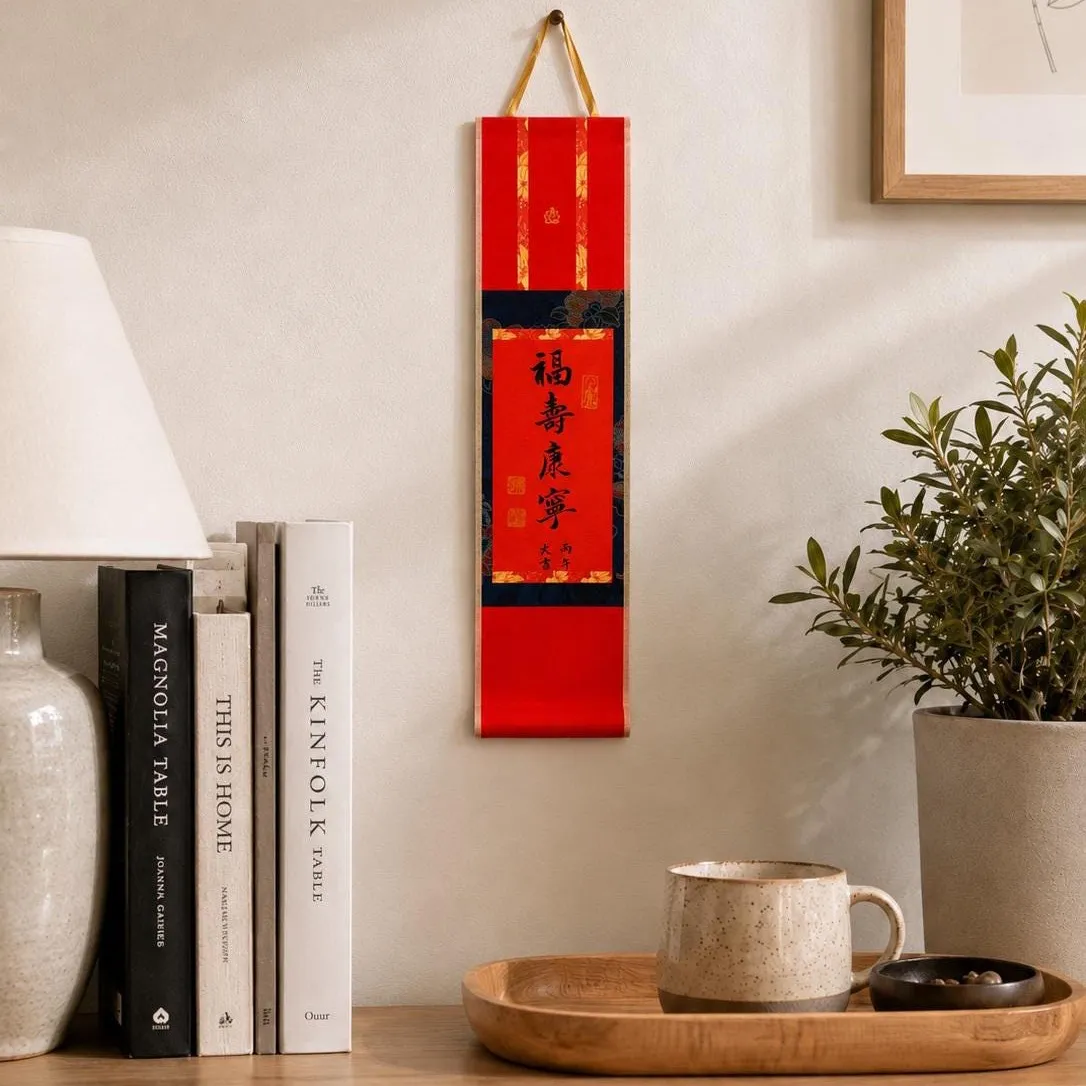
Photo shows a sample — yours will be brushed with 兴旺, or any character you choose.
Wall Scroll — for walls & housewarmingsfrom $38→ -
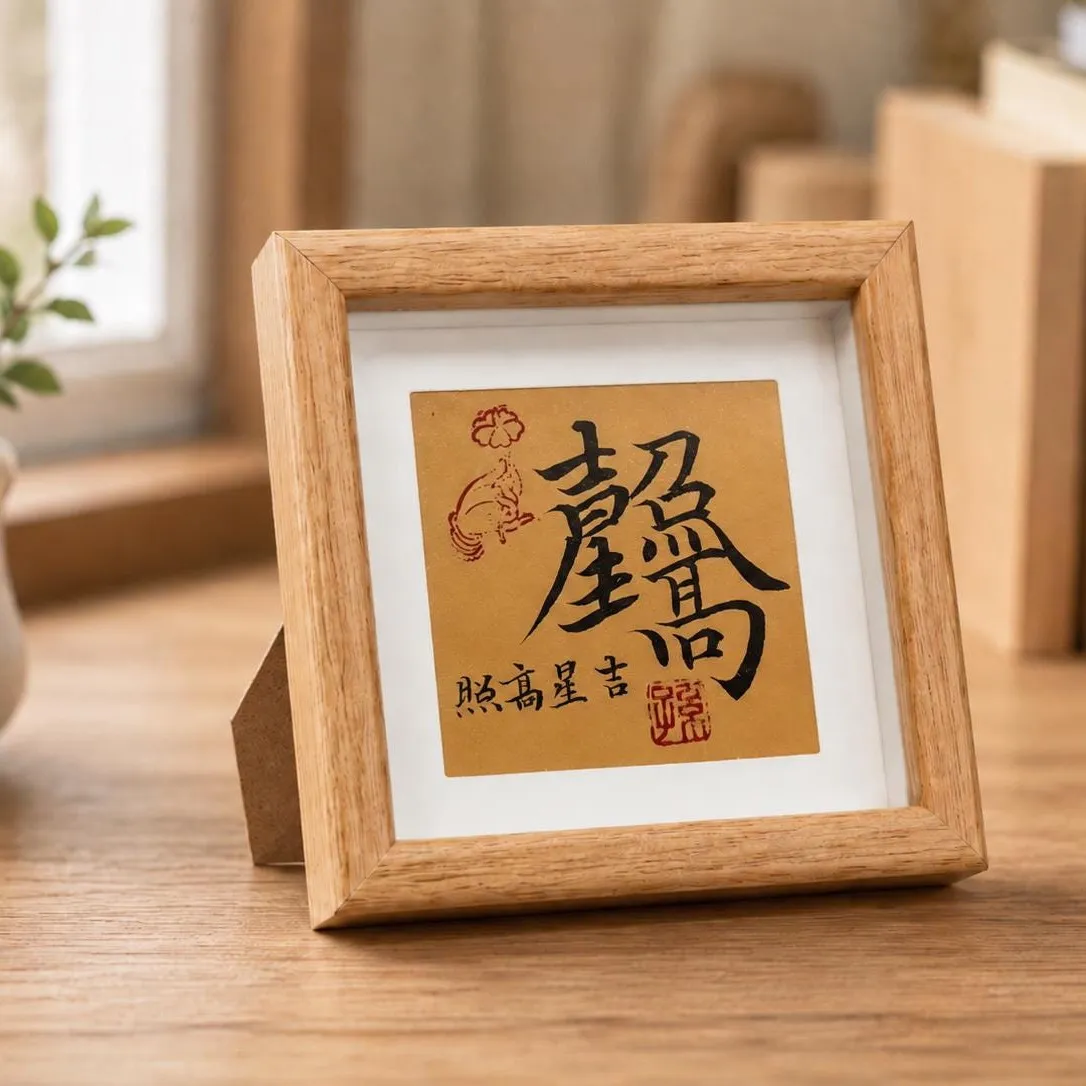
Photo shows a sample — yours will be brushed with 兴旺, or any character you choose.
Desk Frame — for desks, studies & studiosfrom $44→ -
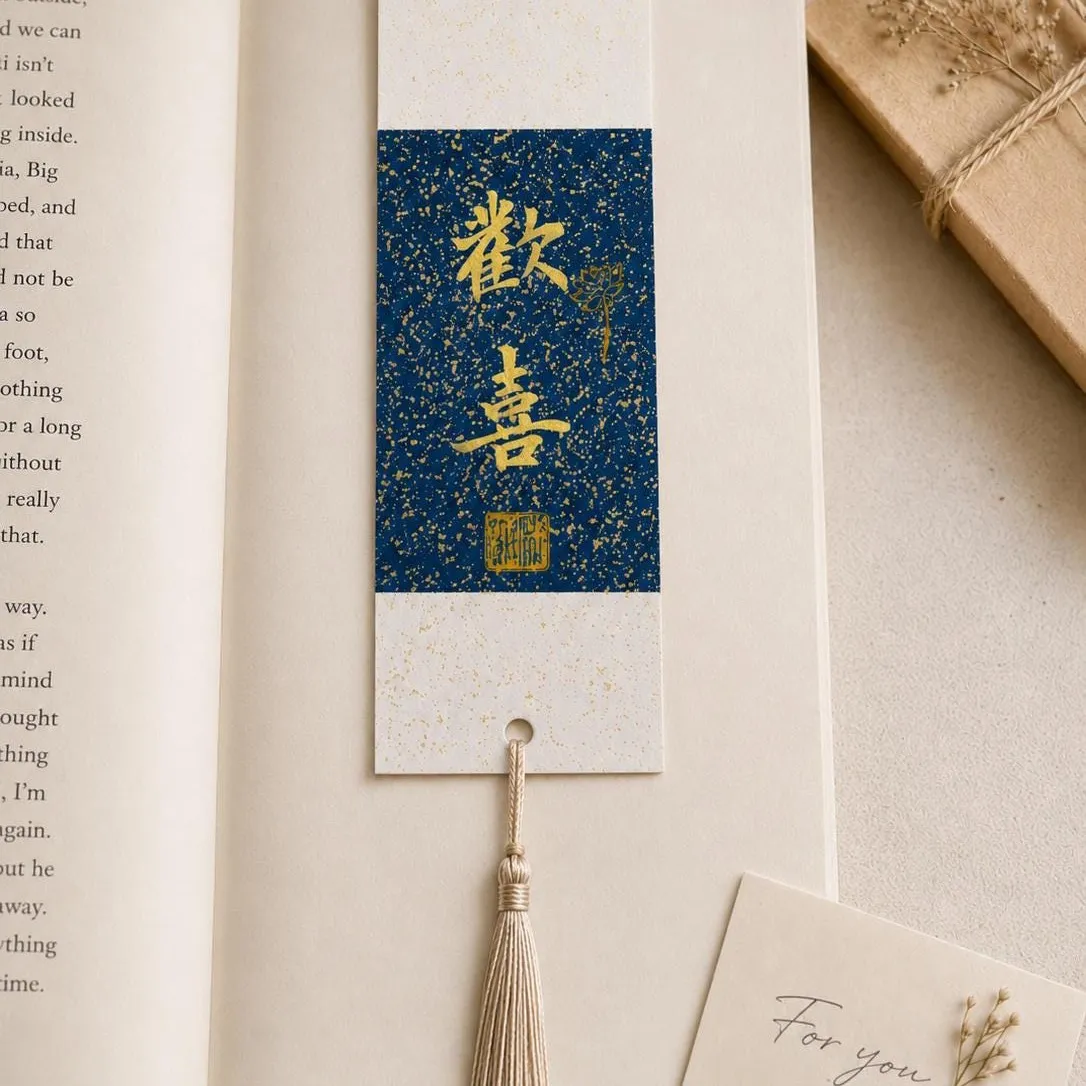
Photo shows a sample — yours will be brushed with 兴旺, or any character you choose.
Bookmark — for readers & small thank-yousfrom $14→
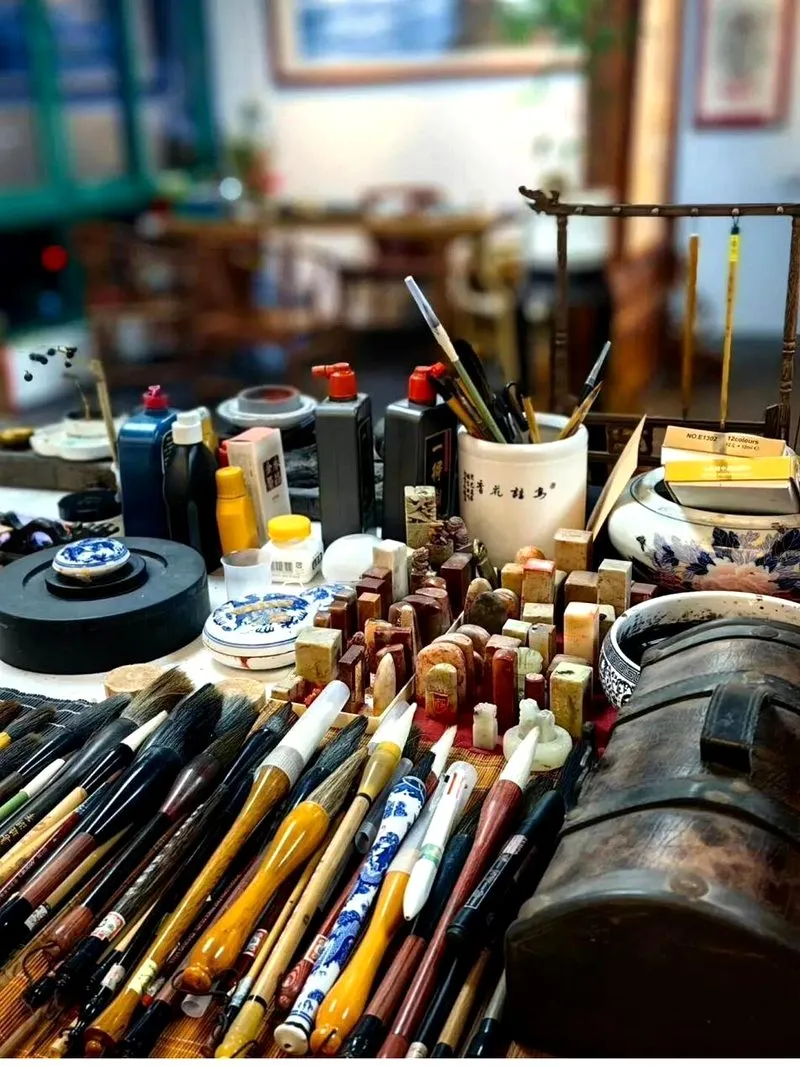
What people said after it arrived.
-
The item is fantastic. The customer service was genuine. Thanks!
— M.Verified purchase · from our Etsy shop reviews · -
They were great they gave me exactly what I asked for and then some. Thank you!!
— G.Verified purchase · from our Etsy shop reviews · -
It is well designed and customized. My daughter loves it. Amazing gift for family’s d friends
— S.Verified purchase · from our Etsy shop reviews ·
Each "兴旺" is hand-brushed by FuBlessings on rice paper.
See 兴旺 (Xīng Wàng) on Etsy →