盛 (shèng) — Flourishing · Thriving · Grand Abundance
A single character.
A field of grain in midsummer, every stalk in full leaf and still climbing — that is 盛. Not the grain once it is cut and measured into the granary, which is 丰 (abundance, the measure overflowing), and not the settled calm of a year that has arrived and now rests, which is 泰 (grand, unforced peace). 盛 is the vitality of the thing while it is still growing: fullness in motion, a household or a year or an age at the very height of its energy. The character began as a literal picture — grain heaped past the rim of a sacrificial bowl — and it never lost that sense of something filled to overflowing and rising further.
The word runs all through the language of flourishing. A golden era is a 盛世, the upward stretch of a dynasty when harvests and arts rise together; a family on the way up is 家道兴盛; plants in dense summer leaf are 茂盛; a life or enterprise at its prime is 鼎盛. It carries generosity, too — 盛情 is hospitality offered in full measure, 盛宴 a sumptuous banquet, 盛大 a grand and splendid occasion. And folded into all of it is a caution the classics never dropped: 盛极而衰, what reaches its fullest begins to turn. To wish someone 盛 is to wish them the climbing half of the curve — the season when everything is still on the rise.
A hand-brushed 盛 by Artist Lina Sun is the gift for a beginning you want to see flourish rather than merely hold: the friend whose new year you hope will teem with growth, the couple whose new household you want to watch thrive, the grandparent whose line has multiplied and prospered and now fills the room. It does not wish them rest or safety — those are other characters. It wishes them the rarer, more vigorous thing: a life, a year, a family caught in the act of flourishing, full and still rising.
- flourishing — at the height of growth and vitality
- thriving — a household, era, or enterprise in vigorous ascent
- grand, magnificent — 盛大, on a full and splendid scale
- abundant in spirit — 盛情, kindness and welcome offered in full measure
- abundance (丰) 丰 is the fullness of the harvest — quantity, the granary high, the measure overflowing. 盛 is fullness in motion: the vitality of a thing at its peak, the energy of growth, not the amount finally held.
- peace (泰) 泰 is settled — the grand calm of things that have arrived and now rest. 盛 is the opposite of rest: the upward, climbing energy of a thing still rising toward its height.
- wealth 盛 is not money. A 盛 household, year, or era is flourishing in life and vigor, which may or may not be counted in possessions. The word names thriving, not the size of the account.
The short arms are the point: these readings don’t reach it.
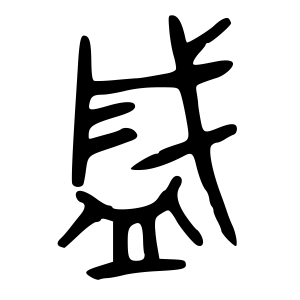
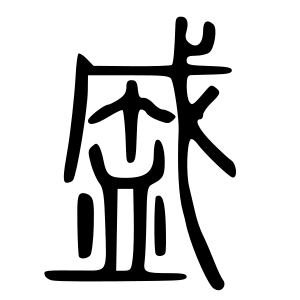
- 成 phonetic — to complete, to accomplishThe upper element 成 (chéng) carries the sound and lends a hint of its own meaning: brought to completion, made whole. A thing that has been fully realized is close kin to a thing flourishing.
- 皿 vessel / dish radicalThe open bowl at the foot is where the character started — the sacrificial dish heaped with grain in the Shuowen Jiezi's definition. Abundance in 盛 is literally something filling a container to overflowing before it ever became a figure of speech.
character
- 兴盛 xīng shèng flourishing and prosperous — a thriving rise of a family, trade, or place
- 繁盛 fán shèng teeming and luxuriant — flourishing in profusion
- 茂盛 mào shèng lush, vigorous — of plants in full, dense leaf
- 盛世 shèng shì a flourishing age — an era at its golden height
- 鼎盛 dǐng shèng at the very peak — a life, house, or enterprise in full prime
The Story Behind the Character
At the foot of 盛 sits an open vessel — 皿, the dish radical — and in the character's oldest use it was not empty. China's first dictionary (Shuowen Jiezi, c. 100 CE) defines 盛 as 黍稷在器中以祀者也: the millet and grain heaped in a vessel for an offering. The character is built from 成 (chéng) above and 皿 (the bowl) below, and the first thing it named was the most concrete thing imaginable — a ritual dish piled high with grain, full to the brim and then some.
From that overflowing bowl the meaning lifted off the table. A vessel filled past its level is the plainest picture of abundance there is, and the character carried that picture into the abstract: full, ample, then flourishing, thriving, at the very height. The two readings split along the seam. Pronounced chéng, 盛 kept the literal act — to fill a container, to ladle rice into a bowl (盛饭). Pronounced shèng, it took the figurative life: a flourishing age, a thriving house, a thing at its peak.
What shèng finally came to name is fullness in motion. Not the quantity sitting in the granary but the vitality of a thing while it is still growing — 茂盛 for plants in lush leaf, 鼎盛 for a life or enterprise at its prime, 盛世 for an era at its golden height. Built into the word is a quiet warning the classics never let go of: 盛极而衰, what reaches its fullest begins to turn. To wish someone 盛 is to wish them the climbing part of the curve, the season when everything is still rising.
Classical lines
盛年不重来,一日难再晨。 The flourishing years do not come a second time; a day never dawns twice.
Tao Yuanming uses 盛年, the prime of life, to make the case for seizing the present: the lines that follow urge effort while the season lasts, because the years and months wait for no one. 盛 here is the height of a life, named precisely because it does not stay.
日新之谓盛德。 Renewing oneself day by day is what is called flourishing virtue.
The Great Treatise pairs 盛德 (abundant, flourishing virtue) with 大业 (great enterprise) as the two marks of a life at its fullest. The point is that 盛 is not a static condition one arrives at but something kept alive through daily renewal — virtue that flourishes because it keeps growing.
盛衰之理,虽曰天命,岂非人事哉! The principle of flourishing and decline
though we call it the will of heaven, is it not the work of human effort? — Ouyang Xiu opens his famous essay by refusing to hand 盛衰 (rise and fall) over to fate. Whether a house or a state flourishes, he argues, is decided by what people do, not by fortune. The line is why 盛 belongs on a gift that means something earned, not something wished down from the sky.
Why This Character Matters
The most-spoken praise of a golden era in Chinese is 盛世 — a flourishing age — and historians attach it to specific reigns by name: 开元盛世, the Kaiyuan flourishing under Tang Xuanzong; 康乾盛世, the long Qing high point under the Kangxi and Qianlong emperors. The word is reserved for the upward stretch of a dynasty, the decades when population, harvests, and the arts all rose together. It is never used for a peak already passing — which is the whole point of giving it.
Outside the history books, 盛 lives in the language of generosity and scale. 盛情 and 盛意 are how Chinese names hospitality offered in full measure — a welcome you could not have asked more of; 盛宴 is a sumptuous banquet, 盛大 a grand and splendid occasion, 盛典 a great ceremony. The common thread is fullness that spills past the necessary into the generous. And 盛 is a frequent surname and given-name character, chosen by parents who want flourishing pressed into the name itself — which is why a Chinese reader meets a lone 盛 expecting either a family name or the front half of a compound still to come.
盛 is also a common Chinese surname, so a native reader may first take a lone 盛 as a family name rather than the word for flourishing — which usually appears inside a compound (盛世, 兴盛, 茂盛). As a tattoo it reads as thoughtful and uncommon, but it benefits from context: many who choose it pair it with another character, or accept that its meaning is read rather than instantly obvious.
Calligraphy Styles for Tattoos
- Regular script (楷书 kǎishū) Best for tattoos
盛 has 11 strokes in a top-bottom structure: 成 over the vessel radical 皿. Regular script keeps the slanted hook of 成 clear and the base 皿 broad and legible — both essential for a character that should read as full and well-seated. Minimum recommended size: 1.5 inches.
- Running script (行书 xíngshū) Good for larger pieces
The long slanting hook 斜钩 of 成 gives running-script 盛 real energy, suiting its sense of upward, growing fullness. Works best at 2+ inches, where the 皿 base keeps its four inner uprights distinct.
- Cursive script (草书 cǎoshū) Only with an expert calligrapher
In cursive the 皿 base can collapse into a single sweep and lose its footing, leaving the character top-heavy. Attempt only with a calligrapher experienced in cursive 盛.
Common Mistakes to Avoid
- Leaving off the small dot (丶) tucked under the slanted hook of 成Intended: 盛 with 成 written in full
成 ends with a short dot inside the curve of its slanting hook (斜钩). Drop it and the upper half is no longer 成 — the whole character reads as a slip to a native eye, the way a missing crossbar would in a Latin letter.
- Cramping the 皿 base too narrowIntended: 盛 with a broad, flat 皿 foot
皿 is the vessel the character is built on. A pinched, narrow base makes 盛 top-heavy and unstable — the bowl should be wide enough to seat the 成 resting above it, the way a real dish has to be wide enough to hold what is heaped in it.
Notes for Your Tattoo Artist
11 strokes, top-bottom: 成 (6 strokes) seated over the vessel radical 皿 (5 strokes). The slanting hook 斜钩 of 成 is the character's longest line and should sweep with confidence; the small dot tucked under it is easy to lose and must stay. Keep the 皿 base broad and flat — it is the foundation the whole character rests on. Minimum 1.5 inches to hold the base's inner uprights.
A few characters live near "盛" but mean something quieter, sharper, or more specific. Here's how to tell them apart.
the vigor of a thing thriving — vitality at its peak, still rising
the fullness of the harvest — quantity, the granary high, the measure overflowing
flourishing in motion — the upward, climbing energy of growth at its height
settled peace — the grand calm of a life that has arrived and rests
a household or era thriving and vigorous, at full bloom
a whole good life with nothing important missing — the blessing that holds all the others
For the friend or family whose new year you want to be not merely smooth but flourishing — full of growth and vigorous life.
- For the friend or family whose new year you want to be not merely smooth but flourishing — full of growth and vigorous life. 盛 names thriving in motion, the upward energy of a year at its height: 百业兴盛, every undertaking on the rise. Where 丰 wishes the granary high and the measure overflowing, and 泰 wishes the grand calm of things settled, 盛 wishes the opposite of rest — that the year teems, ascends, and arrives at its peak. Most apt when the wish is that the months ahead be lush rather than simply safe.
- Housewarming · A New HomeFor the household just planted, when the wish is that it thrive — that the home fill with life and the family fortunes rise from this threshold. 盛 is 家道兴盛, the house flourishing across the years; it names not the comfort of the rooms (that is 安) or their fullness (that is 丰) but the vital, growing energy of a household on the way up. The gift for a new home you want to see flourish, not merely settle.
Friend · New Couple · Grandparent · or yourself
Looking for a name? See Western names written in Chinese →
-
What does 盛 (shèng) mean?
盛 (shèng) is the Chinese character for flourishing, thriving, grand abundance. A field of grain in midsummer, every stalk in full leaf and still climbing — that is 盛. Not the grain once it is cut and measured into the granary, which is 丰 (abundance, the measure overflowing), and not the settled calm of a year that has arrived and now rests, which is 泰 (grand, unforced peace). 盛 is the vitality of the thing while it is still growing: fullness in motion, a household or a year or an age at the very height of its energy. The character began as a literal picture — grain heaped past the rim of a sacrificial bowl — and it never lost that sense of something filled to overflowing and rising further. The most-spoken praise of a golden era in Chinese is 盛世 — a flourishing age — and historians attach it to specific reigns by name: 开元盛世, the Kaiyuan flourishing under Tang Xuanzong; 康乾盛世, the long Qing high point under the Kangxi and Qianlong emperors. The word is reserved for the upward stretch of a dynasty, the decades when population, harvests, and the arts all rose together. It is never used for a peak already passing — which is the whole point of giving it.
-
What occasions is 盛 given for?
盛 is traditionally given for Chinese New Year, Housewarming · A New Home. For the friend or family whose new year you want to be not merely smooth but flourishing — full of growth and vigorous life. 盛 names thriving in motion, the upward energy of a year at its height: 百业兴盛, every undertaking on the rise. Where 丰 wishes the granary high and the measure overflowing, and 泰 wishes the grand calm of things settled, 盛 wishes the opposite of rest — that the year teems, ascends, and arrives at its peak. Most apt when the wish is that the months ahead be lush rather than simply safe. For the household just planted, when the wish is that it thrive — that the home fill with life and the family fortunes rise from this threshold. 盛 is 家道兴盛, the house flourishing across the years; it names not the comfort of the rooms (that is 安) or their fullness (that is 丰) but the vital, growing energy of a household on the way up. The gift for a new home you want to see flourish, not merely settle.
-
Is 盛 a good Chinese tattoo?
盛 is also a common Chinese surname, so a native reader may first take a lone 盛 as a family name rather than the word for flourishing — which usually appears inside a compound (盛世, 兴盛, 茂盛). As a tattoo it reads as thoughtful and uncommon, but it benefits from context: many who choose it pair it with another character, or accept that its meaning is read rather than instantly obvious.
-
Who brushes the 盛 calligraphy?
Each 盛 (Shèng) is hand-brushed to order by Artist Lina Sun in ink on rice paper — never printed, never repeated.
Bring 盛 home — choose how you'd like it brushed.
-
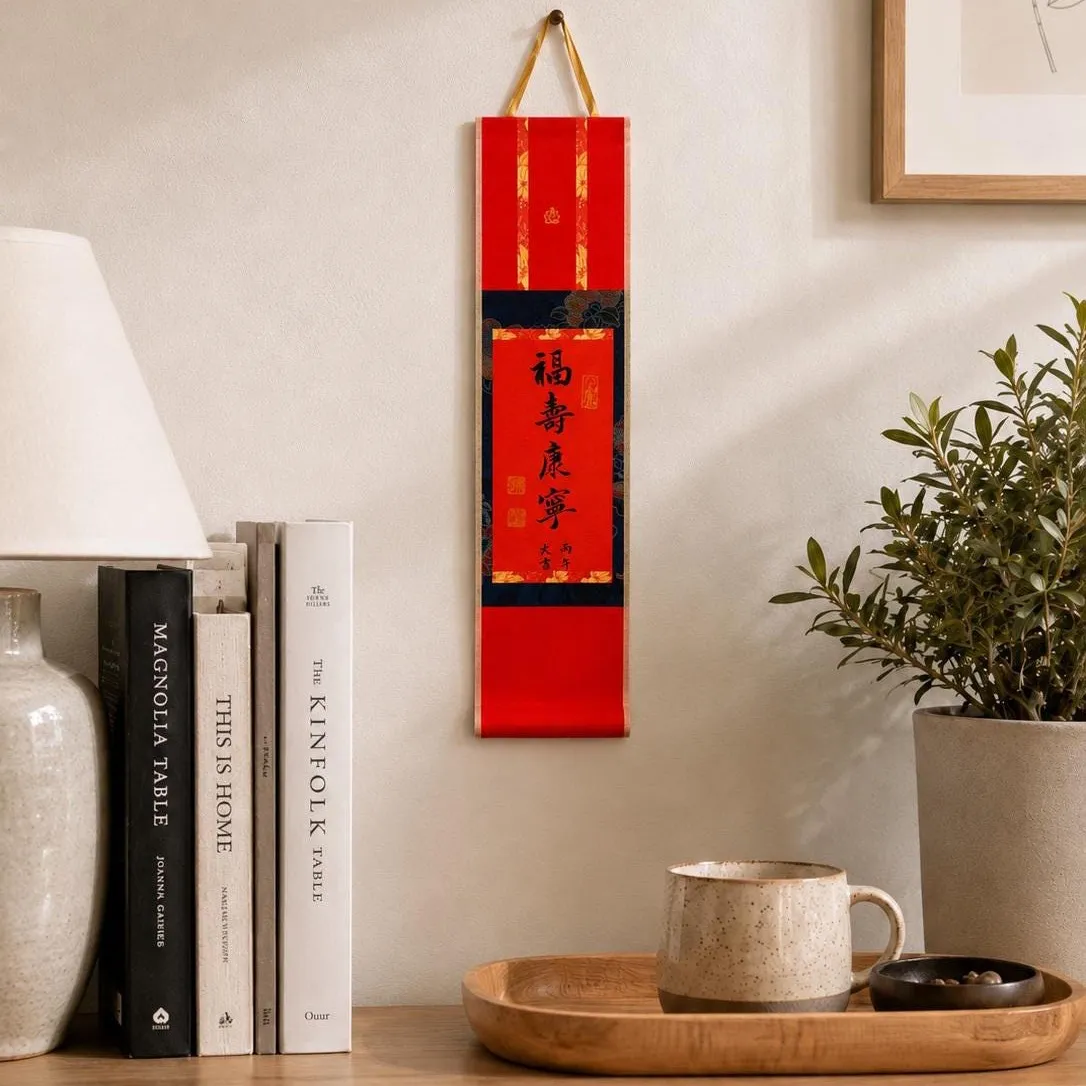
Photo shows a sample — yours will be brushed with 盛, or any character you choose.
Wall Scroll — for walls & housewarmingsfrom $38→ -
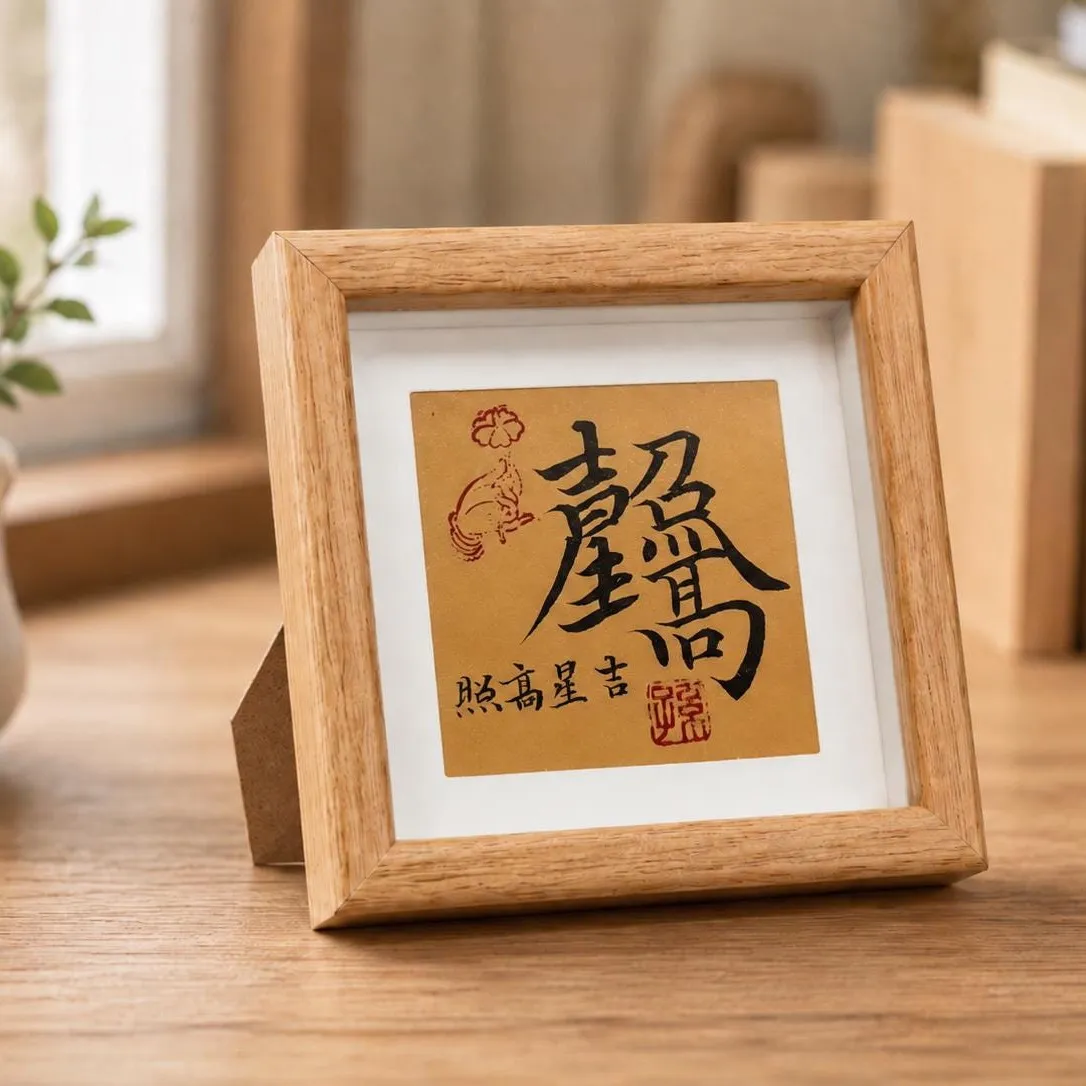
Photo shows a sample — yours will be brushed with 盛, or any character you choose.
Desk Frame — for desks, studies & studiosfrom $44→ -
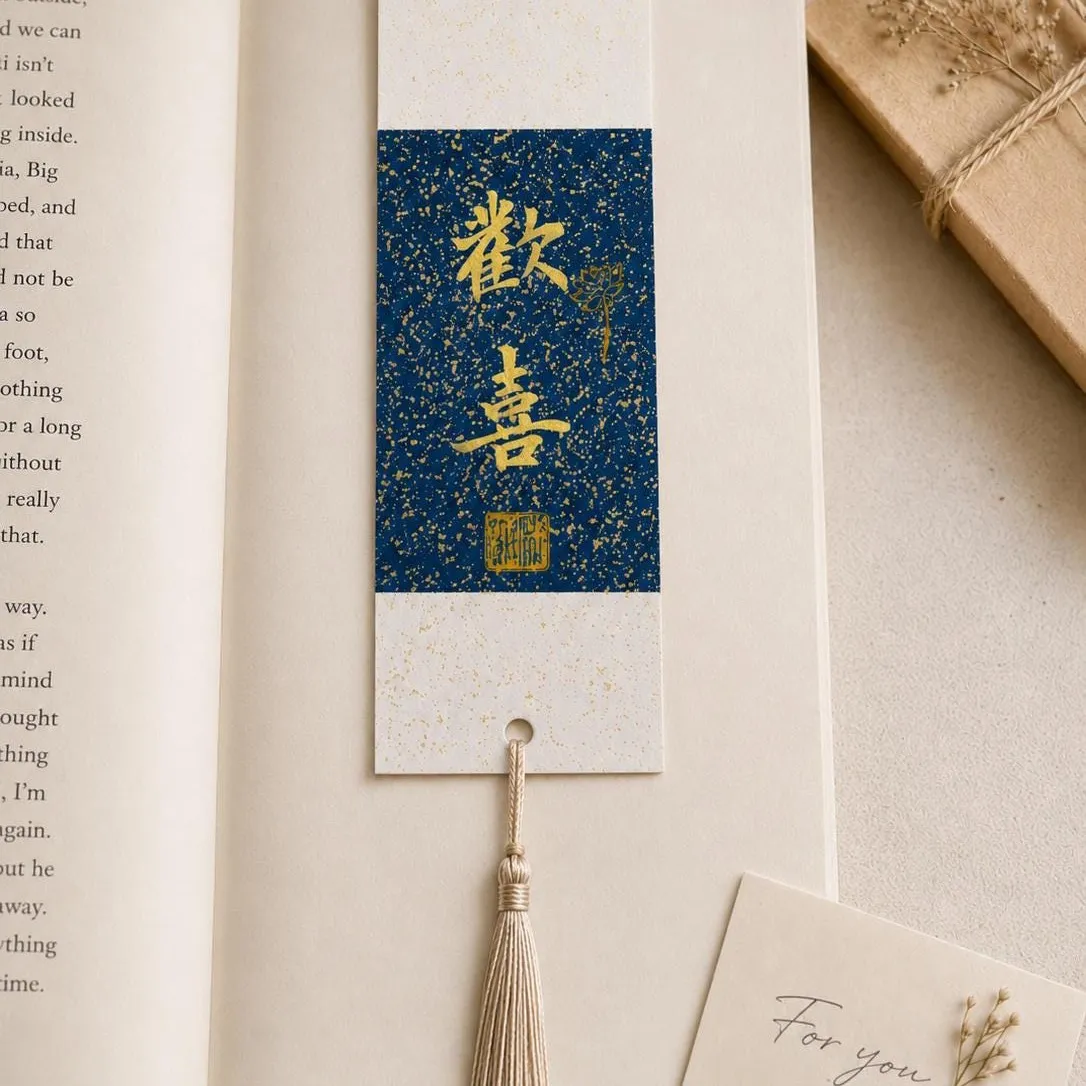
Photo shows a sample — yours will be brushed with 盛, or any character you choose.
Bookmark — for readers & small thank-yousfrom $17→
What people said after it arrived.
-
The item is fantastic. The customer service was genuine. Thanks!
— M.Verified purchase · from our Etsy shop reviews · -
They were great they gave me exactly what I asked for and then some. Thank you!!
— G.Verified purchase · from our Etsy shop reviews · -
It is well designed and customized. My daughter loves it. Amazing gift for family’s d friends
— S.Verified purchase · from our Etsy shop reviews ·
Each "盛" is hand-brushed by Artist Lina Sun on rice paper.
See 盛 (Shèng) on Etsy →