贤 (xián) — Worthy · Virtuous and Able · Excellent Character
A single character.
In the Confucian hierarchy of character, the sage (圣人) sits at a height almost no one reaches — Confucius himself, perhaps. One rung below is the worthy person (贤人), and Confucius set 贤 there on purpose: it was the level he held up to his own students, the one they could actually reach. That placement is the whole point. 贤 is not theoretical virtue but demonstrated worth — the person who has both the competence and the character to handle what their role requires, and has shown it. It is the quality you can observe in people you actually know.
贤妻 (worthy wife) and 贤母 (worthy mother) have appeared in Chinese family vocabulary since the Han dynasty. The compound 贤妻良母 (xián qī liáng mǔ, worthy wife, good mother) has survived two thousand years of social change not because it is conventional but because it describes something real: a person who brings practical mastery and moral quality to the roles that ask the most. 贤 is the specific name for the first half of that recognition — the demonstrated worth that experience has made visible.
A hand-brushed 贤 by FuBlessings is the gift for the woman whose quality has been demonstrated rather than claimed — the mother who handled what the years brought with both competence and character, the wife whose worth has accumulated into something you rely on, the grandmother whose decades of choices you are now old enough to recognize for what they were. It does not wish for worthiness. It names worthiness already proven.
- worthy
- virtuous and able
- of demonstrated character
- competent and good together
- talented Talent is raw ability, which can exist without character. 贤 requires both — skill and moral quality, proven in conditions that tested them.
- kind Kindness is one good trait. 贤 is wider: it includes judgment, reliability, and competence, not warmth alone.
- saintly Too high. The sage (圣) is nearly unreachable. 贤 was set one rung below on purpose — the worthy person you can actually find, know, and learn from.
The short arms are the point: these readings don’t reach it.
- 臤 firm, skilled handlingOriginally a hand (又) gripping what was depicted as an eye or a minister (臣) — the image of taking something in hand with skill. It supplies the sense of practical mastery: the worthy person is one who can actually handle what their role demands.
- 贝 value (cowrie shell)The cowrie shell, used as currency across Bronze Age China and the standard radical for worth and wealth. Beneath the skilled grip, it grounds 贤 in genuine value: ability backed by something real, not mere cleverness.
character
- 贤惠 xián huì worthy and considerate — said of someone capable and kind in equal measure
- 贤良 xián liáng worthy and good — virtue paired with sound character
- 贤妻良母 xián qī liáng mǔ worthy wife, good mother — competence and warmth brought to the roles that ask the most
- 圣贤 shèng xián sages and worthies — the two highest tiers of moral character in Confucian thought
The Story Behind the Character
The traditional form of 贤 (賢) is built from two parts. On top sits 臤 (qiān): a hand (又) gripping what was originally depicted as an eye or minister (臣) — the image of firm, skilled handling. Below sits 贝 (bèi), the cowrie shell, which served as currency across Bronze Age China. The composite: a person whose practical mastery (the grip) is backed by genuine value (the shell). China's first dictionary (说文解字, c. 100 CE) defined 賢 as 多才也 — "having many abilities" — a definition centered on demonstrated competence rather than innate character.
By the time of Confucius, 贤 had grown into something larger. The Analects reference worthy people (贤人) as the practical moral ideal — the category between the sage (圣人, the rare theoretical ceiling) and the ordinary person (常人). 见贤思齐 — "when you see a worthy person, aim to equal them" — is one of the most quoted sentences in the Analects. The point is intentional: 贤 is not sainthood. It is the quality you can observe in people you actually know, in conditions you can actually imagine, and then work toward yourself.
In Chinese family vocabulary, 贤妻 (worthy wife) and 贤母 (worthy mother) have appeared in texts since the Han dynasty. The compound 贤妻良母 (xián qī liáng mǔ) — worthy wife, good mother — has survived two millennia of social change not because it is conventional but because it describes something real: a person who has brought both competence and character to the roles that asked the most. The 贤 in that compound has never been ceremonial. It names demonstrated quality.
Classical lines
- roughly 300 years
- c. 500 BCE 《论语·里仁》
- c. 300 BCE 《孟子·公孙丑上》
- c. 200 BCE 《礼记·礼运》
见贤思齐焉,见不贤而内自省也。 When you see a worthy person, aim to equal them. When you see a person of no worth, examine yourself inwardly.
Confucius made 贤 an accessible aspiration. The sage (圣人) is almost no one; the worthy person (贤人) is someone you can find and observe and learn from. This sentence makes 贤 a direction rather than a fixed station.
尊贤使能,俊杰在位,则天下之士皆悦而愿立于其朝矣。 Respect the worthy and employ the able
with capable people in their proper roles, scholars from across the world will rejoice and want to serve. — Mencius argued that 贤 is not merely personal virtue; it is what makes institutions work. A community or household where 贤 is recognized and given its proper weight runs better than one where it is not.
选贤与能,讲信修睦。 Select the worthy and the able; cultivate trust; build harmony.
From the 大同 passage, one of the most quoted visions of a well-ordered society in classical Chinese literature. The selection of 贤 people — worthy, not merely powerful or well-born — is the first condition listed for a community that works.
Why This Character Matters
贤妻良母 (xián qī liáng mǔ) — worthy wife, good mother — is one of the most durable four-character compounds in Chinese social vocabulary. It appears in texts from the Han dynasty and survives in everyday modern Chinese. The compound's durability is not merely traditional: it describes a person who brings practical competence (the 贤 dimension: judgment, skill, reliability) and warmth (the 良 dimension: goodness, gentleness) simultaneously to roles that ask for both. Giving 贤 alone names the first half of that recognition specifically.
In the Confucian moral hierarchy, 贤 occupies a precise and deliberate position. The sage (圣人) is the theoretical ceiling — the category of Confucius himself, perhaps. The worthy person (贤人) is immediately below: someone of demonstrated moral quality and practical ability, someone who can actually be found and learned from. Confucius explicitly used 贤 as the aspirational category for his students — not 圣, which was beyond reach, but 贤, which was not. That calibration is still present when the character is given as a gift: it does not name an ideal. It names something that has already been seen.
A few characters live near "贤" but mean something quieter, sharper, or more specific. Here's how to tell them apart.
demonstrated worth — competence and character proven in practice
the accumulated moral character itself, observed from within
good judgment joined to moral quality, shown in how a role is handled
intelligence and insight — the sharpness of mind on its own
worthiness: goodness backed by real ability and reliability
goodness of heart itself — the kindness, before the competence
For the mother whose worth has been practical as well as admirable — the person who showed up with both competence and character in the years that tested her.
- For the mother whose worth has been practical as well as admirable — the person who showed up with both competence and character in the years that tested her. 贤 is more specific than 孝 (which names the child's obligation) and more grounded than 德 (which names accumulated virtue in the abstract). It names what the mother's role actually requires — and recognizes that she met it.
- For a milestone birthday when the gift should name what the years have verified rather than what they might produce. 贤 names demonstrated worth: good judgment, practical ability, and moral consistency in conditions that actually tested them. For the grandmother or mother whose quality you have watched accumulate over a lifetime, or the wife at a milestone old enough to be a reckoning.
Mom · Wife · Grandparent · or yourself
Looking for a name? See Western names written in Chinese →
-
What does 贤 (xián) mean?
贤 (xián) is the Chinese character for worthy, virtuous and able, excellent character. In the Confucian hierarchy of character, the sage (圣人) sits at a height almost no one reaches — Confucius himself, perhaps. One rung below is the worthy person (贤人), and Confucius set 贤 there on purpose: it was the level he held up to his own students, the one they could actually reach. That placement is the whole point. 贤 is not theoretical virtue but demonstrated worth — the person who has both the competence and the character to handle what their role requires, and has shown it. It is the quality you can observe in people you actually know. 贤妻良母 (xián qī liáng mǔ) — worthy wife, good mother — is one of the most durable four-character compounds in Chinese social vocabulary. It appears in texts from the Han dynasty and survives in everyday modern Chinese. The compound's durability is not merely traditional: it describes a person who brings practical competence (the 贤 dimension: judgment, skill, reliability) and warmth (the 良 dimension: goodness, gentleness) simultaneously to roles that ask for both. Giving 贤 alone names the first half of that recognition specifically.
-
What occasions is 贤 given for?
贤 is traditionally given for Mother's Day, Birthday. For the mother whose worth has been practical as well as admirable — the person who showed up with both competence and character in the years that tested her. 贤 is more specific than 孝 (which names the child's obligation) and more grounded than 德 (which names accumulated virtue in the abstract). It names what the mother's role actually requires — and recognizes that she met it. For a milestone birthday when the gift should name what the years have verified rather than what they might produce. 贤 names demonstrated worth: good judgment, practical ability, and moral consistency in conditions that actually tested them. For the grandmother or mother whose quality you have watched accumulate over a lifetime, or the wife at a milestone old enough to be a reckoning.
-
Who brushes the 贤 calligraphy?
FuBlessings hand-brushes each 贤 (Xián) to order, in ink on rice paper — never printed, never repeated.
Bring 贤 home — choose how you'd like it brushed.
-
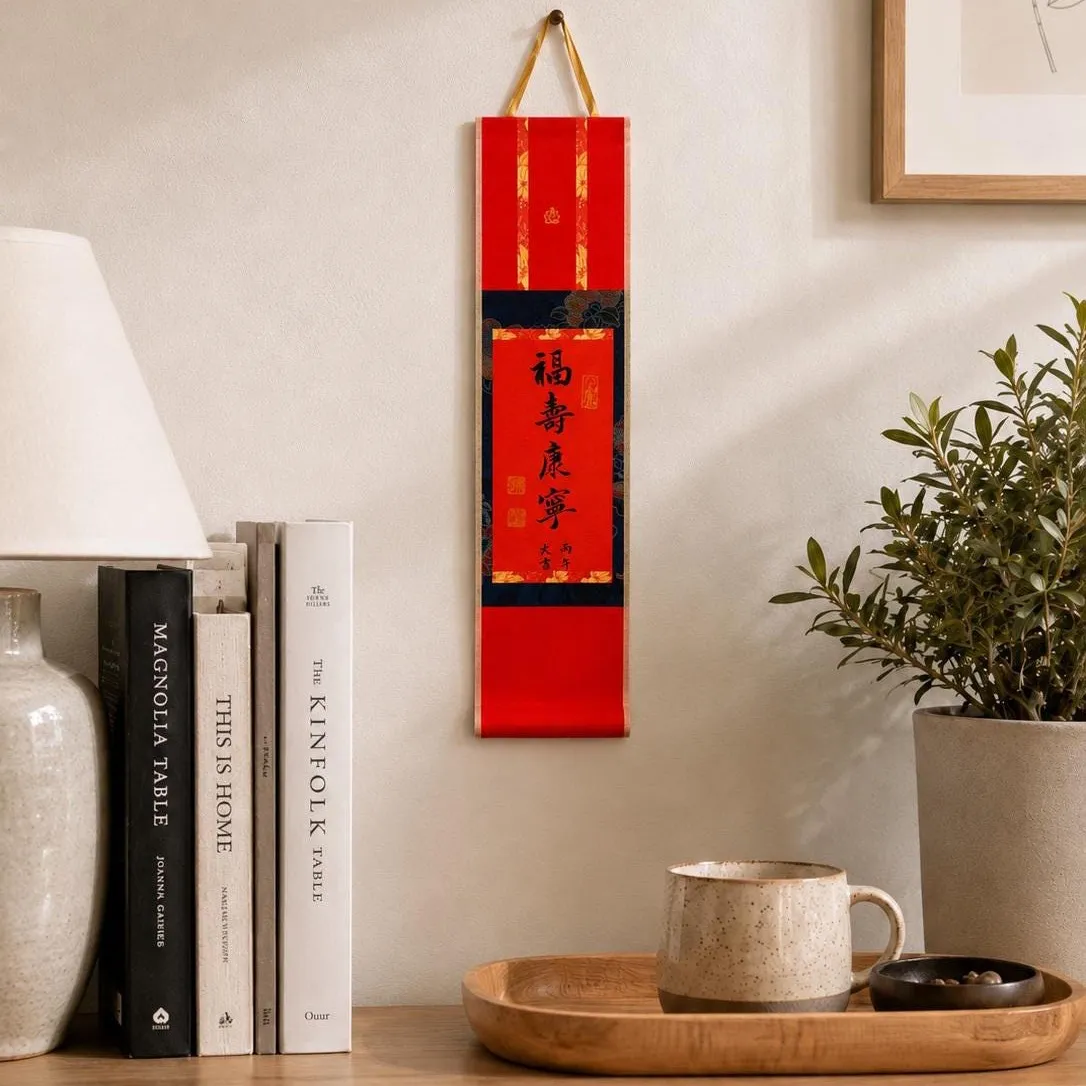
Photo shows a sample — yours will be brushed with 贤, or any character you choose.
Wall Scroll — for walls & housewarmingsfrom $38→ -
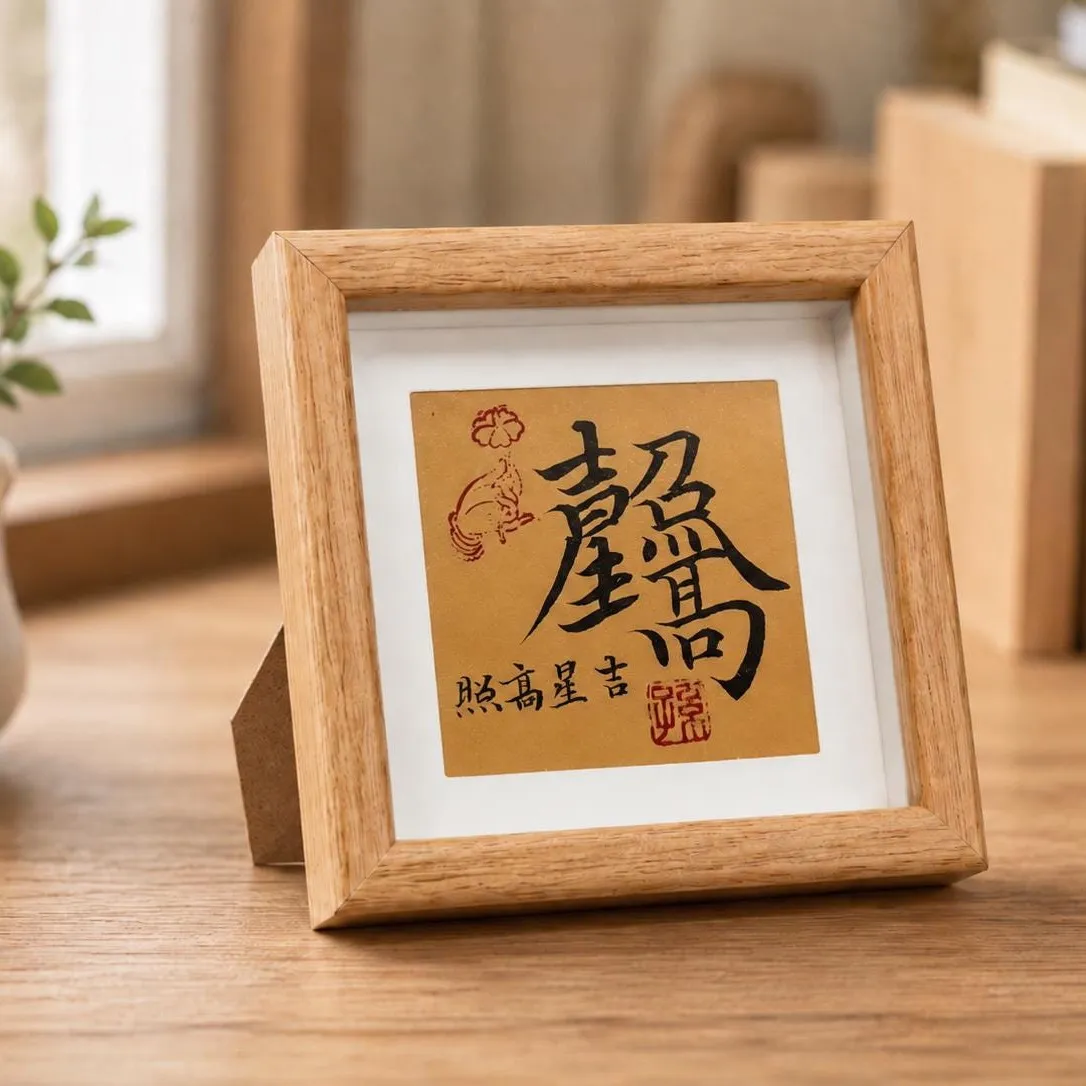
Photo shows a sample — yours will be brushed with 贤, or any character you choose.
Desk Frame — for desks, studies & studiosfrom $44→ -
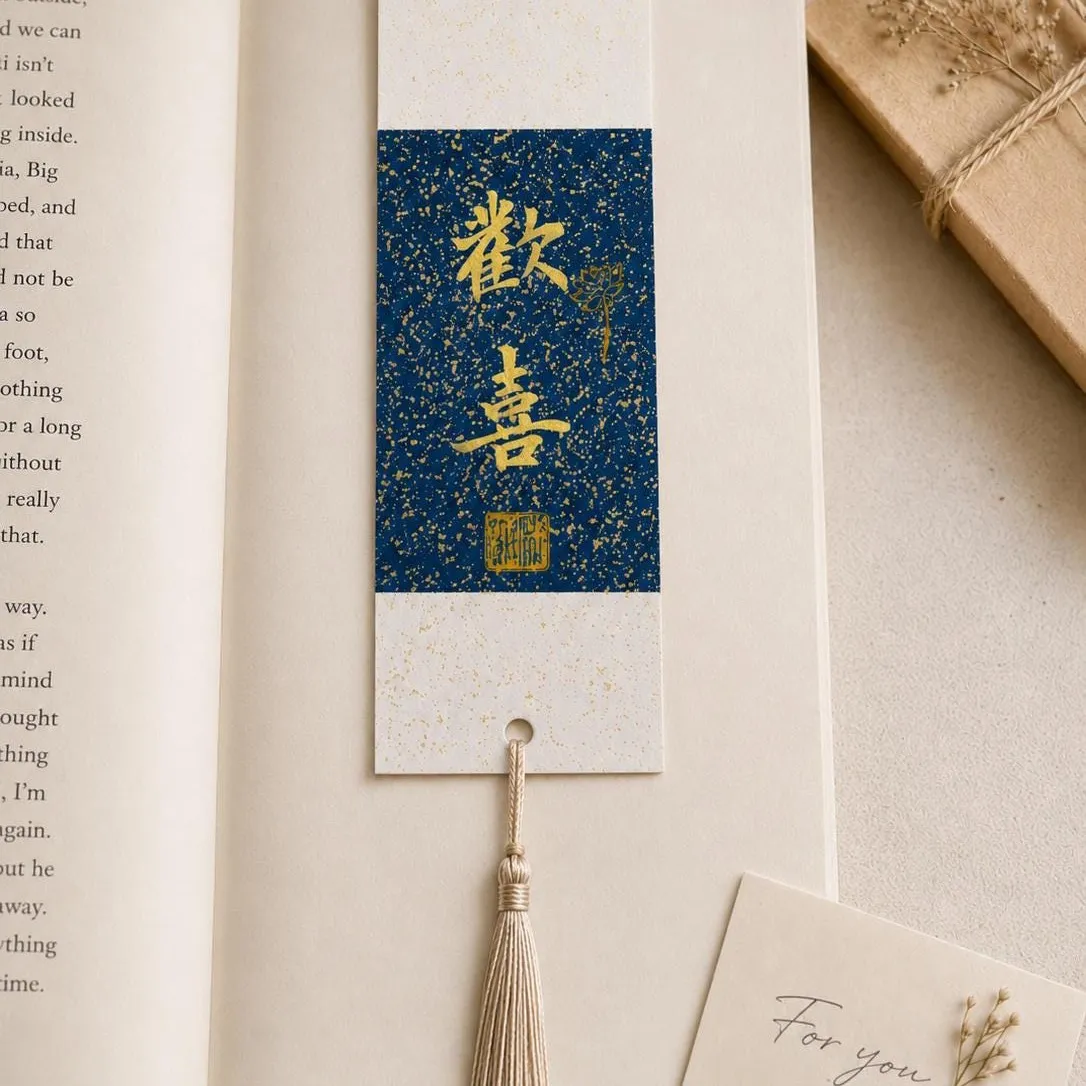
Photo shows a sample — yours will be brushed with 贤, or any character you choose.
Bookmark — for readers & small thank-yousfrom $14→
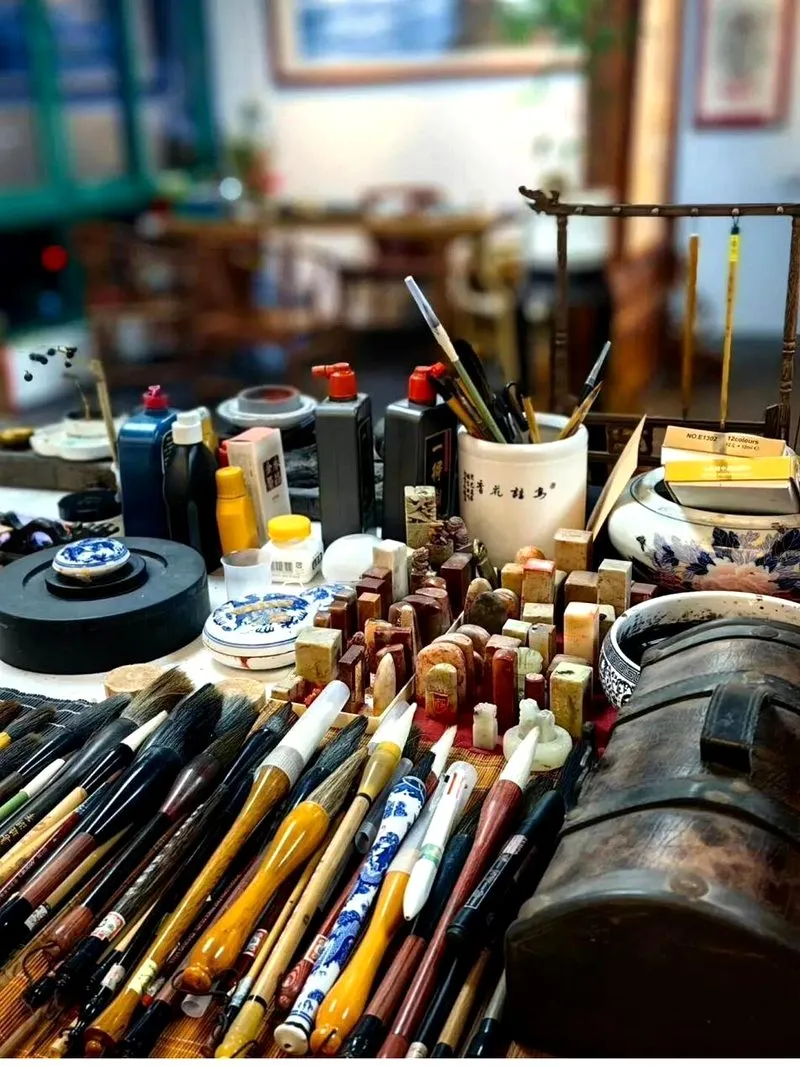
What people said after it arrived.
-
The item is fantastic. The customer service was genuine. Thanks!
— M.Verified purchase · from our Etsy shop reviews · -
They were great they gave me exactly what I asked for and then some. Thank you!!
— G.Verified purchase · from our Etsy shop reviews · -
It is well designed and customized. My daughter loves it. Amazing gift for family’s d friends
— S.Verified purchase · from our Etsy shop reviews ·
Each "贤" is hand-brushed by FuBlessings on rice paper.
See 贤 (Xián) on Etsy →