惜福 (xī fú) — Cherish Blessing · Do Not Waste Good Fortune · Hold What You Have
A two-character word, not a single character.
Leave leftover rice in a bowl and an older relative may say it out loud: 要惜福 — hold the blessing you already have; do not spend it down. That is the whole tip of the compound. See 福 → names the complete life with nothing important missing. 惜 adds the verb that 福 alone never carries: cherish it, begrudge wasting it, refuse to treat good fortune as disposable. Mainland dictionaries gloss the pair as 珍惜福分,不随意挥霍 — value the share of blessing you hold, and do not throw it around. It is not a wish for more luck. It is a stance toward what has already arrived.
The classics put the same pressure on people who already had plenty. Song Taizu, catching a princess in kingfisher feathers, told her: 汝生长富贵,当念惜福 — born into wealth, remember to cherish blessing. Su Shi, writing to a friend about thrift in the capital, called careful spending 惜福延寿之道 — a way of cherishing blessing that also lengthens life. Qing household speech kept the scold: waste food and someone will say you 不知惜福. Against the neighbours the fences stay clean. 知足 is knowing that what you have is enough — a recognition about sufficiency. 俭 is restraint in how much you spend. 感恩 thanks a person for kindness received. 惜福 keeps the object as 福 itself: the blessing already in the house, treated as something that can be spent down if you are careless.
A hand-brushed 惜福 by FuBlessings suits the friend who already has a full year and needs the quieter counsel not to waste it, the mother or grandparent whose household still says 惜福 over a leftover bowl, a birthday that should credit blessings already held rather than order more, and a New Year table that hangs 福 on the door and still wants the second word — cherish what crosses the threshold. It does not promise fresh fortune. It names the care that keeps the fortune you have.
- cherishing the blessing / good fortune one already holds — 珍惜福分
- refusing to enjoy to excess or throw fortune around — 享受不肯过分 / 不随意挥霍
- household counsel not to waste food, cloth, or ease — 要惜福 / 不知惜福
- a stance toward existing 福, not a request that more 福 arrive
- the blessing itself That is 福 alone — completeness wished or named. 惜福 adds the verb of careful holding; without 惜 there is no instruction about waste.
- contentment / knowing enough 知足 is recognition that what you have suffices. 惜福 can be said by someone who still wants care toward fortune without claiming the philosophical stop of 知足.
- frugality as spending less 俭 measures the gap between what you could spend and what you did. 惜福 can motivate thrift, but its object is blessing, not the accounts.
- gratitude to a person 感恩 thanks a giver for kindness received. 惜福 does not require a human sender; it addresses the fortune already in the house.
The short arms are the point: these readings don’t reach it.
- 惜 cherish — hold carefully; begrudge waste说文 惜,痛也 — ache of the heart; later cherish / refuse to squander. No library single for 惜 (xi.md is 喜). Here it is the verb welded onto 福.
- 福 blessing — completeness with nothing important missingLibrary page fu.md. Altar radical beside a full vessel; living tip is the whole good life, not one lucky break. Here it is the object being cherished.
characters
- 珍惜福分 zhēn xī fú fèn dictionary gloss — treasure one's share of blessing
- 不知惜福 bù zhī xī fú not knowing how to cherish blessing — the household scold
- 惜福延寿 xī fú yán shòu cherish blessing and lengthen life — Su Shi's pairing of thrift with longevity
- 要惜福 yào xī fú you should cherish blessing — living counsel over waste
- 知足 zhī zú knowing what is enough — related by sense, sharing no character with 惜福; recognition of sufficiency rather than care toward 福
Cinnabar marks the characters 惜福 actually contains. The dark row is a relative by meaning or by sound, not one shared stroke.
The Story Behind the Character
Living Mandarin reaches for 惜福 when someone already holds good fortune and needs to be told not to waste it. 汉典 opens on two readings that share one gloss tip: Mainland xī fú as 指享受不肯过分 — refusing to enjoy to excess — and a second listing xí fú as 珍惜福分,不随意挥霍. Taiwan's Moedict and the Ministry revised dictionary print xí fú for the same sense. This entry follows Mainland backlog reading xī fú; the meaning does not split with the tone. Everyday speech keeps the scold and the counsel in the same two characters: 要惜福, 不知惜福, 懂得惜福.
The two halves arrive with different jobs. 惜, in 《说文》, is 痛也 — grief, ache — a heart radical with 昔 for the sound; from ache it widened to cherish, begrudge waste, and refuse to let something go. There is no library single for 惜 (the page xi.md is 喜, a different character). Here 惜 is the verb of careful holding. 福 is the library's blessing character — completeness, nothing important missing — and [See 福 →](/library/fu/) keeps that older altar-and-full-vessel thesis. Welded together, 福 stops being only a wish you hang on the door; it becomes something you can mistreat.
Book evidence is already blunt by the Song. The History of Song records Taizu telling the Wei-guo princess to 当念惜福 after forbidding kingfisher ornament on her jacket. Su Shi's letter to Li Gongze treats 惜福延寿 as thrift with a moral name. By the Qing novel Dream of the Red Chamber the compound is household scolding over wasted cloth and food. The gift scroll keeps that domestic tip: cherish the blessing, do not spend it down.
Classical lines
- roughly 800 years
- 10th c. CE 《宋史·卷三·太祖本纪三》
- 11th c. CE 苏轼《与李公择》
- 18th c. CE 曹雪芹《红楼梦》第六十二回
汝生长富贵,当念惜福。 You were born and raised in wealth; you must remember to cherish blessing.
Song Taizu to the Wei-guo princess after forbidding kingfisher feathers on her jacket. The compound already names care toward fortune one already holds, not a request for more.
口体之欲,何穷之有?每加节俭,亦是惜福延寿之道。 Desires of mouth and body
where is their end? Adding thrift at every turn is also a way of cherishing blessing and lengthening life. — Su Shi offering a friend a practical name for restraint. 惜福 here is moral thrift, not a prosperity slogan.
只会蹧蹋东西,不知惜福呢! You only know how to ruin things
you do not know how to cherish blessing! — Qing household scolding over wasted cloth. The compound is already domestic speech: waste proves you have not learnt 惜福.
Why This Character Matters
At a Chinese New Year doorway the single character 福 still does the loud work — pasted right-side up or upside down for the 到 pun. 惜福 rarely replaces that paste; it sits beside it as the quieter instruction once blessing is already in the room. Birthday and ordinary family meals keep the same register: an elder pointing at leftover rice is not forecasting wealth, and is not practising 知足 as a philosophy seminar. They are naming care toward what the household already holds. That is why the compound fits a mother or grandparent gift without borrowing Mother's Day filial vocabulary, and why a friend's birthday can carry it without sounding like a prosperity slogan.
Buyers choosing among library neighbours should keep the fences clean. 福 alone is the blessing. 知足 is knowing sufficiency. 俭 is the virtue of not spending freely. 感恩 thanks a giver. 惜福 is cherishing 福 — the blessing treated as something that can be wasted if you are careless.
A few characters live near "惜福" but mean something quieter, sharper, or more specific. Here's how to tell them apart.
cherishing the blessing you already hold
the blessing itself — completeness wished or named
care toward fortune so it is not wasted
knowing that what you have is already enough
holding blessing carefully as the named object
restraint in spending — virtue measured against what you could have spent
A birthday can wish for more years, more health, or more luck.
- A birthday can wish for more years, more health, or more luck. 惜福 does a quieter job: it credits the blessings already in the room and asks that they not be spent down. 知足 would congratulate someone for knowing they have enough; 福 alone would hang the general wish. 惜福 names the care that keeps what the year has already given. For the milestone when the accurate gift is cherishing, not ordering more.
- The doorway already carries 福 — often upside down for the arrival pun. 惜福 does not replace that paste. It is the second word after blessing has crossed the threshold: hold what the year brings; do not waste it. 恭喜发财 asks for more wealth; 富足 wishes a stocked house. 惜福 keeps the New Year wish honest about care. For the household that wants the quieter counsel beside the loud character on the door.
Friend · Grandparent · Mom · or yourself
Looking for a name? See Western names written in Chinese →
-
What does 惜福 (xī fú) mean?
惜福 (xī fú) is a two-character Chinese word for cherish blessing, do not waste good fortune, hold what you have. Leave leftover rice in a bowl and an older relative may say it out loud: 要惜福 — hold the blessing you already have; do not spend it down. That is the whole tip of the compound. See 福 → names the complete life with nothing important missing. 惜 adds the verb that 福 alone never carries: cherish it, begrudge wasting it, refuse to treat good fortune as disposable. Mainland dictionaries gloss the pair as 珍惜福分,不随意挥霍 — value the share of blessing you hold, and do not throw it around. It is not a wish for more luck. It is a stance toward what has already arrived. At a Chinese New Year doorway the single character 福 still does the loud work — pasted right-side up or upside down for the 到 pun. 惜福 rarely replaces that paste; it sits beside it as the quieter instruction once blessing is already in the room. Birthday and ordinary family meals keep the same register: an elder pointing at leftover rice is not forecasting wealth, and is not practising 知足 as a philosophy seminar. They are naming care toward what the household already holds. That is why the compound fits a mother or grandparent gift without borrowing Mother's Day filial vocabulary, and why a friend's birthday can carry it without sounding like a prosperity slogan.
-
What occasions is 惜福 given for?
惜福 is traditionally given for Birthday, Chinese New Year. A birthday can wish for more years, more health, or more luck. 惜福 does a quieter job: it credits the blessings already in the room and asks that they not be spent down. 知足 would congratulate someone for knowing they have enough; 福 alone would hang the general wish. 惜福 names the care that keeps what the year has already given. For the milestone when the accurate gift is cherishing, not ordering more. The doorway already carries 福 — often upside down for the arrival pun. 惜福 does not replace that paste. It is the second word after blessing has crossed the threshold: hold what the year brings; do not waste it. 恭喜发财 asks for more wealth; 富足 wishes a stocked house. 惜福 keeps the New Year wish honest about care. For the household that wants the quieter counsel beside the loud character on the door.
-
Who brushes the 惜福 calligraphy?
FuBlessings hand-brushes each 惜福 (Xī Fú) to order, in ink on rice paper — never printed, never repeated.
Bring 惜福 home — choose how you'd like it brushed.
-
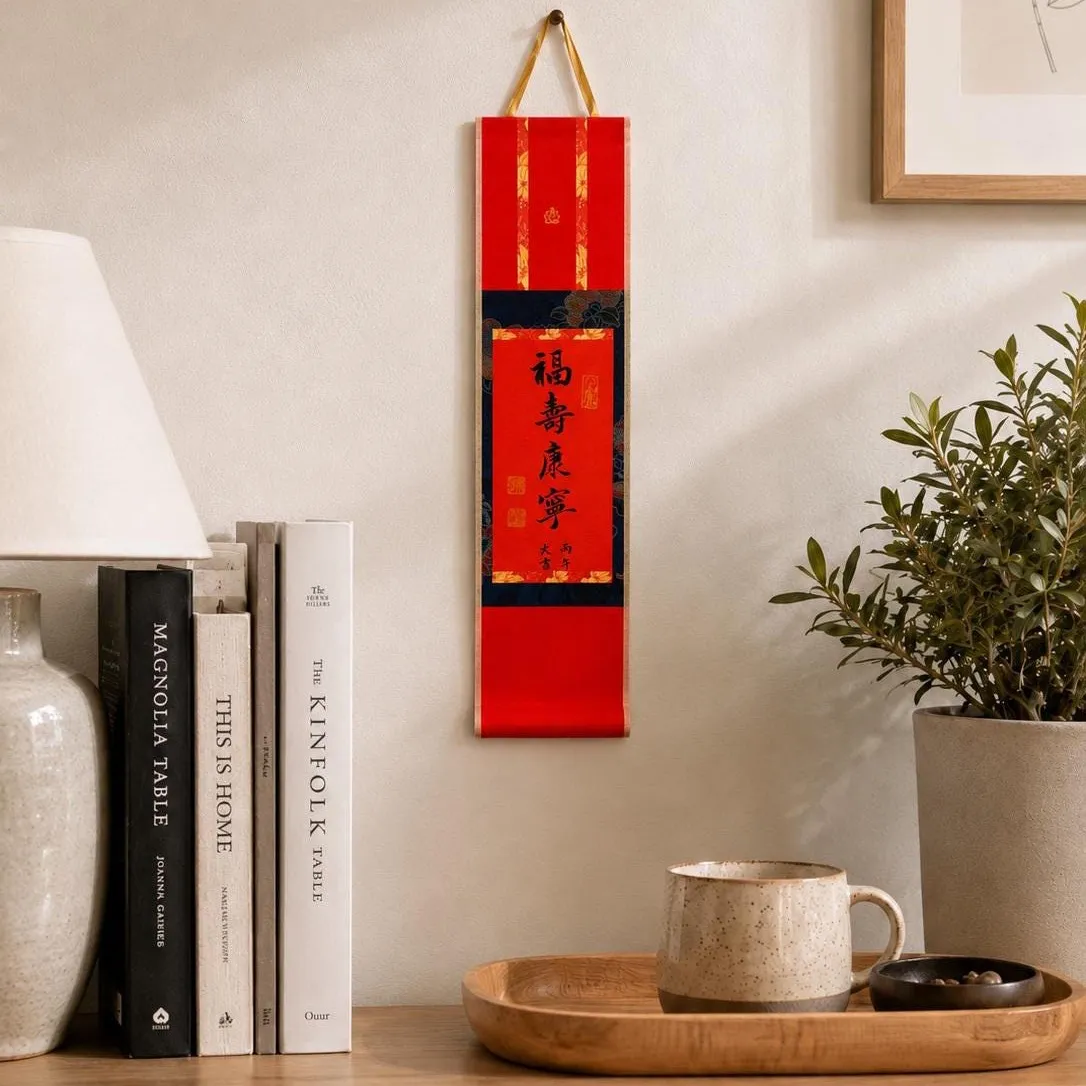
Photo shows a sample — yours will be brushed with 惜福, or any character you choose.
Wall Scroll — for walls & housewarmingsfrom $38→ -
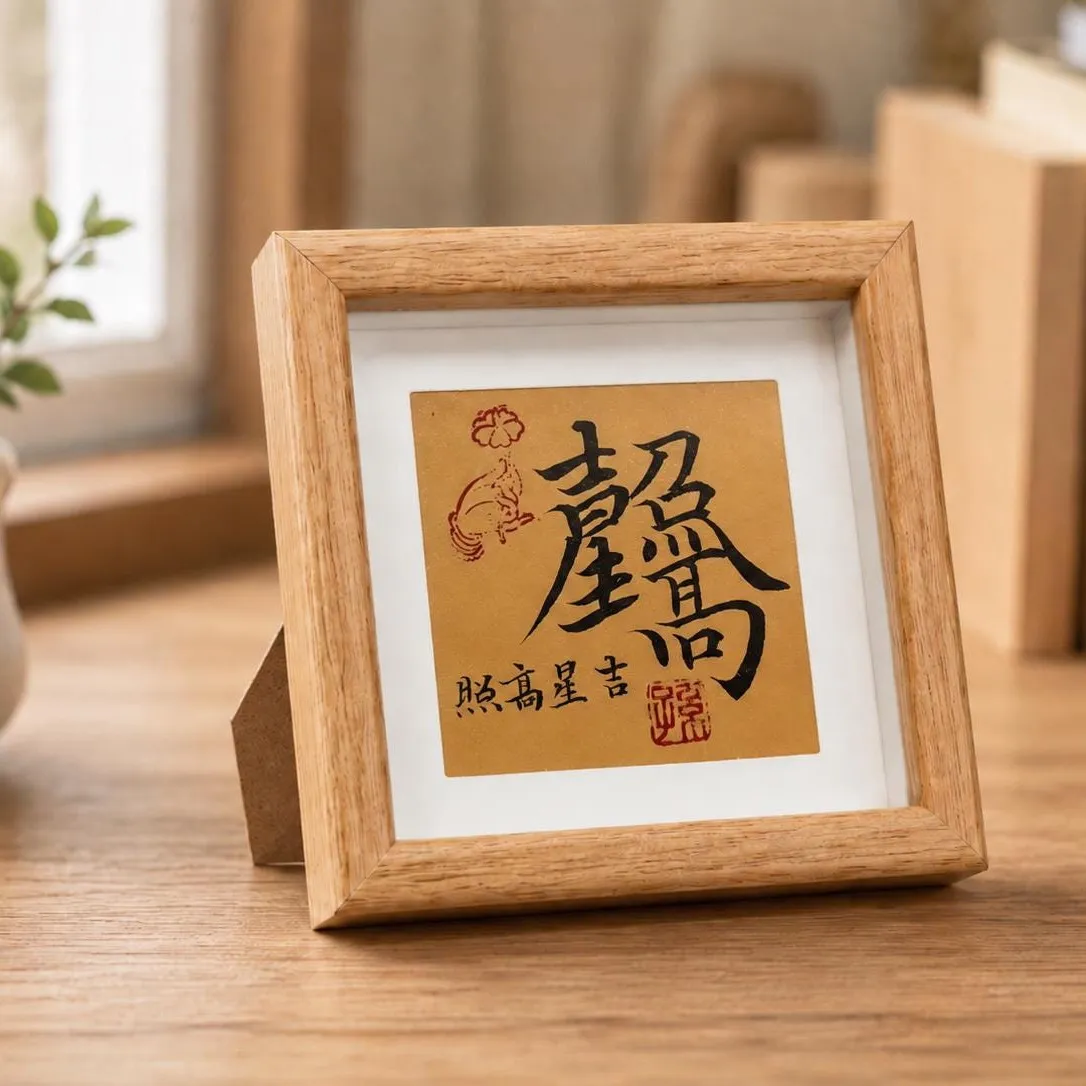
Photo shows a sample — yours will be brushed with 惜福, or any character you choose.
Desk Frame — for desks, studies & studiosfrom $44→ -
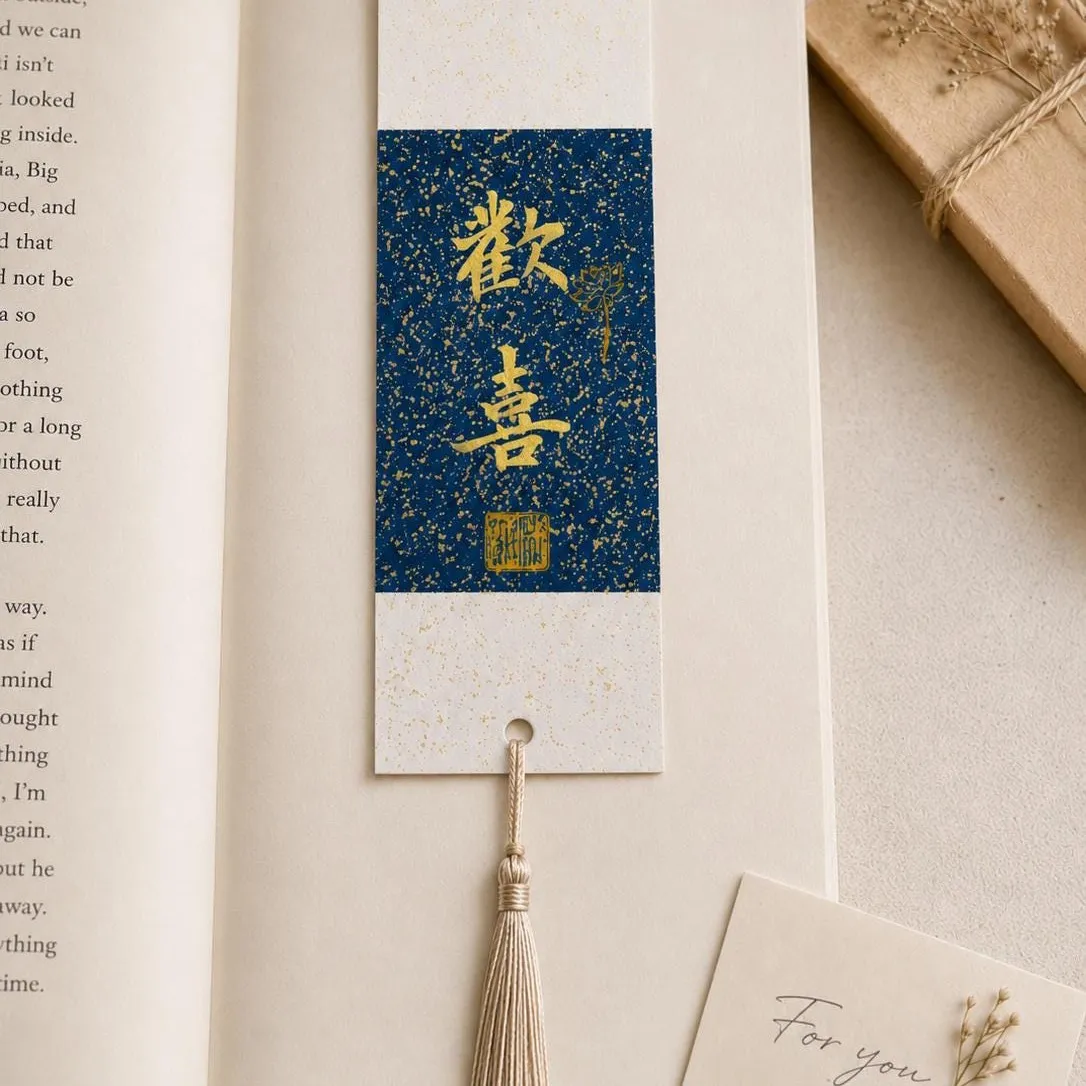
Photo shows a sample — yours will be brushed with 惜福, or any character you choose.
Bookmark — for readers & small thank-yousfrom $14→
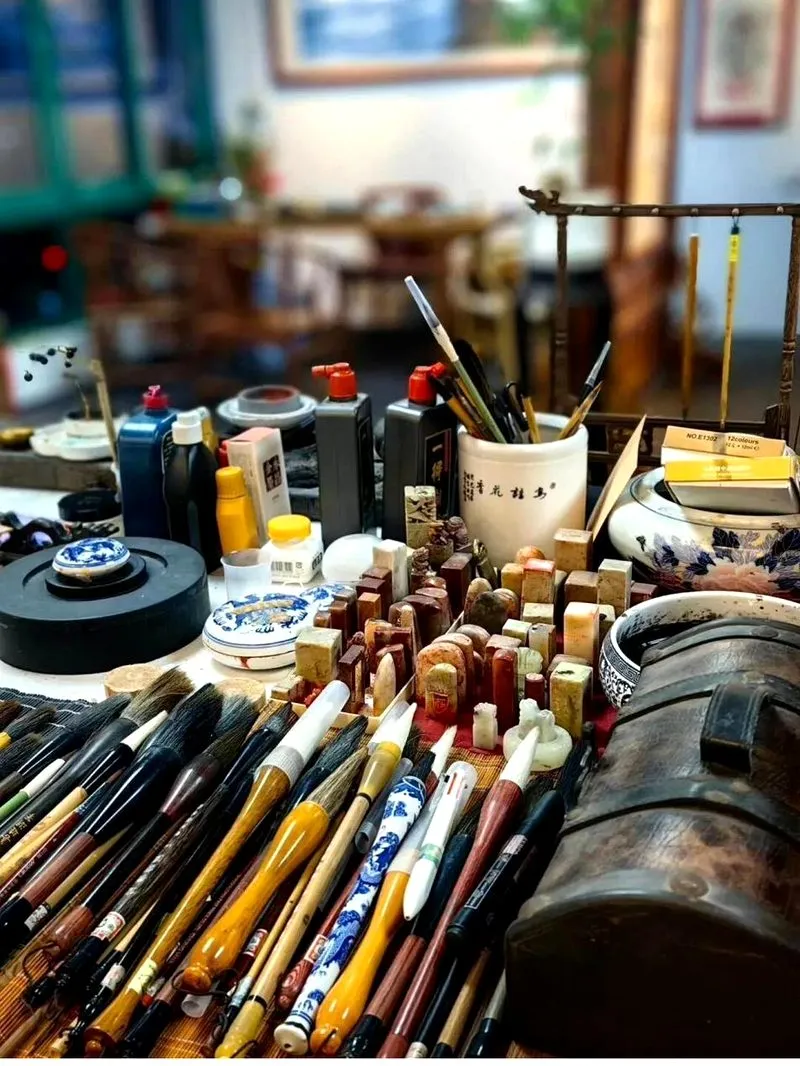
What people said after it arrived.
-
The item is fantastic. The customer service was genuine. Thanks!
— M.Verified purchase · from our Etsy shop reviews · -
They were great they gave me exactly what I asked for and then some. Thank you!!
— G.Verified purchase · from our Etsy shop reviews · -
It is well designed and customized. My daughter loves it. Amazing gift for family’s d friends
— S.Verified purchase · from our Etsy shop reviews ·
Each "惜福" is hand-brushed by FuBlessings on rice paper.
See 惜福 (Xī Fú) on Etsy →