禧 (xǐ) — Festal Felicity · Occasion's Gladness · Ritual Auspiciousness
A single character.
The last character on a Chinese New Year card is often this one. 恭贺新禧 — respectful congratulations on the new year’s felicity — prints 禧 where a letter writer might have closed 并颂新祺. See 祺 → shares the altar radical and the season; it hopes the months after the festival go well. 禧 names the festival itself. China’s first dictionary glosses it 礼吉也: auspiciousness belonging to ritual. 段玉裁 hears 行礼获吉也 — a favorable outcome obtained by performing the rite. The living word kept that ceremonial register and carried it onto red paper.
See 喜 → is a different character with the same modern reading. It began as a drum on a stand over a shouting mouth — joy that fills a room, the doubled 囍 of weddings, the 报喜 of a birth. 禧 keeps 喜 only as the sound half and adds 礻, the altar sign. See 福 → is the whole blessing of a life; 祥 is a sign that had to be read; 吉 is a favorable verdict on a day. 禧 is narrower than all three: the occasion called glad, the year’s new felicity, the card’s last character.
A hand-brushed 禧 by FuBlessings takes the greeting’s last word and gives it the whole sheet. For a friend it is the New Year wish without the wealth slogan. For a grandparent it is the festival word at the door of the house where everyone gathers. For a mother it is the day’s felicity named without counting years. At Chinese New Year it is what the printed card already knew. On a birthday it is the occasion itself, marked as glad.
- festal felicity — the gladness of a marked occasion
- ritual auspiciousness — 礼吉也 / 行礼获吉也
- the New Year greeting's last character — 恭贺新禧, 年禧, 鸿禧
- blessing as named at a ceremony — the Erya fortune-row sense
- public joy / celebration noise That is 喜 — drum on a stand over a mouth. 喜 fills a wedding hall or a birth announcement. 禧 keeps the altar radical and names the occasion's felicity, not the cheering.
- ease that lasts after the festival That is 祺 — same radical, letter-closing register (顺颂时祺). 祺 is what you hope will hold in the months after. 禧 is the festival word on the printed card.
- a whole life's blessing That is 福 — the full stock of a good life. 禧 is narrower: the felicity of this rite, this New Year, this marked day.
- an auspicious omen That is closer to 祥 — a sign that had to be read for good or ill. 禧 is not evidence to interpret; it is the gladness named when the occasion is already under way.
The short arms are the point: these readings don’t reach it.
- 礻 altar sign — meaning componentFour strokes at the left: the side form of 示. 《说文》 reads 示 as heaven hanging out signs so that good and ill are shown to people, and files 禧 in that section among the fortune words. The radical is what ties this character to rite and blessing rather than to the drum-and-mouth joy of 喜 alone.
- 喜 sound (and a semantic hint readers feel)Twelve strokes at the right. 《说文》 gives it as the sound only (喜声). Readers still feel the joy-character inside the graph; that is useful for memory and is not the same as saying 喜 is a meaning component in the historical analysis.
character
- 恭贺新禧 gōng hè xīn xǐ the printed New Year greeting — respectful congratulations on the new year's felicity
- 年禧 nián xǐ New Year felicity — greeting vocabulary for the turn of the year
- 鸿禧 hóng xǐ great felicity — a formal blessing word in cards and couplets
- 新禧 xīn xǐ new felicity — the second half of 恭贺新禧
- 喜 xǐ a dark row by sense and graph. Public joy (drum + mouth), sharing the reading and the right half but not the altar radical.
- 祺 qí a dark row by radical and season. Letter-closing ease (顺颂时祺), sharing 礻 but not the card's last character.
Cinnabar marks the characters 禧 actually contains. The dark row is a relative by meaning or by sound, not one shared stroke.
The Story Behind the Character
China's first dictionary files 禧 near the head of the 示 section, among the words for fortune that open that chapter. The received wording is short: 礼吉也 — auspiciousness of ritual — and 从示,喜声 — built from the altar sign with 喜 as the sound. 段玉裁 expands the gloss to 行礼获吉也, obtaining a favorable outcome by performing the rite. The fanqie 许其切 yields today's xǐ (older dictionaries also list xī). So the character that now ends the printed New Year card starts as a ritual word: not the noise of celebration, but the gladness that belongs to a ceremony done rightly.
The 《尔雅·释诂》 places it twice. Once it sits with 命, 令, 祈, 请 among words for announcing or petitioning (告也). Once it sits with 禄, 祉, 祜 and the rest under the single gloss 福也. That second row is the one 段玉裁 cites under the Shuowen entry. Later dictionaries keep both 福也 and 吉也. In the histories the graph is often borrowed: 《史记·孝文本纪》 writes 祠官祝釐, and 颜师古 notes that 釐 here is a loan for 禧; 《汉书·礼乐志》 writes 熙事备成, and the same note says 熙与禧同. The dedicated graph and the loan spellings point at one idea — felicity tied to rite and offering.
What the living word measures is the occasion's gladness, not a private feeling and not a whole life's stock. [See 喜 →](/library/xi/) is the drum-and-mouth character for joy that fills a room — weddings, announcements, noise. [See 祺 →](/library/qi/) shares the altar radical and the New Year season, but closes a letter (并颂新祺) with ease you hope will last after the festival. [See 福 →](/library/fu/) is the full blessing of a life. 禧 is narrower: the felicity named on the card and at the ceremony, the year's new gladness in 恭贺新禧.
Classical lines
- roughly 1,700 years
- c. 3rd–2nd c. BCE 《尔雅·释诂》
- c. 1st c. BCE 《史记·孝文本纪》
- 1530 CE 《明史·乐志》嘉靖朝日乐章彻馔《安和之曲》
禄,祉,履,戩,祓,禧,禠,祜,福也。 Lu, zhi, lü, jian, fu, xi, si, hu
these are fortune. — The Erya's fortune row places 禧 beside 禄 and 祜 under one gloss. 段玉裁 cites this line under the Shuowen entry for 禧. The character is already being taught as a blessing-word, not as the loud joy of 喜.
今吾闻祠官祝釐,皆归福朕躬,不为百姓,朕甚愧之。 I hear that the shrine officers, in praying for felicity, turn all the blessing toward my person and not toward the common people
I am deeply ashamed. — Emperor Wen, fourteenth year of his reign, ordering the officers to stop petitioning for him alone. 颜师古 notes that 釐 here is a loan spelling of 禧: the rite-word for felicity, written with a different graph.
一诚尽兮予心怿,五福降兮民获禧。 When sincerity is spent, my heart is glad; the five blessings descend, and the people obtain felicity.
From the Ming court's reworked hymn for the sun altar, at the moment the offerings are cleared. The line pairs 五福 with 禧: the people's share of festal good, named at the close of the rite.
Why This Character Matters
The printed New Year greeting is 恭贺新禧. Correspondents who write letters often close instead with 并颂新祺 or 顺颂时祺 — same season, different character under the same radical. Gift shops, red envelopes, and door couplets keep 禧 in 年禧 and 鸿禧. None of these are obscure; they are how Chinese marks the turn of the year as a glad occasion rather than as a private emotion or a wealth forecast.
As a gift, 禧 makes an editorial claim: that this day or this New Year is worth naming as felicity. It is not a promise that money will arrive, and not the wedding noise of 喜. It is the card's last character — the occasion itself called glad — for a friend, a grandparent, or a mother when the accurate word is the festival's.
禧 is familiar from 恭贺新禧, 年禧, and 鸿禧 — greeting and festival vocabulary more than everyday speech. On skin it reads as festive and formal; native readers usually take it positively, and some will ask whether you meant 喜 if they only see the right half.
Calligraphy Styles for Tattoos
- Regular script (楷书 kǎishū) Best for tattoos
禧 is 16 strokes: 礻 (4) on the left and 喜 (12) on the right. Regular script keeps the altar radical thin and the stacked 喜 clear — if 喜 collapses, readers may recover only the familiar joy character and miss the ritual half.
- Running script (行书 xíngshū) Good for larger pieces
Running script can link strokes inside 喜 while leaving 礻 readable. At small sizes the left radical is easy to lose; ask for a sample at the intended size.
- Cursive script (草书 cǎoshū) Only with an expert calligrapher
Cursive compressions of 喜 vary widely. Without a calligrapher who keeps 礻 visible, the tattoo can be read as 喜 alone — a different character with a different gift register.
Common Mistakes to Avoid
- 喜 (xǐ) — drum on a stand over a mouth, no altar radicalIntended: 禧 (xǐ) — altar radical 礻 beside 喜 as sound
The two share reading and the right-hand graph. 喜 is public joy; 禧 is festal felicity tied to ritual and greeting. Check the left side: 礻 must be present.
- 祺 (qí) — altar radical beside 其Intended: 禧 with 喜 on the right
Both are 示-side fortune words used at New Year. 祺 closes a letter (顺颂时祺); 禧 ends the printed card (恭贺新禧). The right half tells them apart.
- Writing 禧 but asking for the reading xī (old dictionary reading) without confirming modern xǐIntended: Modern standard reading xǐ, dipping tone
Older dictionaries also list xī. Tattoo briefs and gift cards should use the modern dipping-tone reading unless the client asks otherwise.
Notes for Your Tattoo Artist
16 strokes in both simplified and traditional. Confirm the client wants 禧 rather than 喜. Keep 礻 thin and distinct. No oracle-bone or bronze form is attested on Commons to borrow; do not present a seal form as oracle-bone script.
A few characters live near "禧" but mean something quieter, sharper, or more specific. Here's how to tell them apart.
festal felicity of the occasion — rite and greeting
public joy that fills a room — weddings, announcements, noise
the festival word on the printed card
the letter's closing for ease that lasts after the festival
the gladness named at this ceremony or New Year
the full stock of a fortunate life
The printed New Year card still ends 恭贺新禧 — respectful congratulations on the new year's felicity.
- The printed New Year card still ends 恭贺新禧 — respectful congratulations on the new year's felicity. 祺 on related pages is the letter's closing for the months after the festival; 喜 is the loud joy of an event. 禧 is the festival word itself: the occasion's gladness under the altar radical. For a household door, a friend's 拜年, or a mother's New Year visit, when the accurate gift is the card's last character, not a wealth slogan.
- A birthday is itself a marked occasion — the day the room gathers and says something. 禧 names the felicity of that marking without counting years (寿) or forecasting fortune (福). For a friend, a grandparent, or a mother when the gift should credit the day as a glad occasion, not promise what the next year will pay.
Friend · Grandparent · Mom · or yourself
Looking for a name? See Western names written in Chinese →
-
What does 禧 (xǐ) mean?
禧 (xǐ) is the Chinese character for festal felicity, occasion's gladness, ritual auspiciousness. The last character on a Chinese New Year card is often this one. 恭贺新禧 — respectful congratulations on the new year's felicity — prints 禧 where a letter writer might have closed 并颂新祺. See 祺 → shares the altar radical and the season; it hopes the months after the festival go well. 禧 names the festival itself. China's first dictionary glosses it 礼吉也: auspiciousness belonging to ritual. 段玉裁 hears 行礼获吉也 — a favorable outcome obtained by performing the rite. The living word kept that ceremonial register and carried it onto red paper. The printed New Year greeting is 恭贺新禧. Correspondents who write letters often close instead with 并颂新祺 or 顺颂时祺 — same season, different character under the same radical. Gift shops, red envelopes, and door couplets keep 禧 in 年禧 and 鸿禧. None of these are obscure; they are how Chinese marks the turn of the year as a glad occasion rather than as a private emotion or a wealth forecast.
-
What occasions is 禧 given for?
禧 is traditionally given for Chinese New Year, Birthday. The printed New Year card still ends 恭贺新禧 — respectful congratulations on the new year's felicity. 祺 on related pages is the letter's closing for the months after the festival; 喜 is the loud joy of an event. 禧 is the festival word itself: the occasion's gladness under the altar radical. For a household door, a friend's 拜年, or a mother's New Year visit, when the accurate gift is the card's last character, not a wealth slogan. A birthday is itself a marked occasion — the day the room gathers and says something. 禧 names the felicity of that marking without counting years (寿) or forecasting fortune (福). For a friend, a grandparent, or a mother when the gift should credit the day as a glad occasion, not promise what the next year will pay.
-
Is 禧 a good Chinese tattoo?
禧 is familiar from 恭贺新禧, 年禧, and 鸿禧 — greeting and festival vocabulary more than everyday speech. On skin it reads as festive and formal; native readers usually take it positively, and some will ask whether you meant 喜 if they only see the right half.
-
Who brushes the 禧 calligraphy?
FuBlessings hand-brushes each 禧 (Xǐ) to order, in ink on rice paper — never printed, never repeated.
Bring 禧 home — choose how you'd like it brushed.
-
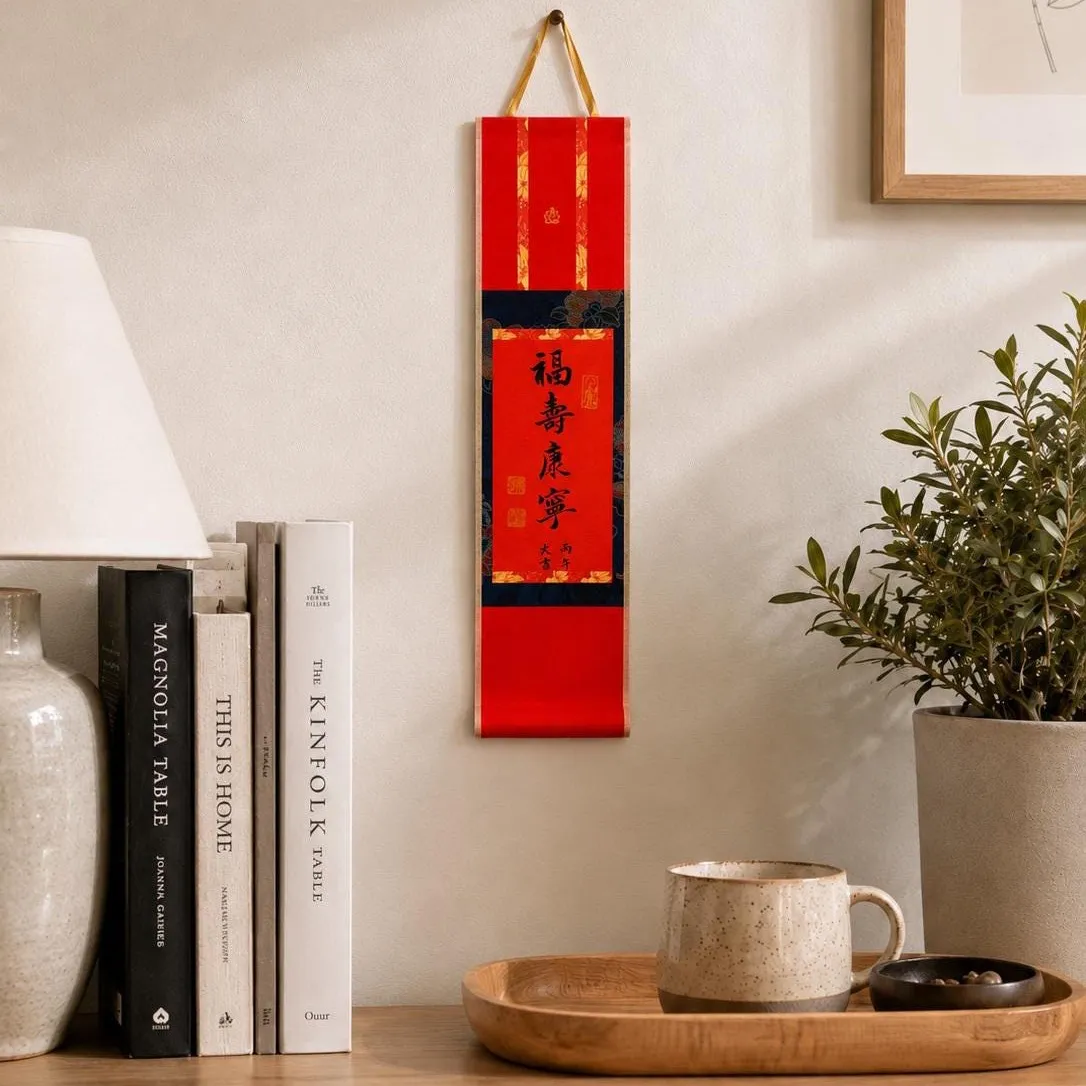
Photo shows a sample — yours will be brushed with 禧, or any character you choose.
Wall Scroll — for walls & housewarmingsfrom $38→ -
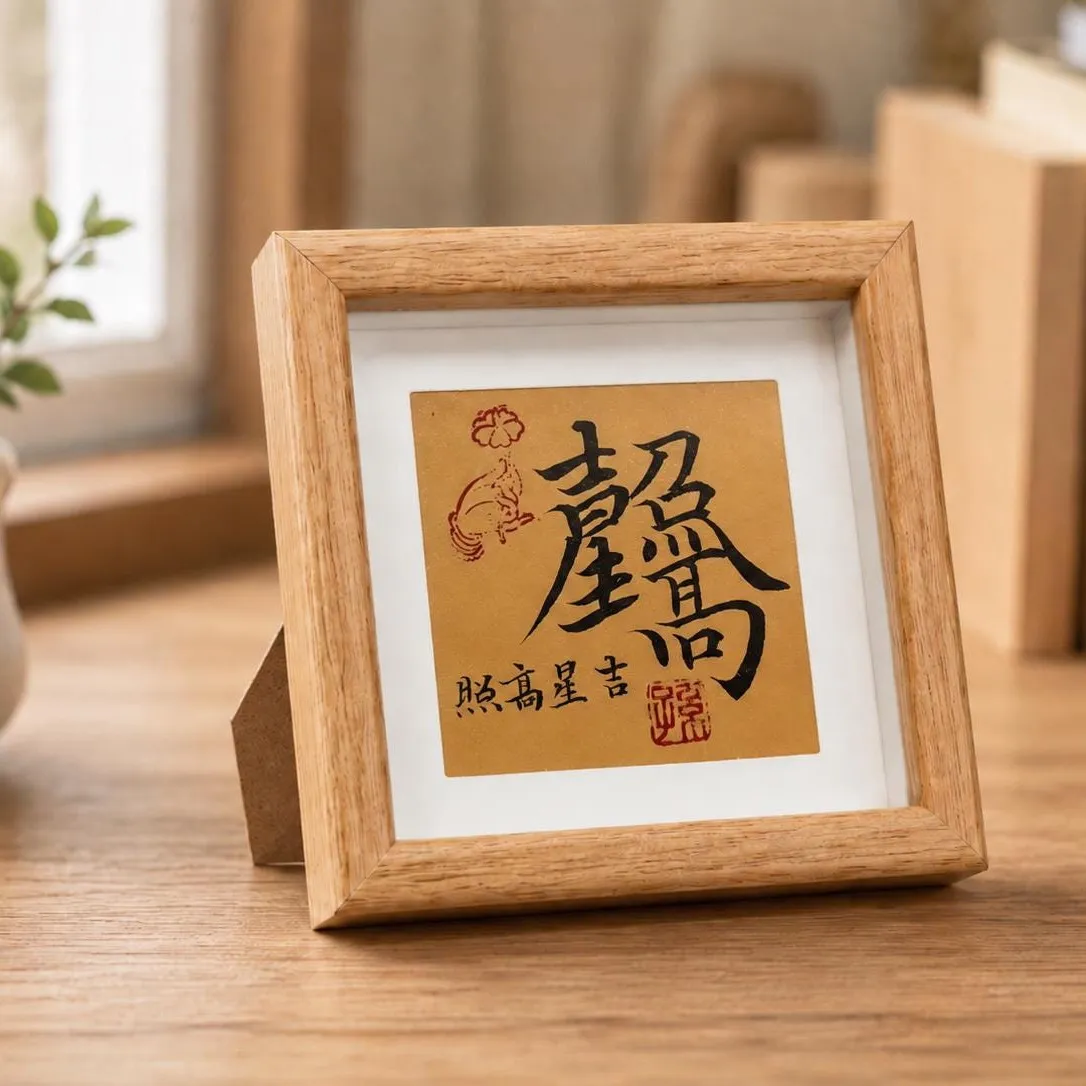
Photo shows a sample — yours will be brushed with 禧, or any character you choose.
Desk Frame — for desks, studies & studiosfrom $44→ -
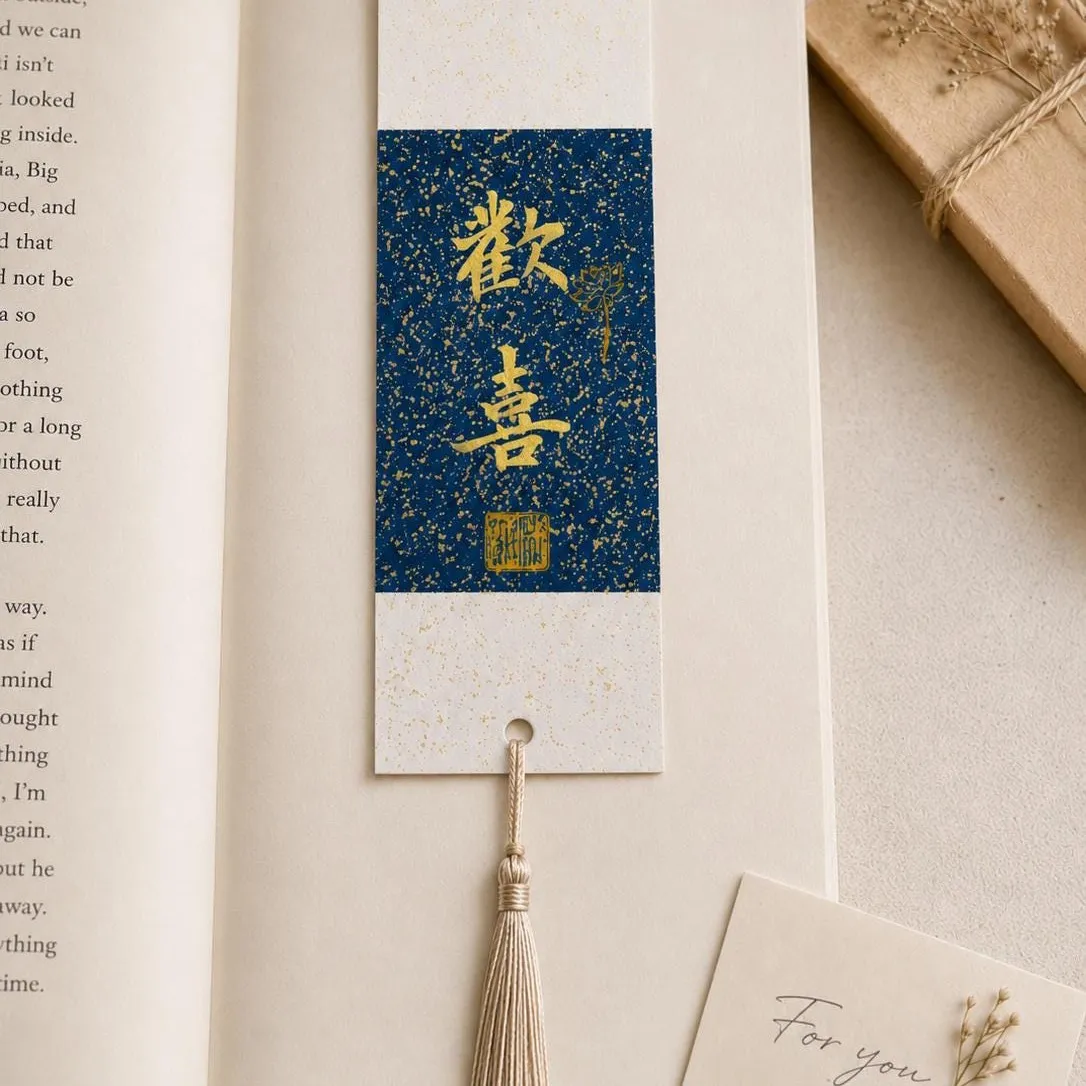
Photo shows a sample — yours will be brushed with 禧, or any character you choose.
Bookmark — for readers & small thank-yousfrom $14→

What people said after it arrived.
-
The item is fantastic. The customer service was genuine. Thanks!
— M.Verified purchase · from our Etsy shop reviews · -
They were great they gave me exactly what I asked for and then some. Thank you!!
— G.Verified purchase · from our Etsy shop reviews · -
It is well designed and customized. My daughter loves it. Amazing gift for family’s d friends
— S.Verified purchase · from our Etsy shop reviews ·
Each "禧" is hand-brushed by FuBlessings on rice paper.
See 禧 (Xǐ) on Etsy →