祺 (qí) — Fortune at Ease · The Good of the Season
A single character.
In the autumn of 1861 the court astronomers in Beijing prepared the almanac for the coming year under a reign title that never took effect. The 咸丰 emperor had died at the summer retreat in 热河, officials travelling with the court put forward four titles for his young son, and an edict announced 祺祥. Two months later a coup led by the two empresses dowager and 恭亲王 removed the regents, and a second edict renamed the coming year 同治. A copy of the 祺祥 almanac survives in the National Library of China. The discarded title joined two words the 《尔雅》 glosses as one, 祺,祥也. See 祥 → began as a sign that had to be read for good or ill. See 吉 → is the favorable answer, most often about a date. 祺 is neither a sign nor a date. It is the good of a condition, things going well and nobody afraid, and Chinese mostly wishes it to people it is writing to.
The living word is written far more often than it is said. 顺颂时祺 (shùn sòng shí qí), with respect, the season’s good fortune to you, still closes formal letters between people of equal standing. The second half moves with the calendar: 春祺 (chūn qí) in spring, 暑祺 (shǔ qí) in the heat, 秋祺 (qiū qí) in autumn, and 新祺 (xīn qí) at the turn of the year. It can also move with the reader, 文祺 (wén qí) for a teacher or writer and 台祺 (tái qí) for an equal. Outside letters it lives in given names and in 祺祥 (qí xiáng), auspicious, the pairing the 1861 court chose for a reign. In the classics it reaches further back, to a feast where the old were seated first and to a blessing spoken over a youth receiving his first cap.
A hand-brushed 祺 by Artist Lina Sun takes the last line of a letter and gives it the whole sheet. For a friend it is the closing you write to an equal, the season named and the news left to them. For a grandparent it is the word the Zhou ode sets at a feast where the old were helped to their mats. At Chinese New Year it is the Han hymn’s blessing of spring, for everything the season reaches. On a birthday it is the capping wish for long years that go well. The letter can be short. This is how it ends.
- good fortune as a settled state — 安泰无忧 in the dictionary, 安泰不忧惧 in the reading 杨倞 records for 荀子's 祺然
- the wish that closes a letter between equals — 顺颂时祺, with the season written in as 春祺, 暑祺, 秋祺
- the good of a whole season — 惟春之祺 in the Han spring hymn
- long years going well — 寿考惟祺 in the capping blessing, 寿考维祺 at the feast for the old in 《行苇》
- an auspicious sign That is 祥. The 《尔雅》 glosses this character with it, and the 1861 court paired the two in a reign title. 祥 began as something seen and interpreted, an omen that could also turn out 不祥. This character names the condition itself, wished to a person, with nothing left to interpret.
- a favorable verdict on a day That is 吉, the answer a divination or an almanac gives. The Mao commentary and the 《尔雅》 both use 吉 to gloss this character, but 吉 attaches to dates and undertakings. This one attaches to a person and the season they are living through.
- New Year gladness That is 禧, as in the printed 恭贺新禧. 《说文》 glosses it 礼吉也 and builds it from 示 with 喜 as the sound. It shares this character's radical and its season, so a reader can mix the two at a glance. 禧 is the gladness of the occasion. This character is the ease you hope will last after it.
- the whole of a fortunate life That is 福. 许慎 files it two entries before this one and glosses it as 祐, help from above. 福 is the full stock of a good life. This character is narrower: things going well now, in this season, with nothing to fear.
The short arms are the point: these readings don’t reach it.
- 礻 altar sign, the showing of good and illFour strokes at the left: 点, 横撇, 竖, 点. It is the side form of 示, which 《说文》 defines as heaven hanging out signs so that good and ill are shown to people, and it marks the whole run of fortune words that opens that section. 康熙字典 counts the character at 13 strokes because it reckons the radical as the full five-stroke 示. Written today it has 12.
- 其 soundEight strokes at the right: 横, 竖, 竖, 横, 横, 横, 撇, 点. 许慎 gives it as the sound only. The 籀文 replaced it with 基, which 段玉裁 also treats as sound. 《广韵》 reads the character 渠之切 and files it in the homophone group headed by 其, which is why the two still share the reading qí.
character
- 时祺 shí qí the season's good fortune — the standard closing between equals, as in 顺颂时祺
- 春祺 chūn qí a spring letter's closing, as in 敬颂春祺; summer has 暑祺 and autumn 秋祺
- 新祺 xīn qí the New Year form at the end of a letter, as in 并颂新祺
- 文祺 wén qí a closing for a teacher, writer, or scholar
- 祺祥 qí xiáng auspicious; also the reign title chosen in 1861 and withdrawn before its first year began
- 恭贺新禧 gōng hè xīn xǐ a dark row by sense and radical. The printed New Year greeting, written with 禧 (xǐ), sharing no character with 祺.
Cinnabar marks the characters 祺 actually contains. The dark row is a relative by meaning or by sound, not one shared stroke.
The Story Behind the Character
The 示 section of 许慎's dictionary opens with a run of words for good fortune that mostly define one another. 禄, 禠, 祥 and 祉 are each glossed with 福. 福 in turn is glossed with 祐, help from above, and 祐 with 助. Then comes this entry: 祺,吉也。从示,其声. Its gloss steps outside the circle to 吉, the word for a favorable answer, which no fortune word before it uses except 禧, glossed 礼吉也. The 示 at the left is the element 许慎 reads as heaven showing good and ill to people. 其 at the right gives the sound. The 渠之切 printed after the entry is 徐铉's reading from the Tang rhyme book and is not part of the Han text. 许慎 also records a 籀文, an older big-seal form, written 禥, with 基 in place of 其. It is tempting to read a foundation into that. 段玉裁 does not. He calls 基 the sound as well and notes that old texts traded 其 and 基 freely, as when the 《尚书》's 丕丕基 appears in 伏生's text as 㔻㔻其.
The 释言 chapter of the 《尔雅》 gives two glosses in a row, 祺,祥也;祺,吉也. The Mao commentary uses the second at the close of 《大雅·行苇》, an ode about a feast at which the Zhou house honours its oldest. 黄耇台背, the poem calls them, yellow-haired and aged, and 郑玄 explains 台 as the 鲐 fish, whose markings the very old carry on their backs. He also explains how they were brought to their mats, 在前曰引,在旁曰翼, someone leading in front and someone steadying at each side. The stanza ends 寿考维祺,以介景福. In the 正义's account of the Mao reading, the king who honoured the old receives long life and good fortune for it. 郑玄's note is shorter: 养老人而得吉, caring for the old, one gains the 吉. Either way the character describes the state of a house where the old are seated first.
The face comes from 荀子. Describing how a gentleman carries himself, he lists eight manners for the senior side of a household, ending 是父兄之容也, then eight more for sons and younger brothers. 祺然 is the third of the first eight. 杨倞, writing the Tang commentary, marks it as uncertain, 未详, and records a reading he does not claim as his own: 祺 is 祥 and 吉, and the phrase means a bearing 安泰不忧惧, at ease and not afraid. The 康熙字典 later quotes that reading as the note's, without the hedge. The modern dictionary sense stays close to it, 安泰无忧, and adds where the word now lives: in the good wishes at the end of a letter. A feast for the old, an elder's composed face, and the last line of a letter share one idea. Things are going well, and nobody needs to be afraid.
Classical lines
- roughly 250 years
- c. 5th–3rd c. BCE 《仪礼·士冠礼》
- c. 250 BCE 《荀子·非十二子》
- c. 2nd–1st c. BCE 《汉书·礼乐志》郊祀歌《青阳》
俨然,壮然,祺然,蕼然,恢恢然,广广然,昭昭然,荡荡然,是父兄之容也。 Grave, firm, at ease, relaxed, broad, wide, bright, open: this is the bearing of fathers and elder brothers.
Part of 荀子's portrait of how a gentleman carries himself, followed at once by eight manners for sons and younger brothers. 杨倞's Tang commentary glosses most of the list, marks 祺然 as uncertain, and records one reading of it: 安泰不忧惧, settled and not afraid. On that reading the character described an elder's face long before it described the last line of a letter.
令月吉日,始加元服。弃尔幼志,顺尔成德。寿考惟祺,介尔景福。 In a good month, on an auspicious day, the first cap is set on your head. Put away the mind of a child; follow the virtue of one grown. May your long years go well, and your great fortune be made greater.
The first of three blessings spoken as a Zhou youth received his caps; the second turns to deportment and the third to the brothers gathered for the day. 郑玄 glosses the character as 祥 and reads the whole as admonition with encouragement: be like this, and long life will be auspicious for you. The wish is about how the years will go, spoken at the moment a life began to be counted as adult.
众庶熙熙,施及夭胎,群生啿啿,惟春之祺。 The multitudes are glad together; it reaches the half-grown and the unborn; all that lives grows full: this is the blessing of spring.
The spring song in the cycle of nineteen hymns made for the sacrifices of Emperor Wu's court. 颜师古 reads 熙熙 as harmony and gladness, 夭 as the half-grown and 胎 as what is still in the womb. The note on this character, 福也, is one he quotes from the earlier commentator 如淳. The hymn ends on 祺 to name a whole season going well for everything in it.
Why This Character Matters
Hong Kong's Education Bureau, in its guide to practical writing for schools, states a rule most letter writers absorb without being told. 祺 is generally not used to wish elders well. It goes to equals and to people outside one's family, and it takes the verb 颂 rather than 请 or 候. The upward closings are the 安 set, 尊安 and 福安, and those are requested with 请 or 候. 祺 is wished toward someone, the way one correspondent addresses another. 台祺 suits an equal, and 文祺 or 道祺 a teacher or writer. A season can be written in as well: 春祺 in spring, 暑祺 in summer heat, 秋祺 in autumn, and 新祺 at the turn of the year.
The New Year card and the New Year letter use different characters that look alike. The printed greeting is 恭贺新禧, with 禧 (xǐ), which 许慎 glosses 礼吉也 and builds from 示 with 喜 as the sound. A letter can close 并颂新祺, with this character. Both carry the altar sign at the left, and only the right half tells them apart. A lone 祺 on a wall can also be read first as part of someone's name, since it is a familiar given-name character. The reign title of 1861 left a few objects behind. Besides an almanac printed for 祺祥元年, a temple plaque at 长天宫 in 新港, Taiwan, is dated 祺祥元年壬戌, a year that was called 同治元年 by the time it began.
A few characters live near "祺" but mean something quieter, sharper, or more specific. Here's how to tell them apart.
the good condition itself, wished to someone you are writing to
a sign read as good, the evidence of the condition
said of a person and the season they are in
said of a date or an undertaking, the favorable answer
The spring song in the Han court's cycle of sacrificial hymns ends on this character.
- The spring song in the Han court's cycle of sacrificial hymns ends on this character. 《青阳》 follows roots stirring and burrowing creatures turning their ears to the first thunder, then closes 群生啿啿,惟春之祺: all that lives grows full, and that is spring's blessing. A letter at the turn of the year can still close 并颂新祺. The printed greeting on the card is 恭贺新禧, written with 禧, a different character under the same altar radical. This one wishes the whole season well, for everything it reaches.
- When a Zhou youth was capped as an adult, the first of three blessings spoken over him ended 寿考惟祺,介尔景福: may your long years go well, and your great fortune be made greater. 郑玄 glosses the character as 祥 and hears encouragement in the line, a wish tied to growing up well. A birthday sits at a smaller threshold of the same kind. The gift does not count the years or ask for more of them. It hopes the coming ones go well and are easy to live in.
Friend · Grandparent · or yourself
Looking for a name? See Western names written in Chinese →
-
What does 祺 (qí) mean?
祺 (qí) is the Chinese character for fortune at ease, the good of the season. In the autumn of 1861 the court astronomers in Beijing prepared the almanac for the coming year under a reign title that never took effect. The 咸丰 emperor had died at the summer retreat in 热河, officials travelling with the court put forward four titles for his young son, and an edict announced 祺祥. Two months later a coup led by the two empresses dowager and 恭亲王 removed the regents, and a second edict renamed the coming year 同治. A copy of the 祺祥 almanac survives in the National Library of China. The discarded title joined two words the 《尔雅》 glosses as one, 祺,祥也. See 祥 → began as a sign that had to be read for good or ill. See 吉 → is the favorable answer, most often about a date. 祺 is neither a sign nor a date. It is the good of a condition, things going well and nobody afraid, and Chinese mostly wishes it to people it is writing to. Hong Kong's Education Bureau, in its guide to practical writing for schools, states a rule most letter writers absorb without being told. 祺 is generally not used to wish elders well. It goes to equals and to people outside one's family, and it takes the verb 颂 rather than 请 or 候. The upward closings are the 安 set, 尊安 and 福安, and those are requested with 请 or 候. 祺 is wished toward someone, the way one correspondent addresses another. 台祺 suits an equal, and 文祺 or 道祺 a teacher or writer. A season can be written in as well: 春祺 in spring, 暑祺 in summer heat, 秋祺 in autumn, and 新祺 at the turn of the year.
-
What occasions is 祺 given for?
祺 is traditionally given for Chinese New Year, Birthday. The spring song in the Han court's cycle of sacrificial hymns ends on this character. 《青阳》 follows roots stirring and burrowing creatures turning their ears to the first thunder, then closes 群生啿啿,惟春之祺: all that lives grows full, and that is spring's blessing. A letter at the turn of the year can still close 并颂新祺. The printed greeting on the card is 恭贺新禧, written with 禧, a different character under the same altar radical. This one wishes the whole season well, for everything it reaches. When a Zhou youth was capped as an adult, the first of three blessings spoken over him ended 寿考惟祺,介尔景福: may your long years go well, and your great fortune be made greater. 郑玄 glosses the character as 祥 and hears encouragement in the line, a wish tied to growing up well. A birthday sits at a smaller threshold of the same kind. The gift does not count the years or ask for more of them. It hopes the coming ones go well and are easy to live in.
-
Who brushes the 祺 calligraphy?
Each 祺 (Qí) is hand-brushed to order by Artist Lina Sun in ink on rice paper — never printed, never repeated.
Bring 祺 home — choose how you'd like it brushed.
-
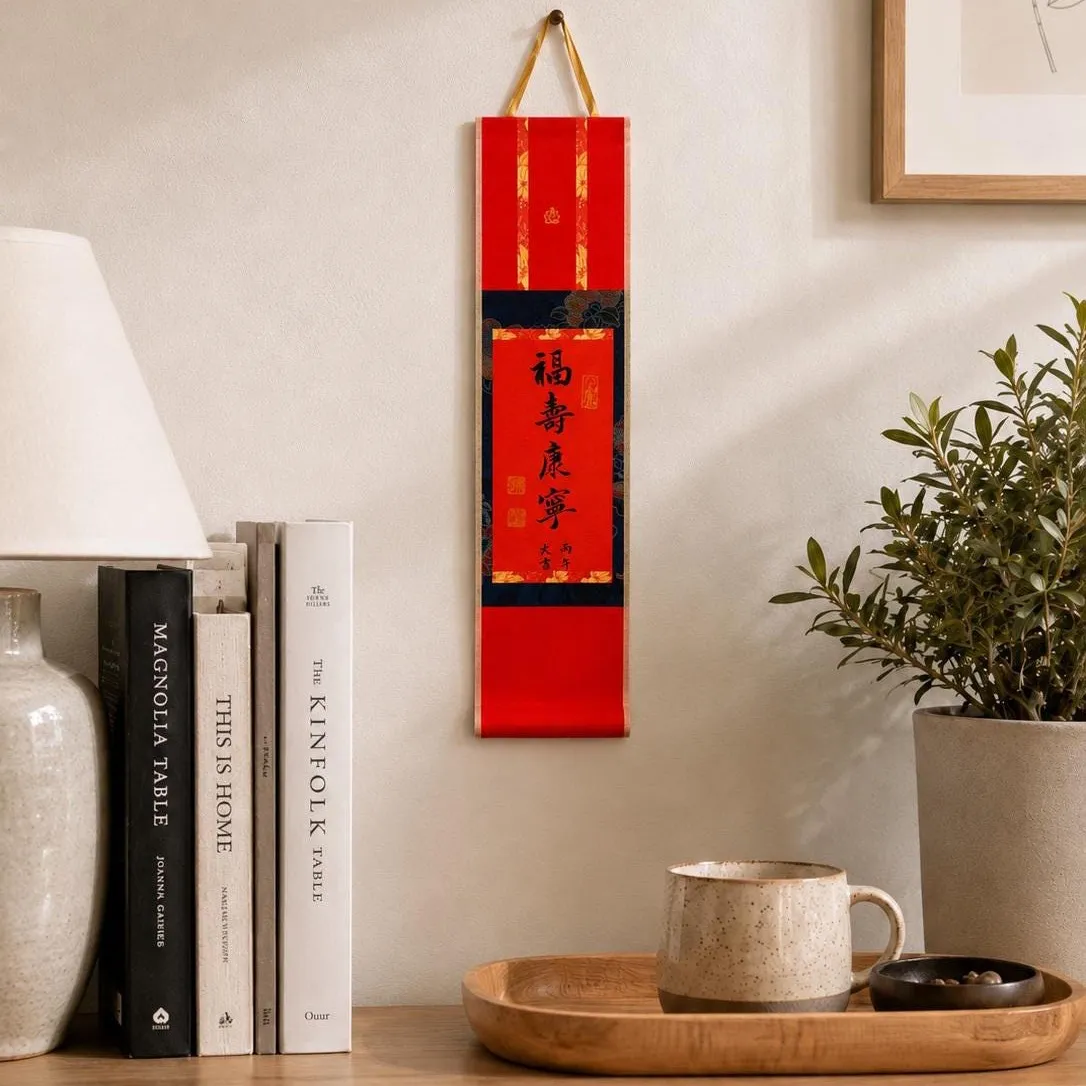
Photo shows a sample — yours will be brushed with 祺, or any character you choose.
Wall Scroll — for walls & housewarmingsfrom $38→ -
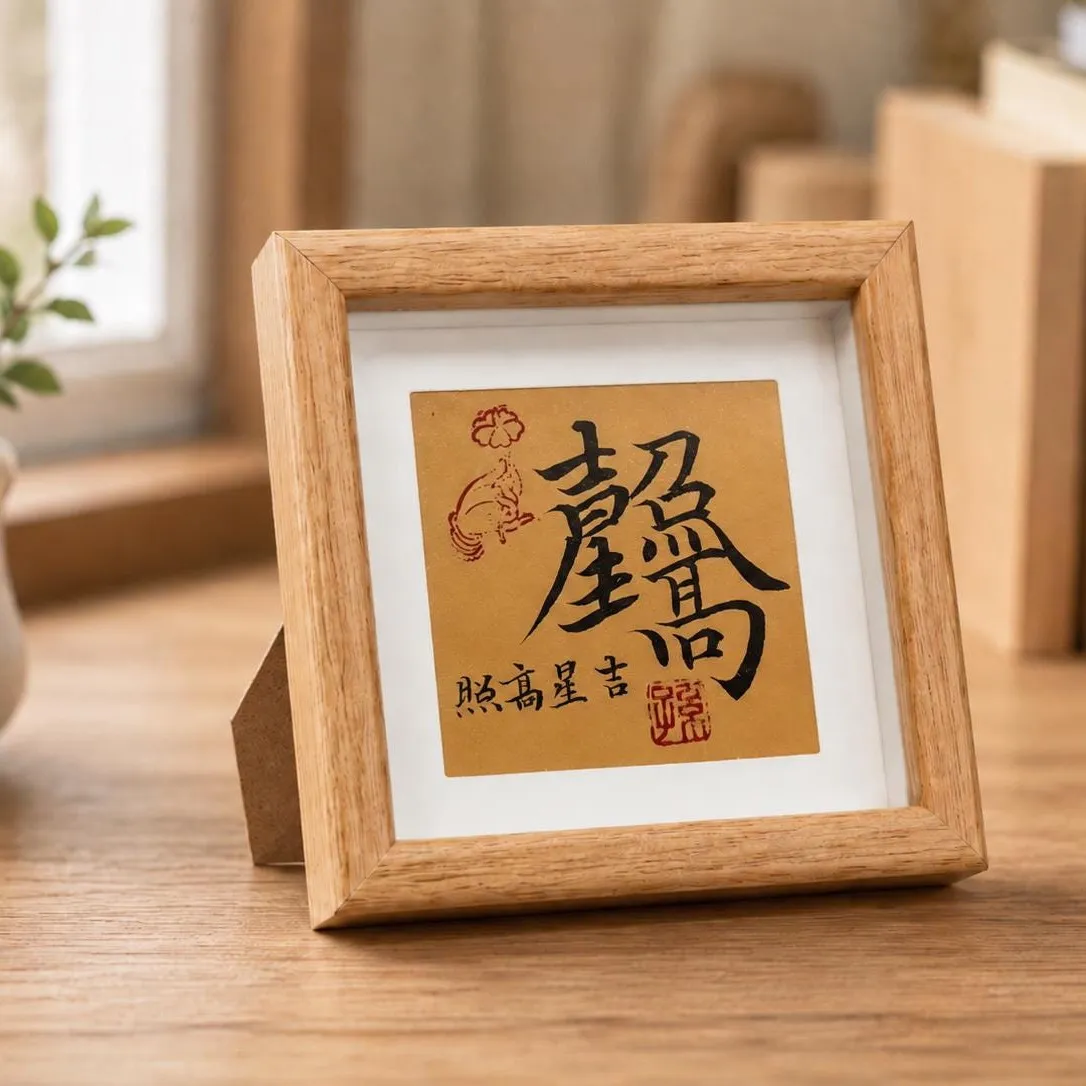
Photo shows a sample — yours will be brushed with 祺, or any character you choose.
Desk Frame — for desks, studies & studiosfrom $44→ -
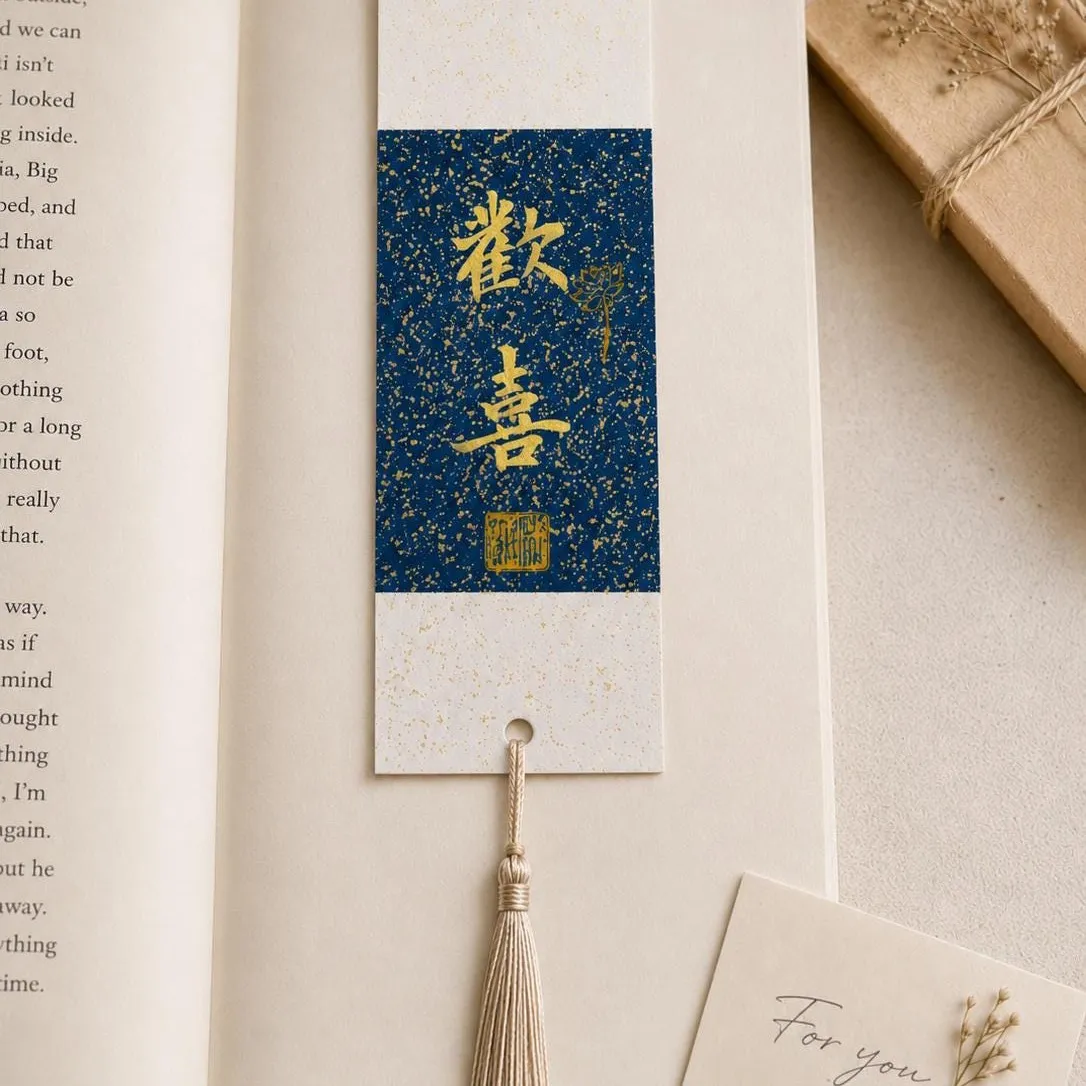
Photo shows a sample — yours will be brushed with 祺, or any character you choose.
Bookmark — for readers & small thank-yousfrom $17→
What people said after it arrived.
-
The item is fantastic. The customer service was genuine. Thanks!
— M.Verified purchase · from our Etsy shop reviews · -
They were great they gave me exactly what I asked for and then some. Thank you!!
— G.Verified purchase · from our Etsy shop reviews · -
It is well designed and customized. My daughter loves it. Amazing gift for family’s d friends
— S.Verified purchase · from our Etsy shop reviews ·
Each "祺" is hand-brushed by Artist Lina Sun on rice paper.
See 祺 (Qí) on Etsy →