润 (rùn) — Moisten · Nourish · Lustrous
A single character.
Spring rain, not sunshine: that is the kind of good 润 names. Where 善 is goodness as a moral fact, 温 the warmth you feel in someone’s presence, and 慈 the protective love that flows downward from elder to child, 润 is care that soaks in rather than shines out — the only one of these that is really moisture. You recognize it not in itself but in what it nourishes: the field that wakes up green, the jade that gains its sheen, the writing that gains its luster. The quietest of them, and the one you notice only after the fact.
That sense runs through the language at its warmest. 润物细无声 — moistening all things without a sound — is the line every Chinese schoolchild learns, and it has become shorthand for any care given without fanfare. The cultivated person is 温润如玉, warm and moist as jade, prized for a glow that comes from within. A pearl or a voice at its best is 圆润, round and lustrous; a life that feels cared for is 滋润; an essay improved by a friend has been 润色, had its color moistened. The same character carries all of it — from rain on a field to the sheen on stone to the comfort of a well-tended life.
A hand-brushed 润 by Artist Lina Sun is the gift for the mother, wife, or friend whose care has worked the way spring rain works — steady, soft, and almost invisible while it was happening. Like the rain in Du Fu’s line, it asks for no notice. What it points to is the quiet nourishment you only measure later: in what was left greener, smoother, more alive.
- to moisten
- to nourish quietly
- smooth and lustrous
- the soft sheen of something well cared for
- wet Too plain. 湿 is merely damp. 润 is moisture that does good — that nourishes, or lends a sheen — never just water sitting on a surface.
- warm 温 names warmth as a temperature you feel. 润 names moisture that nourishes and makes smooth. The two meet in jade (温润) but are not the same quality.
- rich 利润 means profit and 富润 means to enrich, but 润 itself is not wealth — it is the soaking, nourishing motion, whether of rain on a field or care on a life.
The short arms are the point: these readings don’t reach it.
- 氵 waterThe water radical, and the whole heart of the character. 润 is moisture that reaches what lies below it and soaks in. Every later sense — a nourished field, the sheen on jade, a life that feels cared for — traces back to this wetness.
- 闰 sound (and a story of its own)Lends the sound rùn. 闰 means an intercalary month, and its form is 王 (king) inside 門 (gate): in the Zhou leap-month rite the king kept to the gate rather than the temple. 润 borrows the shape for sound only — the meaning stays on the water side.
character
- 滋润 zī rùn nourished and moistened — to feel comfortably cared for, neither parched nor strained
- 温润 wēn rùn warm and smooth, like jade — the classical ideal of a cultivated character
- 圆润 yuán rùn round and lustrous — said of a pearl, a voice, or a brushstroke with an inner sheen
- 润泽 rùn zé moist and glossy — the look of something kept alive and well
- 润色 rùn sè to moisten the color — to polish a piece of writing until it gains luster
The Story Behind the Character
When the oldest Chinese cosmology sorted the world into five elements, it gave each one a verb — a single motion that defined it. Fire blazes and rises (炎上); wood bends and straightens; metal yields and reshapes. To water, the Book of Documents gave 润下: water moistens, and it moves downward. Of all the elements, water alone was assigned 润 — and that one assignment fixes the character's oldest meaning. 润 is not warmth and not wealth. It is the soaking, downward motion of water that reaches what lies beneath it and brings it to life.
The written character keeps that water on its left — the radical 氵 — and borrows its sound from the element on its right, 闰. The borrowed half carries a small story of its own. 闰 means an intercalary month, the leap month folded into the calendar to keep it true; and its form, China's first dictionary explains, is 王 (king) set inside 門 (gate), because in the Zhou rite of announcing the new moon the Son of Heaven dwelt in the ancestral temple, except in a leap month, when he kept to the gate. 润 takes that shape only for its sound. The meaning stays entirely on the water side.
What grew out of that root is a very particular idea: moisture that does good. Not water spilled on a surface, but water that soaks in and is recognized later, in what it nourished. The same character that names rain on a field came to name the sheen on jade (温润), the roundness of a pearl or a voice (圆润), the comfort of a life that feels cared for (滋润), and the polish added to a piece of writing (润色). In every case the work is quiet and the result is a soft, living luster — never a hard shine.
Classical lines
- roughly 1,100 years
- c. 4th c. BCE 《尚书·洪范》
- c. 4th–3rd c. BCE 《周易·系辞上》
- c. 761 CE 杜甫《春夜喜雨》
随风潜入夜,润物细无声。 It steals into the night on the wind, moistening all things softly, without a sound.
Du Fu's spring rain is the defining image of 润: nourishment that does its work in the dark and asks for no notice. The kind of care you recognize only by the green that greets you in the morning.
水曰润下,火曰炎上。 Water moistens and flows downward; fire blazes and rises upward.
Of the five elements, water alone was given 润 as its verb. The earliest sense of the character: not warmth, not wealth, but the downward, soaking motion of water that reaches what is below it and brings it to life.
鼓之以雷霆,润之以风雨。 Thunder rouses the world; wind and rain moisten it.
The Great Treatise pairs the loud force with the quiet one. 润 is the gentle half — not the drum-roll of the storm but the rain that follows it and makes the rousing matter.
Why This Character Matters
When a Chinese writer wants a friend to improve an essay, the verb they reach for is 润色 — literally "to moisten its color." It is a telling choice. The most prized quality in a pearl, a voice, a brushstroke, or a piece of jade is not brilliance but 圆润 — round and moist, smooth with an inner sheen rather than a glassy glare. To be 滋润 is to live a life that feels nourished, neither parched nor strained. The same word that began as rain on a field became the word for the quiet good that one presence does to another: a softening, a luster, a sense of being cared for.
This is why the cultivated person was compared to jade as 温润 — warm and moist — rather than to anything that merely sparkles. Jade earns the comparison because its glow comes from within and rewards a closeness; it does not flash across a room. Set beside Du Fu's rain, 润 names a particular shape of goodness: one that soaks in rather than shines out, that you measure not in itself but in what it leaves greener, smoother, more alive.
A few characters live near "润" but mean something quieter, sharper, or more specific. Here's how to tell them apart.
moisture that nourishes and lends a soft sheen — the good it does soaks in
warmth as a temperature — the care you feel standing near someone
the nourishing luster a presence adds to those around it
refinement — the cultivated taste that makes a person admired
the soft sheen of something kept alive and cared for
beauty as a completed quality — character grown into something whole and visible
For the mother whose care worked the way spring rain works — 润物细无声, soaking in at night so the world wakes up greener, never announcing itself.
- For the mother whose care worked the way spring rain works — 润物细无声, soaking in at night so the world wakes up greener, never announcing itself. 润 names the nourishment you recognize only by what it grew: you, mostly. More specific than 爱 (the love itself) and quieter than 温 (the warmth you felt in the room), it is for the mother whose giving was steady, soft, and almost invisible while it was happening.
- For the person whose presence has quietly enriched everyone around them — the friend, partner, or parent whose company leaves you better without any visible effort on their part. 润 on a birthday is recognition rather than wish: it names the soft, nourishing luster others have felt for years, the same quality Chinese prizes in jade (温润) and in a life that feels cared for (滋润). Best when the warmth is the kind that soaks in rather than shines out.
Looking for a name? See Western names written in Chinese →
-
What does 润 (rùn) mean?
润 (rùn) is the Chinese character for moisten, nourish, lustrous. Spring rain, not sunshine: that is the kind of good 润 names. Where 善 is goodness as a moral fact, 温 the warmth you feel in someone's presence, and 慈 the protective love that flows downward from elder to child, 润 is care that soaks in rather than shines out — the only one of these that is really moisture. You recognize it not in itself but in what it nourishes: the field that wakes up green, the jade that gains its sheen, the writing that gains its luster. The quietest of them, and the one you notice only after the fact. When a Chinese writer wants a friend to improve an essay, the verb they reach for is 润色 — literally "to moisten its color." It is a telling choice. The most prized quality in a pearl, a voice, a brushstroke, or a piece of jade is not brilliance but 圆润 — round and moist, smooth with an inner sheen rather than a glassy glare. To be 滋润 is to live a life that feels nourished, neither parched nor strained. The same word that began as rain on a field became the word for the quiet good that one presence does to another: a softening, a luster, a sense of being cared for.
-
What occasions is 润 given for?
润 is traditionally given for Mother's Day, Birthday. For the mother whose care worked the way spring rain works — 润物细无声, soaking in at night so the world wakes up greener, never announcing itself. 润 names the nourishment you recognize only by what it grew: you, mostly. More specific than 爱 (the love itself) and quieter than 温 (the warmth you felt in the room), it is for the mother whose giving was steady, soft, and almost invisible while it was happening. For the person whose presence has quietly enriched everyone around them — the friend, partner, or parent whose company leaves you better without any visible effort on their part. 润 on a birthday is recognition rather than wish: it names the soft, nourishing luster others have felt for years, the same quality Chinese prizes in jade (温润) and in a life that feels cared for (滋润). Best when the warmth is the kind that soaks in rather than shines out.
-
Who brushes the 润 calligraphy?
Each 润 (Rùn) is hand-brushed to order by Artist Lina Sun in ink on rice paper — never printed, never repeated.
Bring 润 home — choose how you'd like it brushed.
-
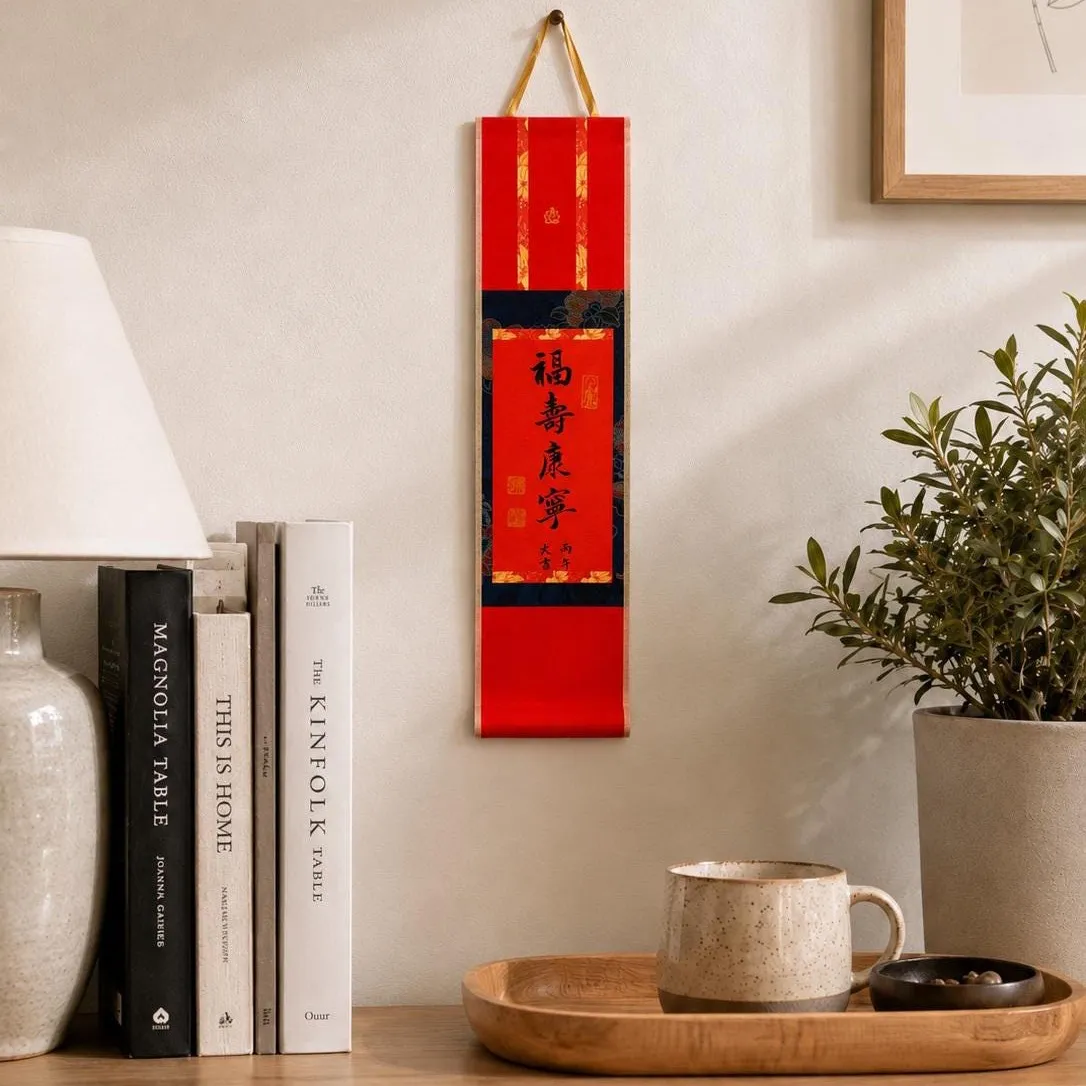
Photo shows a sample — yours will be brushed with 润, or any character you choose.
Wall Scroll — for walls & housewarmingsfrom $38→ -
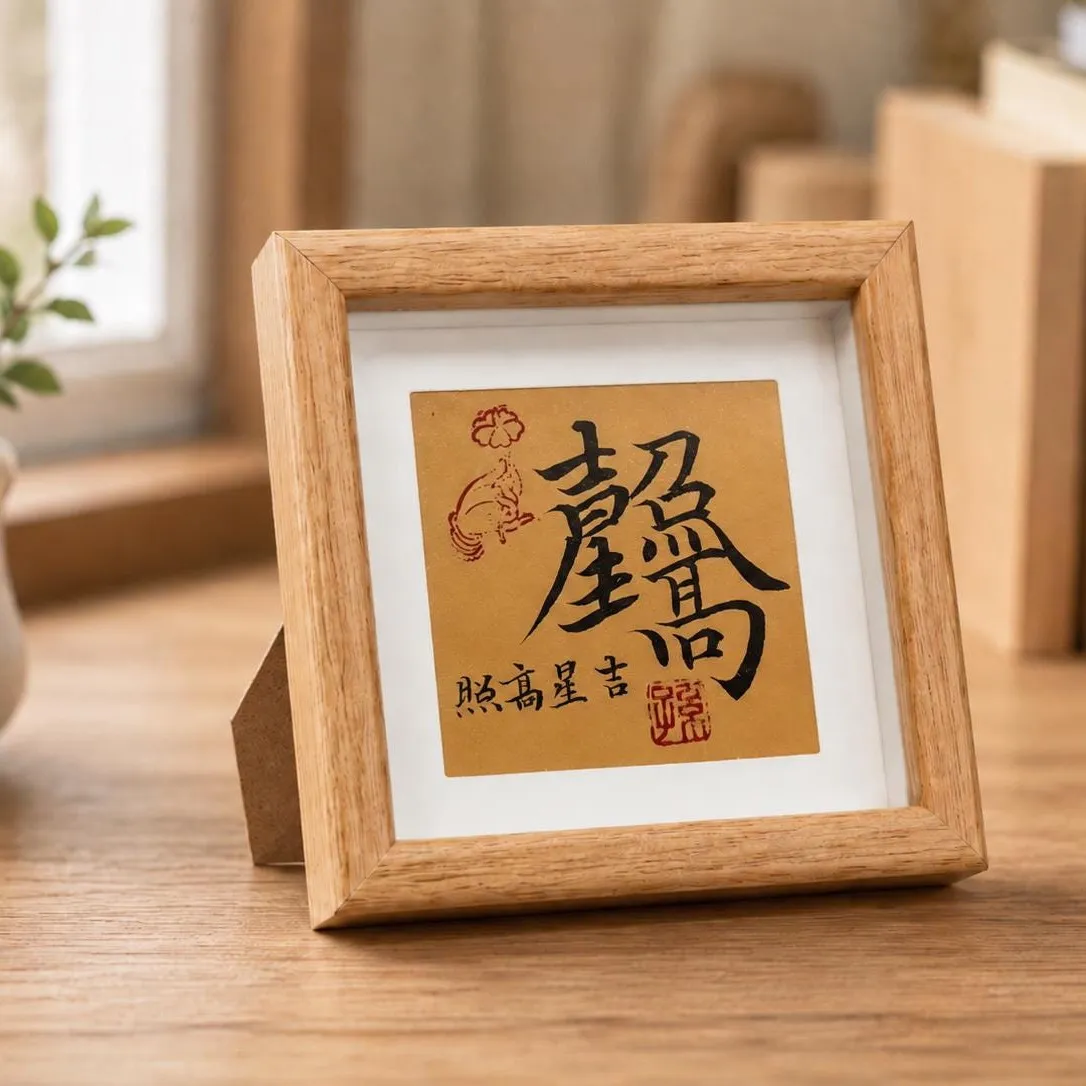
Photo shows a sample — yours will be brushed with 润, or any character you choose.
Desk Frame — for desks, studies & studiosfrom $44→ -
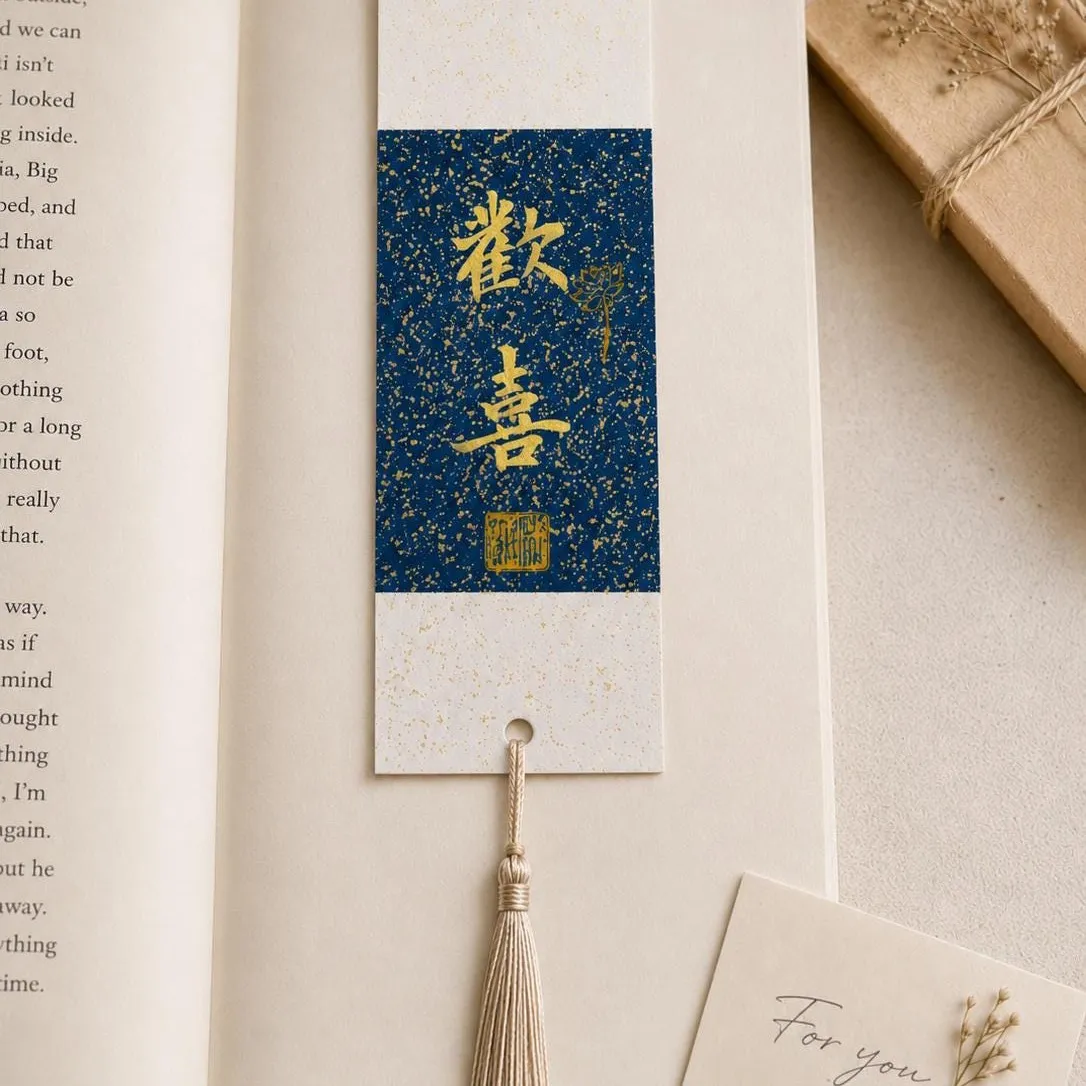
Photo shows a sample — yours will be brushed with 润, or any character you choose.
Bookmark — for readers & small thank-yousfrom $17→
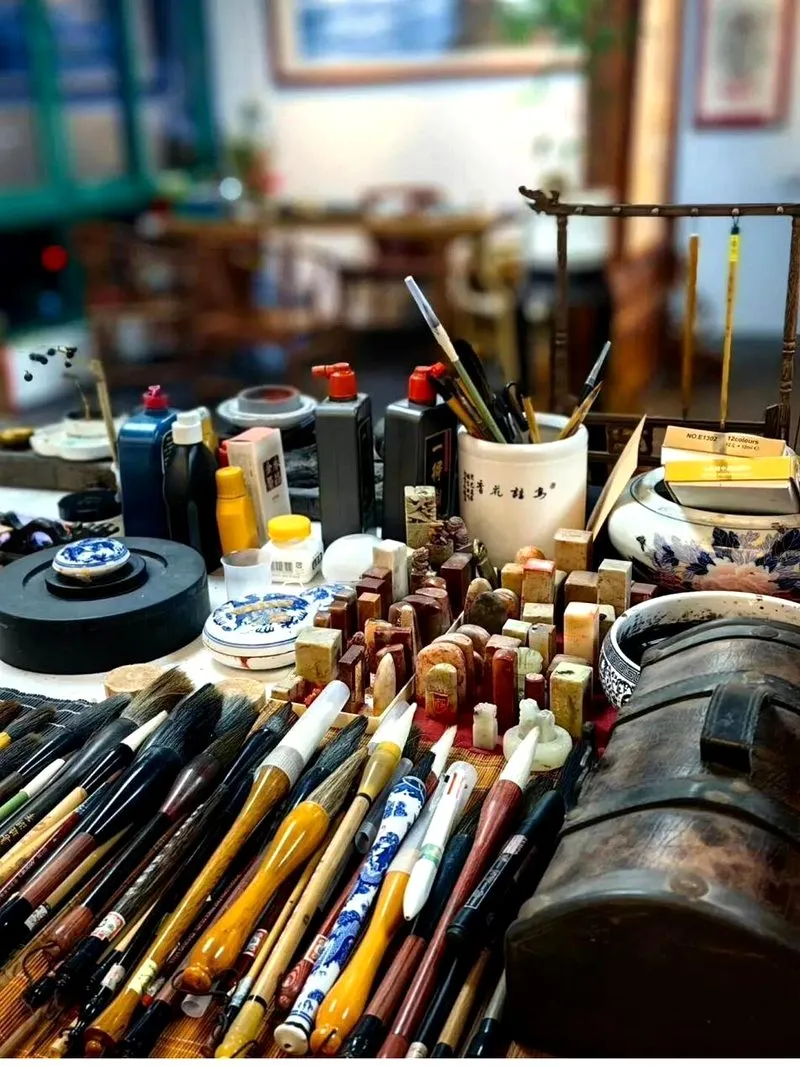
What people said after it arrived.
-
The item is fantastic. The customer service was genuine. Thanks!
— M.Verified purchase · from our Etsy shop reviews · -
They were great they gave me exactly what I asked for and then some. Thank you!!
— G.Verified purchase · from our Etsy shop reviews · -
It is well designed and customized. My daughter loves it. Amazing gift for family’s d friends
— S.Verified purchase · from our Etsy shop reviews ·
Each "润" is hand-brushed by Artist Lina Sun on rice paper.
See 润 (Rùn) on Etsy →